Showing 351–375 of 1981 resultsSorted by latest
-
Sale!
$7.99 Original price was: $7.99.$6.99Current price is: $6.99.
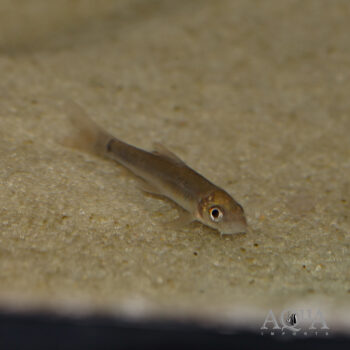
The Silver Garra or Sucker Head (Garra cf. gotyla) is found in watersheds throughout India. A hardy, loosely schooling species, the Silver Garra makes an excellent algae eater and grazer but should be provided with a varied diet including plenty of protein. A social species, they will do best in groups of 3-5 or more.
-
$19.99
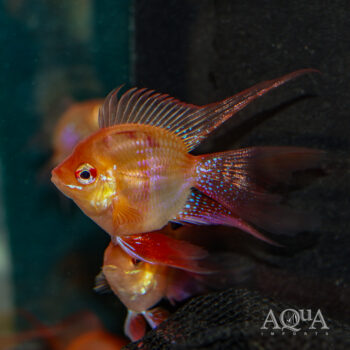
A brightly colored line bred variant of the popular Ram or Butterfly Dwarf Cichlid, the Longfin Golden Balloon Ram (Mikrogeophagus ramirezi) is a small, peaceful cichlid ideal for most community aquariums. With their vibrant coloration and elongated flowing fins they make an impressive display fish in a planted or aquascaped aquarium and will get along well with most tankmates. In the aquarium, they can be sensitive to fluctuating water quality and will do best in slightly soft water with frequent partial water changes. Like most cichlids they may fight among themselves for territory so a medium sized aquarium with plenty of cover and shelter is best to keep a group.
-
$24.99
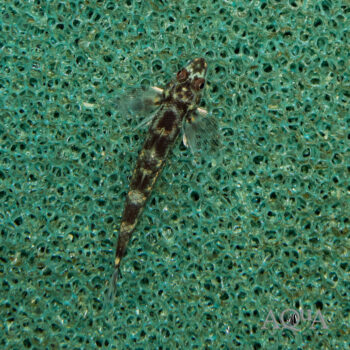
A resident of fast-moving, coastal rocky streams in Southeast Asia, the Aspro Loach Goby (Rhyacichthys aspro) uses their modified pectoral fins to attach themselves to the rocky substrate and move among the rocks in search of food. In the wild, they are grazers and generalists, feeding on algae, biofilm, and small insects and crustaceans. In the aquarium, they do best when kept under similar conditions to their wild habitat – rocks, ample current, and well-oxygenated water. Although they will accept a number of prepared sinking foods, it’s important to supplement their diet with algae- or veggie-based food.
-
$59.99
The NK01 Blue Tail Borneo Sucker Loach (Gastromyzon ornaticauda) is a distinctive, attractively marked hillstream loach found in fast-moving streams in Western Borneo. Sucker Loaches are found among rocks in well-oxygenated waters. In the aquarium, they are hardy fish as long as their wild habitat is replicated as closely as possible, with clean, aerated water and moderate to fast flow being essential to keep this species thriving long term. A grazer and opportunistic feeder, they should be given a varied diet high in algae or vegetable content like Fluval Bug Bites Pleco Formula or Repashy Gel Diet. A social fish, they should be kept in groups of at least 3.
-
$69.99
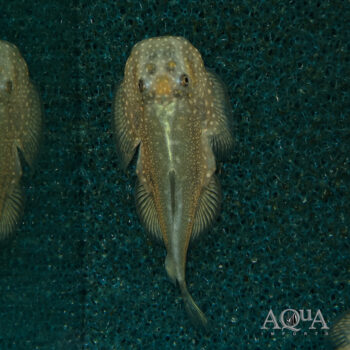
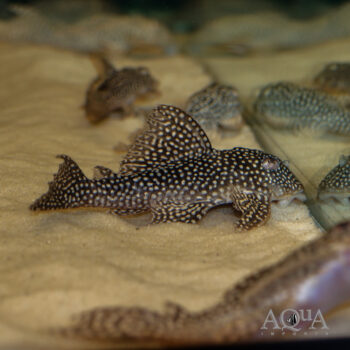
A smaller growing spotted species of Hypancistrus known from the Rio Negro and its tributaries, the L136 Demini Angelicus Pleco (Hypancistrus sp. L136) is an ideal pleco for the small to medium community aquarium. Although normally shy at first, they will become more comfortable spending time out in the open over time and especially when food is added to the tank. Like most of their close relatives in the genus Hypancistrus, the L136 is not a particularly good algae eater and prefers a more protein rich diet than some plecos. Peaceful toward nearly all tankmates, they can be territorial towards other plecos but will typically coexist without problems long as plenty of cover is provided in the aquarium.
-
$44.99
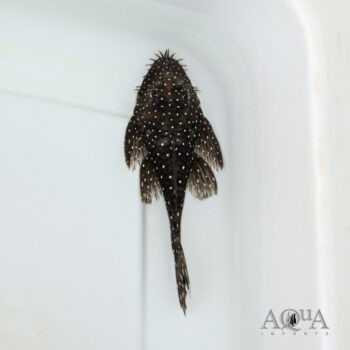
A beautiful and sought after member of the genus Ancistrus found in Brazil’s Rio Negro, the L182 Starlight or L182 Starry Night Bristlenose Pleco (Ancistrus punctatus) inhabits warm, acidic, tannin-stained waters where it is typically found grazing on submerged driftwood or fallen branches. In the aquarium, they are hardy and adaptable but should be provided with plenty of cover and driftwood for grazing on. Like all Bristlenose or Bushynose plecos in the genus, both males and females display bristles or tentacles along the nose as adults, with mature males having much more elaborate growth.
-
$13.99
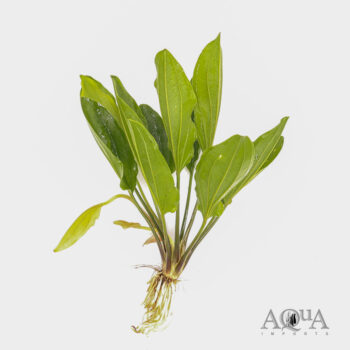
Indian Red Sword Plant (Echinodorous ‘Indian Red’) product description coming soon.
-
$7.99
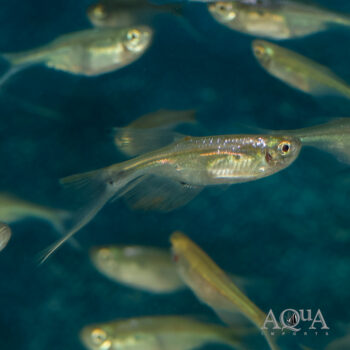
The Swordtail Tetra (Corynopoma riisei) is found in Venezuela, Colombia, and Trinidad. It is a surface dwelling species which requires plenty of surface area to feel comfortable. They add quite the flash and movement to the middle and upper levels of the aquarium. Hardy and tolerant of a wide range of water conditions they are a shoaling species best kept in larger groups, with 5 fish being the minimum (more fish are better if space allows).
-
$24.99
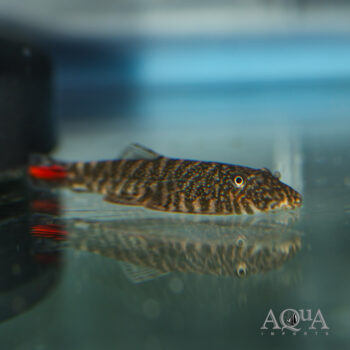
The SK02 Red Tail Borneo Sucker Loach (Gastromyzon sp. SK02) is a distinctive, attractively marked hillstream loach found in fast-moving streams in Western Borneo. Sucker Loaches are found among rocks in well-oxygenated waters. In the aquarium, they are hardy fish as long as their wild habitat is replicated as closely as possible, with clean, aerated water and moderate to fast flow being essential to keep this species thriving long term. A grazer and opportunistic feeder, they should be given a varied diet high in algae or vegetable content like Fluval Bug Bites Pleco Formula or Repashy Gel Diet. A social fish, they should be kept in groups of at least 3.
-
$44.99
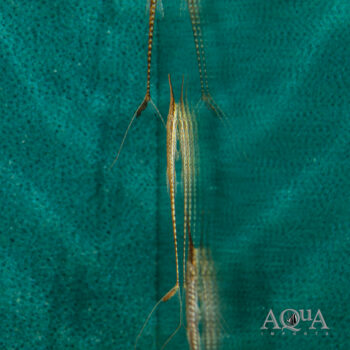
A unique suckermouth catfish that truly lives up to its common name, the Stick Catfish or Common Farlowella is an algae and biofilm grazing species found throughout much of South America. In the wild, their twig-like appearance is effective camouflage against predators and allows them to graze on sunken tree branches and driftwood. In the aquarium, they are usually active and outgoing algae grazers that do a great job with diatoms and hair algae both on the glass and on decor. Safe for planted aquaria, they are compatible with nearly any tankmates. When kept in optimal conditions, this species will spawn readily in the aquarium, often on the glass or other vertical flat surfaces.
-
$12.99 – $29.99Price range: $12.99 through $29.99
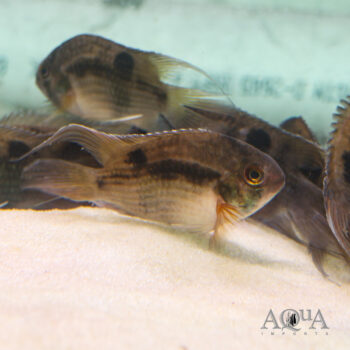
Known to be one of the more peaceful cichlids, the Keyhole Cichlid (Cleithracara maronii) is a great medium sized cichlid species for a community tank. These hardy fish will accept most frozen and dry foods.
-

$12.99
The Mosaic Plant (Ludwigia sedioides) is a hardy stem plant with a unique growth pattern. It grows best rooted in the substrate where it will reach to the surface creating a mosaic of leaves reaching up to 5″ in diameter. They will develop red and green coloration and are suitable for both aquariums and ponds.
-
$16.99
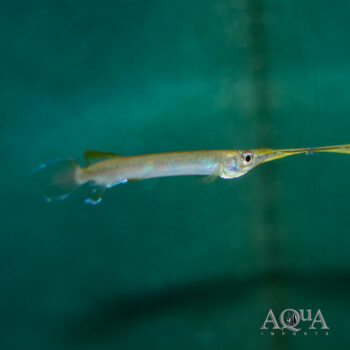
A rarely seen and beautifully marked species of halfbeak originating in Borneo, the Three Spot Forest Halfbeak (Hemirhamphodon kuekenthali) is unlike most of its relatives as it is found not in brackish water or estuarine areas but in soft, slow flowing streams inland. In the aquarium, this unique surface dwelling species makes an excellent tankmate for similar Southeast Asian blackwater fish like microrasboras, dwarf or chocolate gourami, and other species found in similar warm, acidic, shallow water habitat. This species does best in groups and in an aquarium approximating their wild habitat with tannin-rich water, moderate current, and plenty of surface cover in the form of floating vegetation or branching driftwood close to the water’s surface.
-
$99.99
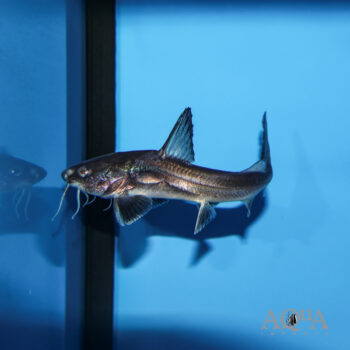
The Armored Sea Catfish (Hemiarius stormii) also known as the Stormii Cat is a gentle giant in the aquarium. They obtain a fully grown size around 19″ and can be kept in brackish to full fresh water. In the wild they can be found in large river systems and estuaries. These cats are relatively peaceful for their size however, they swim and look just like a true shark in the aquarium.
-
$59.99
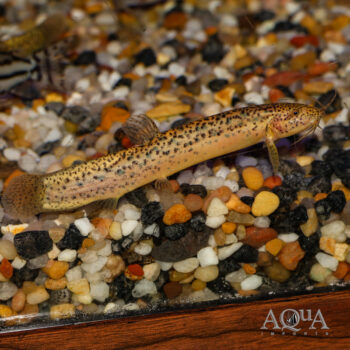
An elongated, eel-like loach found throughout much of Asia, the Dojo Loach has been popular in the aquarium hobby for decades due to their active, gregarious nature and unique appearance. The Gold Leopard Dojo Loach is a selectively bred variant. More subtropical than most aquarium species, they are tolerant of temperatures into the mid 50-60F range and do best when kept below 75-78F. In the aquarium, they prefer ample hiding places like plants, caves, or rockwork and will do best when kept in groups of 3 – 5 or more. The attractive gold form is a selectively bred strain which shows a uniform bright yellow/orange coloration.
No sales to: Alabama, California, Illinois, Michigan, Minnesota, New Jersey, New York, Oregon, Wisconsin
-
$4.99
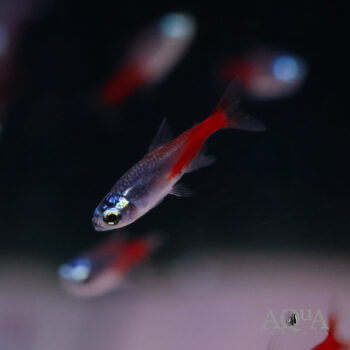
One of the most popular and instantly recognizable freshwater aquarium fish, the Neon Tetra originates from the waters of the Rio Ucayali in Peru, where they tend to inhabit shallow clear or white water streams in large shoals. Given their worldwide popularity, this species has been farmed on a massive scale in Asia, Europe, and the US for decades now and wild fish are relatively rare in the hobby. With their vivid red and blue coloration, peaceful demeanor, and schooling behavior they are one of the best aquarium fish species in the hobby for beginners and experienced hobbyists alike. Best kept in groups of 10 or more fish, they will get along with most other peaceful tankmates and will thrive in most setups.
-
$39.99
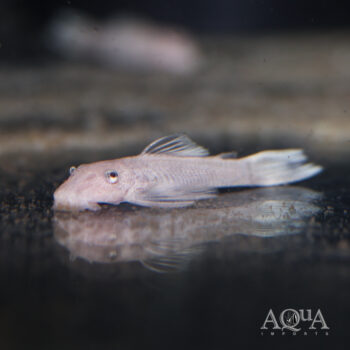
The Snow White Bristlenose Pleco is a line bred variant of the Common Bristlenose or Bushynose Pleco (Ancistrus sp.) developed from the more common albino strain which features vivid blue eyes and solid white body. With their bright white coloration, they make a striking addition to a medium or large community or planted aquarium and are one of the most popular of the many color forms of Ancistrus available in the hobby. As with all Common Bristlenose Plecos, these fish are ideal aquarium inhabitants, grazing on diatom algae while still being safe with live plants and peaceful towards all tankmates. While these plecos will do an excellent job controlling nuisance algae in the aquarium, they should be fed regularly with a high quality diet like Repashy gel formulas.
-
$11.99
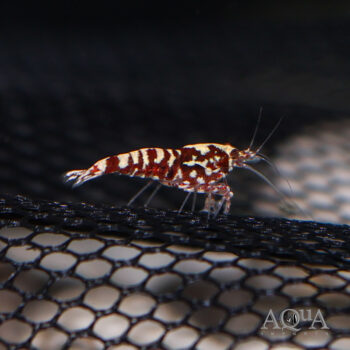
Red Pinto Shrimp and Black Pinto Shrimp are a selectively bred form of Caridina cantonensis which have been developed from wild specimens showing a a striking red and white or black and white zebra/spotted patterns. They are enormously popular due to their striking, high contrast coloration and can be a bit more delicate than some of the more common Neocaridina species, so are best kept by hobbyists with some experience keeping shrimp already. Like most Caridina species, Pinto Shrimp prefer soft, lower pH water and do best at slightly lower temperatures. These shrimp are sensitive to water quality so regular water changes and adequate filtration are important to keep them healthy and thriving.
-
$12.99
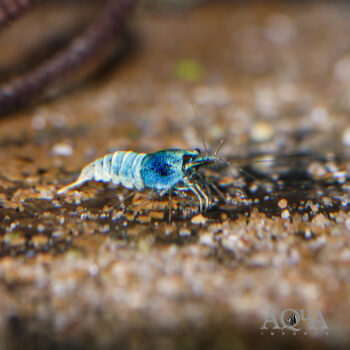
The Blue Bolt Shrimp or Blue Bolt Tiger Bee Shrimp is a selectively bred form of Caridina cantonensis which have been developed from wild specimens showing a blue front half with white rear coloration. They are enormously popular due to their striking, high contrast coloration and can be a bit more delicate than some of the more common Neocaridina species, so are best kept by hobbyists with some experience keeping shrimp already. Like most Caridina species, Blue Bolt Shrimp prefer soft, lower pH water and do best at slightly lower temperatures. These shrimp are sensitive to water quality so regular water changes and adequate filtration are important to keep them healthy and thriving.
-
$59.99
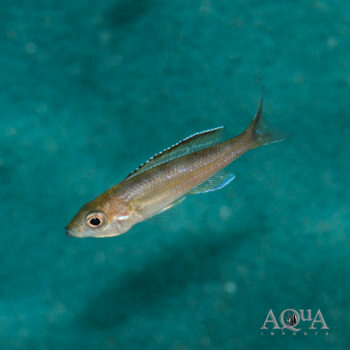
Cyprichromis leptosoma ‘Kitumba’ blue from the “jumbo” Cyprichromis group are known for their bright blue coloration as mature fish. They can act as a dither fish with other African Cichlids. They are hardy fish in the aquarium and will accept most prepared foods.
-
$16.99
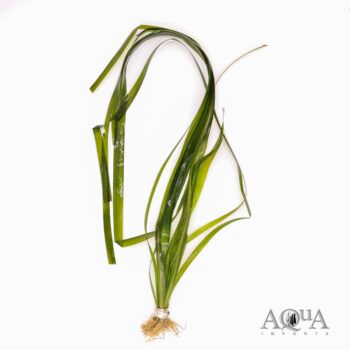
Giant Val (Vallisneria gigantea) product description coming soon.
-
$64.99
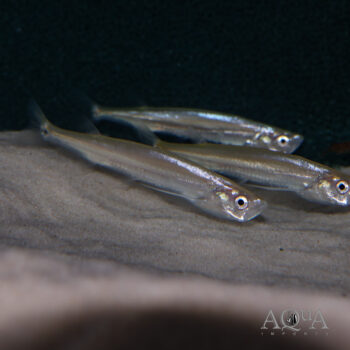
The Giant Sword Minnow (Macrochirichthys macrochirus) is an unusual predator found throughout Asia’s rivers and lakes where they will opportunistically move into floodplains in search of food. These fish are very flighty and easily startled. They should have a well sealing aquarium lid and plenty of space to swim freely. They are best kept in groups of 3 or more and are compatible with fish too large to be eaten.
-
$49.99
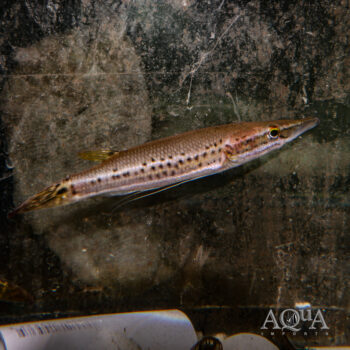
An unusual predatory species, the Crocodile Pikehead or Giant Pikehead (Luciocephalus pulcher) is a medium growing relative of the gouramis from shallow blackwater creeks and swamps throughout Thailand, Malaysia, and Indonesia. In the wild, they tend to sit nearly motionless near the water’s surface, usually in heavily vegetated areas, where they wait for smaller fish to eat. In the aquarium, they are generally hardy but will do best in warm, slightly soft water with plenty of cover, especially near the surface. Although they will rarely bother tankmates, any fish or invertebrate small enough to be prey will quickly be eaten.
-

$24.99
Probably the single most popular fish kept around the world, the Betta or Siamese Fighting fish has been popular in its native Thailand for centuries, and has been bred into dozens of color forms and strains. The halfmoon or moontail variant is a popular strain with an elaborate full tail which creates a half-moon shape when extended . Incredibly hardy, and with the ability to breathe air from the surface, these fish are popular “bowl fish” but really will do best in a small aquarium with a heater and some form of filtration. As their name implies, males of this species will fight and must be kept singly but females can be kept in groups.
Assortment note: Our assortment includes a variety of colors. If you have a specific color you’d like you can request it in the order notes and we will make our best effort to select that color if possible.
-
$24.99
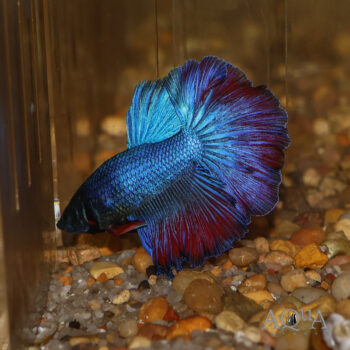
Probably the single most popular fish kept around the world, the Betta or Siamese Fighting fish has been popular in its native Thailand for centuries, and has been bred into dozens of color forms and strains. The halfmoon or moontail variant is a popular strain with an elaborate full tail which creates a half-moon shape when extended . Incredibly hardy, and with the ability to breathe air from the surface, these fish are popular “bowl fish” but really will do best in a small aquarium with a heater and some form of filtration. As their name implies, males of this species will fight and must be kept singly but females can be kept in groups.
Assortment note: Our assortment includes a variety of colors. If you have a specific color you’d like you can request it in the order notes and we will make our best effort to select that color if possible.
End of content
End of content