Showing 426–450 of 1981 resultsSorted by latest
-
$29.99
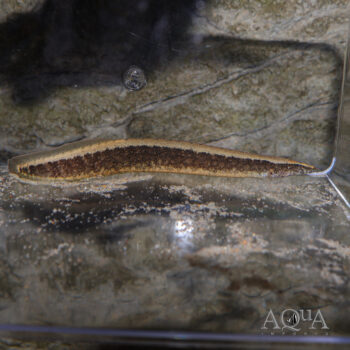
A medium-growing and intricately patterned freshwater eel, the Buff Back Spiny or Frecklefin Eel (Macrognathus maculatus) is found in a variety of habitats throughout Indonesia and Malaysia. Hardy and more outgoing than many of their relatives, these fish make a unique addition to medium to large aquariums and will generally do well with any fish too large to become a meal. Like most spiny eels, they can be a bit slow to feed at first, so care should be taken to ensure they are getting enough food. Frozen bloodworms are usually accepted readily.
-
$9.99 – $12.99Price range: $9.99 through $12.99
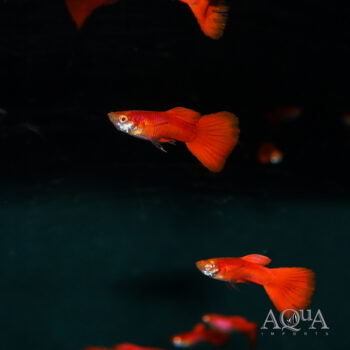
An aquarium hobby classic, the guppy is a livebearing species found through parts of Central and Northern South America but it has been bred worldwide for the aquarium hobby for over a century. In that time, the wild form has been developed in to dozens of varieties and color forms, including cobra patterns, delta tails, tuxedo, and many more. A peaceful, hardy, and active fish, they are often recommended for beginners due to their ease of care. Male guppies tend to be more colorful and have much larger, vividly colored tails whle females tend to be larger and more heavy bodied.
-
Sale!
$19.99 Original price was: $19.99.$17.99Current price is: $17.99.
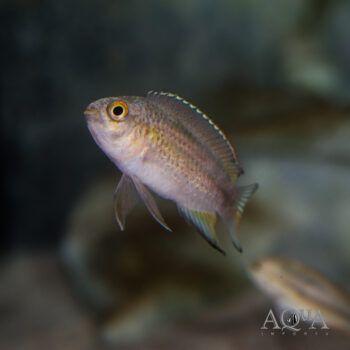
Known to be one of the most peaceful cichlids, the Golden Dwarf Cichlid (Nannacara anomala) is a great dwarf cichlid species for the community tank or planted aquarium. These hardy fish will accept most frozen and dry foods.
-
$29.99
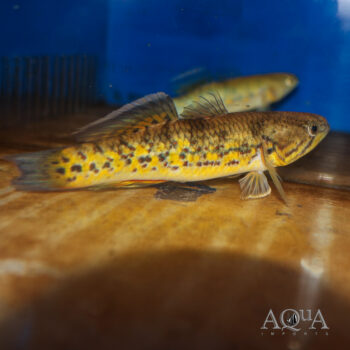
A large, spectacularly colored goby found throughout southeast Australia, the Southern Purple Spotted Gudgeon (Mogurnda adspersa) was once thought to be extinct. Thanks to successful captive breeding this fish is now available to aquarists. In the aquarium, they are hardy and undemanding, and will live in groups as long as ample space and cover is provided for each fish to stake out a territory. Generally peaceful towards fish too small to be eaten, but robust enough to hold their own against semiaggressive tankmates, this species makes an impressive addition to a medium to large community aquarium.
-
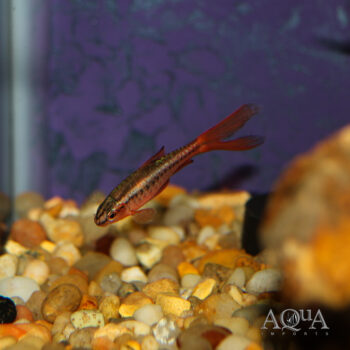
$5.99
Bright red and speedy swimmers, Long Fin Cherry Barbs (Puntius titteya) are a popular fish for freshwater community tanks. They reach an adult size of two inches and will generally do well with similarly sized, peaceful fish. Cherry Barbs are hardy schooling fish, and will thrive best in groups of 5 or more!
-
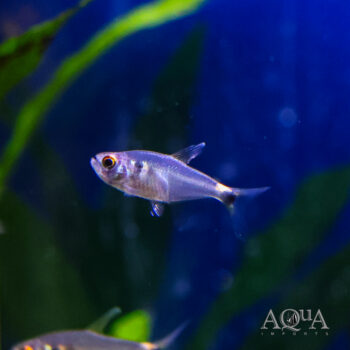
$3.99
Easily recognizable for their silvery bodies and bright orange spot above the eye and caudal peduncle, the Head and Tail Light Tetra (Hemigrammus ocellifer) is a popular aquarium community fish. They are hardy, beautiful, and generally peaceful. The Albino Head and Tail Light Tetra will thrive in a schooling group (ideally 10 or more).
-
-
Sale!
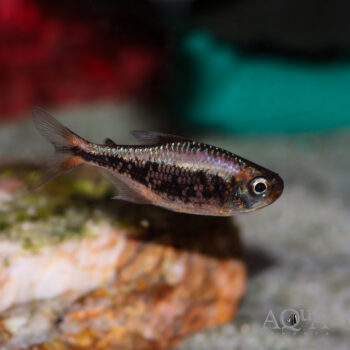
$24.99 Original price was: $24.99.$19.99Current price is: $19.99.
The Yellow Kogal Tetra (Moenkhausia sp. Yellow Kogal) is rarely available in the hobby. This uncommon species originates from the Rio Madeira River Basin in Brazil where it is found in clear water with fine sand substrate and leaf litter. Like most tetras, these shoaling fish are best kept in groups of 5 or more. In the aquarium they are peaceful and readily accept prepared foods.
-
$9.99
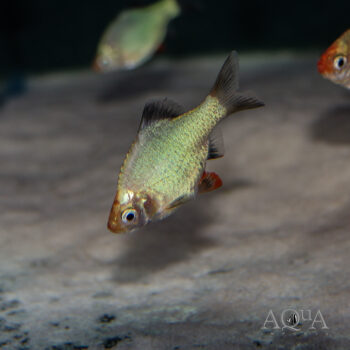
A classic aquarium fish and one of the most popular species in the hobby, the Tiger Barb is an attractive, fast-moving schooling fish best kept in groups of 5 or more. They can be considered a semi-aggressive fish but typically if kept in a large enough group they will ignore other tankmates. A hardy and adaptable fish, the Tiger Barb makes an excellent addition to most medium to large community aquariums and a great dither fish for many Central and South American Cichlids. The “Green” variant is a selectively bred strain that displays a unique green body coloration instead of the typical black stripes.
-
$8.99
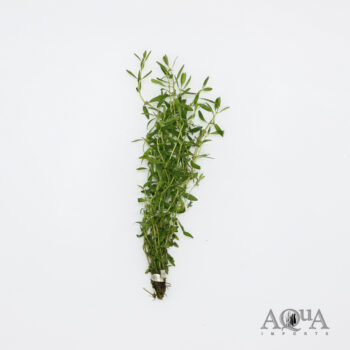
Rotala Florida (Rotala ramosior ‘Florida’) – CO2 recommended for best color
-
$299.99
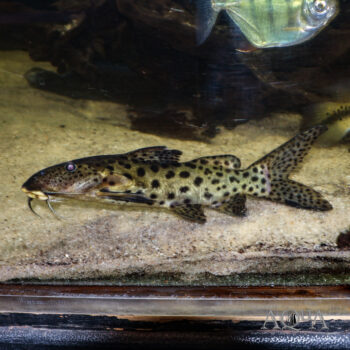
The Synodontis longirostris is the largest growing member of the genus Synodontis. Due to the heavily spotted pattern it is also known at the Eyespot Synodontis. This uncommon import is hardy and adaptable in the aquarium and is more active and less shy than many other Synodontis species. These giants will need a large tank with hiding places and plenty of open bottom for swimming space.
-
$199.99
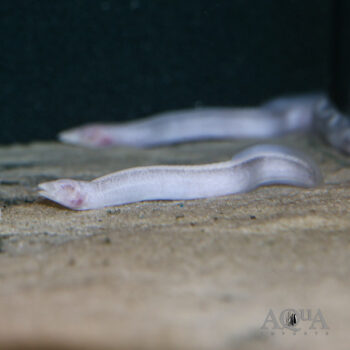
The Blind Congo Eel (Caecomastacembelus brichardi) is an unusual Spiny Eel found in the rapids of the lower Congo River. They inhabit the cracks and crevices of the large boulders that dominate the river. In captivity, they will appreciate plenty of tight hiding places and a diet of frozen foods.
-
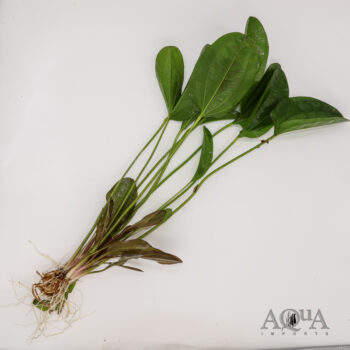
$13.99
Green Melon Sword Plant (Echinodorus barthii) Care Level: Beginner Preferred Light Level: Low to moderate Placement/Size: A medium to large plant usually used for mid- or background planting Shipping Note: All our foods and aquatic plants ship FREE with any live fish order; OR food/plant only orders ship for a flat rate of $10.99…
-
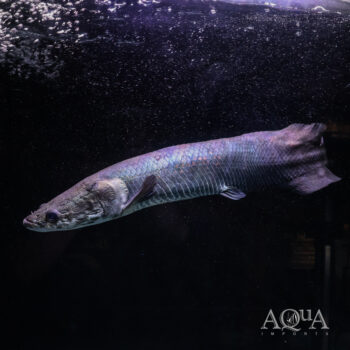
$499.99
Found throughout the Amazon River basin in South America, the Arapaima (Arapaima gigas) is one of the largest freshwater fish species in the world. They are large, powerful predators which require ample tank space and a substantial cover as they are powerful jumpers. Arapaima are generally peaceful towards any tankmates too large to be eaten, but territorial towards each other unless kept in larger groups. Adults commonly reach 7-10 feet in the wild with reports of individuals growing to 15 feet. They require access to the surface allowing them to gulp in air to supplement the use of the gills.
-
Sale!
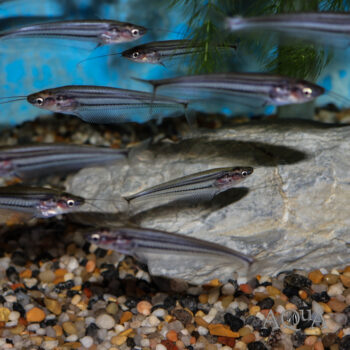
$9.99 Original price was: $9.99.$8.99Current price is: $8.99.
The Striped Glass Catfish (Kryptopterus macrocephalus) has been popular in the aquarium trade for decades due to its peaceful nature and active behavior. In the wild, they inhabit a variety of freshwater habitats in Southeast Asia, from clear water streams to quiet swampy areas, where they are typically found in large shoals. They are relatively hardy in the aquarium but prefer slightly soft water and excellent water quality. They should be kept in groups of at least 5 fish so they can form a school. Fast moving or nippy tankmates should be avoided as they can stress out the more peaceful Glass Catfish.
-
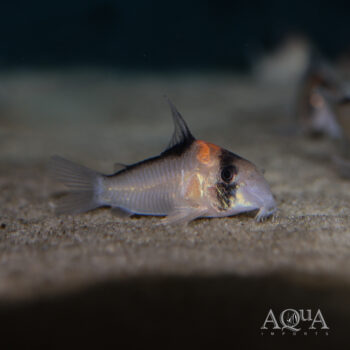
$24.99
One of several species of similarly patterned, medium-growing Corydoras from the Rio Negro basin in Brazil, the Adolfoi or Adolfo’s Cory is a peaceful shoaling fish often found in large groups in the wild. This species typically inhabits soft, acidic, tannin-stained waters in the wild and will display their best coloration under similar conditions in the aquarium. Hardy and undemanding, this species an excellent and active bottom-dweller for most community tanks. Like most Corydoras they should be kept in groups of at least five fish.
-
Sale!
$109.99 Original price was: $109.99.$79.99Current price is: $79.99.
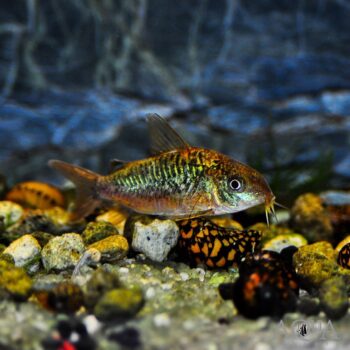
A medium growing species of Brochis, the Pantanal or C005 Cory originates in the clear water wetlands known as the Pantanal in Southern Brazil and Bolivia. Adult fish are one of the most attractive of all Corydoras, with adult males in breeding colors showing a remarkable iridescent spotted pattern. Like most Cory catfish, they are peaceful, hardy, and best kept in groups due to their schooling nature. Because of their larger adult size, Pantanal Corys make for great bottom feeders or dithers in aquariums with medium South or Central American Cichlids or other predatory fish which aren’t large enough to try to make a meal of them.
-
$9.99
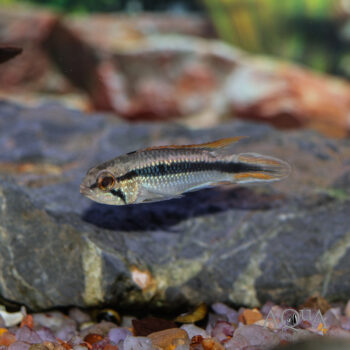
One of the most popular dwarf cichlids in the hobby, Apistgramma agassizi (also known as Agassiz’s Dwarf Cichlid) is an attractive and interesting addition to smaller community aquarium. They have been bred in the hobby for decades, resulting in a number of color morphs and strains. A widespread fish in the Amazon Basin, they have a number of wild color forms as well corresponding to different catch locations. A hardy and relatively peaceful species, they are ideal for smaller aquariums and do best with ample cover in the form of plants, driftwood, and small caves.
-
$14.99
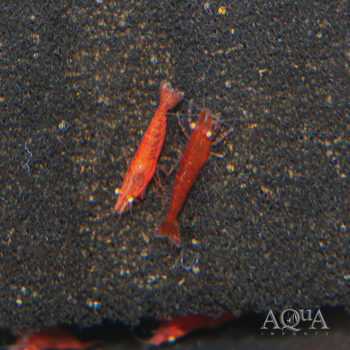
The Orange Eye Red Devil Shrimp is a selectively bred form of wild Neocaridina shrimp with a dark red body coloration and orange eyes. Like the well-known Red Cherry Shrimp, they are remarkably hardy and adaptable, excellent shrimp for beginners. The Orange Eye Red Devil Shrimp, like most other species of freshwater dwarf shrimp in its genus, will do well in a wide range of water conditions although overly soft or hard water should be avoided. A fine substrate, plenty of cover, and a varied diet of prepared foods specific to freshwater shrimp will ensure their long term health, and eventually breeding in the aquarium.
-
$34.99
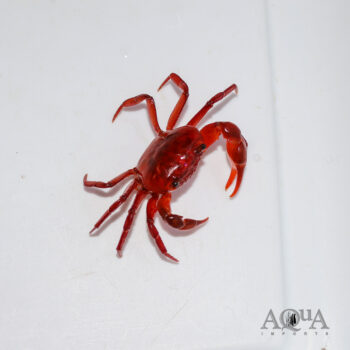
An unique species of crab to find in the hobby, the Indian Ruby Crab can be found in forests and on rocky plateaus of Western India. There are a number of undescribed crabs from this area that have been the subject of recent scientific interest along with the rediscovery of some species thought to be extinct. The male crabs are bright red while females are more orange/brown in color.
-
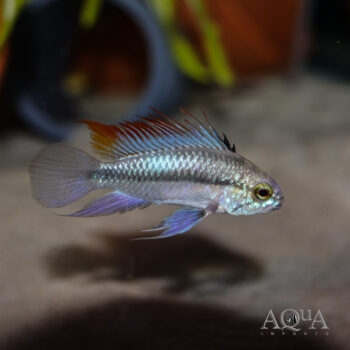
$29.99
A beautiful dwarf cichlid, the popular Three Stripe Apisto (Apistogramma trifasciata) is a peaceful and active fish is found in the southern Amazon basin of Brazil and Paraguay. A hardy and undemanding species, males will develop a vivid blue body and red highlights on the dorsal fins when mature.
A note on Apistogramma: Unless otherwise specified, Apistogramma are sold as unsexed individuals. We will make our best efforts to send pairs or a requested ratio of male to female but we do not guarantee sex on these fish. We recommend buying in groups to ensure adequate males and females for breeding.
-
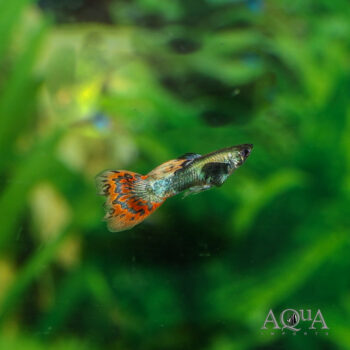
$9.99
An aquarium hobby classic, the guppy is a livebearing species found through parts of Central and Northern South America but it has been bred worldwide for the aquarium hobby for over a century. In that time, the wild form has been developed in to dozens of varieties and color forms, including cobra patterns, mosaic, delta tails, tuxedo, and many more. A peaceful, hardy, and active fish, they are often recommended for beginners due to their ease of care. Male guppies tend to be more colorful and have much larger, vividly colored tails whle females tend to be larger and more heavy bodied.
-
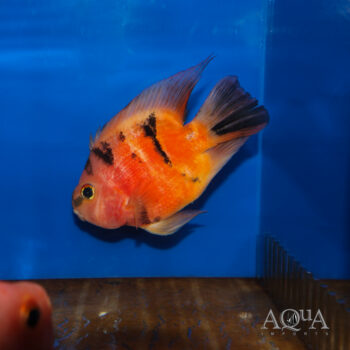
$99.99
The Red Tiger Parrot Cichlid (Amphilophus sp. hybrid) is a hybrid cichlid created from selective breeding. These fish have an angular head shape and a charming appearance because of their beak-shaped mouth and vivid yellow coloring. They fish can be kept in groups with one another and do well in communal aquariums. Their non-picky nature means they’ll eat most frozen foods and pellets. These fish can be a great addition to your community tank and have wonderful personalities.
-
Sale!
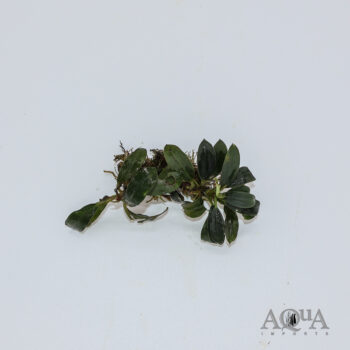
$14.99 Original price was: $14.99.$12.99Current price is: $12.99.
Bucephalandra ‘Dark Emerald’ Care Level: Beginner Preferred Light Level: Low to moderate Placement/Size: A small to medium plant usually used for fore to midground planting Shipping Note: All our foods and aquatic plants ship FREE with any live fish order; OR food/plant only orders ship for a flat rate of $10.99
-
Sale!

$9.99 Original price was: $9.99.$8.99Current price is: $8.99.
Bucephalandra ‘Lamandau Mini’ Care Level: Beginner Preferred Light Level: Low to moderate Placement/Size: A small to medium plant usually used for fore to midground planting Shipping Note: All our foods and aquatic plants ship FREE with any live fish order; OR food/plant only orders ship for a flat rate of $10.99
End of content
End of content