Showing 26–50 of 2034 resultsSorted by latest
-

$7.99
A peaceful gourami species found in calm waters of ponds, swamps and rice paddies, the Brown Spike Tailed Paradise Fish (Pseudosphromenus dayi) is relatively rare in the hobby due to its restricted range and unique requirements. In the aquarium they will do best if kept in soft, slightly acidic water with subdued lighting and plenty of plant cover. The addition of tannins to the water by using Indian Almond Leaves or Bark is useful to help this species thrive.
-

$3.99
A unique snail native to the fresh and brackish waters of the Indo-Pacific, the Cappuccino Spike Snail (Faunus ater) is an adaptable and hardy aquarium scavenger. An omnivore that primarily grazes on algae and biofilm in the wild, they will readily accept a variety of prepared foods in the aquarium. These snails will not reproduce in freshwater.
-

$7.99
One of the most commonly kept species of Cory in the hobby, the Peppered or Paleatus Cory originates from watersheds in Southern South America but has been captive bred on a huge scale for decades and wild specimens are almost never imported. Like most Corys, they are peaceful, hardy, and best kept in groups of 5 or more due to their schooling nature. This species is an excellent community aquarium fish and will do well with nearly any non-aggressive tankmates.
-

$8.99
Colorful, active, and schooling, the Hikari Blue and Yellow Danio (Danio dichromatus) can be an entertaining fish for the aquarium. It feeds on small insects and larvae in the wild and is native only to Myanmar. They should be kept in a group of 6 or more.
-

$24.99
The Borneo Sucker Loach (Gastromyzon ctenocephalus) is one of many attractively marked hillstream loaches found in fast-moving streams in Western Borneo. Sucker Loaches are found among rocks in well-oxygenated waters. In the aquarium, they are hardy fish as long as their wild habitat is replicated as closely as possible, with clean, aerated water and moderate to fast flow being essential to keep this species thriving long term. A grazer and opportunistic feeder, they should be given a varied diet high in algae or vegetable content like Fluval Bug Bites Pleco Formula or Repashy Gel Diet. A social fish, they should be kept in groups of at least 3.
-

$59.99
The Chocolate Sucker Loach (Gastromyzon cf. praestans) is one of many attractively marked hillstream loaches found in fast-moving streams in Western Borneo. Sucker Loaches are found among rocks in well-oxygenated waters. In the aquarium, they are hardy fish as long as their wild habitat is replicated as closely as possible, with clean, aerated water and moderate to fast flow being essential to keep this species thriving long term. A grazer and opportunistic feeder, they should be given a varied diet high in algae or vegetable content like Fluval Bug Bites Pleco Formula or Repashy Gel Diet. A social fish, they should be kept in groups of at least 3.
-

$119.99
The Imperial Red Borneo Sucker (Gastromyzon sp. ‘Imperial Red’) is a distinctive and attractively marked hillstream loach found in fast-moving streams in Western Borneo. Sucker Loaches are found among rocks in well-oxygenated waters. In the aquarium, they are hardy fish as long as their wild habitat is replicated as closely as possible, with clean, aerated water and moderate to fast flow being essential to keep this species thriving long term. A grazer and opportunistic feeder, they should be given a varied diet high in algae or vegetable content like Fluval Bug Bites Pleco Formula or Repashy Gel Diet. A social fish, they should be kept in groups of at least 3.
-

$59.99
An active, large-growing and beautifully colored cichlid, the Trimac Cichlid (also known as Three Spot Cichlid or Red Eye Cichlid) is native to Central America. This species is extremely aggressive towards other cichlids and tankmates should be chosen with caution. In the aquarium, they are hardy and undemanding but will display their best coloration when good water quality is maintained and when fed a varied, high quality diet.
-
Sale!

$29.99 Original price was: $29.99.$19.99Current price is: $19.99.
The Electric Blue Texas Cichlid (Herichthys carpintis), has been a staple in the aquarium hobby for years. The electric blue morph ups the color of this cichlid already known for its bright spotted turquoise patterning. They grow large and can be very territorial as adults and tankmates should be chosen carefully if not kept alone or in a pair. They are hardy and easy to keep, feeding on pellet foods.
-

$12.99
A rarely seen catfish found throughout the lower Himalayan regions of India and Myanmar, the Indian Fighting Catfish or Longtail Catfish (Olyra longicaudata) is a small slender cat species inhabiting fast flowing clear streams. In the wild they are highly territorial for crevices and tight hiding places. Otherwise, they are peaceful towards other tank inhabitants.
-

$19.99
The Freshwater Damsel (Neopomacentrus taeniurus) can be found throughout the Indo-Pacific region. Unlike most damselfish, it is euryhaline, meaning it tolerates varying salinity levels. Adults inhabit brackish mangrove estuaries and freshwater streams entering the ocean. These fish are very hardy species in the brackish aquarium.
-

$5.99
The Goethei Tetra (Hoplocharax goethei) is an unusual small tetra species closely related to freshwater barracuda. Despite with their relation to Acestrorhynchus, they are peaceful and remain small. They’re best kept in groups of 8 or more. Subdued lighting, and soft, slightly acidic water will help these fish feel most comfortable in the aquarium.
-

$59.99
This parasitic Henonemus species was collected in the Rio Maranon and surrounding area of Peru. They use their strong sense of smell to seek out larger fish and feed on their scales and mucus. They are known to remove large chunks from other fish and should be housed with this in mind. Fish in this genus are also know to feed on gill filaments. In the aquarium, they do best in a large tank with plenty of open swimming space and moderate to strong current. They will accept bloodworms in captivity.
-

$14.99
The Black Arrow Tetra (Inpaichthys luizae) is fairly newly available in the hobby. This uncommon species originates from the Rio dos Peixes in Brazil where it is found amongst aquatic vegetation with fine sand substrate and leaf litter. Like most tetras, these shoaling fish are best kept in groups of 5 or more. In the aquarium they are peaceful and readily accept prepared foods.
-
$69.99
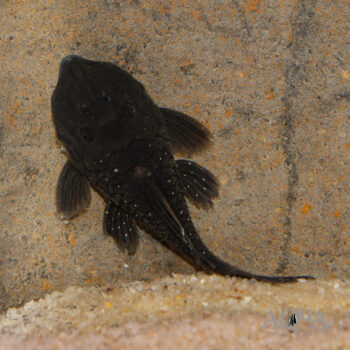
A unique, heavily armored pleco from the Xingu river basin in Brazil, the L332 Green Chubby Pleco or Olive Armor Pleco (Parancistrus sp. L332) gets its name from its unusually wide, flattened body shape. In the wild, they are found in areas of moderate to fast water movement and typically live in rocky areas. They are a hardy and undemanding pleco in the aquarium but should be offered plenty of cover and excellent water quality should be maintained through frequent large water changes. An omnivore, they will accept most sinking foods and fresh veggies but be sure to offer some protein rich options like Repashy gel diet or Fluval Bug Bites Pleco Formula regularly.
-
$119.99
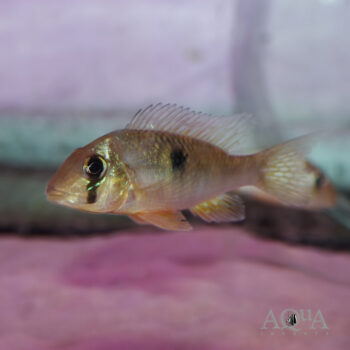
The Rainbow Humphead Eartheater (Gymnogeophagus lipokarenos) is a stunning, peaceful Cichlid found throughout cooler rivers of Southern Brazil, Uruguay and Argentina. Like all eartheaters, they are adapted to ingest mouthfuls of fine sand substrate and sift out small food items like insect larvae and crustaceans. In the aquarium, they tend to do best in groups and will coexist with a variety of similarly peaceful cichlids or other fish species, and they are generally safe even with much smaller fish. These will do best in soft, cool water (pH 7.0 or below, temperatures of 65-75F).
-

$44.99
Found along the edges of fast-flowing reaches of the middle Amazon in Peru, the LDA030 Bola Pleco (Peckoltichthys bachi) is a smaller and uncommon species of Peckoltia distinguished by its marbled coloration. They should be fed an omnivorous diet high in protein and will also accept fresh veggies and specialty prepared diets like Repashy’s Morning Wood in the aquarium.
-
$14.99 – $39.99Price range: $14.99 through $39.99
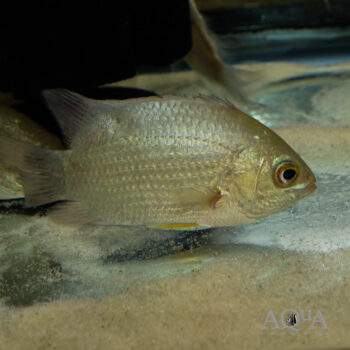
The Indonesian Leaf Fish (Pristolepis grootii) is a cryptic and rarely seen member of the Nandid family native to the soft water streams and rivers of Indonesia. Their body shape, coloration, and behavior allow them to mimic dead leaves and get close to unsuspecting prey items like small fish. In the aquarium, they are generally peaceful with tankmates too large to be eaten but due to their shy nature should not be kept with overly fast-moving or aggressive species.
-
$649.99
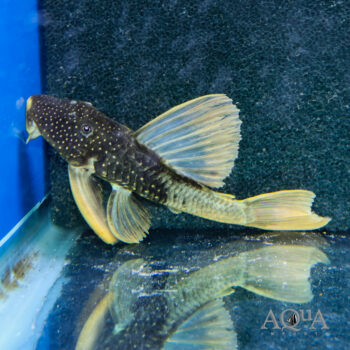
A colorful, large growing Hypostomus species found in the river basins of Uruguay, the Golden Sailfin Pleco or Luteus Pleco (Hypostomus luteus) makes an excellent aquarium fish for a large aquarium. These spectacular plecos are available in three phases as they mature: young – dark with spots (phase 1), sub adult – spotted and gold (phase 2), adult – sold gold (phase 3). They are outgoing in the aquarium compared to most pleco species and are known to sit out in the open displaying their dorsal fin.
-
$12.99
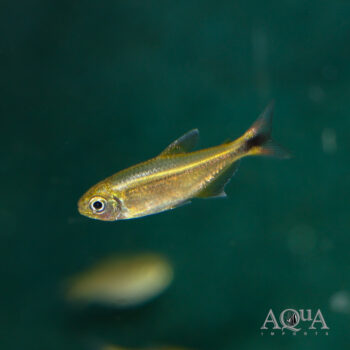
An rare and newer species to the hobby, the Jalapão Red Tail Tetra (Hemigrammus sp. Jalapão) should become a popular aquarium community fish now that they have made their way into the breeding programs of suppliers from Asia. They are hardy, beautiful, and generally peaceful. Like most tetras, they will thrive in a schooling group (ideally 10 or more).
-
Sale!

$8.99 Original price was: $8.99.$7.49Current price is: $7.49.
The popular Firemouth Cichlid (Thorichthys meeki) is found in the streams and ponds of Central America. With their outgoing, semi aggressive nature, vibrant colors, and relatively small adult size this species is deservedly popular in the cichlid hobby.
-
$39.99
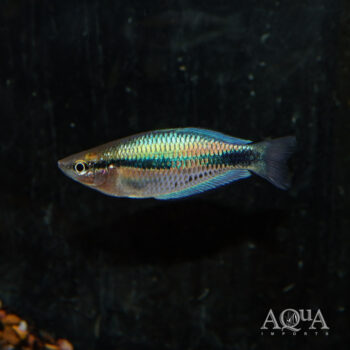
Native only to Batanta Island in Western New Guinea, the Synergos Rainbow (Melanotaenia synergos) is a somewhat rare fish to come by in the hobby. They are known to be energetic yet peaceful schooling fish, making them suitable tankmates for freshwater community tanks. Synergos Rainbows develop bright coloration as they mature, gradually changing from shimmery silver to iridescent greens and blues with a dark stripe.
-

$19.99
A peaceful gourami species found in the blackwater peat swamps of Borneo, the Giant Chocolate Gourami (Sphaerichthys acrostoma) is relatively rare in the hobby due to its relatively restricted range and unique requirements. In the wild, these fish inhabit warm, highly acidic waters with pH as low as 4.0, and in the aquarium it will do best if kept in soft, slightly acidic water as well. The addition of tannins to the water by using Indian Almond Leaves or Bark is useful to help this species thrive.
-

$44.99
A unique suckermouth catfish that truly lives up to its common name, the Stick Catfish or Common Farlowella is an algae and biofilm grazing species found throughout much of South America. In the wild, their twig-like appearance is effective camouflage against predators and allows them to graze on sunken tree branches and driftwood. In the aquarium, they are usually active and outgoing algae grazers that do a great job with diatoms and hair algae both on the glass and on decor. Safe for planted aquaria, they are compatible with nearly any tankmates. When kept in optimal conditions, this species will spawn readily in the aquarium, often on the glass or other vertical flat surfaces.
-

$29.99
The Aurora Tetra (Moenkhausia aurora) is fairly newly available in the hobby. This uncommon species originates from the upper Rio Xingu River Basin in Mato Grosso State, Brazil where it is found in clear water with fine sand substrate and leaf litter. Like most tetras, these shoaling fish are best kept in groups of 5 or more. In the aquarium they are peaceful and readily accept prepared foods.
End of content
End of content