Showing 1926–1950 of 1981 resultsSorted by latest
-
$34.99 – $79.99Price range: $34.99 through $79.99
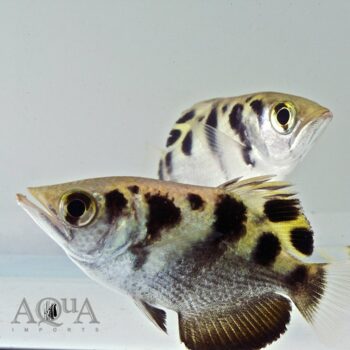
One of a very few species of pure freshwater archer, the Small Scale or Microlepis Archerfish is found in freshwater habitat throughout South and Central Thailand. They are a bold and outgoing surface-dwelling species that is best kept with other similar-sized fish. They can be aggressive towards each other if kept in small numbers but larger groups (5 or more) tend to coexist peacefully. Like all archers, they are surface feeders renowned for their ability to spit water at quite a distance to stun their insect prey.
-
$12.99 – $19.99Price range: $12.99 through $19.99
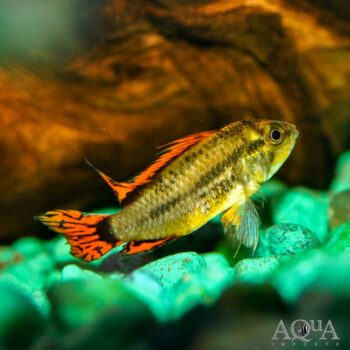
One of the most popular dwarf cichlids in the hobby, Apistgramma cacatuoides (also known as the Cockatoo Dwarf Cichlid) is an attractive and interesting addition to smaller community aquarium. They have been bred in the hobby for decades, resulting in a number of color morphs and strains. A widespread fish in the Amazon Basin, they have a number of wild color forms as well corresponding to different catch locations. A hardy and relatively peaceful species, they are ideal for smaller aquariums and do best with ample cover in the form of plants, driftwood, and small caves. These tank bred fish have been line bred to display vibrant reds and blacks in the tail and dorsal fins.
Note on Apistogramma sp. sexes:
While we will make our best efforts to select male/female pairs on request, we do not guarantee a particular sex ratio. We recommend buying these fish in larger groups if a particular ratio of males to females is desired.
-

$29.99 – $299.99Price range: $29.99 through $299.99
One of a few species of giant freshwater puffers from Africa, the Fahaka or Lined Puffer is found in freshwater rivers and lakes throughout East and Central Africa. In the wild, they use their powerful beak to feed on crustaceans, mollusks, and even other fish. In the aquarium, they feed readily on most meaty foods and will readily take bites out of their tankmates as well. An intelligent and fascinating fish for an appropriately large aquarium, Fahaka Puffers are best kept in a species tank on their own.
-
$16.99
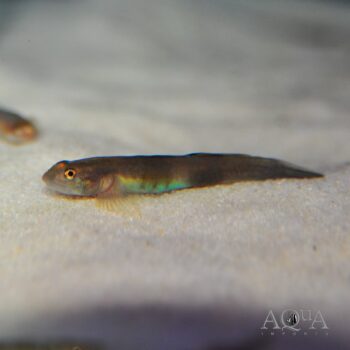
Product description coming soon.
-
$9.99
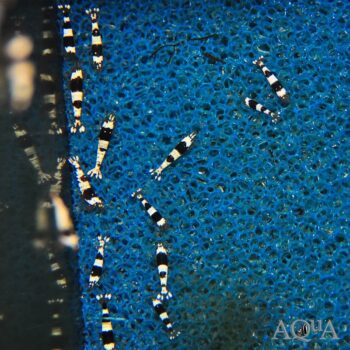
Crystal Black Shrimp are a selectively bred form of Caridina which have been developed from wild specimens showing subtle black and white coloration. They are enormously popular due to their striking, high contrast coloration and can be a bit more delicate than some of the more common Neocaridina species, so are best kept by hobbyists with some experience keeping shrimp already. Crystal Black Shrimp prefer soft, lower pH water and do best at slightly lower temperatures. These shrimp are sensitive to water quality so regular water changes and adequate filtration are important to keep them healthy and thriving.
-
$5.99
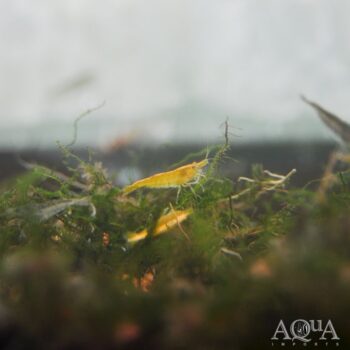
The Yellow Fire Shrimp is a selectively bred form of Neocaridina shrimp very similar to the popular and common Red Cherry Shrimp. Like the Red Cherries, they are remarkably hardy and adaptable, excellent shrimp for beginners. Yellow Fire Shrimp have a uniform yellow body coloration with a vibrant dark yellow strip along the back.
-
$14.99
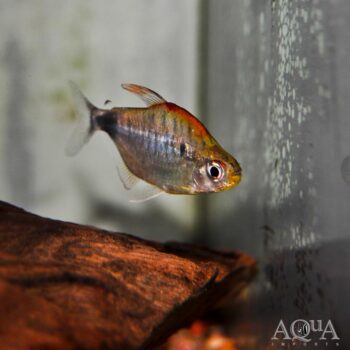
This beautiful and rarely seen African characin (tetra) is found in parts of the Congo River drainage in Central Africa, usually in relatively soft, acidic waters. Best kept in a school, they are fairly peaceful and hardy fish and make undemanding aquarium inhabitants. A great fish for anyone looking to add something unique to their aquarium or for an African biotope aquarium.
-
$39.99 – $119.99Price range: $39.99 through $119.99
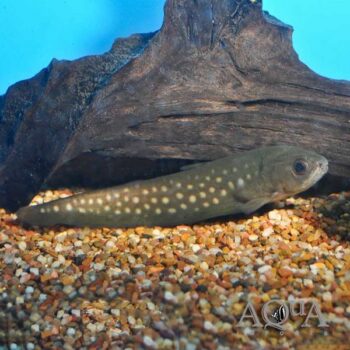
This uncommon and beautifully marked knifefish is found in slow moving streams and lakes throughout much of Central and West Africa. The pattern can vary greatly depending on locale. It is fairly bold for a knifefish and can be aggressive toward some tankmates, so is best suited to an aquarium with similarly-sized fish. They will appreciate some cover in the form of driftwood or aquatic plants (live or artificial).
**Animals left in stock are heavily discounted due to low patterning.
-
$124.99 – $289.99Price range: $124.99 through $289.99
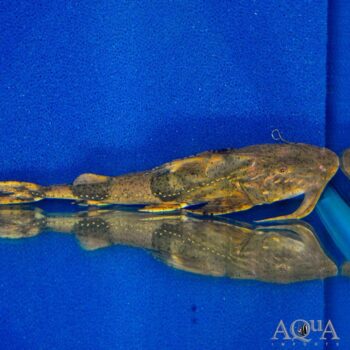
Among the most fearsome of all freshwater predators, the “Goonch” Catfish of the genus Bagarius have long been sought after by aquarium fish keepers with enormous tanks and a love for monster fish. Several species and variants of Goonch are found throughout the Mekong River Basin in Southeast Asia, and of these the Mekong or Thai Goonch (B. cf yarrrelli) are among the most suited for aquariums. These fish inhabit powerful rapids along the middle stretches of the river, near the Thai/Laos/Cambodia Borders and are found in almost tropical temperatures ranging from 75-78F, unlike the Highlands Giant Goonch from India which is found in much cooler waters. This species also tends to have the best track record in captivity, and usually thrives in suitably large aquariums with well-oxygenated, clean water and strong current. They can grow larger than 36 inches in captivity and push over 6 feet in the wild.
-
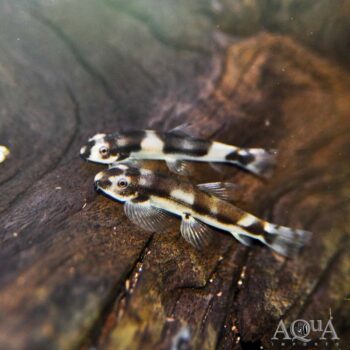
$24.99
The Panda Loach is an attractively marked small species originating from cool, fast flowing streams in Southern China. An algae grazer and scavenger in nature, they will do best in an aquarium with some current and ample rocks or driftwood for cover and grazing surfaces. Although they will adapt to warmer temperatures for a time they will do best at cooler temperatures (68-75) long term. This species requires a varied diet made up primarily of vegetable or algae matter as well as some protein like Repashy gel diets or Fluval Bug Bites Pleco Formula
-
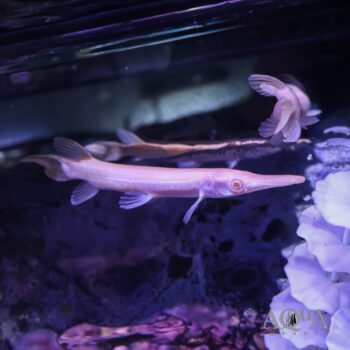
$129.99
The Alligator Gar is the largest living species of gar (Family Lepisosteidae) and a true freshwater monster fish, native to the temperate and subtropical waters of Eastern and Central North America. Like all gar, they are predators, feeding on fish, frogs, and vertebrates – anything they can fit in their large tooth-filled mouths. In the wild, the fish can easily grow to the enormous size of over 6 feet in length and are considered a sport fish throughout much of their range. Given their relatively fast growth rate (especially in captivity), massive adult size and space requirements, this species is realistically not suited for aquariums but rather large custom installations, public aquaria, or specialized ponds in suitable climates.
-
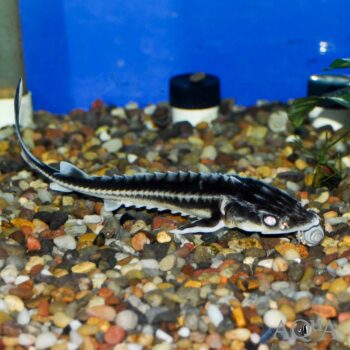
$249.99 – $299.99Price range: $249.99 through $299.99
Sturgeon are one of the most ancient families of fish on earth, and most species inhabit large river systems and lakes in subtropical regions. The Diamond Sturgeon originates from rivers throughout Eastern Europe and Central Asia, where it is threatened by overfishing. The Diamondback variant is known for a high amount of white forming on the dorsal region. Fortunately, it is being commercially aquacultured and our specimens are farm raised in Florida. Although they can be kept in huge aquariums (at least temporarily), their huge adult size and active swimming nature means they are really best suited for ponds. A subtropical species, they are tolerant of cool (but not freezing) temperatures and should not be kept in temperatures exceeding the low 70’s. A rare and unique fish for specialist keepers.
-
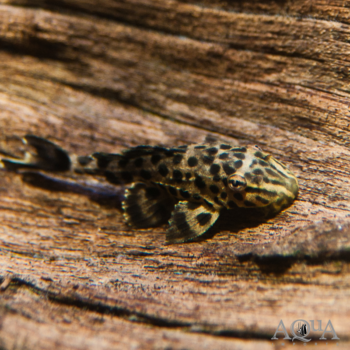
$14.99
One of the smallest species of pleco known, the “new ranger” (Pterygoplichthys sp. “new ranger”) is an as-yet undescribed species originating from the Nanay River in Peru. They are an excellent algae eater, feeding on many species of nuisance algae in the aquarium (including diatoms). Although small for a pleco, they are still substantial fish and should be given ample space and cover in the aquarium. Supplement their diet regularly with algae-based sinking foods, gel foods, and fresh vegetables.
-
Sale!
$174.99 – $499.99Price range: $174.99 through $499.99
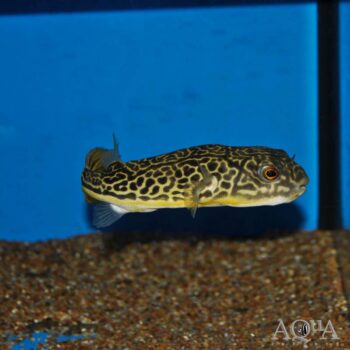
The Mbu Puffer is a large and impressive species of true freshwater pufferfish found in the Congo River Basin and other Central African waters. In the wild, the Mbu Puffer inhabits a wide variety of habitat types, from alkaline lakes to near-rapids. Intelligent, personable, but also with the potential to be extremely aggressive, this fish makes an incredible display fish for an appropriately large aquarium. They are relatively hardy and undemanding about water conditions, but with their razor sharp beak and curious nature tankmates should be chosen cautiously and are at risk of becoming a meal eventually. Their beaks grow quickly so frozen (or live) crayfish and other hard-shelled food items are necessary in their diet to help wear down their sharp beaks. Given their massive adult size and dietary requirements this species is best kept by experienced hobbyists with the resources to provide both ideal diet and very large aquarium the Mbu Puffer requires in the long term.
-
$44.99 – $74.99Price range: $44.99 through $74.99
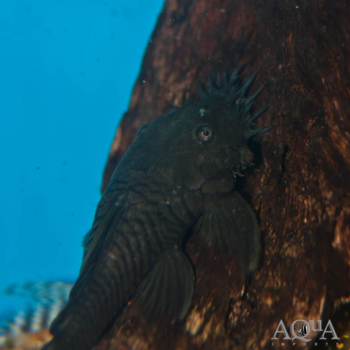
A unique, oddly-shaped Loricariid, the L034 Medusa Pleco is distinguished by its flattened body and prominent fleshy tentacles surrounding the nose which gives them their common name. This pleco is found in the clear, fast-moving waters of the Xingu in Brazil where it inhabits rocky shallows. In the aquarium, they prefer clean, well-oxygenated water and ample hiding places in the form of rocks, driftwood, or caves. Although both males and females have extensive bristles on the nose, mature males are easy to distinguish as the bristles grow to a huge size. An omnivore by nature, they will readily accept veggies, sinking prepared foods like Fluval Bug Bites Pleco formula, or Repashy Gel Diet.
-
$44.99 – $69.99Price range: $44.99 through $69.99
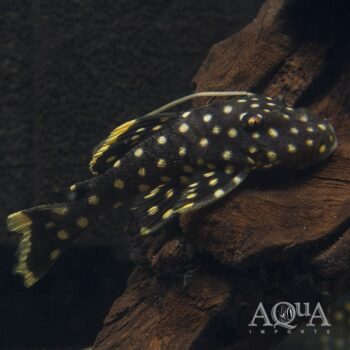
The most vibrant form of all the Gold Nugget Plecos, and one of the most brightly colored of all plecos, the L177 Goldseam Gold Nugget has been a popular aquarium fish for many years. Found in the rocky, warm, and fast-flowing Xingu and Iriri rivers in Brazil, these fish require somewhat specialized conditions to thrive in the aquarium and may not be the best choice for the average community tank. They will do best in warmer (80F ), well-oxygenated water with moderate to strong current, and can be shy if kept individually – keeping multiple fish together along with ample hiding places is best. Although they will eat vegetables and algae-based foods, they also readily accept frozen bloodworms and carnivore diets.
-
$59.99 – $74.99Price range: $59.99 through $74.99
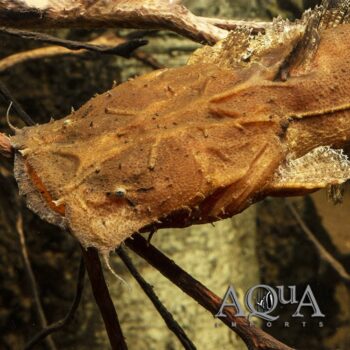
This bizarre species of bottom dwelling catfish is a classic ambush predator, closely mimicking the appearance of a dead leaf and lying in wait for prey to swim too close to its cavernous mouth. Generally found in shallow, blackwater habitats throughout Southeast Asia, their diet is primarily made up of smaller fish and insect larvae. In the aquarium, they are hardly an active species but make for a unique addition to any predator tank.
-
Sale!
$59.99 Original price was: $59.99.$49.99Current price is: $49.99.
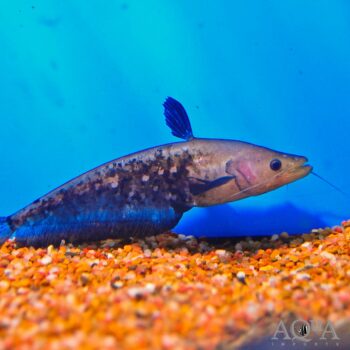
A recently described and massive growing catfish from the Mekong Basin in Southeast Asia, the Blackhawk Catfish (Wallagonia micropogon) is a large and distinctive predatory species. With its characteristic large mouth and eel-like body, this catfish makes for a unique display fish in a suitably large aquarium. They can be distinguished from their close relatives in the genus Wallago by their solid black dorsal and pectoral fins and distinctive black marbled pattern. Tankmates for this species should be chosen carefully as they will attempt to eat anything that can fit in their surprisingly large mouth. Due to their enormous adult size, this fish is recommended only for experienced hobbyists with the largest aquaria.
-
$99.99
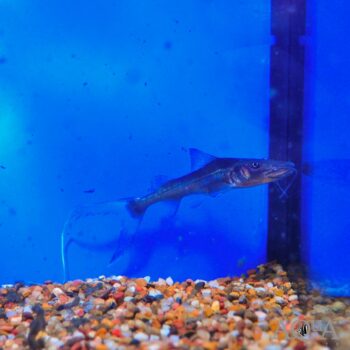
Although many large Amazon catfish are known as “Dorado”, this species is among the largest growing and most distinctive. With its uniform metallic silver coloration and torpedo-like hydrodynamic shape, the Dorado is an impressive fish, but one suitable only for enormous custom aquariums or large indoor ponds. In the wild, this fish inhabits deep stretches of turbid, sediment rich rivers and streams, where it relies on its sensitive barbels to find and catch prey. They can be finicky eaters in the aquarium, often requiring live food at first before being weaned on to frozen or prepared diets. Like many of the giant Amazonian catfish, they are sensitive to water quality and will require massive filtration and regular large water changes to thrive. A fish for experienced, specialist aquarium hobbyists with the resources to keep them long term only.
-
$29.99
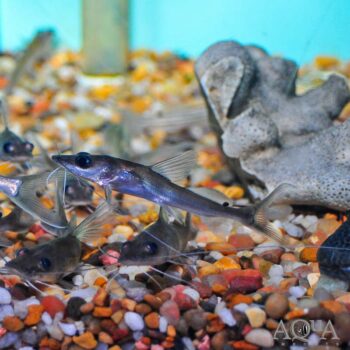
A large and rarely seen predatory catfish, the Burmese Shovelnose originates from several of the large rivers in Myanmar (Burma), where it is a prized food fish. An active, open water species, they are generally found within the main river channels in their native habitat in fast-moving, well oxygenated water. In the aquarium, similar conditions should be replicated, with regular large water changes to maintain excellent water quality. Although this species feeds largely on live fish in the wild, they will readily accept frozen and prepared foods. Due to their massive adult size, we recommend this fish only to experienced hobbyists with the means to house this large species.
-
$7.49 – $8.99Price range: $7.49 through $8.99
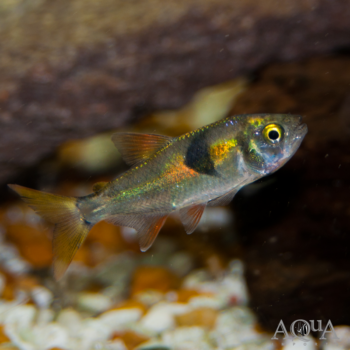
A medium-sized predatory characin found throughout the Amazon Basin, the Bucktooth Tetra or Exodon is a schooling fish and best kept in a group. In the wild, they feed off the fins, scales of larger fish. In the aquarium, they are best kept in a species tank, as they will harass most tankmates. They will readily accept most prepared and frozen foods.
-

$69.99
A remarkably patterned, large-growing predatory catfish, the Juruense or False Tigrinus is widely distributed throughout the Amazon Basin, where it is a prized food fish. Although juvenile fish tend to be a drab dark gray with some striping, as they grow this fish will develop a striking pattern of black stripes on an off white or occasionally even cream-colored background, extending to the intricately striped tail. There is an enormous amount of variability in this species so it is extremely difficult to predict how young fish will develop as they get older. Juruense Catfish tend to be found in fast-moving stretches of murky water, and they rely on their sensitive barbels much more than their limited eyesight to find prey. In the aquarium, they prefer dim lighting, ample hiding places, and pristine water quality (maintaining high levels of dissolved oxygen is especially important).
-
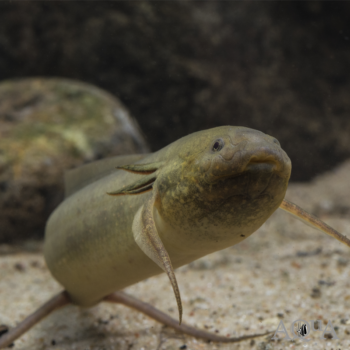
$254.99 – $299.99Price range: $254.99 through $299.99
One of the rarest species of lungfish in the aquarium hobby, the African Gilled Lungfish originates in the freshwater streams and wetlands of East Africa. This species is the smallest of all the lungfish, growing to only 18-20″ in length, and is distinguished by the three external gills which it keeps into adulthood. These lungfish are extremely active and tolerant of a wide variety of water parameters. Like most of the African species in the genus Protopterus, they have powerful jaws and have a tendency to take bites out of tankmates – so they are best kept singly or with smaller, fast moving species like Congo Tetras or peaceful species of barbs. Although juvenile fish are primarily gray in color, rare photographs of adult specimens indicate they will develop a marbled pattern with heavy black spotting.These lungfish are enthusiastic feeders, and quickly learn to “beg” for food at the front of the tank – most will even hand feed.
The specimens we offer have been carefully quarantined for several weeks and are actively feeding on a variety of frozen and prepared foods, including pellets.
-
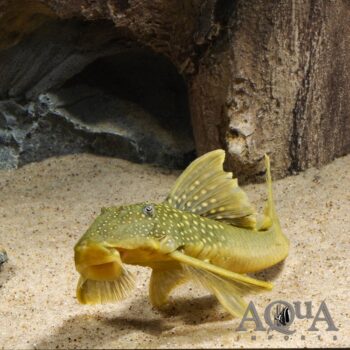
$39.99 – $69.99Price range: $39.99 through $69.99
The Hifin Green Phantom Pleco, like the very similar and more commonly imported L200 Green Phantom Pleco (H. subviridis) originates in fast-moving, rocky areas of the Orinoco and Ventuari Rivers in Colombia and Venezuela. With their light green body coloration and distinctive yellow spots, this pleco makes a colorful and unique addition to most medium aquariums. As the name suggests, this species can be distinguished by an even more prominent dorsal fin than the common Green Phantom, as well as the fact that this species’ dorsal fin and adipose fin are fused. An omnivore, they will graze on algae and biofilm but should be offered a variety of sinking prepared foods with a moderate to high protein content. This species is particularly sensitive to poor water quality and will do best when kept in clean, well-oxygenated warm water with moderate current and plenty of hiding places.
-
Sale!
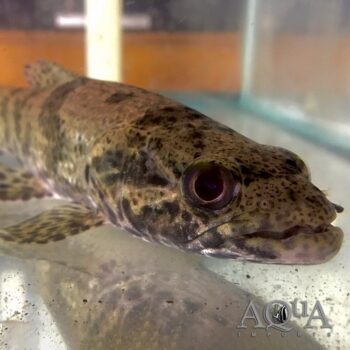
$319.99 – $499.99Price range: $319.99 through $499.99
The largest species of wolf fish and one of the most impressive predatory fish available in the aquarium hobby, the Aimara or Giant Wolf Fish is a fierce predator suitable only for the largest aquariums – or perhaps more appropriately indoor ponds. Found throughout much of the Amazon and Orinoco Basins, these fish are powerful fish eaters which use their prominent sharp teeth to grab hold of prey. Despite their bulky appearance, Aimara Wolf Fish are fast swimmers and should be given ample swimming room (and a strong, tight-fitting cover). They are adaptable and generally hardy in the aquarium so long as good water quality is maintained. Due to their enormous adult size and predatory nature, these fish are only recommended for experienced hobbyists with the means to adequately house this species long term.
End of content
End of content