Showing 1–25 of 2362 resultsSorted by latest
-
$44.99
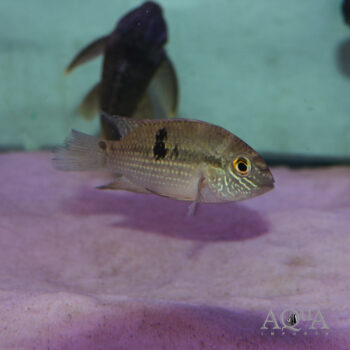
The Aequidens sp. Atabapo is a medium growing and vibrantly colored cichlid. In the wild, it inhabits warm, blackwater shallows in the Rio Atabapo in the Orinoco drainage along the Colombia/Venezuela border. A hardy and colorful fish, they are relatively peaceful cichlids that will do best with other similarly sized cichlids or dither species like silver dollars or other large characins. They make a great addition to a large cichlid community aquarium.
-
$69.99
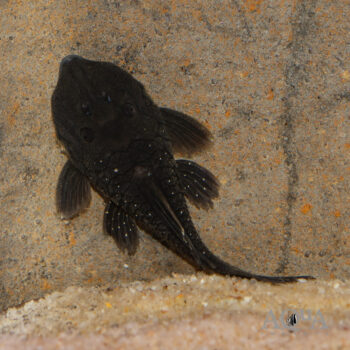
A unique, heavily armored pleco from the Xingu river basin in Brazil, the L332 Green Chubby Pleco or Olive Armor Pleco (Parancistrus sp. L332) gets its name from its unusually wide, flattened body shape. In the wild, they are found in areas of moderate to fast water movement and typically live in rocky areas. They are a hardy and undemanding pleco in the aquarium but should be offered plenty of cover and excellent water quality should be maintained through frequent large water changes. An omnivore, they will accept most sinking foods and fresh veggies but be sure to offer some protein rich options like Repashy gel diet or Fluval Bug Bites Pleco Formula regularly.
-
$119.99
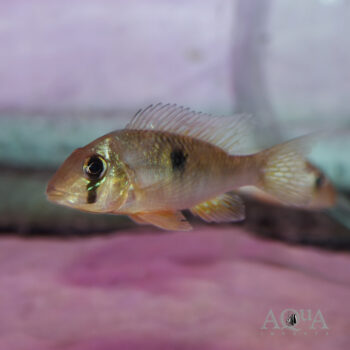
The Rainbow Humphead Eartheater (Gymnogeophagus lipokarenos) is a stunning, peaceful Cichlid found throughout cooler rivers of Southern Brazil, Uruguay and Argentina. Like all eartheaters, they are adapted to ingest mouthfuls of fine sand substrate and sift out small food items like insect larvae and crustaceans. In the aquarium, they tend to do best in groups and will coexist with a variety of similarly peaceful cichlids or other fish species, and they are generally safe even with much smaller fish. These will do best in soft, cool water (pH 7.0 or below, temperatures of 65-75F).
-
$59.99
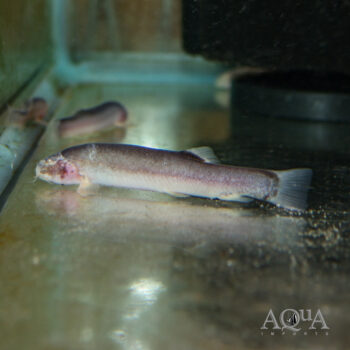
A unique loach, rare to find in the aquarium hobby, the Blind Cave Loach (Lepidocephalus spectrum) is found in the lower depths of the Sungai Kapuas, Borneo’s largest river. Because of the lack of light in their natural environment, eyesight is unnecessary, and they have evolved to live completely without eyes. In a home aquarium, they prefer ample hiding places such as plants, caves, or rockwork, and they will do best when kept in groups of three to five or more.
-
$44.99
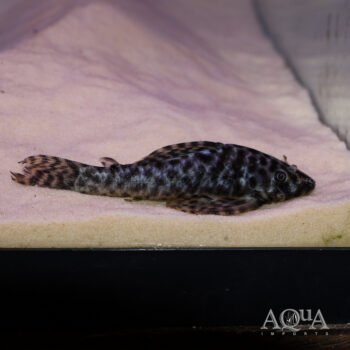
Found along the edges of fast-flowing reaches of the middle Amazon in Peru, the LDA030 Bola Pleco (Peckoltichthys bachi) is a smaller and uncommon species of Peckoltia distinguished by its marbled coloration. They should be fed an omnivorous diet high in protein and will also accept fresh veggies and specialty prepared diets like Repashy’s Morning Wood in the aquarium.
-
$9.99
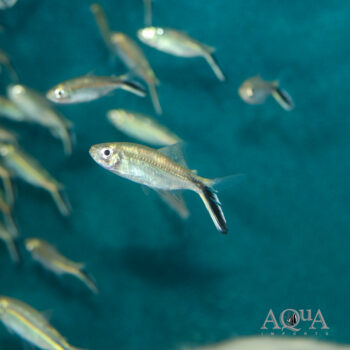
The Obliqua Penguin Tetra (Thayeria obliqua) is a spectacular medium sized schooling fish found in the streams of the Rio Nanay in Peru. These tetras are the “original” Penguin Tetra, however Thayeria boehlkei has taken over this common name in the hobby. Like most medium sized tetras, they’re a peaceful, loosely schooling fish best kept in groups of 8 or more. Subdued lighting, warm temperatures (80F ) and soft, slightly acidic water will help these fish feel most comfortable in the aquarium.
-
$14.99
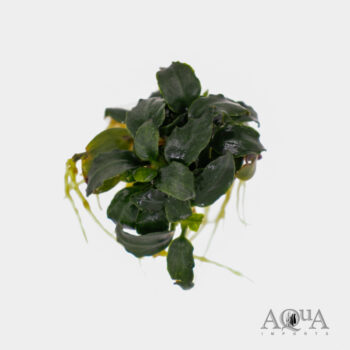
One of the many variants of Anubias in the aquarium trade, Anubias barteri Dark Angel is hardy and can thrive in low or high tech systems. Its leaves are unique and notable for their small size, roundness, and dark coloration. Anubias barteri is an excellent choice to add dimension to your aquarium, often being planted in the midground or background either in the substrate or on your hardscape.
-
$19.99
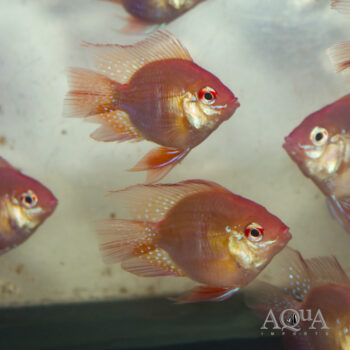
A brightly colored line bred variant of the popular Ram or Butterfly Dwarf Cichlid, the Golden Balloon Ram (Mikrogeophagus ramirezi) is a small, peaceful cichlid ideal for most community aquariums. With their vibrant coloration and elongated flowing fins they make an impressive display fish in a planted or aquascaped aquarium and will get along well with most tankmates. In the aquarium, they can be sensitive to fluctuating water quality and will do best in slightly soft water with frequent partial water changes. Like most cichlids they may fight among themselves for territory so a medium sized aquarium with plenty of cover and shelter is best to keep a group.
-
$24.99
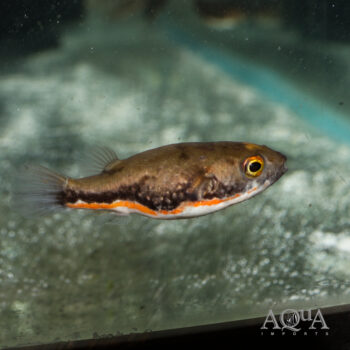
The Samurai Puffer (Dichotomyctere erythrotaenia) is a colorful brackish water species found in the streams and mangrove systems of Indonesia and Papua New Guinea. They are notable for their horizontal bright orange stripe. Fairly hardy, active, and outgoing, this medium-growing pufferfish species will do well with similarly sized fast moving tankmates like Scats, Monos, or Chromides. Like most pufferfish, they can be prone to nip at tankmates so they should be monitored carefully, especially when first introduced.
-
$169.99
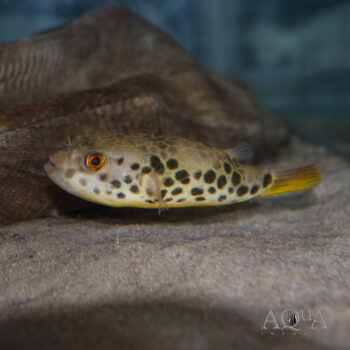
One of the smallest and most peaceful of all freshwater puffers, the Spotted Congo or Schoutedeni Puffer (Tetraodon schoutedeni) is found in stretches of the middle Congo River in Central Africa. Once relatively common in the trade, unrest in its native habitat has made it rare, sought after, and difficult to find. In the wild, they mainly inhabit clear water areas with moderate to low current and will do best in an aquarium with similar conditions. Peaceful, hardy, and active, they will get along with most tankmates as long as they aren’t small enough to be considered a meal.
-
$649.99
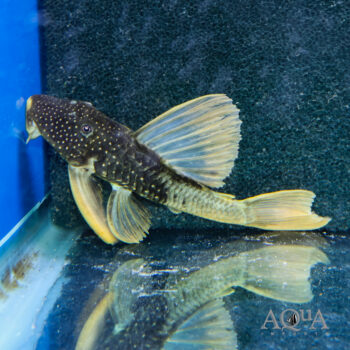
A colorful, large growing Hypostomus species found in the river basins of Uruguay, the Golden Sailfin Pleco or Luteus Pleco (Hypostomus luteus) makes an excellent aquarium fish for a large aquarium. These spectacular plecos are available in three phases as they mature: young – dark with spots (phase 1), sub adult – spotted and gold (phase 2), adult – sold gold (phase 3). They are outgoing in the aquarium compared to most pleco species and are known to sit out in the open displaying their dorsal fin.
-
$99.99
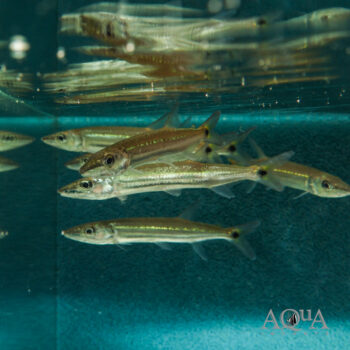
A fast-moving predatory characin, the Freshwater Barracuda (Acestrorhynchus falcirostris) is commonly found in small groups in open water in the wild, where they hunt for shoals of smaller fish like tetras. In the aquarium, they can be skittish fish, especially at first, and will do best with some cover in the form of floating plants or driftwood close to the surface. They are best kept in groups of 3 or more, and will school with other larger characins. Primarily a live fish eater, they will usually require live food but can be weaned onto frozen or prepared diets over time.
-
$16.99
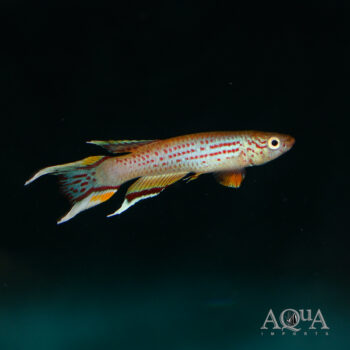
Gold Lyretail Killifish (Aphyosemion australe) product description coming soon.
-
$12.99
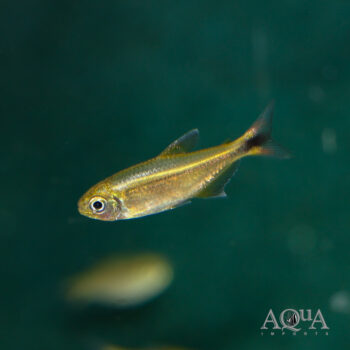
An rare and newer species to the hobby, the Jalapão Red Tail Tetra (Hemigrammus sp. Jalapão) should become a popular aquarium community fish now that they have made their way into the breeding programs of suppliers from Asia. They are hardy, beautiful, and generally peaceful. Like most tetras, they will thrive in a schooling group (ideally 10 or more).
-
$34.99
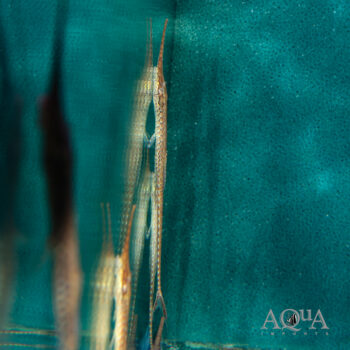
A unique suckermouth catfish that truly lives up to its common name, the Stick Catfish or Common Farlowella is an algae and biofilm grazing species found throughout much of South America. In the wild, their twig-like appearance is effective camouflage against predators and allows them to graze on sunken tree branches and driftwood. In the aquarium, they are usually active and outgoing algae grazers that do a great job with diatoms and hair algae both on the glass and on decor. Safe for planted aquaria, they are compatible with nearly any tankmates. When kept in optimal conditions, this species will spawn readily in the aquarium, often on the glass or other vertical flat surfaces.
-
$119.99
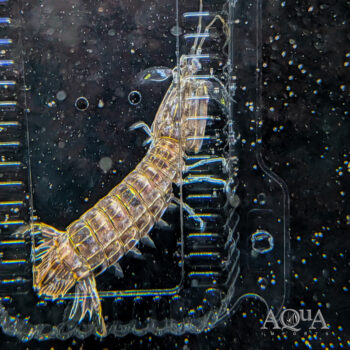
Spearing Mantis Shrimp product description coming soon.
-
Sale!
$8.99 Original price was: $8.99.$7.49Current price is: $7.49.
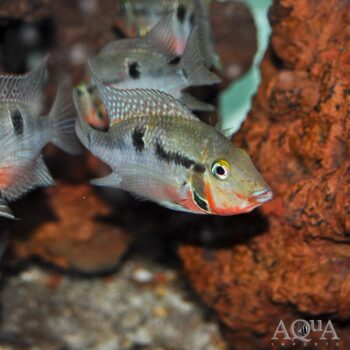
The popular Firemouth Cichlid (Thorichthys meeki) is found in the streams and ponds of Central America. With their outgoing, semi aggressive nature, vibrant colors, and relatively small adult size this species is deservedly popular in the cichlid hobby.
-
$14.99
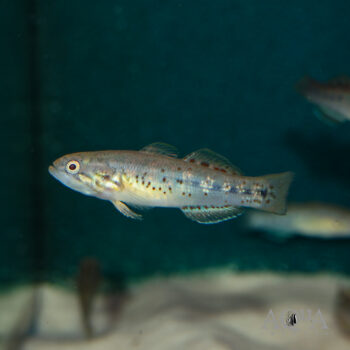
A large, spectacularly colored goby found throughout Papua New Guinea and Australia, the Northern Purple Spotted Gudgeon (Mogurnda mogurnda) is a hardy and adaptable aquarium fish. They are generally peaceful towards fish too small to be eaten, but robust enough to hold their own against semiaggressive tankmates, this species makes an impressive addition to a medium to large community aquarium.
-
$39.99
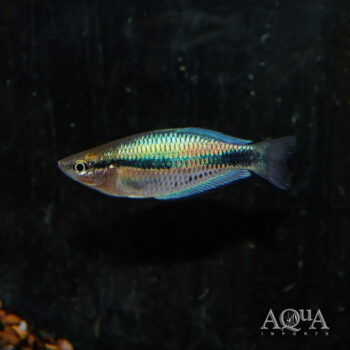
Native only to Batanta Island in Western New Guinea, the Synergos Rainbow (Melanotaenia synergos) is a somewhat rare fish to come by in the hobby. They are known to be energetic yet peaceful schooling fish, making them suitable tankmates for freshwater community tanks. Synergos Rainbows develop bright coloration as they mature, gradually changing from shimmery silver to iridescent greens and blues with a dark stripe.
-
$24.99
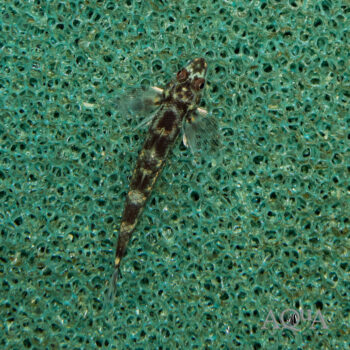
A resident of fast-moving, coastal rocky streams in Southeast Asia, the Aspro Loach Goby (Rhyacichthys aspro) uses their modified pectoral fins to attach themselves to the rocky substrate and move among the rocks in search of food. In the wild, they are grazers and generalists, feeding on algae, biofilm, and small insects and crustaceans. In the aquarium, they do best when kept under similar conditions to their wild habitat – rocks, ample current, and well-oxygenated water. Although they will accept a number of prepared sinking foods, it’s important to supplement their diet with algae- or veggie-based food.
-
$59.99
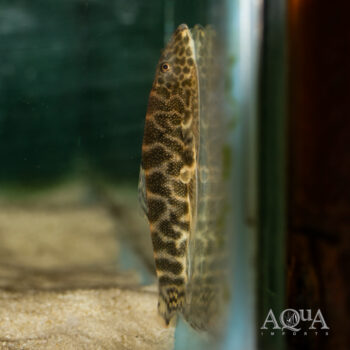
Gastromyzon cf. psiloetron are distinctive and attractively marked hillstream loaches found in fast-moving streams in Western Borneo. Sucker Loaches are found among rocks in well-oxygenated waters. In the aquarium, they are hardy fish as long as their wild habitat is replicated as closely as possible, with clean, aerated water and moderate to fast flow being essential to keep this species thriving long term. A grazer and opportunistic feeder, they should be given a varied diet high in algae or vegetable content like Fluval Bug Bites Pleco Formula or Repashy Gel Diet. A social fish, they should be kept in groups of at least 3.
-
$19.99
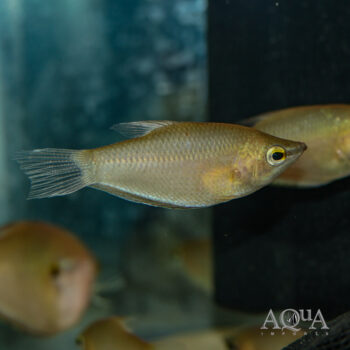
A peaceful gourami species found in the blackwater peat swamps of Borneo, the Giant Chocolate Gourami (Sphaerichthys acrostoma) is relatively rare in the hobby due to its relatively restricted range and unique requirements. In the wild, these fish inhabit warm, highly acidic waters with pH as low as 4.0, and in the aquarium it will do best if kept in soft, slightly acidic water as well. The addition of tannins to the water by using Indian Almond Leaves or Bark is useful to help this species thrive.
-
$14.99
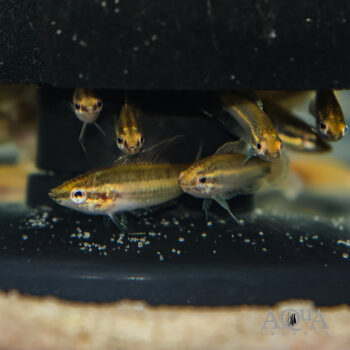
Like all Licorice Gouramis, Parosphromenus sp. Gelam is a small anabantiform fish, growing up to 1.25″. These gouramis have spectacular coloration, especially as adults. Adult Licorice Gouramis have spots and stripes of red, blue, iridescent silver, black, and more! These fish will do best in soft water, as they are native to blackwater in Indonesia.
-
$24.99
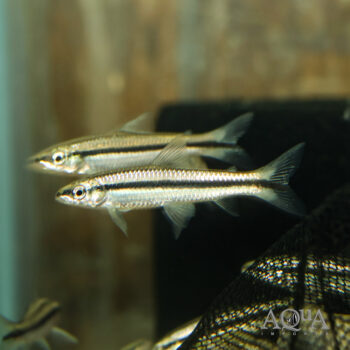
A rare characin found throughout parts of Peru and Colombia, the Pongo Characin (Parodon pongoensis) makes a fascinating aquarium resident. These herbivorous fish feed on algae growth and biofilms in the wild. A hardy and interesting fish, they are social and should be kept in groups.
End of content
End of content