Showing 1–25 of 97 resultsSorted by latest
-
$34.99
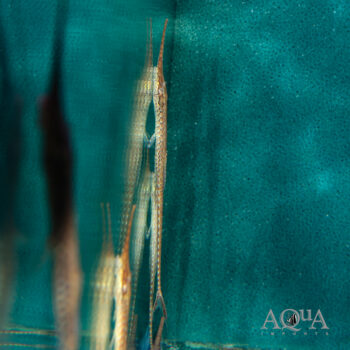
A unique suckermouth catfish that truly lives up to its common name, the Stick Catfish or Common Farlowella is an algae and biofilm grazing species found throughout much of South America. In the wild, their twig-like appearance is effective camouflage against predators and allows them to graze on sunken tree branches and driftwood. In the aquarium, they are usually active and outgoing algae grazers that do a great job with diatoms and hair algae both on the glass and on decor. Safe for planted aquaria, they are compatible with nearly any tankmates. When kept in optimal conditions, this species will spawn readily in the aquarium, often on the glass or other vertical flat surfaces.
-
$5.99
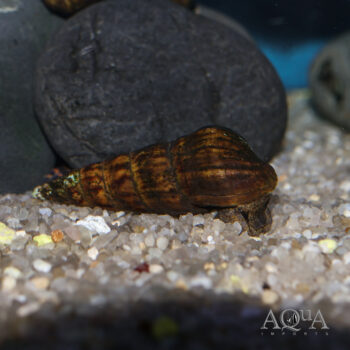
The Red Rimmed Trumpet or Malaysian Trumpet Snail (Melanoides tuberculata) is a great cleaner of the aquarium. This live-bearing snail feeds primarily on detritus and algae and is effective at turning over the substrate improving the overall health of the aquarium. They are also considered plant safe.
-
$4.99
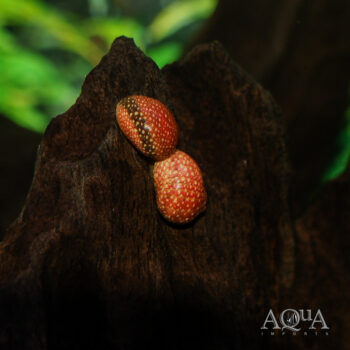
The Pink Lady Nerite Snail (Clithon sowerbyanum) also known as the Mini Nerite is a unique, smaller species of snail named for the vivid pink coloration of their shells. Like most Nerites, they are found in a wide range of brackish to pure freshwater habitats in Indonesia and the Indo-Pacific. This is one of the smaller Nerites and are extremely popular in the aquarium hobby due to their voracious appetite for nuisance algae, including diatoms and filamentous algae. Plant safe and great addition to any freshwater aquarium, paludarium, or aquascaped/planted tank, these snails can not reproduce successfully without brackish water and therefore will not overpopulate the aquarium.
-
$29.99
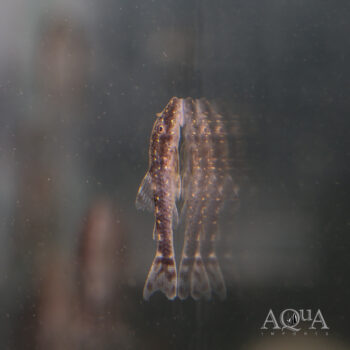
A distinctively marked and uncommonly imported relative of the common Otocinclus, the Galaxy Oto (Parotocinclus haroldoi) is known only from the Parnaíba River and its tributaries, where it spends most of its time grazing on submerged driftwood and vegetation. An ideal algae eater for most community or planted aquariums, they will eat filamented algae and diatoms from most surfaces, including the aquarium glass. Like most of their close relatives, they are social fish, best kept in groups.
-
$69.99
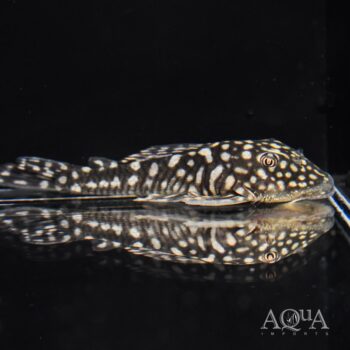
An attractive, smaller sized pleco found in the waters of Brazil’s Rio Jaguaribe, the Slate Pleco (Pseudancistrus genisetiger) is a uncommon in the aquarium hobby. In nature, the species is largely herbivorous, feeding on algae mats, terrestrial and aquatic plants, and biofilms, but as with most herbivorous plecos they take in plenty of insect larvae, crustaceans, and other protein sources. A varied diet including plenty of vegetable matter will ensure this species thrives long-term. The genus Pseudancistrus is often known as “bearded plecos” as males will develop impressive rigid bristles around the outer rim of their snouts.
-
$16.99
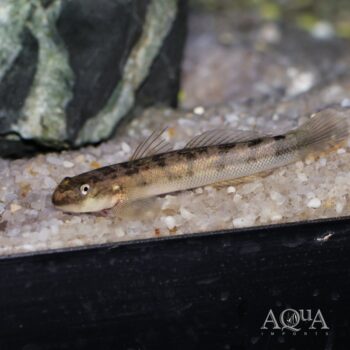
The Red Tailed Goby (Sicyopterus lagocephalus), also known as the Blue Stream Goby, is a freshwater species native to the islands of the Indo-Pacific. They are uncommon in the aquarium hobby, adding to their allure as a unique, sought-after fish. During the rainy season male coloration intensifies greatly turning bright blue and orange. These peaceful gobies eats algae and other biofilm in the tank, making it a great tankmate in a solo or community tank. When kept in groups, they will also exhibit interesting behaviors such as courtship behaviors and females congregation!
-
$5.99
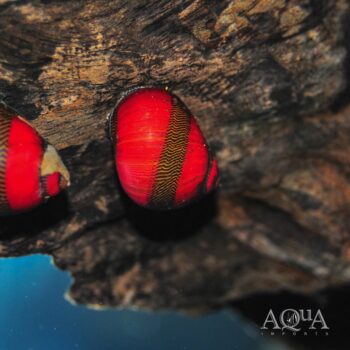
The Red Racer Nerite Snail (Vittina waigiensis) is a small, ornately patterned snail found in a wide range of brackish to pure freshwater habitats. Like most Nerite snails, they are extremely popular in the aquarium hobby due to their voracious appetite for nuisance algae, including diatoms and filamentous algae. They are plant safe and great addition to any freshwater or brackish aquarium, paludarium, or aquascaped/planted tank. These snails can not reproduce successfully without brackish water and therefore will not overpopulate the aquarium.
-
$3.99
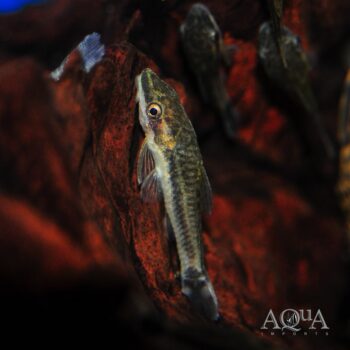
One of the most popular aquarium algae eaters (and for good reason), the Amazon Otocinclus, Oto, or Oto Catfish is a small, schooling suckermouth cat found throughout much of South America. There are several species of Otocinclus commonly imported for the aquarium trade, but of these the larger, more robust species found in the Central Amazon (O. cf. macrospilus) is probably the hardiest and best choice for most aquariums. Safe for all planted tanks and compatible with any peaceful tankmates, the Amazon Otocinclus will feed readily on diatom and other forms of nuisance algae in the aquarium but should be supplemented regularly with sinking veggie-based foods, gel diet, and fresh vegetables like zucchini or romaine lettuce. A social species often found in huge aggregations, all Otocinclus species should be kept in groups of at least 5 but preferably 10 or more fish if space allows.
-
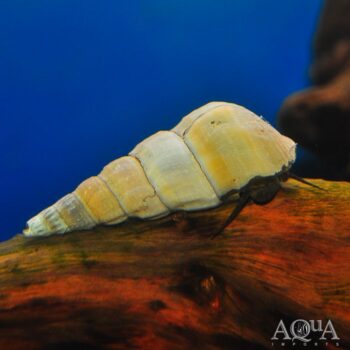
$9.99
The White Hercules Snail (Brotia herculea), is an interesting species of freshwater livebearing snail like other members of the Brotia and Tylomelania genus. While they are not plant-safe, there voracious algae eaters sure to help keep things clean. Their unique white shell is a standout in the aquarium..
-
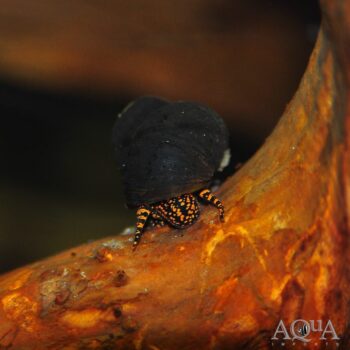
$8.99
Product description coming soon.
-
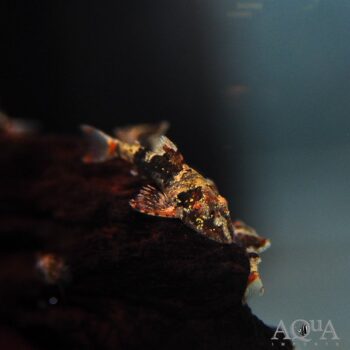
$19.99
The Bumble Bee Oto (Rhinotocinclus isabelae) is found in the Rio Nanay near Iquitos, Peru. These fish prefer mild flow and cover in the form of plants and driftwood. As a herbivore, this fish will consume biofilms and filamentous algae in your tank, benefiting the overall ecosystem. When there is a scarcity of algae in your tank, you can supplement the oto’s diet with algae wafers. This small peaceful species that will mingle well in a community or planted tank. They are best kept in groups of 5 or more.
-
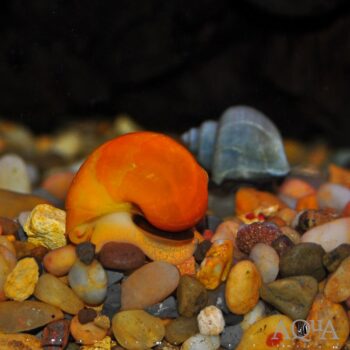
$3.99
Mystery Snails (Pomacea bridgesii), also known as spike-topped apple snails, are not only active algae eaters, but also come in a variety of colors! These snails are plant-safe and grow up to 2 inches, making them compatible in most freshwater aquariums. While originally from South America, these snails are now popularly aquacultured. Mystery snails are famous for their round, smooth, brightly colored shells and iridescent bodies.
-
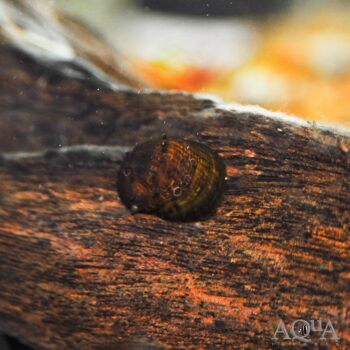
$3.99
The King Koopa Nerite Snail (Neritina juttingae) is a small, spikey shelled member of the genus Neritina found in a wide range of brackish to pure freshwater habitats in Thailand, Malaysia, and the Indo-Pacific. Like most Nerite snails, they are extremely popular in the aquarium hobby due to their voracious appetite for nuisance algae, including diatoms and filamentous algae. They are plant safe and great addition to any freshwater aquarium, paludarium, or aquascaped/planted tank. These snails can not reproduce successfully without brackish water and therefore will not overpopulate the aquarium.
-
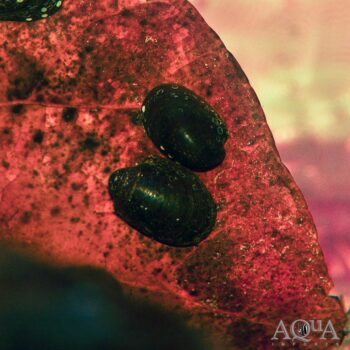
$2.99
The Batman Nerite Snail is a uniquely shaped snail in the genus Neritina which is found in a wide range of brackish to pure freshwater habitats in Indonesia and the Indo-Pacific. Like most Nerite snails, they are extremely popular in the aquarium hobby due to their voracious appetite for nuisance algae, including diatoms and filamentous algae. They are plant safe and great addition to any freshwater aquarium, paludarium, or aquascaped/planted tank. These snails can not reproduce successfully without brackish water and therefore will not overpopulate the aquarium.
-
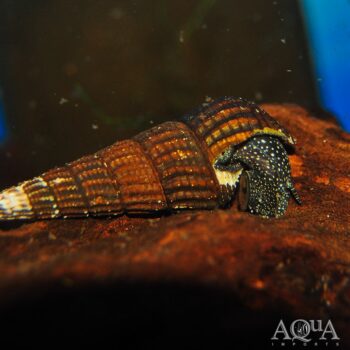
$9.99
A unique species of the so-called Rabbit Snails native to Sulawesi, the White Spotted Rabbit snail is found in the rivers and creeks surrounding lake Poso. An omnivore that primarily grazes on algae and biofilm in the wild, they will readily accept a variety of prepared foods in the aquarium. Their native habitat is characterized by warm, clear, slightly hard water and they will do best when kept in similar conditions. Like all members of the genus Tylomelania, these snails reproduce slowly, producing only a few eggs at a time which hatch quickly into fully-formed baby snails.
-
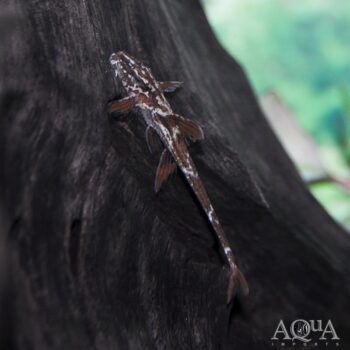
$15.99 – $22.99Price range: $15.99 through $22.99
A colorful and unique smaller Loricariid, the Red Lizard Catfish or Red Lizard Whiptail likely originates from a wild fish found in the lower Amazon in Brazil but has been line bred for their vivid red coloration. With their small adult size, peaceful nature, and utility as a nuisance algae eater, this species is an ideal addition to most medium to large community aquariums. In the wild, they are usually found on and around driftwood piles and will benefit from driftwood as well as live or artificial plants to provide cover. They should be fed regularly with a sinking herbivore diet or fresh veggies and will supplement this diet by grazing on nuisance algae on glass and decor in the aquarium.
-
$4.99
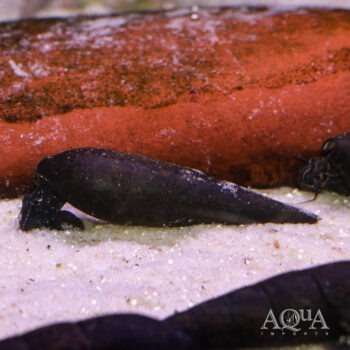
A unique snail native to the fresh and brackish waters of the Indo-Pacific, the Black Devil Snail (Faunus ater) is an adaptable and hardy aquarium scavenger. An omnivore that primarily grazes on algae and biofilm in the wild, they will readily accept a variety of prepared foods in the aquarium. These snails will not reproduce in freshwater.
-
$3.49
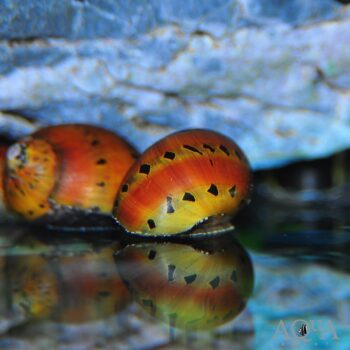
The Tiger or Red Spotted Nerite Snail is a beautifully patterned and colorful species found in the coastal rivers and estuaries around the island of Java and the other Sunda Islands. Like most Nerites, they are found in a wide range of brackish to pure freshwater habitats in Indonesia and the Indo-Pacific. This is a medium-growing Nerite and are extremely popular in the aquarium hobby due to their voracious appetite for nuisance algae, including diatoms and filamentous algae. Plant safe and great addition to any freshwater aquarium, paludarium, or aquascaped/planted tank, these snails can not reproduce successfully without brackish water and therefore will not overpopulate the aquarium.
-
$3.49
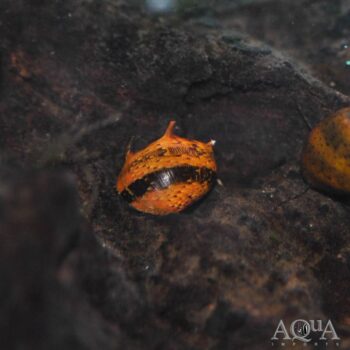
The Horned or Thorny Nerite Snail is a unique, smaller species of snail named for its numerous points or horns extending from their shells. Like most Nerites, they are found in a wide range of brackish to pure freshwater habitats in Indonesia and the Indo-Pacific. This is one of the smaller Nerites and are extremely popular in the aquarium hobby due to their voracious appetite for nuisance algae, including diatoms and filamentous algae. Plant safe and great addition to any freshwater aquarium, paludarium, or aquascaped/planted tank, these snails can not reproduce successfully without brackish water and therefore will not overpopulate the aquarium.
-
$9.99
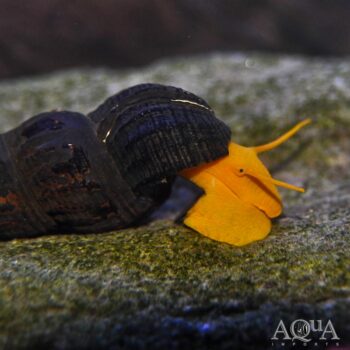
One of the most colorful of the many varieties of so-called Rabbit Snails native to Sulawesi, the Orange Rabbit snail is found in the warm shoreline regions of lake Poso. An omnivore that primarily grazes on algae and biofilm in the wild, they will readily accept a variety of prepared foods in the aquarium. Their native habitat is characterized by warm, clear, slightly hard water and they will do best when kept in similar conditions. Like all members of the genus Tylomelania, these snails reproduce slowly, producing only a few eggs at a time which hatch quickly into fully-formed baby snails.
-
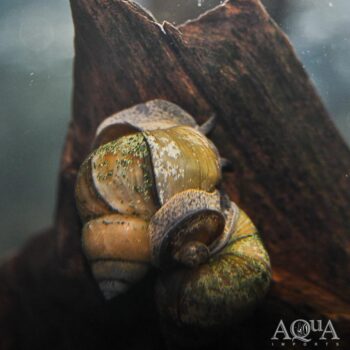
$4.99
The Japanese Trapdoor Snail (Viviparus malleattus) is an insatiable scavenger, sure to help keep algae at bay. These snails have a charismatic large whorl to their shell, varying in color anywhere from dark olive green to light tans. Snacking on fallen organic matter, they are notably hardy and can thrive in a variety of water conditions.
-
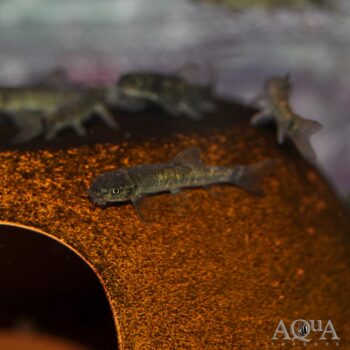
$6.99
A lively and effective grazer and scavenger, the Doctor Fish or Pedicure Fish is found in watersheds throughout the Middle East and Eastern Mediterranean but is now bred commercially for the aquarium trade. A small, hardy, loosely schooling species, the Doctor Fish gets its name for its use in so-called “fish spas” in Asia, where human clients can get “pedicures” from large numbers of these fish, which will actively graze on dead skin when hungry. In the aquarium, they make an excellent algae eater and grazer but should be provided with a varied diet including plenty of protein. A social species, they will do best in groups of 3-5 or more.
Due to their sensitive nature and specialized care requirements Doctor Fish (Garra rufa) are not eligible for our guarantee.
-
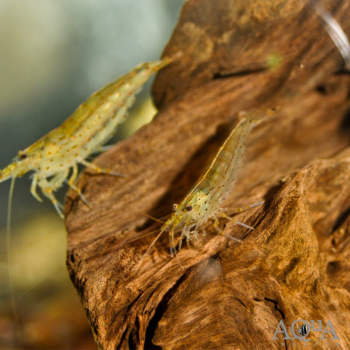
$4.99
One of the most popular fish or invertebrates used for algae control in aquariums, the Amano, Algae Eating, or Japonica Shrimp is found throughout fresh and brackish waters in Japan and Taiwan, where they are found in large aggregations and feed primarily on filamentous algae and biofilm. Their most widespread common name, the Amano Shrimp, comes from legendary planted aquarium and aquascaping pioneer Takashi Amano who helped popularize their use as algae control in aquariums. Peaceful, hardy, and adaptable to a wide range of water conditions, this species will thrive in nearly any peaceful community aquarium and is tolerant of lower temperatures as well. Best kept in groups of 5 or more, this shrimp will readily consume a variety of nuisance algae types and is especially useful for cleaning algae off the leaves of aquatic plants.
-
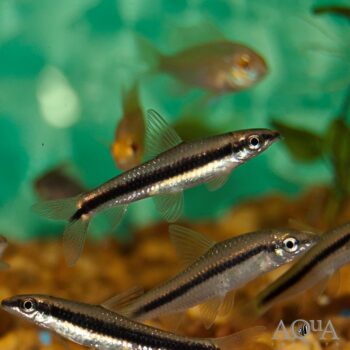
$3.99 – $6.99Price range: $3.99 through $6.99
One of the most sought after and effective of all of the so-called “algae eaters” in the aquarium hobby, the Siamese Algae Eater (commonly abbreviated SAE) or Flying Fox is an active, social, medium-sized fish that feeds on a variety of common nuisance algae species in the aquarium. They will graze on diatom algae films on glass and decor as well as the difficult to eradicate black hair or black beard algae. Best kept in groups of 6 or more, they are live plant safe and hardy additions to most medium to large community aquariums.
-
$14.99
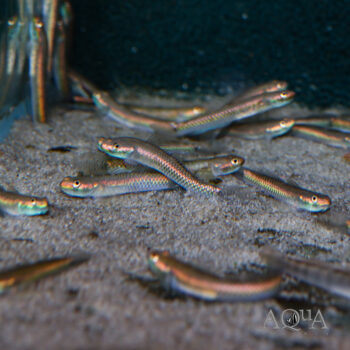
A very colorful of freshwater goby in the genus Stiphodon, the Blue Stiphodon Goby originates from fast moving rocky streams. In the wild, it lives in small groups where individual fish stake out their own territories among the rocks. They feed on algae growth and biofilms in the wild and in the aquarium should be fed algae or vegetable based sinking foods (gel diets are ideal). They require clean, well-oxygenated water with some current and will do best at slightly cooler temperatures than most tropical fish (74-76F).
End of content
End of content