Showing 51–75 of 97 resultsSorted by latest
-
$14.99
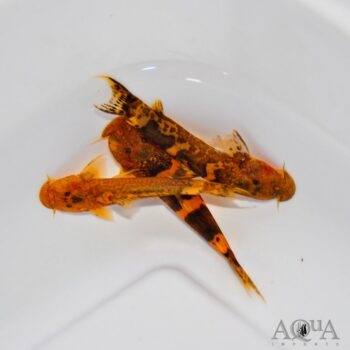
The Stargazer Catfish (Astroblepus sp.) is a rare and sought-after fish for freshwater enthusiasts. This species is found primarily in freshwaters around the Andes, while this specific locale is from Rio Ariari in Colombia. Reaching about 3 inches in length, the peaceful Stargazer Catfish feeds on biofilm, algae, and small invertebrates but will accept prepared omnivore diets in captivity.
-
$44.99
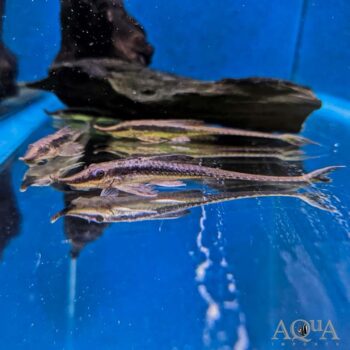
A peaceful, medium growing and uniquely shaped Loricariid, the Peruvian Whiptail is a unique oddball fish that is available seasonally in the hobby. They are an effective algae grazer, mostly live plant safe, and will live peacefully with nearly all tankmates, making them a unique addition to a medium to large community aquarium. In the wild, they are usually found on and around driftwood piles and will benefit from driftwood as well as live or artificial plants to provide cover. They should be fed regularly with a sinking herbivore diet or fresh veggies and will supplement this diet by grazing on nuisance algae on glass and decor in the aquarium.
-
$19.99
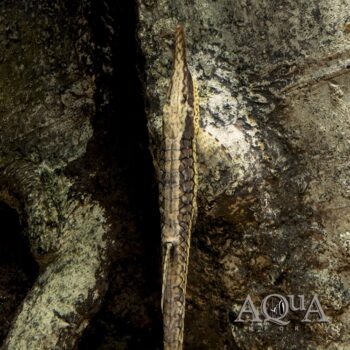
A unique suckermouth catfish that truly lives up to its common name, the Stick Catfish or Common Farlowella is an algae and biofilm grazing species found throughout much of the Amazon and Orinoco basins. In the wild, their twig-like appearance is effective camouflage against predators and allows them to graze on sunken tree branches and driftwood. In the aquarium, they are usually active and outgoing algae grazers that do a great job with diatoms and hair algae both on the glass and on decor. Safe for planted aquaria, they are compatible with nearly any tankmates. When kept in optimal conditions, this species will spawn readily in the aquarium, often on the glass or other vertical flat surfaces.
-
$149.99 – $179.99Price range: $149.99 through $179.99
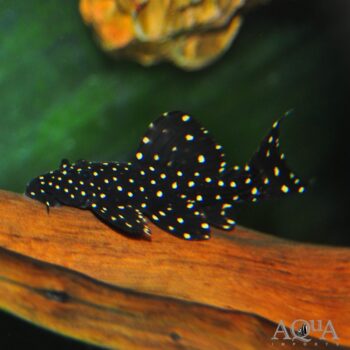
The L452 Mustang Cactus Pleco (Pseudcanthicus sp. L452) is a spectacularly unique Pleco addition to any aquarium! Despite being carnivores, these fish are not regarded as predators. Their favorite protein sources seem to be diced mussels, scallops, and prawns. They may exhibit territorial behavior towards fish in the aquarium that occupy similar niches. They are only available seasonally and can be difficult to acquire most of the year.
-
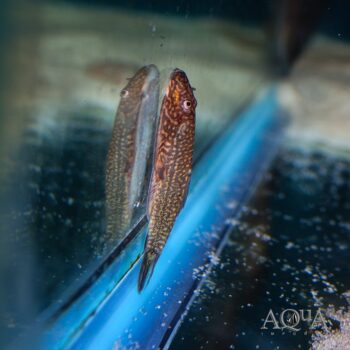
$22.99
A beautifully marked hillstream loach found in fast-moving streams in Western Borneo, the Reticulated Borneo Sucker is typically found among rocks in well-oxygenated waters. In the aquarium, they are hardy fish as long as their wild habitat is replicated as closely as possible, with clean, well-aerated water and moderate to fast flow being essential to keep this species thriving long term. This species prefers slightly cooler water temperatures and soft, slightly acidic water. A grazer and opportunistic feeder, they should be given a varied diet high in algae or vegetable content. They should be kept in groups of at least 3 and will typically get along well with other hillstream loach species.
-
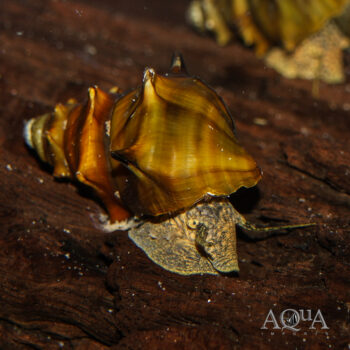
$5.99
The Pagoda Snail (Brotia pagodula), is a large growing freshwater snail from the Thoungyin River in Thailand. The distinct spiny protrusions on its shell makes it a popular addition to aquariums as an algae eater and detrivore. They are not considered to be plant-safe. Maintenance of higher KH and GH levels will aid in keeping the shell in top shape.
-
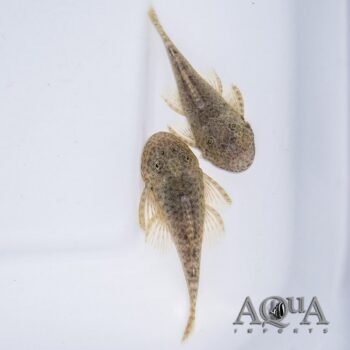
$27.99
A uniquely patterned relative of the more well known “rubber lip plecos”, the Leopard Rubber Pleco or Leopard Chaetostoma is an undescribed species known from the Rio San Alejandro in Peru. This river is an upper Amazon tributary of the Ucayali, and is characterized by moderately hard, cooler water. Like most members of the genus Chaetostoma, they prefer moderate to strong water movement and are most at home with plenty of caves and rocks to hide among. In the aquarium, they will accept most sinking herbivore foods, gel diets, and fresh veggies.
-
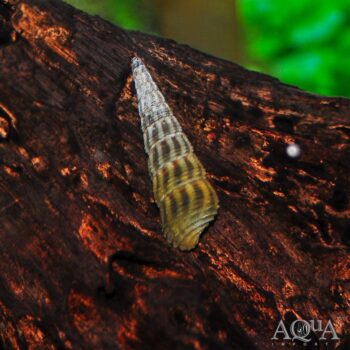
$9.99
A unique species of the so-called Rabbit Snails native to Sulawesi, the Sponge Rabbit Snail is found in the rivers and creeks surrounding lake Poso. An omnivore that primarily grazes on algae and biofilm in the wild, they will readily accept a variety of prepared foods in the aquarium. Their native habitat is characterized by warm, clear, slightly hard water and they will do best when kept in similar conditions. Like all members of the genus Tylomelania, these snails reproduce slowly, producing only a few eggs at a time which hatch quickly into fully-formed baby snails.
-
$12.99
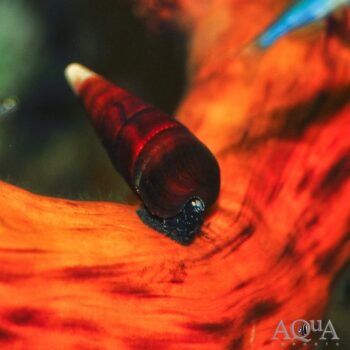
A unique species of the so-called Rabbit Snails native to Sulawesi, the Blue Rabbit Snail is found in the rivers and creeks surrounding lake Poso. An omnivore that primarily grazes on algae and biofilm in the wild, they will readily accept a variety of prepared foods in the aquarium. Their native habitat is characterized by warm, clear, slightly hard water and they will do best when kept in similar conditions. Like all members of the genus Tylomelania, these snails reproduce slowly, producing only a few eggs at a time which hatch quickly into fully-formed baby snails.
-

$3.49
The Black Racer Nerite Snail or Military Helmet Snail is a small, jet black member of the genus Neritina found in a wide range of brackish to pure freshwater habitats in Thailand, Malaysia, and the Indo-Pacific. Like most Nerite snails, they are extremely popular in the aquarium hobby due to their voracious appetite for nuisance algae, including diatoms and filamentous algae. They are plant safe and great addition to any freshwater aquarium, paludarium, or aquascaped/planted tank. These snails can not reproduce successfully without brackish water and therefore will not overpopulate the aquarium.
-
$59.99
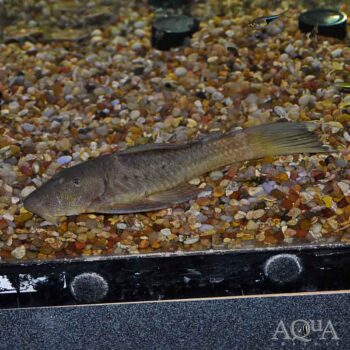
A rarely seen and large growing relative of the more well known Rubber Pleco, the Giant Rubberlip Pleco originates from the rocky, fast-moving waters of the Rio Magdalena in Colombia. This species is hardy and adaptable, and among the most effective plecos for diatom and other algae control in larger aquariums. In the wild, they are commonly found in somewhat cooler, well-oxygenated water and should be provided plenty of cover in the aquarium. They are enthusiastic feeders and will readily accept fresh veggies, Repashy gel diet, and other prepared foods designed for herbivores and algae grazers.
-
$14.99
Adistinctively marked and uncommonly imported relative of the common Otocinclus, the Longnose Peppermint Oto is known from the lower Rio Negro and its tributaries in the Brazilian Amazon, where it spends most of its time grazing on submerged driftwood and vegetation. An ideal algae eater for most community or planted aquariums, they will eat filamented algae and diatoms from most surfaces, including the aquarium glass. Like most of their close relatives, they are social fish, best kept in groups.
-
$139.99 – $299.99Price range: $139.99 through $299.99
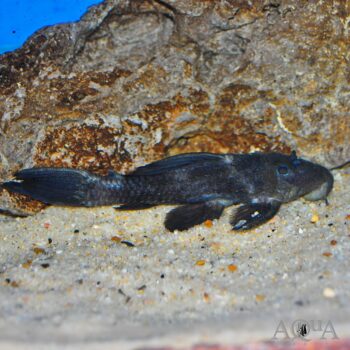
A large growing and impressive armored pleco known from Brazil’s Rio Tocantins, the L064 Ghost Cactus Pleco inhabits deeper stretches of rocky, fast-moving waters in the wild. Like most of its close relatives in the genus Pseudacanthicus , it is a somewhat territorial fish, and primarily a carnivore which prefers protein rich foods. Due to their large adult size and fairly active nature, the Ghost Cactus Pleco requires a large aquarium with cover in the form of driftwood, rock work or caves and will do best in well-oxygenated water with moderate to strong current.
-
$12.99
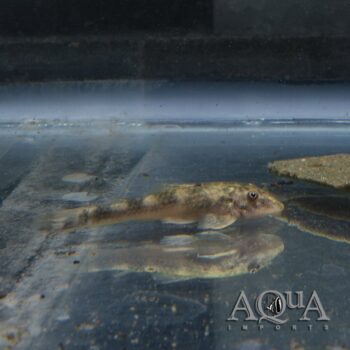
Once common in the aquarium hobby, the LDA025 Pitbull Pleco or Goby Pleco is a unique dwarf species of Loricariid found in rivers and streams in Eastern Brazil. In the wild it is similar to the more well-known Otocinclus, living in large groups and grazing on algae and biofilm which makes it an ideal algae control fish for most aquariums. Peaceful, hardy, and active, the Pitbull Pleco is deservedly popular if much less common in the hobby as it once was. This species should be kept in groups of at least three and will do best in an aquarium with plenty of cover in the form of live plants, rockwork, and driftwood.
-
$59.99
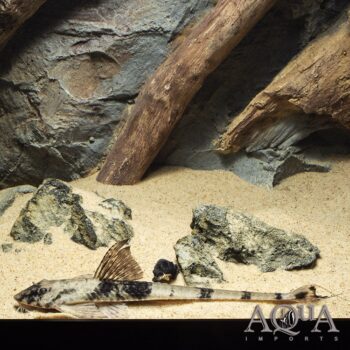
The Royal Marbled Whiptail Catfish is a widely distributed species of larger growing Loricariid known from rivers throughout Peru, Colombia, and possibly Brazil. In the wild, they are found on fine sand substrate in areas of open, shallow water and are capable of a good deal of color change to camouflage themselves to their surroundings. Like most similar Loricariids, this species is an omnivore which feeds on invertebrates, biofilm, algae and vegetation and should be fed a varied diet of sinking specialty formulas including gel diets and occasionally fresh veggies. A hardy and unique aquarium fish, they will do best when provided with plenty of open space, warm, soft water and some current.
-
$29.99
A colorful, medium-growing Loricariid known from the Rio Negro, Branco and Solimoes (Amazon) in Brazil, the Leopard or Fine Spot Whiptail remains an elusive and uncommon import in the hobby. In the wild, they are found on fine sand substrate in areas of open, shallow water and are capable of a good deal of color change to camouflage themselves to their surroundings. Like most similar Loricariids, this species is an omnivore which feeds on invertebrates, biofilm, algae and vegetation and should be fed a varied diet of sinking specialty formulas including gel diets and occasionally fresh veggies. A hardy and unique aquarium fish, they will do best when provided with plenty of open space, warm, soft water and some current.
-
$24.99 – $27.99Price range: $24.99 through $27.99
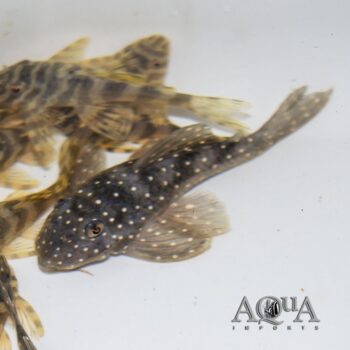
A smaller growing spotted species of Hypancistrus known from several lower Amazon tributaries in Brazil, the L004 Angelicus Pleco is an ideal pleco for the small to medium community aquarium. Although normally shy at first, they will become more comfortable spending time out in the open over time and especially when food is added to the tank. Like most of their close relatives in the genus Hypancistrus, the L004 is not a particularly good algae eater and prefers a more protein rich diet than some plecos. Peaceful toward nearly all tankmates, they can be territorial towards other plecos but will typically coexist without problems long as plenty of cover is provided in the aquarium.
-
$15.99 – $22.99Price range: $15.99 through $22.99
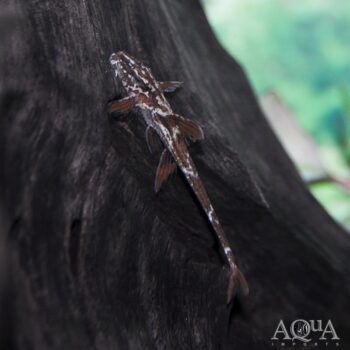
A colorful and unique smaller Loricariid, the Red Lizard Catfish or Red Lizard Whiptail likely originates from a wild fish found in the lower Amazon in Brazil but has been line bred for their vivid red coloration. With their small adult size, peaceful nature, and utility as a nuisance algae eater, this species is an ideal addition to most medium to large community aquariums. In the wild, they are usually found on and around driftwood piles and will benefit from driftwood as well as live or artificial plants to provide cover. They should be fed regularly with a sinking herbivore diet or fresh veggies and will supplement this diet by grazing on nuisance algae on glass and decor in the aquarium.
-
$79.99 – $99.99Price range: $79.99 through $99.99
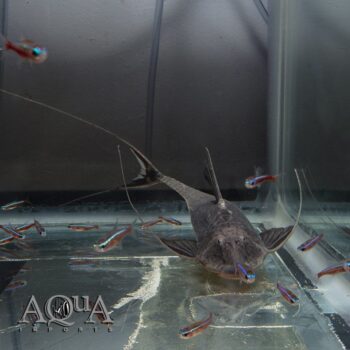
Product Description Coming Soon
-
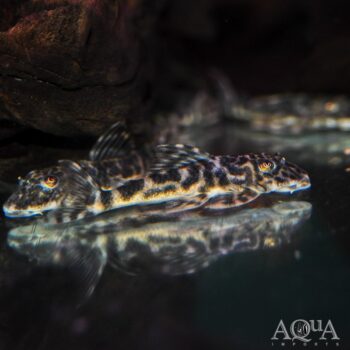
$13.99 – $14.99Price range: $13.99 through $14.99
A small growing, attractively patterned species of Peckoltia from the Orinoco and Meta rivers, the L127 Mottled False Zebra Pleco or Scribbled Pleco is an ideal pleco for the small to medium community aquarium. Although normally shy at first, they will become more comfortable spending time out in the open over time and especially when food is added to the tank. Like most of their close relatives, the L127 is not a particularly good algae eater and prefers a more protein rich diet than some plecos. Peaceful toward nearly all tankmates, they can be territorial towards other plecos but will typically coexist without problems long as plenty of cover is provided in the aquarium.
-
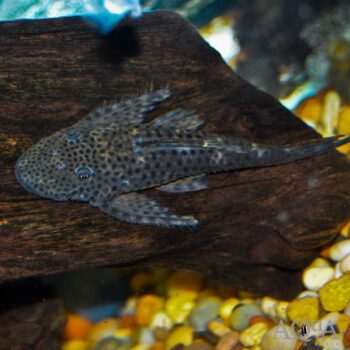
$34.99
An attractive, medium-sized pleco found in the warm, fast-moving waters of the Orinoco and its tributaries in Colombia and Veneuela, the Black Spotted Flyer or Dumus Pleco is not commonly seen in the hobby. In nature, the species is largely herbivorous, feeding on algae mats, terrestrial and aquatic plants, and biofilms, but as with most herbivorous plecos they take in plenty of insect larvae, crustaceans, and other protein sources. In the aquarium, they are best kept in conditions similar to their wild habitat, with warm, well-oxygenated water with plenty of current and cover in the form of rocks and caves. A varied diet including plenty of vegetable matter will ensure this species thrives long-term.
-
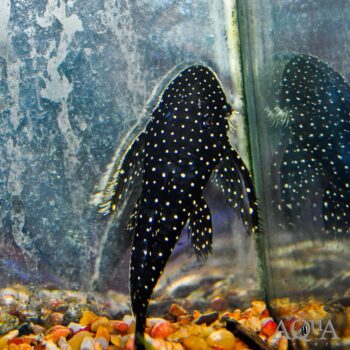
$49.99
An attractive, medium-sized pleco found in the warm, fast-moving waters of the Orinoco and its tributaries in Colombia and Veneuela, the Flyer Pleco is well adapted for life in the rapids. In nature, the species is largely herbivorous, feeding on algae mats, terrestrial and aquatic plants, and biofilms, but as with most herbivorous plecos they take in plenty of insect larvae, crustaceans, and other protein sources. In the aquarium, they are best kept in conditions similar to their wild habitat, with warm, well-oxygenated water with plenty of current and cover in the form of rocks and caves. A varied diet including plenty of vegetable matter will ensure this species thrives long-term.
-
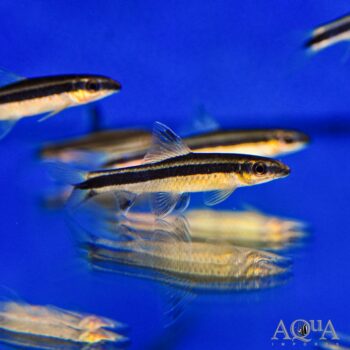
$7.99 – $8.99Price range: $7.99 through $8.99
An active and colorful algae grazer, the Flying Fox is found throughout a wide variety of habitats in Southeast Asia. It is an active, medium-sized social fish that feeds on a variety of common nuisance algae species in the aquarium. They will graze on diatom algae films on glass and decor as well as the difficult to eradicate black hair or black beard algae. Best kept in groups of 6 or more, they are live plant safe and hardy additions to most medium to large community aquariums.
-

$39.99 – $49.99Price range: $39.99 through $49.99
Product description coming soon.
-
$9.99
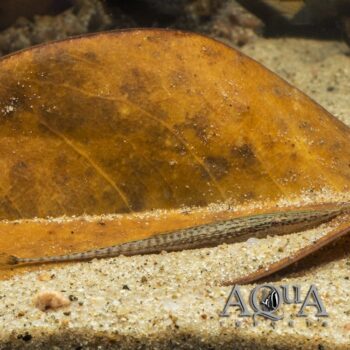
An unusual dwarf species of whiptail cat, the Green Dwarf Farlowella or Pygmy Stick Catfish is an algae and biofilm grazing species found in parts of the Orinoco and Rio Negro in Colombia, Venezuela, and Brazil. In the wild, their twig-like appearance is effective camouflage against predators and allows them to graze on sunken tree branches and driftwood. In the aquarium, they are usually active and outgoing algae grazers that do a great job with diatoms and hair algae both on the glass and on decor. Safe for planted aquaria, they are compatible with nearly any tankmates.
End of content
End of content