Showing 76–97 of 97 resultsSorted by latest
-

$5.99
A less common and strikingly patterned relative of the popular Siamese Algae Eater, C. reticulatus originates from the streams and rivers of Southeast Asia but is now bred commercially for the aquarium trade. Like their close relatives, the Reticulated Siamese Algae Eater is an active, medium-sized social fish that feeds on a variety of common nuisance algae species in the aquarium. They will graze on diatom algae films on glass and decor as well as the difficult to eradicate black hair or black beard algae. Best kept in groups of 6 or more, they are live plant safe and hardy additions to most medium to large community aquariums.
-
$39.99
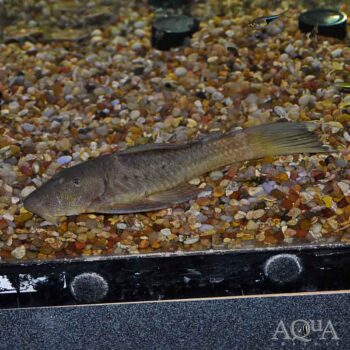
A uniquely patterned and colorful relative of the more well known “rubber lip plecos, the L455 Tiger or Tiger Chaetostoma Pleco is an undescribed species found only in Amazon tributaries (such as the Maranon and Ucayali) in Peru. Males display the most striking coloration and spotting on the face, but females are also quite colorful. Like most members of the genus Chaetostoma, they prefer moderate to strong water movement and are most at home with plenty of caves and rocks to hide among. In the aquarium, they will accept most sinking herbivore foods, gel diets, and fresh veggies.
-
$14.99 – $24.99Price range: $14.99 through $24.99
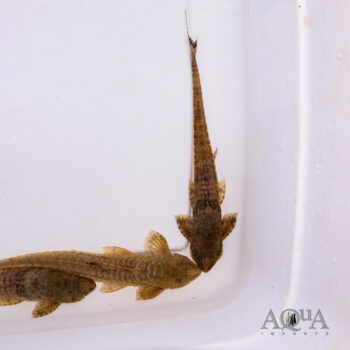
A peaceful, medium growing and uniquely shaped Loricariid, the Common Whiptail has been a popular oddball fish in the hobby for many years. They are an effective algae grazer, mostly live plant safe, and will live peacefully with nearly all tankmates, making them a unique addition to a medium to large community aquarium. In the wild, they are usually found on and around driftwood piles and will benefit from driftwood as well as live or artificial plants to provide cover. They should be fed regularly with a sinking herbivore diet or fresh veggies and will supplement this diet by grazing on nuisance algae on glass and decor in the aquarium.
-
$29.99 – $49.99Price range: $29.99 through $49.99
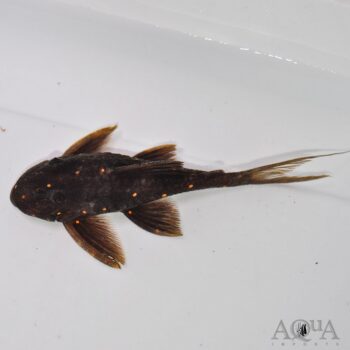
A medium sized and colorfully patterned wood eating pleco, the Mustard Spot or LDA031 Pleco features the distinctive lyretail common to members of the genus Panaqolus. Found in middle Amazon tributaries in Peru, Ecuador, and Southern Colombia, these fish inhabit driftwood piles in clear, relatively fast-moving waters. In the aquarium they are hardy and not typically shy, making them a great centerpiece pleco for a medium sized tank.
-
$7.99
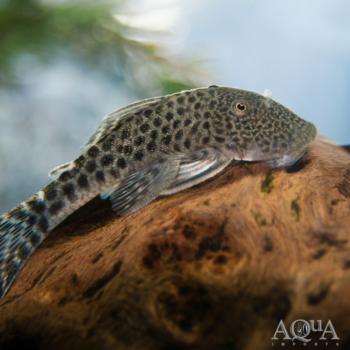
Found in the fast-flowing, clear waters of Colombia’s Rio Meta and its tributaries, the L445 Spotted Rubber Pleco is a hardy, popular species and among the most effective plecos for diatom and other algae control in the aquarium. In the wild, they are commonly found in rocky, shallow water areas and should be provided plenty of cover in the aquarium. They are enthusiastic feeders and will readily accept fresh veggies, Repashy gel diet, and other prepared foods designed for herbivores and algae grazers.
-
$19.99
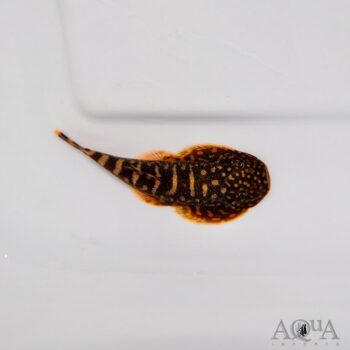
A unique, smaller growing hillstream loach found in fast-moving streams in Western Borneo, the Striped Borneo Sucker is typically found among rocks in well-oxygenated waters. In the aquarium, they are hardy fish as long as their wild habitat is replicated as closely as possible, with clean, well-aerated water and moderate to fast flow being essential to keep this species thriving long term. This species prefers slightly cooler water temperatures and soft, slightly acidic water. A grazer and opportunistic feeder, they should be given a varied diet high in algae or vegetable content like Fluval Bug Bites Pleco Formula or Repashy Gel Diet. A social fish like most loaches, they should be kept in groups of at least 3 and will typically get along well with other hillstream loach species.
-

$4.99
The Ceylon Algae Eater or Stone Sucker is a medium growing species found in clearwater rocky streams throughout much of Sri Lanka, where it is found in loose aggregations feeding on algae growths and vegetation among the substrate. In the aquarium, they are an active fish and useful grazer that will readily eat diatom and other forms of nuisance algae. Hardy and adaptable, they are best kept in a group of 3-5 specimens.
-
$3.99
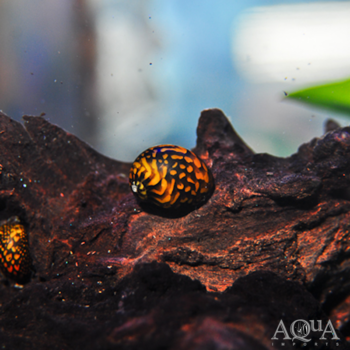
The Batik or variegated Nerite Snail is one of the more attractively patterned species in the genus Neritina and is found in a wide range of brackish to pure freshwater habitats in Indonesia and the Indo-Pacific. Like most Nerite snails, they are extremely popular in the aquarium hobby due to their voracious appetite for nuisance algae, including diatoms and filamentous algae. They are plant safe and great addition to any freshwater aquarium, paludarium, or aquascaped/planted tank. These snails can not reproduce successfully without brackish water and therefore will not overpopulate the aquarium.
-
$14.99
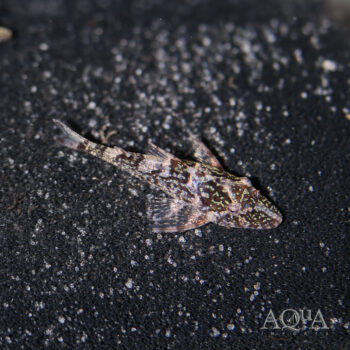
A beautifully and distinctively marked relative of the common Otocinclus, the Peppermint Oto inhabits Venezuela’s Rio Orinoco, where it spends most of its time grazing on submerged driftwood and vegetation. An ideal algae eater for most community or planted aquariums, they will eat filamented algae and diatoms from most surfaces, including the aquarium glass. Like most of their close relatives, they are best kept in groups.
-
$21.99
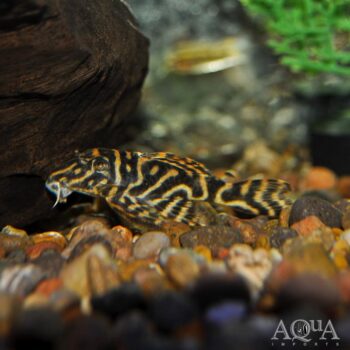
A strikingly patterned, small growing species of Hypancistrus from the warm, acidic waters of the Rio Orinoco and its tributaries in Colombia, the L129 Colombian Zebra or False Zebra Pleco is an ideal species for the small to medium community aquarium. Although normally shy at first, they will become more comfortable spending time out in the open over time and especially when food is added to the tank. Like most of their close relatives, the L129 is not a particularly good algae eater and prefers a more protein rich diet than some plecos. Peaceful toward nearly all tankmates, they can be territorial towards other plecos but will typically coexist without problems long as plenty of cover is provided in the aquarium.
-
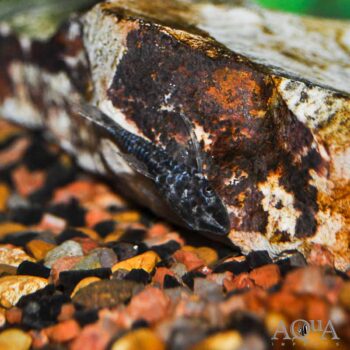
$39.99
Product description coming soon.
-
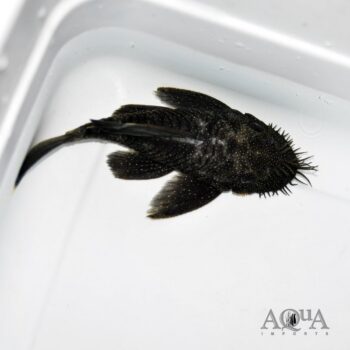
$24.99 – $49.99Price range: $24.99 through $49.99
A beautiful and sought after member of the genus Ancistrus found in Brazil’s Rio Negro, the Starlight or White Seam Bristlenose Pleco inhabits warm, acidic, tannin-stained waters where it is typically found grazing on submerged driftwood or fallen branches. In the aquarium, they are hardy and adaptable but should be provided with plenty of cover and driftwood for grazing on. Like all Bristlenose or Bushynose plecos in the genus, both males and females display bristles or tentacles along the nose as adults, with mature males having much more elaborate growth.
-
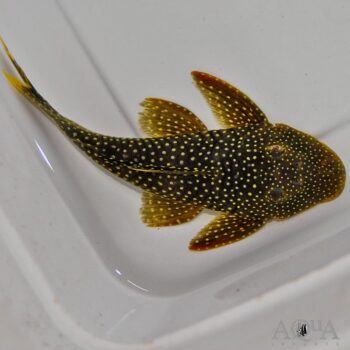
$59.99 – $74.99Price range: $59.99 through $74.99
An attractive, medium-sized pleco found in the warm, fast-moving waters of Brazil’s Rio Xingu, the Yellow Seam or L067 Pleco is a recently described species not common in the aquarium hobby. In nature, the species is largely herbivorous, feeding on algae mats, terrestrial and aquatic plants, and biofilms, but as with most herbivorous plecos they take in plenty of insect larvae, crustaceans, and other protein sources. In the aquarium, they are best kept in conditions similar to their wild habitat, with warm, well-oxygenated water with plenty of current and cover in the form of rocks and caves. A varied diet including plenty of vegetable matter will ensure this species thrives long-term. The genus Pseudancistrus is often known as “bearded plecos” as males will develop impressive rigid bristles around the outer rim of their snouts.
-
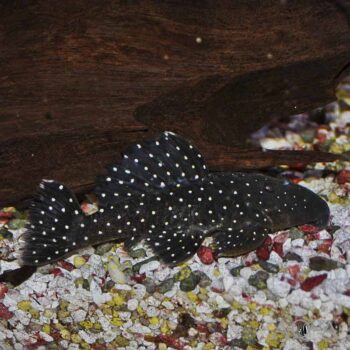
$39.99 – $69.99Price range: $39.99 through $69.99
An attractive, medium-sized pleco found in the warm, fast-moving waters of Brazil’s Rio Xingu, the Peppermint Pleco or L031 is popular in the aquarium hobby due to its distinctive white spotted pattern and unique body shape. In nature, the species is largely herbivorous, feeding on algae mats, terrestrial and aquatic plants, and biofilms, but as with most herbivorous plecos they take in plenty of insect larvae, crustaceans, and other protein sources. In the aquarium, they are best kept in conditions similar to their wild habitat, with warm, well-oxygenated water with plenty of current and cover in the form of rocks and caves. A varied diet including plenty of vegetable matter will ensure this species thrives long-term.
-
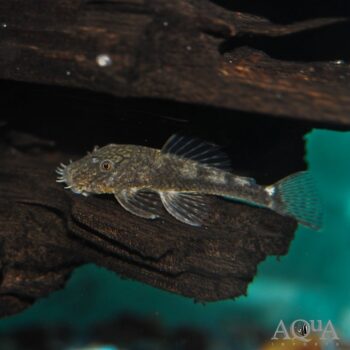
$29.99
Product description coming soon.
-
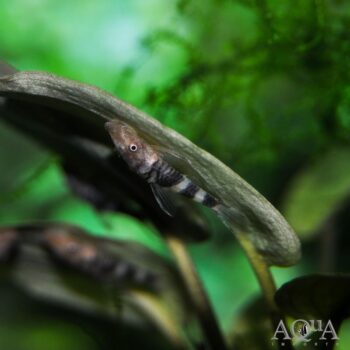
$21.99
A beautifully and distinctively marked dwarf relative of the common Otocinclus, the Orange Zebra Oto inhabits the upper Rio Nanay in Peru, where it spends most of its time grazing on submerged driftwood and vegetation. An ideal algae eater for most community or planted aquariums, they will eat filamented algae and diatoms from most surfaces, including the aquarium glass. Like most of their close relatives, they are best kept in groups.
-
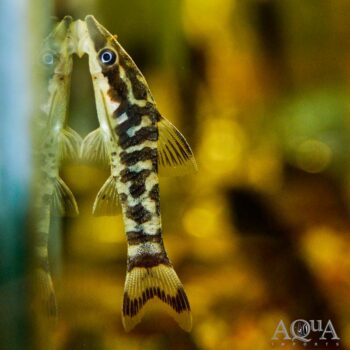
$18.99
A beautifully and distinctively marked relative of the common Otocinclus or Oto Cat, the Rio Tigre Zebra Oto inhabits Peru’s Rio Tigre, where it spends most of its time grazing on submerged driftwood and vegetation. An ideal algae eater for most community or planted aquariums, they will eat filamened algae and diatoms from most surfaces, including the aquarium glass. Like most of their close relatives, they are best kept in groups.
-
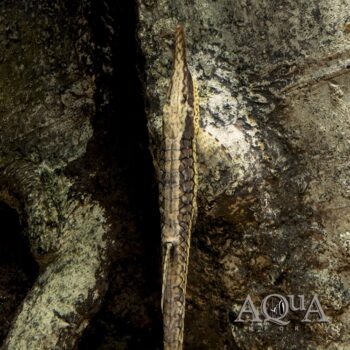
$14.99 – $22.99Price range: $14.99 through $22.99
A unique suckermouth catfish that truly lives up to its common name, the Stick Catfish or Common Farlowella is an algae and biofilm grazing species found throughout much of the Amazon and Orinoco basins. In the wild, their twig-like appearance is effective camouflage against predators and allows them to graze on sunken tree branches and driftwood. In the aquarium, they are usually active and outgoing algae grazers that do a great job with diatoms and hair algae both on the glass and on decor. Safe for planted aquaria, they are compatible with nearly any tankmates. When kept in optimal conditions, this species will spawn readily in the aquarium, often on the glass or other vertical flat surfaces.
-
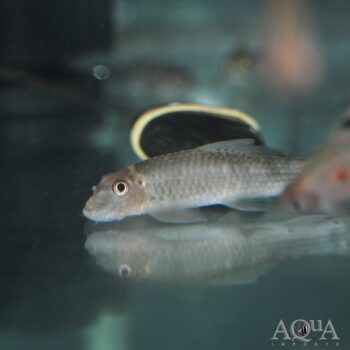
$21.99
A unique grazing species from the Salween River along the Thai-Myanmar border, the Humphead Garra is found in rocky, fast-flowing habitat and makes a unique and active grazer for a larger aquarium.
-
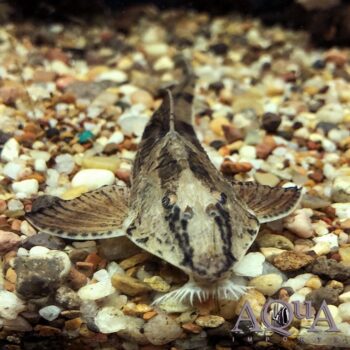
$29.99 – $44.99Price range: $29.99 through $44.99
The Tefena Whiptail Loricaria is an attractively marked medium sized Loricariid found throughout much of Colombia in sandy and rocky shallow water habitat. An omnivore and grazer, they will readily feed on algae or vegetable matter along with more protein rich foods. In the aquarium, they are not shy, and will often be seen perched above the substrate in the middle of the tank. Any tank housing this species should offer plenty of open sandy or rocky areas for them to stake out territories.
-
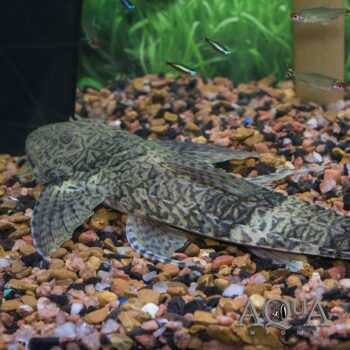
$56.99 – $99.99Price range: $56.99 through $99.99
A unique and heavily armored Loricaria from the fast-flowing waters of Colombia’s Rio Caqueta, the Dragon Loricaria is a gentle giant in the aquarium and an impressive addition to an appropriately large tank. Coming from fast moving, well-oxygenated waters they prefer a significant amount of water movement and an ideal setup would include large open stretches of sandy substrate and some flat rocks. They will eat a variety o foods, with a preference for vegetable matter or whole fresh veggies.
-
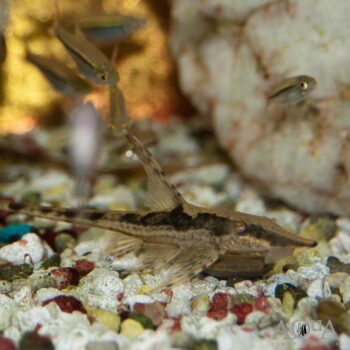
$29.99 – $36.99Price range: $29.99 through $36.99
A unique, stick-shaped Loricariid found throughout the Pacific coastal drainages of Panama, Colombia, and Ecuador, the Royal Farlowella can be found in a variety of habitats including fast-flowing streams and slow blackwater creeks. They are often found heavily camouflaged on or near stands of driftwood and in the aquarium should be given plenty of cover as well as open areas of substrate. A grazer and omnivore, they will do best when offered a varied diet of herbivore and carnivore diets such as Repashy gel diet, Fluval Bug Bites pellets, frozen foods and fresh vegetables.
End of content
End of content