Showing 1–25 of 220 resultsSorted by latest
-
$9.99
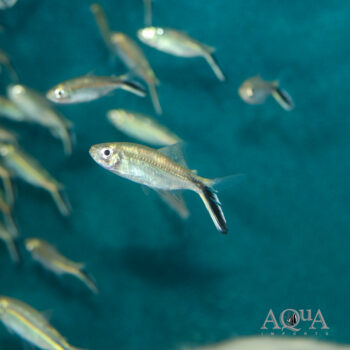
The Obliqua Penguin Tetra (Thayeria obliqua) is a spectacular medium sized schooling fish found in the streams of the Rio Nanay in Peru. These tetras are the “original” Penguin Tetra, however Thayeria boehlkei has taken over this common name in the hobby. Like most medium sized tetras, they’re a peaceful, loosely schooling fish best kept in groups of 8 or more. Subdued lighting, warm temperatures (80F ) and soft, slightly acidic water will help these fish feel most comfortable in the aquarium.
-
$12.99
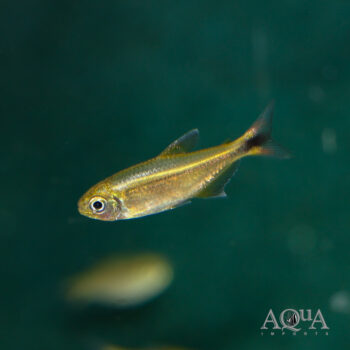
An rare and newer species to the hobby, the Jalapão Red Tail Tetra (Hemigrammus sp. Jalapão) should become a popular aquarium community fish now that they have made their way into the breeding programs of suppliers from Asia. They are hardy, beautiful, and generally peaceful. Like most tetras, they will thrive in a schooling group (ideally 10 or more).
-
$24.99
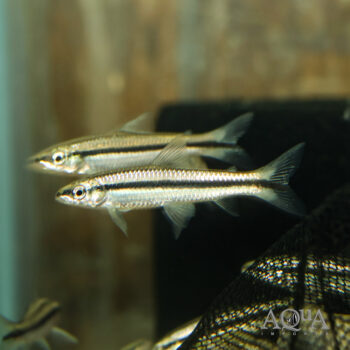
A rare characin found throughout parts of Peru and Colombia, the Pongo Characin (Parodon pongoensis) makes a fascinating aquarium resident. These herbivorous fish feed on algae growth and biofilms in the wild. A hardy and interesting fish, they are social and should be kept in groups.
-
$29.99
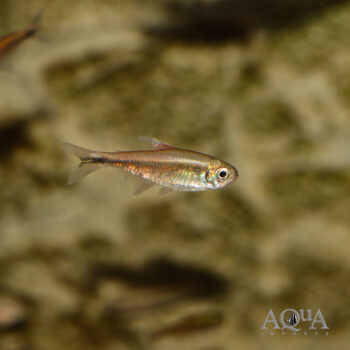
The Aurora Tetra (Moenkhausia aurora) is fairly newly available in the hobby. This uncommon species originates from the upper Rio Xingu River Basin in Mato Grosso State, Brazil where it is found in clear water with fine sand substrate and leaf litter. Like most tetras, these shoaling fish are best kept in groups of 5 or more. In the aquarium they are peaceful and readily accept prepared foods.
-
$8.99
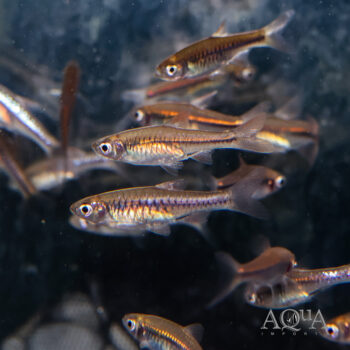
The Volcano Rasbora (Rasbora vulcanus) makes a great addition for the small to medium sized community aquarium or planted tank. In the wild, they inhabit clear, slow moving streams and creeks with sandy substrate, usually among aquatic plants or fallen branches. They will display the best orange/red coloration in a planted tank with a dark substrate. Like most schooling rasboras, they are best kept in groups of 10 or more and will thrive with most peaceful tankmates.
-
$8.99
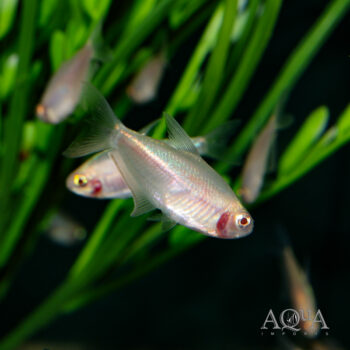
The Emperor Tetra (Nematobrycon palmeri) is a popular aquarium fish due to its vibrant iridescent body coloration and striking finnage. In the aquarium, they are hardy and adaptable, perfect for most medium community aquariums or planted/aquascaped tanks. Like most tetras they should be kept in groups of at least 5.
-
$19.99 – $24.99Price range: $19.99 through $24.99
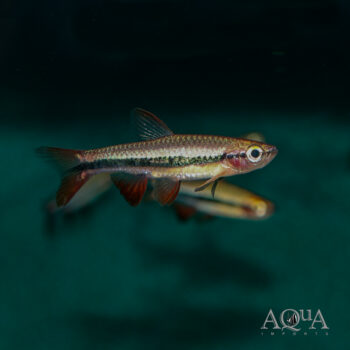
The Patrick’s Rasbora (Rasbora patrickyapi) is an active, medium-growing schooling fish endemic to Borneo. With deep red body coloration and a distinctive black stripe popping with iridescence, this species is a spectacular aquarium fish that makes for a striking addition to planted or blackwater tanks. In the wild, they inhabit shallow streams and swampy areas of soft, acidic, tannin-stained waters, usually among aquatic plants or fallen branches. A hardy and adaptable fish in the aquarium, they will do well in a variety of water conditions but will display the best coloration when kept in relatively soft water. Like most schooling rasboras, they are best kept in groups of 5 or more and will thrive with most similarly-sized peaceful tankmates.
-
$39.99
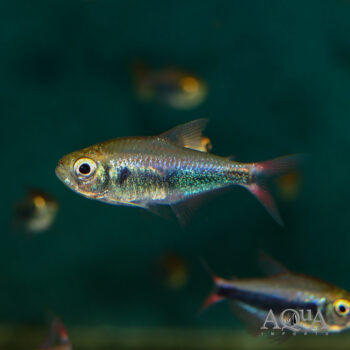
The Imperial Cenepa Tetra (Hyphessobrycon sp. Imperial Cenepa) is newly available to the hobby. Collected from the Rio Amaya in the Cenepa River drainage, this Hyphessobrycon species is found in tannin rich blackwaters that feed into the Marañón to the . Like most tetras, these shoaling fish are best kept in groups of 5 or more. In the aquarium they are peaceful and readily accept prepared foods.
-
$14.99
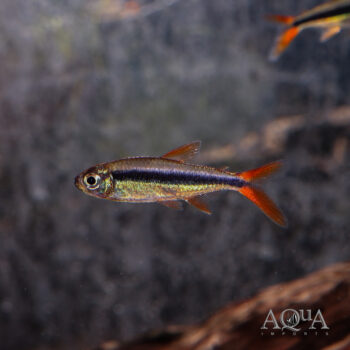
The Red Fin Penguin Tetra is a recently discovered relative of the common Penguin Tetra found in the Teles Pires drainages of Brazil. With their distinctive horizontal band and bright red caudal fin, peaceful, schooling nature, the Red Fin Penguin Tetra is deservedly popular in the aquarium hobby. In the wild, they inhabit slow moving, warm, acidic streams but will adapt to a wide range of conditions in the aquarium. Like most of their close relatives, they are a loosely schooling species that will do best in groups of 5 or more and will get along well with most similarly sized, peaceful tankmates. Subdued lighting, plenty of cover in the form of driftwood or plants, and slightly soft water will help promote vibrant coloration.
-
$12.99
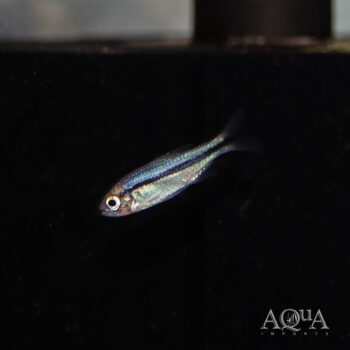
The BlueLapis Tetra (Hyphessobrycon cyanotaenia), is a small species of characin native to freshwaters of South America. Growing up to 2 inches long, this is a smaller species of tetra, making it a versatile addition to a variety of community tanks. These fish have beautiful coloration, with silvery blue bodies and a striking black stripe down their side. As a schooling species, the Blue Lapis Tetra will do best in groups of 5 or more.
-
$3.99 – $5.99Price range: $3.99 through $5.99
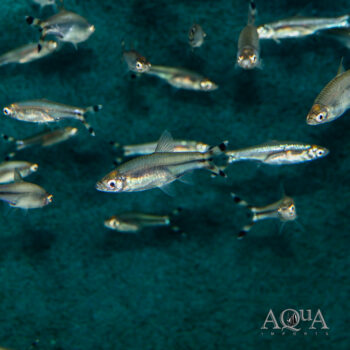
The Scissortail Rasbora makes a great addition for the medium to large sized community aquarium or planted tank. In the wild, they inhabit slow moving streams and creeks with sandy substrate and soft, acidic and often tannin-stained waters, usually among aquatic plants or fallen branches. A hardy and adaptable fish in the aquarium, they have been commercially bred all over the world to supply the aquarium trade. Like most schooling rasboras, they are best kept in groups of 10 or more and will thrive with most peaceful tankmates. Keep in mind, even though they are small at purchase, they grow much larger than many commonly known rasboras.
-

$64.99
Help us turn over inventory so we can keep offering an awesome fish and invertebrate selection and get a nice assortment of small fish, snails, and/or shrimp to stock your aquarium. Purchasing this pack will guarantee you at least an $80 value in livestock that won’t grow over 2″. Animals chosen will be up to our discretion, but feel free to place preferences in the comments section at checkout.
-
$5.99 – $6.99Price range: $5.99 through $6.99
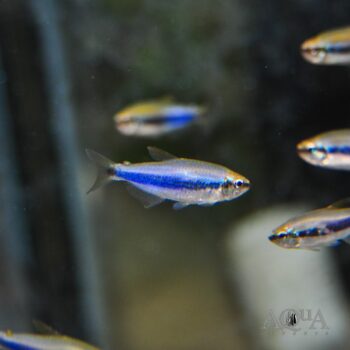
A colorful, smaller growing characin known from the upper Rio Madeira in Brazil, the Blue Emperor or Blue Kerri Tetra is deservedly popular in the aquarium hobby and has been commercially bred for years to the point where wild collected specimens are almost never exported. In the wild, they inhabit slow moving, warm, acidic streams but will adapt to a wide range of conditions in the aquarium. Like most of their close relatives, they are a loosely schooling species that will do best in groups of 5 or more and will get along well with most similarly sized, peaceful tankmates. Subdued lighting, plenty of cover in the form of driftwood or plants, and slightly soft water will help promote vibrant coloration.
-
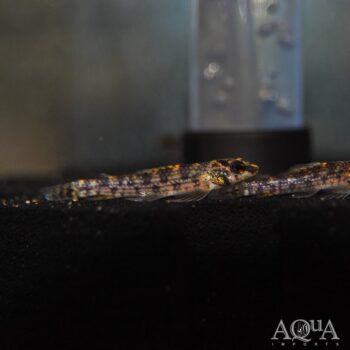
$19.99
Melanocharacidium cf. dispilomma product description coming soon.
-
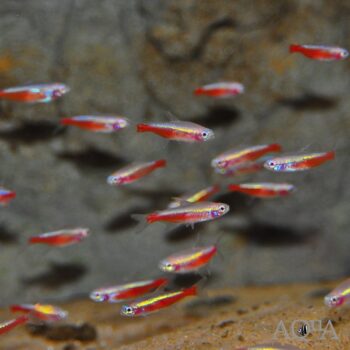
$4.99
One of the most popular and instantly recognizable freshwater aquarium fish, the Cardinal Tetra originates from the dark, acidic waters of the Negro and Orinoco River basins in Brazil, Colombia, and Venezuela. In the wild, they are often found in large aggregations of hundreds to thousands of individual fish alongside other tetra species in very shallow waters, but the species is now widely bred in captivity and will adapt to a range of conditions in the aquarium. With their vivid red and blue coloration, peaceful demeanor, and schooling behavior, the Cardinal Tetra is one of the best aquarium fish species in the hobby for beginners and experienced hobbyists alike and makes for an impressive display in a large group, Best kept in groups of at least 10 or more fish, they will get along with most other peaceful tankmates and will thrive in most setups. Darker substrate, plenty of cover, and a varied high quality diet will ensure the Cardinal Tetra displays their most vivid coloration in the aquarium.
-
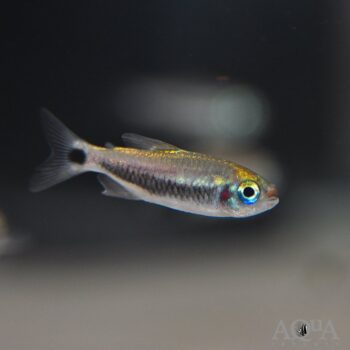
$24.99
Product description coming soon.
-
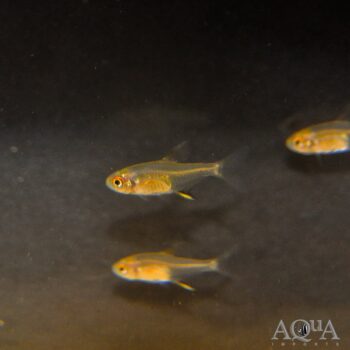
$4.49 – $4.99Price range: $4.49 through $4.99
Native to the Tapajós River basin in Brazil, Lemon Tetra (Hyphessobrycon pulchripinnis) are a stunning schooling fish. They are recognized for their bright yellow bodies and contrasting red eyes, sure to add a splash of color and personality to your freshwater tank. With their generally peaceful temperaments and small size (growing up to 1.25 inches), they are a versatile and highly desirable fish! Like all tetras they do best in schools of at least five and ideally more.
-
Sale!
$7.49 – $12.99Price range: $7.49 through $12.99
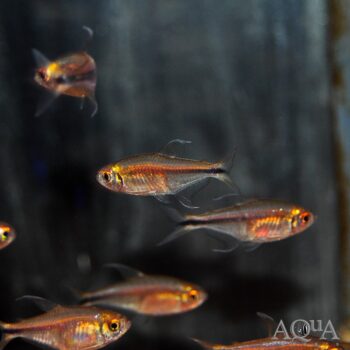
The popular Phoenix Tetra (Hemigrammus filamentosus) is a characin native to the Rio Araguaya Basin in Brazil. They are aptly named for their flowing fins and shimmery gold, silver, red, and black coloration, These hardy, popular fish will thrive best and exhibit their most natural behavior in groups of five or more. They tend to be active fish, constantly darting and displaying for one another.
-
$4.99
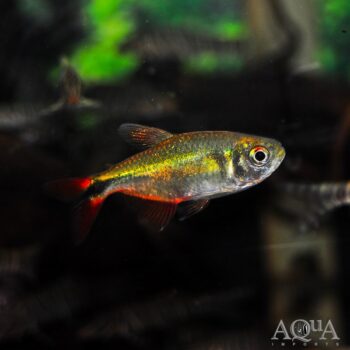
Product description coming soon.
-
Sale!
$4.99 Original price was: $4.99.$3.99Current price is: $3.99.
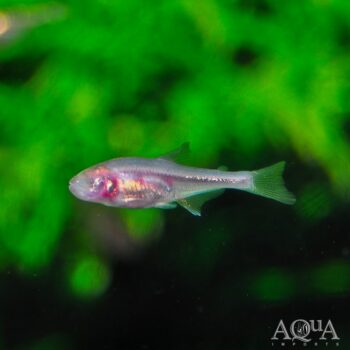
Blind Cave Tetra (Astyanax mexicanus), also known as the Mexican Cave Tetra, is an oddball tetra species. These fish are troglomorphic, meaning they are adapted to live in a lightless environment, and are fully missing their eyes! While they are adapted for a dark environment, these fish will still thrive in a standard aquarium setup and will generally do well with similarly sized tankmates.
-
$3.99
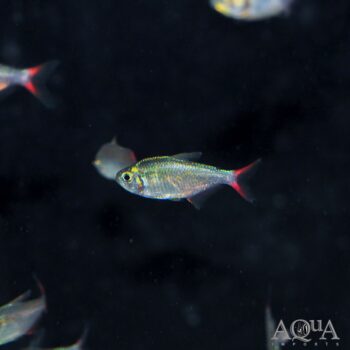
The brilliant red tail and iridescent blue body of the Red and Blue Colombian Tetra (Hyphessobrycon columbianus) gives it its name. This larger tetra species indigenous to Colombia, inhabits natural environments characterized by dense foliage and abundant cover provided by tree roots. It is not advised to maintain these fish alongside smaller, slower-moving species in the aquarium because they are vigorous swimmers and can outcompete them.
-
$7.99 – $10.99Price range: $7.99 through $10.99
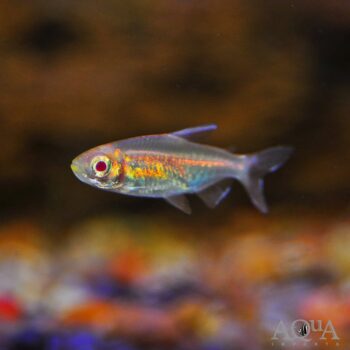
An exceptionally beautiful African tetra, the Congo Tetra (Phenacogrammus interruptus) is a relatively peaceful fish endemic to the Congo River Basin. Their rainbow iridescence and long, flowing fins make them a prized community fish among freshwater hobbyists. While not required, this tetra tends to prefer planted tanks with dimmer lighting that imitates its natural environment. The line bred Albino form is a vivid pearly white and gold while still displaying the characteristic iridescence. This species will be most comfortable and display its best coloration in schools of 5 or more, making a beautiful centerpiece group of fish for a medium to large aquarium.
-
$16.99 – $19.99Price range: $16.99 through $19.99
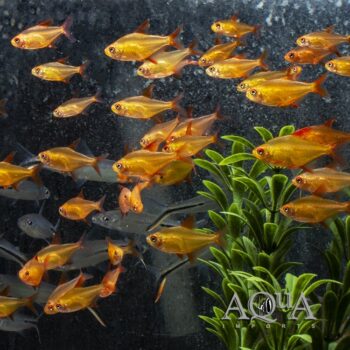
A still-undescribed species originating from Southwestern Brazil, the Mato Grosso Red Cherry Tetra is an incredibly colorful fish only recently introduced to the aquarium hobby. A medium-growing species, the Red Cherry Tetra lives up to its name, displaying intense and vivid reddish orange body coloration with deep red fins, making it a spectacular and very sought after species in the hobby. In the wild, they inhabit slow moving, warm, acidic streams but will adapt to a wide range of conditions in the aquarium. Like most of its close relatives, this is a loosely schooling species that will do best in groups of 5 or more and will get along well with most similarly sized, peaceful tankmates. Subdued lighting, plenty of cover in the form of driftwood or plants, and slightly soft water will help promote optimal coloration.
-
$29.99 – $34.99Price range: $29.99 through $34.99
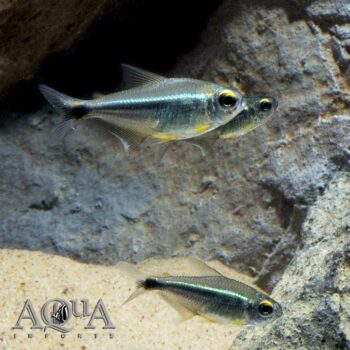
A rarely seen and beautifully colored characin that was only recently described scientifically, the Xingu Black Neon Tetra (Moenkhausia heikoi) is found in the fast-moving waters of the middle Rio Xingu in Eastern Brazil. In the wild, it is found in loose schools close to rocky outcroppings and in areas of strong water movement including shallow rapids. Extremely active and well adapted for life in strong current, they should be kept in similar conditions in the aquarium. These fish will display their best coloration in softer water at temperatures between 80 – 86F and should be kept in groups of at least 5.
-
Sale!
$12.99 – $15.99Price range: $12.99 through $15.99
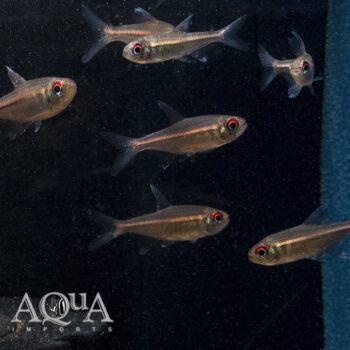
The Watermelon Tetra or Red Laser Tetra is a colorful larger growing species of Hemigrammus known from the middle and lower Rio Negro in Brazil, where it inhabits warm, acidic, soft water shallows, often in large mixed shoals with other similar tetra species. While this species’ normal coloration is an attractive reddish with a distinctive iridescent pink stripe, it gets its name and popularity from the coloration of adult males in breeding condition, which is a deep red with black trimmed fins. When on full display males in breeding color are easily among the most vibrantly colored of all South American tetra species. In the aquarium, the Watermelon Tetra is a hardy and robust species that will do well with a variety of tankmates. For optimal display they should be kept in groups of at least 5, but larger groups tend to bring out the best coloration and behavior in both males and females.
End of content
End of content