Showing 26–50 of 220 resultsSorted by latest
-
$12.99
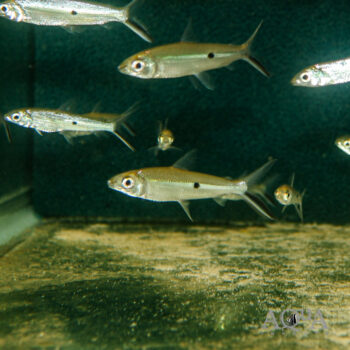
A medium-sized schooling characin, the Silver or Black Spot Hemiodus is widespread throughout the Amazon and Orinoco basins, where it is usually found in large mixed species shoals alongside other schooling tetras. A fast and somewhat skittish fish at first, they make for an impressive display in a larger mixed species aquarium and make excellent tankmates for most other peaceful fish. This species prefers warm, slightly acidic water and will do best when given plenty of cover in the form of driftwood or tall plants.
-
$7.99
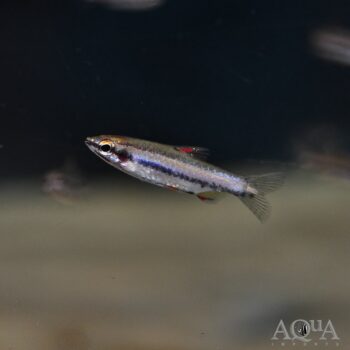
The Dwarf or Marginatus Pencilfish is a colorful, small-growing species of pencilfish found throughout much of the Amazon basin and Guyana shield. Found in areas of warm, acidic, slow-moving water, they are well-suited for a peaceful community aquarium and are popular with aquascapers and planted tank hobbyists due to their color and interesting behavior. With their small adult size, they also make a great fish for nano aquariums as well. In the aquarium, they are relatively easy to care for, but care should be taken to ensure larger or faster moving tankmates don’t outcompete them for food.
-
$3.99
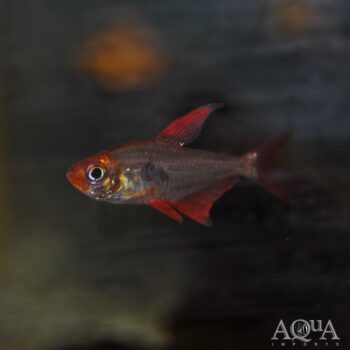
A colorful, medium growing tetra species found in rivers throughout Orinoco River drainage, the Red Phantom Tetra is deservedly popular in the aquarium hobby and has been commercially bred for decades to the point where wild collected specimens are almost never exported. In the wild, they inhabit slow moving, warm, acidic streams but will adapt to a wide range of conditions in the aquarium. Like most of their close relatives, they are a loosely schooling species that will do best in groups of 5 or more and will get along well with most similarly sized, peaceful tankmates. Subdued lighting, plenty of cover in the form of driftwood or plants, and slightly soft water will help promote vibrant coloration.
-
$21.99 – $25.99Price range: $21.99 through $25.99
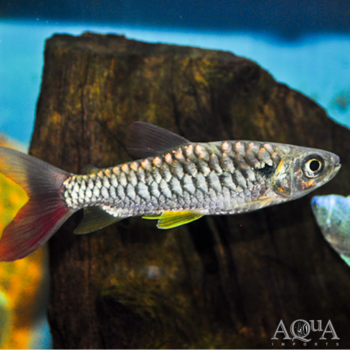
A larger growing and colorful characin, the Yellowfin Chalceus is found throughout much of the Amazon and Orinoco basins and is the most colorful member of its genus, with vivid pink dorsal and caudal fins and bright yellow ventral fins. In the aquarium, they are hardy and long lived, but tend to be skittish and shy if not kept in a group of 3 or more fish. With their size and bold demeanor, these tetras make an ideal dither fish for medium sized South American Cichlids. Their tank should be kept tightly covered as they are easily spooked and likely to jump out if given the opportunity.
-
$9.99
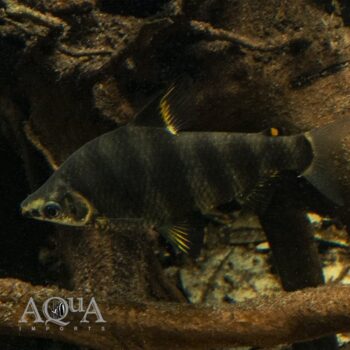
A unique, larger growing characin found throughout much of the Amazon basin, the Marbled or Abramites Headstander is an active schooling fish that makes for an impressive display in a medium to large aquarium. These relatives to the more common Spotted Headstanders are a fast swimming fish that are usually found in areas of fast to moderate current with lots of cover in the form of driftwood or overhanging vegetation. In the aquarium, they will do best in groups of 5 or more (smaller groups will be prone to nipping at each other) and when kept with other similarly sized, fast moving fish. They make an ideal dither fish for medium to large South American Cichlids and have the added benefit of grazing on nuisance hair algae on rocks or decor.
-
$7.99 – $29.99Price range: $7.99 through $29.99
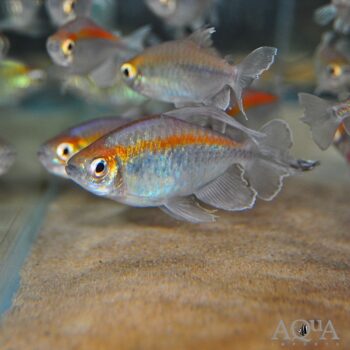
An exceptionally beautiful African tetra, the Congo Tetra (Phenacogrammus interruptus) is a relatively peaceful fish endemic to the Congo River Basin. Their rainbow iridescence and long, flowing fins make them a prized community fish among freshwater hobbyists. While not required, this tetra tends to prefer planted tanks with dimmer lighting that imitates its natural environment. The Congo Tetra will be most comfortable and display its best coloration in schools of 5 or more, making a beautiful centerpiece group of fish.
-
$4.99
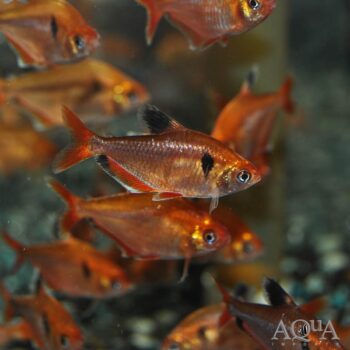
Super Serpae Tetras (Hyphessobrycon eques), also known as Jewel Tetras or Red Minor Tetras, are characins native to the Amazon Basin. Their bright red coloration and hardiness make them a popular choice for freshwater community tanks. Make sure to keep these fish in groups with similarly-sized and temperament fish, as they can outcompete smaller, slow-moving tankmates! Like all tetras they are best kept in a group of 10 or more fish.
-
Sale!
$34.99 – $149.99Price range: $34.99 through $149.99
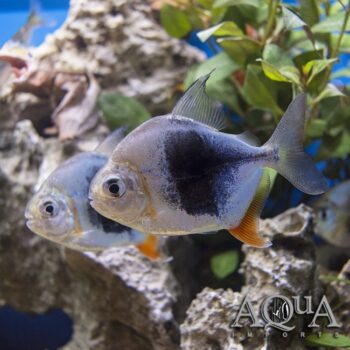
A rare, selectively bred color form of the Black Bar Silver Dollar (M. schomburgkii), the Blackberry or Blueberry Silver Dollar originated with breeders in Asia and remains a relatively uncommon find in the US. With a distinct blueish-black blotch that covers most of the body and deep red fins, these fish are a colorful and showy addition to any larger community aquarium. Care and behavior is the same as with the more well-known Black Bar or Blue Hook Silver Dollars, and it will readily school with other similar species.
-
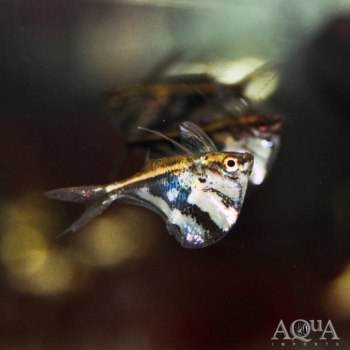
$5.99 – $6.49Price range: $5.99 through $6.49
A beautifully marked smaller growing hatchet found throughout the Amazon, Negro, and Orinoco rivers as well as the Guyana shield, the Marbled Hatchet has been a popular aquarium fish for decades. In the wild, they tend to inhabit warm, acidic, tannin stained waters and like most of the freshwater hatchets they are found in large schools close to the water’s surface. A peaceful and somewhat shy fish, they are best kept in groups of 5 or more with similarly peaceful tankmates. Relatively soft water and the use of tannin-releasing botanicals like Indian Almond Leaves will ensure they thrive in the aquarium.
-
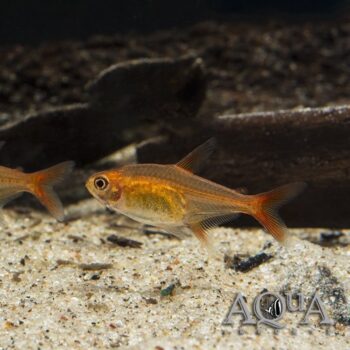
$2.99
One of the more vividly colored small tetras in the hobby, the Ember Tetra or Amandae Tetra originates in the upper Araguaia River in Southern Brazil, although nearly all specimens in the hobby are commercially bred in Asia. A hardy and adaptable fish, they make an excellent addition to most community aquariums and are especially impressive as a small school in a planted or aquascaped tank. Like most schooling tetras, they are best kept in groups of 10 or more. Slightly acidic water, subdued lighting, or the addition of some botanicals like Indian Almond Leaves to release tannins into the water will help the Ember Tetra show its most vivid coloration in the aquarium
-
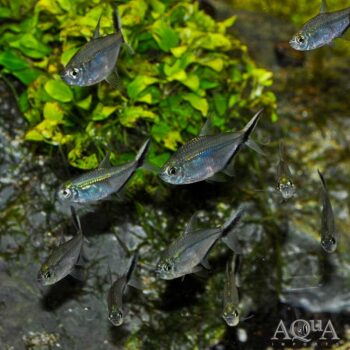
$5.99 – $10.99Price range: $5.99 through $10.99
A rarely seen and highly sought-after species of schooling tetra, the Costae or Blackline Tetra (Moenkhausia costae) is found in the shallow reaches of the Rio Sao Francisco and its tributaries in Southern Brazil. An extremely active species, they form large schools or shoals in the wild as a defense from predation. In the aquarium, their fast-moving nature and unique tail stripe pattern adds flash and movement to the middle and upper levels of the aquarium which has made them extremely popular with planted tank hobbyists and aquascapers. A hardy species, they are tolerant of a wide range of water conditions but should be kept in a well-covered aquarium as they are likely to jump. As a shoaling species, they should be kept in larger groups, with 5 fish being the minimum (more fish are better if space allows).
-
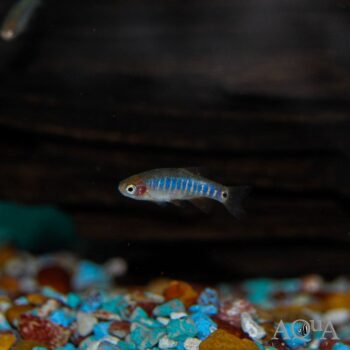
$5.49
A popular and attractively marked dwarf cyprinid, the Emerald Dwarf Rasbora is technically not a rasbora at all despite its common name and is in fact a member of the Danio family. Found in the clear, vegetation-rich waters of Inle Lake in Myanmar, the species is considered threatened in the wild although it is bred on a large scale in Indonesia and elsewhere for the aquarium trade. With their tiny adult size and attractive banded pattern, they are a popular species among nano and planted tank hobbyists and make for an impressive display when kept in a group. A schooling, social species, they should be kept in groups of at least 5 fish (10 or more is ideal) and tankmates should be chosen with caution as they may spook this small and somewhat shy fish.
-
$2.99
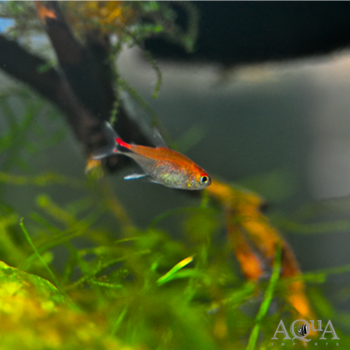
A stunning dwarf tetra found in Colombia’s Rio Meta drainage, the Ruby Tetra lives up to its name, exhibiting a deep red coloration throughout its entire body. With an adult size of only 1″, they are an ideal nano aquarium fish and are deservedly popular with planted aquarium hobbyists as well. Best kept in schools of 5 or more, the Ruby Tetra is an active and hardy fish which will display their best color in a large group an when kept in ideal water conditions.
-
$5.99
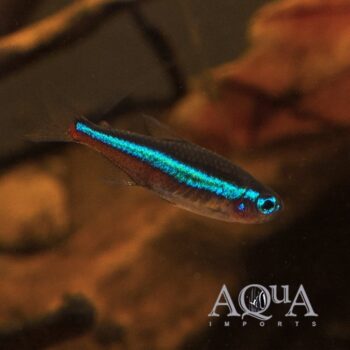
A smaller but equally colorful relative to the popular Cardinal and Neon Tetra, the Green Neon inhabits shallow, acidic waters along the Rio Negro and Orinoco in Brazil and Colombia. A peaceful schooling fish, they are best kept in groups of 10 or more, and will display their best coloration in warm, soft water in the aquarium. The addition of tannins to their water by products like Indian Almond Leaves or the use of natural driftwood will also help promote their most vibrant colors and behaviors. A great species for the smaller planted aquarium.
-
$14.99
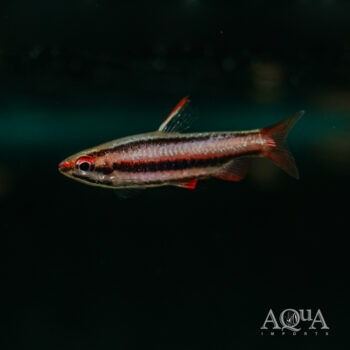
One of the most strikingly beautiful species of pencilfish, the Coral Red Pencil (Nannostomus mortenthaleri) originates from the soft, acidic waters of the upper Rio Nanay in the Peruvian Amazon. A schooling fish, they are best kept in groups of 5 or more as they will display the best color in the presence of a group. In the aquarium, they make stunning display fish, and are both hardy and active. Feeding a diet high in red color enhancers (like astaxanthin or other carotenoids) will help ensure they maintain their brightest colors.
-
$39.99 – $54.99Price range: $39.99 through $54.99
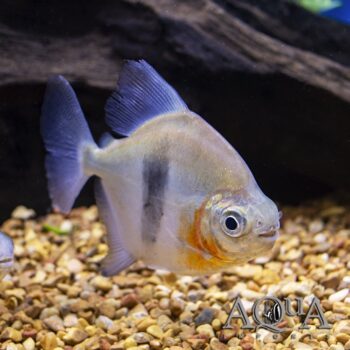
A distinctively marked large schooling characin, the Black Bar Myleus or Black Bar Silver Dollar makes an impressive display fish in a tank of large cichlids or predatory fish or as a centerpiece fish on their own. With their distinctive vertical black bar, elongated dorsal and anal fins, and combination of silver, red, and iridescent blue coloration, mature specimens are spectacular fish and will display the best behavior and color in a group of 5 or more. With a wide range spanning much of the Amazon and Orinoco basins, M. schomburgkii has several distinctive regional color variants, with the Orinoco form also known as “blue hook” or “emperor blue hook” due to the iridescent blue they display as adults.
-
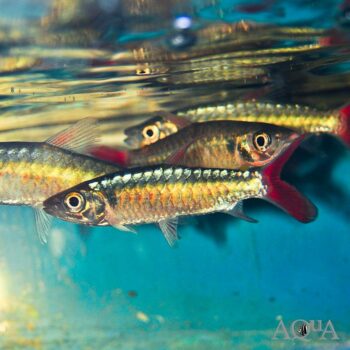
$19.99 – $24.99Price range: $19.99 through $24.99
A larger growing and colorful characin, the Pinktail Chalceus is found throughout much of the Amazon and Orinoco basins. In the aquarium, they are hardy and long lived, but tend to be skittish and shy if not kept in a group of 3 or more fish. With their size and bold demeanor, these tetras make an ideal dither fish for medium sized South American Cichlids. Their tank should be kept tightly covered as they are easily spooked and likely to jump out if given the opportunity.
-
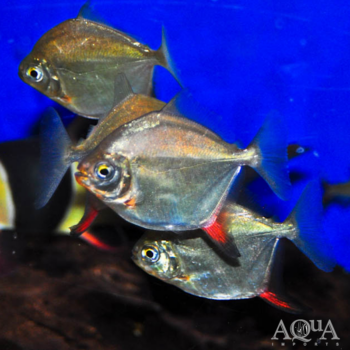
$12.99 – $44.99Price range: $12.99 through $44.99
The Red Hook Silver Dollar is a popular, colorful schooling fish found throughout the Amazon Basin in South America. A relatively peaceful fish, they do best in groups of 5 or more and make an excellent “dither” fish for large cichlids or other predatory fish species. They also add activity to the upper levels larger aquariums with their constant, rapid swimming and close schooling behavior.
-
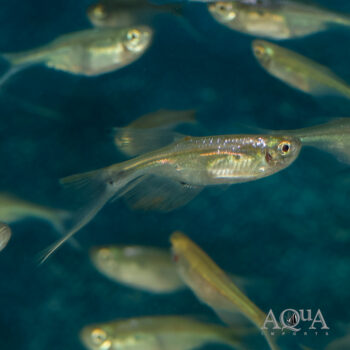
$7.99
The Swordtail Tetra (Corynopoma riisei) is found in Venezuela, Colombia, and Trinidad. It is a surface dwelling species which requires plenty of surface area to feel comfortable. They add quite the flash and movement to the middle and upper levels of the aquarium. Hardy and tolerant of a wide range of water conditions they are a shoaling species best kept in larger groups, with 5 fish being the minimum (more fish are better if space allows).
-
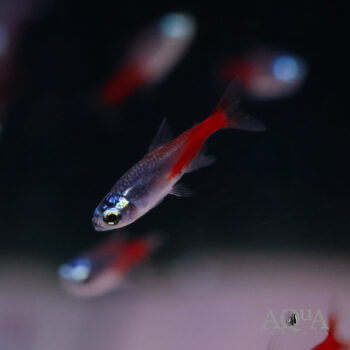
$4.99
One of the most popular and instantly recognizable freshwater aquarium fish, the Neon Tetra originates from the waters of the Rio Ucayali in Peru, where they tend to inhabit shallow clear or white water streams in large shoals. Given their worldwide popularity, this species has been farmed on a massive scale in Asia, Europe, and the US for decades now and wild fish are relatively rare in the hobby. With their vivid red and blue coloration, peaceful demeanor, and schooling behavior they are one of the best aquarium fish species in the hobby for beginners and experienced hobbyists alike. Best kept in groups of 10 or more fish, they will get along with most other peaceful tankmates and will thrive in most setups.
-
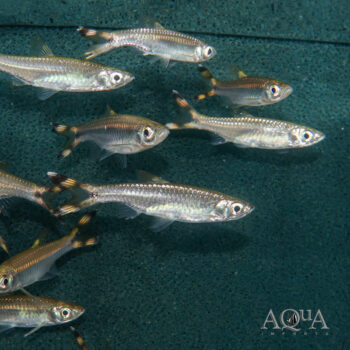
$19.99
The Red Scissortail Rasbora (Rasbora caudimaculata) also known as the Greater Scissortail Rasbora makes a great addition for the medium to large sized community aquarium or planted tank. In the wild, they inhabit slow moving streams and creeks with sandy substrate and soft, acidic and often tannin-stained waters, usually among aquatic plants or fallen branches. Like most schooling rasboras, they are best kept in groups of 10 or more and will thrive with most peaceful tankmates. Keep in mind, even though they are small at purchase, they grow much larger than many commonly known rasboras.
-
Sale!
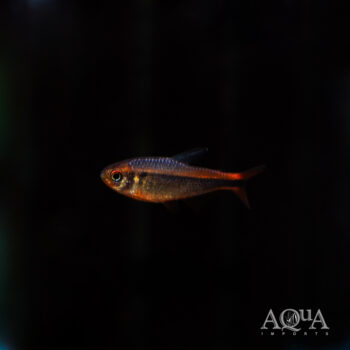
$12.99 Original price was: $12.99.$11.99Current price is: $11.99.
The Fire Ant Tetra (Hyphessobrycon myrmex) is a rare dwarf tetra from the Rio Juruena in the upper basin of the Rio Tapajós. This colorful Hyphessobrycon species is found in clear waters with a sandy rocky bottom. Dominant males display spectacular intense red coloration. Like most tetras, these shoaling fish are best kept in groups of 5 or more. In the aquarium they are peaceful and readily accept prepared foods.
-
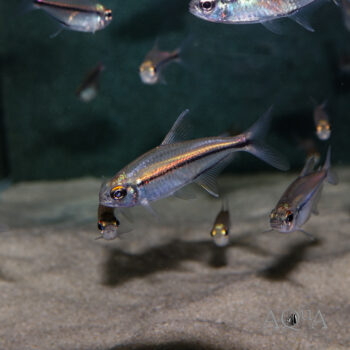
$8.99
The Guaviare Rose Gold Tetra (Hemigrammus sp. “Guaviare”) is a newer species in the hobby. As an extremely active species, they add quite the flash and movement to the middle and upper levels of the aquarium.They are hardy and tolerant of a wide range of water conditions. As a shoaling species, they should be kept in larger groups, with 5 fish being the minimum (more fish are better if space allows).
-
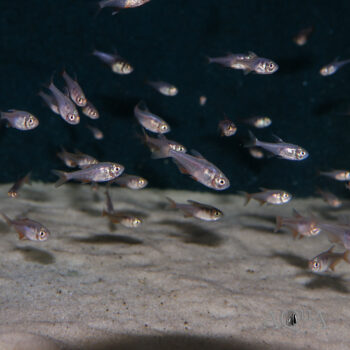
$3.49
A vividly colored, medium growing tetra species found in Southeastern Brazil, the Red Von Rio or Flame Tetra is deservedly popular in the aquarium hobby and has been commercially bred for decades to the point where wild collected specimens are almost never exported. In the wild, they inhabit slow moving, warm, acidic streams but will adapt to a wide range of conditions in the aquarium. Like most of their close relatives, they are a loosely schooling species that will do best in groups of 5 or more and will get along well with most similarly sized, peaceful tankmates. Subdued lighting, plenty of cover in the form of driftwood or plants, and slightly soft water will help promote vibrant coloration.
-
$5.99
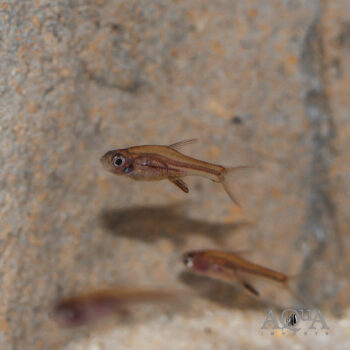
The Red Neon Rasbora or Red Axelrodi Rasbora (Sundadanio rubellus) is a relatively recent addition to the hobby, coming from warm, acidic, peat swamps and shallow creeks throughout the island of Borneo. With their iridescent blue color and peaceful, active nature, they are extremely popular in the hobby and a favorite with planted tank hobbyists. The Red Axelrodi Rasbora is one of three distinctive color morphs of this species encountered in the wild, with the Green and Blue forms being either locality-based color variants or perhaps very closely related undescribed species. In the aquarium, they will do best when kept in warm, slightly soft water and require excellent water quality to thrive. Like most rasboras, they will do best in a group of 10 or more fish.
End of content
End of content