Showing 101–125 of 220 resultsSorted by latest
-
$12.99 – $16.99Price range: $12.99 through $16.99
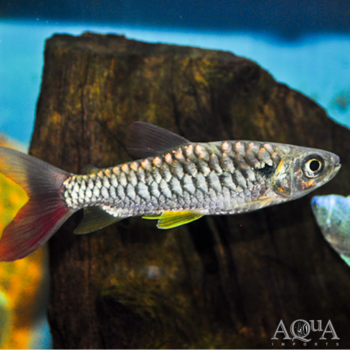
A larger growing and colorful characin, the Yellowfin Chalceus is found throughout much of the Amazon and Orinoco basins and is the most colorful member of its genus, with vivid pink dorsal and caudal fins and bright yellow ventral fins. In the aquarium, they are hardy and long lived, but tend to be skittish and shy if not kept in a group of 3 or more fish. With their size and bold demeanor, these tetras make an ideal dither fish for medium sized South American Cichlids. Their tank should be kept tightly covered as they are easily spooked and likely to jump out if given the opportunity.
-
$2.99 – $3.49Price range: $2.99 through $3.49
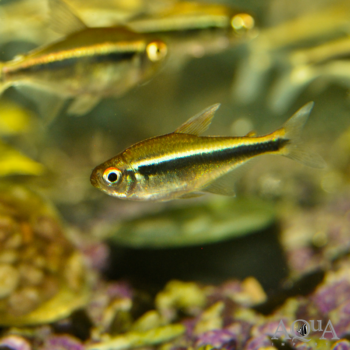
Found in a variety of freshwater river tributaries of Brazil, the Black Neon Tetra (Hyphessobrycon herbertaxelrodi) is a uniquely colored characin to find in the freshwater trade. These fish have a striking silvery-blue stripe above a dark black stripe going down their body. With a generally peaceful and schooling temperament, the Black Neon Tetra is a perfect addition to a variety of freshwater community tanks. Black Neon Tetras do not require but will appreciate a heavily planted aquarium and/or plenty of decor.
-
$7.99
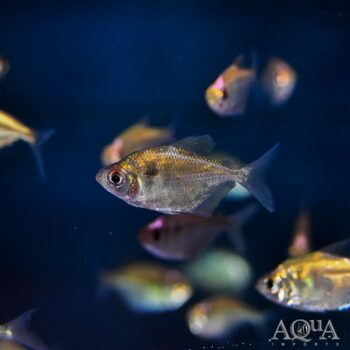
Native to the Orinoco River Basin, the False Black Tetra (Gymnocorymbus thayeri) is a species of generally peaceful, schooling fish. They are also known as the silver widow tetra and are close relatives to the popular black skirt or black widow tetra. These fish have silvery, iridescent bodies and grow up to 2.5 inches long, making them a dynamic addition to a freshwater community tank. Like all tetras they are best kept in groups of 5 or more.
-
$19.99
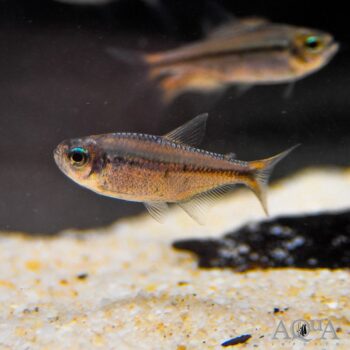
The Rubra Tetra (Moenkhausia rubra), also known as the Blue Sapphire Tetra, is a relatively rare characin species native to Rio Juína, Rio Juruena, and the upper Rio Tapajós of Brazil. This species was only recently described in 2014. The name “rubra” comes from the Latin word for red and refers to the reddish tones of the body, especially on the back of breeding males. Their other name, the Blue Sapphire Tetra, refers to the shimmery blue/green iridescence they also have. As with many tetras, the Rubra Tetra will do best in groups and is peaceful towards similarly sized and temperament tankmates.
-
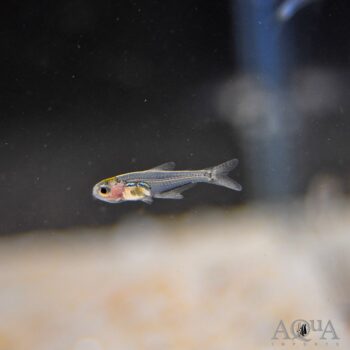
$8.99
The Dwarf Glass Tetra (Cyanogaster cf. noctivaga), also known as the Bluebelly Night Wanderer or Glass Darter Tetra, is a tiny and attractive Characin. The name Bluebelly Night Wanderer comes from iridescent blue patches that both males and females have near their stomachs and at the base of their tail. These fish reach less than an inch long as adults, making them a perfect choice for those looking for a freshwater nano fish!
-
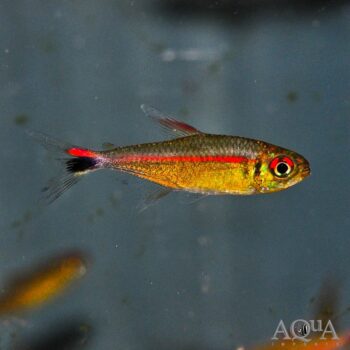
$8.99
Red Eye Red Line Tetra (Hemigrammus rubrostriatus), also known as the red stripe tetra, is a rare fish in the aquarium hobby, known only from Colombia. They were only recently discovered and described, in 2015. Their iridescent gold and red coloration make them a striking fish for almost any freshwater tank. As with many tetras, Red Eye Red Line Tetras are relatively easy to care for and will do best in groups of 5 or more.
-
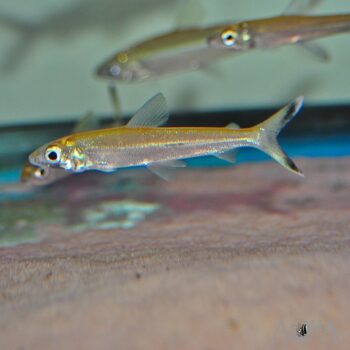
$9.99 – $14.99Price range: $9.99 through $14.99
Product description coming soon.
-
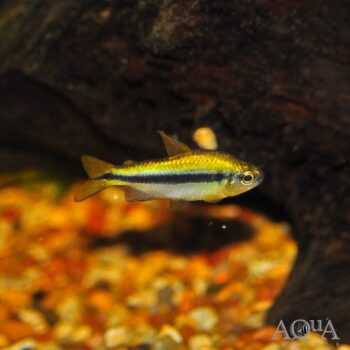
$29.99
Product description coming soon.
-

$39.99
A large predatory shoaling fish, the Golden Brycon (Brycon moorei), is found in river basins throughout Colombia. Hardy, fast growing and easily farmed, made them popular food fish in parts of South America. Typically inhabiting clear, fast-moving, well-oxygenated water, these fish are powerful, active swimmers and require a large tank to maintain adult fish. A fast and aggressive fish by nature, tankmates should be chosen carefully.
-
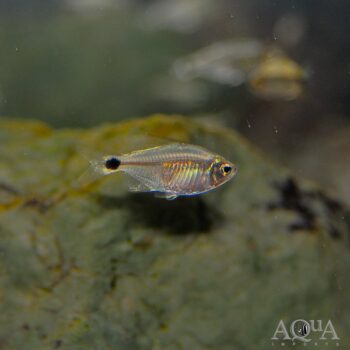
$14.99
The Raccoon Tetra (Hyphessobrycon procyon) is a rare fish in the hobby, native only to the Brazilian Rio Aripuanã, a tributary of the Rio Madeira. This small characin was relatively recently discovered and described in 2016. Reaching a maximum size of 2 inches, these fish are best kept in groups and are a great addition to many freshwater community tanks.
-
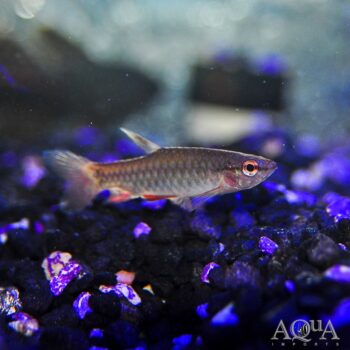
$5.99
A colorful species of the unusual tetra relatives collectively known as Copeinas and Pyrrhulinas (family Lebiasinidae), the Red Fin Pyrrhulina or Short Lined Pyrrhulina (Pyrrhulina cf. brevis) is a medium sized characin that can be distinguished from its relatives by its orange fins and short line/eye mask. Like most of its close relatives, this is a loosely schooling species that will do best in groups of 5 or more and will get along well with most similarly sized, peaceful tankmates. Subdued lighting, plenty of cover in the form of driftwood or floating plants, and slightly soft water will help promote optimal coloration.
-
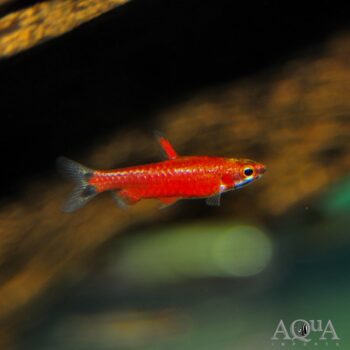
$29.99
The Cenepa Red Pencilfish or Super Red Cenepa Pencilfish is theorized to be either a newly discovered species or possibly an aberrant variant of the Purple Pencilfish (Nannostomus rubrocaudatus). The Cenepa Red Pencilfish originates from the soft, acidic waters of the Rio Cenepa, a tributary of the Peruvian Amazon. A schooling fish, they are best kept in groups of 5 or more as they will display the best color in the presence of a group. In the aquarium, they make stunning display fish, and are both hardy and active. Feeding a diet high in red color enhancers (like astaxanthin or other carotenoids) will help ensure they maintain their brightest colors.
-
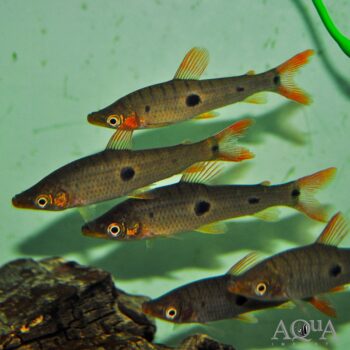
$17.99 – $19.99Price range: $17.99 through $19.99
An uncommon and interestingly patterned Anostomid found throughout several major river systems in South America, the Threespot Headstander is a loosely schooling species similar to the more well-known banded Leporinus (L. fasciatus). In the wild, they tend to inhabit moderate to fast moving acidic waters, usually in open water where they feed on insects and crustaceans. In the aquarium, they require plenty of open swimming space and will do best in fast-moving, well-oxygenated water with a tight fitting lid as they are impressive jumpers.
-
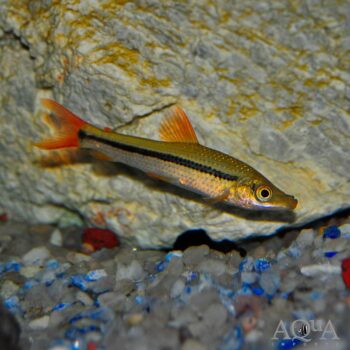
$49.99
An uncommon and recently described Anostomid found throughout several major river systems in South America, Pseudanos winterbottomi is a loosely schooling species similar to the more well-known Leporinus genus. In the wild, they tend to inhabit moderate to fast moving acidic waters, usually in open water where they feed on insects and crustaceans. In the aquarium, they require plenty of open swimming space and will do best in fast-moving, well-oxygenated water with a tight fitting lid as they are impressive jumpers.
-
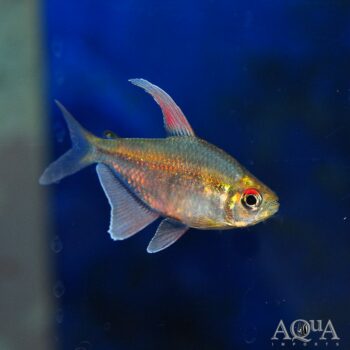
$3.99 – $4.99Price range: $3.99 through $4.99
Diamond Tetra (Moenkhausia pittieri) are a stunning species of freshwater fish native to the shallow tributaries of South America. Their striking iridescence and long fins make them a unique and desirable choice for a freshwater community tank. Similar to other tetra species, Diamond Tetras are hardy, will do best in groups of 5 or more, and can be kept with similarly-sized peaceful species.
-
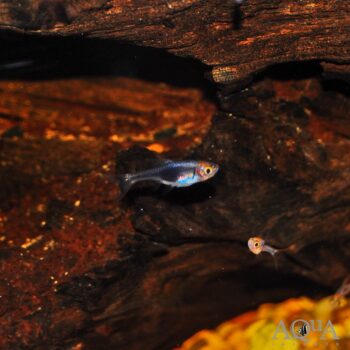
$4.99
The Purple Harlequin or Black Harlequin Rasbora is a “manmade” variant of the Heteromorpha Rasbora, selectively bred to be mostly dark in appearance when full grown. They make an ideal addition to a small to medium sized community aquarium or planted tank. In the wild, they inhabit slow moving streams and creeks with sandy substrate and soft, acidic and often tannin-stained waters, usually among aquatic plants or fallen branches. A hardy and adaptable fish in the aquarium, they have been an aquarium hobby classic for many years and are commercially bred all over the world to supply the aquarium trade. Like most schooling rasboras, they are best kept in groups of 10 or more and will thrive with most similarly-sized peaceful tankmates.
-
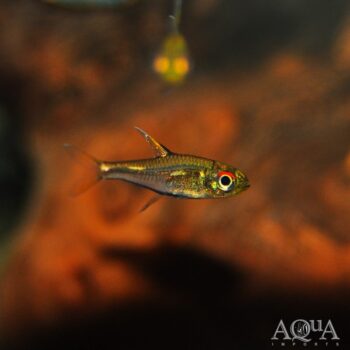
$9.99
With shimmering gold-tinted heads and translucent bodies, the Morse Code Tetra (Hemigrammus sp. Morse Code) is an incredibly unique species native to the Rio Nanay of Peru. They get their name from the patterned black stripe running down their abdomen. Growing up to 1.25 inches, these small characins will do best in groups of 5 or more and can thrive in tanks as small as 10 gallons. The Morse Code Tetra will spend much of its time hiding in and exploring decor and will thrive in a heavily planted aquarium with other similarly sized and non-aggressive species.
-
$4.99
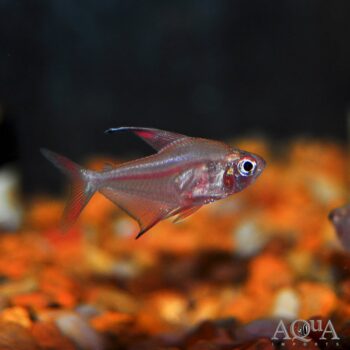
The Red Ornatus Tetra from Peru has gone by many different names in the trade, including Ornatus Tetra, Robertsi Tetra, and Rosy Tetra (incorrectly). It was only recently described as Hyphessobrycon jackrobertsi. This colorful, medium growing species is found in the Rio Nanay and nearby tributaries of the Middle Amazon in Peru, where it is typically found in small to medium shoals. They display vivid red fins and iridescent whitish pink highlights and an elongated dorsal fin. Like most of their close relatives, they are best kept in groups of 5 or more and make an impressive addition to a medium to large planted aquarium.
-
$2.99
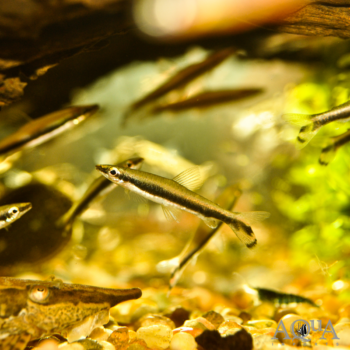
The One Line or Unifasciatus Pencilfish is a widely distributed loosely schooling fish found throughout much of the Amazon and Orinoco Basins. With their unique behavior and peaceful demeanor they have been a popular fish in the freshwater hobby for decades. Typically found in warm, extremely shallow waters alongside other tetra species, they prefer soft, acidic water conditions but are adaptable in the aquarium. Best kept in groups of 5 or more, they are relatively easy to care for but care should be taken to ensure larger or faster moving tankmates don’t outcompete them for food.
-
$49.99 – $69.99Price range: $49.99 through $69.99
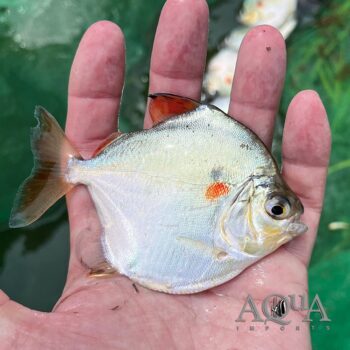
A beautifully marked species of Silver Dollar found in the Rio Nanay and surrounding tributaries in Peru, the Bleeding Heart Silver Dollar inhabits shallow, acidic water, typically near submerged driftwood or vegetation. Named for the unique red spot found in the center of their body, they also exhibit deep red fins. Care and behavior is the same as with the more well-known Red Hook Silver Dollars, and it will readily school with other similar species.
-
$3.99
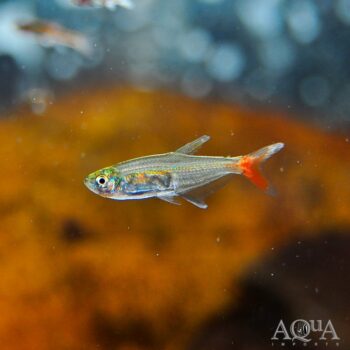
One of the most popular and instantly recognizable freshwater aquarium fish, the Cardinal Tetra originates from the dark, acidic waters of the Negro and Orinoco River basins in Brazil, Colombia, and Venezuela. In the wild, they are often found in large aggregations of hundreds to thousands of individual fish alongside other tetra species in very shallow waters, but the species is now widely bred in captivity and will adapt to a range of conditions in the aquarium. With their vivid red and blue coloration, peaceful demeanor, and schooling behavior, the Cardinal Tetra is one of the best aquarium fish species in the hobby for beginners and experienced hobbyists alike and makes for an impressive display in a large group, Best kept in groups of at least 10 or more fish, they will get along with most other peaceful tankmates and will thrive in most setups. Darker substrate, plenty of cover, and a varied high quality diet will ensure the Cardinal Tetra displays their most vivid coloration in the aquarium.
-

$4.99
A colorful, medium growing tetra species found in rivers throughout Orinoco River drainage, the Red Phantom Tetra is deservedly popular in the aquarium hobby and has been commercially bred for decades to the point where wild collected specimens are almost never exported. In the wild, they inhabit slow moving, warm, acidic streams but will adapt to a wide range of conditions in the aquarium. The Super Red Phantom variant is new to the hobby and originates Like most of their close relatives, they are a loosely schooling species that will do best in groups of 5 or more and will get along well with most similarly sized, peaceful tankmates. Subdued lighting, plenty of cover in the form of driftwood or plants, and slightly soft water will help promote vibrant coloration.
-
Sale!

$19.99 Original price was: $19.99.$14.99Current price is: $14.99.
The Bahia Black Diamond Tetra or Negodagua Tetra is a relatively rare fish in the hobby, known only from tributaries of the Rio Paraguacu in Northeastern Brazil. Adults of this species display brilliant white on their elongated dorsal and anal fins contrasted against jet black along the back half of the body. Males in breeding coloration are often almost entirely black with vivid white fin tips. In the aquarium, the Bahia Black Diamond Tetra is a hardy and robust species that will do well with a variety of tankmates. For optimal display they should be kept in groups of at least 5, but larger groups tend to bring out the best coloration and behavior in both males and females.
-
$29.99 – $39.99Price range: $29.99 through $39.99
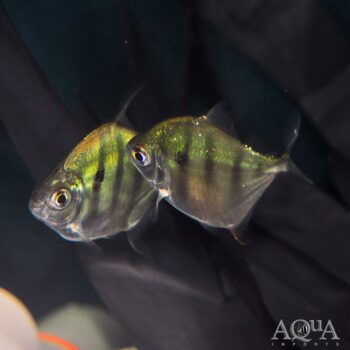
One of the more distinctively marked species of Silver Dollar, the Tiger or Barred Silver Dollar originates from the waters of the Rio Tocantins and other nearby rivers in Eastern Brazil. With their intricate “tiger striped” or barred pattern and iridescent coloration, this relatively new to the hobby species is deservedly popular and is now being commercially bred for the trade. Wild collected specimens like these are only rarely available. Like most Silver Dollars, they are a schooling species and should be kept in groups of 3 or more in the aquarium. Due to their large adult size and active nature, they require a fairly large aquarium. This species is a popular dither fish for larger predatory species or medium to large South American Cichlids.
-
$7.49
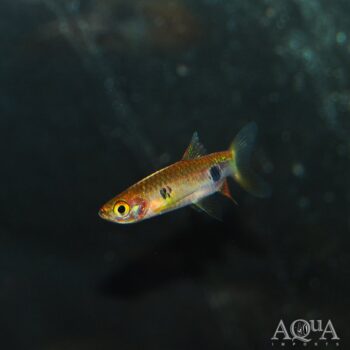
The Clown Rasbora is an active, medium-growing schooling fish endemic to Southeast Asia, known from peninsular Malaysia, Borneo and Sumatra. With deep red body coloration and distinctive black spots, this species is a popular aquarium fish that makes for a striking addition to planted or blackwater tanks. In the wild, they inhabit shallow streams and creeks with sandy substrate and soft, acidic, tannin-stained waters, usually among aquatic plants or fallen branches. A hardy and adaptable fish in the aquarium, they will do well in a variety of water conditions but will display the best coloration when kept in relatively soft water at temperatures above 78F. Like most schooling rasboras, they are best kept in groups of 10 or more and will thrive with most similarly-sized peaceful tankmates.
End of content
End of content