Showing 176–200 of 220 resultsSorted by latest
-
$3.49 – $3.99Price range: $3.49 through $3.99
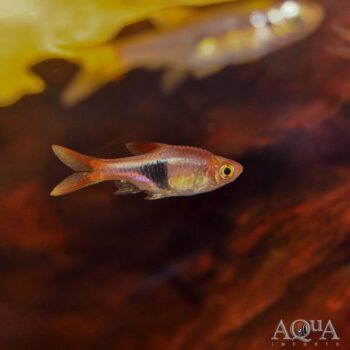
A colorful and actively schooling Rasbora found throughout parts of Southeast Asia, the Harlequin or Heteromorpha Rasbora makes an ideal addition to a small to medium sized community aquarium or planted tank. In the wild, they inhabit slow moving streams and creeks with sandy substrate and soft, acidic and often tannin-stained waters, usually among aquatic plants or fallen branches. A hardy and adaptable fish in the aquarium, they have been an aquarium hobby classic for many years and are commercially bred all over the world to supply the aquarium trade. Like most schooling rasboras, they are best kept in groups of 10 or more and will thrive with most similarly-sized peaceful tankmates.
-
$5.49
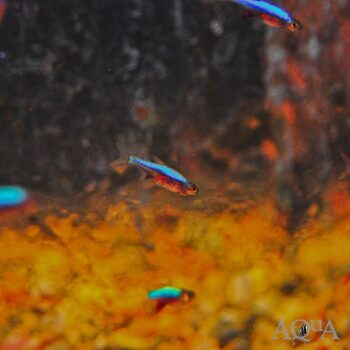
The Blue Axelrodi Rasbora or Blue Neon Rasbora (Sundadanio axelrodi ‘blue’) is a relatively recent addition to the hobby, coming from warm, acidic, peat swamps and shallow creeks throughout the island of Borneo. With their iridescent blue color and peaceful, active nature, they are extremely popular in the hobby and a favorite with planted tank hobbyists. The Blue Axelrodi Rasbora is one of three distinctive color morphs of this species encountered in the wild, with the Green and Red forms being either locality-based color variants or perhaps very closely related undescribed species. In the aquarium, they will do best when kept in warm, slightly soft water and require excellent water quality to thrive. Like most rasboras, they will do best in a group of 10 or more fish.
-
$44.99
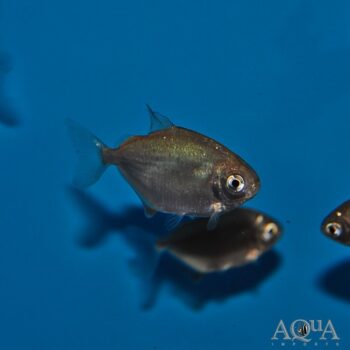
Product description coming soon
-
$7.49
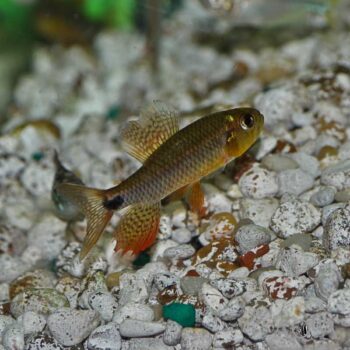
A beautiful tetra from the acidic blackwaters of the Rio Nanay in Peru, the Sailfin Tetra is a medium-sized species that makes for an impressive display fish as an adult. Both sexes have the namesake large dorsal fin, but mature males will have an extremely elongated, brightly colored fin. In the wild, they tend to be found in small groups in shallow waters, usually in areas with substantial cover in the form of leaf litter, fallen branches, or other vegetation. In the aquarium, they can be shy at first but will quickly become more bold if given plenty of cover. A great and showy fish for densely planted or hardscape tanks.
-
$149.99
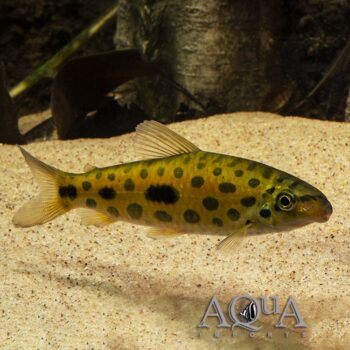
A stunning and extremely rare Anostomid found throughout Guyana, Suriname and possibly Northeastern Brazil, the Jewel Spotted Anostomid or Hypomasticus megalepis is a medium sized, peaceful characin. Like most of their relatives, they are a loosely schooling fish but show little aggression towards conspecifics and unlike many of the more well-known species of Leporinus or Anostomus, they do not have a tendency to nip fins. This species has a relatively small, somewhat delicate mouth for their size and prefers smaller food items like sinking granules or frozen bloodworms.
-
$10.99 – $14.99Price range: $10.99 through $14.99
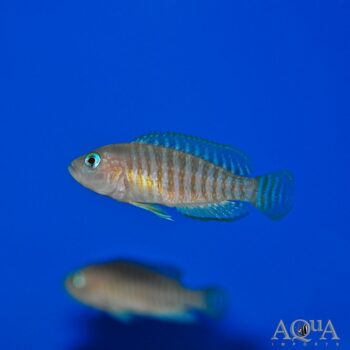
One of the most popular of the shell-dwelling species of small cichlids found in Africa’s Lake Tanganyika, the Multi Shell Dweller makes for a unique display fish due to their vivid pattern and bold, fascinating behavior. In the wild, these dwarf cichlids inhabit dense fields of empty snail shells at the bottom of the lake, where each fish will stake a territory in an individual shell and defend it from others. In the aquarium, they are hardy and adaptable but prefer alkaline water and should be provided with shells or similar structure for them to establish territories in.
-
Sale!
$79.99 – $119.99Price range: $79.99 through $119.99
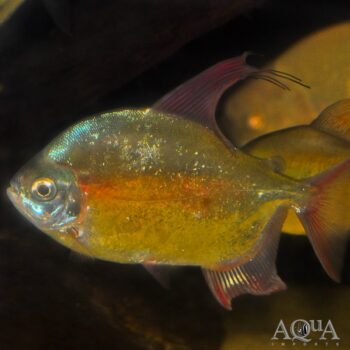
A rarely seen species of Myleus (commonly referred to as Silver Dollars in the trade), the Sailfin Red Hook or Myleus setiger originates in the rivers and streams of Guyana and Suriname. It has only rarely been seen in the aquarium hobby, but adults develop extremely elongated, deep red dorsal and anal fins as well as a reticulated or blotchy pattern on the body. These tank-bred specimens from Asia are a new and rare offering.
-
$4.49
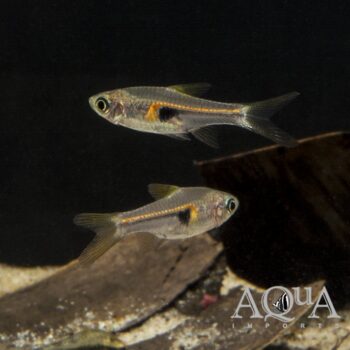
A colorful and actively schooling Rasbora found throughout parts of Indonesia, the Hengeli or Glowlight Rasbora makes an ideal addition to a small to medium sized community aquarium or planted tank. In the wild, they inhabit slow moving streams and creeks with sandy substrate and soft, acidic and often tannin-stained waters, usually among aquatic plants or fallen branches. A hardy and adaptable fish in the aquarium, they are popular with aquascapers due to their small adult size, active nature, and distinctive markings. Like most schooling rasboras, they are best kept in groups of 10 or more and will thrive with most similarly-sized peaceful tankmates.
-
$9.99
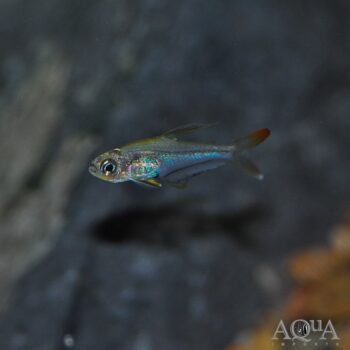
A tiny but attractive and interesting Characin found in Amazon tributaries around Iquitos, Peru, the Glass Darter or Hummingbird Tetra is uncommon in the hobby but sought after by planted and nano tank hobbyists due to its small adult size and vibrant color. It is found in shallow, slow moving water usually over a sand substrate and prefers warm, acidic water in the aquarium. A loosely schooling fish, it is found in groups in the wild and will do best in a group of 10 or more. Given its small size and somewhat shy nature, they should only be kept with similarly sized peaceful tankmates. This species is sexually dimorphic, with males showing elongated, bright red fins.
-
$9.99 – $19.99Price range: $9.99 through $19.99
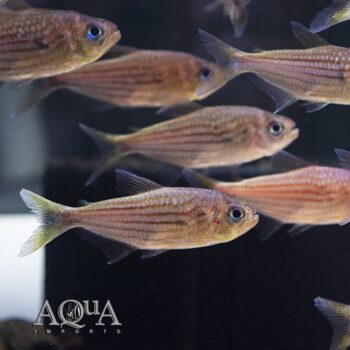
An uncommon, larger growing tetra from Peru’s Rio Itaya, the Redline Moenkhausia is a vividly colored fish that makes for a spectacular display in a medium to large group. In the wild, it is typically found along stream banks close to overhanging vegetation or fallen trees in warm, acidic waters. Hardy and bold, the Redline or Red Striped Moenkhausia is a loosely-schooling fish and makes an ideal tankmate for smaller or medium-sized cichlids.
-
$22.99 – $199.99Price range: $22.99 through $199.99
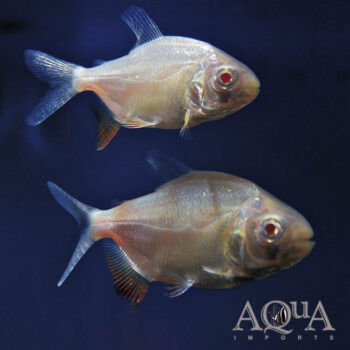
One of the larger fish in the Amazon Basin, and an important food fish throughout most of the its range, the Red Belly Pacu is a beautifully marked “gentle giant” suitable for only the largest private aquariums, indoor ponds, or public displays. In the wild, this fish is an opportunistic grazer, which feeds primarily on fallen fruit and nuts from trees overhanging the rivers edge habitat where they are usually found. They are a hardy species, tolerant of a wide range of water conditions – but given their huge size and equally large appetite they will require significant filtration and regular water changes. The Red Pacu will accept almost any frozen or prepared food in the aquarium but should be offered a varied diet heavy in vegetable matter. The Albino morph of this fish only recently entered the market from commercial farms where they are raised primarily as food fish.
-
$39.99 – $49.99Price range: $39.99 through $49.99
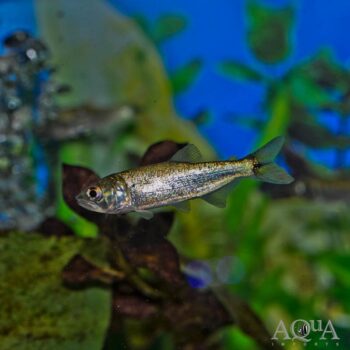
A large predatory shoaling fish, the Dorado is an important food fish throughout its range in the Southern Amazon and Paraguay river basins where it is found in a wide variety of habitats. Typically found in clear, fast-moving, well-oxygenated water, these fish are powerful, active swimmers and require an enormous tank or ideally an indoor pond to maintain adult fish. A fast and aggressive fish by nature, tankmates should be chosen carefully.
-
$54.99 – $74.99Price range: $54.99 through $74.99
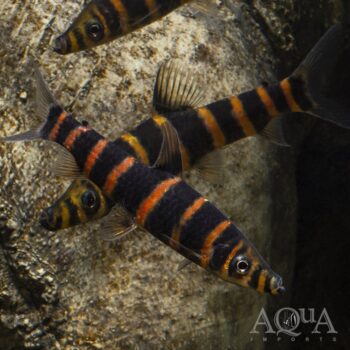
A rare and vividly colored characin found throughout several major river systems in South America, the Red Banded Leporinus is a loose schooling species similar to the more well-known banded Leporinus (L. fasciatus). In the wild, they tend to inhabit moderate to fast moving acidic waters. With a maximum size of only 5-6″, they are a smaller and more manageable species for most aquariums than some of the larger Leporinus and Anostomus species but general care and behavior in the aquarium is similar.
-
$13.99
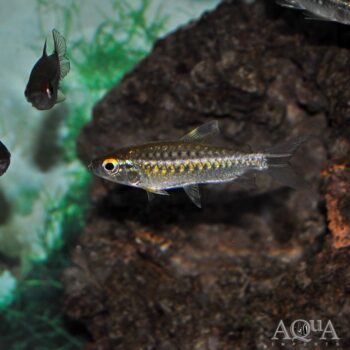
A larger growing and colorful tetra found in lakes and rivers throughout West Africa, the African Red Eye or Big Scaled Tetra is a robust and hardy schooling fish. Best kept in groups of at least 5, they will also do well with other larger tankmates. In the aquarium, they are hardy and undemanding. The addition of tannins in the form of Indian Almond Leaves or other botanicals will help bring out their best coloration.
-

$8.99
A rarely seen nano-sized tetra from West Africa, the Adonis or Spotted Tetra is found in shallow, warm waters, usually in large shoals. A peaceful schooling fish, their care requirements are similar to most small tetra species and they are a hardy and colorful community fish.
-
$8.99
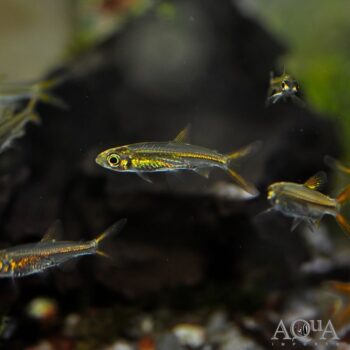
A rarely seen nano-sized tetra from West Africa, the Jelly Bean Tetra is found in shallow, warm waters in Equatorial Guinea and Cameroon. A peaceful schooling fish, their care requirements are similar to most small tetra species and they are a hardy and colorful community fish.
-

$9.99 – $84.99Price range: $9.99 through $84.99
Product description coming soon.
-
$14.99 – $69.99Price range: $14.99 through $69.99
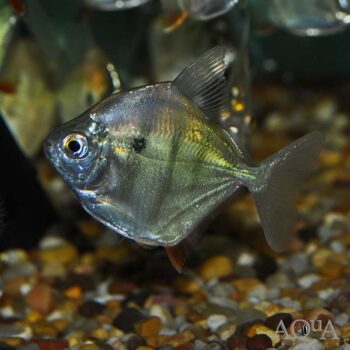
One of the more distinctively marked species of Silver Dollar, the Tiger or Barred Silver Dollar originates from the waters of the Rio Tocantins and other nearby rivers in Eastern Brazil. With their intricate “tiger striped” or barred pattern and iridescent coloration, this relatively new to the hobby species is deservedly popular and is now being commercially bred for the trade. Like most Silver Dollars, they are a schooling species and should be kept in groups of 3 or more in the aquarium. Due to their large adult size and active nature, they require a fairly large aquarium. This species is a popular dither fish for larger predatory species or medium to large South American Cichlids.
-
$4.99
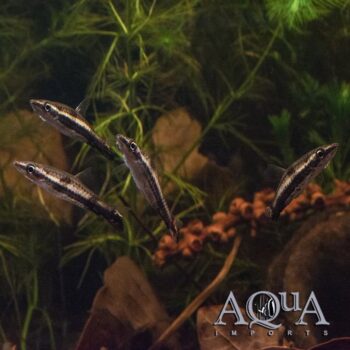
The Eques or Diptail Pencilfish is a widely distributed loosely schooling fish found throughout much of the Amazon and Orinoco Basins. With their distinctive ‘head up’ posture (which helps them remain invisible to predators in the wild) and peaceful demeanor they have been a popular fish in the freshwater hobby for decades. Typically found in warm, extremely shallow waters alongside other tetra species, they prefer soft, acidic water conditions but are adaptable in the aquarium. Best kept in groups of 5 or more, they are relatively easy to care for but care should be taken to ensure larger or faster moving tankmates don’t outcompete them for food.
-
$14.99
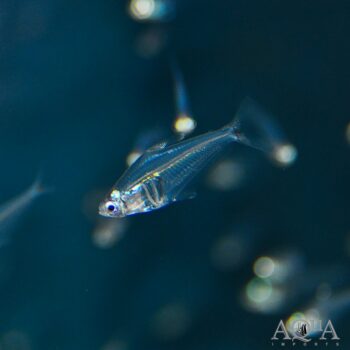
A unique transparent characin found throughout the middle Amazon and its tributaries in Peru, the Amazon Crystal or Pi Tetra is an ideal aquarium fish, peaceful and loosely schooling. In the wild, they are usually found in groups along sandy shallows in clear or black water conditions. A hardy and undemanding fish, they add a unique flair to planted or aquascaped aquariums and are best kept in groups of 5 or more.
-
$2.99
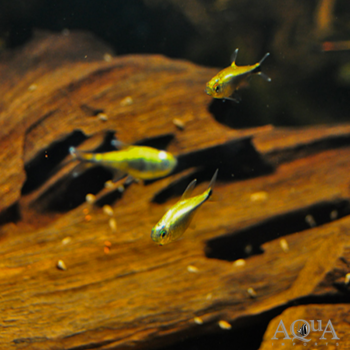
The Gold or Brass Tetra is widespread throughout South America, and is found in a variety of habitat types in the wild, usually in large schools. In the aquarium, they are hardy and adaptable, making a great and vividly colored community fish. Their metallic gold pigmentation is actually caused by a harmless parasite that they are exposed to in the wild, which means that tank or pond raised specimens are usually dull in appearance and lack their namesake gold coloration. Like most small schooling tetras, Gold Tetras are best kept in groups of 10 or more, and will usually school with other similarly sized tetras. Our fish are wild collected, colorful, and carefully acclimated – a great addition to planted or nano aquariums.
-
$4.99 – $6.99Price range: $4.99 through $6.99
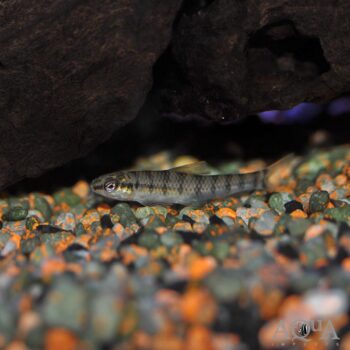
One of many species of similar looking, tiny characins found throughout much of South America, the Banded Darter Characin (Characidium cf. fasciatum) makes a fascinating resident for nano or biotope themed aquariums. As their name suggests, these fish have a reduced swim bladder and spend most of their time perched on or just above the substrate, “darting” instead of actively swimming in most cases similar to a goby or blenny. In the wild they inhabit a variety of habitats but are usually found in areas with moderate to fast current and prefer well oxygenated water. A hardy and interesting fish, they are social and should be kept in groups.
-
$6.99
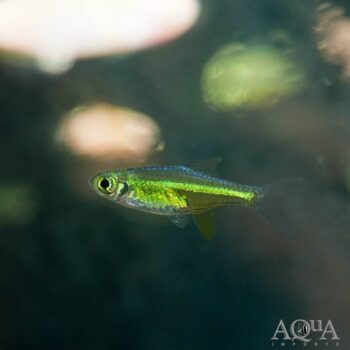
A brilliantly colored and actively schooling “micro” rasbora found throughout parts of Indonesia, the Kubotai or Neon Green Rasbora makes an ideal addition to a small to medium sized community aquarium or planted tank. In the wild, they inhabit slow moving streams and creeks with sandy substrate and clear waters, usually among aquatic plants or fallen branches. A hardy and adaptable fish in the aquarium, they are popular with aquascapers due to their small adult size, active nature, and brilliant coloration. Like most schooling rasboras, they are best kept in groups of 10 or more and will thrive with most similarly-sized peaceful tankmates. Darker substrate, somewhat subdued lighting, and plenty of cover in the aquarium will help bring out their most vibrant green coloration.
-
$5.49
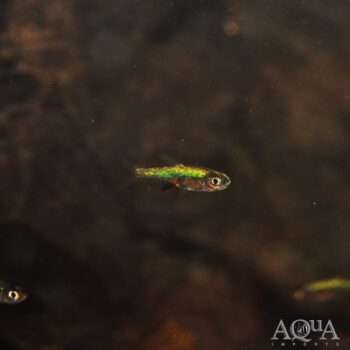
An ideal fish for nano aquariums, the Green Axelrodi Rasbora is found in warm, acidic, shallow waters throughout the island of Borneo. With their iridescent green color and peaceful, active nature, they are extremely popular in the hobby and a favorite with planted tank hobbyists. In the aquarium, they will do best when kept in warm, slightly soft water and require excellent water quality to thrive. Like most rasboras, they will do best in a group of 10 or more fish.
-
$4.99
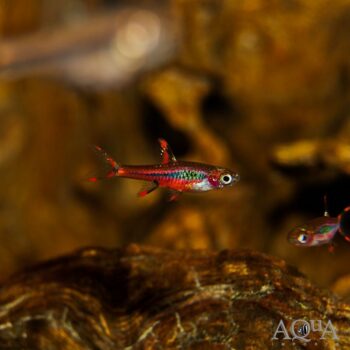
An ideal fish for nano aquariums, the Chili, Mosquito, or Brigittae Rasbora is found in warm, acidic, shallow waters throughout the island of Borneo. With their vibrant red color and peaceful, active nature, they are extremely popular in the hobby and a favorite with planted tank hobbyists. Typically found in true blackwater swamps and creeks, this dwarf rasbora will do best and display optimal color and behavior when provided with an environment similar to their wild habitat, and will benefit from the addition of some tannins from Catappa Leaves or similar botanicals. Although records of the fish exist from Malaysia, Peninsular Thailand, and other parts of Southeast Asia it is likely these fish are close relatives such as Boraras merah and this species is often misidentified in the trade. In the aquarium, they are hardy and will generally thrive under a wide range of conditions but will exhibit their best color if kept in warm, slightly soft water and in groups of at least 10. With their small adult size, larger or fast moving tankmates should be avoided but they will thrive with most small peaceful fish and invertebrates.
End of content
End of content