Showing 26–50 of 2362 resultsSorted by latest
-
$29.99
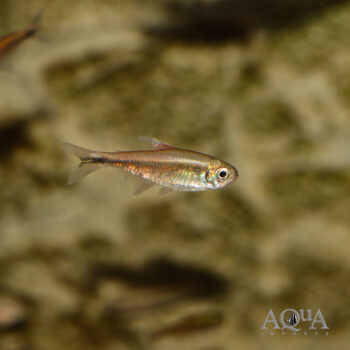
The Aurora Tetra (Moenkhausia aurora) is fairly newly available in the hobby. This uncommon species originates from the upper Rio Xingu River Basin in Mato Grosso State, Brazil where it is found in clear water with fine sand substrate and leaf litter. Like most tetras, these shoaling fish are best kept in groups of 5 or more. In the aquarium they are peaceful and readily accept prepared foods.
-
Sale!
$74.99 Original price was: $74.99.$69.99Current price is: $69.99.
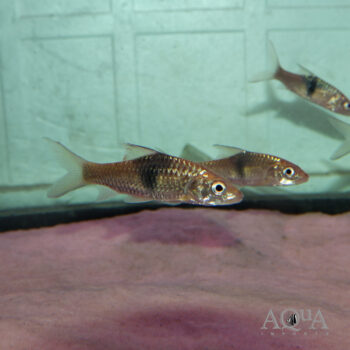
A large growing schooling fish found in clear, fast-moving waters in Sabah, north Borneo, Hampala sabana is a predatory but relatively peaceful barb. In the aquarium, they make an excellent dither fish for other large predatory fish and will do best with some water movement and frequent large water changes. Like many larger barbs, they can be skittish and first and will do best in a group of 3-5 fish. Some cover in the form of driftwood or artificial plants (live ones will be eaten) will help them settle into the aquarium environment.
-
Sale!
$12.99 Original price was: $12.99.$9.99Current price is: $9.99.
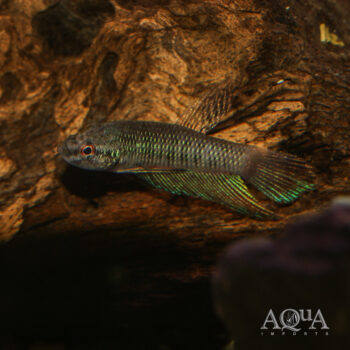
A beautiful wild-type betta from Thailand, the Emerald Betta (Betta smaragdina) is also known as the Green Smaragdina Betta. These Bettas will thrive in a low pH aquarium with lots of cover, tight spaces, and surface variety plants. Although they can be kept in small groups in a larger tank with plenty of cover, they are generally best kept in pairs.
-
$9.99
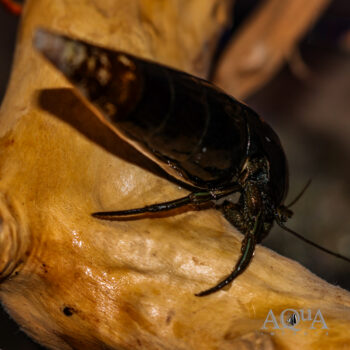
Brackish Hermit Crabs (Clibanarius cf. longitarsus), are found throughout the mudflats, mangrove and estuary systems of Indonesia. These crabs make great scavengers, algae eaters, and detritivores for brackish aquariums. We keep them at salinity of 5-10ppt using marine salt.
-
Sale!
$69.99 – $79.99Price range: $69.99 through $79.99
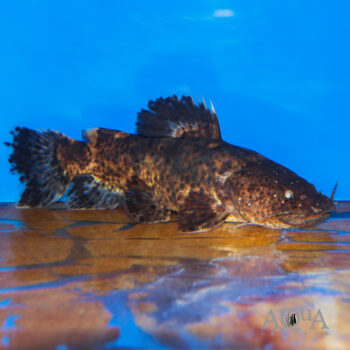
One several similar looking species of Batrochoglanis Catfish found throughout South America, Batrochoglanis sp. Venezuela is a medium growing species with a chunky body and wide mouth. In the wild, they are a cryptic ambush predator, relying on their camouflage pattern to blend into areas of leaf litter or submerged driftwood. In the aquarium, they are a hardy species that will rarely bother tankmates as long as they are too big to fit into their large mouths.
-
Sale!
$24.99 Original price was: $24.99.$14.99Current price is: $14.99.
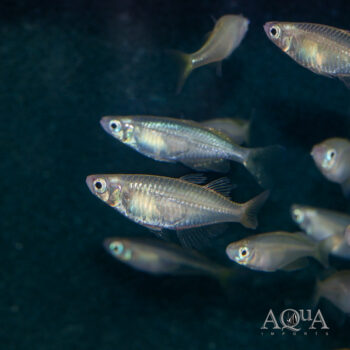
The Marine Sailfin Silverside (Kalyptatherina helodes) are the only member of the genus Kalyptatherina. These brackish fish can be found in mangrove swamps and the lakes and river systems of Sulawesi. They should be kept at pH range of 7.8-8.2 with a marine salt concentration of 10-15ppt.
-
Sale!
$49.99
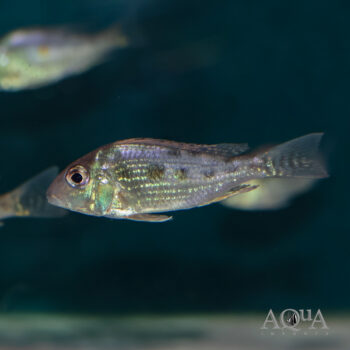
A medium growing and spectacularly colored eartheater from the Rio Aripuanã drainage in Brazil, Geophagus mirabilis comes from clear, warm waters with fine sand bottom. As they mature they develop into one of the most beautiful eartheaters with males displaying heavy blue coloration. A fairly peaceful cichlid, they do best in groups of 5 or more and will coexist peacefully with most fish too large to be eaten. Like all eartheaters, this species requires fine sand substrate so they can exhibit their characteristic sand-sifting behavior as they search for food.
-
$8.99
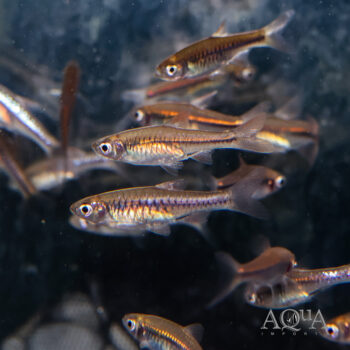
The Volcano Rasbora (Rasbora vulcanus) makes a great addition for the small to medium sized community aquarium or planted tank. In the wild, they inhabit clear, slow moving streams and creeks with sandy substrate, usually among aquatic plants or fallen branches. They will display the best orange/red coloration in a planted tank with a dark substrate. Like most schooling rasboras, they are best kept in groups of 10 or more and will thrive with most peaceful tankmates.
-
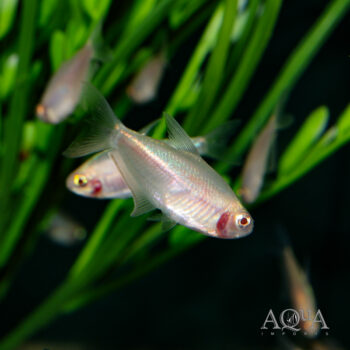
$8.99
The Emperor Tetra (Nematobrycon palmeri) is a popular aquarium fish due to its vibrant iridescent body coloration and striking finnage. In the aquarium, they are hardy and adaptable, perfect for most medium community aquariums or planted/aquascaped tanks. Like most tetras they should be kept in groups of at least 5.
-
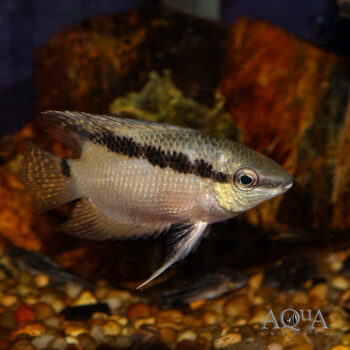
$14.99
An attractive, relatively peaceful medium-growing cichlid, the Manapiare Festivum Cichlid (Mesonauta sp. ‘Manapiare’) or Flag Cichlid is one of several similar looking species found throughout the Orinoco drainage in Colombia and Venezuela. Like most of its relatives in the genus Mesonauta, they tend to be found close to the water’s surface in slower-moving areas with lots of overhanging vegetation and often live alongside Angels. In the wild, a large amount of their diet is made up of fruit and nuts that fall into the water from overhanging trees but will accept almost any prepared or frozen foods in the aquarium.
-
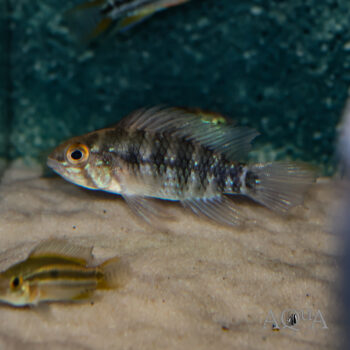
$19.99
The Pinstripe Apisto (Apistogramma sp. nadelstreifen) is found near Leticia, Colombia where it is often collected alongside Apistogramma bitaeniata. Like most Apistos, it is found in small forest pools and shallow reaches of flooded forest in warm, acidic water. A hardy and relatively peaceful species, they are ideal for smaller aquariums and do best with ample cover in the form of plants, driftwood, and small caves.
Note on wild-collected Apistogramma sp.:
While we will make our best efforts to select male/female pairs for customer orders, sexing small- and medium-sized wild Apistogramma is not always exact and we do not guarantee a particular sex ratio. We recommend buying these fish in larger groups if a particular ratio of males to females is desired.
-
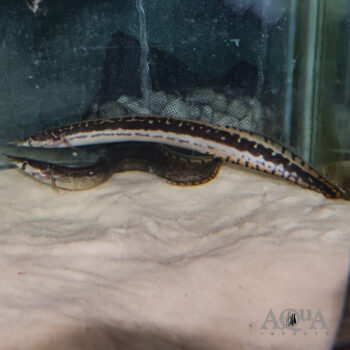
$119.99 – $149.99Price range: $119.99 through $149.99
An uncommonly imported and distinctly patterned freshwater spiny eel, the Black Pearl Spiny Eel (Mastacembelus notophthalmus) believed to inhabit Malaysia and Sumatra in Indonesia, but their distribution and habitat in the wild remains unclear. Like their close relative the Fire Eel, this species is often shy at first but are intelligent and personable fish which will soon learn to beg for food and recognize their owners. Largely insectivorous in the wild, they will readily feed on live earthworms at first and can be weaned on to frozen foods over time. Although they can and sometimes will eat smaller fish, they are not particularly active hunters and most fast moving tankmates will not be at risk of becoming a meal. Hardy and adaptable, they make an excellent addition to an aquarium large enough to house what will be a substantially large fish as an adult and will get along well with most tankmates.
-
$24.99
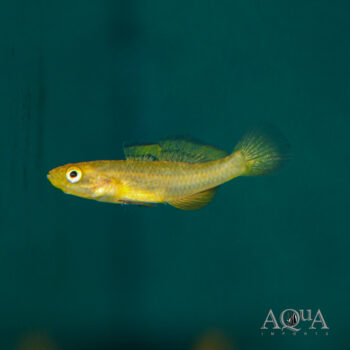
The Golden Goby (Mugilogobius rexi) or Golden Malili Goby is an uncommon species to find in the trade. These freshwater gobies are native to Sulawesi and known to occur in only two lakes there (Towuti and Mahalona). They are generally peaceful towards tankmates, but can become territorial with other gobies, especially other males and are best kept in male/female pairs. Since these gobies only grow up to 2 inches long, they are a versatile and unique addition to a freshwater aquarium.
-
$24.99
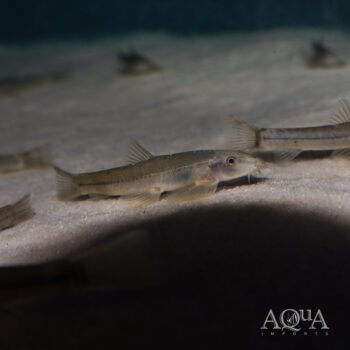
Typically loach species from the Balitoridae family inhabit fast-moving, rocky streams in Southeast Asia. However, Homalopterula gymnogaster are known to inhabit the high volcanic lakes of Sumatra. Some of these caldera lakes are over 6,000ft in elevation. In the wild, they are grazers and generalists, feeding on algae, biofilm, and small insects and crustaceans. In the aquarium, they do best when kept in a system with high flow and well-oxygenated water.
-
$19.99 – $24.99Price range: $19.99 through $24.99
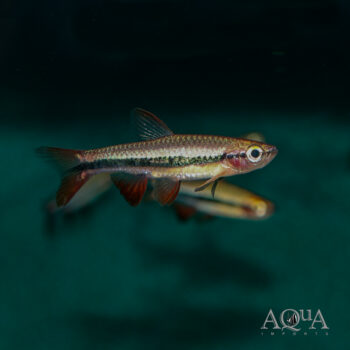
The Patrick’s Rasbora (Rasbora patrickyapi) is an active, medium-growing schooling fish endemic to Borneo. With deep red body coloration and a distinctive black stripe popping with iridescence, this species is a spectacular aquarium fish that makes for a striking addition to planted or blackwater tanks. In the wild, they inhabit shallow streams and swampy areas of soft, acidic, tannin-stained waters, usually among aquatic plants or fallen branches. A hardy and adaptable fish in the aquarium, they will do well in a variety of water conditions but will display the best coloration when kept in relatively soft water. Like most schooling rasboras, they are best kept in groups of 5 or more and will thrive with most similarly-sized peaceful tankmates.
-
$59.99
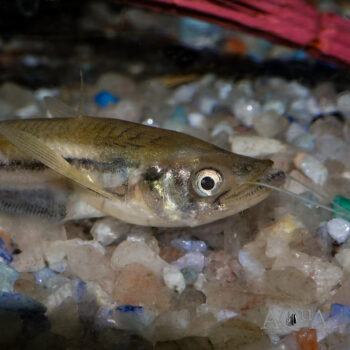
An unusual, large growing catfish found in the freshwater rivers of Borneo and Sumatra, the Dinema Catfish (Belodontichthys dinema) or Blue Neon Sheathfish is an active open water species, typically found in rivers with moderate to strong flow where it feeds on other fish. They will need to be fed feeder fish to get established in the aquarium, but can eventually be weaned onto frozen and prepared foods. In an appropriately large aquarium, they are an impressive, showy fish which will rarely bother tankmates too large to be eaten and prefer at least moderate water movement.
-
Sale!
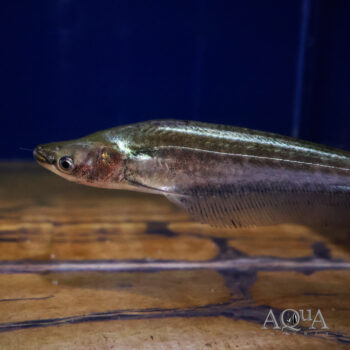
$59.99 Original price was: $59.99.$49.99Current price is: $49.99.
An unusual, large growing catfish found in most larger bodies of freshwater in Southeast Asia, the Apogon Catfish (Phalacronotus apogon) or Apogon Sheathfish is an active open water species, typically found in rivers with moderate to strong flow and undertakes large migrations in the wild influenced by the region’s annual flooding pattern. A predator, they are something of a generalist feeder and will typically accept frozen and prepared foods. In an appropriately large aquarium, they are an impressive, showy fish which will rarely bother tankmates too large to be eaten and prefer at least moderate water movement.
-
Sale!
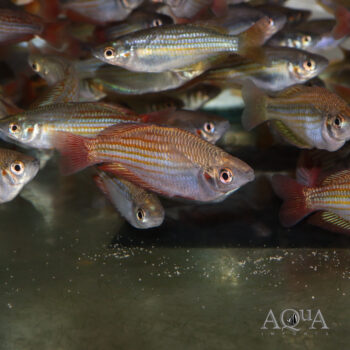
$19.99 Original price was: $19.99.$16.99Current price is: $16.99.
The Eastern Rainbow or Deepwater Creek Rainbowfish (Melanotaenia splendida splendida), is native to the freshwaters of Australia. These rainbowfish are known to be quite variable in color and patterning depending on locality. Similar to other rainbowfish, the Eastern Rainbowfish is a generally peaceful schooling fish and should be kept in a group of 5 or more.
-
Sale!
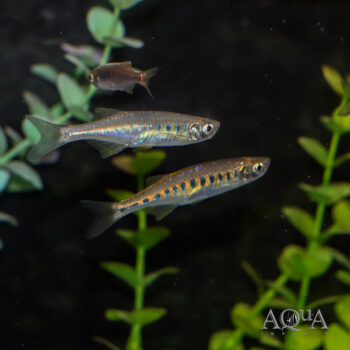
$9.99 Original price was: $9.99.$8.99Current price is: $8.99.
Colorful, active, and schooling, the Lake Inle Danio (Inlecypris auropurpurea) can be an entertaining fish for the aquarium. It feeds on insects and larvae in the wild and is native only to Lake Inle of Myanmar. They are un-fussy eaters in captivity, but the finest color development will come from a diet containing bloodworms. They make great dither fish with gouramis, angels, and other medium sized fish and should be kept in a group of 8 or more.
-
Sale!
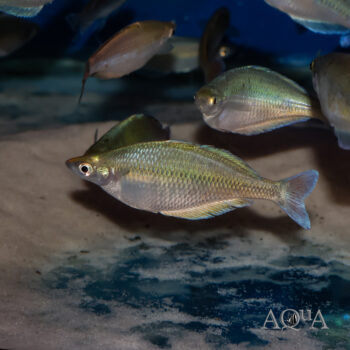
$19.99 Original price was: $19.99.$17.99Current price is: $17.99.
The Blehri Rainbow (Chilatherina bleheri), is native to the freshwaters of Papua New Guinea. These specific rainbowfish are notable for their blue front half transitioning to a red back half. Similar to other rainbowfish, the Blehri Rainbowfish is a generally peaceful schooling fish and should be kept in a group of 5 or more.
-
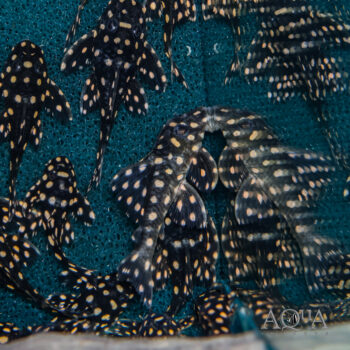
$54.99
The L471 Dwarf Snowball Pleco or L471 Mini Snowball Pleco is one of several small spotted species of Hypancistrus found in the upper Orinoco River basin of South America. Like its relatives, it prefers warm, slightly soft water and is sensitive to poor water quality so regular water changes are a must. They should be fed a varied diet high in proteins, including frozen bloodworms, sinking prepared foods, and Repashy gel diet.
-
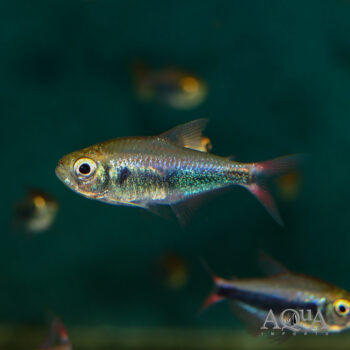
$39.99
The Imperial Cenepa Tetra (Hyphessobrycon sp. Imperial Cenepa) is newly available to the hobby. Collected from the Rio Amaya in the Cenepa River drainage, this Hyphessobrycon species is found in tannin rich blackwaters that feed into the Marañón to the . Like most tetras, these shoaling fish are best kept in groups of 5 or more. In the aquarium they are peaceful and readily accept prepared foods.
-
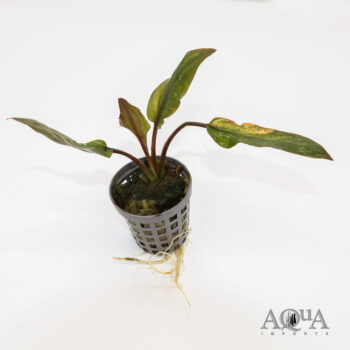
$13.99
Cryptocoryne wendtii ‘Florida Sunset’ Care Level: Beginner Preferred Light Level: Low to moderate Placement/Size: A medium to large plant usually used for mid- or background planting Shipping Note: All our foods and aquatic plants ship FREE with any live fish order; OR food/plant only orders ship for a flat rate of $10.99
-
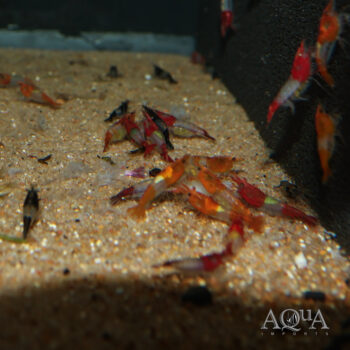
$6.99
Rili Shrimp are a selectively bred form of Neocaridina dwarf freshwater shrimp displaying colorful patches mixed with clear patches in the abdomen. Hardy, colorful, and peaceful towards tankmates, these shrimp will do well in most small to medium community aquariums and under good conditions will breed regularly. An omnivore and scavenger, they will accept most sinking foods but should be offered a varied diet high in algae and vegetable matter to ensure proper development and optimal coloration. Our Rili Shrimp are high grade specimens tank bred in Taiwan.
-
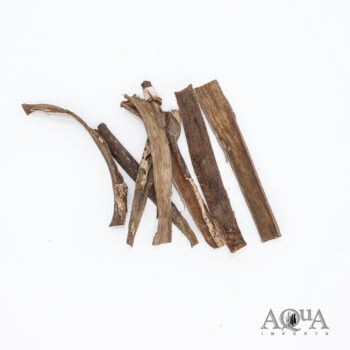
$6.99
Directions for use
– Rinse before adding
– Add as many strips as needed to reach the desired tannin level
– Replenish regularly to maintain appropriate conditions
– Strips will float initially, pre-soak or boil to create a tea and accelerate sinking
End of content
End of content