Showing 401–425 of 1981 resultsSorted by latest
-
$19.99 – $49.99Price range: $19.99 through $49.99
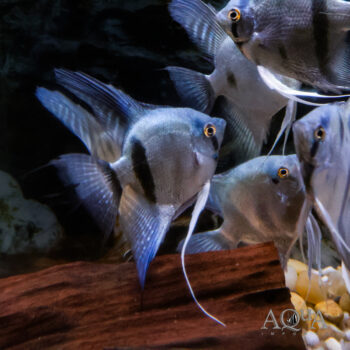
An aquarium hobby classic, the common Angel (Pterophyllum scalare) has been selectively bred into many different color forms and variants over the years. The Blue Zebra Angelfish is a highly sought after newer color and pattern variant. As a vertically-oriented species, they do best in a large, tall, planted aquarium with plenty of cover. Although peaceful when young, they can be moderately aggressive towards one another as adults but generally do well in a large enough group, usually 5 or more. Most other non-cichlid tankmates will be left alone but they will hunt and eat very small fish or invertebrates. Angels are somewhat sensitive to water quality so care should be taken to avoid large fluctuations in water conditions and partial water changes should be performed regularly.
-
$39.99
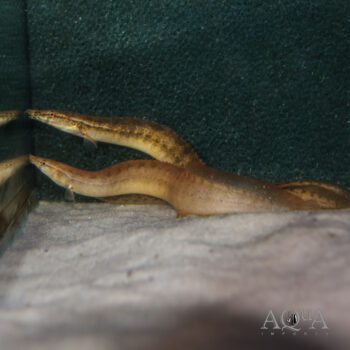
A medium-growing and intricately patterned freshwater eel, the Malabar Spiny Eel (Macrognathus guentheri) is found in the rivers of the Western Ghats of southern India. A hardy eel species, these fish make a unique addition to medium to large aquariums and will generally do well with any fish too large to become a meal. Like most spiny eels, they can be a bit slow to feed at first, so care should be taken to ensure they are getting enough food. Frozen bloodworms are usually accepted readily.
-
$8.99 – $29.99Price range: $8.99 through $29.99
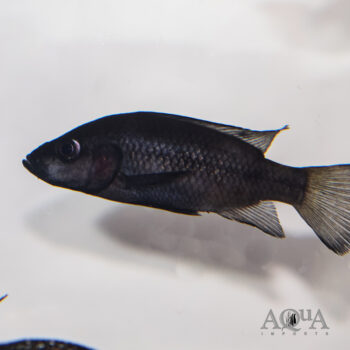
The Pindu Cichlid (Stomatepia pindu) is one of only a handful of cichlid species endemic to lake Barombi Mbo in Cameroon. These cichlids can be very territorial and will appreciate hardscape breaking up sight lines within the tank. When comfortable they will display a jet black coloration.
-
$74.99
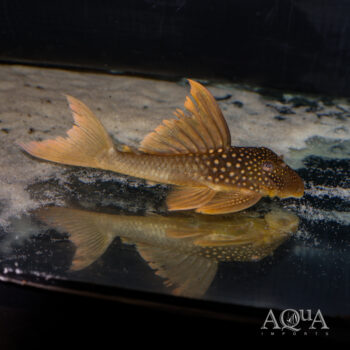
The High Orange Green Phantom Pleco, like the very similar and more commonly imported L200 Green Phantom Pleco (H. subviridis) originates in fast-moving, rocky areas of the Orinoco and Ventuari Rivers in Colombia and Venezuela. Distinct for having more orange dorsal and caudal fins than other Green Phantom Plecos, this pleco makes a colorful and unique addition to most medium aquariums. An omnivore, they will graze on algae and biofilm but should be offered a variety of sinking prepared foods with a moderate to high protein content. This species is particularly sensitive to poor water quality and will do best when kept in clean, well-oxygenated warm water with moderate current and plenty of hiding places.
-
$6.99
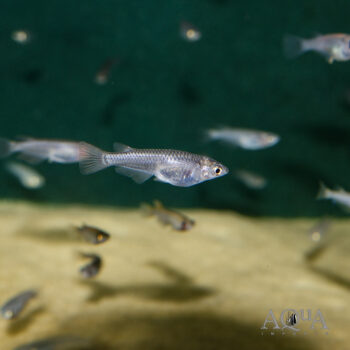
A recently developed form of the common ricefish or medaka, the Wazumi Medaka Ricefish displays silver to dark grey coloring across its body. Like most ricefish, they are a very hardy fish and will do well in most aquariums. The species is an egg layer but will readily breed in the aquarium under good conditions.
-
$24.99 – $29.99Price range: $24.99 through $29.99
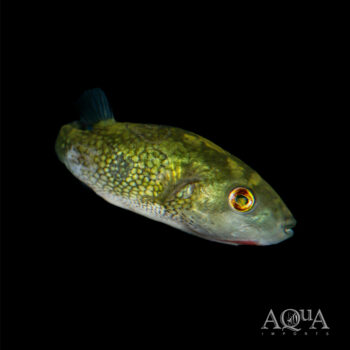
The Ocellated Puffer (Leiodon cutcutia) is a freshwater species found throughout much of Southeast Asia, where it typically inhabits rivers, lakes and sometimes estuaries. In the wild, their habitat is mostly dictated by flooding where they will forage for prey items along the edges of the floodplain. This medium-growing pufferfish species will do well with lots of cover from plant or hard structure with a soft sand substrate. Like most pufferfish, they can be prone to nip at tankmates so they should be monitored carefully, especially when first introduced.
-
$8.99
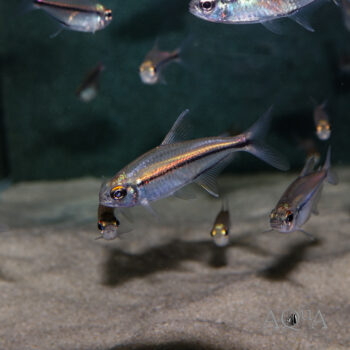
The Guaviare Rose Gold Tetra (Hemigrammus sp. “Guaviare”) is a newer species in the hobby. As an extremely active species, they add quite the flash and movement to the middle and upper levels of the aquarium.They are hardy and tolerant of a wide range of water conditions. As a shoaling species, they should be kept in larger groups, with 5 fish being the minimum (more fish are better if space allows).
-
$3.49
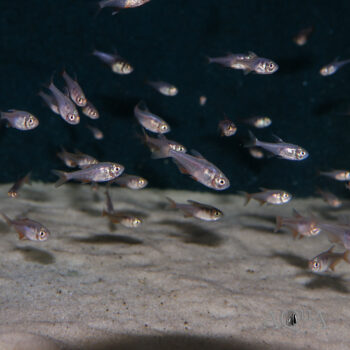
A vividly colored, medium growing tetra species found in Southeastern Brazil, the Red Von Rio or Flame Tetra is deservedly popular in the aquarium hobby and has been commercially bred for decades to the point where wild collected specimens are almost never exported. In the wild, they inhabit slow moving, warm, acidic streams but will adapt to a wide range of conditions in the aquarium. Like most of their close relatives, they are a loosely schooling species that will do best in groups of 5 or more and will get along well with most similarly sized, peaceful tankmates. Subdued lighting, plenty of cover in the form of driftwood or plants, and slightly soft water will help promote vibrant coloration.
-
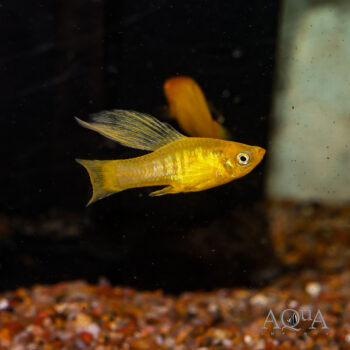
$9.99
An aquarium hobby classic, the Platy is a livebearing species found through parts of Central America but it has been bred worldwide for the aquarium hobby for decades. In that time, the wild form has been developed in to dozens of varieties and color forms, including the popular Mickey Mouse, Blue, Tuxedo, and more. A peaceful, hardy, and active fish, they are often recommended for beginners due to their ease of care.
**Shipping note: only females available currently
-
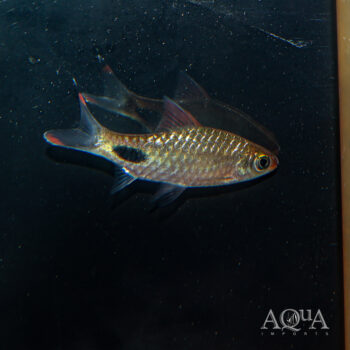
$29.99
A spectacularly marked, large-growing barb found in Southwestern India, the Mascara or Apsara Barb (Dawkinsia apsara) inhabits clear water streams and rivers with moderate to fast flow. A shoaling fish, they are found in large aggregations in the wild and should be kept in groups of at least 5 fish in the aquarium. Both sexes will show impressive red coloration as mature adults, but males will also develop elaborate dorsal filaments and vivid red dorsal fins. A fast-moving and aggressive feeder, they should be kept with equally large and active tankmates in the aquarium.
-
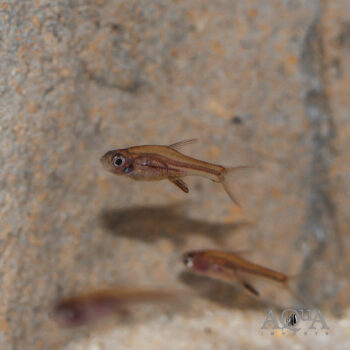
$5.99
The Red Neon Rasbora or Red Axelrodi Rasbora (Sundadanio rubellus) is a relatively recent addition to the hobby, coming from warm, acidic, peat swamps and shallow creeks throughout the island of Borneo. With their iridescent blue color and peaceful, active nature, they are extremely popular in the hobby and a favorite with planted tank hobbyists. The Red Axelrodi Rasbora is one of three distinctive color morphs of this species encountered in the wild, with the Green and Blue forms being either locality-based color variants or perhaps very closely related undescribed species. In the aquarium, they will do best when kept in warm, slightly soft water and require excellent water quality to thrive. Like most rasboras, they will do best in a group of 10 or more fish.
-
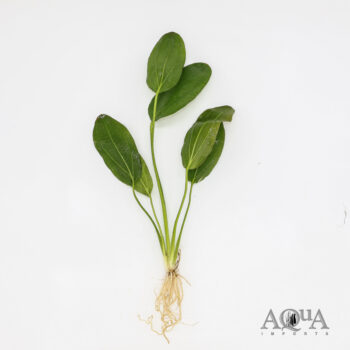
$9.99
Melon Sword Plant (Echinodorus osiris) Care Level: Beginner Preferred Light Level: Low to moderate Placement/Size: A medium to large plant usually used for mid- or background planting Shipping Note: All our foods and aquatic plants ship FREE with any live fish order; OR food/plant only orders ship for a flat rate of $10.99
-
$4.99
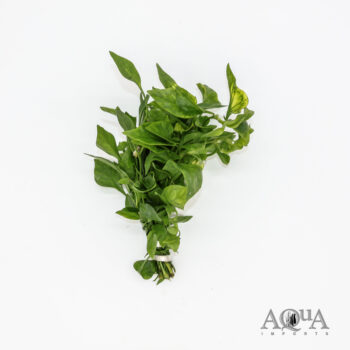
Green Hedge (Alternanthera ficoidea) Care Level: Beginner Preferred Light Level: Low to moderate Placement/Size: A medium to large plant usually used for mid- or background planting Shipping Note: All our foods and aquatic plants ship FREE with any live fish order; OR food/plant only orders ship for a flat rate of $10.99
-
$159.99
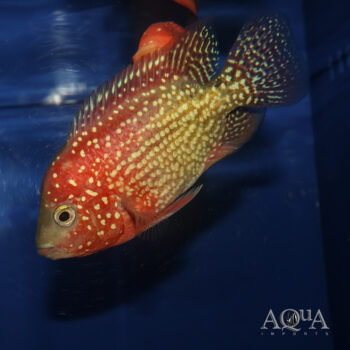
An active, large-growing and beautifully colored cichlid, the Golden Base Flowerhorn (also known as Yellow Base or Red Golden Base Flowerhorn) is a man-made hybrid cichlid developed over years of line breeding. With their vivid red face, gold spangling and distinctive hump that males develop as they reach maturity, this strain of Flowerhorn is one of the flashiest in the hobby. This species is extremely aggressive towards other cichlids and tankmates should be chosen with caution. In the aquarium, they are hardy and undemanding but will display their best coloration when good water quality is maintained and when fed a varied, high quality diet.
-
$14.99
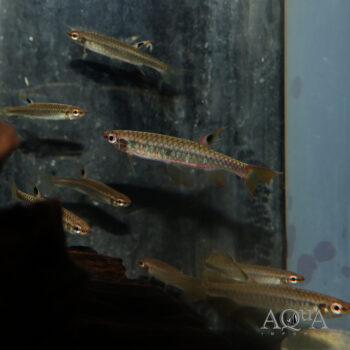
A rare species found throughout the middle and lower Amazon, the Rainbow Copella (Copella vilmae) gets its name from its colorful markings. They are typically found in blackwater streams, and do best in soft or slightly acidic water in the aquarium, but are otherwise hardy fish. They will readily accept most floating foods and are a loosely schooling species, so should be kept in groups of 5 or more.
-
$29.99
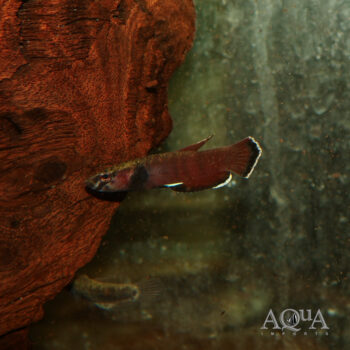
A beautiful wild-type betta from Kalimantan, Borneo, the Betta channoides is also known as the Snakehead Betta. Betta channoides will thrive in a low pH aquarium with lots of cover and tight spaces. They can be kept in pairs or groups.
-
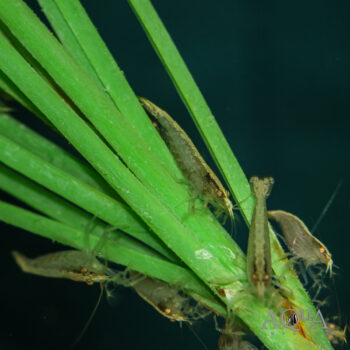
$11.99
An large growing and unique freshwater shrimp found throughout Southern Thailand and Peninsular Malaysia, the Dwarf Bamboo, Rock, or Waterfall Shrimp (Atyopsis spinipes) tends to be found in rocky, fast-moving streams where they use their specialized fan-like front arms to filter out particulate foods from the water. In the wild they are a common but cryptic species and can be fairly shy at first in the aquarium as well. They require clean water, regular feeding of small foods like frozen brine or very small granules, and plenty of cover in the form of driftwood, rockwork, or live plants to thrive. Due to their size, they are not generally at risk with peaceful fish tankmates and are generally compatible with a wide variety of invertebrate tankmates as well. In the wild, they are usually found in groups so while a single shrimp will usually do fine on its own they may benefit from being kept in groups.
-
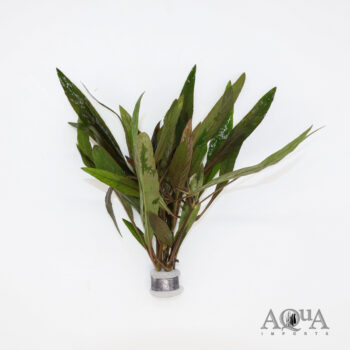
$10.99
Hygrophila salicifolia ‘Rubra’
-
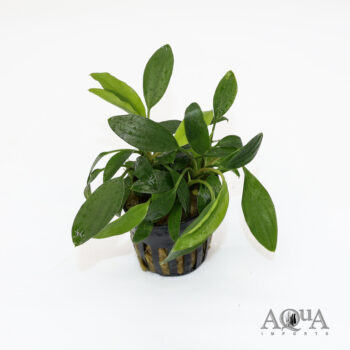
$19.99
Homalomena sp. Sekadau South
-
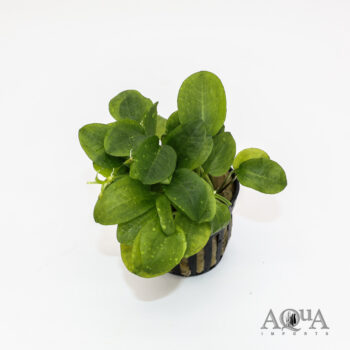
-
$9.99
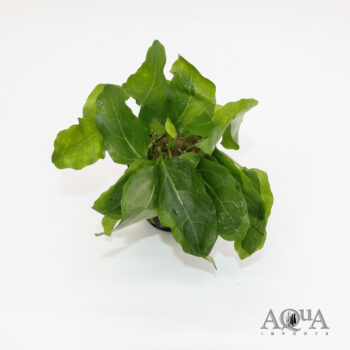
Water Cabbage, Lake Cress, Armoracia aquatica, Rorippa aquatica
-
$19.99
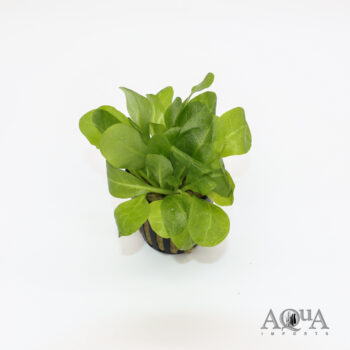
Lysimachia parvifolia, Samolus parviflorus
-
$7.99
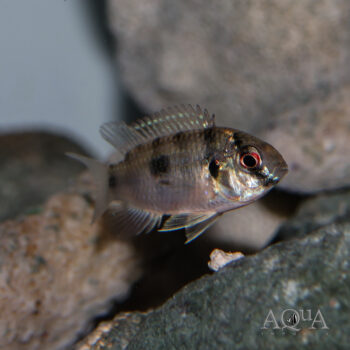
The African Butterfly Cichlid (Anomalochromis thomasi) originates from the tannin rich streams of Western Africa, Growing up to 3″, this peaceful African dwarf cichlid is hardy in the aquarium and will accept flake and pellets readily.
-
$5.99
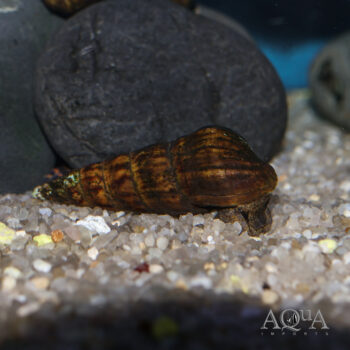
The Red Rimmed Trumpet or Malaysian Trumpet Snail (Melanoides tuberculata) is a great cleaner of the aquarium. This live-bearing snail feeds primarily on detritus and algae and is effective at turning over the substrate improving the overall health of the aquarium. They are also considered plant safe.
-
$24.99
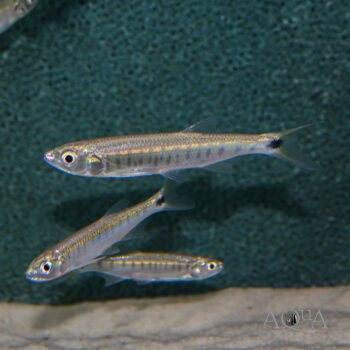
The Coppernose Barb (Raiamas christyi) is found in the fast moving waters of the Congo River system. This streamlined, fast swimming fish will appreciate a higher flow aquarium with well oxygenated water. They are hardy in captivity and will accept most frozen and pellet foods. Coppernose Barbs are best kept in a group of 3 or more.
End of content
End of content