Showing 326–350 of 1981 resultsSorted by latest
-
$32.99 – $119.99Price range: $32.99 through $119.99
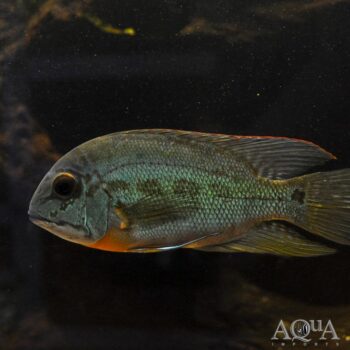
A large growing and unique cichlid from the warm, acidic waters of the Orinoco and Negro rivers, the True Parrot Cichlid gets its name from the vibrant markings around its face (which locals in its native range consider similar to their native macaws). In the wild, they are usually found in slow moving, relatively shallow water habitat, where temperatures may exceed 86F and pH as low as 4.0. In the aquarium, they are quite adaptable but will show their best coloration in warm, slightly acidic water. Parrot Cichlids are sensitive to water quality and regular large water changes should be performed to ensure low levels of nitrate and organics.
-
$40.99 – $169.99Price range: $40.99 through $169.99
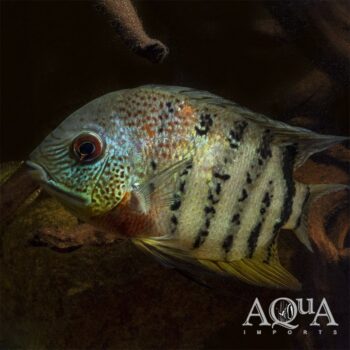
The rare and exceedingly beautiful Tiger or Curare Severum originates from the far upper reaches of the Rio Negro in Colombia, near the town of San Felipe. This large growing fish are likely the “true” Heros severus, and only very recently have made their way into the hobby. As wild fish from extremely acidic waters, they will display their best colors in a similar setup with soft, low-pH water. Generally peaceful towards similar sized tankmates, they can be aggressive towards each other and should be kept singly or in a large group of 5 or more fish (they will get along with most other Heros species as long as the group is large enough).
-
Sale!
$16.99 – $39.99Price range: $16.99 through $39.99
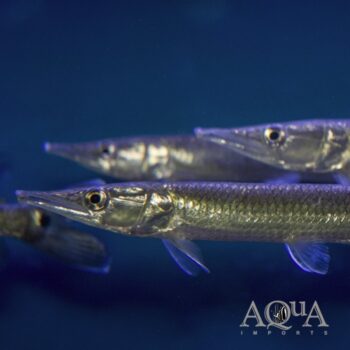
A unique predatory fish found throughout South America, the Hujeta or Silver Gar is not a true gar but related to tetras and other characins. Although they will readily hunt and eat fish smaller than they are, these fish are fairly peaceful towards appropriately-sized tankmates and will do best in small groups. They are fairly hardy fish, and will thrive in a variety of water parameters. Hujeta Gars are surface-dwelling fish, and will jump if given the opportunity so a tight fitting lid is essential.
-
$29.99 – $199.99Price range: $29.99 through $199.99
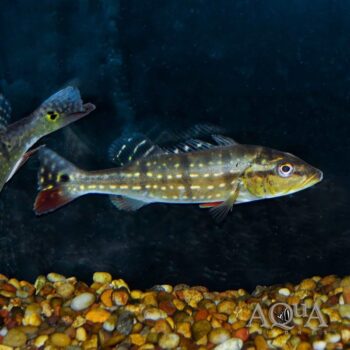
A large, beautifully marked, and sought after species of Peacock Bass, the Temensis Peacock Bass (Cichla temensis) is found in the warm blackwater reaches of the Negro and Orinoco River basins in Colombia, Venezuela, and Brazil. in its native range, it is an important food fish, and its huge adult size and predatory nature make them suitable for only huge aquariums. These fish are powerful swimmers and need ample open space in the aquarium (which should also be tightly covered, as they can easily jump). An impressive show fish for the experienced hobbyist.
-
$34.99 – $99.99Price range: $34.99 through $99.99
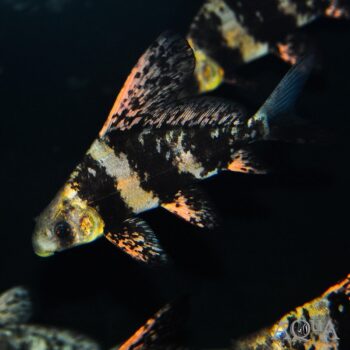
An unusual and mostly temperate species of large growing Cyprinid, the Chinese High Fin Banded Shark or Loach originates from parts of the Yangtze drainage in China but is now aquacultured within that country on a fairly large scale. An algae grazer and herbivore, these fish inhabit clear, well-oxygenated waters, often in loose schools. Due to their huge adult size, this fish is best suited for temperate outdoor ponds (either outdoor or indoor), and is often kept with koi or goldfish as an impressive display fish in their own right and useful nuisance algae grazers.
-
$10.99 – $499.99Price range: $10.99 through $499.99
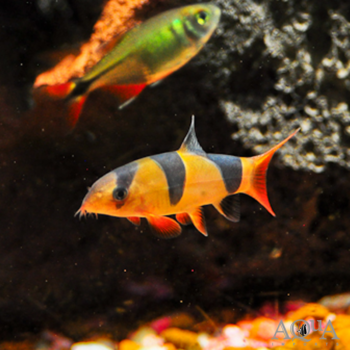
With their vibrant coloration and active nature, Clown Loaches have been a staple in the aquarium hobby for years. A schooling fish, they are best kept in groups of 5 or more as smaller groups of fish will be shy and rarely display their active, almost comical natural behavior. Clown Loaches inhabit a variety of different habitats in their native Indonesia, and will adapt to most conditions in the aquarium. As a carnivore with a fast metabolism, they should be fed often with a variety of prepared and frozen foods to ensure they are well-fed. Although they can grow fairly large, they are slow growers and it may take years for them to reach their full adult size.
-
$15.99
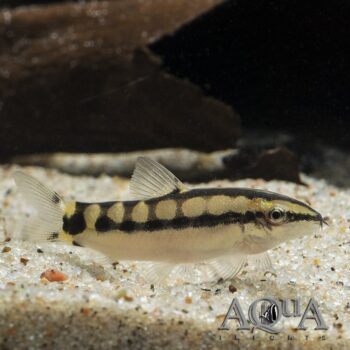
One of the smallest species of Botia and a longtime favorite in the aquarium hobby, the Dwarf Chain Loach or Sidthimunki Botia is a peaceful, active schooling fish ideally suited to most community or planted tanks. Originally found in river systems along the Thai/Myanmar border, they are now produced commercially for the aquarium trade. Like most Botias and Loaches, they are social fish and should be kept in groups of at least 3 to 5 specimens.
-
$13.99
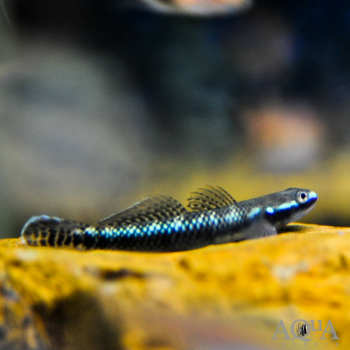
The most colorful of all freshwater gobies in the genus Stiphodon, the Cobalt Blue Goby originates from fast moving rocky streams in West Papua, Indonesia. In the wild, it lives in small groups where individual fish stake out their own territories among the rocks. They feed on algae growth and biofilms in the wild and in the aquarium should be fed algae or vegetable based sinking foods (gel diets are ideal). They require clean, well-oxygenated water with some current and will do best at slightly cooler temperatures than most tropical fish (74-76F).
-
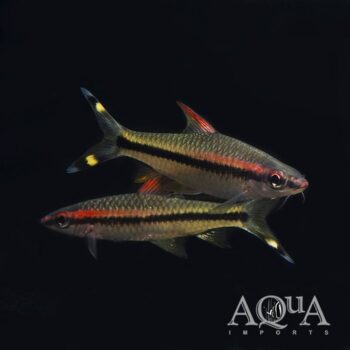
$8.99 – $34.99Price range: $8.99 through $34.99
A fish with many names, the Roseline Shark, Redline Torpedo Shark, or Denisonii Barb is a vividly colored schooling fish found in the fast moving streams of Western India. With their peaceful, active nature and vibrant red, yellow, and black coloration, this fish has become a favorite in the aquarium hobby – especially among planted tank hobbyists. Although hardy, these fish prefer well-oxygenated water with some current and will display their best colors when excellent water quality is maintained. As a shoaling fish in the wild, they are best kept in groups of 5 or more in the aquarium.
-
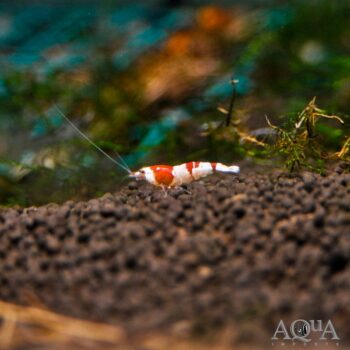
$9.99
Crystal Red Shrimp are a selectively bred form of Caridina which supposedly originated in Japan some years ago. They are enormously popular due to their striking solid red and white coloration and can be a bit more delicate than some of the more common Neocaridina species, so are best kept by hobbyists with some experience keeping shrimp already. Crystal Red Shrimp prefer soft, lower pH water and do best at slightly lower temperatures. Breeders and serious hobbyist utilize a grading system for these shrimp, with higher grade specimens having a more solid white base coloration with specific shapes and patterns for the red bands. Our S and SS grade shrimp are selectively bred to these standards yet still have vivid bands of deep red on them.
-
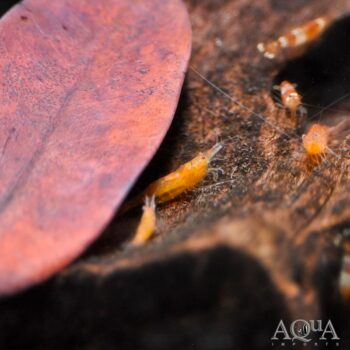
$5.49
Orange Shrimp are both hardy and vibrantly colored – an excellent choice for those just starting with freshwater shrimp. Like most freshwater shrimp, it is a peaceful, social species best kept in groups and will feed readily on most sinking foods. Although they are an adaptable species, they will do best in slightly soft water and with plenty of cover.
-
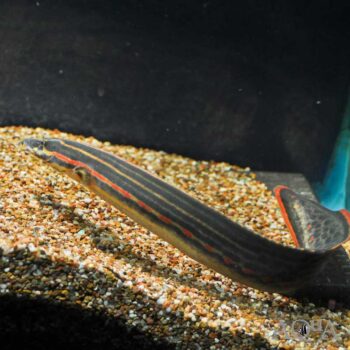
$20.99 – $349.99Price range: $20.99 through $349.99
A beautifully marked member of the spiny eel family (Mastacembelidae), the Fire Eel is found in river systems throughout much of Southeast Asia including the islands of Java and Sumatra in Indonesia. In the wild it tends to be found in shallow, relatively slow moving waters including small rivers, swamps, and seasonally flooded forest. In the aquarium, Fire Eels are often shy at first but are intelligent and personable fish which will soon learn to beg for food and recognize their owners. Largely insectivorous in the wild, they will readily feed on live earthworms at first and can be weaned on to frozen foods over time. Although they can and sometimes will eat smaller fish, they are not particularly active hunters and most fast moving tankmates will not be at risk of becoming a meal. Hardy and adaptable, they make an excellent addition to an aquarium large enough to house what will be a substantially large fish as an adult and will get along well with most other fish.
-
$29.99 – $84.99Price range: $29.99 through $84.99
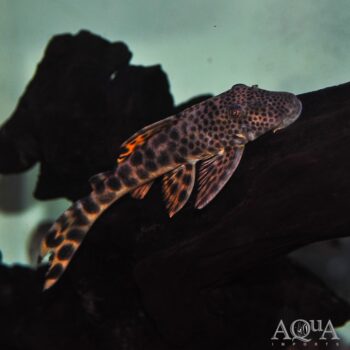
The L075 Para Pleco or Leopard Pleco is a beautifully patterned pleco found in fast-flowing, rocky waters throughout the Orinoco and Amazon basins. As a medium growing and colorful pleco, it is a good addition for a medium to large aquarium and is generally peaceful towards tankmates. The L075 will usually coexist with other plecos as long as ample hiding places and cover is provided. An omnivore, they should be fed a varied diet of both algae/vegetable based and protein-rich foods.
-
$8.99
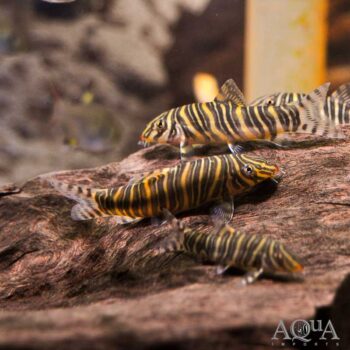
With its intricate pattern and active nature, the Zebra Loach (Botia striata) is a beautiful and interesting addition to most medium-sized community aquariums. Generally peaceful, this smaller species of loach is a social fish and best kept in groups of 5 or more – single specimens may become shy and hide. In addition to their attractive coloration, Zebra Loaches serve a useful function for planted tanks, actively hunting down and consuming pest snails.
-
$3.49
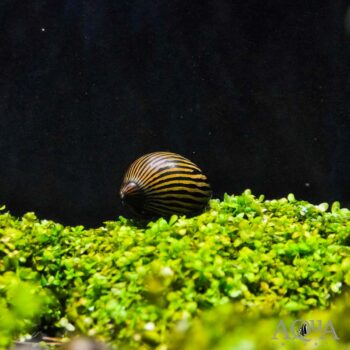
The Zebra Nerite Snail is an ornately patterned species of snail known for their voracious appetites for nuisance algae in the aquarium. They are plant safe and a great addition to any freshwater aquarium without snail predators. The can not reproduce successfully without brackish water and therefore will not overpopulate the aquarium.
-
$39.99 – $54.99Price range: $39.99 through $54.99
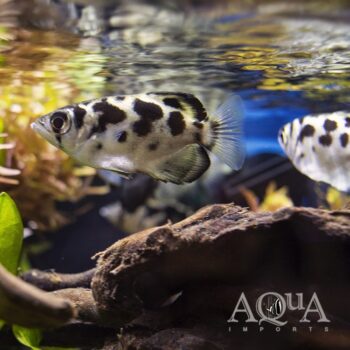
One of the true freshwater species of archerfish, the Burmese Clouded Archer (Toxotes blythii) is by far the most beautiful species in its genus. Found on the lower reaches of the Salween River in Southern Myanmar (Burma) along the Thai border, these fish inhabit shallow, clear waters far from the coast. As with all archerfish, this species has the remarkable ability to shoot bursts of water at insects above the water’s surface – which make up the majority of their diet. Care in the aquarium is relatively straightforward, but it is important to remember that like most archerfish they can be hesitant to feed at first, especially if kept with aggressive feeders like cichlids. Most can easily be trained onto prepared foods by offering live feeder insects and floating pellets at the same time, and clouded archers will generally wean onto frozen and prepared diets quickly. We offer specimens well acclimated to aquarium life and feeding on a variety of different prepared (non-live) items.
-
$129.99 – $449.99Price range: $129.99 through $449.99
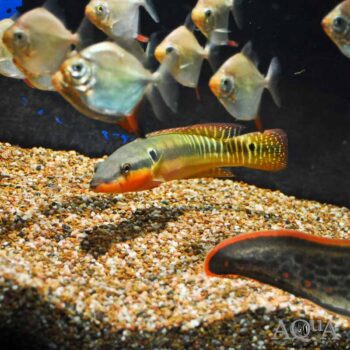
The recently discovered Zebra Pike (C. zebrina) has quickly become one of the most sought after and popular species of pike cichlid in the hobby, and deservedly so. With its vibrant red-orange coloration and distinctive vertical yellow barring, it is hard to confuse the Zebra Pike for any other species. It is also among the most peaceful of the large pike cichlids, and has been successfully kept in community aquariums with other appropriately sized fish. Despite its rarity and high price, the Zebra Pike is generally hardy and undemanding, although they may take some time to wean on to prepared foods. This species is found in fast-flowing, clear, warm water in the wild and should be kept in similar conditions in the aquarium. They prefer strong current, higher temperatures (80-84F) and excellent water quality for long term success. This species has never been successfully bred in captivity and most consider them impossible to accurately sex outside of dissected specimens, so for this reason we do not claim to offer sexed pairs or attempt to sex individual fish.
-
$34.99 – $36.99Price range: $34.99 through $36.99
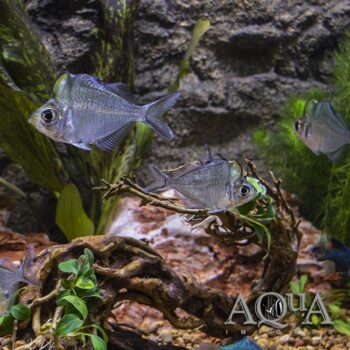
The humphead glassfish has been a sought after oddball since its first introduction to the aquarium trade over a decade ago, and originates from the Salween River on the Thailand Myanmar. Although most glassfish in the hobby are often considered brackish water fish, P. pulcinella is one of many species found exclusively in freshwater habitat. A relatively undemanding aquarium fish, humphead glassfish can be kept in small groups and are often quite skittish as single specimens. They seem to prefer relatively dim lighting and highly oxygenated water with a moderate current. The species is sexually dimorphic, with males exhibiting a larger, more prominent hump and females growing larger and having an overall bulkier appearance.
-
$74.99 – $99.99Price range: $74.99 through $99.99
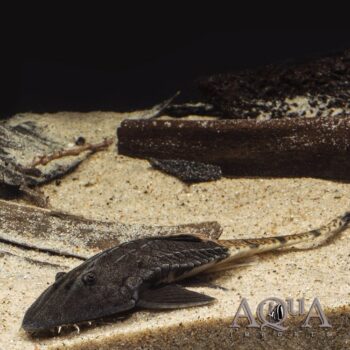
This rare, large-growing Loricariid originates from the Caqueta basin in Colombia and its trubtaries in Northern Ecuador, although a similar looking species is imported from Peru and often misidentified as P. apithanos. The Chameleon Loricaria is typically found in shallow, fast-moving stretches of river, often in groups. In the aquarium, they prefer moderate to high water movement and large open areas of sand substrate. In the wild, they graze on biofilm, algae, small crustaceans and insect larvae and should be fed a varied diet with plenty of proteins such as Repashy Bottom Scratcher or Igapo Explorer gel diet or Fluval Bug Bites pleco formula. They can be territorial with each other so provide plenty of space for each individual fish.
-
$39.99 – $74.99Price range: $39.99 through $74.99
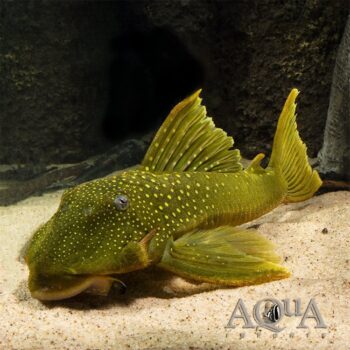
The L200 Green Phantom Pleco is a beautifully marked Loricariid found in fast-moving, rocky areas of the Orinoco and Ventuari Rivers in Colombia and Venezuela. With their light green body coloration and distinctive yellow spots, this pleco makes a colorful and unique addition to most medium to large aquariums. An omnivore, they will graze on algae but will also require a varied diet of sinking prepared foods, gel foods, and fresh vegetables like zucchini and squash. In the aquarium, they will do best in moderately soft, warm, well-oxygenated water with plenty of hiding places and moderate to strong current. This species requires excellent water quality to thrive so large frequent water changes should be considered necessary.
-
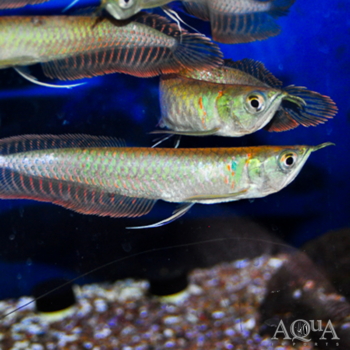
$24.99 – $199.99Price range: $24.99 through $199.99
One of the larger predatory fish found in the Amazon Basin, the Silver Arowana is part of an ancient family of fish known as the bonytongues. A highly adapted surface feeder, Arowana are usually found close to the water’s surface in heavily overgrown areas with lots of cover. They are incredible jumpers, with adults able to leap several feet out of the water, and need to be kept in securely covered aquariums. Due to their enormous adult size, the Silver Arowana is recommended only for dedicated aquarists who can accommodate these giants in either a large custom aquarium or even an indoor pond. Specimens offered for sale are acclimated to aquarium life and feeding well on frozen and prepared foods.
-
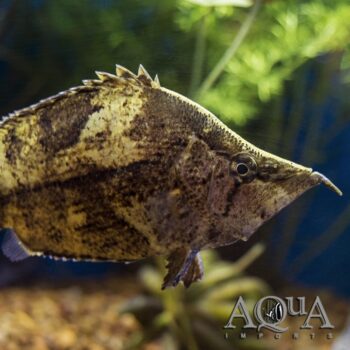
$25.99 – $39.99Price range: $25.99 through $39.99
An amazing example of mimicry in nature, the Amazon Leaf Fish both looks and acts exactly like a dead leaf as a way to ambush its prey in the wild. When small fish venture too close, it extends its surprisingly large mouth and inhales them in one quick motion. In the aquarium, they make for an extremely unique display fish, especially in small groups. They are peaceful with nearly any fish too big to be eaten, but tankmates should be chosen carefully as fast-moving or aggressive fish can cause them stress. Although they are relatively hardy, feeding can be a challenge as they can be difficult to wean off live food fish or insects.
-
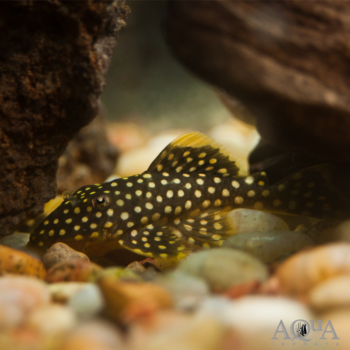
$49.99 – $74.99Price range: $49.99 through $74.99
The L018 is the most well known form of the popular Gold Nugget Plecos, distinguished by its large distinct gold spots. Like its close relatives, it is found in rocky shallow areas in the warm, well-oxygenated waters of Brazil’s Rio Xingu. In the aquarium, it should be provided with plenty of cover and regular feedings of protein-rich feeds such as Repashy gel diet or other prepared feeds. This species will do best at high temperatures (82 – 86F), lots of water movement and a variety of rocks and caves in which to establish territories. This species can be a challenge to maintain long term and is best suited for experienced hobbyists who can ensure optimal water quality similar to what they would find in nature and a varied diet.
-
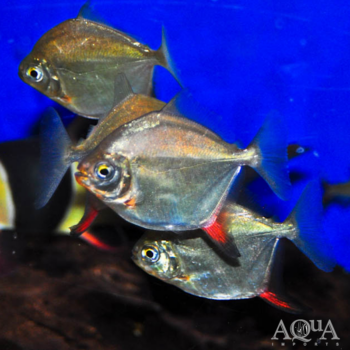
$12.99 – $44.99Price range: $12.99 through $44.99
The Red Hook Silver Dollar is a popular, colorful schooling fish found throughout the Amazon Basin in South America. A relatively peaceful fish, they do best in groups of 5 or more and make an excellent “dither” fish for large cichlids or other predatory fish species. They also add activity to the upper levels larger aquariums with their constant, rapid swimming and close schooling behavior.
-
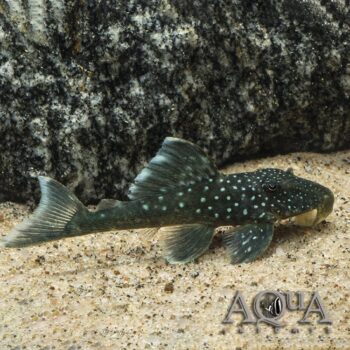
$26.99 – $74.99Price range: $26.99 through $74.99
The L128 Blue Phantom Pleco is a beautifully marked medium growing species of Pleco found in the warm, fast-flowing, rocky waters of the Orinoco River in Colombia and Venezuela. With their light blue overall body coloration and stunning iridescent blue spots, this pleco is deservedly popular in the aquarium hobby and will do well in most medium to large community aquariums provided their needs are met. An omnivore in the wild, they will graze on algae and biofilm but should be provided a varied diet including protein-rich sinking pellets and Repashy Gel Diet. Like most of their relatives in the genus Hemiancistrus, the Blue Phantom Pleco is sensitive to poor water quality so be sure to perform frequent large water changes. They will do best when provided with plenty of hiding places, warm, slightly acidic water, and moderate to strong current.
End of content
End of content