Showing 251–275 of 1981 resultsSorted by latest
-
Sale!

$11.99 – $64.99Price range: $11.99 through $64.99
The Senegal, or Common Bichir is the most widespread species of Polypterus in Africa, inhabiting shallow waters across a huge geographic area. This species is also the most common in the aquarium hobby and has been commercially bred in Asia for years. In the aquarium, they have been popular for many years due to their eel-like body shape, predatory nature, and unique appearance. A hardy fish, the Senegal Bichir or Dinosaur Eel as they are sometimes known require a large tank due to their adult size but are otherwise undemanding.
-
$15.99 – $21.99Price range: $15.99 through $21.99
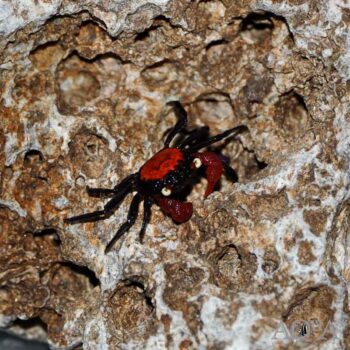
The Red Devil Crab or Red Claw Vampire Crab is a vibrantly colored species of small, primarily terrestrial crab found on the island of Java, Indonesia. Like all Vampire Crab species in the genus Geosesarma they are cryptic species that typically inhabit humid rainforest close to small streams or seasonally flooded areas among dense vegetation. A social species, they do well in groups provided they are offered plenty of cover and space for territory. Geosesarma crabs have a unique breeding strategy with eggs developing directly into fully formed tiny crabs, which the female will carry on her back for some time after hatching. Although Vampire Crabs have a reputation for being difficult as long as a suitable habitat is provided (including plenty of clean, filtered or moving fresh water) they will thrive and even reproduce in captivity.
-
$3.99
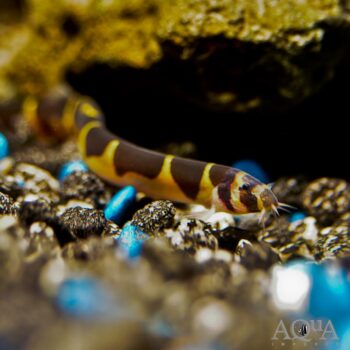
A longtime hobby favorite, the Kuhli Loach (Pangio kuhlii) is deservedly popular due to its unusual eel-like shape and active, social nature. In the wild, they are found in a wide range of habitats, from peat swamps to shallow stretches of large river and can be found in Thailand, Malaysia, and Indonesia. In the wild, they usually inhabit soft, slightly acidic water with a fine sand or mud substrate and in areas with ample leaf litter and other cover and during the day are usually found burrowed in or close to the substrate. In the aquarium, they are hardy fish but prefer plenty of cover and will be most active and happiest in groups of 5 or more.
-

$59.99 – $79.99Price range: $59.99 through $79.99
A distinctive medium growing Loricariid, the Sultan Pleco or L264 is found in the clear waters of the middle Rio Tapajos in Brazil. In the wild, they are found in relatively fast moving waters usually in and around crevices in rocks. An omnivore and grazer, these fish do best when offered a protein rich diet like Repahsy insectivore gel diet or other high quality sinking foods. In the aquarium, they will do best in clean, well-oxygenated water with some current and plenty of caves and rockwork.
-
$16.99 – $22.99Price range: $16.99 through $22.99
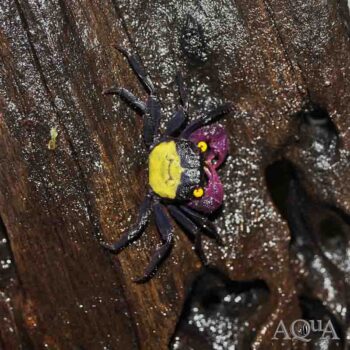
The Purple Vampire Crab is a vibrantly colored species of small, primarily terrestrial crab found on the island of Java, Indonesia. Like all Vampire Crab species in the genus Geosesarma they are cryptic invertebrates that typically inhabit humid rainforest close to small streams or seasonally flooded areas among dense vegetation. A social species, they do well in groups provided they are offered plenty of cover and space for territory. Geosesarma crabs have a unique breeding strategy with eggs developing directly into fully formed tiny crabs, which the female will carry on her back for some time after hatching. Although Vampire Crabs have a reputation for being difficult as long as a suitable habitat is provided (including plenty of clean, filtered or moving fresh water) they will thrive and even reproduce in captivity. The Purple or Purple and Yellow Vampire Crab is one of the more colorful species in the genus.
-
$4.99
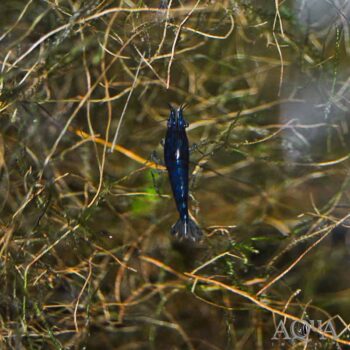
The Blue Diamond Shrimp is a selectively bred form of wild Neocaridina shrimp with a dark blue body coloration. Like the well-known Red Cherry Shrimp, they are remarkably hardy and adaptable, excellent shrimp for beginners. The Blue Diamond Shrimp, like most other species of freshwater dwarf shrimp in its genus, will do well in a wide range of water conditions although overly soft or hard water should be avoided. A fine substrate, plenty of cover, and a varied diet of prepared foods specific to freshwater shrimp will ensure their long term health, and eventually breeding in the aquarium.
-
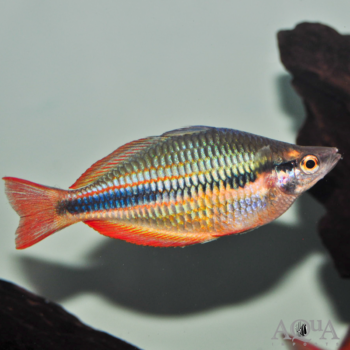
$16.99 – $21.99Price range: $16.99 through $21.99
The Goyder River Rainbow (Melanotaenia trifasciata), also known as the banded rainbow fish, is a member of the Melanotaeniidae family. Native to the Goyder River in Australia, these rainbow fish are almost incomparable in their spectacular coloration as adults. The Goyder River Rainbow fish is hardy, active, and schooling. Groups of 5 or more are recommended for these fish to display their most natural behavior and coloration!
-
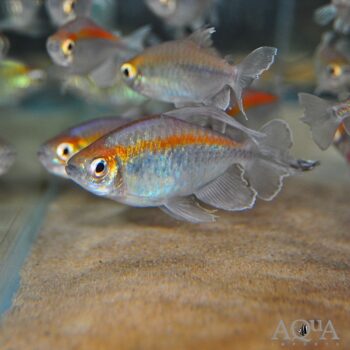
$7.99 – $29.99Price range: $7.99 through $29.99
An exceptionally beautiful African tetra, the Congo Tetra (Phenacogrammus interruptus) is a relatively peaceful fish endemic to the Congo River Basin. Their rainbow iridescence and long, flowing fins make them a prized community fish among freshwater hobbyists. While not required, this tetra tends to prefer planted tanks with dimmer lighting that imitates its natural environment. The Congo Tetra will be most comfortable and display its best coloration in schools of 5 or more, making a beautiful centerpiece group of fish.
-
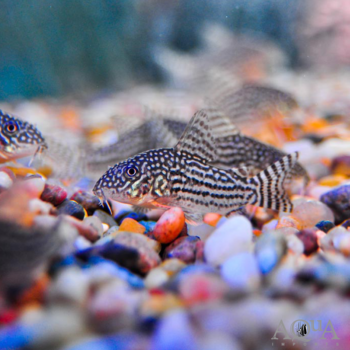
$8.99 – $14.99Price range: $8.99 through $14.99
With their unmistakable pattern of spots and bars, the Sterbai Cory is easily one of the more recognizable and popular Corydoras species available in the hobby. Found in the Guapore and upper Madeira rivers in Southern Brazil, this species is now bred on a large scale worldwide for the aquarium hobby and wild specimens are rarely if ever exported. Like most cory cats, they are an active schooling fish, best kept in groups of 5 or more. In the aquarium, they are extremely hardy fish which will accept most sinking prepared or frozen foods and do well with nearly all similarly sized peaceful tankmates. Sterbai Corys are one of the few species in the genus that will do well long term when kept at higher temperatures (80 – 84F).
-
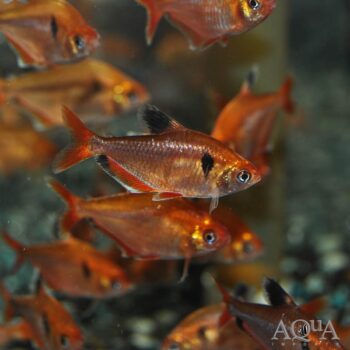
$4.99
Super Serpae Tetras (Hyphessobrycon eques), also known as Jewel Tetras or Red Minor Tetras, are characins native to the Amazon Basin. Their bright red coloration and hardiness make them a popular choice for freshwater community tanks. Make sure to keep these fish in groups with similarly-sized and temperament fish, as they can outcompete smaller, slow-moving tankmates! Like all tetras they are best kept in a group of 10 or more fish.
-
Sale!
$34.99 – $149.99Price range: $34.99 through $149.99
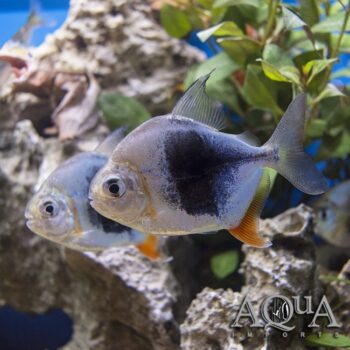
A rare, selectively bred color form of the Black Bar Silver Dollar (M. schomburgkii), the Blackberry or Blueberry Silver Dollar originated with breeders in Asia and remains a relatively uncommon find in the US. With a distinct blueish-black blotch that covers most of the body and deep red fins, these fish are a colorful and showy addition to any larger community aquarium. Care and behavior is the same as with the more well-known Black Bar or Blue Hook Silver Dollars, and it will readily school with other similar species.
-
$5.99 – $6.49Price range: $5.99 through $6.49
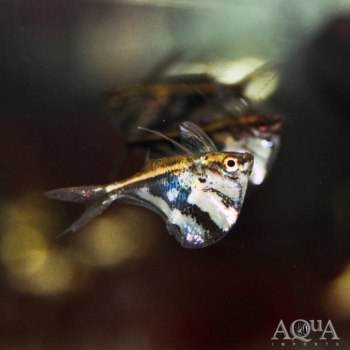
A beautifully marked smaller growing hatchet found throughout the Amazon, Negro, and Orinoco rivers as well as the Guyana shield, the Marbled Hatchet has been a popular aquarium fish for decades. In the wild, they tend to inhabit warm, acidic, tannin stained waters and like most of the freshwater hatchets they are found in large schools close to the water’s surface. A peaceful and somewhat shy fish, they are best kept in groups of 5 or more with similarly peaceful tankmates. Relatively soft water and the use of tannin-releasing botanicals like Indian Almond Leaves will ensure they thrive in the aquarium.
-
$4.99
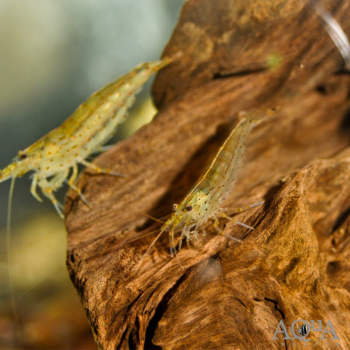
One of the most popular fish or invertebrates used for algae control in aquariums, the Amano, Algae Eating, or Japonica Shrimp is found throughout fresh and brackish waters in Japan and Taiwan, where they are found in large aggregations and feed primarily on filamentous algae and biofilm. Their most widespread common name, the Amano Shrimp, comes from legendary planted aquarium and aquascaping pioneer Takashi Amano who helped popularize their use as algae control in aquariums. Peaceful, hardy, and adaptable to a wide range of water conditions, this species will thrive in nearly any peaceful community aquarium and is tolerant of lower temperatures as well. Best kept in groups of 5 or more, this shrimp will readily consume a variety of nuisance algae types and is especially useful for cleaning algae off the leaves of aquatic plants.
-
$7.99 – $9.99Price range: $7.99 through $9.99
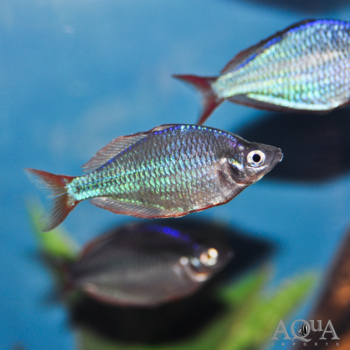
The Dwarf Neon/Praecox Rainbowfish (Melanotaenia praecox) is a lively fish with an iridescent silvery blue body and red fins. Growing up to 3″, their size makes them an ideal candidate for small and large tanks alike and one of the most popular rainbowfish in the hobby. The Dwarf Neon/Praecox Rainbowfish is a relatively peaceful schooling fish and will display its best colors and behavior in schools of 5 or more.
-
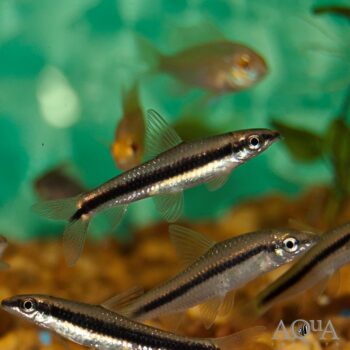
$3.99 – $6.99Price range: $3.99 through $6.99
One of the most sought after and effective of all of the so-called “algae eaters” in the aquarium hobby, the Siamese Algae Eater (commonly abbreviated SAE) or Flying Fox is an active, social, medium-sized fish that feeds on a variety of common nuisance algae species in the aquarium. They will graze on diatom algae films on glass and decor as well as the difficult to eradicate black hair or black beard algae. Best kept in groups of 6 or more, they are live plant safe and hardy additions to most medium to large community aquariums.
-
Sale!
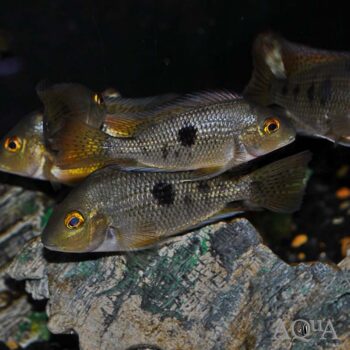
$19.99
A spectacularly colored cichlid found in lakes and rivers in Nicaragua and Costa Rica, the Nicaraguan Cichlid or Nicaraguense has been popular in the hobby for years. Like most Central American Cichlids, they can be fiercely territorial and tankmates should be chosen carefully. In the wild, they are social fish and are often found in large aggregations. An extremely hardy fish, they prefer slightly alkaline water and will do best with a varied diet.
-
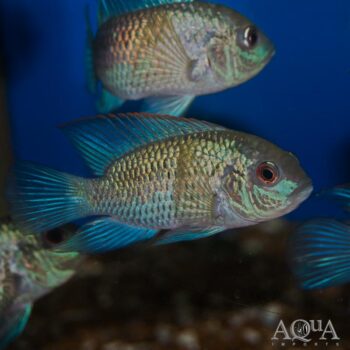
$14.99 – $39.99Price range: $14.99 through $39.99
A recently developed line bred form of the well-known Blue Acara (A. pulcher), the Electric Blue Acara has become an instant favorite in the hobby due to its stunning powder blue coloration. With a manageable adult size of around 6″ and being relatively peaceful (for a cichlid), this species makes an impressive centerpiece fish for a medium to large mixed species tank or a mixed cichlid community with similarly sized South American cichlids. Like all cichlids, they are territorial as adults and should be provided with plenty of structure in the form of caves, rock work, or artificial plants.
-
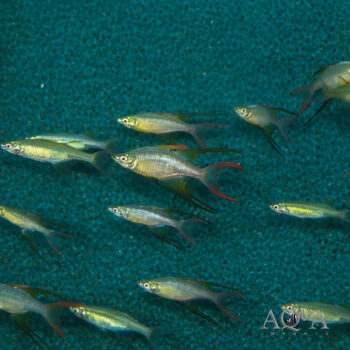
$6.99 – $9.99Price range: $6.99 through $9.99
A beautiful and showy dwarf rainbowfish originating from the rivers of Papua New Guinea and Northeastern Australia, the Featherfin or Threadfin Rainbow is named for the elaborate fin filaments found on adult male fish. With their peaceful nature, small adult size and spectacular display behavior they have been an aquarium hobby favorite for many years. This species is especially popular for use in planted or aquascaped tanks and will be most comfortable in an aquarium with plenty of cover. Hardy and relatively undemanding, they prefer slightly soft water and will do best with similarly sized peaceful tankmates. A social species, groups of at least 5 fish should be considered the minimum if attempting to keep a group.
-
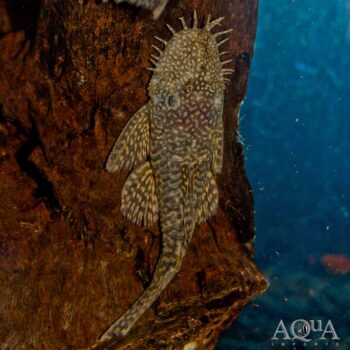
$6.49 – $24.99Price range: $6.49 through $24.99
The Common Bristlenose or Bushynose Pleco (Ancistrus sp.) is a popular aquarium species due to its relatively small adult size and usefulness in keeping nuisance algae under control. Hardy, adaptable, and peaceful towards most tankmates, these fish are ideal aquarium inhabitants, grazing on diatom algae while still being safe with live plants. While this species will readily graze on algae in the aquarium, their diet should be supplemented with fresh veggies and high quality foods like Repashy gel diet or Fluval Bug Bites Pleco formula.
-
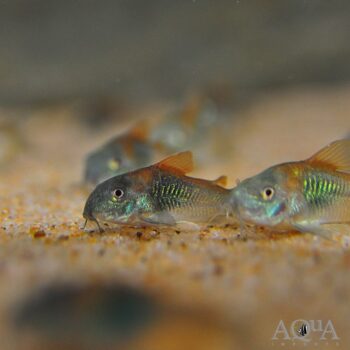
$11.99 – $16.99Price range: $11.99 through $16.99
A colorful and popular species of Corydoras, the Venezuelan Cory originates from a few coastal rivers in Venezuela but is now bred on a large scale for the aquarium trade so wild specimens are almost never seen. Small, active, and with attractive orange and green coloration, Venezuelan Corys are ideal for nearly any small to medium peaceful community aquarium. Like most Corydoras, they are an active schooling species that will do best in a group of at least 5 fish. Peaceful and hardy, they prefer a fine sand substrate, well-oxygenated water and temperatures in the 75-80F range.
-
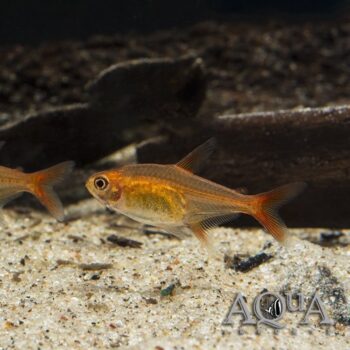
$2.99
One of the more vividly colored small tetras in the hobby, the Ember Tetra or Amandae Tetra originates in the upper Araguaia River in Southern Brazil, although nearly all specimens in the hobby are commercially bred in Asia. A hardy and adaptable fish, they make an excellent addition to most community aquariums and are especially impressive as a small school in a planted or aquascaped tank. Like most schooling tetras, they are best kept in groups of 10 or more. Slightly acidic water, subdued lighting, or the addition of some botanicals like Indian Almond Leaves to release tannins into the water will help the Ember Tetra show its most vivid coloration in the aquarium
-
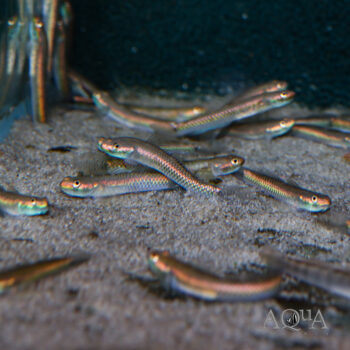
$14.99
A very colorful of freshwater goby in the genus Stiphodon, the Blue Stiphodon Goby originates from fast moving rocky streams. In the wild, it lives in small groups where individual fish stake out their own territories among the rocks. They feed on algae growth and biofilms in the wild and in the aquarium should be fed algae or vegetable based sinking foods (gel diets are ideal). They require clean, well-oxygenated water with some current and will do best at slightly cooler temperatures than most tropical fish (74-76F).
-
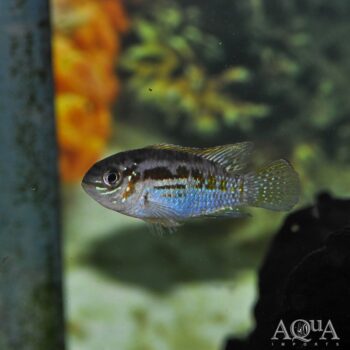
$22.99 – $26.99Price range: $22.99 through $26.99
Product description coming soon
-
Sale!
$149.99 – $189.99Price range: $149.99 through $189.99
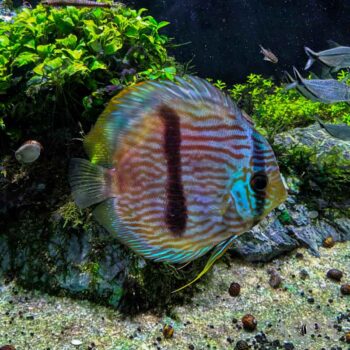
Long considered the most beautiful of all freshwater aquarium fish, the discus remains a popular fish for serious hobbyists. Regular, large water changes, a protein-rich varied diet, and warm water temperatures (78-84) will create ideal conditions for discus to thrive. Wild discus are more sensitive to water quality and are best kept by experienced hobbyists. They will do best in soft, slightly acidic water and may take weeks or even months to display their optimal colors in an aquarium but will reward patient aquarists with spectacular coloration and natural behaviors. Heckel discus are known as one of the most colorful of all wild discus forms. These specimens originate from the Rio Japura in Brazil and exhibit striking blues and contrasting red striations.
-
$8.99 – $14.99Price range: $8.99 through $14.99
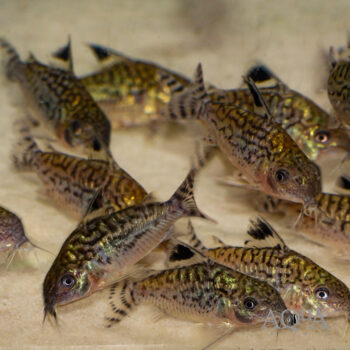
An attractively marked and uncommon Cory from the middle Amazon in Peru and Brazil, the Reticulated or Network Cory (Brochis reticulatus) is a peaceful shoaling fish often found in large groups in the wild. In the aquarium they are hardy and undemanding, an excellent and active bottom-dweller for most community tanks. Like most Corydoras they should be kept in groups of at least five fish.
End of content
End of content