Showing 276–300 of 1981 resultsSorted by latest
-
$7.99 – $10.99Price range: $7.99 through $10.99
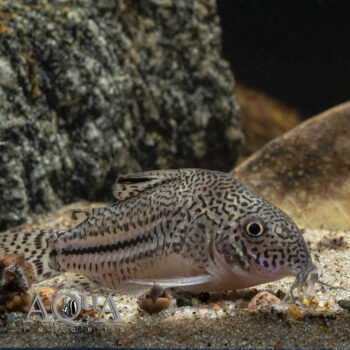
An attractively marked and longtime hobby favorite, the False or Colombian Julii Cory is a peaceful shoaling fish often found in large groups in the wild. Often misidentified in the trade as H. julii (which is only known from Brazil), this very similar species is found throughout much of the middle Amazon in Colombia and Peru. In the aquarium they are hardy and undemanding, an excellent and active bottom-dweller for most community tanks. Like most Corydoras they should be kept in groups of at least five fish.
-
$8.99
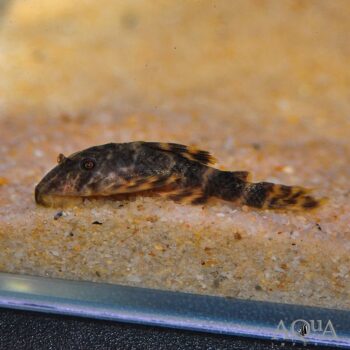
One of the most popular small plecos in the aquarium hobby, the Clown Pleco or L104 is found in the rocky waters of the Rio Meta and its tributaries in Colombia. A scavenger and algae grazer, they will feed on nuisance algae in the aquarium but prefer more protein rich foods and should be supplemented with a variety of foods including gel diet, sinking pellets or wafers, and fresh veggies. Peaceful and generally safe with live plants, they are an excellent pleco for small or medium aquariums with a maximum size of just over 3″
-
$169.99 – $399.99Price range: $169.99 through $399.99
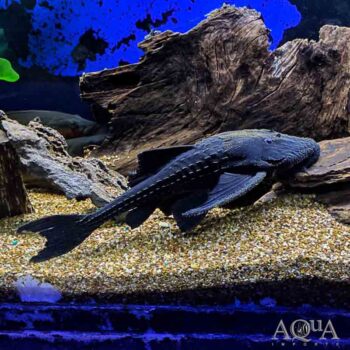
A giant growing and extremely impressive pleco, the L155 Black Adonis or Hystrix Pleco is found in the middle Amazon and some of its tributaries. With their heavy armor, sharp spines, and huge adult size, this pleco is a true monster fish and adults are suitable only for the largest aquariums. Like most of the genus, they are aggressive and not at all shy, often spending time swimming in open water. They prefer fast-flowing, well-oxygenated water and will do best in a tank with ample open space along with caves and hides to provide territory.
-
$5.99 – $10.99Price range: $5.99 through $10.99
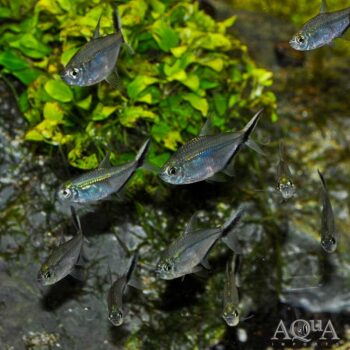
A rarely seen and highly sought-after species of schooling tetra, the Costae or Blackline Tetra (Moenkhausia costae) is found in the shallow reaches of the Rio Sao Francisco and its tributaries in Southern Brazil. An extremely active species, they form large schools or shoals in the wild as a defense from predation. In the aquarium, their fast-moving nature and unique tail stripe pattern adds flash and movement to the middle and upper levels of the aquarium which has made them extremely popular with planted tank hobbyists and aquascapers. A hardy species, they are tolerant of a wide range of water conditions but should be kept in a well-covered aquarium as they are likely to jump. As a shoaling species, they should be kept in larger groups, with 5 fish being the minimum (more fish are better if space allows).
-
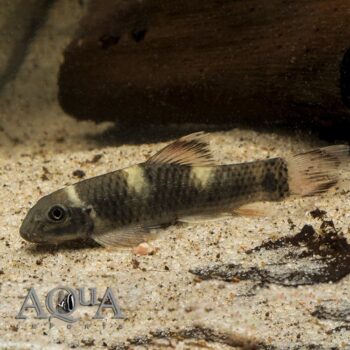
$9.99 – $12.99Price range: $9.99 through $12.99
A popular and attractive scavenger and grazer, the Panda or Butterfly Garra originates from rocky streams in Western Myanmar, where it is found in loose aggregations. Wild specimens are almost never exported, and the species has been commercially bred for the aquarium trade for year. In the aquarium, they are an active fish and useful grazer that will readily eat diatom and other forms of nuisance algae. Hardy and adaptable, they are best kept in a group of 3-5 specimens.
-
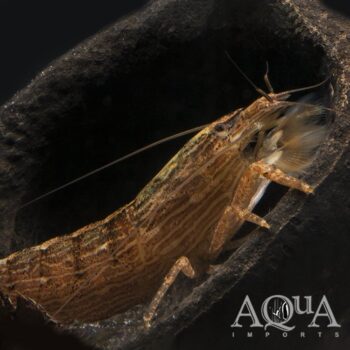
$7.49 – $14.99Price range: $7.49 through $14.99
An large growing and unique freshwater shrimp found throughout Southern Thailand and Peninsular Malaysia, the Bamboo, Rock, or Waterfall Shrimp (Atyopsis moluccensis) tends to be found in rocky, fast-moving streams where they use their specialized fan-like front arms to filter out particulate foods from the water. In the wild they are a common but cryptic species and can be fairly shy at first in the aquarium as well. They require clean water, regular feeding of small foods like frozen brine or very small granules, and plenty of cover in the form of driftwood, rockwork, or live plants to thrive. Due to their size, they are not generally at risk with peaceful fish tankmates and are generally compatible with a wide variety of invertebrate tankmates as well. In the wild, they are usually found in groups so while a single shrimp will usually do fine on its own they may benefit from being kept in groups.
-
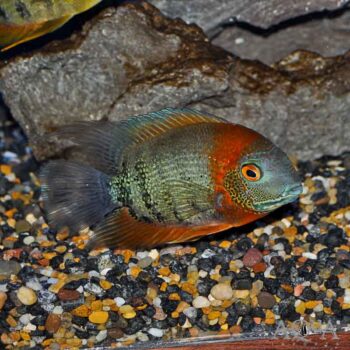
$24.99 – $169.99Price range: $24.99 through $169.99
The Red Shoulder, Red Head, or “Rotkeil” Severum is a distinctive naturally occurring variant of the species known as Heros cf. efasciatus found throughout parts of the Middle Amazon and its tributaries. This strain has been popular in the aquarium hobby for many years due to its vibrant reddish-orange coloration and distinctive orange eyes. In its native range in Peru, it is referred to as “corbata” which has given rise to another common name for this fish – the “necktie” severum (so named for the stripe of red-orange extending from the gill plate to the top of the dorsal fin). While it has been bred commercially for some time, wild fish often display the most intense colors. Like most of their relatives, these fish are fairly peaceful for a large cichlid, and will usually coexist well in a mixed cichlid community composed of similarly sized semi-aggressive fish.
-
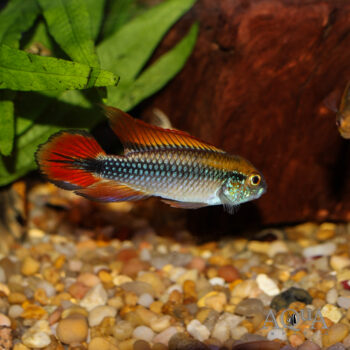
$14.99 – $29.99Price range: $14.99 through $29.99
One of the most popular dwarf cichlids in the hobby, Apistogramma agassizi (also known as Agassiz’s Dwarf Cichlid) is an attractive and interesting addition to smaller community aquarium. They have been bred in the hobby for decades, resulting in a number of color morphs and strains, with the ‘Double Red’ strain being among the more colorful varieties. A widespread fish in the Amazon Basin, they have a number of wild color forms as well corresponding to different catch locations. A hardy and relatively peaceful species, they are ideal for smaller aquariums and do best with ample cover in the form of plants, driftwood, and small caves.
Note on Apistogramma sp. sexes:
While we will make our best efforts to select male/female pairs on request, we do not guarantee a particular sex ratio. We recommend buying these fish in larger groups if a particular ratio of males to females is desired.
-
Sale!
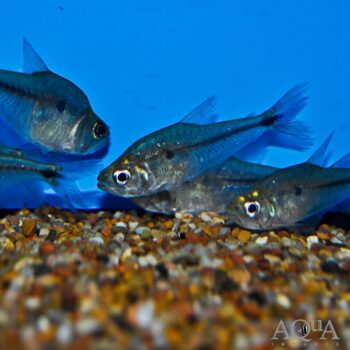
$14.99 Original price was: $14.99.$12.99Current price is: $12.99.
A medium sized semi-aggressive characin found through parts of the Amazon and Orinoco basins, the Glass Headstander is a loosely schooling fish that in the wild preys on very small fish and may pick on scales and fins of larger fish as well. In the aquarium, they can be nippy but will typically do well with larger fast-moving fish. They will readily accept most prepared or frozen foods.
-
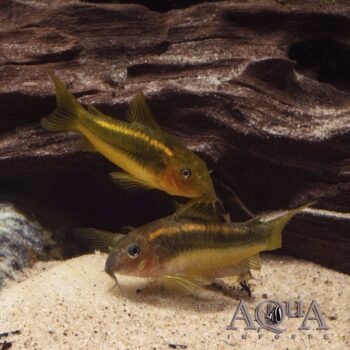
$22.99 – $26.99Price range: $22.99 through $26.99
The Orange Laser or Orange Stripe Cory is one of the most vividly colored fish in its genus, with an unmistakable fluorescent orange stripe arching across its back. Known from the Ucayali and Maranon rivers in Peru, two headwaters of the Amazon, it is unknown what purpose this unusually bright streak of color serves in the wild but in the aquarium it makes for a remarkable display. Like most Corydoras they are active, peaceful schooling fish that will display their best colors and behaviors in a larger group.
-
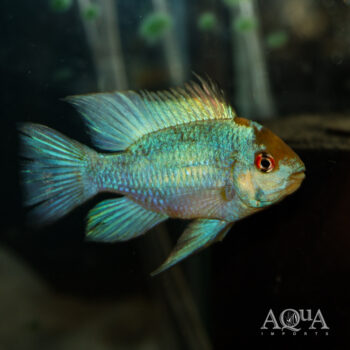
$10.99 – $34.99Price range: $10.99 through $34.99
A spectacularly colored line bred variant of the popular Dwarf Cichlid, the Electric Blue Ram is a small, peaceful fish ideal for most community aquariums. With their uniform vivid blue coloration, they make an impressive display fish in a planted or aquascaped aquarium and will get along well with most tankmates. In the aquarium, they can be sensitive to fluctuating water quality and will do best in slightly soft water with frequent partial water changes. Like most cichlids they may fight among themselves for territory so a medium sized aquarium with plenty of cover and shelter is best to keep a group.
-
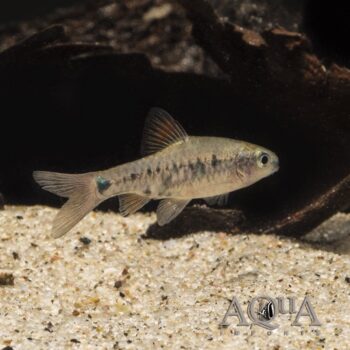
$3.99
A small, attractive and peaceful schooling fish, the Checker Barb comes from shallow streams and pools in Sumatra, where it is typically found in large shoals. With their active schooling nature and vivid adult coloration this species makes an excellent display fish for a medium sized community or aquascaped tank. Active and hardy, they are found in large groups in the wild and should be kept in groups of at least 5 in the aquarium. Unlike their similar relative the Tiger Barb, this species is peaceful and not prone to nip fins, and should be kept with similarly peaceful fish.
-
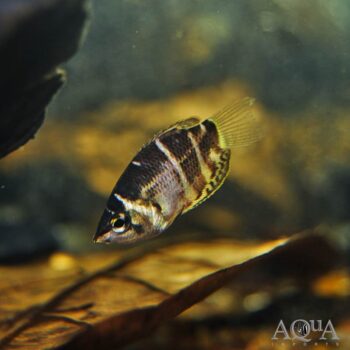
$9.99 – $12.99Price range: $9.99 through $12.99
A small, peaceful gourami species found in the blackwater peat swamps of Malaysia and Indonesia, the Chocolate Gourami has been popular in the aquarium hobby for decades due to its unique color pattern and social behavior. In the wild, it inhabits warm, highly acidic waters with pH as low as 4.0, and in the aquarium it will do best if kept in soft, slightly acidic water as well. The addition of tannins to the water by using Indian Almond Leaves or Bark is useful to help this species thrive.
-
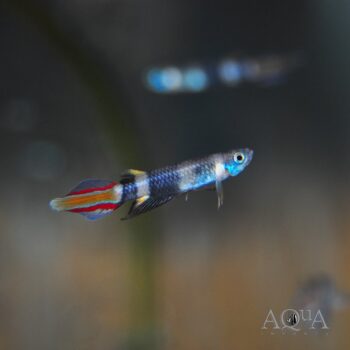
$7.99
A tiny and beautifully patterned Killifish found throughout much of West Africa, the Clown Killi has been popular in the aquarium hobby for years despite being somewhat difficult to find. In the wild, these fish are found in aggregations in lowland tropical swamps and tiny streams, usually in acidic, tannin-stained waters. In the aquarium, they are relatively hardy but do best in warm, slightly soft water with ample cover in the form of plants or branching driftwood. Like most Killifish, they tend to swim close to the water’s surface and will jump if given the opportunity so a tight fitting cover is essential. A social fish, they will do best in groups of 8-10 or more, and if given ample space will form pairs and sometimes spawn.
-
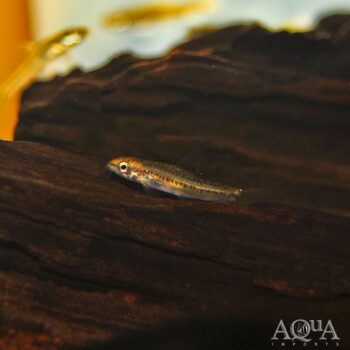
$5.99
A popular and active schooling species, the Rosy Loach is found in shallow waters throughout Eastern Myanmar where it occurs in large groups. An active, outgoing fish perfect for planted or nano aquariums, they are highly social and should be kept in groups of no less than 5 fish. They are constant grazers by nature, and have a fast metabolism so should ideally be fed more than once daily. An ideal community fish for a small aquarium, they should be kept with similarly sized peaceful species.
-
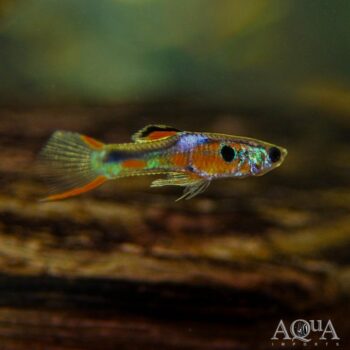
$3.99 – $4.99Price range: $3.99 through $4.99
An aquarium hobby classic, the Endler’s Livebearer or Endler’s Guppy originated with strains of wild livebearers in Venezuela but over decades in the trade has been hybridized with similar species to create a wide array of color patterns, fins, and body shapes. Colorful, hardy, and with a smaller adult size than the more well-known fancy guppy, these tiny livebearers make excellent subjects for nano aquariums or planted tanks. They will do well in a wide variety of water conditions but prefer well-oxygenated, slightly alkaline water. Assortment may include a variety of different strains.
-
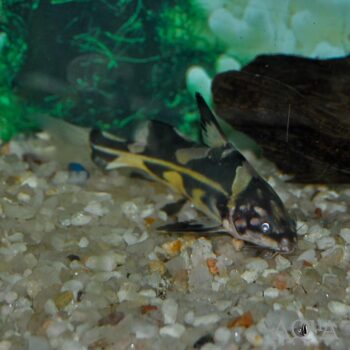
$59.99 – $119.99Price range: $59.99 through $119.99
A uniquely patterned catfish species originating in freshwater streams and rivers of Indonesia, the Harlequin Lancer is an active, aggressive fish which will do best in a large tank with ample hiding places. Tankmates should be chosen carefully as they will attack slower or more docile fish, especially at night.
-
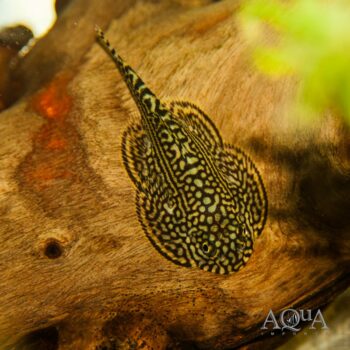
$16.99
Probably the most beautifully marked of all the Asian hillstream loaches, the Reticulated Hillstream Loach or Reticulated Butterfly Sucker is found in fast-flowing, rocky streams and creeks in Central and Northern Vietnam. Like many of their close relatives, this species is perfectly adapted for life in fast moving waters, with their modified pectoral and anal fins forming something of a natural suction cup. This unique adaptation allows them to not only attach firmly to surfaces but also to move forward against strong current and climb up sheer rock faces and waterfalls. They will do best in an aquarium with slightly cooler, well-oxygenated water with moderate to strong current. They will readily feed on biofilms, algae, and certain prepared foods like Fluval Bug Bites Pleco Formula or Repashy Gel Diet. A social and outgoing species, they will thrive in groups of 5 or more and have been successfully bred in the aquarium.
-
Sale!
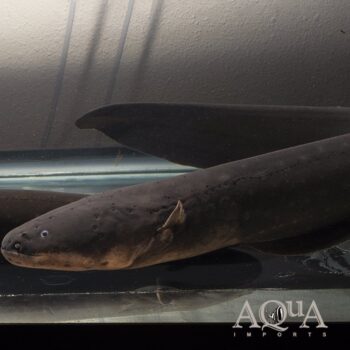
$89.99 – $379.99Price range: $89.99 through $379.99
One of the most iconic fish species of the Amazon, the Electric Eel (Electrophorus varii) is not a true eel but a knifefish – the only one in its family capable of delivering a powerful electrical shock. In the wild, these fish tend to be found in shallow, slow moving waters with lots of cover in the form of vegetation or fallen branches. Their electrical organ is used as both a defense mechanism against predators and to stun prey items. In the aquarium, electric eels are fairly hardy, but due to their huge adult size and dangerous shock they should only be kept by experienced hobbyists with a dedicated, large aquarium designed around this fish’s special requirements. Larger fish should be treated with extreme caution.
Before ordering please make sure these are not prohibited in your state
-
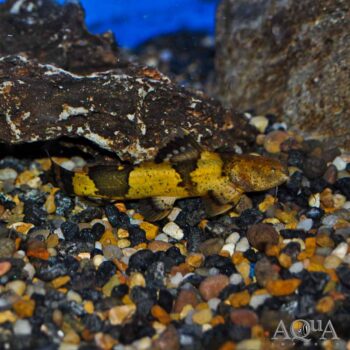
$29.99 – $64.99Price range: $29.99 through $64.99
An attractively marked, medium sized catfish, the Giant Bumblebee Catfish (Pseudopimelodus bufonius), sometimes also called Jello or Jelly Cat, is found throughout the Orinoco and Amazon basins. In the wild, it tends to be found in relatively shallow, slow moving waters – often buried in leaf litter – and is an ambush predator, feeding on small fish, insects, and crustaceans. In the aquarium, they are extremely hardy and undemanding fish, feeding on most sinking prepared foods. Like most catfish, they are nocturnal, and will spend most of the day in hiding so be sure to offer several hiding places.
-
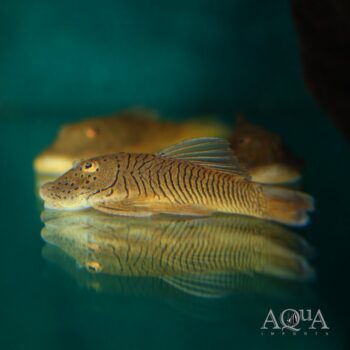
$7.99 – $9.99Price range: $7.99 through $9.99
Found in the fast-flowing, clear waters of Colombia’s Rio Meta and its tributaries, the Rubber Pleco is a hardy, popular species and among the most effective plecos for diatom and other algae control in the aquarium. In the wild, they are commonly found in rocky, shallow water areas and should be provided plenty of cover in the aquarium. They are enthusiastic feeders and will readily accept fresh veggies, Repashy gel diet, and other prepared foods designed for herbivores and algae grazers.
-
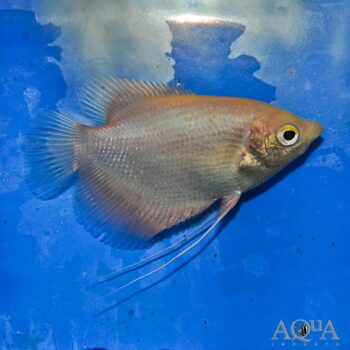
$22.99 – $279.99Price range: $22.99 through $279.99
The largest of the labyrinth fish species commonly known as Gourami, the true Giant Gourami lives up to its name, reaching an adult size of over 20″ in many cases. Despite their large size, they are typically gentle giants, and are extremely personable “pet” fish that will beg for food and often learn to recognize their owners. The gold or white form of this fish is similar to the albino form but lacks the distinctive red eyes. In the aquarium, they are hardy and undemanding but will need a suitably large tank to be kept successfully.
-
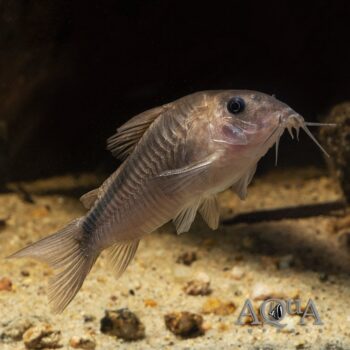
$11.99 – $39.99Price range: $11.99 through $39.99
The Black Band or Zygatus Cory (Osteogaster zygatus) is found in white and clear water streams in several upper Amazon Tributaries in Peru, Colombia, and possibly Ecuador. An attractive and active species, they are a deservedly popular Cory in the hobby. Like most of their relatives, they are peaceful, hardy, and best kept in groups due to their schooling nature.
-
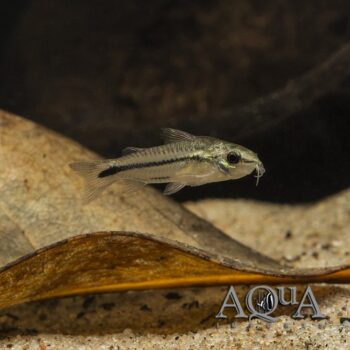
$3.49
One of the smallest species of Cory and an ideal, active schooling fish for the aquarium, the true Pygmy Cory is found in the middle and upper Amazon and Napo rivers in Colombia, Brazil, and Peru. In the wild, they are usually found in shallow stretches of whitewater or clearwater creeks or seasonally flooded forest. This species is a true shoaling fish which aggregates in groups of hundreds to thousands in nature, and unlike most Corydoras will spend a substantial amount of time swimming in the water column rather than on the substrate. In the aquarium, they will exhibit this same ‘swarming’ behavior and constant activity if kept in groups of 10 or more. With their small adult size and compatibility with almost any other small fish or invertebrate, they are an extremely popular addition to planted and shrimp tanks.
-
$15.99 – $24.99Price range: $15.99 through $24.99
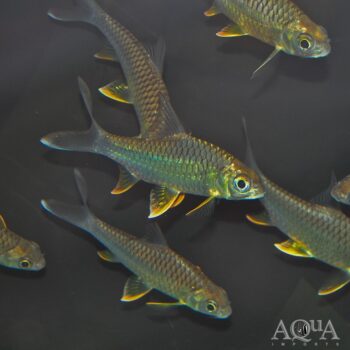
A medium growing, peaceful cyprinid found throughout Thailand and Southeast Asia, the Lemonfin or Yellowtail Tinfoil Barb is typically found in loose schools in the wild. A striking, active fish which usually inhabits well-oxygenated waters with moderate to high flow, large specimens make for an impressive display in large mixed-species aquariums. This species is a popular dither species with predatory fish and cichlid keepers as they are hardy, active, and generally compatible with most similarly-sized tankmates.
End of content
End of content