Showing 301–325 of 1981 resultsSorted by latest
-
Sale!
$19.99 – $99.99Price range: $19.99 through $99.99
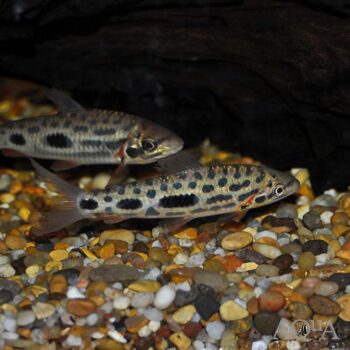
One of the most attractively marked of all Leporinus, L. granti is found throughout much of South America but remains relatively rare in the hobby, with most of the specimens imported being collected from the rivers of Suriname. More recently, this species has been tank raised in limited numbers in Southeast Asia. A large, fast-swimming, but relatively peaceful species, they make an excellent tankmate for large cichlids or characins, especially other active, fast-moving fish. As with most of their close relatives, L. granti can be prone to nip fins or scales of slower moving tankmates and can be aggressive towards conspecifics or other close relatives. Plenty of cover and strong water movement can help offset aggression in these fish.
-
$5.99
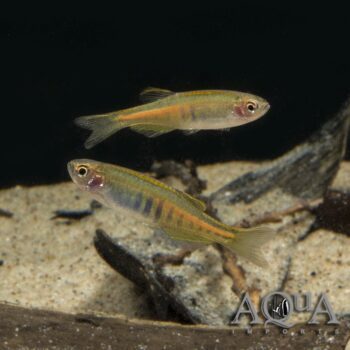
A vividly colored and hardy species of Danio originating in the shallow waters of Myamnar’s rivers and lakes, the Glowlight Danio has become a favorite in the hobby in recent years. In the wild, they inhabit clear, well-oxygenated water, usually close to aquatic vegetation or overhanging branches. An extremely active schooling fish, they do best in groups of 10 or more and prefer plenty of open space for swimming. Like most of its close relatives, they are peaceful community fish which will do well with most similarly-sized peaceful tankmates.
-
$5.99
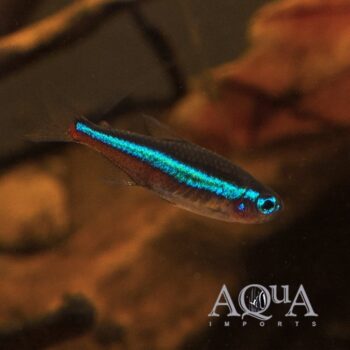
A smaller but equally colorful relative to the popular Cardinal and Neon Tetra, the Green Neon inhabits shallow, acidic waters along the Rio Negro and Orinoco in Brazil and Colombia. A peaceful schooling fish, they are best kept in groups of 10 or more, and will display their best coloration in warm, soft water in the aquarium. The addition of tannins to their water by products like Indian Almond Leaves or the use of natural driftwood will also help promote their most vibrant colors and behaviors. A great species for the smaller planted aquarium.
-
$14.99 – $174.99Price range: $14.99 through $174.99
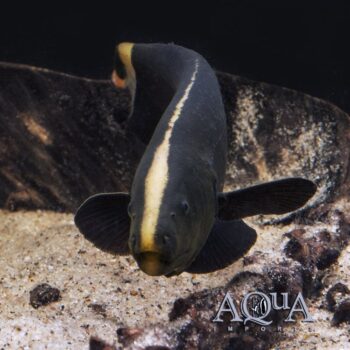
A longtime aquarium favorite, the Black Ghost Knifefish is a distinctive and unusual knifefish found throughout much of the Amazon and its major tributaries. A nocturnal and generally shy fish, like all knifefish they use a weak electrical discharge to sense their surroundings and find food. Although slow growing, they can reach the impressive size of 14″ or more and tend to prey on smaller fish as they grow. Black Ghost Knifefish are intelligent, often learning to eat from their owner’s hands or even to allow themselves to be “pet” once adapted to aquarium life. In the aquarium, they require plenty of cover, and may be outcompeted for food by more aggressive tankmates but are otherwise hardy and adaptable. This species is territorial, and generally best kept one per aquarium especially as adults.
-
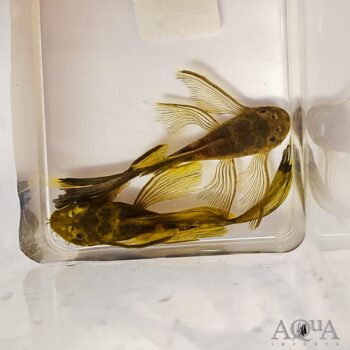
$44.99 – $149.99Price range: $44.99 through $149.99
A recently developed and sought after strain of the popular Bristlenose Pleco, the Longfin Green Dragon Ancistrus displays unmistakable greenish coloration paired with extremely long, flowing fins. Like all Bristlenose Plecos, they are exceptional algae eaters, grazing on diatoms and other nuisance algae in the aquarium. They are also plant and invertebrate safe, making them a unique and colorful addition to planted or aquascaped tanks.
-
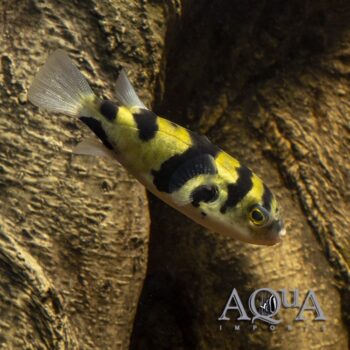
$24.99 – $32.99Price range: $24.99 through $32.99
A true freshwater pufferfish found throughout the entire Amazon Basin, the Amazon Puffer or South American Puffer is a small growing and relatively peaceful species that inhabits shallow water habitat. They are usually found in medium to large aggregations in sandy shallows, often in sediment-laden whitewater rivers or streams. In the aquarium, they are one of the few puffer species which will thrive in groups, and they are generally safe with similarly-sized, fast moving tankmates. Amazon Puffers are primarily carnivores but will usually accept a wide variety of frozen and freeze dried foods. Hard-shelled prey items are a necessary addition to their diet, so snails, shrimp, small crayfish, and other molluscs should be offered regularly to ensure their sharp beaks do not get overgrown.
-
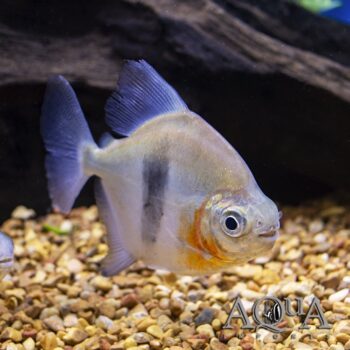
$39.99 – $54.99Price range: $39.99 through $54.99
A distinctively marked large schooling characin, the Black Bar Myleus or Black Bar Silver Dollar makes an impressive display fish in a tank of large cichlids or predatory fish or as a centerpiece fish on their own. With their distinctive vertical black bar, elongated dorsal and anal fins, and combination of silver, red, and iridescent blue coloration, mature specimens are spectacular fish and will display the best behavior and color in a group of 5 or more. With a wide range spanning much of the Amazon and Orinoco basins, M. schomburgkii has several distinctive regional color variants, with the Orinoco form also known as “blue hook” or “emperor blue hook” due to the iridescent blue they display as adults.
-
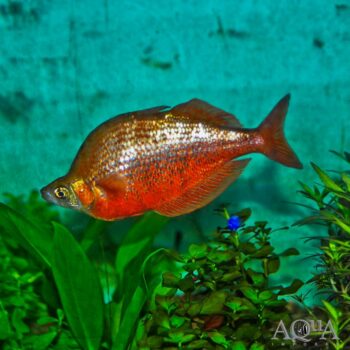
$9.99 – $19.99Price range: $9.99 through $19.99
A beautiful and larger-growing species of rainbowfish, the New Guinea Red Rainbow makes for a stunning centerpiece fish for medium to large community or planted aquariums. With their deep red coloration (more intense in males) and extremely active nature, they add a splash of color to almost any freshwater aquarium. As with most rainbowfish, they are best kept in groups of 5 or more fish and will do best in an aquarium with ample cover (such as live or artificial plants).
-
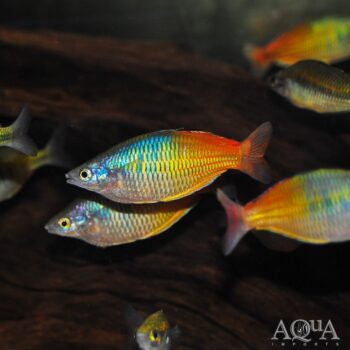
$9.99 – $22.99Price range: $9.99 through $22.99
One of the most popular rainbowfish in the hobby, the Boesemani Rainbow originates from remote lakes in Irian Jaya, Indonesia but has been bred for the aquarium trade for many years. A peaceful, loosely schooling species, this rainbow is ideal for most medium-sized community aquariums and is especially popular for planted tanks. For the best behavior and color, we recommend keeping these fish in groups of at least 5 or more.
-
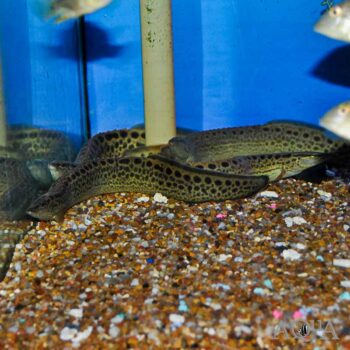
$44.99 – $149.99Price range: $44.99 through $149.99
A freshwater eel originating from the Salween river along the Thailand/Myanmar border, the Leopard Eel is an as-yet undescribed species closely related to the more commonly seen Tiretrack Eel. An ambush predator in its natural habitat. In the aquarium, they are hardy but can be shy at first – be sure to provide plenty of cover. Although recently imported fish can be finicky eaters, they will usually learn to accept a variety of frozen foods. Like most freshwater eels, these fish should be kept in tightly covered aquariums as they will utilize even small openings to escape.
-
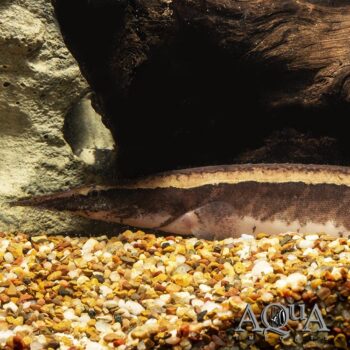
$109.99 – $159.99Price range: $109.99 through $159.99
An uncommon and beautifully marked freshwater eel from the acidic freshwater swamps of Borneo, the Python Eel is a well-camouflaged ambush predator in its natural habitat. In the aquarium, they are hardy but can be shy at first – be sure to provide plenty of cover. Although recently imported fish can be finicky eaters, they will usually learn to accept a variety of frozen foods. Like most freshwater eels, these fish should be kept in tightly covered aquariums as they will utilize even small openings to escape.
-
Sale!
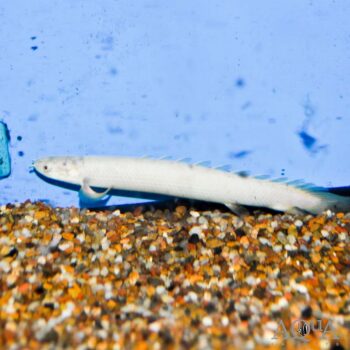
$299.99 Original price was: $299.99.$249.99Current price is: $249.99.
The Senegal, or Common Bichir is the most widespread species of Polypterus in Africa, inhabiting shallow waters across a huge geographic area. This species is also the most common in the aquarium hobby and has been commercially bred in Asia for years. Like all so-called ‘platinum’ morphs, it is leucistic, exhibiting only white pigment but with black eyes. This extremely rare and prized fish is a truly impressive showpiece specimen for the true collector.
-
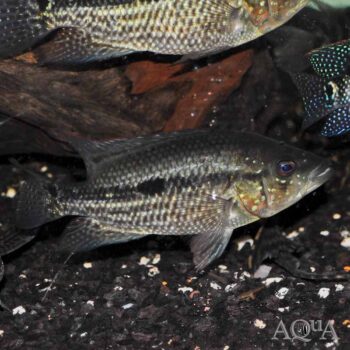
$24.99 – $99.99Price range: $24.99 through $99.99
Among the largest neotropical cichlids and a fierce predator, the Umbee (K. umbriferus) is popular in the hobby due to its aggressive and outgoing nature and beautiful blue/turquoise spotting. Best kept in a species tank or with suitable large dither fish, this active open water swimmer requires a large aquarium with plenty of open space. Wild collected specimens are particularly prized for their vibrant color.
-
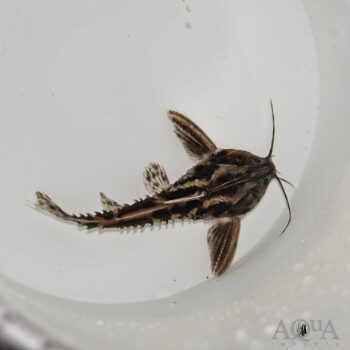
$39.99 – $359.99Price range: $39.99 through $359.99
A unique and heavily armored catfish found throughout the Amazon and its tributaries, the Irwin’s Catfish or Giant Talking Catfish is typically a gentle giant in the aquarium, ignoring most fish and being well protected from even the most aggressive tankmates. In the wild, their diet largely consists of aquatic snails, crustaceans, fruit and vegetation, but they will readily accept almost any sinking food. A great scavenger to help manage leftover food in large cichlid or predatory fish displays, they do grow to a huge adult size and will require a tank of 180 gallons at the bare minimum.
-
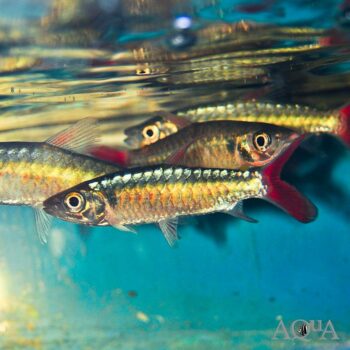
$19.99 – $24.99Price range: $19.99 through $24.99
A larger growing and colorful characin, the Pinktail Chalceus is found throughout much of the Amazon and Orinoco basins. In the aquarium, they are hardy and long lived, but tend to be skittish and shy if not kept in a group of 3 or more fish. With their size and bold demeanor, these tetras make an ideal dither fish for medium sized South American Cichlids. Their tank should be kept tightly covered as they are easily spooked and likely to jump out if given the opportunity.
-
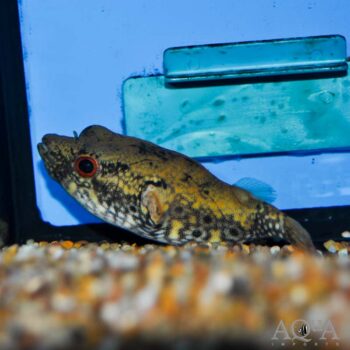
$49.99 – $79.99Price range: $49.99 through $79.99
A colorful and unique freshwater puffer found throughout Southeast Asia, the Dragon or Humpback Puffer (Pao palembangensis) is an ambush predator, spending much of its time laying in wait on the substrate for unsuspecting prey to pass in front of them. In the aquarium, they are a relatively hardy puffer but they are likely to attack most tankmates eventually. This species can usually be successfully kept in groups provided they have plenty of tank space and hides or caves.
-
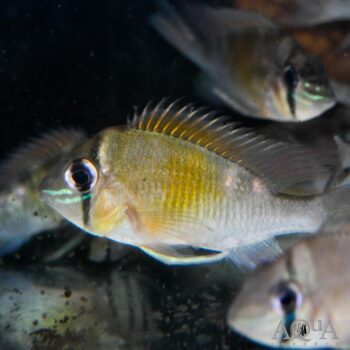
$22.99 – $64.99Price range: $22.99 through $64.99
A peaceful and colorful medium-sized cichlid, the Cupid Cichlid is found throughout much of the middle Amazon basin and its tributaries. A social species, they tend to do best in groups and will coexist with a variety of similarly peaceful cichlids or other fish species. They occur in various color forms throughout their range, with the fish found in the lower and middle Rio Itaya in Peru exhibiting a vivid red blush through the face and body. A close relative of the South American Eartheaters (Geophagus, Satanoperca), they will sift through sand looking for food particles in the aquarium but are generally planted tank safe.
-
Sale!
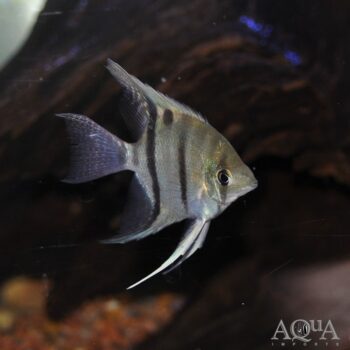
$44.99 – $64.99Price range: $44.99 through $64.99
A distinctive wild relative of the well-known Freshwater Angelfish (P. scalare), the Longnose, Demini Angel or Leopoldi Angel (Pterophyllum leopoldi) is known from the Rio Negro drainage in Brazil and some middle Amazon tributaries. With a much less elongated body and shorter fins than most other wild type angels, this species can easily be distinguished by their prominent black spot below the dorsal fin and namesake longer “nose“ than its congeners. In the aquarium, they are peaceful for a cichlid but more pushy and sometimes aggressive than the typical Freshwater Angelfish. The Leopoldi Angelfish is a hardy fish that will do well in a variety of conditions in the aquarium but slightly soft, warmer water is preferred. Specimens from the Rio Demini (a tributary of the middle Rio Negro in Brazil) are known for their striking iridescent blue/green coloration, especially around the gill plate.
-
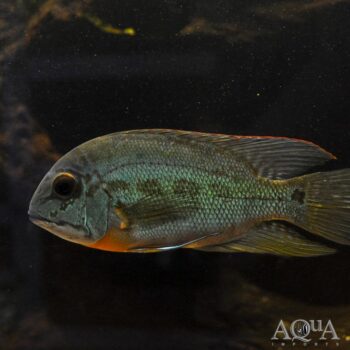
$32.99 – $119.99Price range: $32.99 through $119.99
A large growing and unique cichlid from the warm, acidic waters of the Orinoco and Negro rivers, the True Parrot Cichlid gets its name from the vibrant markings around its face (which locals in its native range consider similar to their native macaws). In the wild, they are usually found in slow moving, relatively shallow water habitat, where temperatures may exceed 86F and pH as low as 4.0. In the aquarium, they are quite adaptable but will show their best coloration in warm, slightly acidic water. Parrot Cichlids are sensitive to water quality and regular large water changes should be performed to ensure low levels of nitrate and organics.
-
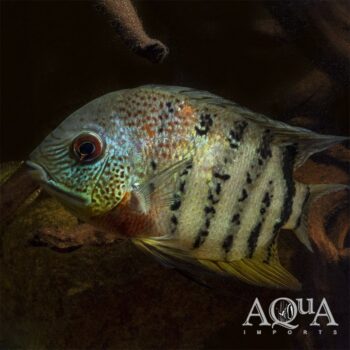
$40.99 – $169.99Price range: $40.99 through $169.99
The rare and exceedingly beautiful Tiger or Curare Severum originates from the far upper reaches of the Rio Negro in Colombia, near the town of San Felipe. This large growing fish are likely the “true” Heros severus, and only very recently have made their way into the hobby. As wild fish from extremely acidic waters, they will display their best colors in a similar setup with soft, low-pH water. Generally peaceful towards similar sized tankmates, they can be aggressive towards each other and should be kept singly or in a large group of 5 or more fish (they will get along with most other Heros species as long as the group is large enough).
-
Sale!
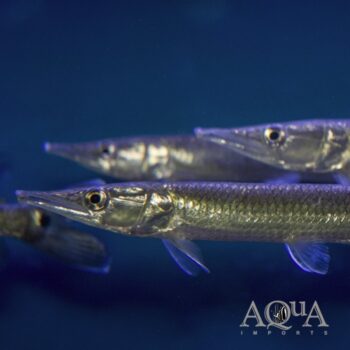
$16.99 – $39.99Price range: $16.99 through $39.99
A unique predatory fish found throughout South America, the Hujeta or Silver Gar is not a true gar but related to tetras and other characins. Although they will readily hunt and eat fish smaller than they are, these fish are fairly peaceful towards appropriately-sized tankmates and will do best in small groups. They are fairly hardy fish, and will thrive in a variety of water parameters. Hujeta Gars are surface-dwelling fish, and will jump if given the opportunity so a tight fitting lid is essential.
-
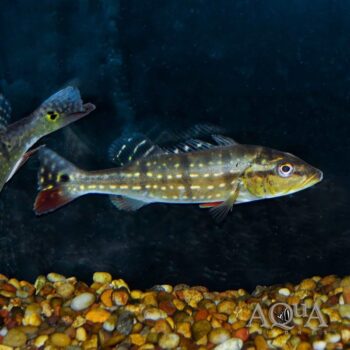
$29.99 – $199.99Price range: $29.99 through $199.99
A large, beautifully marked, and sought after species of Peacock Bass, the Temensis Peacock Bass (Cichla temensis) is found in the warm blackwater reaches of the Negro and Orinoco River basins in Colombia, Venezuela, and Brazil. in its native range, it is an important food fish, and its huge adult size and predatory nature make them suitable for only huge aquariums. These fish are powerful swimmers and need ample open space in the aquarium (which should also be tightly covered, as they can easily jump). An impressive show fish for the experienced hobbyist.
-
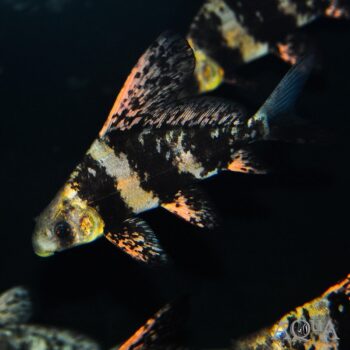
$34.99 – $99.99Price range: $34.99 through $99.99
An unusual and mostly temperate species of large growing Cyprinid, the Chinese High Fin Banded Shark or Loach originates from parts of the Yangtze drainage in China but is now aquacultured within that country on a fairly large scale. An algae grazer and herbivore, these fish inhabit clear, well-oxygenated waters, often in loose schools. Due to their huge adult size, this fish is best suited for temperate outdoor ponds (either outdoor or indoor), and is often kept with koi or goldfish as an impressive display fish in their own right and useful nuisance algae grazers.
-
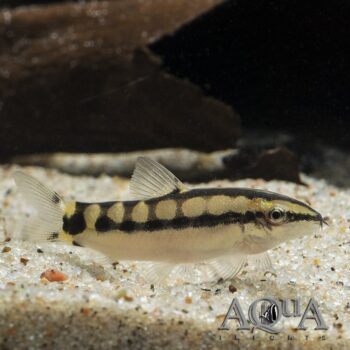
$15.99
One of the smallest species of Botia and a longtime favorite in the aquarium hobby, the Dwarf Chain Loach or Sidthimunki Botia is a peaceful, active schooling fish ideally suited to most community or planted tanks. Originally found in river systems along the Thai/Myanmar border, they are now produced commercially for the aquarium trade. Like most Botias and Loaches, they are social fish and should be kept in groups of at least 3 to 5 specimens.
-
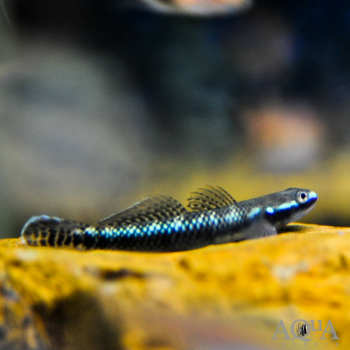
$13.99
The most colorful of all freshwater gobies in the genus Stiphodon, the Cobalt Blue Goby originates from fast moving rocky streams in West Papua, Indonesia. In the wild, it lives in small groups where individual fish stake out their own territories among the rocks. They feed on algae growth and biofilms in the wild and in the aquarium should be fed algae or vegetable based sinking foods (gel diets are ideal). They require clean, well-oxygenated water with some current and will do best at slightly cooler temperatures than most tropical fish (74-76F).
End of content
End of content