Showing 376–400 of 1981 resultsSorted by latest
-
$49.99
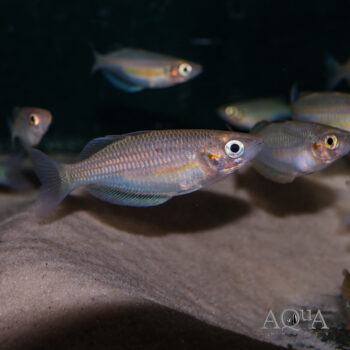
Native only to Waigeo Island, West Papua, the Waigeo Rainbowfish (Melanotaenia catherinae) is a rare fish to come by in the hobby. They are known to be energetic yet peaceful schooling fish, making them suitable tankmates for freshwater community tanks. Similar to other rainbowfish, they are generally peaceful schooling fish and should be kept in a group of 5 or more.
-
$19.99
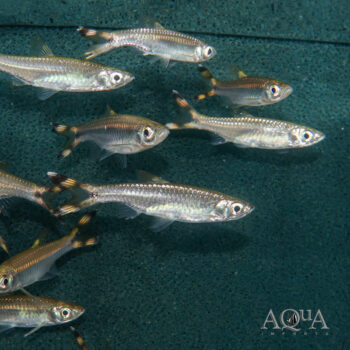
The Red Scissortail Rasbora (Rasbora caudimaculata) also known as the Greater Scissortail Rasbora makes a great addition for the medium to large sized community aquarium or planted tank. In the wild, they inhabit slow moving streams and creeks with sandy substrate and soft, acidic and often tannin-stained waters, usually among aquatic plants or fallen branches. Like most schooling rasboras, they are best kept in groups of 10 or more and will thrive with most peaceful tankmates. Keep in mind, even though they are small at purchase, they grow much larger than many commonly known rasboras.
-
$44.99
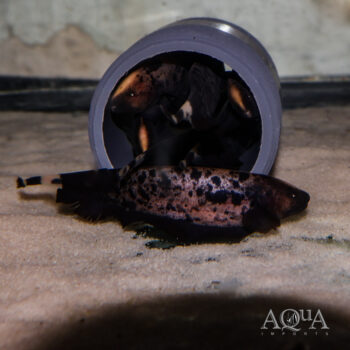
The White Leopard Ghost Knifefish is a selectively bred variant of the longtime aquarium favorite, the Black Ghost Knifefish is a distinctive and unusual knifefish found throughout much of the Amazon and its major tributaries. A nocturnal and generally shy fish, like all knifefish they use a weak electrical discharge to sense their surroundings and find food. Although slow growing, they can reach the impressive size of 14″ or more and tend to prey on smaller fish as they grow. Black Ghost Knifefish are intelligent, often learning to eat from their owner’s hands or even to allow themselves to be “pet” once adapted to aquarium life. In the aquarium, they require plenty of cover, and may be outcompeted for food by more aggressive tankmates but are otherwise hardy and adaptable. This species is territorial, and generally best kept one per aquarium especially as adults.
-
$9.99
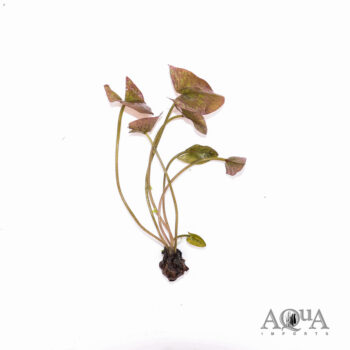
Easily grown from a healthy bulb, the Tri-Color Lotus (Nymphaea micrantha) is a medium to large-leafed plant sure to add a unique touch to your freshwater tank. This unusual plant is a fantastic choice for beginner and expert aquarists alike due to its hardiness and fast growth. The Tri-Color Lotus is known for both its exquisite colorful leaves and its lily pads that it shoots to the surface to blossom!
-
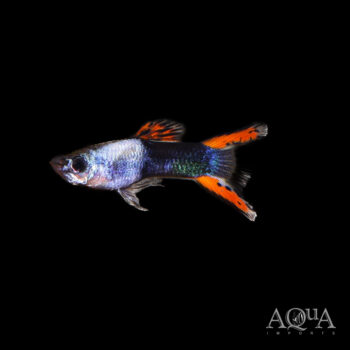
$7.99
An aquarium hobby classic, the Endler’s Livebearer (Poecilia wingei) or Endler’s Guppy originated with strains of wild livebearers in Venezuela but over decades in the trade has been hybridized with similar species to create a wide array of color patterns, fins, and body shapes like the Metallic Tuxedo Endler’s Livebearer. Colorful, hardy, and with a smaller adult size than the more well-known fancy guppy, these tiny livebearers make excellent subjects for nano aquariums or planted tanks. They will do well in a wide variety of water conditions but prefer well-oxygenated, slightly alkaline water. Assortment may include a variety of different strains.
-
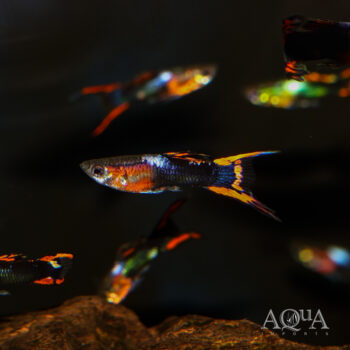
$6.99
An aquarium hobby classic, the Endler’s Livebearer (Poecilia wingei) or Endler’s Guppy originated with strains of wild livebearers in Venezuela but over decades in the trade has been hybridized with similar species to create a wide array of color patterns, fins, and body shapes like the Black Flame Endler’s Livebearer. Colorful, hardy, and with a smaller adult size than the more well-known fancy guppy, these tiny livebearers make excellent subjects for nano aquariums or planted tanks. They will do well in a wide variety of water conditions but prefer well-oxygenated, slightly alkaline water. Assortment may include a variety of different strains.
-
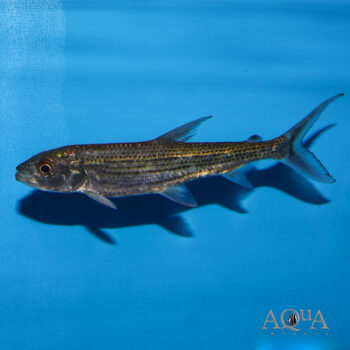
$249.99
One of the largest and most fearsome predatory fish species found in Africa’s freshwater rivers and lakes, African Tigerfish are challenging fish to keep both due to their huge adult size and somewhat delicate temperament. They require clean, well-oxygenated water and will do best with moderate to high water flow. Recommended only for experienced fish keepers with the largest home aquariums.
-
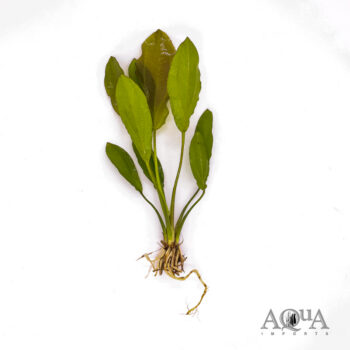
$8.99
Golden Melon Sword Plant (Echinodorous osiris) product description coming soon.
-
Sale!
$12.99 Original price was: $12.99.$11.99Current price is: $11.99.
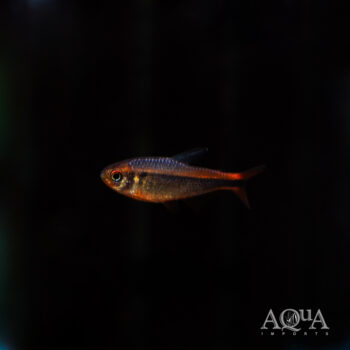
The Fire Ant Tetra (Hyphessobrycon myrmex) is a rare dwarf tetra from the Rio Juruena in the upper basin of the Rio Tapajós. This colorful Hyphessobrycon species is found in clear waters with a sandy rocky bottom. Dominant males display spectacular intense red coloration. Like most tetras, these shoaling fish are best kept in groups of 5 or more. In the aquarium they are peaceful and readily accept prepared foods.
-
$26.99
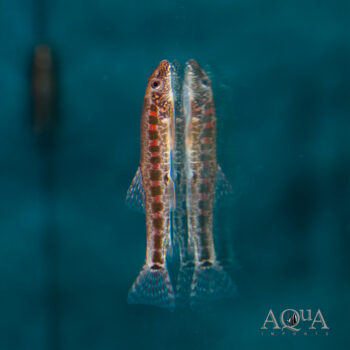
The Erromyzon Hillstream Loach (Erromyzon kalotaenia) is a distinctive, attractively marked hillstream loach found in the fast moving well oxygenated streams of Guangxi, China. In the aquarium, they are hardy fish as long as their wild habitat is replicated as closely as possible, with clean, aerated water, large smooth rocks, and moderate to fast flow being essential to keep this species thriving long term. A grazer and opportunistic feeder, they should be given a varied diet high in algae or vegetable content like Fluval Bug Bites Pleco Formula or Repashy Gel Diet. A social fish, they should be kept in groups of at least 3.
-
$7.49
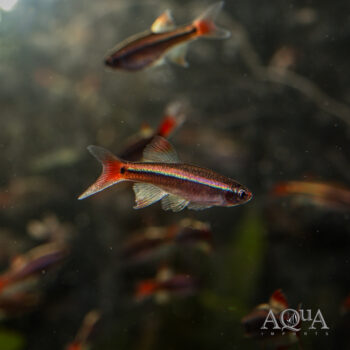
The Longfin White Cloud Minnow (Tanichthys albonubes), is a selectively bred variant of the White Cloud Mountain Minnow. It is a temperate fish native to the rivers of China. Growing up to an inch and a half, this fish is a popular choice kept either on their own or in a community tank with similarly sized fish. The White Cloud Minnow will thrive best in groups of 5 or more. They are recognized for their shimmery bronze body with splashes of color throughout!
-
$39.99
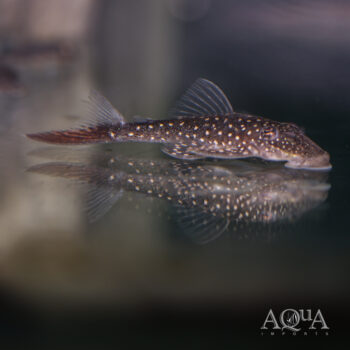
An unusual pleco found in parts of the upper Amazon river in Peru, the L228 Whitespotted Half Fin Pleco (Lasiancistrus sp. L228) tends to be found in fast moving water but little else is known about its habits in the wild. In the aquarium, they are hardy and outgoing for a pleco, and will accept a wide range of foods from Repashy gel diet to sinking wafers.
-

$21.99
A medium sized, attractively marked characin, the Yellow Flagtail Prochilodus (Semaprochilodus kneri) is found throughout much of South America, usually in massive shoals. A peaceful, omnivorous fish, they are a popular and sought after addition to very large community tanks and make great dithers for predatory fish or large cichlids. In the wild, they are a migratory species and cross huge distances to spawn. In the aquarium, they prefer clean, oxygen-rich water with moderate current and will do best with a varied diet high in plant matter. This species can be a useful nuisance algae eater for larger aquariums or those with large or predatory species.
-
$39.99
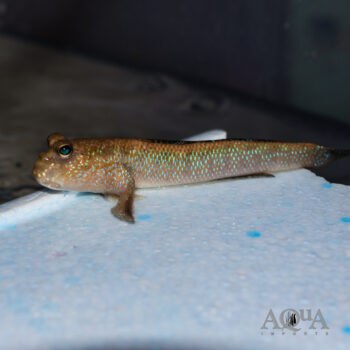
The Blue Mudskipper (Periophthalmodon septemradiatus) is a fascinating member of the family Gobiidae which like all mudskippers are specially adapted for life outside of the water. Found throughout the coastal Indo-Pacific, this species inhabits tidal mud flats, often in large groups with a defined social hierarchy. In the wild, they are adept predators that use their modified pectoral fins to hop across land and climb trees to catch insects and small crustaceans but in the aquarium will accept most frozen and freeze dried foods. An ideal aquarium setup for this species would include relatively shallow water with plenty of driftwood or other structure emerging above the waters surface giving them space to climb and form territories. Being a primarily coastal species, they will do best in moderate to strong brackish water (salinity of 10-20ppt) and should be kept in groups.
-
$17.99
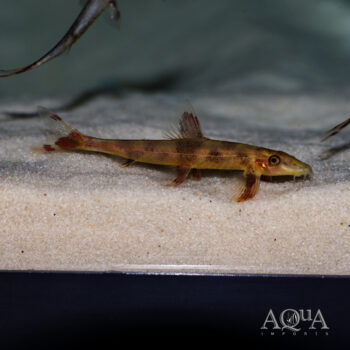
The Ogilvie’s Lizard Hillstream Loach (Homaloptera ogilviei) is the smallest species in the genus Homaloptera. These loaches reside in fast-moving, rocky streams in Malaysia, Sumatra, and Borneo where they use their modified pectoral fins to attach themselves to the rocky substrate and move among the rocks in search of food. In the wild, they are grazers and generalists, feeding on algae, biofilm, and small insects and crustaceans. In the aquarium, they do best when kept under similar conditions to their wild habitat – rocks, ample current, and well-oxygenated water. Although they will accept a number of prepared sinking foods, it’s important to supplement their diet with algae- or veggie-based food.
-
$12.99
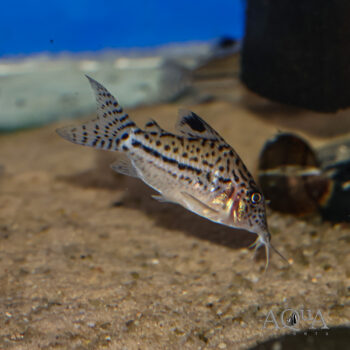
A large growing and intricately patterned catfish, the Gomez Cory (Brochis gomezi) is found in the Amazon basin around the region where Brazil, Colombia and Peru come together. Like most cory catfish, they are peaceful, hardy, and best kept in groups due to their schooling nature. Because of their larger adult size than most of their relatives, this species makes for great bottom feeders or dithers in aquariums with medium South or Central American Cichlids or other predatory fish which aren’t large enough to try to make a meal of them.
-
$29.99
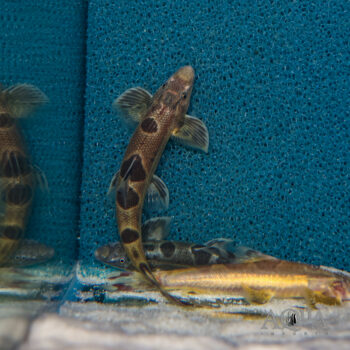
A resident of fast-moving, rocky streams in Sumatra, Spotted Lizard Hillstream Loaches (Homaloptera ocellata) use their modified pectoral fins to attach themselves to the rocky substrate and move among the rocks in search of food. In the wild, they are grazers and generalists, feeding on algae, biofilm, and small insects and crustaceans. In the aquarium, they do best when kept under similar conditions to their wild habitat – rocks, ample current, and well-oxygenated water. Although they will accept a number of prepared sinking foods, it’s important to supplement their diet with algae- or veggie-based food.
-
Sale!
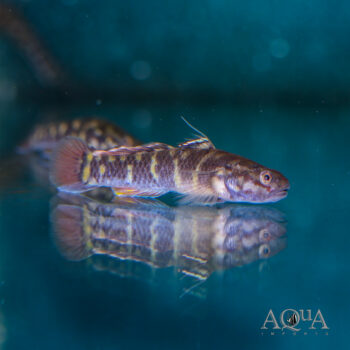
$19.99 Original price was: $19.99.$15.99Current price is: $15.99.
The Kanu Goby (Mugilogobius mertoni) or Chequered Mangrove Goby is a brackish goby found throughout much of the Indo-Pacific. They can be found in freshwater, but generally inhabit brackish to full marine environments. Colorful, hardy, and not picky feeders, they are a great addition to any brackish or marine aquarium with suitable tankmates. These gobies are are generally peaceful, but can become territorial with other gobies, especially other males.
-
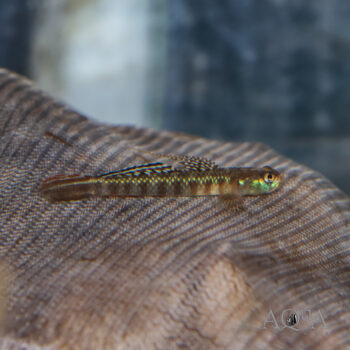
$29.99
A unique freshwater goby in the genus Stiphodon, the Golden Red Neon Stiphodon Goby (Stiphodon rutilaureus) originates from fast moving rocky streams. In the wild, it lives in small groups where individual fish stake out their own territories among the rocks. They feed on algae growth and biofilms in the wild and in the aquarium should be fed algae or vegetable based sinking foods (gel diets are ideal). They require clean, well-oxygenated water with some current and will do best at slightly cooler temperatures than most tropical fish (74-76F).
-
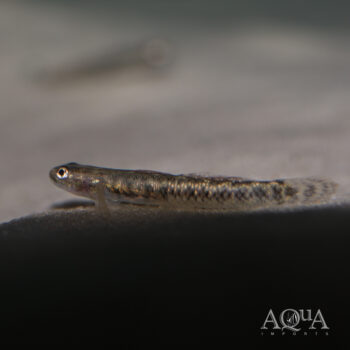
$29.99
A unique freshwater goby in the genus Stiphodon, the Golden Black Stiphodon Goby (Stiphodon aureofuscus) originates from fast moving rocky streams. In the wild, it lives in small groups where individual fish stake out their own territories among the rocks. They feed on algae growth and biofilms in the wild and in the aquarium should be fed algae or vegetable based sinking foods (gel diets are ideal). They require clean, well-oxygenated water with some current and will do best at slightly cooler temperatures than most tropical fish (74-76F).
-
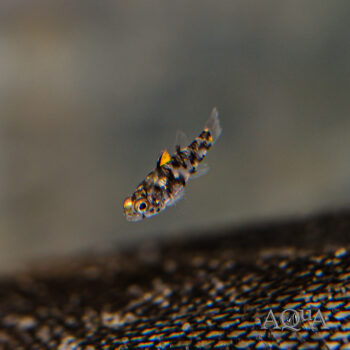
$8.99
The Roux’s Pygmy Goby (Pandaka rouxi) is one of the smallest species of fish known, not obtaining a size larger than a half inch in length. These brackish nano fish can be challenging to keep, being such small micropredators, providing small enough food items is essential for their long-term care.
-
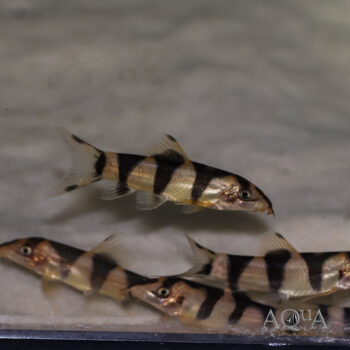
$34.99
Two longtime aquarium hobby favorites, the Yo Yo Loach and Clown loach have successfully been crossbred and are now available to hobbyists. Like most loaches, they are a social fish, and are best kept in a group of at least 5 fish. Hardy, active, and attractively patterned, they are generally peaceful toward most tankmates and make for excellent snail control in a planted or aquascaped aquarium (so should not be kept with snails or any small invertebrates).
-
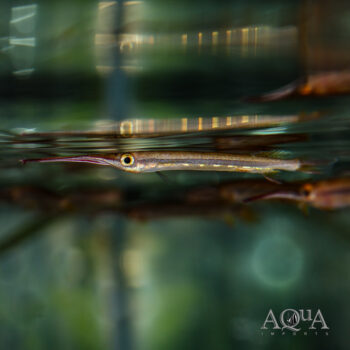
$34.99
A rarely seen and beautifully marked species of halfbeak originating in Borneo, the Gold Spot Halfbeak (Hemirhamphodon chrysopunctatus) is unlike most of its relatives as it is found not in brackish water or estuarine areas but in soft, slow flowing streams inland. In the aquarium, this unique surface dwelling species makes an excellent tankmate for similar Southeast Asian blackwater fish like microrasboras, dwarf or chocolate gourami, and other species found in similar warm, acidic, shallow water habitat. This species does best in small groups and in an aquarium approximating their wild habitat with tannin-rich water, moderate current, and plenty of surface cover in the form of floating vegetation or branching driftwood close to the water’s surface.
-
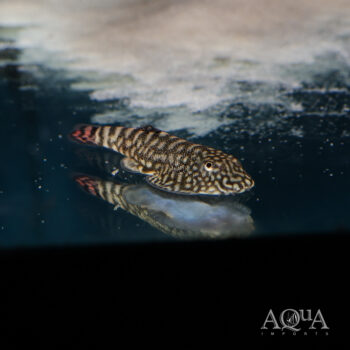
$29.99
The SK01 Pink Tail Borneo Sucker Loach (Gastromyzon sp. SK01) is a distinctive, attractively marked hillstream loach found in fast-moving streams in Western Borneo. Sucker Loaches are found among rocks in well-oxygenated waters. In the aquarium, they are hardy fish as long as their wild habitat is replicated as closely as possible, with clean, aerated water and moderate to fast flow being essential to keep this species thriving long term. A grazer and opportunistic feeder, they should be given a varied diet high in algae or vegetable content like Fluval Bug Bites Pleco Formula or Repashy Gel Diet. A social fish, they should be kept in groups of at least 3.
-
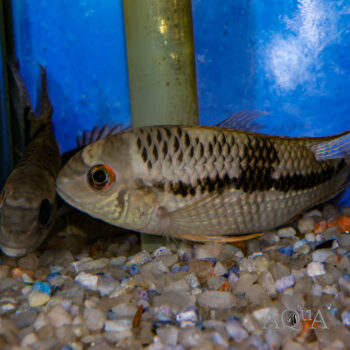
$174.99
The Diadema Cichlid, or Royal Acara (Aequidens diadema), is a colorful, medium-sized cichlid found throughout the Amazon in a variety of habitat types. A hardy and colorful fish, they are fairly aggressive for their small adult size and are best kept with larger cichlids or dither species like silver dollars or other large characins. They make a great addition to a large cichlid community aquarium.
End of content
End of content