Showing 501–525 of 1981 resultsSorted by latest
-
$6.99
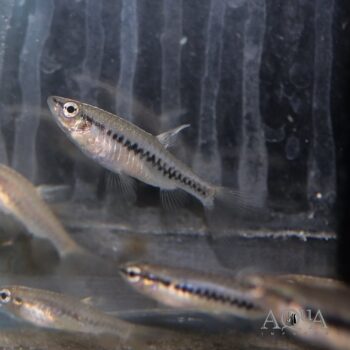
This Zigzag Pyrrhulina is a member of the unusual tetra relatives collectively known as Copeinas and Pyrrhulinas (family Lebiasinidae). The Pyrrhulina zigzag is a small sized characin that can be distinguished from its relatives by its horizontal zigzag band across it’s body. Like most of its close relatives, this is a loosely schooling species that will do best in groups of 5 or more and will get along well with most similarly sized, peaceful tankmates. Subdued lighting, plenty of cover in the form of driftwood or floating plants, and slightly soft water will be preferable.
-
$24.99
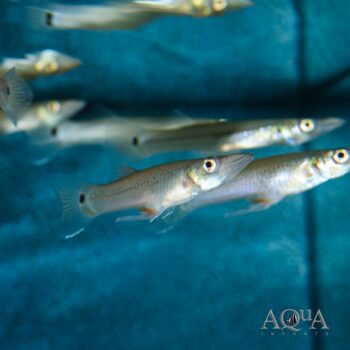
The Pike Livebearer (Belonesox belizanus) is native to the Central Americas with a population established in Florida since the mid 1900s. These unique livebearers have elongated jaws with large teeth and specialize in feeding on small fish. They can be found sitting near the surface concealed in vegetation waiting to ambush prey. They with thrive in fresh and brackish conditions.
-
$27.99
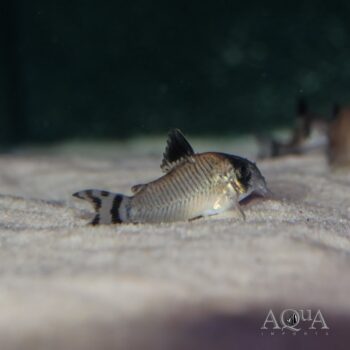
A medium-growing species of Cory, the Flag Tailed Panda Cory (Hoplisoma oiapoquense) is found in the Rio Oyapock of Brazil, where it inhabits in shallow soft/fine sand habitats. This species is similar looking to the more common Panda Cory (Hoplisoma panda) except that it exhibits the banded patterning in the caudal fin. Like most Corys, they are peaceful, hardy, and best kept in groups of 5 or more due to their schooling nature. An excellent community aquarium fish, they will do well with nearly any non-aggressive tankmates.
-
$14.99
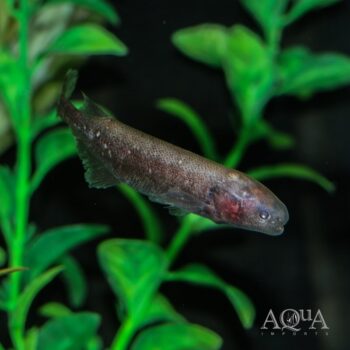
The African Baby Whale (Brienomyrus brachyistius) is a species of mormyrid found throughout much of West Africa. This weak electrical fish uses electrical signals to communicate and locate food. They will accept bloodworms and other frozen foods in the aquarium. Keep in mind, they can be very territorial so choose tankmates wisely.
-
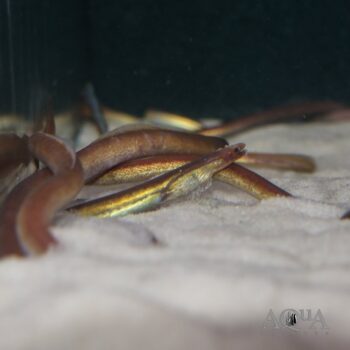
$29.99
The Purple Spaghetti Eel (Moringua raitaborua) is a rarity in aquarium hobby. They can be found in the estuarine fresh and brackish waters of India. They spend much of their time buried in the substrate so be sure to provide several inches of fine sand in their aquarium.
-
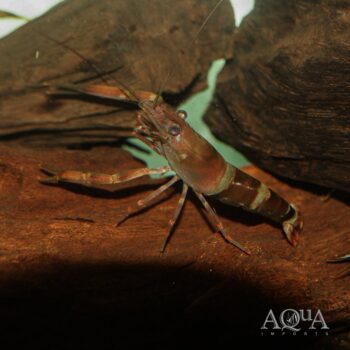
$29.99
The Candy Shrimp (Macrobrachium agwi) is a rare species in the aquarium trade originating from northern India. They can grow up to 2.5 inches long, not including the claws. Females are smaller than males. Please keep in mind that they are a semi-aggressive species and may feed or fight with smaller invertebrates and fish.
-
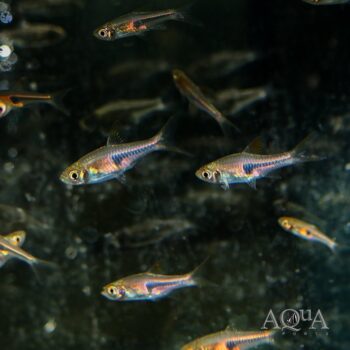
$3.99
A colorful and actively schooling Rasbora found throughout parts of Thailand, the Slender Harlequin, Lambchop, or Espei Rasbora makes an ideal addition to a small to medium sized community aquarium or planted tank. In the wild, they inhabit slow moving streams and creeks with sandy substrate and soft, acidic and often tannin-stained waters, usually among aquatic plants or fallen branches. A hardy and adaptable fish in the aquarium, they have been an aquarium hobby classic for many years and are commercially bred all over the world to supply the aquarium trade. Like most schooling rasboras, they are best kept in groups of 10 or more and will thrive with most similarly-sized peaceful tankmates.
-
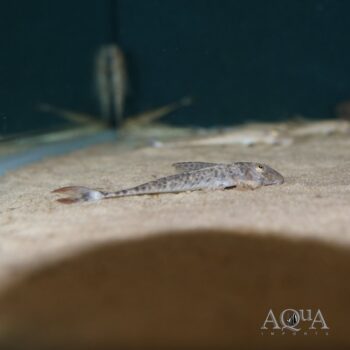
$49.99
Harttia punctata is a rarely imported catfish from the mid to upper Tocantins River basin. They prefer well oxygenated water with strong current. In the wild they feed mostly on biofilms and diatom algae and will accept most algae based pellets and wafers in the aquarium.
-
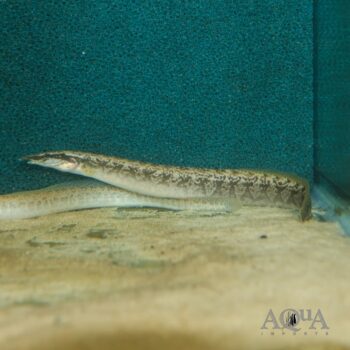
$59.99
Mastacembelus congicus product description coming soon.
-
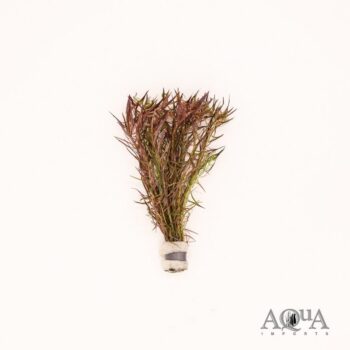
$7.49
Product description coming soon
-
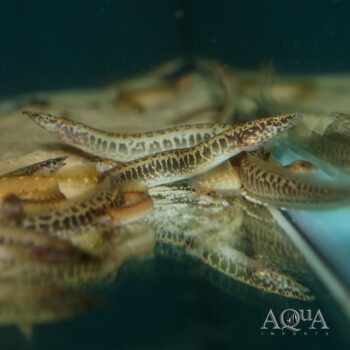
$49.99 – $74.99Price range: $49.99 through $74.99
A medium sized, beautifully marked species of spiny eel, the Greshoff’s Spiny Eel (Mastacembelus greshoffi) is found in Central Africa, where it ranges from the Congo River Basin to several of the Rift Lakes as well as lake and riverine habitat in the surrounding areas. Hardy and more outgoing than many of their relatives, these fish make a unique addition to medium to large aquariums and will generally do well with any fish too large to become a meal. Like most spiny eels, they can be a bit slow to feed at first, so care should be taken to ensure they are getting enough food. Frozen bloodworms are usually accepted readily.
-
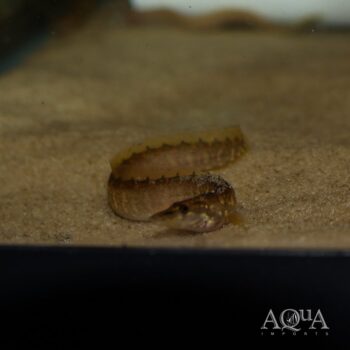
$39.99
Mastacembelus marchei product description coming soon.
-
$34.99
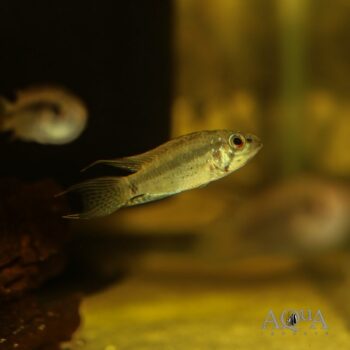
Apistogramma piaroa is one of the more attractively colored Dwarf Cichlids in the hobby, with mature males displaying extended caudal fins and tall dorsal spines. A hardy and relatively peaceful species, they are ideal for smaller aquariums and do best with ample cover in the form of plants, driftwood, and small caves. In the wild, they inhabit warm, acidic, tannin-stained waters and an aquarium that replicates these conditions as closely as possible will result in optimal coloration and natural behavior.
Note on wild-collected Apistogramma sp.:
While we will make our best efforts to select male/female pairs for customer orders, sexing small- and medium-sized wild Apistogramma is not always exact and we do not guarantee a particular sex ratio. We recommend buying these fish in larger groups if a particular ratio of males to females is desired.
-
$6.99
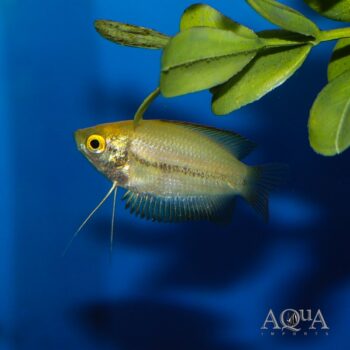
The Gold Honey Gourami (Trichogaster chuna) is a smaller species of Gourami originating from India and often confused with the Thick Lipped Gourami (Trichogaster labiosa). Both species are commercially farmed and sometimes hybridized. They can range from red to orange and yellow in coloration. Honey Gourami do best in aquariums with lower flow rates and plenty of cover like plants providing shady areas to reside.
-
$6.99
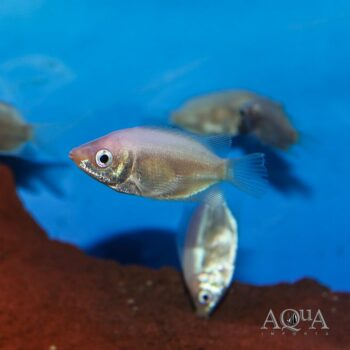
The Pink Kissing Gourami (Helostoma temmincki) gets its name from the unique kissing behavior it exhibits. Their mouth contains an extra joint that allows it to articulate with extra range of motion to easily feed off the substrate. In nature, they can be found in two color morphs- green and pink variants. Consideration should be taken when purchasing these fish since they get fairly large and can be somewhat territorial.
-
Sale!
$119.99 Original price was: $119.99.$99.99Current price is: $99.99.
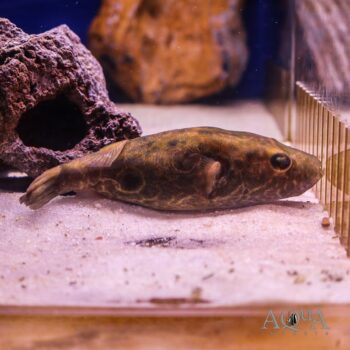
An attractive and uncommonly imported freshwater puffer the Thai Puffer is typically found in shallow water habitat with significant plant coverage. Like most puffers, they use their sharp, powerful beaks to hunt and eat insects, mollusks, and crustaceans. In the aquarium, they are a relatively hardy species but as with most puffer species any other tankmates can be risky. In the wild, they feed on snails, clams, and other crustaceans and will require regular feedings with hard-shelled prey items in the aquarium to keep their teeth from overgrowing.
-
$6.99
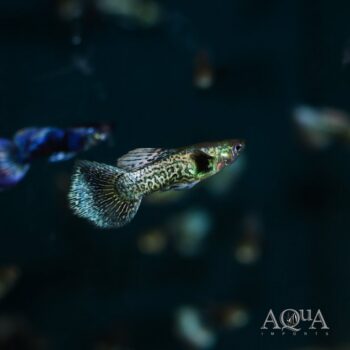
An aquarium hobby classic, the guppy is a livebearing species found through parts of Central and Northern South America but it has been bred worldwide for the aquarium hobby for over a century. In that time, the wild form has been developed in to dozens of varieties and color forms, including cobra patterns, delta tails, tuxedo, and many more. A peaceful, hardy, and active fish, they are often recommended for beginners due to their ease of care. Male guppies tend to be more colorful and have much larger, vividly colored tails whle females tend to be larger and more heavy bodied.
-
$34.99
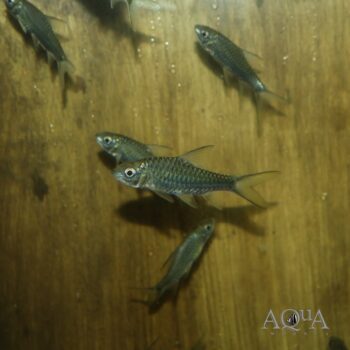
The Golden Mahseer (Tor putitora) is one of the large cyprinids from Asia collectively known as ‘Mahseer’ – most of which are prized food fish in their native habitats. Their large, iridescent scales and peaceful behavior in the aquarium have led some to compare them to tropical versions of koi. Although hardy and adaptable, they will do best in clean, well-oxygenated water with moderate current. They should only be kept in the largest aquariums or ponds.
-
$74.99
Product description coming soon.
-
$49.99
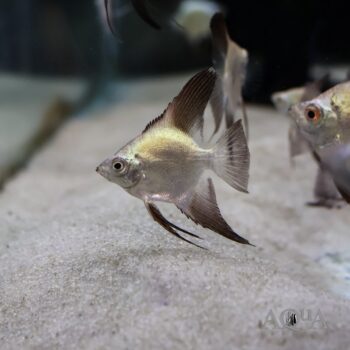
An aquarium hobby classic, the common Angel (Pterophyllum scalare) has been selectively bred into many different color forms and variants over the years. As a vertically-oriented species, they do best in a large, tall, planted aquarium with plenty of cover. Although peaceful when young, they can be moderately aggressive towards one another as adults but generally do well in a large enough group, usually 5 or more. Most other non-cichlid tankmates will be left alone but they will hunt and eat very small fish or invertebrates. Angels are somewhat sensitive to water quality so care should be taken to avoid large fluctuations in water conditions and partial water changes should be performed regularly.
-
$159.99
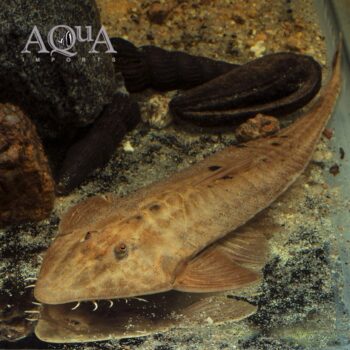
The exceedingly rare red color morph of Chameleon Loricaria is found alongside the more commonly seen black and white form, but very few make their way into the trade. The Chameleon Loricaria is typically found in shallow, fast-moving stretches of river. In the aquarium, they prefer moderate to high water movement and large open areas of sand substrate. As their name suggests, these fish are capable of changing color, but the red morph seems to lack a pattern altogether and ranges from pale reddish white to a deep brick red.
-
$24.99
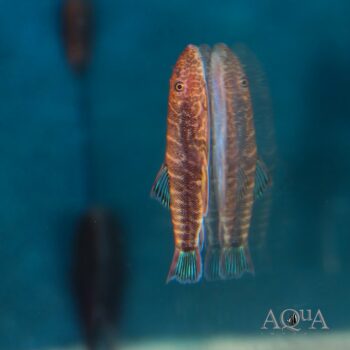
Bluefin Zebra Hillstream Loach (Gastromyzon sp. ‘Bluefin Zebra’) is smaller growing hillstream loach found in the fast-moving well-oxygenated streams of Borneo. In the aquarium, they are hardy fish as long as their wild habitat is replicated as closely as possible, with clean, well-aerated water and moderate to fast flow being essential to keep this species thriving long term. This species prefers slightly cooler water temperatures and soft, slightly acidic water. A grazer and opportunistic feeder, they should be given a varied diet high in algae or vegetable content like Repashy Gel Diet. A social fish like most loaches, they should be kept in groups of at least 5.
-
$1.99
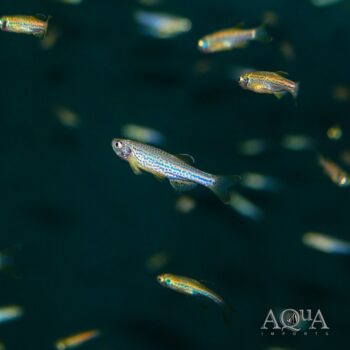
The Leopard Zebra Danio is one of the aquarium hobby’s classic fish, having been kept and bred in aquaria for over a century. Originating in a wide range of habitats in West Bengal, India, and surrounding areas, they are extremely hardy and adaptable which has led to their popularity in the hobby. Although the original wild fish display an attractive striped pattern, they have been developed into a wide range of strains by way of selective breeding, including the popular leopard variant. In the aquarium, they will do well in nearly any community tank, but prefer plenty of open swimming space and are an active schooler, most comfortable in groups of 5 or more.
-
$24.99
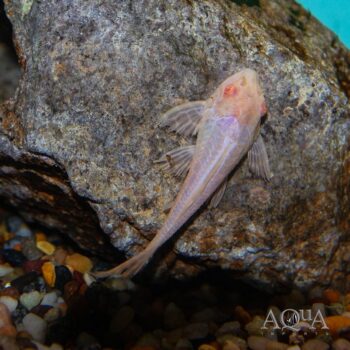
An incredibly beautiful but huge growing pleco, the Sailfin or Gibbiceps Pleco has been known by many names in the trade and is now among the most widely bred plecos in the hobby despite its large adult size. As the name implies, this species is easily distinguished by its enormous, sail-like dorsal fin. An algae grazer and opportunistic omnivore, the Sailfin Pleco is an excellent fish for algae control in a very large community aquarium but with its fast growth and adult size of over 16″ it requires a substantial amount of space to maintain successfully.
-
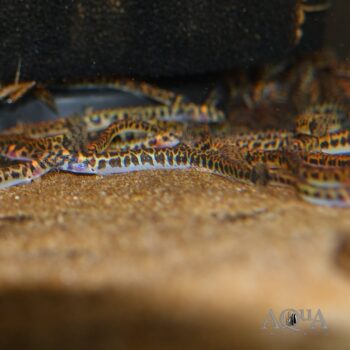
$4.99
The Leopard Kuhli or Calico Kuhli Loach (Pangio shelfordii) is a smaller-growing loach species found in a wide range of habitats, from peat swamps to shallow stretches of large river but usually inhabiting soft, slightly acidic water with a fine sand or mud substrate throughout Sumatra and Borneo. Like most of their relatives, they are hardy fish in the aquarium but prefer plenty of cover and will be most active and happiest in groups of 5 or more.
End of content
End of content