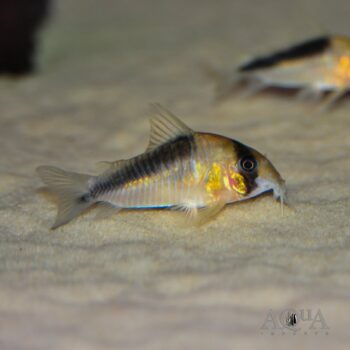
CW107 Cory (Hoplisoma sp. CW107)
$39.99Product description coming soon.

Showing 551–575 of 1981 resultsSorted by latest
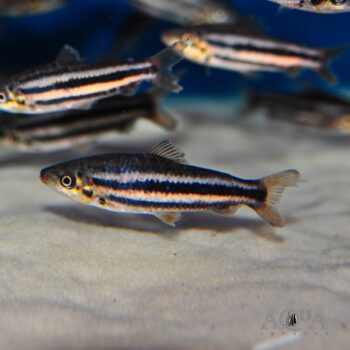
A large, colorful species of Leporinus originally known from the waters of the Guiana Shield, Leporinus arcus is relatively rare in the hobby. More recently, this species has been tank raised in limited numbers in Southeast Asia. A fast-swimming, but somewhat aggresive species, they make an excellent tankmate for large cichlids or characins, especially other active, fast-moving fish. As with most of their close relatives, the Lipstick Leporinus can be prone to nip fins or scales of slower moving tankmates and can be aggressive towards conspecifics or other close relatives. Plenty of cover and strong water movement can help offset aggression in these fish. If attempting to keep them together or with other close relatives, a group of at least 5 should be considered the bare minimum for successful cohabitation.
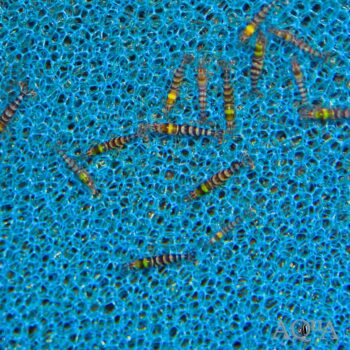
The Taiwan Purple Crystal Shrimp is a beautifully marked wild strain of Potamalpheops found in shallow streams and creeks in Southeastern Taiwan. Rarely seen in the hobby, this dwarf shrimp features distinctive purple banding with vivid green behind the head. A hardy and adaptable species, they will do well in a variety of conditions and will tolerate lower temperatures as they are found in subtropical waters that undergo seasonal temperature fluctuations.
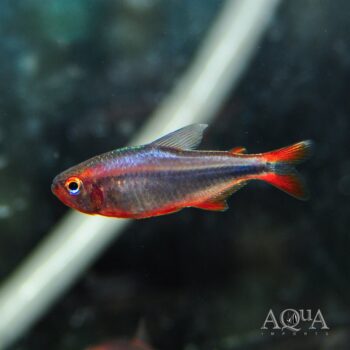
Product description coming soon.
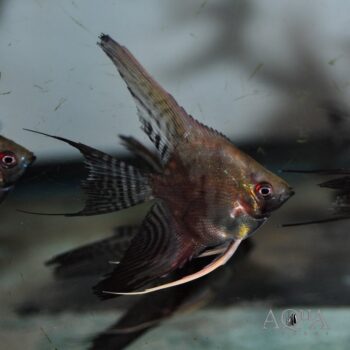
An aquarium hobby classic, the common Angel (Pterophyllum scalare) has been selectively bred into many different color forms and variants over the years. The Chocolate Smokey Angelfish is a highly sought after color and pattern variant. As a vertically-oriented species, they do best in a large, tall, planted aquarium with plenty of cover. Although peaceful when young, they can be moderately aggressive towards one another as adults but generally do well in a large enough group, usually 5 or more. Most other non-cichlid tankmates will be left alone but they will hunt and eat very small fish or invertebrates. Angels are somewhat sensitive to water quality so care should be taken to avoid large fluctuations in water conditions and partial water changes should be performed regularly.
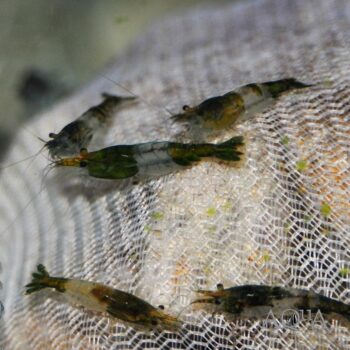
The Green Rili Shrimp is a selectively bred form of Neocaridina dwarf freshwater shrimp displaying dark blue on the head and tail with clear patches in the abdomen. Hardy, colorful, and peaceful towards tankmates, these shrimp will do well in most small to medium community aquariums and under good conditions will breed regularly. An omnivore and scavenger, they will accept most sinking foods but should be offered a varied diet high in algae and vegetable matter to ensure proper development and optimal coloration. Our Green Rili Shrimp are high grade specimens tank bred in Taiwan.
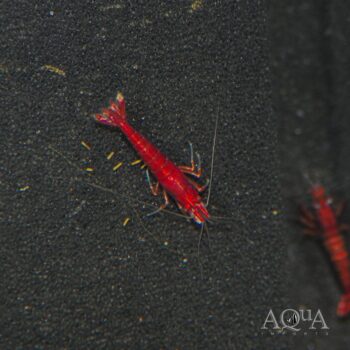
The Bloody Mary Shrimp is a selectively bred form of wild Neocaridina shrimp with a dark red body coloration. Like the well-known Red Cherry Shrimp, they are remarkably hardy and adaptable, excellent shrimp for beginners. The Bloody Mary Shrimp, like most other species of freshwater dwarf shrimp in its genus, will do well in a wide range of water conditions although overly soft or hard water should be avoided. A fine substrate, plenty of cover, and a varied diet of prepared foods specific to freshwater shrimp will ensure their long term health, and eventually breeding in the aquarium.
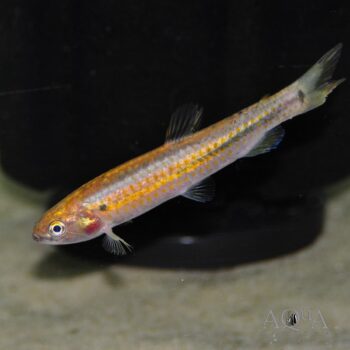
Piabucina sometimes used synonymously in literature with Lebiasina can be found in the streams and rivers of South America. Piabucina can be determined from Lebiasiana by the presence of an adipose fin. They are not commonly imported and rarely available in the hobby with very little information available and many records over 100 years old without update. Piabucina prey upon small fish and invertebrates, but will readily accept frozen and pellet foods in the aquarium. They are considered to be hardy, while only reaching a size around 6″ making them an easy species to keep in the aquarium.
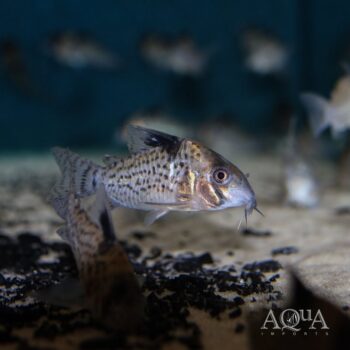
Product description coming soon.
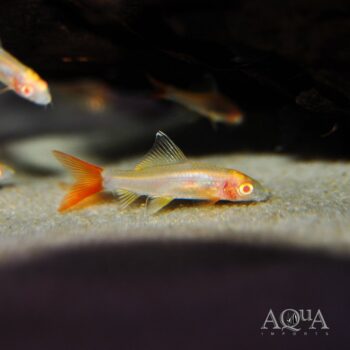
One of a number of so-called freshwater “sharks” in the Cyprinid family (no actual relation to marine sharks), the black and red Red Tail Shark has been popular in the aquarium hobby for decades. Originating in well-oxygenated shallow streams in the Chao Phraya basin in Southeast Asia, this fish is a medium growing hardy omnivore and grazer that makes a colorful addition to a medium or large community aquarium. Although smaller fish do well in groups, they tend to become more solitary as they grow and can become territorial towards one another or other similar looking fish as adults. Ideal tankmates include medium peaceful cichlids, barbs, or larger rainbowfish. Albino Red Tail Shark specimens are very rare in the aquarium hobby.
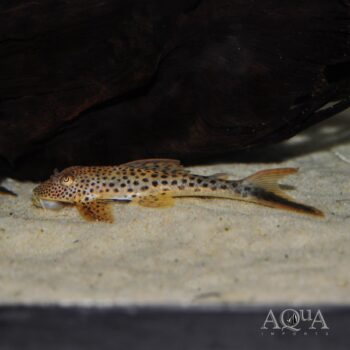
Red Fin Thresher Pleco (Squaliforma emarginata) product description coming soon.
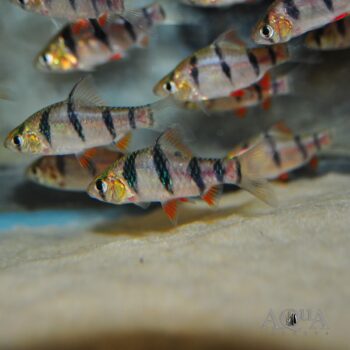
A peaceful, small schooling barb originating in the acidic, blackwater streams and swamps of Borneo, the Six Banded Barb makes an attractive display fish for a medium sized community or aquascaped tank. Active and hardy, they are found in large groups in the wild and should be kept in groups of at least 5 in the aquarium. Unlike their similar relative the Tiger Barb, this species is peaceful and not prone to nip fins, and should be kept with similarly peaceful fish.
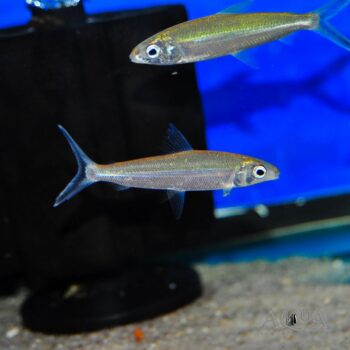
Product description coming soon.
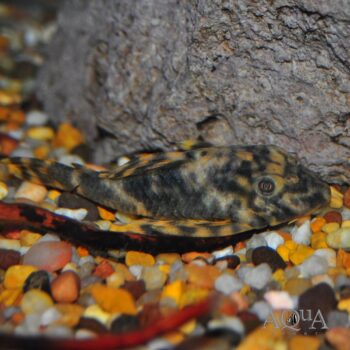
Product description coming soon.
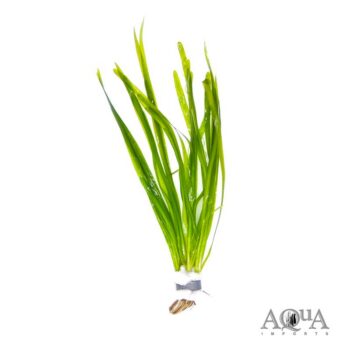
Striped Italian Val (Vallisneria spiralis ‘striped’) Care Level: Beginner Preferred Light Level: Low to moderate Placement/Size: A medium to large plant usually used for mid- or background planting Shipping Note: All our foods and aquatic plants ship FREE with any live fish order; OR food/plant only orders ship for a flat rate of $10.99…
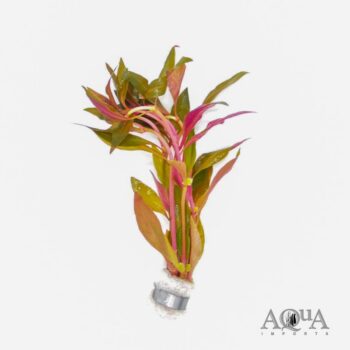
A colorful and attractive accent or background plant popular among aquascapers, Alternanthera reineckii ‘Variegated’ or Vareigated Telanthera displays intense red and pink coloration when kept under ideal conditions in the aquarium. For best results, strong lighting, CO2 injection and supplemental fertilizers are recommended.
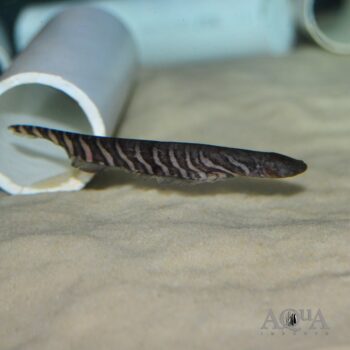
A beautifully marked slender knifefish found throughout much of the Western Amazon and its tributaries, the Banded Knifefish or Carapo Knifefish is a relatively peaceful species found in acidic, slow-moving shallows. Like most species in the genus Gymnotus, they are secretive, cryptic fish which prefer plenty of cover in the form of driftwood, caves, and leaf litter in the aquarium. They are nocturnal but will learn to come out when fed.
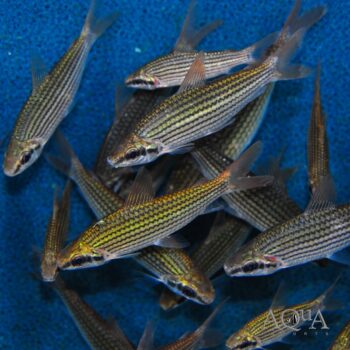
A unique schooling characin, the Golden Curimata or Golden Mascara Tetra (Cyphocharax multilineatus) can be found in large aggregations in shallow water areas grazing on insect larvae, crustaceans, and biofilm. They are relatives of the headstanders more commonly found in the hobby. In the aquarium, they are relatively hardy but will do best in warm, slightly acidic water with plenty of cover and minimal current. A tightly schooling fish, they should be kept in groups of at least 5, with larger groups making for a very distinctive display in a medium to large aquarium.
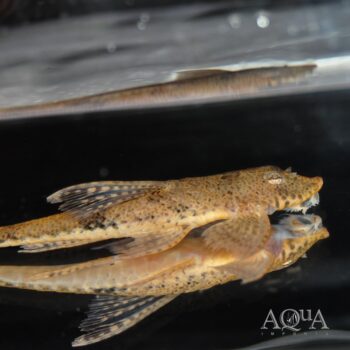
A finely patterned, medium-growing Loricariid known from the Rio Orinoco basin, Rineloricaria formosa remains an elusive and uncommon import in the hobby. In the wild, they are found on fine sand substrate in areas of open, shallow water and are capable of a good deal of color change to camouflage themselves to their surroundings. Like most similar Loricariids, this species is an omnivore which feeds on invertebrates, biofilm, algae and vegetation and should be fed a varied diet of sinking specialty formulas including gel diets and occasionally fresh veggies. A hardy and unique aquarium fish, they will do best when provided with plenty of open space, warm, soft water and some current.
Product description coming soon.
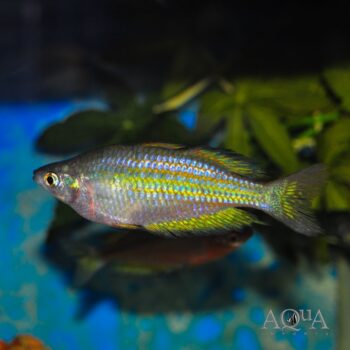
Product description coming soon.
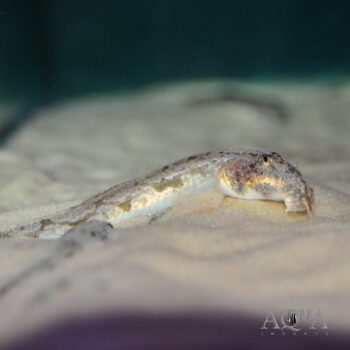
The Moose Face Loach (Canthophrys gongota) also known as the Moose Head Loach is found in slow moving waters throughout much of northern India. They require a fine sand substrate where they will spend much of their time buried with only their eyes poking out. In the wild they sift through fine substrates and mud for small invertebrates to feed on. In the aquarium they will accept most prepared foods.
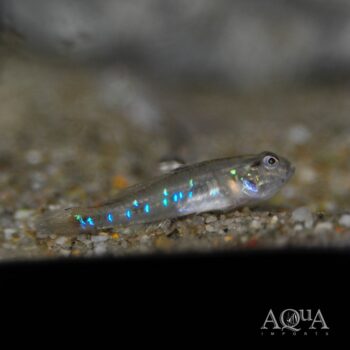
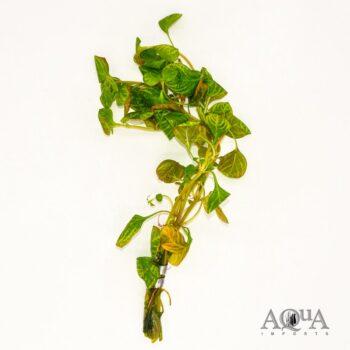
Hygrophila ‘Red Skeleton’ Care Level: Intermediate Preferred Light Level: Moderate to high Placement/Size: A medium to large plant usually used for mid- or background planting Shipping Note: All our foods and aquatic plants ship FREE with any live fish order; OR food/plant only orders ship for a flat rate of $10.99
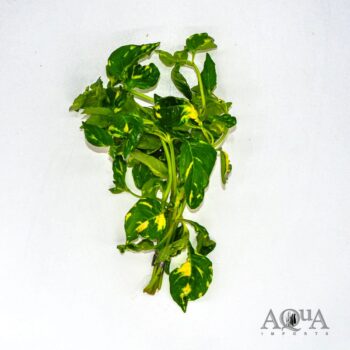
Marble Temple (Hygrophila Corymbosa ‘Variegated’) Care Level: Beginner Preferred Light Level: Low to moderate Placement/Size: A medium to large plant usually used for mid- or background planting Shipping Note: All our foods and aquatic plants ship FREE with any live fish order; OR food/plant only orders ship for a flat rate of $10.99
End of content
End of content
No products in the cart.