Blue Jumper Catfish (Exallodontus cf. aguanai)
$69.99Product description coming soon.
Select options
This product has multiple variants. The options may be chosen on the product page

Showing 601–625 of 1981 resultsSorted by latest
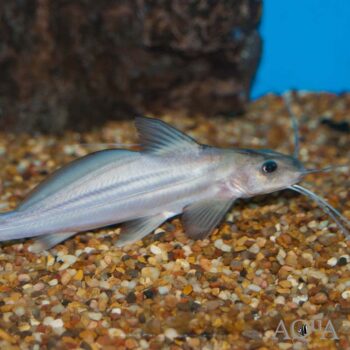
Product description coming soon.
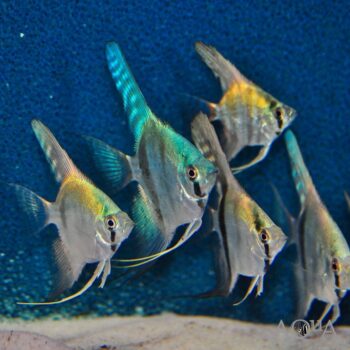
An aquarium hobby classic, the common Angel (Pterophyllum scalare) has been selectively bred into many different color forms and variants over the years. The Powder Blue Angelfish is a highly sought after color variant. As a vertically-oriented species, they do best in a large, tall, planted aquarium with plenty of cover. Although peaceful when young, they can be moderately aggressive towards one another as adults but generally do well in a large enough group, usually 5 or more. Most other non-cichlid tankmates will be left alone but they will hunt and eat very small fish or invertebrates. Angels are somewhat sensitive to water quality so care should be taken to avoid large fluctuations in water conditions and partial water changes should be performed regularly.
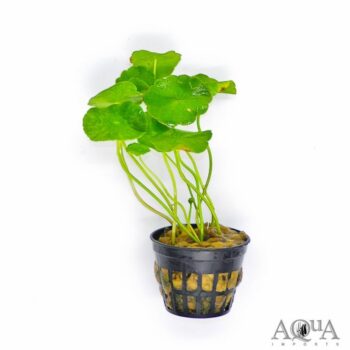
Whorled Pennywort (Hydrocotyle verticillata) Care Level: Beginner Preferred Light Level: Low to moderate Placement/Size: A small to medium plant usually used for midground planting Shipping Note: All our foods and aquatic plants ship FREE with any live fish order; OR food/plant only orders ship for a flat rate of $10.99
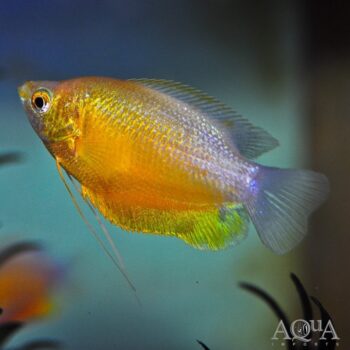
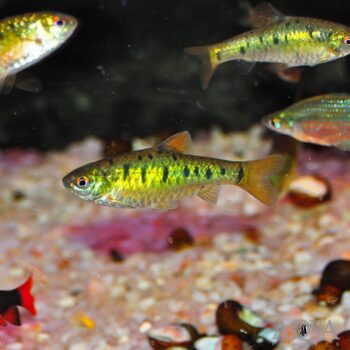
As a hardy and striking freshwater fish, the Snyder’s Barb (Puntius snyderi), is a fantastic choice for a community tank. These omnivorous fish are generally more peaceful than other barb species, but will still coexist best with similarly sized tankmates. These charming fish are social, and do best in a group of 5 or more!
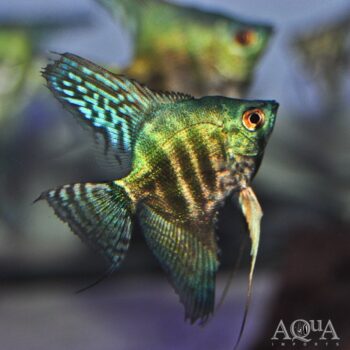
An aquarium hobby classic, the common Angel (Pterophyllum scalare) has been selectively bred into many different color forms and variants over the years. The Avatar Zebra Angelfish is a highly sought after newer color and pattern variant. As a vertically-oriented species, they do best in a large, tall, planted aquarium with plenty of cover. Although peaceful when young, they can be moderately aggressive towards one another as adults but generally do well in a large enough group, usually 5 or more. Most other non-cichlid tankmates will be left alone but they will hunt and eat very small fish or invertebrates. Angels are somewhat sensitive to water quality so care should be taken to avoid large fluctuations in water conditions and partial water changes should be performed regularly.

Product description coming soon.
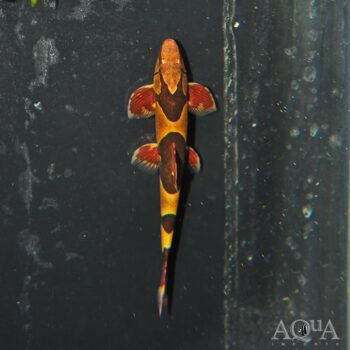
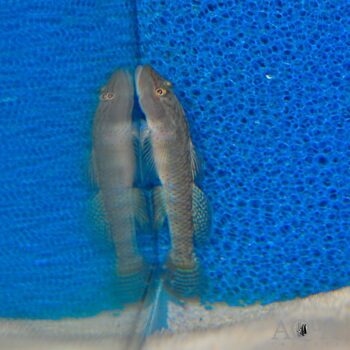
A resident of fast-moving, rocky streams in Southeast Asia, Saddle Back Loaches use their modified pectoral fins to attach themselves to the rocky substrate and move among the rocks in search of food. In the wild, they are grazers and generalists, feeding on algae, biofilm, and small insects and crustaceans. In the aquarium, they do best when kept under similar conditions to their wild habitat – rocks, ample current, and well-oxygenated water. Although they will accept a number of prepared sinking foods, it’s important to supplement their diet with algae- or veggie-based food.
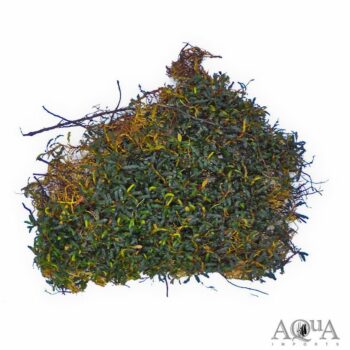
Bucephalandra ‘Mini Catherine’ Care Level: Beginner Preferred Light Level: Low to moderate Placement/Size: A small to medium plant usually used for fore to midground planting Shipping Note: All our foods and aquatic plants ship FREE with any live fish order; OR food/plant only orders ship for a flat rate of $10.99
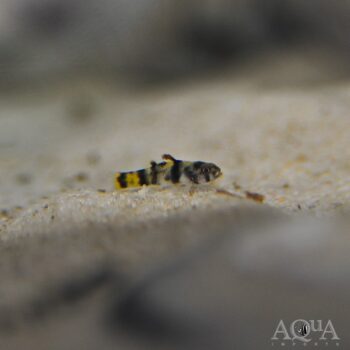
The Golden Banded Bumblebee Goby (Brachygobius nunus) is a small species that inhabits both fresh and brackish water. They are mostly found in the mud flats and slow streams of India’s coastal estuaries and mangrove systems. In the aquarium they are hardy fish that will prefer a fine sand bottom and some salt in the water (3-10ppt). These small gobies should be kept in a group of 5 or more. They can be a challenging species to keep for less experienced hobbyists due to their small food needs and maintenance of a stable pH above 7.5.
Product description coming soon.
Product description coming soon.
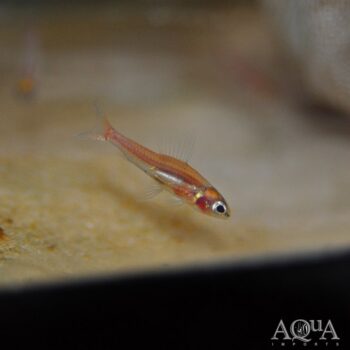
One of many species of similar looking, tiny characins found throughout much of South America, the Dwarf Red Hummingbird Tetra (Odontocharacidium cf. aphanes) makes a fascinating resident for nano or biotope themed aquariums. As their name suggests, these fish have a reduced swim bladder and spend most of their time perched on or just above the substrate, “darting” instead of actively swimming in most cases similar to a goby or blenny. In the wild they inhabit a variety of habitats but are usually found in areas with moderate to fast current and prefer well oxygenated water. A hardy and interesting fish, they are social and should be kept in groups.
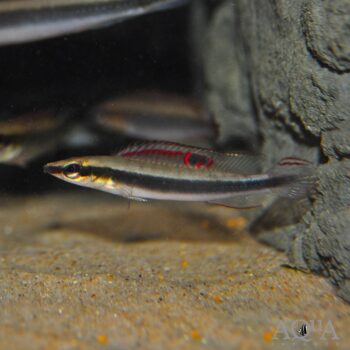
One of the smaller species of Pike Cichlids, the Dwarf Pike is a relatively peaceful Crenicichla found in the Rio Negro near Manaus, Brazil. A hardy and active species, they are usually found in groups in the wild and will form a distinct social hierarchy in the aquarium if given enough space. Be sure to provide plenty of cover for each fish to create and defend its own territory. Although they breed in pairs this species is optimally kept in groups of multiple males with a single or very few females, as mature females tend to be extremely aggressive towards each other and males when not kept in groups. This species will rarely bother other, larger tankmates.
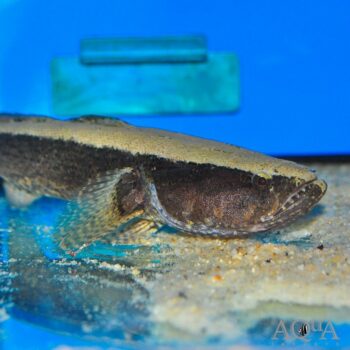
Product description coming soon.
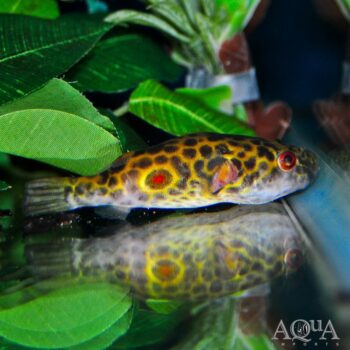
Product description coming soon.
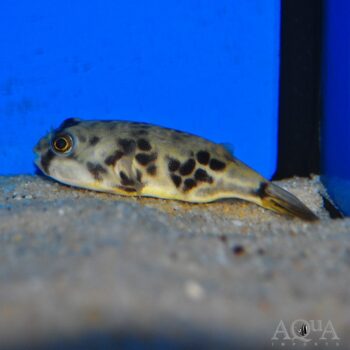
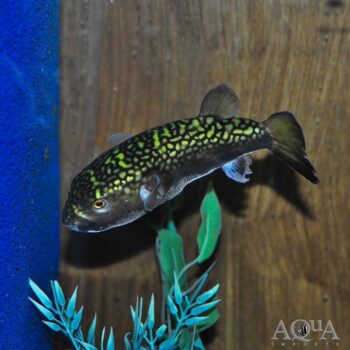
The Mbu Puffer is a large and impressive species of true freshwater pufferfish found in the Congo River Basin and other Central African waters. In the wild, the Mbu Puffer inhabits a wide variety of habitat types, from alkaline lakes to near-rapids. Intelligent, personable, but also with the potential to be extremely aggressive, this fish makes an incredible display fish for an appropriately large aquarium. They are relatively hardy and undemanding about water conditions, but with their razor sharp beak and curious nature tankmates should be chosen cautiously and are at risk of becoming a meal eventually. Their beaks grow quickly so frozen (or live) crayfish and other hard-shelled food items are necessary in their diet to help wear down their sharp beaks. Given their massive adult size and dietary requirements this species is best kept by experienced hobbyists with the resources to provide both ideal diet and very large aquarium the Mbu Puffer requires in the long term.
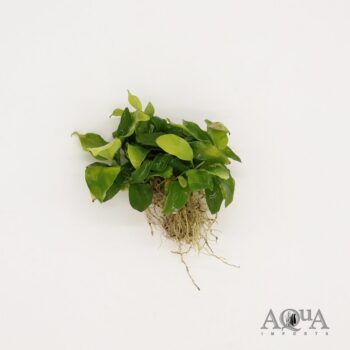
An interesting Anubias form in the aquarium trade, Anubias nana ‘Gold’ is a hardy and popular plant for freshwater aquarists. Like other Anubias, this low-tech plant will thrive floating, on hard decor, or planted with the rhizome out of the substrate. Anubias nana ‘Gold’ is known for its characteristic yellow/gold leaves.
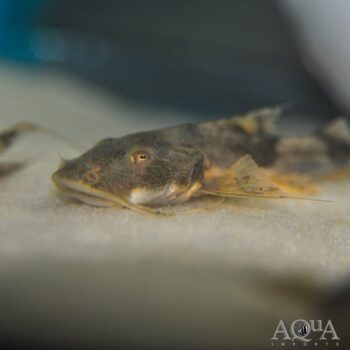
The Giant Devil Catfish (Bagarius bagarius) originating from northern India is one of the true “monster fish”. With their elongated body and broad sensory barbels, these catfish are highly adapted to life in the rocky, fast-moving waters they inhabit in the wild. The Giant Devil Catfish or Goonch Catfish is the largest member of its genus approaching 8 feet or more as adults in the wild. In the aquarium, they are likely to stay much smaller however should be kept in similar conditions to the wild, with clean, well-oxygenated water, strong current and a pond or extremely large aquarium. Rocks and other hides should be provided and they will generally do best with low or subdued lighting.
There is much uncertainty on the actual identity of species within the genus Bagarius. Until there is further scientific revision it is impossible to be 100% sure whether these are true giants or dwarf species (both referred to as Bagarius bagarius in the most recent literature) collected from northern India. Please email [email protected] if you’d like photos of specific fish before purchase.
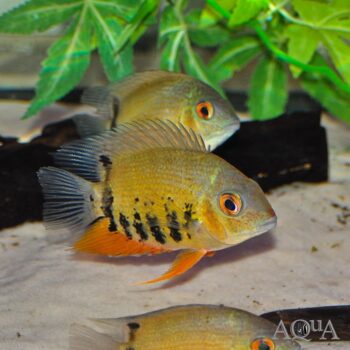
A spectacular wild variant of Severum found in the Amazon near Leticia, Colombia, these Green Severum display a striking pattern of vertical bars on a vivid green/gold base. As wild fish from warm, acidic waters, they will display their best colors in a similar setup with soft, low-pH water. Generally peaceful towards similar sized tankmates, they can be aggressive towards each other and should be kept singly or in a large group of 5 or more fish (they will get along with most other Heros species as long as the group is large enough).
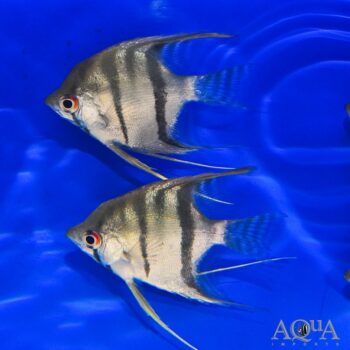
The Rio Demerara Angel is a beautifully marked regional variant of the widespread Pterophyllum scalare unique for its collection locale from the Rio Demerara in Guyana. Fish collected from this locality tend to display the typical vertical banding of wild angels and develop red dorsal spotting which is most prominent in full grown fish. In the wild it is found in warm, acidic, heavily tannin-stained waters close to fallen branches or submerged driftwood piles. In the aquarium, they will do best when kept under similar conditions. Like all freshwater angelfish, they are peaceful for a cichlid and will coexist with a wide range of tankmates provided they are not overly aggressive or small enough to become a meal.
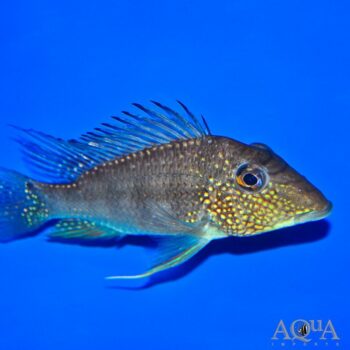
A medium sized eartheater found throughout the Guiana Shield and its river systems, the Whitespot Eartheater (Satanoperca leucosticta) is a peaceful and attractive South American Cichlid ideal for most medium to large community aquariums. Like all eartheaters, they are adapted to ingest mouthfuls of fine sand substrate and sift out small food items like insect larvae and crustaceans. In the aquarium, they tend to do best in groups and will coexist with a variety of similarly peaceful cichlids or other fish species, and they are generally safe even with much smaller fish. These fish are typically found in acidic waters in the wild and generally do best in soft, warm water (pH 6.5 or below) and appreciate the addition of tannins to their water by way of botanicals like Indian Almond Leaves or similar.
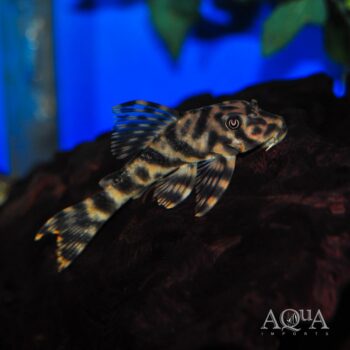
Product description coming soon.
End of content
End of content
No products in the cart.