Showing 1476–1500 of 2362 resultsSorted by latest
-

$44.99
A unique, large growing predatory cichlid found throughout much of the Amazon basin, the Basketmouth or Spectabilis Cichlid displays vivid greens, reds, and blues as adults. In the wild, they are primarily a piscivore, and they use their unique protrusible jaw and lightning-fast reflexes to literally inhale prey items whole. In the aquarium, they require excellent water quality and are territorial, especially toward other cichlids. Tankmates should be chosen with care as they can make a meal of even surprisingly large fish.
-
$10.99 – $12.99Price range: $10.99 through $12.99
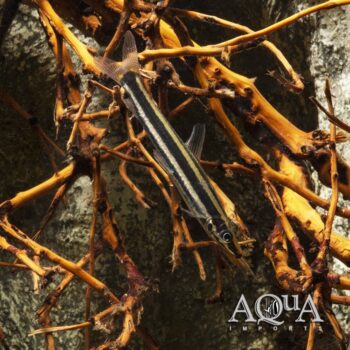
The Ternetzi Headstander is a close relative to the more well-known Striped Headstander, Anostomus anostomus, which is found throughout much of Colombia, Venezuela, and Peru. It is found in a variety of habitat types, from fast flowing waters to shallow blackwater swamps. Like most of their close relatives, they are best kept in groups of 3-5 or more to prevent aggression among individuals. While they can be prone to nipping fins on slow moving tankmates, they make excellent dither fish for medium to large South American Cichlids or other fast moving larger fish.
-
Sale!
$39.99 – $319.99Price range: $39.99 through $319.99
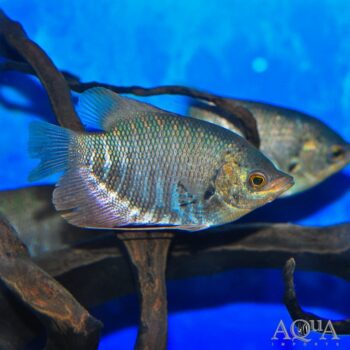
The Elephant Ear Giant Gourami is a recently described and uncommonly imported species of Giant Gourami that can be distinguished by its elongated gill cover, protruding teeth, and large spot just before the tail. In the wild, they feed largely on fruit and aquatic vegetation and should be offered plenty of fruit and vegetable based foods in the aquarium. Despite their large size, they are typically gentle giants, and are extremely personable “pet” fish that will beg for food and often learn to recognize their owners. They are hardy and undemanding but will need a suitably large tank to be kept successfully.
-

$14.99
A popular and attractively patterned dwarf woodcat from the middle Amazon and its tributaries in Peru, Colombia and Ecuador, the Honeycomb Woodcat or Oil Catfish is a cryptic species which spends most of the daylight hours hidden within driftwood, leaf litter, or submerged logs. At night however, they emerge to feed near the surface where they actively hunt for insects and insect larvae. In the aquarium they are a hardy species and have been bred successfully, but should be kept only with similarly small and peaceful tankmates as they can easily be outcompeted for food.
-
$69.99 – $369.99Price range: $69.99 through $369.99
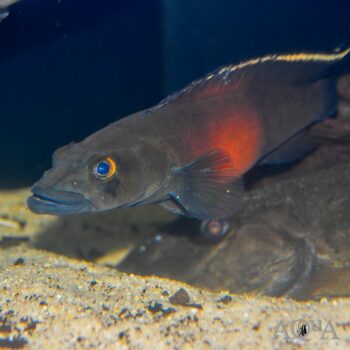
The XIngu III or Xingu Black Pike Cichlid is a rarely imported, recently described species of Crenicichla found in the warm, fast-moving waters of the middle and lower Rio Xingu and its tributaries in Brazil. A member of the so-called lugubris group of Pike Cichlids, this is a large growing predatory species typically found in open waters where they feed on smaller fish and invertebrates. It can be distinguished from similar species like the Xingu II by its dark, almost uniform black body coloration in adults and the lack of a clearly defined caudal spot. In the aquarium, they require warm (82F+), well-oxygenated water and should receive regular large water changes to ensure optimal water quality. Ideal tankmates would include many of the medium to large pleco species found in the same river or some of the medium growing Myleus, Metynnis, or Leporinus species also at home in fast-moving waters.
-
$54.99
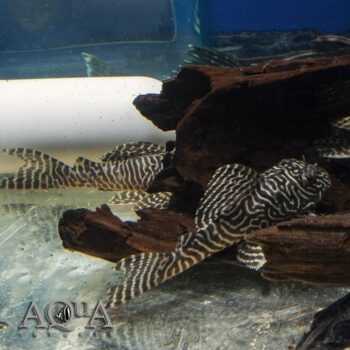
One of several strikingly marked species of Hypancistrus from the Rio Xingu in Brazil, the Yellow form of the L066 King Tiger Pleco inhabits rocky areas of warm, fast-moving water. In the aquarium, they need excellent water quality and do best when provided lots of cover in the form of caves or driftwood. A carnivore, they should be fed protein rich foods like frozen bloodworms, carnivore pellets, or gel diets. The L066 “Yellow” has the intricate pattern of the more commonly seen black and white form but with a more vibrant yellow base coloration. Like most plecos from the region, they will do best at warmer temperatures (80-85F) and plenty of current.
-
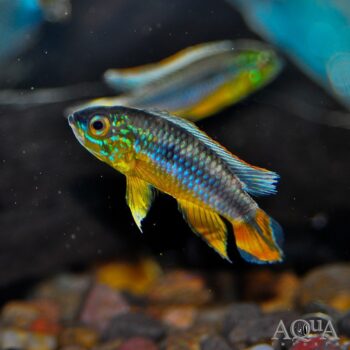
$44.99
One of the most popular dwarf cichlids in the hobby, Apistgramma agassizi (also known as Agassiz’s Dwarf Cichlid) is an attractive and interesting addition to smaller community aquarium. They have been bred in the hobby for decades, resulting in a number of color morphs and strains. The German Blue Redtail variant features iridescent blue body coloration with vivid red-orange along the ventral surface and tail.A hardy and relatively peaceful species, they are ideal for smaller aquariums and do best with ample cover in the form of plants, driftwood, and small caves.
A note on Apistogramma: Unless otherwise specified, Apistogramma are sold as unsexed individuals. We will make our best efforts to send pairs or a requested ratio of male to female but we do not guarantee sex on these fish. We recommend buying in groups to ensure adequate males and females for breeding.
-
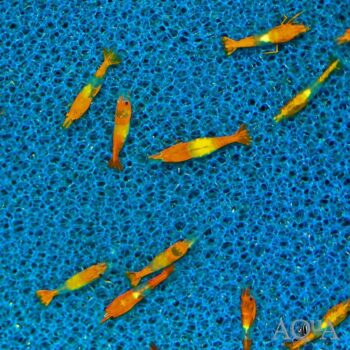
$7.99
The Orange Rili Shrimp is a selectively bred form of Neocaridina dwarf freshwater shrimp displaying vivid orange on the head and tail with a pure white abdomen. Hardy, colorful, and peaceful towards tankmates, these shrimp will do well in most small to medium community aquariums and under good conditions will breed regularly. An omnivore and scavenger, they will accept most sinking foods but should be offered a varied diet high in algae and vegetable matter to ensure proper development and optimal coloration. Our Orange Rili Shrimp are high grade specimens tank bred in Taiwan.
-
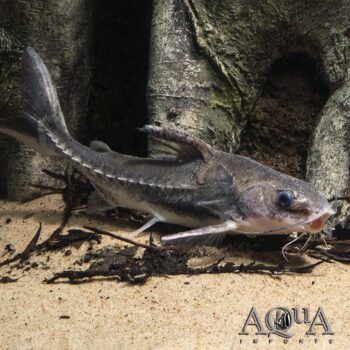
$199.99 – $329.99Price range: $199.99 through $329.99
A large growing Doradid known from the Northeastern coast of South America and the lower Amazon and Essequibo Rivers, the Saw Scale Stone Catfish or Rock Bacu is rarely seen in the hobby but makes an impressive display fish for the suitably large aquarium. In the wild, it tends to inhabit open water stretches of river, often in murky ”white water” stretches where they feed on a variety of foods including snails, crustaceans, and even fruit and vegetable matter. The Saw Scale Rock Catfish is often found in the mouths of rivers, including estuarine areas in brackish areas and will adapt well to medium strength brackish water long term. A powerful and active swimmer, this catfish will generally ignore most tankmates too big to be a meal but should be given plenty of open swimming space and will do best with some current.
-
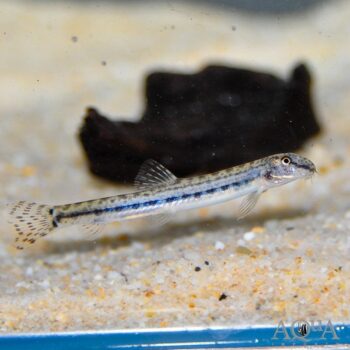
$7.99 – $8.99Price range: $7.99 through $8.99
An attractively patterned eel-like loach found found in Taiwan and coastal China, the Siberian Tiger Loach is typically found in shallow, clear water streams in large groups. More subtropical than most aquarium species, they are cold tolerant and can survive below freezing temperatures in short intervals but will do fine when kept between 70 – 75F. In the aquarium, they prefer ample hiding places like plants, caves, or rockwork and will do best when kept in groups of 3 – 5 or more.
-
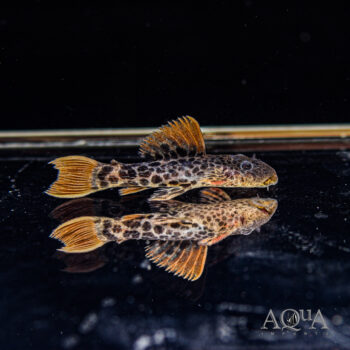
$79.99
A beautifully patterned pleco, the L600/LDA007 or Orange Seam Leopard Cactus Pleco is found in stretches of the Rio Branco, a whitewater tributary of the Rio Negro in Brazil. In the wild, they are known to inhabit rocky, deep water channels in high-current areas. In the aquarium, they are hardy and adaptable, but will do best in relatively soft water with some current and when given plenty of driftwood or other hides. A mainly carnivorous species, they should be offered protein-rich foods like Repashy Gel Diets or Fluval Bug Bites.
-
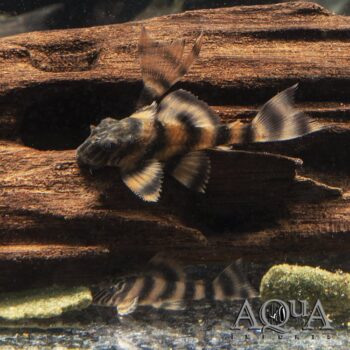
$59.99
The most beautifully marked “tiger” plecos of the genus Panaqolus, the L397 Alenquer Tiger Pleco displays beautiful vivid orange and black coloration when kept under optimal conditions. Originating from the waters around Alenquer at the mouth of the Tapajos River in Brazil, L397 plecos are usually found in and around sunken trees and large patches of driftwood in the wild. Like its close relatives, it is a wood eater (xylivore) and in the aquarium should be provided with ample driftwood as well as other nutritious sinking foods like Repashy’s xylivore formula gel diet.
-
$69.99
The Taiwan Mahseer or Holland’s Carp is a medium-growing species endemic to the freshwater rivers of Taiwan and Southern China, where they are typically found in rocky, fast moving stretches of open water. This species inhabits temperate areas and will tolerate both tropical and subtropical temperatures in the aquarium. Although hardy and adaptable, they will do best in clean, well-oxygenated water with moderate current. A peaceful species which will do well with most similarly sized fish.
-
$6.99
Product description coming soon.
-
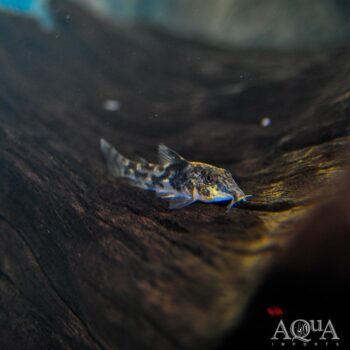
$16.99
A large growing and impressively marked Cory Cat, the Bearded or Barbatus Cory is found in several rivers near Rio de Janeiro in Southeastern Brazil. Wild imports are rare, but the species has been bred for the aquarium trade for years now and most specimens offered (including ours) are tank raised. With their large adult size and vivid black-and-gold pattern, this species is deservedly popular for medium to large community aquariums and like most Corydoras and close relatives, will do best in groups of five or more. This species is much more cold tolerant than many other tropical fish, and prefer temperatures in the low- to mid-70s Fahrenheit.
-
$5.99
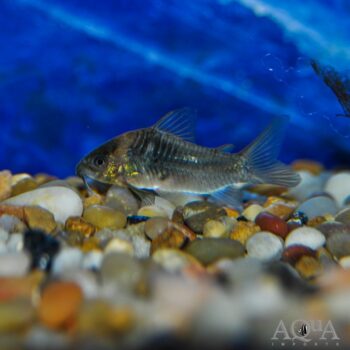
One of the most commonly kept species of Corydoras in the hobby, the Bronze or Aeneus Cory was originally described from Trinidad but this species is apparently widespread throughout the Guyana Shield, Orinoco, Amazon and la Plata drainages, with a number of locality specific variants throughout their range. The specimens from the Orinoco basin are especially strongly patterned with a distinct dorsal stripe. Like most Corys, they are peaceful, hardy, and best kept in groups of 5 or more due to their schooling nature. This species is an excellent community aquarium fish and will do well with nearly any non-aggressive tankmates.
-
$13.99 – $36.99Price range: $13.99 through $36.99
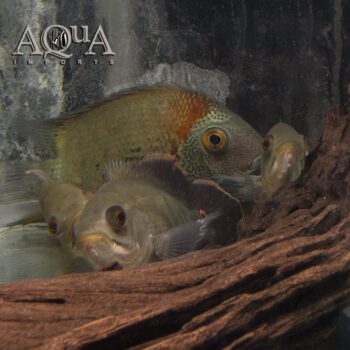
A wild form of the aquarium hobby classic, the Rio Inirida locality is typically distinguished by little patterning along the body but vivid red surrounding the ocellae and in the dorsal and caudal fins. As with all Oscars, these are a large growing and predatory fish that require large aquariums as adults. Although Oscars have earned a reputation for aggression in the hobby, they are fairly peaceful for a large cichlid and if given ample tank space will do well in a mixed community of similarly sized fish. Feeding a varied diet of high quality prepared and frozen foods will help ensure their best colors as they grow.
-
$24.99
C027 or Seuss’ Cory is a medium growing, uncommonly imported species of Brochis found in the middle Amazon tributaries Rio Mamore and Rio Madeira. In the wild, they tend to inhabit white or clear water areas over fine sand substrate. Like all Corydoras, this species is a loosely schooling fish that should be kept in a group of at least 5.
-
$24.99
The Pale Spotted or Gossei Cory is a medium growing, uncommonly imported species of Corydoras found in the middle Amazon tributaries Rio Mamore and Rio Madeira. In the wild, they tend to inhabit white or clear water areas over fine sand substrate. Like all Corydoras, this species is a loosely schooling fish that should be kept in a group of at least 5.
-
$39.99
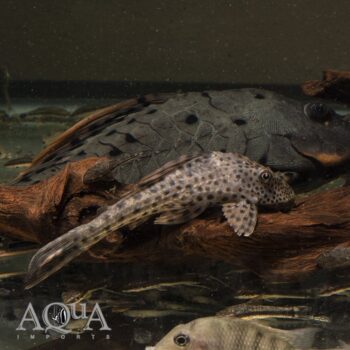
A beautifully patterned small growing Hypostomus found throughout the Essequibo, Negro, and middle Amazon drainages, the L303 or Spotted Dwarf Hypostomus typically inhabits warm, acidic blackwater areas in the wild. In the aquarium, they are hardy and adaptable, but will do best in relatively soft water and when given plenty of driftwood or other hides. They should be offered a varied diet including fresh veggies, sinking prepared foods, and gel diets like Repahy’s Soylent Green or Bottom Scratcher.
-
$274.99 – $774.99Price range: $274.99 through $774.99
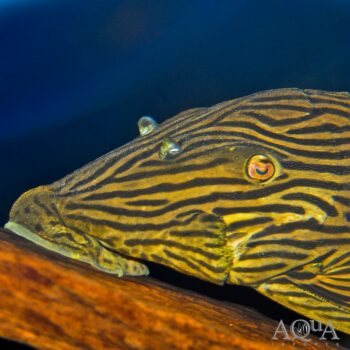
One of the most beautifully marked variants of Royal Pleco, the Platinum or Long Nose Royal Pleco is found in Brazil’s Rio Xingu and its tributaries. The Rio Fresco locale is collected in that river, a blackwater tributary that joins the Xingu near Sao Felix. This variant is characterized by a more elongated body than other Royal Plecos and a base coloration of whitish silver (as opposed to brown or green) which becomes more pronounced as they grow. Like all Royal Plecos they are wood eaters by nature, and should be offered plenty of driftwood in the aquarium. Conditions in the aquarium should be as close to their wild habitat as possible, with moderate to strong current, warm temperatures, and excellent water quality. Due to their specialized diet, we recommend providing driftwood for grazing and feeding a specialty diet like Repashy Morning Wood.
-
$79.99 – $99.99Price range: $79.99 through $99.99
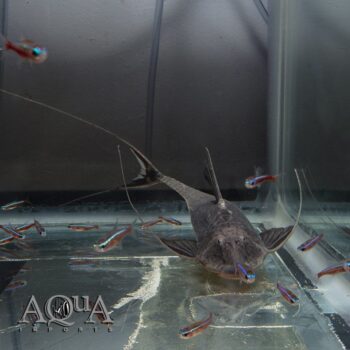
Product Description Coming Soon
-
$59.99 – $89.99Price range: $59.99 through $89.99
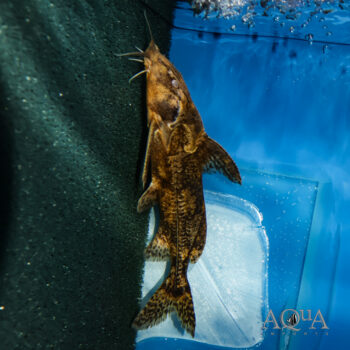
A unique doradid catfish found in the Orinoco Basin in Colombia and Venezuela, Gallagher’s Thorny Catfish is a peaceful, substrate feeding fish found in areas of moderate to fast water flow. In the wild, it feeds heavily on invertebrates including snails, but will accept most frozen or prepared sinking foods in the aquarium. This species is largely sedentary but is a fast and agile swimmer when necessary so will benefit from a spacious aquarium with plenty of open swimming space.
-
$9.99
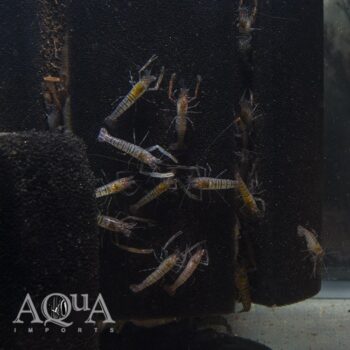
A uniquely patterned freshwater dwarf shrimp found throughout much of the Amazon Basin, the Amazon Tiger Shrimp inhabits shallow, warm water habitat typically associated with driftwood and aquatic vegetation and often in large groups. A hardy and peaceful invertebrate in the aquarium, their care requirements are similar to other dwarf shrimp although they will do best in softer, slightly acidic water.
-
$8.99
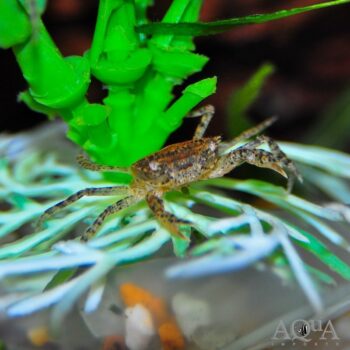
Product description coming soon.
End of content
End of content