Showing 1501–1525 of 2362 resultsSorted by latest
-
Sale!
$699.99 – $849.99Price range: $699.99 through $849.99
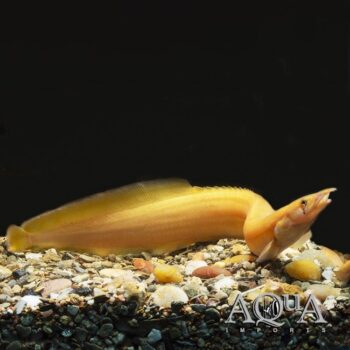
An exceptionally rare color morph of freshwater spiny eel long assumed to be a Xanthic form of the Fire Eel (M. erythrotaenia), what is known as the Gold or Xanthic Fire Eel in the hobby may actually be the much more uncommon Mastacembelus unicolor, a variably patterned more elongated species which is found alongside Fire Eels in parts of their range. Due to their scarcity and high demand in the hobby, little is known about their wild habitat or where they are found but most specimens originate from Sumatra. With their striking, uniform yellow-gold coloration and outgoing nature these rare oddballs make for a one-of-a-kind centerpiece fish for true collectors.
-
$49.99 – $64.99Price range: $49.99 through $64.99
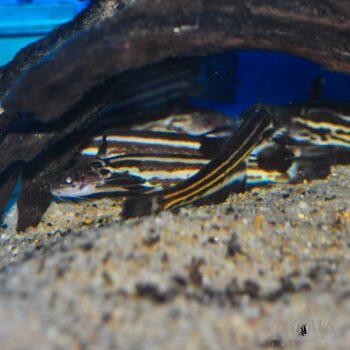
An odd, medium-growing wood catfish found in the Amazon and Orinoco basins, the Eel Tail Wood Catfish gets its name from its extremely elongated, eel-like body. Like most of its relatives it is a hardy, but shy aquarium resident. Like most woodcats, they are primarily nocturnal, spending most of the day hidden within driftwood or other shelter but this species does tend to spend more time out swimming in the open than other close relatives. Although they may eat smaller fish, they are peaceful towards most tankmates too large to be a meal.
-
$224.99 – $349.99Price range: $224.99 through $349.99
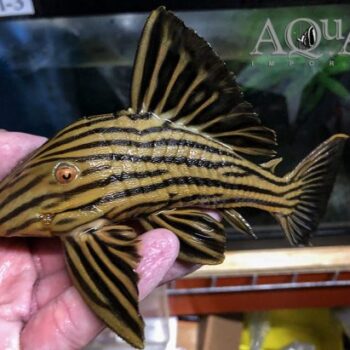
A distinctly marked locality based color form of Royal Pleco or L027, this impressive pleco is collected from the Rio Mae Maria, a tributary of the lower Tocantins in Eastern Brazil and features a high contrast pattern of jet black stripes against a light body color, similar in some ways to the Rio Araguaia variant of L027. Like all species of Panaque, they have specialized teeth and are adapted to eat and even digest wood, although the Woodgrain Royal Pleco also feeds on submerged vegetation and invertebrates. Conditions in the aquarium should be as close to their wild habitat as possible, with moderate to strong current, warm temperatures, and excellent water quality. Due to their specialized diet, we recommend providing driftwood for grazing and feeding a specialty diet like Repashy Morning Wood.
-
$19.99 – $44.99Price range: $19.99 through $44.99
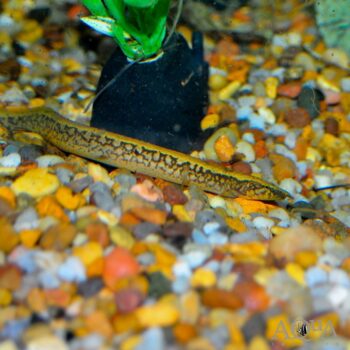
A medium sized, beautifully marked species of spiny eel, the African Starry Night or Longtail Spiny Eel is found in Central Africa, where it ranges from the Congo River Basin to several of the Rift Lakes as well as lake and riverine habitat in the surrounding areas. Hardy and more outgoing than many of their relatives, these fish make a unique addition to medium to large aquariums and will generally do well with any fish too large to become a meal. Like most spiny eels, they can be a bit slow to feed at first, so care should be taken to ensure they are getting enough food. Frozen bloodworms are usually accepted readily.
-

$59.99 – $179.99Price range: $59.99 through $179.99
A large predatory characin found throughout much of the Amazon basin, the Tatauaia or blackfin Payara tends to inhabit waters with moderate to strong current in the wild. With their unique, flattened body shape, they spend most of their time hanging motionless against the direction of the water flow, waiting for prey to drift by. They use lightning-fast reflexes and their namesake saber-like teeth to grab hold of their prey, which can be fish up to half their own size. In the aquarium, payara often require live foods – at least at first – and do best in well-oxygenated water with plenty of water movement.
-
$18.99
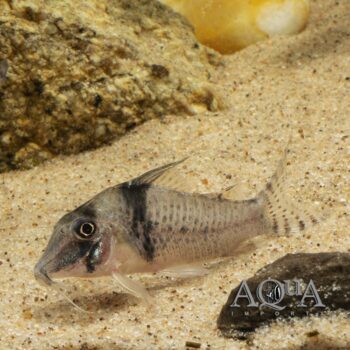
A larger growing and uncommonly imported species of Corydoras, the Pastaza Cory is found in shallow, sandy and rocky stretches of the Rio Pastaza and Maranon in Peru and Ecuador. In the aquarium, they will do best with plenty of open space and moderate current. This species seems to prefer slightly cooler water temperatures and should not be kept long term at temperatures much above 78F.
-
$699.99 – $999.99Price range: $699.99 through $999.99
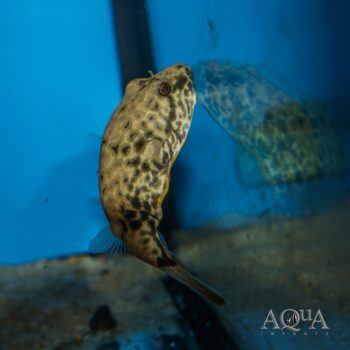
One of the rarest freshwater pufferfish seen in the aquarium hobby, the Duboisi or Malebo Puffer is known only from the lower Congo River basin around Stanley or Malebo Pool, along the border of the Republic of the Congo and the Democratic Republic of the Congo. This border region remains an extremely dangerous area for collecting and transporting fish which has contributed to their rarity in the trade. In the wild, they inhabit similar habitat to the Mbu Puffer, although with a much smaller adult size of only around 4″ this puffer makes a much more manageable aquarium fish in the long term. In the aquarium, they will do best as a solitary fish or with smaller, fast moving tankmates (which may still be at risk of predation). This species requires excellent water quality and prefers at least moderate current and well-oxygenated water.
-
$17.99
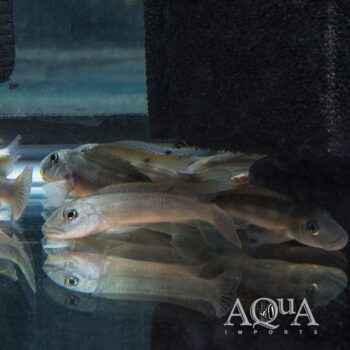
A medium-sized, stream dwelling cichlid originating in the Congo River basin in Central Africa, the Slender or Blue Buffalo Head Cichlid is much less well known than its more common relative and remains an infrequent import in the trade. Mature fish, especially males, tend to show a vivid blueish coloration and as their name suggests, they are more elongated in shape than Steatocranus cassuarius. In the wild, these fish are adapted for life in fast-flowing waters, and are powerful swimmers with reduced swim bladders which spend most of their time on the bottom of the aquarium. An active and interesting aquarium resident, they prefer fine substrate and plenty of structure in the form of rocks or driftwood. Males will pick out and actively defend a territory from rivals but are generally peaceful towards other tankmates. Although hardy and adaptable, they will do best in conditions similar to their wild habitat, especially well-oxygenated water with moderate to strong current.
-

$34.99
A strikingly marked fish found throughout parts of Central Africa, the Six Banded or Sixbar Distichodus has been popular in the aquarium hobby for many years although it has become increasingly less common as imports from the region are now infrequent. A large growing, active fish with intense red fins and black bars across the body, this characiform tends to be found in lakes or larger streams, typically in areas of moderate to strong current. In the aquarium, they require plenty of open swimming space and will do best with robust, fast-moving tankmates. When young, the Six Banded Distichodus will cohabitate peacefully but as they grow they are often territorial towards one another and are also likely to nip fins of slower moving or long-finned tankmates.
-
$12.99 – $29.99Price range: $12.99 through $29.99
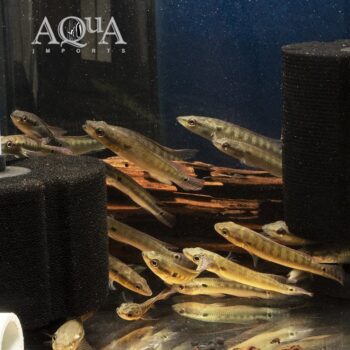
A uncommon, medium-growing Pike Cichlid from the Rio Inirida and its tributaries along the Colombia-Venezuela border, this species is a member of the so-called “saxatilis group” of pikes. Like most cichlids in this group, they display attractive gold spotting which intensifies as they grow. With their relatively moderate adult size and less aggressive nature than some of their close relatives, this species is one of the better Crenicichla for a mixed species community aquarium (of similarly sized fish).
-
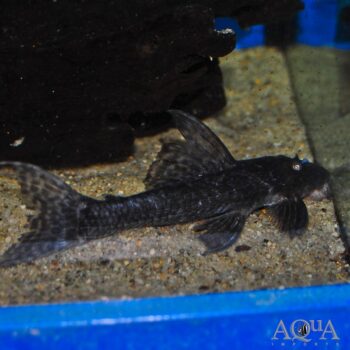
$119.99 – $239.99Price range: $119.99 through $239.99
The L185 is an impressive, large growing species of Pseudacanthicus (commonly known as cactus plecos) from the rocky, clear, fast-flowing waters of the middle and upper Rio Xingu in Brazil. Territorial and largely carnivorous by nature, this species grows to about 7″ length and requires a fairly large aquarium with lots of cover, especially if they are to be kept with other plecos. They prefer warmer water temperatures (80 – 84F ) and will do best with moderate to strong current.
-
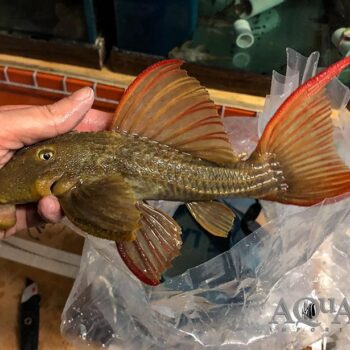
$349.99 – $799.99Price range: $349.99 through $799.99
The L024 or Redfin Cactus Pleco is a colorful and sought after species of heavily armored pleco originating in the Rio Tocantins in Brazil. Like most members of its genus, it is largely a carnivore and prefers protein rich foods. The “Super Red” variant displays intense, vivid reds in the dorsal and pectoral finds and is found only in the waters surrounding the town of Tucurui. In the aquarium, the Redfin Cactus Pleco should be offered ample cover and care should be taken with other bottom dwelling species as they can be territorial. With their large adult size and space requirements, Redfin Cactus Plecos are recommended for experienced hobbyists with large aquariums and heavy filtration.
-
$74.99
A unique doradid catfish found in Southern Brazil, the Marbled Thorny Catfish is a peaceful, substrate feeding fish found in areas of moderate to fast water flow. In the wild, it feeds heavily on invertebrates including snails, but will accept most frozen or prepared sinking foods in the aquarium. This species is largely sedentary but is a fast and agile swimmer when necessary so will benefit from a spacious aquarium with plenty of open swimming space.
-
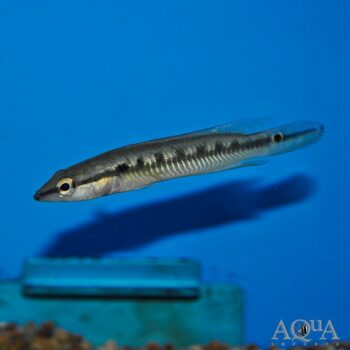
$9.99 – $49.99Price range: $9.99 through $49.99
A medium-growing Pike Cichlid found throughout the Rio Meta and many of its tributaries in Colombia, this species is found alongside and often misidentified as the common “Belly Crawler” Pike, typically in fast-moving water with rocky substrate. With their relatively moderate adult size and less aggressive nature than some of their close relatives, this species is one of the better Crenicichla for a mixed species community aquarium (of similarly sized fish). Like all members of the genus, they are predatory, feeding on smaller fish and invertebrates in the wild but will typically accept frozen foods and eventually pellets without much difficulty in the aquarium.
-
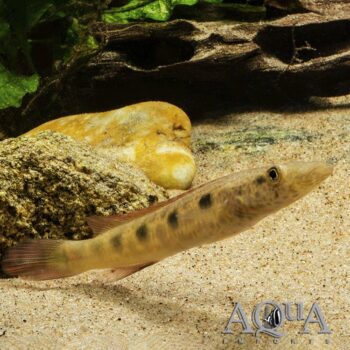
$349.99
A very rarely imported Pike Cichlid from Brazil’s Rio Xingu, Lugubria percna was only described scientifically in 1991 and little remains known of its habits or distribution in the wild. Like most other species found in this warm, fast-moving, clear water river, they are well adapted for life in the rocky rapids and will do best with strong current and plenty of rockwork or caves in the aquarium. With their distinctive protruding lower jaw and lightning fast reflexes, this species is likely an ambush predator in the wild, hiding out among the rocks to await smaller fish swimming above them in open water to prey on. In the aquarium, they require warm (82F+) well-oxygenated water and should receive regular large water changes to ensure optimal water quality. Ideal tankmates would include many of the medium to large pleco species found in the same river or some of the medium growing Myleus, Metynnis, or Leporinus species also at home in fast-moving waters.
-
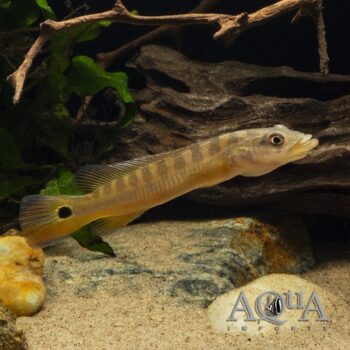
$149.99
The XIngu II Pike Cichlid is a rarely imported, as yet undescribed species of Crenicichla found in the warm, fast-moving waters of the middle and lower Rio Xingu and its tributaries in Brazil. A member of the so-called lugubris group of Pike Cichlids, this is a large growing predatory species typically found in open waters where they feed on smaller fish and invertebrates. It can be distinguished from similar species like the Xingu I by its lack of distinct black horizontal striping as juveniles and by the black patches behind the eye and on the gill cover displayed by mature adults. In the aquarium, they require warm (82F+), well-oxygenated water and should receive regular large water changes to ensure optimal water quality. Ideal tankmates would include many of the medium to large pleco species found in the same river or some of the medium growing Myleus, Metynnis, or Leporinus species also at home in fast-moving waters.
-
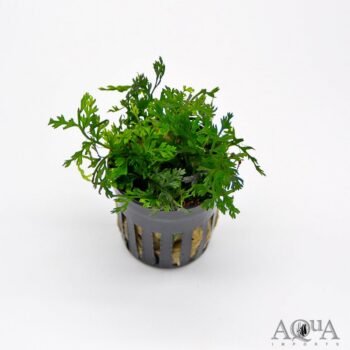
$14.99 – $29.99Price range: $14.99 through $29.99
Mini Bolbitis heteroclita ‘difformis’ Care Level: Beginner Preferred Light Level: Low to moderate Placement/Size: A medium to large plant usually used for mid- or background planting Shipping Note: All our foods and aquatic plants ship FREE with any live fish order; OR food/plant only orders ship for a flat rate of $10.99
-
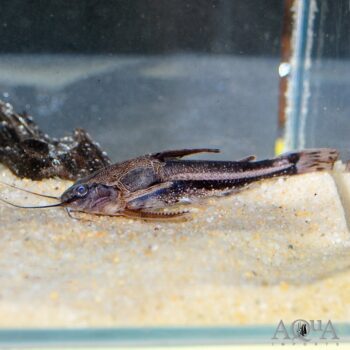
$17.99
A medium sized Doradid Cat found throughout the Rio Negro and other middle Amazonian tributaries, the Talking Catfish is named for its ability to make a croaking or squeaking sound by rapidly moving their pectoral fins. In the wild, they are a cryptic species which tends to inhabit leaf litter and driftwood piles in warm, acidic water. A hardy, adaptable and uncommon catfish, they make an excellent addition to most medium or large community aquariums and are peaceful towards all tankmates.
-
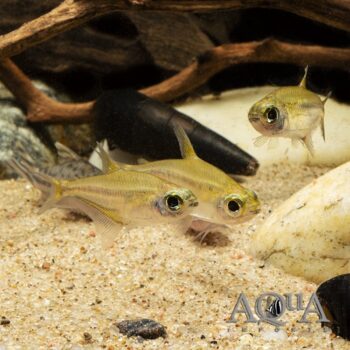
$8.99
A rarely imported and colorful characin, the Blue Flash Glass Tetra has a wide distribution in South America but is uncommon throughout its range. It tends to inhabit soft, acidic waters and are typically found in large aggregations alongside other similar-sized tetras. Heterocharax virgulatus displays a striking iridescent coloration with hints of blue, green, and yellow depending on the ambient lighting. In the aquarium, this fish hardy and adaptable is best kept in a group of 5 or more with similarly-sized tankmates.
-
Sale!
$34.99 – $36.99Price range: $34.99 through $36.99
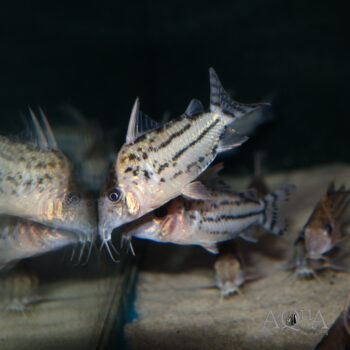
The Pulcher or Pretty Cory is a an attractive, larger growing species of Brochis found in the Rio Purus and its tributaries in Brazil. Like most of their relatives, they will do best in relatively soft, acidic water on a fine sand substrate in the aquarium. As with all Corydoras, they are a shoaling species that should be kept in a group of at least 5 fish and will do well with nearly any non-aggressive tankmates.
-
$22.99 – $25.99Price range: $22.99 through $25.99
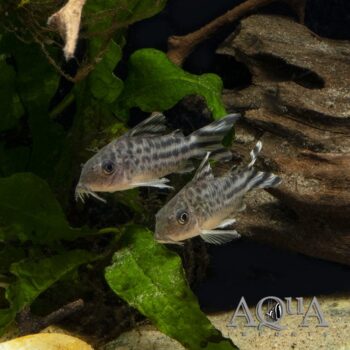
The Flagtail or Banner Cory is a striking, medium sized species of Brochis found in parts of the Rio Negro and its tributaries in Brazil. Like most of their relatives, they will do best in relatively soft, acidic water on a fine sand substrate in the aquarium. As with all Corydoras, they are a shoaling species that should be kept in a group of at least 5 fish and will do well with nearly any non-aggressive tankmates.
-
Sale!
$9.99
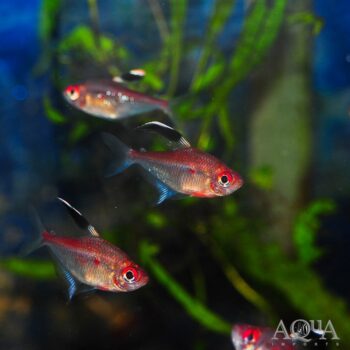
The Flameback Bleeding Heart Tetra is a beautifully colored close relative to the more well-known common Bleeding Heart found in the middle Rio Negro in Brazil, where it inhabits soft, acidic blackwater creeks and shallows and is typically found in large shoals. As their name implies, this species can be distinguished by the deep red iridescent streak extending across their dorsal surface, which is particularly prominent on mature fish. A medium to large species of tetra, they are best kept in groups of 5 or more and make an impressive centerpiece for a medium to large planted aquarium.
-
$16.99
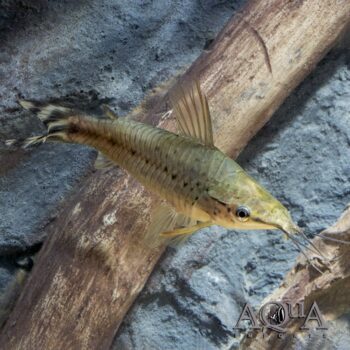
A unique armored catfish and a favorite in the aquarium hobby for decades, the flagtail porthole catfish is distinguished by its unique black and white barred tail and spotted pattern. In the wild, it is found in shallow waters throughout much of the Amazon Basin. Peaceful, active, and social, they are best kept in small groups in the aquarium and will get along well with most similarly-sized tankmates.
-
$10.99 – $14.99Price range: $10.99 through $14.99
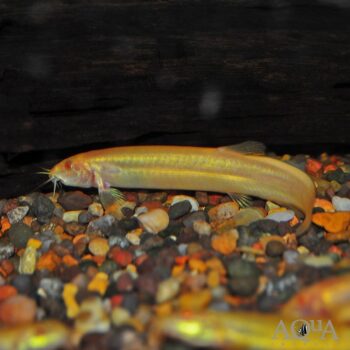
An elongated, eel-like loach found throughout much of Asia, the Dojo Loach has been popular in the aquarium hobby for decades due to their active, gregarious nature and unique appearance. More subtropical than most aquarium species, they are tolerant of temperatures into the mid 50-60F range and do best when kept below 75-78F. In the aquarium, they prefer ample hiding places like plants, caves, or rockwork and will do best when kept in groups of 3 – 5 or more. The attractive gold form is a selectively bred strain which shows a uniform bright yellow/orange coloration.
No sales to: Alabama, California, Illinois, Michigan, Minnesota, New Jersey, New York, Oregon, Wisconsin
-
$74.99
The High Fin Mystus or Silver Lancer Catfish is a striking, rarely encountered bagrid cat found in the major freshwater rivers of Thailand, typically in waters with moderate depth and current. As their common name suggests, their most prominent feature is an extremely elongated dorsal fin, the exact purpose of which in is unknown. This medium growing catfish is peaceful and with their relatively small mouths pose little threat to tankmates with the exception of very small fish or invertebrates. In the aquarium, they should be given plenty of open swimming space and do best on a substrate of fine sand, which they will sift through to find food.
End of content
End of content