Showing 1426–1450 of 2362 resultsSorted by latest
-
Sale!

$8.99 Original price was: $8.99.$5.99Current price is: $5.99.
The Javanese Ricefish (Oryzias javanicus) is widely distributed throughout Asia inhabiting freshwater and brackish coastal environments. The will do best with some salt in the water and a pH range of 7.5-8.4. Otherwise, they are undemanding and will reproduce readily in the aquarium. Be sure to keep a tight lid on your tank, as these fish are known to jump!
-
$34.99
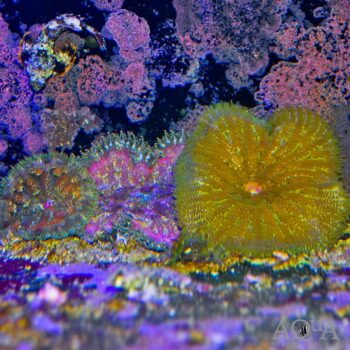
Product description coming soon.
-
$24.99 – $174.99Price range: $24.99 through $174.99
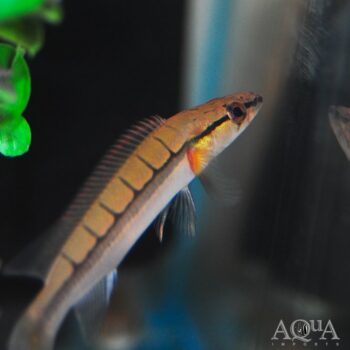
Rio Negro Red Pike Cichlid (Lugubria cf. lugubris)
-
$8.99
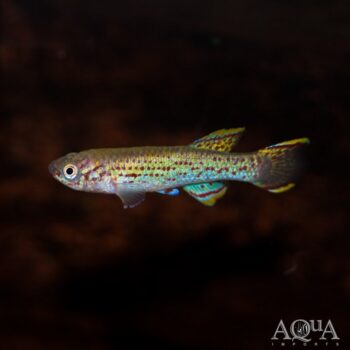
Product description coming soon.
-
$19.99
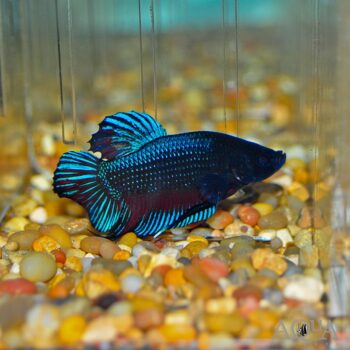
Probably the single most popular fish kept around the world, the Betta or Siamese Fighting fish has been popular in its native Thailand for centuries, and has been bred into dozens of color forms and strains. The Giant Plakat is a shortfin or roundtail variant line bred to grow much larger than typical Betta varieties. Incredibly hardy, and with the ability to breathe air from the surface, these fish are popular “bowl fish” but really will do best in a small aquarium with a heater and some form of filtration. As their name implies, males of this species will fight and must be kept singly but females can be kept in groups.
-
$13.99
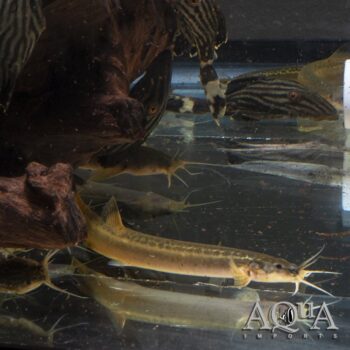
An unusual and rarely imported eel-like catfish, the ″Capitan″ Pencil Catfish originates from the waters of the Rio San Juan in the Choco region of Colombia. Part of a fairly diverse family of similar-looking catfish (Trichomycteridae) found throughout most of South America, this particular species is peaceful and active, and appears to prefer living in loose schools. A voracious omnivore, they will accept any frozen or prepared foods offered. Their name comes from the local name for this group of fish ″Capitan″ (captain), and what they called by the supplier upon import.
-
$9.99
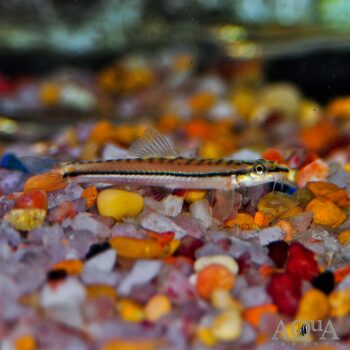
An attractively patterned loach found found in the middle Mekong in Thailand and Laos, the Blackline Torpedo Loach is typically found in shallow, clear water streams in medium to large groups, often close to waterfalls or rapids. An active, social species, they tend to form group hierarchies and should be kept in groups of at least 5 fish. In the aquarium, they require well-oxygenated water and appreciate moderate to strong current but are otherwise undemanding and very hardy.
-
$9.99
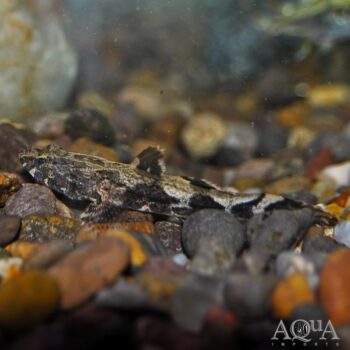
One of the largest gobies, the Marble Sleeper Goby (Oxyeleotris marmorata) or the Marble Goby, is found in Southeast Asian freshwater and brackish environments. This nocturnal species prefers little water movement, plenty of hiding spaces, and a fully carnivorous diet.
-
$39.99
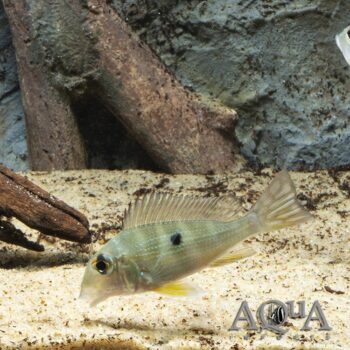
An attractively marked and colorful eartheater relatively new to the hobby, the Gurupi Eartheater is an undescribed species known from the Rio Gurupi in Northeastern Brazil. It is typically found in clear, warm, acidic waters in small aggregations or breeding pairs, and will display their best coloration when kept in similar conditions. A relatively peaceful cichlid, the Gurupi Eartheater will do well with most similar sized tankmates but very small fish may be in danger of being eaten. Like all eartheaters, a substrate of fine sand is essential for their well-being in the aquarium and they will spend most of their time sifting it through their specialized gills to pick out small food particles.
-
$64.99 – $74.99Price range: $64.99 through $74.99
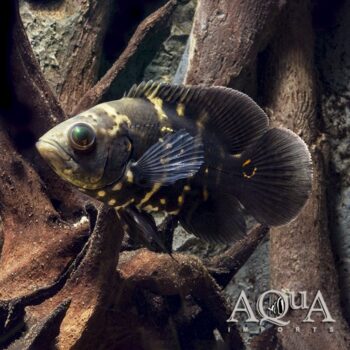
A much more rarely seen relative of the well-known Common Oscar (Astronotus ocellatus), the Bumblebee Oscar is known primarily from certain river systems in Southern Brazil, Bolivia, and possibly Paraguay. It can be distinguished from the wild form of its close cousin by the distinct yellow-black patterning as well as lacking the characteristic eye spots or ocellae found on the dorsal fin of all wild forms of Common Oscar. Like its close relative, the Bumblebee Oscar is a large growing and predatory fish that requires a large aquariums, but it will typically reach a slightly smaller adult size at only 9-10”. Although Oscars have earned a reputation for aggression in the hobby, they are fairly peaceful for a large cichlid and if given ample tank space will do well in a mixed community of similarly sized fish. Feeding a varied diet of high quality prepared and frozen foods will help ensure their best colors as they grow.
-

$199.99
A rare and spectacularly patterned catfish known only from certain river systems in Southeastern Brazil, the Jewel Spotted Doradid or Snoring Catfish is a rarity in the aquarium hobby that has only recently been imported into the US. Found in a variety of riverine habitats in Minas Gerais state in Brazil, this species is now captive bred in its native Brazil on a small scale. Hardy and relatively undemanding, juvenile fish tend to be uniformly black in color but will develop large white or pale yellow spots or blotches with an iridescent hue, making for an impressive display fish in the aquarium. Like most medium growing Doradid Cats, they are peaceful towards any tankmates too large to be a meal and should be offered plenty of hiding places.
-
$27.99
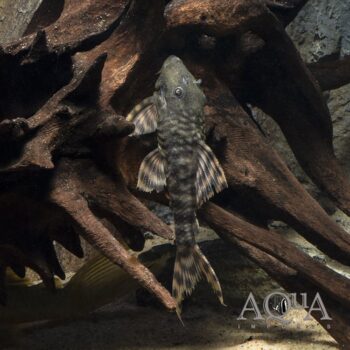
An uncommonly imported relative to the more well-known Clown Pleco, the L206 or Spotted Tail Clown Pleco is known from several upper Amazon tributaries like the Ucayali and Marañon in Peru. These somewhat cryptic plecos are usually found in and around sunken trees and large patches of driftwood in the wild. Like its close relatives, it is a wood eater (xylivore) and in the aquarium should be provided with ample driftwood as well as other nutritious sinking foods like Repashy’s xylivore formula gel diet.
-
$59.99
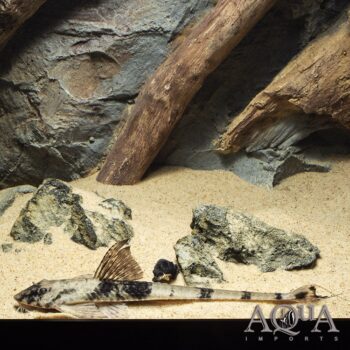
The Royal Marbled Whiptail Catfish is a widely distributed species of larger growing Loricariid known from rivers throughout Peru, Colombia, and possibly Brazil. In the wild, they are found on fine sand substrate in areas of open, shallow water and are capable of a good deal of color change to camouflage themselves to their surroundings. Like most similar Loricariids, this species is an omnivore which feeds on invertebrates, biofilm, algae and vegetation and should be fed a varied diet of sinking specialty formulas including gel diets and occasionally fresh veggies. A hardy and unique aquarium fish, they will do best when provided with plenty of open space, warm, soft water and some current.
-
$10.49
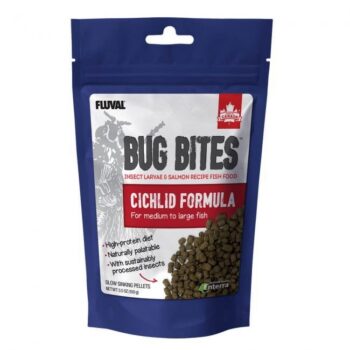
Key Features:
- Black Soldier Fly larvae – sustainably raised on fruits and vegetables for better quality nutrition
- Fortified with Hawaiian-spirulina and kelp -for superior plant protein
- Contains 43.5% crude protein from multiple quality sources
- A rich source of Omega 3 & 9 fatty acids for healthy skin, scales, fins and colors
- Includes a powerful mix of vitamins, minerals and trace nutrients for a balanced daily diet
- Highly palatable – a taste fish naturally crave
- Processed in small batches for maximum quality control and freshness
- Long lasting format
- No artificial fillers or preservatives
-
$79.99
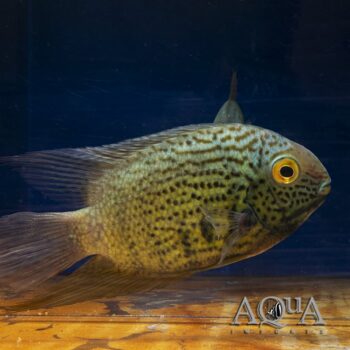
A beautifully marked species of Severum known from the Rio Negro and its tributaries in Brazil, the Spotted Severum (Heros notatus) displays a distinct spotted pattern throughout the body on a vivid green or orange-green base. Mature specimens also display larger black blotches along the ventral surface and sometimes vivid reds depending on mood, water conditions, and stress. As wild fish from warm, acidic waters, they will display their best colors in a similar setup with soft, low-pH water and will benefit from the addition of tannins from Indian Almond leaves or other botanicals. Generally peaceful towards similar sized tankmates, they can be aggressive towards each other and should be kept singly or in a larger group of 5 or more fish (they will get along with most other Heros species as long as the group is large enough).
-
$14.99
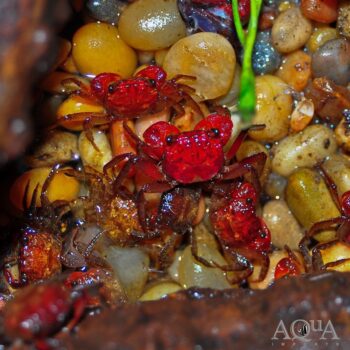
The Borneo Blood Red Crab is a uniformly deep red species of Geosesarma (popularly known as Vampire Crabs) found in tropical streamside habitat in Kalimantan Borneo. Like all vampire crabs, they are largely terrestrial crustaceans found throughout several Indonesian islands and will do well in a semi-aquatic habitat. In the wild, they inhabit tropical stream banks and hillsides and are usually found in large groups. In captivity, they require a warm, humid environment with clean moving water. They make ideal and fascinating residents of naturalistic terrariums or paludariums.
-

$4.99
A small but colorful barb known from Southern Sri Lanka and Southwestern India, the Red Sided or Two Spot Barb remains an uncommon species in the aquarium hobby despite its vivid red adult color and peaceful nature. A shoaling fish, they are found in large aggregations in the wild and should be kept in groups of at least 5 fish in the aquarium. A fast-moving and aggressive feeder, they should be kept with equally large and active tankmates in the aquarium.
-
$29.99
A colorful, medium-growing Loricariid known from the Rio Negro, Branco and Solimoes (Amazon) in Brazil, the Leopard or Fine Spot Whiptail remains an elusive and uncommon import in the hobby. In the wild, they are found on fine sand substrate in areas of open, shallow water and are capable of a good deal of color change to camouflage themselves to their surroundings. Like most similar Loricariids, this species is an omnivore which feeds on invertebrates, biofilm, algae and vegetation and should be fed a varied diet of sinking specialty formulas including gel diets and occasionally fresh veggies. A hardy and unique aquarium fish, they will do best when provided with plenty of open space, warm, soft water and some current.
-
$3.99
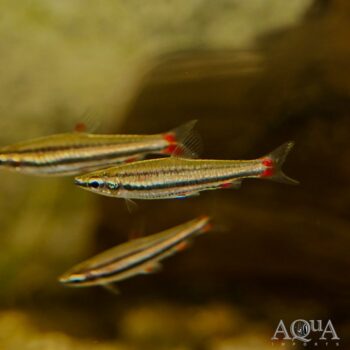
The Trifasciatus or Three Lined Pencilfish is a colorful, small-growing characin found throughout much of the Amazon basin and Guyana shield. In the wild, these fish inhabit areas of warm, acidic, slow-moving water, typically in large groups alongside tetras or other small schooling fish. They are well-suited for a peaceful community aquarium and are popular with aquascapers and planted tank hobbyists due to their color and interesting behavior. With their small adult size, they also make a great fish for nano aquariums as well. This species is hardy and will thrive in a variety of setups, but care should be taken to ensure larger or faster moving tankmates don’t outcompete them for food.
-
$24.99
One of the more unusual so-called “darter tetras” known to the hobby, the Neon Green Darter Characin inhabits the middle and lower Rio Negro in Brazil where it is typically found in shallow, fast-flowing streams and minor tributaries, often in clear water. Their unusual body shape is uniquely adapted for life among submerged root systems and tangles of aquatic or terrestrial vegetation in moderate to strong current. This species, the only member of its genus, is named for the brilliant iridescent green coloration it typically displays when comfortable but it is capable of a remarkable range of color change in response to both its surroundings and mood, and keeping these Characins in a planted aquarium may help them display their best colors. An agile micropredator, the Neon Green Darter Characin feeds on tiny invertebrates in the wild and will appreciate small live foods like baby brine shrimp or white worms in the aquarium. They will typically learn to feed on small frozen foods but a varied diet is best, and tankmates should be chosen with care so they don’t outcompete the darters for food. A fascinating and colorful centerpiece fish for a species or biotope themed aquarium, they are a social species and should be kept in groups.
-
$34.99
The Tukano or Bumblebee Cory is a distinctively patterned medium-growing Corydoras from the upper Rio Negro and Uapes in Brazil and Colombia named for the Tukano Tribe, who inhabit the area where they original specimens were collected in Northwestern Brazil.
, the Adolfoi or Adolfo’s Cory is a peaceful shoaling fish often found in large groups in the wild. This species typically inhabits soft, acidic, tannin-stained waters in the wild and will display their best coloration under similar conditions in the aquarium. Hardy and undemanding, this species an excellent and active bottom-dweller for most community tanks. Like most Corydoras they should be kept in groups of at least five fish.
-
$12.99
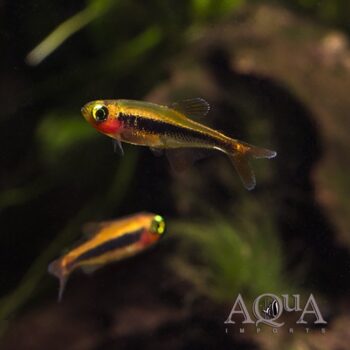
A remarkably beautiful small tetra known only from the upper Rio Negro and Uapes in Brazil and Colombia, the Tucano or Toucan Tetra was only described as recently as 1997 and remains an uncommon import in the aquarium hobby. In the wild, this fish inhabits shallow, quiet areas of flooded forest in deeply tannin stained, highly acidic waters usually in areas of dense leaf litter substrate and overhanging driftwood or branches. With their high contrast black, gold and reddish coloration, peaceful demeanor, and schooling behavior they make a unique and striking centerpiece for a blackwater, botanical-style or aquascaped aquarium. Best kept in groups of 10 or more fish, they will get along with most other peaceful tankmates but are somewhat shy and may be bullied by larger or more boisterous fish. Aquariums which closely replicate their unique wild habitat and water chemistry will help ensure the Tucano Tetra display their best coloration and behavior.
Wild Tucano Tetras and other fish collected from the upper Rio Negro in Brazil by artisanal fish collectors help support the sustainable aquarium fishery in the region which has been the focus of Project Piaba for over 25 years. For more information on this fishery and how it supports habitat preservation, visit www.ProjectPiaba.org
-
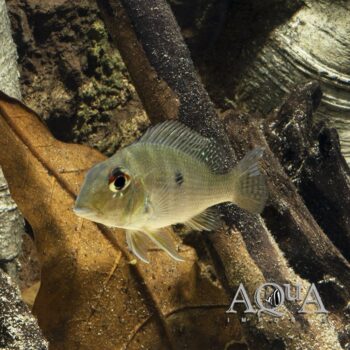
$37.99 – $54.99Price range: $37.99 through $54.99
One of several similarly marked colorful eartheaters in the so-called “surinamensis complex”, the Altifrons Eartheater is a widespread species found throughout several middle Amazon tributaries. The form known from the fast-moving Rio Xingu is typically found in clear, warm, acidic waters in small aggregations or breeding pairs, and will display their best coloration when kept in similar conditions. A relatively peaceful cichlid, the Altifrons Eartheater will do well with most similar sized tankmates but very small fish may be in danger of being eaten. Like all eartheaters, a substrate of fine sand is essential for their well-being in the aquarium and they will spend most of their time sifting it through their specialized gills to pick out small food particles.
-
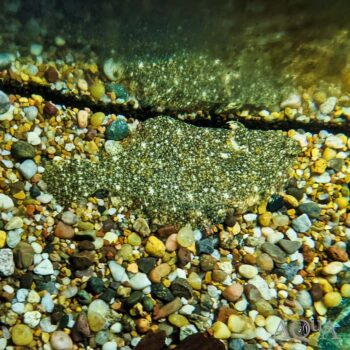
$14.99 – $19.99Price range: $14.99 through $19.99
South American Freshwater Flounder (Trinectes cf. hubbsbollinger) product description coming soon.
-
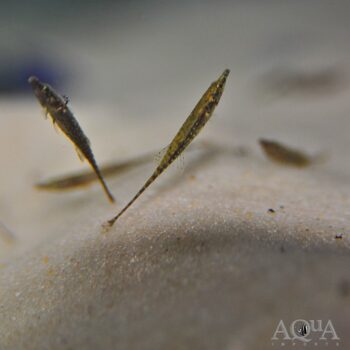
$11.99
The Paradox fish or Armored Stickleback is a bizarre dwarf member of the order Gasterosteiformes (a group which includes sticklebacks, seahorses, and other unusual fish) known only from freshwater drainages throughout Myanmar. In the wild, it tends to inhabit relatively shallow, warm, slow moving waters, often in areas of dense vegetation.This species is a dedicated micropredator, which hunts tiny invertebrates in its native habitat. In the aquarium, it should be offered a variety of small live foods although they will sometimes accept small frozen foods like Daphnia or baby brine. Due to their diet and relatively shy nature, this unusual fish is best kept in a species tank or with other very peaceful, similarly slow moving tankmates.
End of content
End of content