Showing 1451–1475 of 2362 resultsSorted by latest
-

$14.99
A medium growing and colorful South American cichlid, the Yellow Hump Eartheater is known from the Pacific Coastal drainages of Colombia, specifically in the Choco region. Wild specimens are rarely collected for the trade due to challenges collecting in their native habitat, but the species is now bred on a limited scale for the hobby. A hardy and adaptable species, they tend to take prepared foods better than some of their more delicate relatives but like all Geophagus prefer a fine sand substrate to sift through. A social fish when young, they can become aggressive and territorial when they are large enough to form pairs and spawn.
-
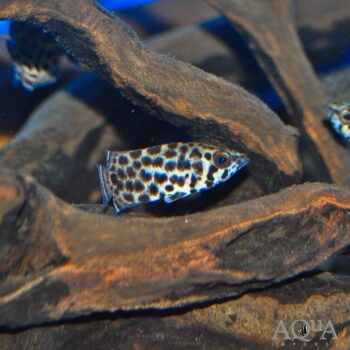
$7.99 – $14.99Price range: $7.99 through $14.99
A beautifully marked and unique fish found throughout much of Central Africa, the Leopard Bushfish or Leopard Ctenopoma is a medium growing species which inhabits relatively shallow, warm, slow moving waters in the wild. Although they are not a large fish, they are adept predators, hunting invertebrates and smaller fishes among leaf litter and aquatic vegetation. In the aquarium, they are hardy and adaptable, and will thrive in small groups or with other similarly sized peaceful tankmates. This species will prey on smaller fish and invertebrate tankmates if given the opportunity but will also readily accept frozen and prepared foods.
-
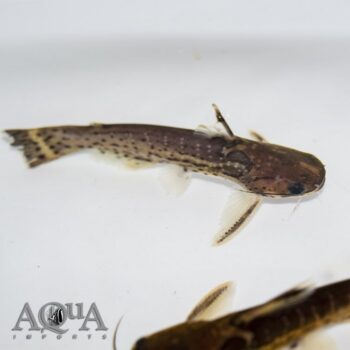
$29.99
An uncommonly imported woodcat or driftwood catfish found throughout much of the middle Amazon and parts of the Orinoco basins, the Spotted Woodcat is a cryptic species which spends most of the daylight hours hidden within driftwood, leaf litter, or submerged logs. At night however, they emerge to feed near the surface where they actively hunt for insects and insect larvae. In the aquarium they are a hardy species and have been bred successfully, but should be kept only with similarly small and peaceful tankmates as they can easily be outcompeted for food.
-
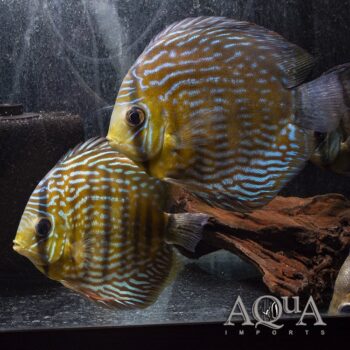
$174.99 – $229.99Price range: $174.99 through $229.99
Long considered the most beautiful of all freshwater aquarium fish, the discus remains a popular fish for serious hobbyists. Regular, large water changes, a protein-rich varied diet, and warm water temperatures (82-86) will create ideal conditions for discus to thrive. Wild discus are more sensitive to water quality and are best kept by experienced hobbyists. They will do best in soft, slightly acidic water and may take weeks or even months to display their optimal colors in an aquarium but will reward patient aquarists with spectacular coloration and natural behaviors. Red wild discus are among the most colorful wild types in the hobby, and with a high quality diet and good water conditions can rival most tank bred strains. These specimens originate in the waters surrounding Beruri in Amazonas state,Brazil and display a vivid base red coloration a with distinctive iridescent blue striated pattern extending through the dorsal and ventral surfaces.
-
$16.99
A unique, large growing cichlid found throughout parts of the middle Amazon and its tributaries, the Giant Basketmouth Cichlid is a highly specialized planktonivore adapted to use its fine gill rakers to sift tiny food particles from the sand and water column. In the wild, they tend to be found in warm, soft waters usually close to fine sand substrate. In the aquarium, they require excellent water quality and regular feedings of fine food items including frozen bloodworms, enriched brine, live foods and high quality small granules and flakes. Easily outcompeted for food by more aggressive tankmates, this species is best for a species tank or with small, slow-feeding tankmates.
-
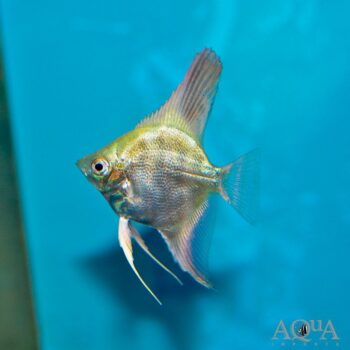
$29.99
An aquarium hobby classic, the common Angel (Pterophyllum scalare) has been selectively bred into many different color forms and variants over the years. As a vertically-oriented species, they do best in a large, tall, planted aquarium with plenty of cover. Although peaceful when young, they can be moderately aggressive towards one another as adults but generally do well in a large enough group, usually 5 or more. Most other non-cichlid tankmates will be left alone but they will hunt and eat very small fish or invertebrates. Angels are somewhat sensitive to water quality so care should be taken to avoid large fluctuations in water conditions and partial water changes should be performed regularly. Our assortment includes a variety of popular varieties, such as marble, silver, zebra, platinum, koi, blushing, and others.
-

$29.99
An aquarium hobby classic, the common Angel (Pterophyllum scalare) has been selectively bred into many different color forms and variants over the years. As a vertically-oriented species, they do best in a large, tall, planted aquarium with plenty of cover. Although peaceful when young, they can be moderately aggressive towards one another as adults but generally do well in a large enough group, usually 5 or more. Most other non-cichlid tankmates will be left alone but they will hunt and eat very small fish or invertebrates. Angels are somewhat sensitive to water quality so care should be taken to avoid large fluctuations in water conditions and partial water changes should be performed regularly. Our assortment includes a variety of popular varieties, such as marble, silver, zebra, platinum, koi, blushing, and others.
-
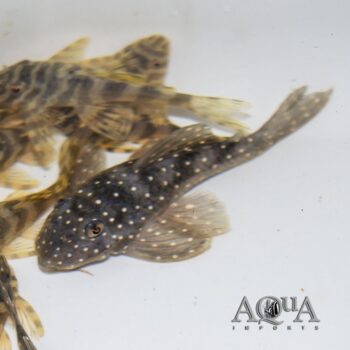
$24.99 – $27.99Price range: $24.99 through $27.99
A smaller growing spotted species of Hypancistrus known from several lower Amazon tributaries in Brazil, the L004 Angelicus Pleco is an ideal pleco for the small to medium community aquarium. Although normally shy at first, they will become more comfortable spending time out in the open over time and especially when food is added to the tank. Like most of their close relatives in the genus Hypancistrus, the L004 is not a particularly good algae eater and prefers a more protein rich diet than some plecos. Peaceful toward nearly all tankmates, they can be territorial towards other plecos but will typically coexist without problems long as plenty of cover is provided in the aquarium.
-
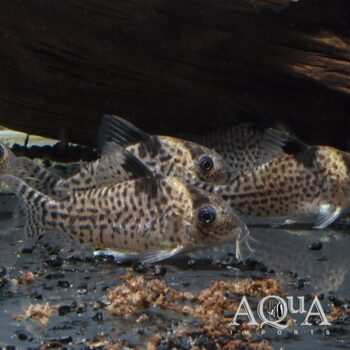
$8.99 – $9.99Price range: $8.99 through $9.99
An attractively marked and larger-growing Corydoras from the middle Amazon in Colombia, Peru, and Brazil, the Agassizii or Spotted Cory is a peaceful shoaling fish often found in large groups in the wild. In the aquarium they are hardy and undemanding, an excellent and active bottom-dweller for most community tanks. Like most Corydoras they should be kept in groups of at least five fish.
-
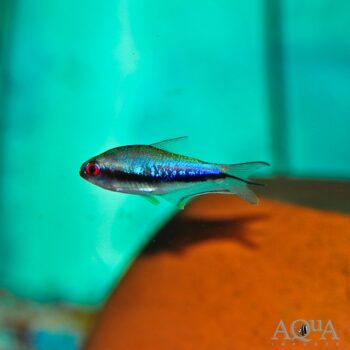
$3.99 – $4.99Price range: $3.99 through $4.99
The Rainbow Emperor Tetra or Lacortei Tetra is a mid-size, beautifully colored schooling characin found in the Choco region of Colombia, in the waters of the Rio San Juan and its tributaries. In the wild it generally inhabits shallow, slow moving stretches of river or flooded forest area, usually close to submerged vegetation. This species is superficially similar to the more well known Emperor Tetra (N. palmeri) when young, but adults develop an unmistakable iridescent pattern above the lateral stripe with shades of red, pink, and green. Adult fish are easy to sex, with males displaying a distinct deep red eye and typically more intense coloration and elongated streamers on the caudal fin. In the aquarium, they are hardy and adaptable, perfect for most medium community aquariums or planted/aquascaped tanks. Like most tetras they should be kept in groups of at least 5.
-
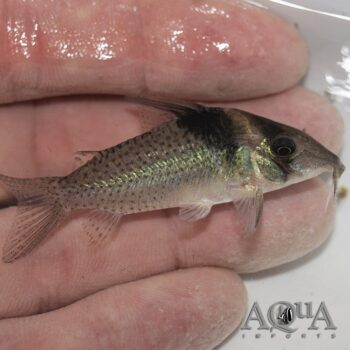
$24.99
A rarely imported, larger-growing species of Cory Cat, Brochis amandajanea or the Amanda Jane Cory is found in the upper and middle Rio Negro in Brazil. An inhabitant of soft, acidic, shallow waters on fine sand substrate, they are typically found in large aggregations as they forage for food in the substrate. Peaceful, hardy, and active, this species makes a striking addition to a community or planted aquarium. Like all Corydoras, they will do best on a fine sand substrate and should be kept in groups of 5 or more.
-
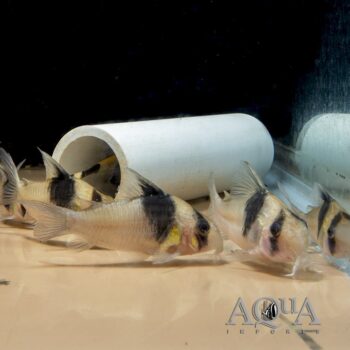
$29.99
A beautiful and larger growing species of Corydoras only recently introduced to the hobby, CW049 Black Diamond Cory is found in the upper Rio Negro and Uapes drainages along the Brazil/Colombia/Venezuela border. An inhabitant of soft, acidic, shallow waters on fine sand substrate, they are typically found in large aggregations, sometimes mixed with the very similar CW051. Peaceful, hardy, and active, this species makes a striking addition to a community or planted aquarium. Like all Corydoras, they will do best on a fine sand substrate and should be kept in groups of 5 or more.
-
$49.99
With distinctive golden coloration and a much smaller adult size than other peacock bass of the genus Cichla, the Kelberi is among the most popular of these large predatory cichlids in the aquarium hobby. Originating from the rivers of Southeastern Brazil (including the Tocantins), these fish are popular food and sport fish in their native range. Like all peacock bass, Kelberis require very large aquariums and should only be kept by experienced hobbyists. Kelberi Peacock Bass are powerful predators, and will eat any fish that can fit in their large mouths. They are best kept in small groups with similarly sized cichlids although aggression and territoriality can become an issue as they reach maturity. Fish from the Bahia locality are especially sought after as a distinct, vividly gold and yellow strain with relatively little black pigment as adults.
-
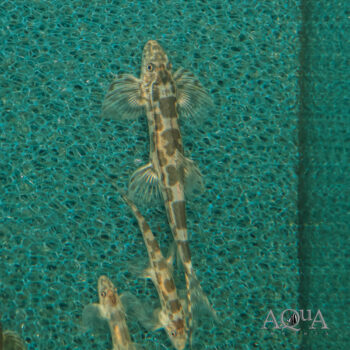
$24.99
A resident of fast-moving, rocky streams in Northern Thailand, the Spotted Lizard Loach (Pseudohomaloptera sexmaculata) uses its unique modified pectoral fins to attach themselves to rocky substrate and move among the rocks in search of food. In the wild, they are grazers and generalists, feeding on algae, biofilm, and small insects and crustaceans. In the aquarium, they do best when kept under similar conditions to their wild habitat – rocks, ample current, and well-oxygenated water. Although they will accept a number of prepared sinking foods, it’s important to supplement their diet with algae- or veggie-based food.
-
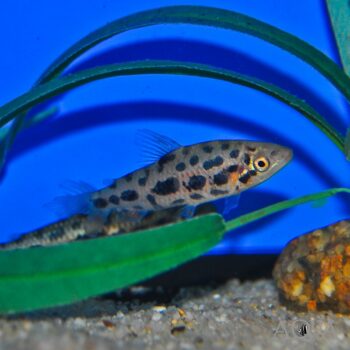
$29.99
A medium, colorful species of Leporinus originally known from the waters of the Guiana Shield, Leporinus sp. “strawberry” is relatively rare in the hobby, primarily known from Suriname. More recently, this species has been tank raised in limited numbers in Southeast Asia. A fast-swimming, but relatively peaceful species, they make an excellent tankmate for large cichlids or characins, especially other active, fast-moving fish. As with most of their close relatives, L. granti can be prone to nip fins or scales of slower moving tankmates and can be aggressive towards conspecifics or other close relatives. Plenty of cover and strong water movement can help offset aggression in these fish. If attempting to keep them together or with other close relatives, a group of at least 5 should be considered the bare minimum for successful cohabitation.
-
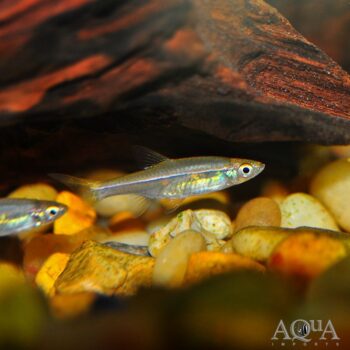
$10.99
The Orange Line or Glowlight Rasbora is an active, medium-growing schooling fish endemic to Southeast Asia, known from peninsular Malaysia, Borneo and Sumatra. With their namesake vivid orange horizontal stripe, this species is an uncommon but beautifully marked aquarium fish that makes for a striking addition to planted or blackwater tanks. In the wild, they inhabit shallow streams and creeks with sandy substrate and soft, acidic, tannin-stained waters, usually among aquatic plants or fallen branches. A hardy and adaptable fish in the aquarium, they will do well in a variety of water conditions but will display the best coloration when kept in relatively soft water at temperatures above 78F. Like most schooling rasboras, they are best kept in groups of 10 or more and will thrive with most similarly-sized peaceful tankmates.
-
$5.99
With its vivid yellow coloration and red eyes, the Lemon Tetra has been deservedly popular in the aquarium hobby for decades. A peaceful, medium-growing schooling fish, this species has been bred on a commercial scale for many years but wild collected fish are rarely available. In the wild, this species inhabits the soft, clear waters of the middle and lower Rio Tapajos in Brazil, where they are found in a range of habitat types. Wild fish often display more vivid coloration than their aquacultured counterparts.
-
$19.99
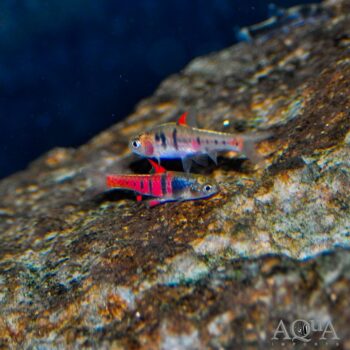
Product description coming soon.
-
$69.99 – $199.99Price range: $69.99 through $199.99
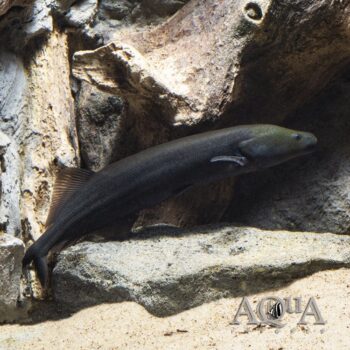
The largest member of the family Mormyridae, the Cornish Jack (Mormyrops anguilloides) or the African carp, is a weakly electric fish found in the tropical freshwater of Sub-Saharan Africa. In the wild, they feed on fish, crustaceans, and insect larvae. Beware! They can be very territorial in the aquarium.
-
$6.99
An attractive, uncommonly imported small tetra found throughout the lower Amazon and its tributaries in Eastern Brazil, the Flag Tetra or Tricolor Flag Tetra typically inhabits shallow, slow-moving creeks or flooded forest area in stretches of acidic, tannin stained waters. Like most tetras its size, it is a schooling fish and is usually found in large groups in the wild. In the aquarium, the Flag Tetra is hardy and adaptable, but will display its best coloration in warm, softer water and should be kept in groups of at least 5.
-
$7.99
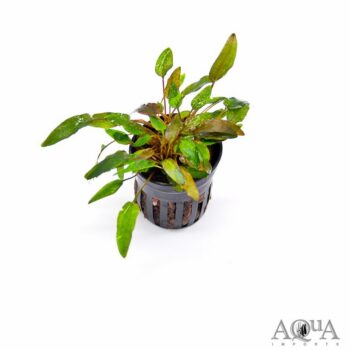
Cryptocoryne mioya Care Level: Beginner Preferred Light Level: Low to moderate Placement/Size: A medium to large plant usually used for mid- or background planting Shipping Note: All our foods and aquatic plants ship FREE with any live fish order; OR food/plant only orders ship for a flat rate of $10.99
-
$6.99 – $7.99Price range: $6.99 through $7.99
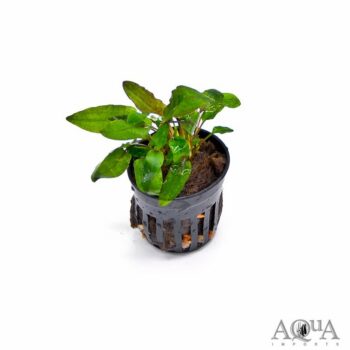
Cryptocoryne wendtii Tropica Care Level: Beginner Preferred Light Level: Low to moderate Placement/Size: A medium to large plant usually used for mid- or background planting Shipping Note: All our foods and aquatic plants ship FREE with any live fish order; OR food/plant only orders ship for a flat rate of $10.99
-
$69.99 – $169.99Price range: $69.99 through $169.99
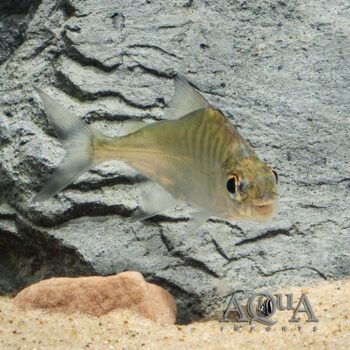
A smaller relative of the more well known Silver Dollars and Pacus, the Sheep Head or Sheep Pacu is known only from the Xingu and possibly Tocantins rivers in Eastern Brazil, where it inhabits clear, fast-moving waters. This unique characin has a mouth specially adapted for grazing on submerged vegetation, fallen fruits, and biofilm and is also known to occasionally nip scales off larger fish, which may constitute part of their diet in the wild. In the aquarium, they are largely peaceful and will leave smaller fish alone but they may pick scales or nip fins off larger, slow moving tankmates. Conditions in the aquarium should replicate their wild habitat as closely as possible, with warm (80F+), clear, soft water and plenty of water movement.
-
$29.99
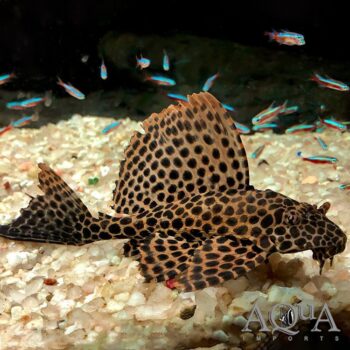
An incredibly beautiful but huge growing pleco, the L165 Sailfin, Butterfly, or Gibbiceps Pleco has been known by many names in the trade and is now among the most widely bred plecos in the hobby despite its large adult size. As the name implies, this species is easily distinguished by its enormous, sail-like dorsal fin and intricate pattern of dark spots against a tan, light brown or reddish background. An algae grazer and opportunistic omnivore, the Sailfin Pleco is an excellent fish for algae control in a very large community aquarium but with its fast growth and adult size of over 16″ it requires a substantial amount of space to maintain successfully. Most available in the trade have been farm bred and possibly hybridized with other similar species but the wild form from the Rio Negro displays exceptional reds and a highly distinct pattern.
-
$29.99 – $89.99Price range: $29.99 through $89.99
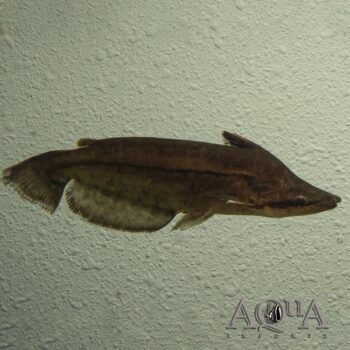
An uncommon and oddly shaped catfish found in a number of Amazon and Orinoco tributaries, Wallace’s Shoehead Cat is named for its unusually flat, broad head. A shy and primarily nocturnal fish, they spend most of the daylight hours in the wild hidden among driftwood or in leaf litter, emerging at night to feed on insects and smaller fish. In the aquarium they are fairly hardy, but will do best with plenty of plants or driftwood for cover. While they are peaceful towards similarly sized tankmates they will eat any fish that can fit in their large mouths.
End of content
End of content