Showing 1376–1400 of 2362 resultsSorted by latest
-
$10.99
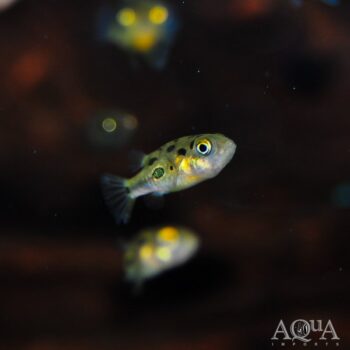
A small, true freshwater pufferfish species, the Imitator Dwarf Puffer is extremely similar to the much more well-known Dwarf Pea Puffer (C. travancoricus) but can be distinguished by its pattern of fewer, larger spots and other small morphological differences. It is believed they live alongside Pea Puffers in the wild in mixes shoals in some cases. Like their close relative, their small adult size, inquisitive nature, and interesting group dynamics make them an ideal aquarium fish. A social fish best kept in groups of 5 or more, like all puffers they may nip at the fins of other fish (especially slow moving or long finned species) so tankmates should be chosen with caution. With a preference for relatively soft, slightly acidic water they are a hardy and adaptable species that will generally do well in most aquariums.
Approximate purchase size: 0.3 – 0.6″
-
$29.99 – $44.99Price range: $29.99 through $44.99
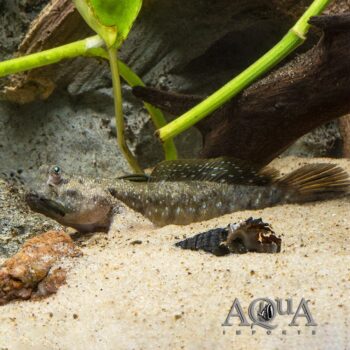
The Blue Dragon Mudskipper is a fascinating member of the family Gobiidae which, like all mudskippers, are specially adapted to spend time outside of the water. Found in coastal areas from India to Indonesia, this species inhabits mangrove swamps and tidal mud flats, often in large groups with a defined social hierarchy. In the wild, this unique species actually feeds largely on algal turf and associated small invertebrates, sifting mud through their large mouths to sort out food particles. In the aquarium, they will typically accept a combination of algae-based diets (like Repashy gels) and frozen spirulina brine shrimp and bloodoworms. The Blue Dragon Mudskipper tends to spend more time underwater than most related species and tends to inhabit more lightly brackish areas and occasionally pure freshwater. They will do best with the addition of some marine salt (5-10ppt).
-
$109.99 – $149.99Price range: $109.99 through $149.99
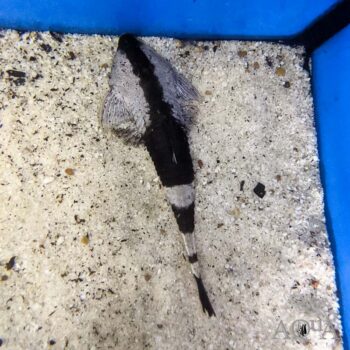
The ”False” Chameleon Loricaria originates from the upper Rio Nanay in Peru and is closely related to the similar looking Pseudohemiodon apithanos, which is found in the Caqueta basin in Colombia and Ecuador. This still undescribed species tends to be more reddish brown and their stress pattern typically includes a distinct black dorsal stripe. Like their close relatives, the False Chameleon Loricaria is typically found in shallow, sandy stretches of river with moderate to strong current, often in groups. In the aquarium, they prefer moderate to high water movement and large open areas of sand substrate. In the wild, they graze on biofilm, algae, small crustaceans and insect larvae and should be fed a varied diet with plenty of proteins such as Repashy Bottom Scratcher or Igapo Explorer gel diet or Fluval Bug Bites pleco formula. They can be territorial with each other so provide plenty of space for each individual fish.
-
$174.99 – $249.99Price range: $174.99 through $249.99
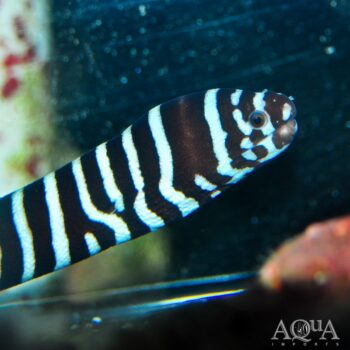
Native to the tropical seas of the Indo-Pacific, the Zebra Moray Eel (Gymnomuraena zebra) is a carnivorous fish that will still generally do well in a community saltwater tank with similarly sized tankmates. Their stark banding will help you spot them as they are out and about during the day. Growing up to 60 inches/152 cm, make sure to have hiding spaces large enough for the eel to hide its whole body!
-
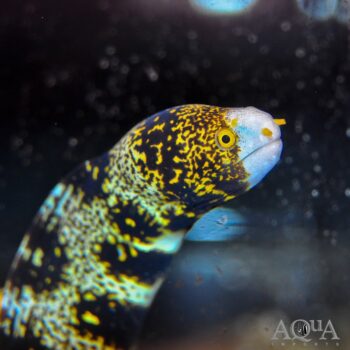
$29.99 – $74.99Price range: $29.99 through $74.99
One of the smaller morays in the aquarium trade, the Snowflake Moray Eel (Echidna nebulosa), also known as the Bosch’s eel, the clouded moray eel, the floral moray eel, or the starry eel, is native to parts of the Pacific Ocean. Their distinct and ornate pattern make them a desirable choice for well-researched reef tanks with lots of hiding places. While they can become aggressive during feeding time, the Snowflake Moray is otherwise generally mellow and can coexist well with tankmates that can’t fit in their mouths!
-
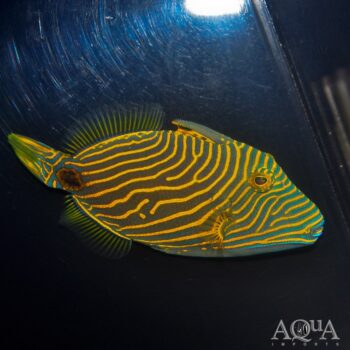
$79.99
Native to the Indo-Pacific, the Undulated Triggerfish (Balistapus undulatus) is a large, carnivorous fish known for its ornate patterning. Triggerfish are widely recognized for their characteristically large teeth used for crushing various invertebrates including corals and shells! into Known as one of the most aggressive triggerfish, the Undulated Triggerfish will thrive best either on its own or with other similarly sized, semi-aggressive to aggressive tankmates.
-
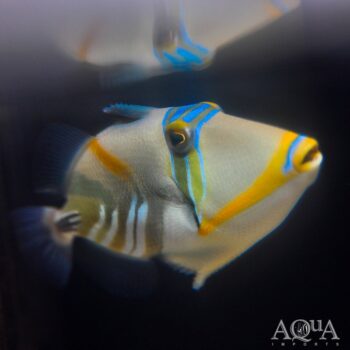
$49.99 – $99.99Price range: $49.99 through $99.99
The Picasso Triggerfish (Rhinecanthus aculeatus), also known as the Humu Triggerfish, the Lagoon Triggerfish, or the Blackbar Triggerfish, is one of the less aggressive triggerfish in the aquarium trade. Popular for their distinct patterning and coloration, the Picasso Triggerfish will do best alone or in a community tank with similarly aggressive fish. Growing up to 12″/30 cm, they are known to be hardy, sizable and beautiful fish!
-
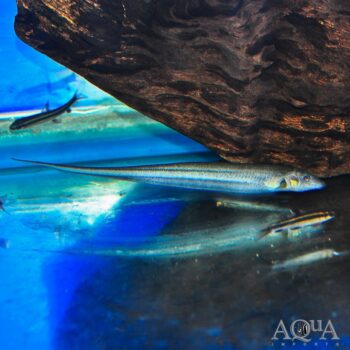
$174.99
Blax’s Longtail Knifefish (also sometimes known as the Rat Tail Knifefish) is an active, large-growing species known from the Rio Tocantins and other lower Amazon tributaries in Brazil. In the aquarium, this is a relatively hardy knifefish but like most of their relatives will do best in somewhat soft water and require plenty of hiding places in the form of driftwood, plants or caves. As a fairly active swimmer, this knifefish should also be provided plenty of open swimming space. They will readily accept most frozen and prepared foods and while not typically aggressive towards tankmates they will likely prey on very small fish or invertebrates.
-

$14.99
Adistinctively marked and uncommonly imported relative of the common Otocinclus, the Longnose Peppermint Oto is known from the lower Rio Negro and its tributaries in the Brazilian Amazon, where it spends most of its time grazing on submerged driftwood and vegetation. An ideal algae eater for most community or planted aquariums, they will eat filamented algae and diatoms from most surfaces, including the aquarium glass. Like most of their close relatives, they are social fish, best kept in groups.
-
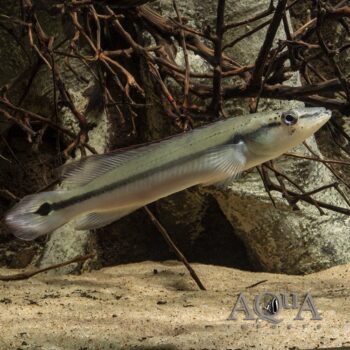
$99.99
A rarely imported member of the so-called lugubris complex of Pike Cichlids, the Strigata Pike is known from the middle Amazon and its tributaries, including the Rio Tapajos in Brazil. The much more common Venezuela Striped Pike (L. sp. ”Venezuela”) is often misidentified as L. strigata in the trade, but is in fact a distinct but related species found in waters almost 1000 miles from the native range of the Venezuelan species. A hardy, aggressive, and large growing species, it is found in fast flowing waters in the wild and require a large aquarium with moderate to strong current.
-
Sale!
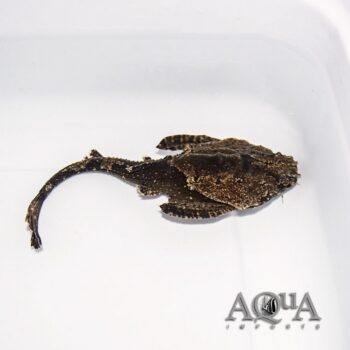
$24.99 Original price was: $24.99.$21.99Current price is: $21.99.
An uncommonly imported relative of the more well-known Banjo Catfish, the Humpback Banjo Catfish is a unique, high backed species found throughout parts of the middle Amazon and its tributaries. Like B. coracoideus, it makes an excellent aquarium species due to its peaceful demeanor and small adult size. The Humpback Banjo Catfish inhabits shallow, warm stretches of slow-moving waters and areas of flooded forest in the wild. Their unique body shape and coloration acts as highly effective camouflage in the submerged leaf litter where they are typically found. In the aquarium, this species is hardy and undemanding, although they can be slow to find food and may be outcompeted by fast-moving or aggressive feeding tankmates.
-
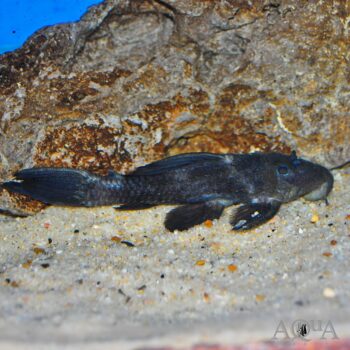
$139.99 – $299.99Price range: $139.99 through $299.99
A large growing and impressive armored pleco known from Brazil’s Rio Tocantins, the L064 Ghost Cactus Pleco inhabits deeper stretches of rocky, fast-moving waters in the wild. Like most of its close relatives in the genus Pseudacanthicus , it is a somewhat territorial fish, and primarily a carnivore which prefers protein rich foods. Due to their large adult size and fairly active nature, the Ghost Cactus Pleco requires a large aquarium with cover in the form of driftwood, rock work or caves and will do best in well-oxygenated water with moderate to strong current.
-
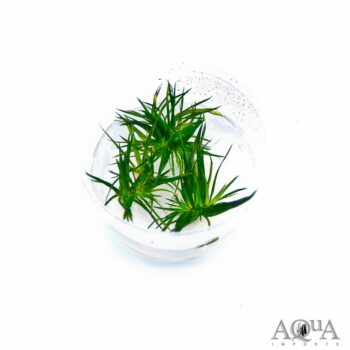
$19.99
Eriocaulon Polaris (Eriocaulon cinereum) Care Level: Advanced Preferred Light Level: High, with CO2 supplementation recommended Placement/Size: Low growing and bush like, best planted in the foreground
-
$39.99 – $119.99Price range: $39.99 through $119.99
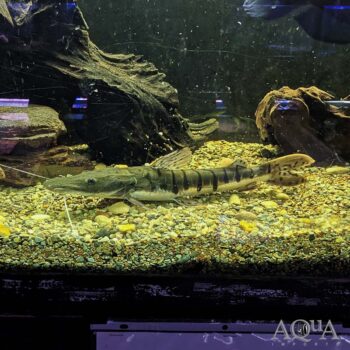
One of the largest growing catfish species of the Amazon Basin, the Tiger Shovelnose (Pseudoplatystoma fasciatum) is an important food fish throughout its range and has been a favorite in the aquarium hobby for decades despite its huge adult size. In the aquarium, they are fairly easy to care for but keep in mind they will attempt to eat anything they can fit in their surprisingly large mouths. Juvenile fish grow extremely quickly so to realistically keep these fish long term a massive aquarium or ideally an indoor pond is necessary.
-
$3.99
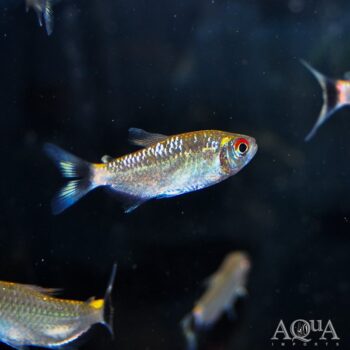
Growing up to 7 cm/2.8 inches, the Red Eye Tetra (Moenkhausia sanctaefilomenae) is a hardy and peaceful aquarium choice. This South American fish does best in a school of five or more. Given ample hiding places, these tetras are great community tankmates!
-
$129.99 – $699.99Price range: $129.99 through $699.99
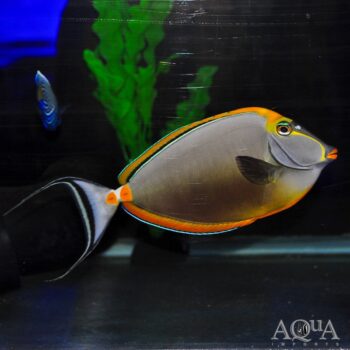
The Blonde Naso Tang (Naso elegans), also known as as the Lipstick Tang, the Tricolor Tang, the Orangespine Unicornfish, or the Elegant Unicornfish, is a saltwater fish native to the Indian Ocean. These colorful, fast-growing fish will appreciate lots of swimming space! While generally peaceful towards other tankmates, Blonde Naso Tangs can be aggressive with each other.
-
$59.99
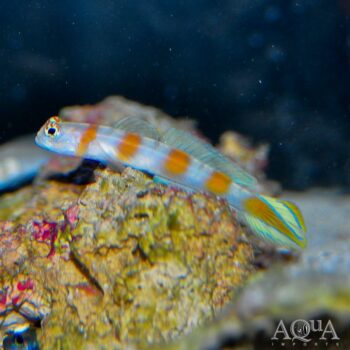
The Pinkbar Goby (Cryptocentrus aurora), also known as the Shrimp Goby, is a popular and hardy saltwater aquarist’s choice from the Western Indian Ocean. While aggressive towards members of the same species, they are generally a peaceful fish. If kept with pistol shrimp from the genus Alpheus, they can from symbiotic relationships with unique behaviors!
-
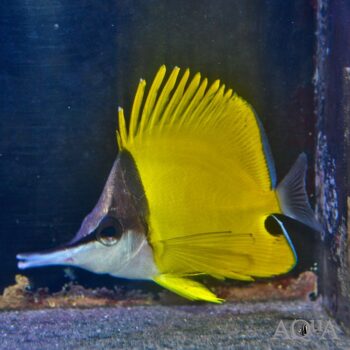
$49.99 – $59.99Price range: $49.99 through $59.99
Native to the Indian and Pacific Oceans, the Longnose Butterflyfish (Forcipiger flavissimus), or the Forceps Fish, is a peaceful and colorful choice. Growing up to 9 inches/23 cm, this fish does best in a larger, fish-only tank. They use their uniquely long snout as a pair feeding forceps to get between coral heads and into nooks and crannies!
-
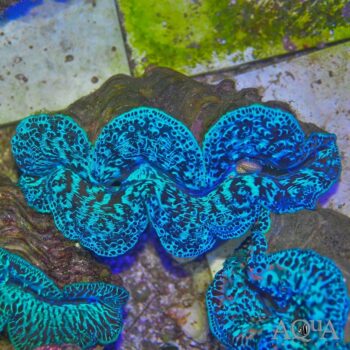
$249.99
The Tahitian Maxima Clam (Tridacna maxima), or the small giant clam, is in high demand among aquarists due to their bright coloration and reasonable size in comparison to the true giant clam. These filter-feeding clams require high-light environments for their photosynthetic zooxanthellae.
-
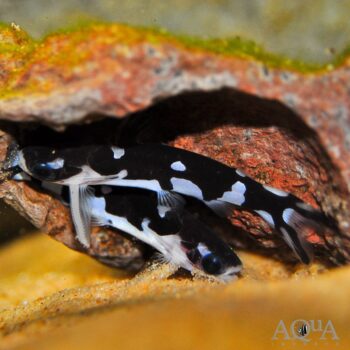
$39.99 – $59.99Price range: $39.99 through $59.99
A beautifully patterned dwarf woodcat named for its distinctive black-and-white coloration, the Orca Woodcat is a cryptic species which spends most of the daylight hours hidden within driftwood, leaf litter, or submerged logs. Known from middle Amazon tributaries in Brazil, this species is similar to (and has in the past been confused with) the Ninja Woodcat (C. musaica) but can be distinguished by heavier white spotting throughout the body. In the aquarium they are a hardy species and have been bred successfully, but should be kept only with similarly small and peaceful tankmates as they can easily be outcompeted for food.
-
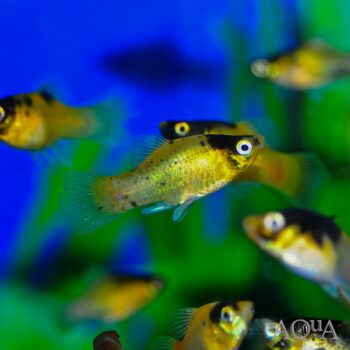
$5.99
An aquarium hobby classic, the Platy is a livebearing species found through parts of Central America but it has been bred worldwide for the aquarium hobby for decades. The Bumblebee Platy is distinguished by its black head and yellow body coloration. A peaceful, hardy, and active fish, they are often recommended for beginners due to their ease of care.
-
$159.99 – $329.99Price range: $159.99 through $329.99
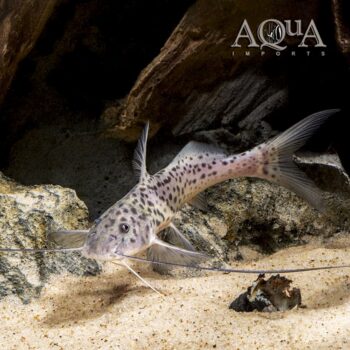
The Bolt Catfish or Jelly Band Catfish is a beautifully marked, active swimming fish known from the middle and upper Amazon and its tributaries in Peru and Ecuador. A resident of open, typically fast-moving waters in the wild, this catfish spends much of its time swimming actively and exploring its surroundings searching out prey with its long sensitive barbels. An aggressive and somewhat territorial fish, the Bolt Catfish will harass and attack conspecifics and similar-looking fish, especially catfish but will generally leave other fast tankmates too large to be eaten alone. As an adult, this fish will require a sizeable aquarium with plenty of open swimming space and moderate to strong current but makes for a unique display fish due to its active nature and attractive purple, yellow, and silver coloration.
-
$6.99
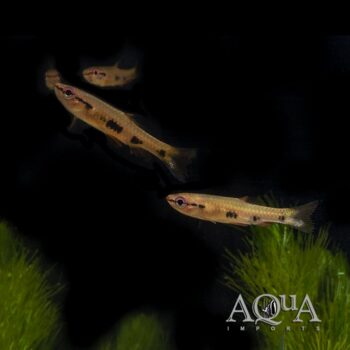
The most colorful of the unusual tetra relatives collectively known as Copeinas and Pyrrhulinas (family Lebiasinidae), the Cherry Red Pyrrhulina is a medium sized characin that can be distinguished from its relatives by its base reddish orange coloration and 3-4 large black ventral blotches. Like most of its close relatives, this is a loosely schooling species that will do best in groups of 5 or more and will get along well with most similarly sized, peaceful tankmates. Subdued lighting, plenty of cover in the form of driftwood or floating plants, and slightly soft water will help promote optimal coloration.
-
$4.99
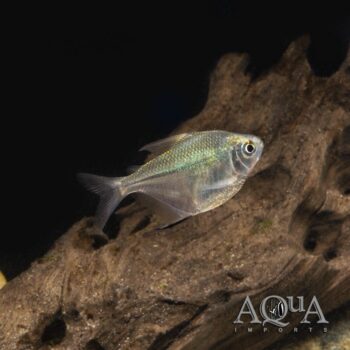
An uncommonly imported, medium-growing characin, the Discus Tetra is named for its distinctive round body shape. This species is known from the Guyanas but an extremely similar fish from the Orinoco in Colombia and Venezuela represents either a close undescribed relative or an extension of its range. In the wild, they inhabit slow moving, warm, acidic streams but will adapt to a wide range of conditions in the aquarium. Like most of its close relatives, this is a loosely schooling species that will do best in groups of 5 or more and will get along well with most similarly sized, peaceful tankmates. With their larger adult size and hardiness, this species makes an excellent tankmate for many more peaceful South American Cichlids.
-
$499.99
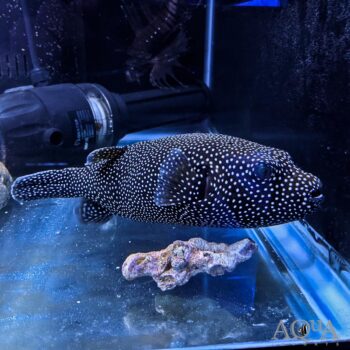
The Guineafowl Puffer (Arothron mealeagris), also known as the Spotted Puffer or the Golden Puffer, is a relatively large pufferfish from the Indo and Eastern Pacific. These highly prized aquarium fish are solitary in the wild and feed on invertebrates and corals. Due to their diet, they do best in large aquariums with other sizeable and peaceful fish.
End of content
End of content