Showing 1551–1575 of 2362 resultsSorted by latest
-

$7.49
Blyxa japonica Care Level: Beginner Preferred Light Level: Low to moderate Placement/Size: A small to medium plant usually used for fore- midground planting Shipping Note: All our foods and aquatic plants ship FREE with any live fish order; OR food/plant only orders ship for a flat rate of $10.99
-
$8.99 – $24.99Price range: $8.99 through $24.99
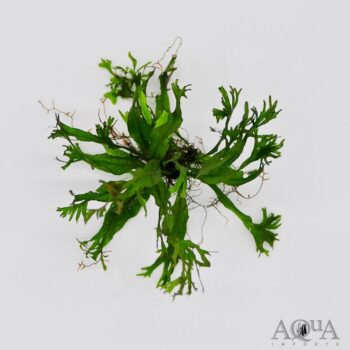
Java Fern ‘Lace’ (Microsorum pteropus var. Windelov) Care Level: Beginner Preferred Light Level: Low to moderate Placement/Size: A medium to large plant usually used for mid- or background planting Shipping Note: All our foods and aquatic plants ship FREE with any live fish order; OR food/plant only orders ship for a flat rate of…
-

$29.99 – $59.99Price range: $29.99 through $59.99
The Fork Tail Hoplo Catfish is a widespread species of heavily armored catfish found throughout much of the Amazon, where it is found in a wide variety of habitat types. Like their more well known relative, the Spotted Hoplo (M. thoracata) and are especially hardy due to their ability to breathe atmospheric air when dissolved oxygen levels are low. In the aquarium, they will thrive in a wide variety of conditions and make excellent tankmates for most medium to large sized fish.
-
$19.99 – $24.99Price range: $19.99 through $24.99
A popular brackish water aquarium fish, the Scat occurs in three distinct color forms (green, silver, and red) which were once thought to be different species but are now all considered to be variants of the extremely widespread S. argus. Found along nearly every coastline of the Indo-Pacific region, scats are amphidromous, which means they regularly move between freshwater in marine habitats. Although they are sometimes marketed as a freshwater fish (and can be kept as such as juveniles), scats will do best in brackish or marine aquariums. The green scat is a t common color variant of S. argus, and is typically found in estuaries and mangrove forests. Although juvenile scats can tolerate pure freshwater for a while, they will need to be transferred to a brackish or full marine aquarium later in life. A social fish often found in large aggregations, they do well in groups of 5 or more.
-
$19.99
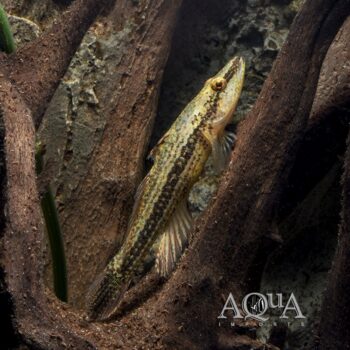
An unusual Sleeper Goby that is found along nearly every coastline of the Indo-Pacific region, the Crazy Fish or Upside Down Sleeper Goby is amphidromous, which means they regularly move between freshwater in marine habitats. Their name reflects their habit of swimming upside down or at an angle, normal behavior for this species. Although they are sometimes marketed as a freshwater fish (and can be kept as such as juveniles), they will do best in light to moderate strength brackish water. Typically found in estuaries and mangrove forests, these fish are active and fast-moving predators that feed on small fish and invertebrates in the wild but are peaceful toward any tankmates too large to be eaten.
-

$4.99
The Daisy’s Blue Ricefish (Oryzias woworae) is an aquacultured variant of the Daisy’s ricefish, valued for its unique and bright coloration. An attractive choice for a nano tank or a community aquarium, these hardy nano fish thrive and display their best coloration in schools of five or more! They are active, bright, and schooling ricefish, and are highly adaptable to a variety of water conditions.
-
$82.99 – $359.99Price range: $82.99 through $359.99
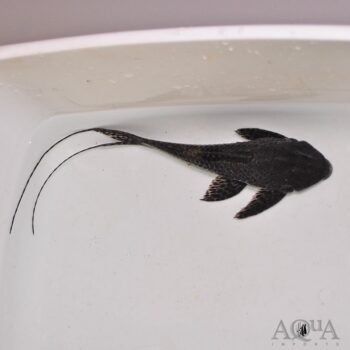
Found in the deep channels of fast-flowing reaches of the middle Amazon in Peru, the the L350 Imperial or Coal Pleco is a large and uncommon species of Peckoltia distinguished by its jet black coloration and long caudal streamers. Some deepwater specimens lack pigment entirely. Like their relatives, they are adapted for a diet consisting primarily of driftwood in the wild and should be offered plenty of driftwood in the aquarium. They will readily accept fresh veggies and specialty prepared diets like Repashy’s Morning Wood in the aquarium.
-
$39.99 – $109.99Price range: $39.99 through $109.99
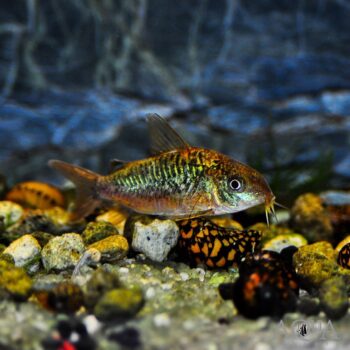
A medium growing species of Brochis, the Pantanal or C005 Cory originates in the clear water wetlands known as the Pantanal in Southern Brazil and Bolivia. Adult fish are one of the most attractive of all Corydoras, with adult males in breeding colors showing a remarkable iridescent spotted pattern. Like most Cory catfish, they are peaceful, hardy, and best kept in groups due to their schooling nature. Because of their larger adult size, Pantanal Corys make for great bottom feeders or dithers in aquariums with medium South or Central American Cichlids or other predatory fish which aren’t large enough to try to make a meal of them.
-
$26.99
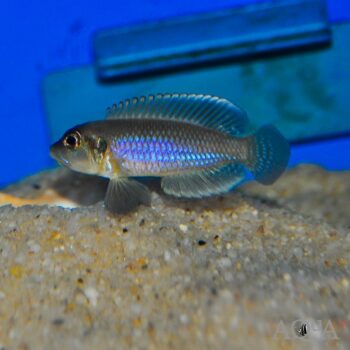
A colorful and popular shell-dwelling cichlid found in Africa’s Lake Tanganyika, the Gold Ocellatus makes for a unique display fish due to their vivid gold coloration and bold, fascinating behavior. In the wild, these dwarf cichlids inhabit dense fields of empty snail shells at the bottom of the lake, where each fish will stake a territory in an individual shell and defend it from others. In the aquarium, they are hardy and adaptable but prefer alkaline water and should be provided with shells or similar structure for them to establish territories in.
-
$54.99
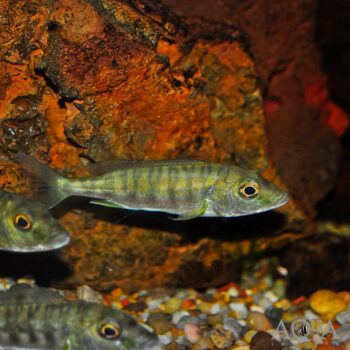
The largest growing of all African cichlids, the Emperor or Giant Cichlid is native to Lake Tanganyika, where it is typically found in deeper waters up to 200 feet deep. In the wild, juvenile fish are omnivorous like most rift lake cichlids but as they grow they become more predatory. In the aquarium, they are relatively hardy and easy to care for but given their enormous adult size are suitable only for the largest aquariums or indoor ponds. Larger fish are territorial and aggressive like most rift lake cichlids, and if a pair forms they will defend an extremely large territory against any tankmates.
-
$29.99 – $44.99Price range: $29.99 through $44.99
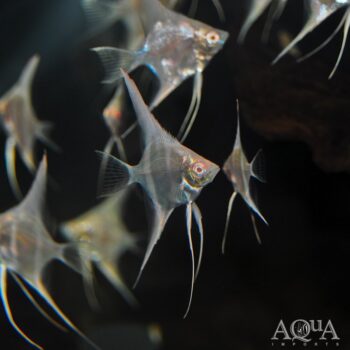
A recently developed selectively bred strain of angelfish, the albino dantum is a distinctive and impressive fish which displays a similar body shape to the altum angel although it supposedly is P. scalare. With its long fins, tall body, and beautiful yellow bars and pure white base color, this strain is extremely popular among hobbyists and makes for an impressive display fish.
-
$29.99 – $44.99Price range: $29.99 through $44.99
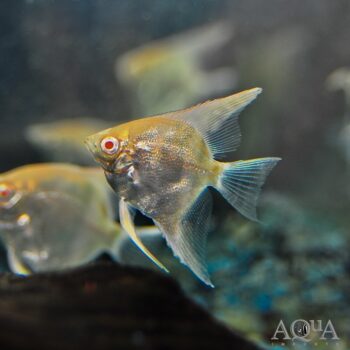
A beautiful and sought after wild type freshwater angel, the Manacapuru Red Head or Red Back Angel is found in the slow moving acidic waters close to where the Rio Negro meets the Amazon in Brazil. The Angels found in this specific locality display vivid red coloration in their face and extending up towards the dorsal fin. This coloration develops more intensely with age and will show best when kept under ideal water parameters, especially in terms of temperature (80F+) and soft, acidic water (pH 6 – 6.5). Like all other freshwater angels, they are best kept in groups when young but will form pairs as adults. The recently developed albino strain shows the same red head color along with white and yellows.
-
$149.99 – $249.99Price range: $149.99 through $249.99
The Papa Lyretail or Papa Panaque is found in the middle Amazon, where it usually inhabits relatively fast moving, sediment rich waters. As the name suggests, this species has a distinctive lyre-shaped tail which will develop elaborate streamers as they grow. Juvenile fish display an attractive pattern of spots and squiggles which will fade slightly as they approach adult size. Like its relatives, this pleco is highly adapted to feeding on submerged wood and should be offered plenty of driftwood and specialty foods for wood eaters in the aquarium.
-
$9.99
A medium growing relative of the more well known Silver Dollars and Pacus, the Silver Mylossoma or Hard Belly Pacu is widespread in the Amazon and Orinoco basins where they are important food fish due to their abundance and ease of capture. They inhabit a wide range of habitat types but generally prefer relatively shallow river’s edge habitat in areas of slow to moderate flow, where they are found in large aggregations. An omnivore, their diet is similar to the much larger pacu which subside on fruits, nuts and other vegetable matter in the wild and will accept almost any food in the aquarium (although protein rich foods should be fed sparingly). Due to its hardiness, active schooling nature, and manageable adult size, the Silver Mylossoma makes an excellent tankmate for South American cichlids or predatory fish.
-
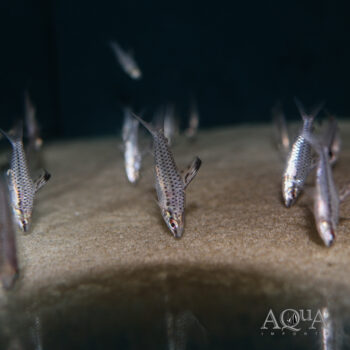
$6.99
A small, unique schooling characin, the Spotted or Graceful Headstander Tetra is named for the distinctive “head down” posture they typically swim in. In the wild, they are usually found in large aggregations in shallow water areas and graze on insect larvae, crustaceans, and biofilm. In the aquarium, they are relatively hardy but will do best in warm, slightly acidic water with plenty of cover and minimal current. A tightly schooling fish, they should be kept in groups of at least 5, with larger groups making for a very distinctive display in a medium to large aquarium.
-
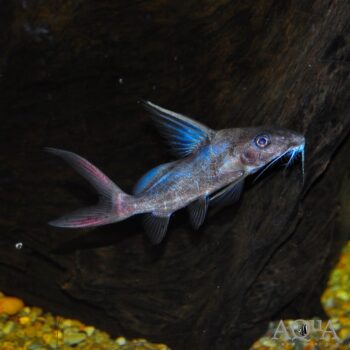
$89.99
The Redtail Synodontis Catfish is a unique and colorfully marked member of the genus Synodontis, also known as Squeaker Catfish for their ability to make a distinctive squeaking noise with their pectoral fins when taken out of the water. Found in a wide variety of habitat types throughout West Africa, this uncommon import is hardy and adaptable in the aquarium and is more active and less shy than many other closely related species. Juvenile fish display a pattern of spots which fade over time, and adults display a dark brown body coloration and a vivid red tail that becomes more intense with age.
-
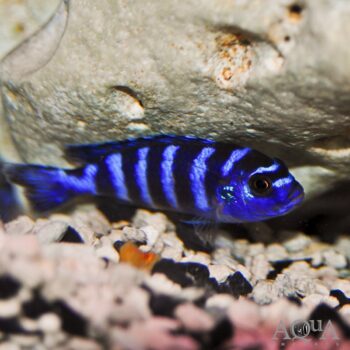
$8.99
A popular and colorful African Rift Lake Cichlid, the Demasoni Is found along the rocky shoreline areas of Lake Malawi. In the wild, these fish are found in loose aggregations, with males taking up and defending territories among the rocks. In the aquarium, they are aggressive and territorial but far less so than many other African Cichlid species, which combined with their small adult size has made them one of the more popular species in the genus. Demasoni Cichlids are largely herbivores and should be fed a diet high in algae or vegetable matter. Although hardy and very adaptable, they will display their best coloration in hard, alkaline water.
-
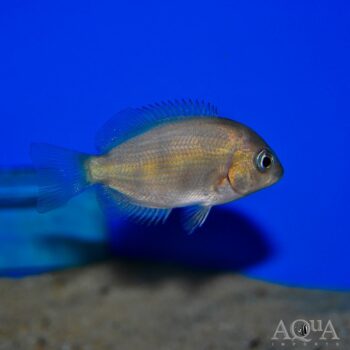
$24.99 – $34.99Price range: $24.99 through $34.99
A rarely seen species of Madagascan Cichlid, the Pinstripe Damba or Menarambo Cichlid is a large growing, bold and active species found in a few rivers and lakes in Northwestern Madagascar. In the wild, they are critically endangered due to habitat destruction and competition from introduced species like Tilapia, but tank-bred specimens are available from time to time in the hobby. It was considered extinct in the wild for some time until a small wild population was recently discovered. Like some of the other members of its genus, P. menarambo is often found in shoals in the wild, and will do best in a group of 5 or more. Aggressive and often extremely territorial, they are best kept in a species tank or with other robust, large tankmates that are not at risk of being picked on. Pinstripe Damba are voracious eaters, and should be fed a varied diet including some algae or vegetable based foods.
-

$9.99
A uniquely patterned freshwater dwarf goby found in Indonesia and surrounding islands, the Micro Dragon Goby is an ideal fish for nano aquariums. In the wild, it is typically found in sandy shallow streams and creeks where their cryptic pattern helps them blend in closely with their surroundings to avoid predators. An active, social species, they are best kept in groups and prefer fine sand substrate with some cover in the form of live plants or driftwood. A micropredator in nature, they will readily feed on most protein rich frozen or sinking prepared foods.
-
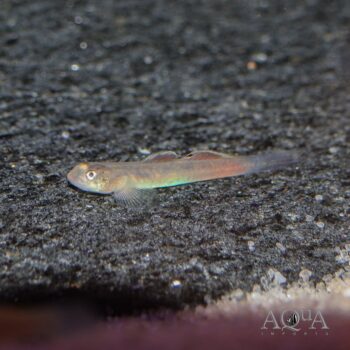
$11.99
One of several colorful gobies in the genus Lentipes, the Red Papuan Goby is found in fast moving rocky streams in West Papua, Indonesia. In the wild, it lives in small groups where individual fish stake out their own territories among the rocks. They feed on algae growth and biofilms in the wild and in the aquarium should be fed algae or vegetable based sinking foods (gel diets are ideal). They require clean, well-oxygenated water with some current and will do best at slightly cooler temperatures than most tropical fish (74-76F).
-
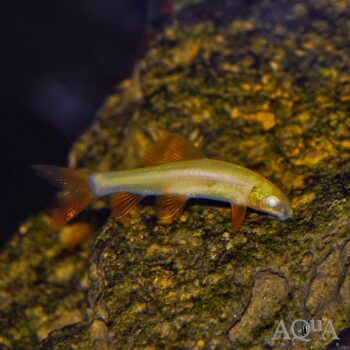
$4.99
One of a number of so-called freshwater “sharks” in the Cyprinid family (no actual relation to marine sharks), the colorful Rainbow Shark has been popular in the aquarium hobby for decades. Originating in well-oxygenated shallow streams in the Mekong basin in Southeast Asia, this fish is a medium growing hardy omnivore and grazer that makes a colorful addition to a medium or large community aquarium. Although smaller fish do well in groups, they tend to become more solitary as they grow and can become territorial towards one another or other similar looking fish as adults. Ideal tankmates include medium peaceful cichlids, barbs, or larger rainbowfish.
-
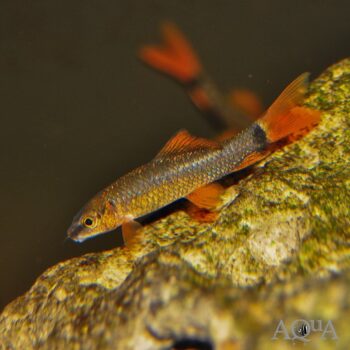
$4.99
One of a number of so-called freshwater “sharks” in the Cyprinid family (no actual relation to marine sharks), the colorful Rainbow Shark has been popular in the aquarium hobby for decades. Originating in well-oxygenated shallow streams in the Mekong basin in Southeast Asia, this fish is a medium growing hardy omnivore and grazer that makes a colorful addition to a medium or large community aquarium. Although smaller fish do well in groups, they tend to become more solitary as they grow and can become territorial towards one another or other similar looking fish as adults. Ideal tankmates include medium peaceful cichlids, barbs, or larger rainbowfish.
-
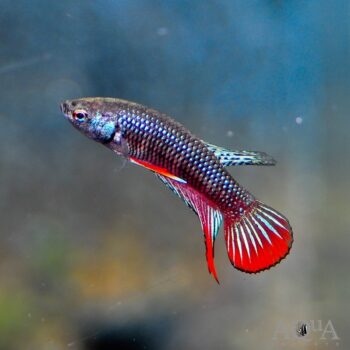
$19.99 – $89.99Price range: $19.99 through $89.99
Known as the “peaceful” or Cresecent Betta in the hobby, Betta imbellis is a close relative of the hobby classic Siamese Fighting Fish and is found in shallow swamps and rice paddies throughout Southern Thailand and Malaysia. Unlike Betta splendens, which has been selectively bred for long and extravagant fins for the pet trade, this species is still considered a wild type with shorter fins and slightly more subdued colors. As their name suggests, the Peaceful Betta is not nearly as territorial as some other species in the genus and can be maintained in groups as long as they are provided with plenty of space and cover for individual males or pairs to establish territories. Ideal for a heavily planted display, they are hardy, colorful, and unique fish that will do well in a variety of conditions.
-
$25.99
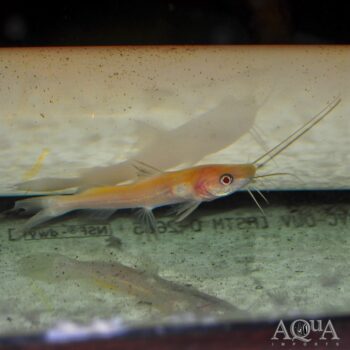
A large and aggressive river-dwelling catfish found throughout much of Southeast Asia, the Asian Redtail Cat (or ARTC as they are sometimes abbreviated in the hobby) is a powerful predatory species only suitable for very specialized hobbyists. In the wild, they are found in a wide variety of habitats but typically in areas of moderate to fast flow. In the aquarium, they are generally hardy but will do best with some current and plenty of oxygenation. With a maximum size of over 30″ in the wild, these fish require the largest of aquariums or indoor ponds as adults. They are also extremely aggressive towards most other fish, so should only be kept with large, robust, fast-moving tankmates. Albino specimens are uncommon and make striking display fish as they grow.
-
$23.99
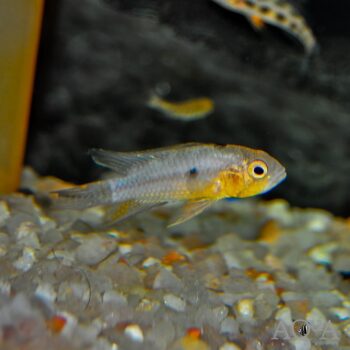
An uncommonly seen dwarf cichlid in the ‘bitaeniata’ group of Apistogramma, A. eremnopyge is found in several blackwater tributaries of the middle Amazon in Peru. This species is a colorful, medium growing Apisto with males featuring vivid red coloration on the face and blue along the dorsal surface. This species prefers soft, acidic water and will do best with the addition of some tannins to the water and ample cover in the form of plants, driftwood, and small caves.
Note on wild-collected Apistogramma sp.:
While we will make our best efforts to select male/female pairs for customer orders, sexing small- and medium-sized wild Apistogramma is not always exact and we do not guarantee a particular sex ratio. We recommend buying these fish in larger groups if a particular ratio of males to females is desired.
End of content
End of content