Showing 1626–1650 of 2362 resultsSorted by latest
-
$349.99 – $399.99Price range: $349.99 through $399.99
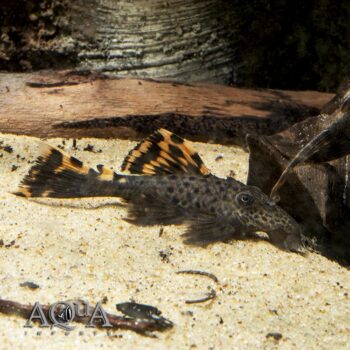
Native to the upper Orinoco basin, the L091 ‘Dragon Fin’ Three Beacon Pleco (Leporacanthicus triactis ‘dragon fin’) is a rare color variant of L091 that displays vivid orange and black throughout the majority of the dorsal and in some cases, caudal fin. They also typically have a lighter tan body coloration with black spots compared to normal L091, which tend to be darker overall. These plecos are more carnivorous in nature and should be offered a protein rich diet such as Repashy gel insectivore diets or Fluval Bug Bites Pleco formula. Like most of their relatives in the genus Leporacanthicus, the L091 is a relatively territorial species which should be provided with plenty of hides and cover in the aquarium.
-
$3.99
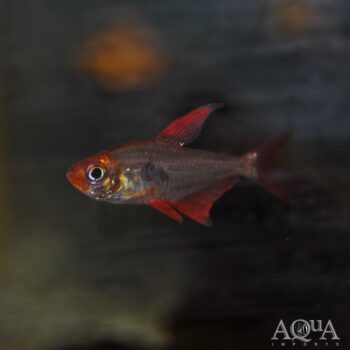
A colorful, medium growing tetra species found in rivers throughout Orinoco River drainage, the Red Phantom Tetra is deservedly popular in the aquarium hobby and has been commercially bred for decades to the point where wild collected specimens are almost never exported. In the wild, they inhabit slow moving, warm, acidic streams but will adapt to a wide range of conditions in the aquarium. Like most of their close relatives, they are a loosely schooling species that will do best in groups of 5 or more and will get along well with most similarly sized, peaceful tankmates. Subdued lighting, plenty of cover in the form of driftwood or plants, and slightly soft water will help promote vibrant coloration.
-
$14.99
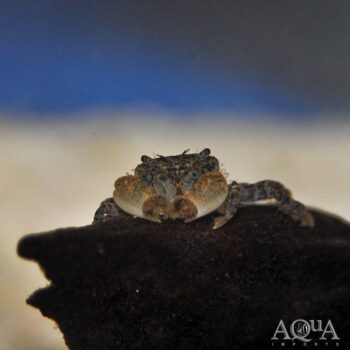
A unique dwarf freshwater crab found throughout parts of the Indo-Pacific, the Freshwater Pom Pom Crab is named for the small tufts of hair-like bristles that grow on the top of the claws of males. Little is known about their habitat in the wild but they are known to inhabit shallow freshwater coastal streams in rocky areas rich in aquatic vegetation. A peaceful species ideal for nearly any nano aquarium, they are fish and aquatic plant safe and will thrive in a wide variety of conditions. An omnivore, these crabs will readily accept most sinking prepared foods and may graze on filamentous algae in the aquarium.
-
$109.99
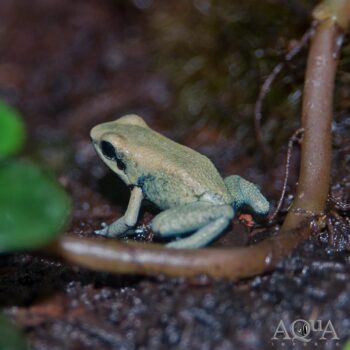
Product description coming soon
-
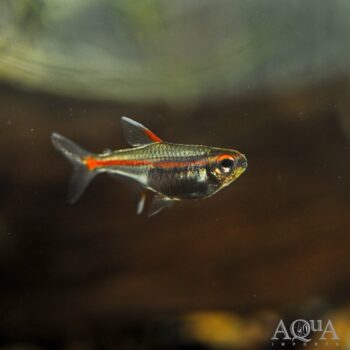
$2.49
The Glowlight Tetra is a small, colorful tetra originally found in the Essequibo river drainage in Guyana but which is now commercially raised on a large scale in the US and overseas. In the wild, this species is found in a variety of habitat types, usually in large schools. In the aquarium, they are hardy and adaptable, making a great and vividly colored community fish. Like most small schooling tetras, Glowlight Tetras are best kept in groups of 10 or more, and will usually school with other similarly sized tetras.
-
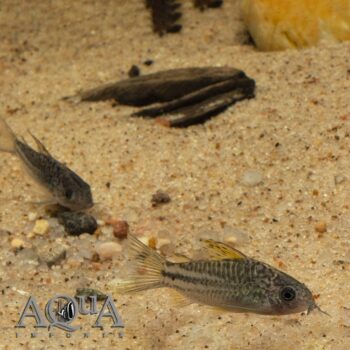
$8.99 – $9.99Price range: $8.99 through $9.99
The beautiful and uncommonly seen C123 or Peru Yellow Cory is a smaller, undescribed species of Cory found in sandy shallow areas of the Rio Nanay in Peru. A hardy fish, they will do best in relatively soft, acidic water on a fine sand substrate in the aquarium. Like all Cory Cats, they are a shoaling species that should be kept in a group of at least 5-10 fish and will do well with nearly any non-aggressive tankmates.
-
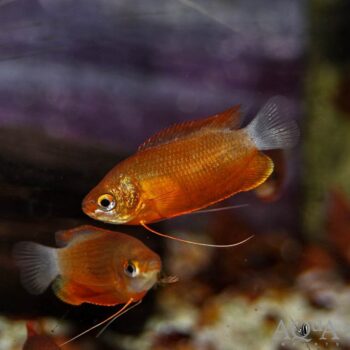
$6.99
Product description coming soon
-

$34.99 – $37.99Price range: $34.99 through $37.99
A medium growing pleco, the Rhino or Alligator Pleco is named for their unique horn-like protrusions and is found throughout the middle Amazon and its tributaries like the Napo and Maranon.Typically found in and around submerged wood in turbid, white water areas, this species is hardy, adaptable, and is an excellent nuisance algae grazer for medium to large community aquariums. In the aquarium, it prefers plenty of cover and will appreciate natural driftwood for grazing. Rhino plecos should be offered a varied diet high in vegetable matter like Sera’s Catfish Chips, Fluval Bug Bites Pleco Formula or other specialty pleco foods.
-
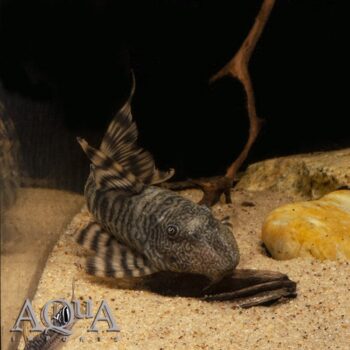
$39.99 – $59.99Price range: $39.99 through $59.99
A beautifully marked “tiger” pleco of the genus Panaqolus, the L226 displays beautiful vivid orange and black coloration when kept under optimal conditions. Originating from the soft, warm waters of the Nanay, Momon, and Amazon river around Iquitos, Peru, L226 are usually found in and around sunken trees and large patches of driftwood in the wild. Like its close relatives, it is a wood eater (xylivore) and in the aquarium should be provided with ample driftwood as well as other nutritious sinking foods like Repashy’s xylivore formula gel diet.
-
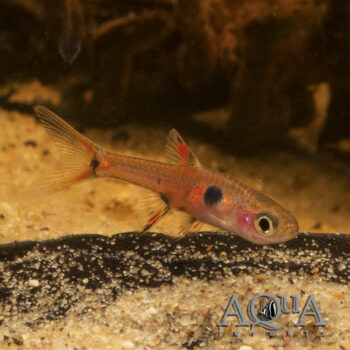
$4.99
A unique and actively schooling “micro” Rasbora found throughout Southern Thailand, Malaysia, and the Sunda Islands, the Dwarf or Maculatus Rasbora makes an ideal addition to a nano aquarium or planted tank. In the wild, they inhabit slow moving streams and creeks with sandy substrate and soft, acidic and often tannin-stained waters, usually among aquatic plants or fallen branches. A hardy and adaptable fish in the aquarium, they are popular with aquascapers due to their small adult size, active nature, and distinctive markings. Like most schooling rasboras, they are best kept in groups of 10 or more and will thrive with most similarly-sized peaceful tankmates.
-
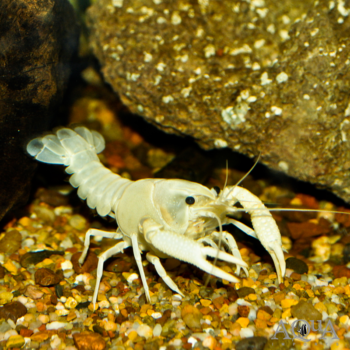
$19.99
The White Crayfish (Procambarus alleni), also known as the White Specter Crayfish or the White Lobster, is a rare variant of the Electric Blue Crayfish. Growing up to 5″ and prized for their impeccable bright white coloration, this crayfish is a popular choice for those looking for a larger freshwater invertebrate for their tank. They are very active tankmates, spending most of their time foraging for food throughout the tank. The White Crayfish will do best either in a species-only tank or with fast moving, larger fish that it can’t catch!
Prohibited in some areas – check local and state regulations before purchasing
-
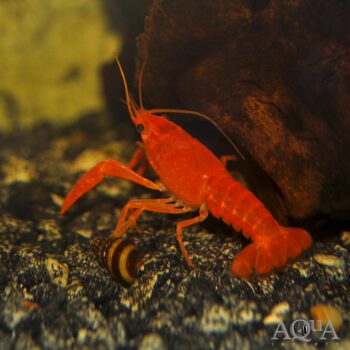
$19.99
Endemic to the southeast United States, the Orange Crayfish (Procambarus alleni) is an aquacultured color phase of the popular Electric Blue Crayfish. They are active and exploratory in comparison to many other crayfish in the freshwater hobby, spending much of their time scavenging throughout their tank. Their omnivorous diet makes them enthusiastic eaters, readily accepting meaty and plant-based foods. The Orange Crayfish will often eat whatever it can catch, so researching suitable tankmates for them is highly recommended!
Prohibited in some areas – check local and state regulations before purchasing
-
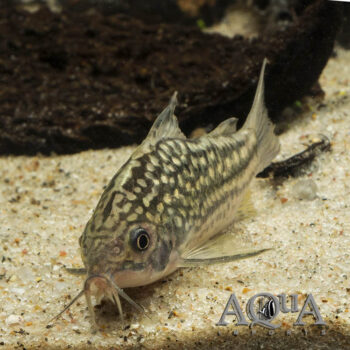
$7.99
The Napo Spotted Cory is an attractively marked medium-growing species widespread throughout the middle Amazon in Ecuador, Peru, and Colombia where it is found in large shoals in a variety of shallow water habitats. This species is one of several very similar looking Corydoras often found in mixed schools in the wild, including the Elegans Cory (G. elegans), Nanus Cory (G. nanus) and the so-called CW044. Like most Corys, they are peaceful, hardy, and best kept in groups due to their schooling nature. This species is sexually dimorphic, with adult males having a tall dorsal fin and displaying a more reticulated pattern around the face. Like most Cory Cats, they will do well with nearly any non-aggressive tankmates.
-
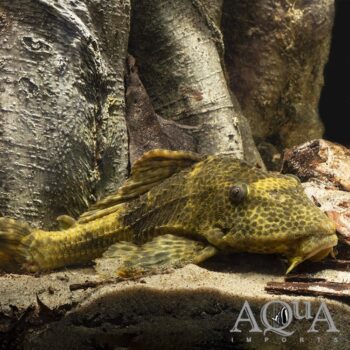
$139.99
A beautifully patterned medium sized Hypostomus from the Rio Negro in Brazil, Colombia and Venezuela, the L167 or Weberi Pleco inhabits warm, acidic blackwater areas in the wild. In the aquarium, they are hardy and adaptable, but will do best in relatively soft water and when given plenty of driftwood or other hides. They should be offered a varied diet including fresh veggies, sinking prepared foods, and gel diets like Repahy’s Soylent Green or Bottom Scratcher.
-
Sale!
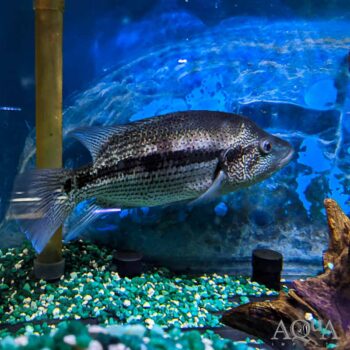
$9.99 – $19.99Price range: $9.99 through $19.99
Among the largest neotropical cichlids and a fierce predator, the Dovii or Wolf Cichlid is found in freshwater rivers and lakes throughout Southern Central America, where it is known as the “Guapote” and is an important food fish. Despite its huge adult size, this species is popular in the hobby due to its aggressive and outgoing nature and the beautiful turquoise markings on the space and spotting throughout the body. Best kept in a species tank or with suitable large dither fish, this active open water swimmer requires a large aquarium with plenty of open space. Wild collected specimens are particularly prized for their vibrant color.
-
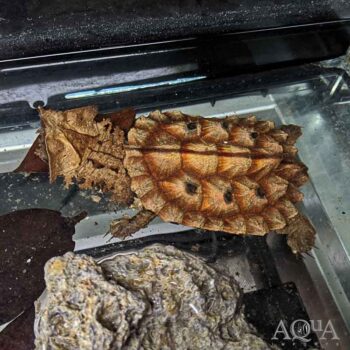
$299.99
Product description coming soon.
-
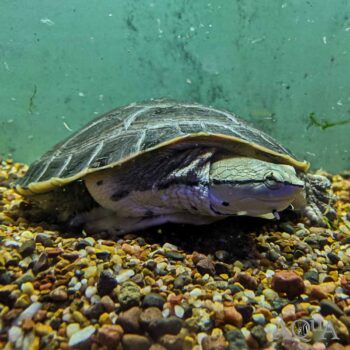
$249.99
Product description coming soon.
-
$749.99
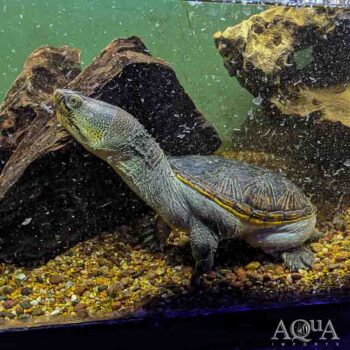
Product description coming soon.
-
$79.99 – $199.99Price range: $79.99 through $199.99
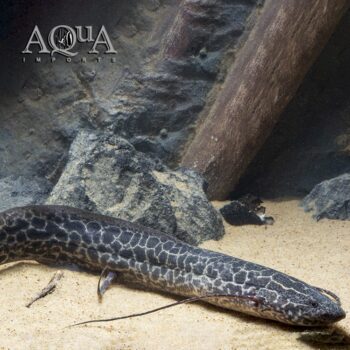
A huge-growing and beautifully marked fish found throughout much of Sub-Saharan Africa, the Marbled or Leopard Lungfish is a member of the familiy Lepidosirenidae, an ancient lineage of fish that extends back almost 100 million years. In the wild, these fish inhabit all kinds of aquatic habitat, from shallow swamps to rivers but generally prefer calm, slow-moving waters alongside aquatic or emergent vegetation. Named for their unique, lung-like organ that allows them to breathe atmospheric air, lungfish are able to survive in water with essentially no dissolved oxygen and even long periods of drought. Juvenile lungfish feed largely on insect larvae, while adults are omnivorous, feeding on crustaceans, snails, freshwater clams, and generally anything else they can fit in their large, powerful jaws. In the aquarium, they are a hardy and adaptable species but should ideally be kept alone or with very fast-moving tankmates as they are likely to take bites out of other fish.
-

$1,249.99
Product description coming soon.
-
$4.99
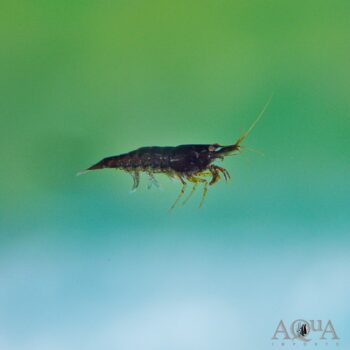
The Brown Choco or Chocolate Shrimp is a selectively bred form of Neocaridina freshwater shrimp developed for its uniform, unique dark brown coloration. Like most related species and variants, it is hardy and undemanding in the aquarium, and will do well with other Neocaridina tankmates although fish should be chosen with caution. An omnivore by nature, they will do best with a diet high in vegetable matter or algae and with ample cover in the aquarium in the form of plants or hardscape.
-
$24.99
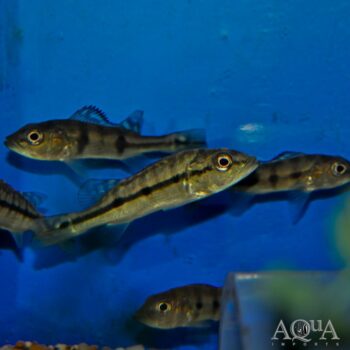
A farm raised and likely hybrid of different Peacock Bass species, this Cichla species is bred in Asia for the aquarium hobby and are typically selectively bred for vibrant colors and patterns that develop as they grow. Like all Cichla, they are large growing, powerful, predatory fish and should be kept by experienced aquarists with suitably large aquariums or ideally indoor ponds to house these fish as adults.
-
$14.99 – $59.99Price range: $14.99 through $59.99
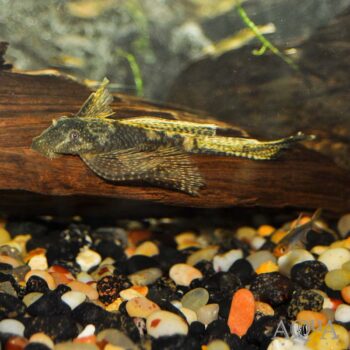
The Common Bristlenose or Bushynose Pleco (Ancistrus sp.) is one of the more popular species of pleco in the aquarium hobby due to its hardiness, peaceful nature, and relatively small adult size. The longfin form has been selectively bred for impressive long, flowing pectoral and caudal fins. As with most species in the genus Ancistrus, these fish are ideal aquarium inhabitants, grazing on nuisance algae while still being safe with most live plants and peaceful towards tankmates.
-
$12.99 – $17.99Price range: $12.99 through $17.99
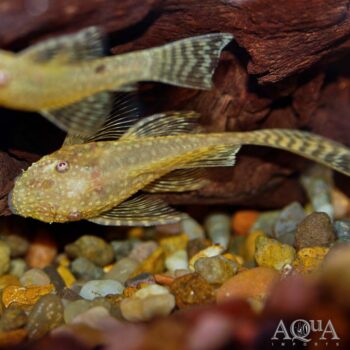
The albino form of the Common Bristlenose or Bushynose Pleco (Ancistrus sp.) is one of the more popular species of pleco in the aquarium hobby due to its hardiness, peaceful nature, and relatively small adult size. The longfin form has been selectively bred for impressive long, flowing pectoral and caudal fins. As with most species in the genus Ancistrus, these fish are ideal aquarium inhabitants, grazing on nuisance algae while still being safe with most live plants and peaceful towards tankmates.
-
$89.99
An uncommonly seen, medium sized cat, the Spotted Shovelnose Catfish is widespread throughout the Amazon and Orinoco basins where it inhabits a variety of habitat types. In the aquarium, they are hardy and undemanding but like all shovelnose cats will eat any fish small enough to fit in their surprisingly large mouths.
End of content
End of content