Showing 1651–1675 of 2362 resultsSorted by latest
-
$39.99 – $49.99Price range: $39.99 through $49.99
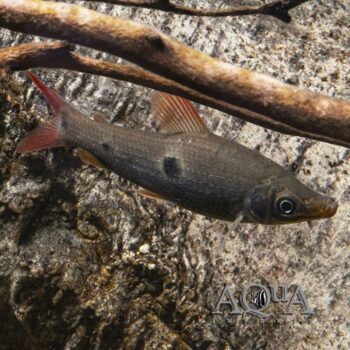
An uncommon Anostomid found throughout several major river systems in South America, the Redfin Leporinus is a loosely schooling species similar to the more well-known banded Leporinus (L. fasciatus). In the wild, they tend to inhabit fast moving acidic waters, usually in rocky areas close to large boulders or caves and use their specialize mouths to graze on algae, biofilms, and small insects and crustaceans. In the aquarium, they do best in fast-moving, well-oxygenated water and is best kept in groups of 3 or more. Like their close relatives, they may nip fins of slower moving fish so tankmates should be fast swimmers as well.
-
$269.99 – $399.99Price range: $269.99 through $399.99
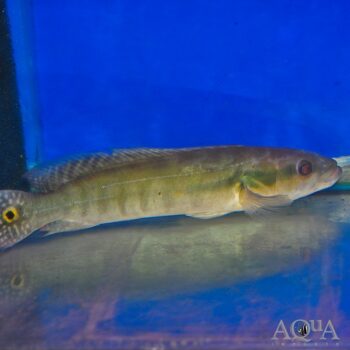
This uncommonly imported species of Crenicichla is found throughout much of the Amazon basin from its mouth to areas approaching its mouth in Ecuador, where they tend to inhabit moderate or fast-moving waters. An aggressive and territorial species, they are best suited to a species tank or with large, fast-moving dither fish.
-

$69.99
This uncommonly imported species of Crenicichla is found throughout the middle and lower Rio Tocantins in Brazil, where they inhabit rocky stretches of fast-moving water. An aggressive and territorial species, they are best suited to a species tank or with large, fast-moving dither fish.
-
$11.99
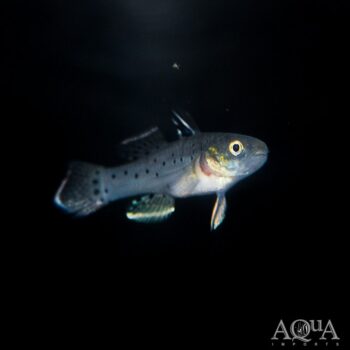
The Knight or Fan Goby is an interestingly marked, medium sized goby typically found in fresh to brackish waters throughout much of the Indo-Pacific. In the wild, they inhabit a variety of estuarine and mangrove swamp habitat, but are more often found in fresh or slightly brackish water than full marine conditions. In the aquarium, they adapt to a variety of conditions but if kept in full fresh will do best in moderately hard water. A moderately aggressive fish, dominant fish will bully other Knight Gobies unless kept in a larger group with plenty of hiding places. Knight gobies are remarkably hardy and make a unique addition to most freshwater or brackish water aquariums with similarly sized or larger tankmates.
-
$12.99
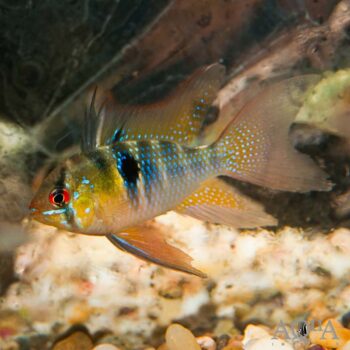
A brightly colored line bred variant of the popular Ram or Butterfly Dwarf Cichlid, the Longfin German Blue Ram is a small, peaceful cichlid ideal for most community aquariums. With their vibrant coloration and elongated flowing fins they make an impressive display fish in a planted or aquascaped aquarium and will get along well with most tankmates. In the aquarium, they can be sensitive to fluctuating water quality and will do best in slightly soft water with frequent partial water changes. Like most cichlids they may fight among themselves for territory so a medium sized aquarium with plenty of cover and shelter is best to keep a group.
-
$16.99
One of the larger fish in the Amazon Basin, and an important food fish throughout most of the its range, the Red Belly Pacu is a beautifully marked “gentle giant” suitable for only the largest private aquariums, indoor ponds, or public displays. In the wild, this fish is an opportunistic grazer, which feeds primarily on fallen fruit and nuts from trees overhanging the rivers edge habitat where they are usually found. They are a hardy species, tolerant of a wide range of water conditions – but given their huge size and equally large appetite they will require significant filtration and regular water changes. The Red Pacu will accept almost any frozen or prepared food in the aquarium but should be offered a varied diet heavy in vegetable matter.
-
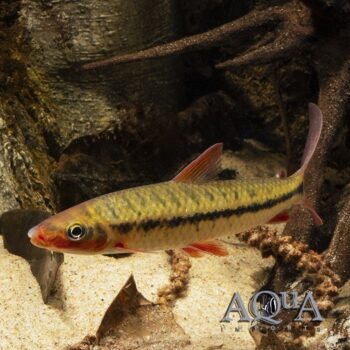
$49.99 – $59.99Price range: $49.99 through $59.99
An uncommon and vividly marked Anostomid found throughout several major river systems in South America, the Red Cheek Leporinus is a loosely schooling species similar to the more well-known banded Leporinus (L. fasciatus). In the wild, they tend to inhabit moderate to fast moving acidic waters, usually in open water where they feed on insects and crustaceans. In the aquarium, they require plenty of open swimming space and will do best in fast-moving, well-oxygenated water with a tight fitting lid as they are impressive jumpers. This species makes an excellent dither for larger South or Central American Cichlids.
-
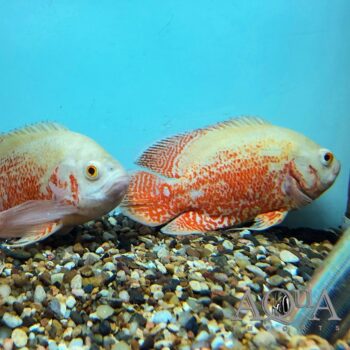
$14.99 – $29.99Price range: $14.99 through $29.99
A selectively bred form of the popular Oscar, the Albino Ruby Oscar displays vibrant red coloration throughout most of its body against a high contrast white base. One of the most popular and well-known South American Cichlids in the aquarium hobby, the Oscar is a large growing, relatively aggressive fish (especially towards other cichlids) and a popular food fish in its native habitat in the Amazon Basin. They are intelligent and highly interactive fish that will quickly learn to “beg” for food and make impressive display fish. Due to their large adult size, Oscars require large aquariums and should be kept with similarly sized tankmates.
-
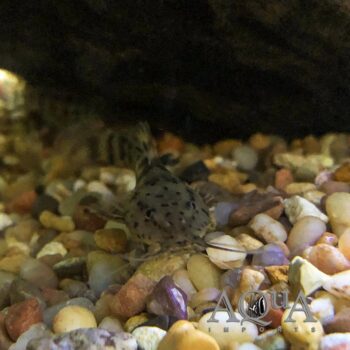
$19.99
Product description coming soon
-
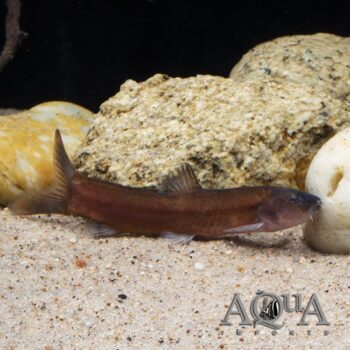
$69.99
A rare, cryptic loach found in the fast-moving rocky stretches of the Yangtze River in China, the Purple Imperial Loach or Purple Emperor Botia is a smaller growing and strikingly marked relative of the more well known Royal Clown Loach (L. elongata). Like its larger relative, it is a fast and agile swimmer, typically found darting among rocks in its native habitat where it feeds on snails, crustaceans, insects, and smaller fish. In the aquarium, they prefer cooler, well-oxygenated water with plenty of current and lots of cover in the form of rocks or caves. This species can be quite variable in color, with some specimens developing a mottled or reticulated pattern as they reach adult size.
-
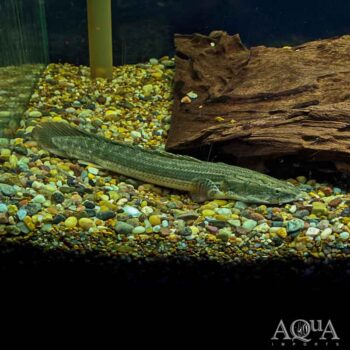
$199.99
The Lapradei Bichir is a widespread species, found in various slow-moving shallow water habitats in much of lowland tropical West Africa. A large growing and robust species, this Bichir is capable of reaching sizes of over 30″ in the wild. Polypterus lapradei is one of several so-called “lower jaw” group of Polypterus, so named for their distinctive heavy lower jaw that protrude over the upper lip. In the aquarium, they are hardy and undemanding like most bichir species, but should be kept with a tight-fitting and possibly weighted lid as they will attempt to jump if spooked or at night.
-
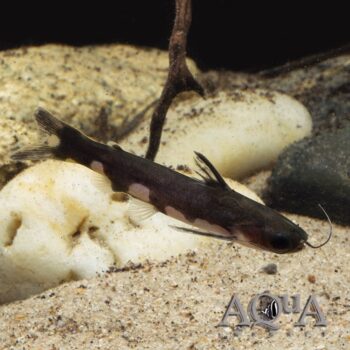
$24.99 – $34.99Price range: $24.99 through $34.99
A unique and attractively patterned dwarf woodcat from the Orinoco and Atabapo basins in Colombia and Venezeula, the Ninja Woodcat is a cryptic species which spends most of the daylight hours hidden within driftwood, leaf litter, or submerged logs. At night however, they emerge to feed near the surface where they actively hunt for insects and insect larvae. In the aquarium they are a hardy species and have been bred successfully, but should be kept only with similarly small and peaceful tankmates as they can easily be outcompeted for food.
-
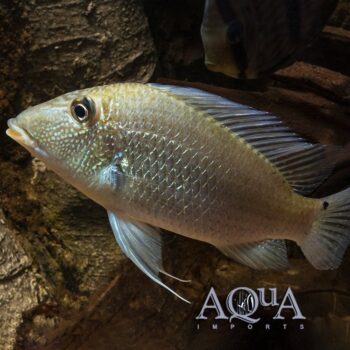
$12.99 – $99.99Price range: $12.99 through $99.99
A stunning, large-growing and peaceful Cichlid found throughout much of the Orinoco basin and its surroundings in South America, the Fine Spot or Mapiritensis Eartheater is one of several species once commonly referred to as Geophagus jurupari but are now considered separate species. S. mapiritensis is easily recognized by the dense pattern of fine iridescent spots covering most of their gill plate and face and its collection locality. Like all eartheaters, they are adapted to ingest mouthfuls of fine sand substrate and sift out small food items like insect larvae and crustaceans. In the aquarium, they tend to do best in groups and will coexist with a variety of similarly peaceful cichlids or other fish species, and they are generally safe even with much smaller fish. These will do best in soft, warm water (pH 7.0 or below, temperatures of 80 ) and appreciate the addition of tannins to their water by way of botanicals like Indian Almond Leaves or similar.
-
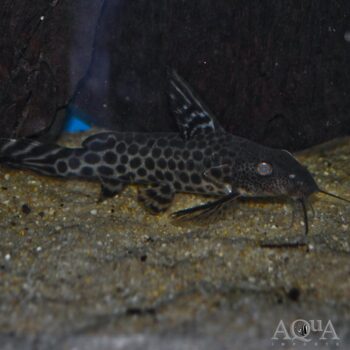
$199.99
Product description coming soon
-
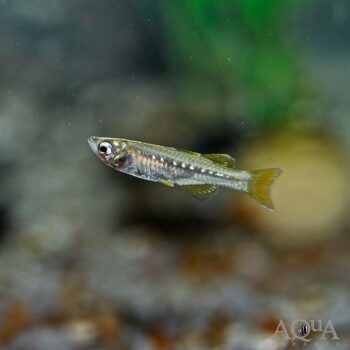
$7.49
A colorful and active member of the genus Pseudomugil, commonly referred to as “blue eye rainbows” in the hobby, the Tenellus Rainbowfish originates from coastal regions of Northeastern Australia and parts of New Guinea. In the wild, they tend to be found in warm, slow-moving waters and like many close relatives in its genus moves between pure fresh, brackish, and even full-strength marine waters occasionally. Tank raised specimens remain quite salt tolerant but are raised in pure freshwater and do not require additional salt to thrive. In the aquarium, they are best kept in groups and will do well in a well planted tank with plenty of cover and will get along well with most similarly sized peaceful tankmates.
-
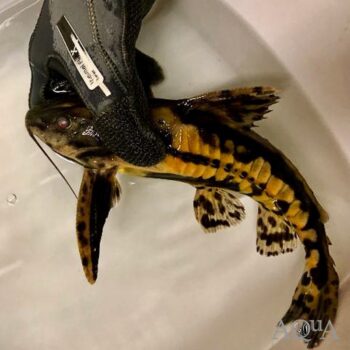
$99.99 – $499.99Price range: $99.99 through $499.99
A unique and heavily armored catfish found throughout the Amazon and its tributaries, the Giant Talking Catfish or Irwin’s Catfish is typically a gentle giant in the aquarium, ignoring most fish and being well protected from even the most aggressive tankmates. Although most specimens are tan or grayish in coloration, the specimens from the Tocantins River in Brazil are prized for their vivid yellow or gold colors against high contrast black. In the wild, their diet largely consists of aquatic snails, crustaceans, fruit and vegetation, but they will readily accept almost any sinking food. A great scavenger to help manage leftover food in large cichlid or predatory fish displays, they do grow to a huge adult size and will require a tank of 180 gallons at the bare minimum.
-
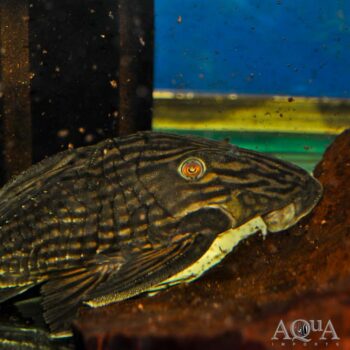
$319.99 – $379.99Price range: $319.99 through $379.99
A vibrantly colored and distinctly marked variant of Royal Pleco, the so-called Woodgrain Royal originates from the waters of the middle Tocantins river in Brazil. Its common name comes from the fine, intricate pattern of black stripes set against the tan body coloration. Like all species of Panaque, they have specialized teeth and are adapted to eat and even digest wood, although the Woodgrain Royal Pleco also feeds on submerged vegetation and invertebrates. Conditions in the aquarium should be as close to their wild habitat as possible, with moderate to strong current, warm temperatures, and excellent water quality. Due to their specialized diet, we recommend providing driftwood for grazing and feeding a specialty diet like Repashy Morning Wood.
-
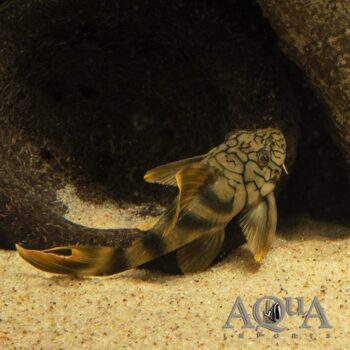
$49.99 – $69.99Price range: $49.99 through $69.99
A medium sized pleco found in the Rio Demini, a tributary of the middle Rio Negro in Brazil along with parts of Guyana, the L135 Worm Line Pleco is named for the unique scribbled line pattern that adorns its face. In the wild, they are found in warm, acidic, waters in areas of moderate current and will do best in similar conditions in the aquarium. This species may be the same as L121 which is known from nearby Guyana. A hardy and easy to care for pleco, they will do well with most tankmates but should be given plenty of cover in the form of driftwood or caves so they can establish territories. This species will eat a variety of sinking, gel, and fresh foods in the aquarium, and should be offered a varied diet high in protein.
-
$9.99
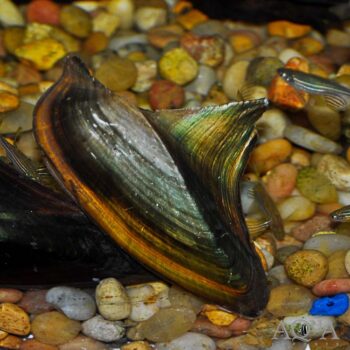
A large and distinctive freshwater mussel found throughout parts of Southeast Asia, the Shark Tooth or Shark Fin Mussel is typically found in sandy, shallow streams and lakes, often in large aggregations. A filter feeder like most freshwater bivalves, it feeds on suspended algae, microbes, and other suspended plankton. In the aquarium, it can be a useful filter feeder but will rapidly deplete its own food supply if not supplemented with liquid or powdered fine foods for freshwater filter feeders. They should be provided with a relatively deep substrate of sand or fine gravel to burrow in and should not be kept with tankmates that might nip their delicate mantles like loaches, carnivorous plecos, leporinus, or similar species.
-
$22.49
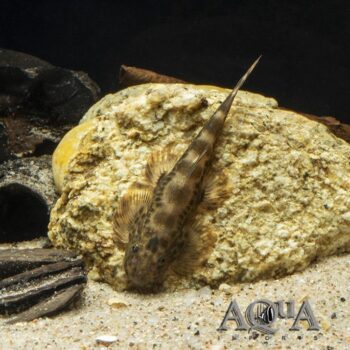
A rarely imported hillstream loach from the upper Chaopraya River in Thailand, H. nanensis is, like most of its close relatives, highly adapted for life in the shallow, fast-moving mountain streams where they occur in the wild. In the aquarium, they require similar conditions, with cooler, well-oxygenated water, strong current, and lots of smooth rocks and driftwood for cover. They are specialized algae and biofilm grazers in the wild and require a varied diet of algae or vegetable based foods like Repashy gel diet.
-
$89.99 – $249.99Price range: $89.99 through $249.99
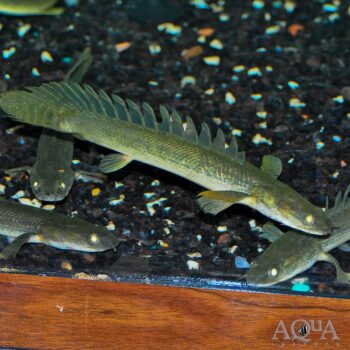
Native to the Congo, the Congicus Bichir (Polypterus congicus), also known as the Congo Bichir, is a large, eel-like freshwater fish, growing up to 38″. These fish are carnivorous, but are considered peaceful and generally fare well with tankmates large enough to not be considered a meal. Be aware, Congicus Bichirs are jumpers! These incredible fish will do best with dim lighting, a tight lid, enough room for them to gulp air from the surface, and plenty of substrate and hiding places.
-
$9.99
Product description coming soon.
-
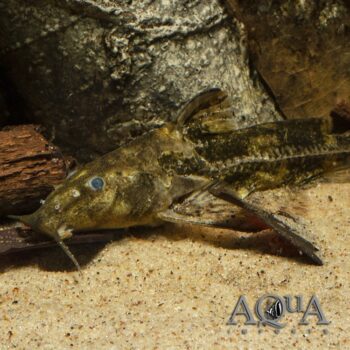
$149.99
A rare doradid catfish found in rivers throughout Central and Southern Brazil, the Marbled Thorny Catfish is a peaceful, substrate feeding fish found in areas of moderate to fast water flow. In the wild, it feeds heavily on invertebrates including snails, but will accept most frozen or prepared sinking foods in the aquarium. This species is largely sedentary but is a fast and agile swimmer when necessary so will benefit from a spacious aquarium with plenty of open swimming space.
-
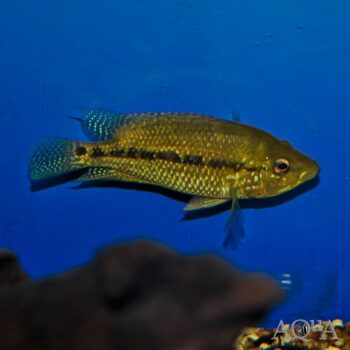
$44.99 – $64.99Price range: $44.99 through $64.99
Among the largest neotropical cichlids and a fierce predator, the Umbee (K. umbriferus) is popular in the hobby due to its aggressive and outgoing nature and beautiful blue/turquoise spotting. Best kept in a species tank or with suitable large dither fish, this active open water swimmer requires a large aquarium with plenty of open space. Wild collected specimens are particularly prized for their vibrant color.
-
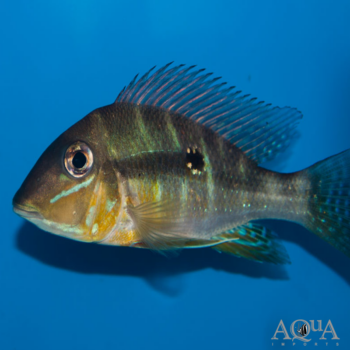
$49.99
A distinctive and colorful cichlid, the Xingu Blue Streak Eartheater or Geophagus argyrostictus is known only from the Rio Xingu and its tributaries in Brazil. In the wild, it inhabits very warm, clear waters in areas with powerful current, usually in relatively shallow water above sandy substrate. Like most fish from the fast-moving Xingu it is a powerful swimmer and will do best when provided plenty of current in the aquarium. Named for the distinctive blue facial markings, this species is more aggressive and territorial than some eartheaters but will generally do well with similar sized tankmates as long as plenty of open swimming space and cover is provided. Like all eartheaters, a substrate of fine sand is essential for their well-being in the aquarium and they will spend most of their time sifting it through their specialized gills to pick out small food particles.
End of content
End of content