Showing 1551–1575 of 1981 resultsSorted by latest
-
$269.99 – $329.99Price range: $269.99 through $329.99
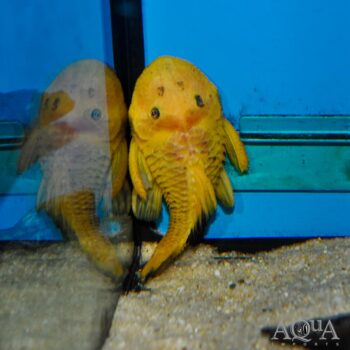
A unique, heavily armored pleco from the Tocantins river basin in Eastern Brazil, the Rubber or Chubby Pleco gets its name from its unusually wide, flattened body shape. In the wild, they are found in areas of moderate to fast water movement and typically live in rocky areas. The species is normally a grey color in nature but certain rare and very sought after specimens show a striking all yellow or partially yellow and black coloration. They are a hardy and undemanding pleco in the aquarium but should be offered plenty of cover and excellent water quality should be maintained through frequent large water changes. An omnivore, they will accept most sinking foods and fresh veggies but be sure to offer some protein rich options like Repashy gel diet or Fluval Bug Bites Pleco Formula regularly.
-
$49.99 – $269.99Price range: $49.99 through $269.99
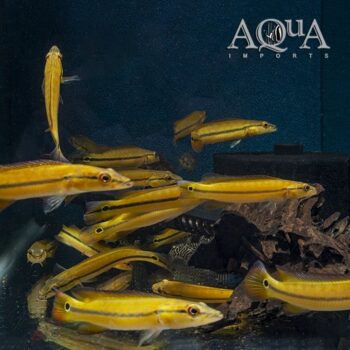
Once a common sight in the aquarium trade, the Xingu I or Orange Xingu Pike Cichlid is now a relatively rare import originating from the fast-flowing, clear, rocky waters of Brazil’s Rio Xingu. In the wild, they inhabit rapids among the rocks, and prefer warm, well-oxygenated water with plenty of current. Juvenile fish are social and tend to live in groups but adults are large, powerful and aggressive predators which will do best with other large similarly sized tankmates.
-
$9.99 – $59.99Price range: $9.99 through $59.99
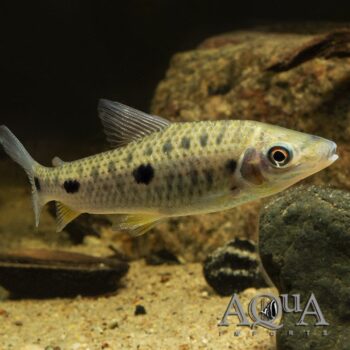
An uncommon and attractively marked species of Leporinus, the Dot Dash Leporinus is found throughout the Orinoco Basin in Colombia and Venezuela. It is found in a variety of habitat types, from fast flowing waters to shallow blackwater swamps. Like most of their close relatives, they are best kept in groups of 3-5 or more as they are a social fish. While they can be prone to nipping fins on slow moving tankmates, they make excellent dither fish for medium to large South American Cichlids or other fast moving larger fish.
-
$249.99
Product description coming soon.
-
$4.99
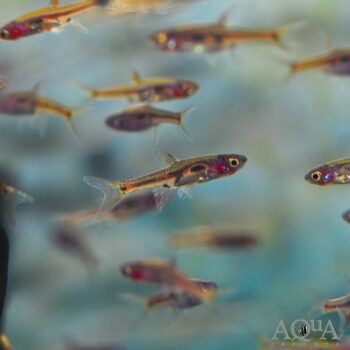
An ideal fish for nano aquariums, the Phoenix Rasbora or Red Micro Rasbora inhabits warm, acidic, shallow waters throughout the island of Borneo. With their vibrant coloration and peaceful, active nature, they are extremely popular in the hobby and a favorite with planted tank hobbyists. Typically found in true blackwater swamps and creeks, this dwarf rasbora will do best and display optimal color and behavior when provided with an environment similar to their wild habitat, and will benefit from the addition of some tannins from Catappa Leaves or similar botanicals. This species is very similar to its close relative the Chili or Mosquito Rasbora but can be distinguished by less uniform red coloration and a broken (vs. continuous) horizontal black stripe extending across the body. In the aquarium, they are hardy and will generally thrive under a wide range of conditions but will exhibit their best color if kept in warm, slightly soft water and in groups of at least 10. With their small adult size, larger or fast moving tankmates should be avoided but they will thrive with most small peaceful fish and invertebrates.
-
$7.99
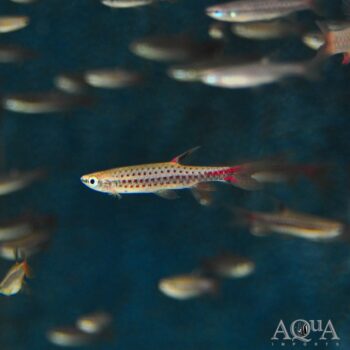
A small, shallow water species found throughout much of the middle and lower Amazon, the Red Spotted Splashing Tetra gets its name from its unique breeding strategy, which has female fish laying their eggs above the waterline in overhanging vegetation. They are typically found in blackwater streams, and do best in soft or slightly acidic water in the aquarium, but are otherwise hardy fish. They will readily accept most floating foods and are a loosely schooling species, so should be kept in groups of 5 or more.
-
$59.99 – $79.99Price range: $59.99 through $79.99
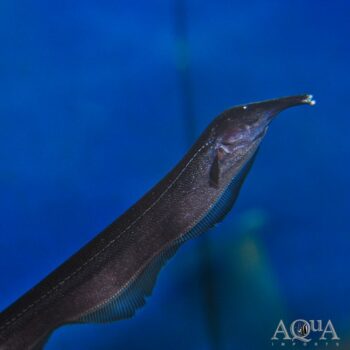
A large growing and unique knifefish, the Elephant Nose Knifefish is, as the name implies, distinguished by its elongated trunk which it uses to root in substrate to find food. They feed on insect larvae and crustaceans in the wild, but in the aquarium will generally accept small frozen foods like bloodworms or brine. Like most knifefish, they are shy and should be provided with plenty of cover in the form of driftwood and leaf litter in the aquarium.
-
$29.99
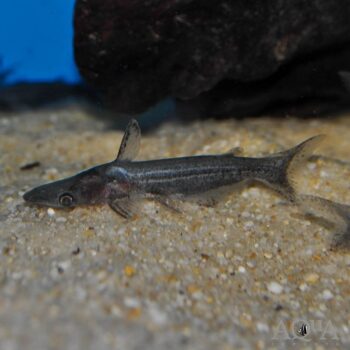
A unique member of a rarely seen genus of duckbill catfish, the Green Stripe Duckbill Cat is found in the Nanay river, a tributary of the Peruvian Amazon. Unlike some of the related duckbill catfish of the genus Ageneiosus, these fish are not large growing, with a maximum size of around 5-6″. They are often misidentified and this striped variant is one of several found in the region that are yet to be described. In the aquarium they are hardy and adaptable, but will do best with plenty of plants or driftwood for cover. They are often found in groups in the wild and will loosely school in some cases.
-
$14.99 – $99.99Price range: $14.99 through $99.99
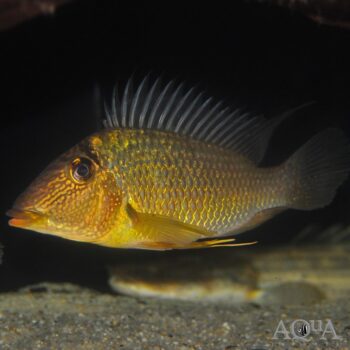
A large, peaceful cichlid found throughout parts of the Amazon and Guyana Shield, the Jurupari Eartheater has been a popular fish in the cichlid hobby for decades. Unfortunately they are often misidentified in the trade, with closely-related species being confused for the true S. jurupari (which can be distinguished by the pattern of spots and stripes in the face). Like all eartheaters, they are adapted to ingest mouthfuls of fine sand substrate and sift out small food items like insect larvae and crustaceans. In the aquarium, they tend to do best in groups and will coexist with a variety of similarly peaceful cichlids or other fish species, and they are generally safe even with much smaller fish.
-
$39.99
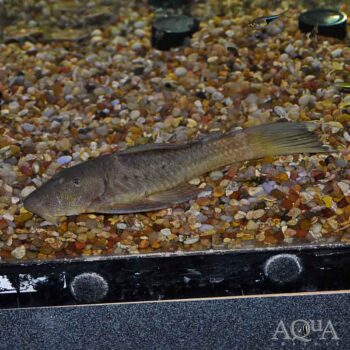
A uniquely patterned and colorful relative of the more well known “rubber lip plecos, the L455 Tiger or Tiger Chaetostoma Pleco is an undescribed species found only in Amazon tributaries (such as the Maranon and Ucayali) in Peru. Males display the most striking coloration and spotting on the face, but females are also quite colorful. Like most members of the genus Chaetostoma, they prefer moderate to strong water movement and are most at home with plenty of caves and rocks to hide among. In the aquarium, they will accept most sinking herbivore foods, gel diets, and fresh veggies.
-
$499.99
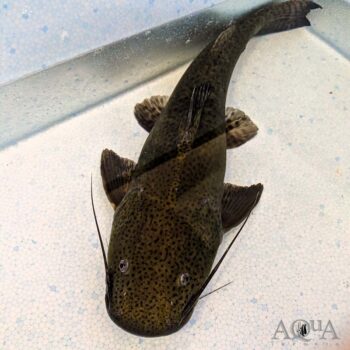
One of the Amazon’s largest and most widespread giant catfish, the Jau or Gilded Catfish ranges from the headwaters of the river in the East to its mouth and most major tributaries. Throughout its range it is considered an important food fish. With wild specimens reported to reach well over 50″ in length, these fish are powerful, huge growing fish suitable only for public aquariums or very large tropical ponds or custom aquariums. In the wild, they are an active predator and scavenger, found in the fast-moving main river channels and preying on smaller fish, invertebrates, and carrion.
-
$14.99 – $24.99Price range: $14.99 through $24.99
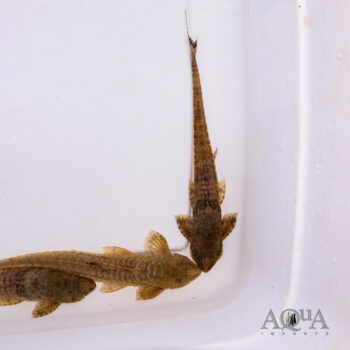
A peaceful, medium growing and uniquely shaped Loricariid, the Common Whiptail has been a popular oddball fish in the hobby for many years. They are an effective algae grazer, mostly live plant safe, and will live peacefully with nearly all tankmates, making them a unique addition to a medium to large community aquarium. In the wild, they are usually found on and around driftwood piles and will benefit from driftwood as well as live or artificial plants to provide cover. They should be fed regularly with a sinking herbivore diet or fresh veggies and will supplement this diet by grazing on nuisance algae on glass and decor in the aquarium.
-
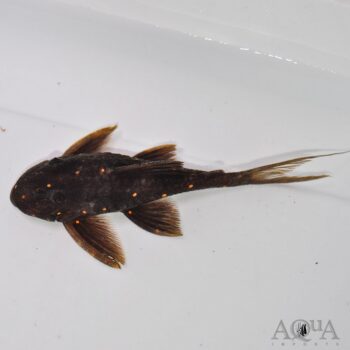
$29.99 – $49.99Price range: $29.99 through $49.99
A medium sized and colorfully patterned wood eating pleco, the Mustard Spot or LDA031 Pleco features the distinctive lyretail common to members of the genus Panaqolus. Found in middle Amazon tributaries in Peru, Ecuador, and Southern Colombia, these fish inhabit driftwood piles in clear, relatively fast-moving waters. In the aquarium they are hardy and not typically shy, making them a great centerpiece pleco for a medium sized tank.
-
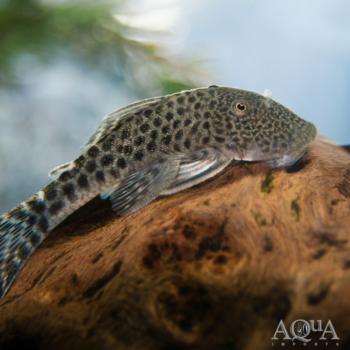
$7.99
Found in the fast-flowing, clear waters of Colombia’s Rio Meta and its tributaries, the L445 Spotted Rubber Pleco is a hardy, popular species and among the most effective plecos for diatom and other algae control in the aquarium. In the wild, they are commonly found in rocky, shallow water areas and should be provided plenty of cover in the aquarium. They are enthusiastic feeders and will readily accept fresh veggies, Repashy gel diet, and other prepared foods designed for herbivores and algae grazers.
-
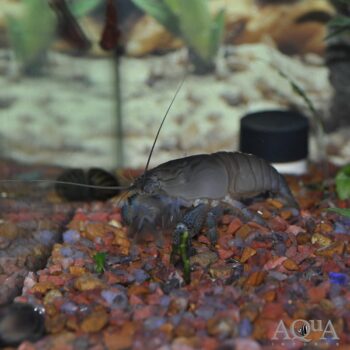
$24.99 – $49.99Price range: $24.99 through $49.99
Commonly known as the Vampire Shrimp (Atya gabonensis), this filter feeding crustacean is also called the Viper Shrimp, Gabon Shrimp, African Filter Shrimp, or the Cameroon Shrimp. The Vampire Shrimp is fairly rare and deserves much more attention for its variable, attractive coloration and unique behaviors. These shrimp prefer higher water flows to help filter feed for particulate food matter, and when kept together will often congregate at the head of the current! They tend to coexist well with other peaceful freshwater species, including non-aggressive fish and Bamboo Shrimp.
-
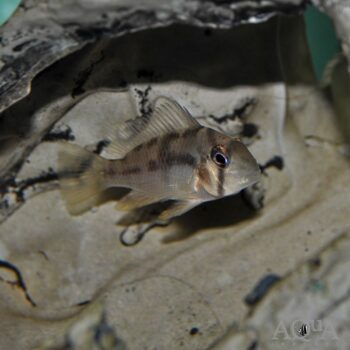
$13.99
A medium growing cichlid found in the soft, acidic waters of Guyana and Suriname, the Bandit or Geayi Cichlid is named for the distinct stripe covering both eyes. In the aquarium, they are active, interesting fish which will often sift sand through their gills like an eartheater as well as rearrange decor like plants or leaf litter. They are somewhat aggressive despite their relatively small adult size and will typically hold their own with similar or larger moderate to aggressive cichlids. Bandit Cichlids will typically get along in groups of 5 or more as long as ample space for territories and structure in the form of driftwood, caves, and plants is provided. They are a hardy and entertaining aquarium fish that will adapt to most conditions.
-
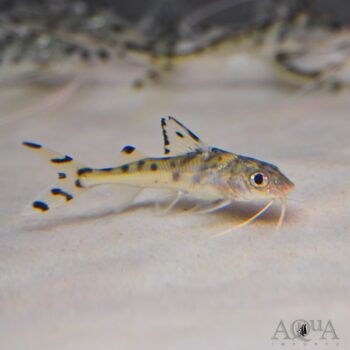
$9.99 – $16.99Price range: $9.99 through $16.99
A long time favorite in the aquarium hobby, the Spotted Pictus or Angelicus Catfish is a medium sized, active, schooling catfish found throughout much of the Amazon and Orinoco basins in South America. In the wild, they usually inhabit shallow water with medium to fast-moving current and typically shoal in large groups. A hardy aquarium fish, they should be given plenty of open space for swimming and are best kept in groups of 6 or more. They make an excellent addition to larger aquariums with peaceful South or Central American Cichlids.
-
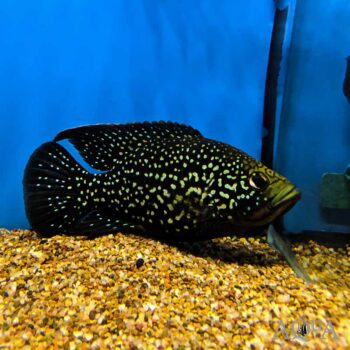
$19.99 – $89.99Price range: $19.99 through $89.99
A beautiful and striking fish, the Starry Night Cichlid (Paratilapia polleni) is notable for its dark black coloration with iridescent blue spots. These sizeable cichlids (up to 11.5″) are native to Madagascar, making them a prized fish among freshwater aquarists. The Starry Night Cichlid tends to be aggressive, and will thrive best with tankmates similar in size and aggression.
-
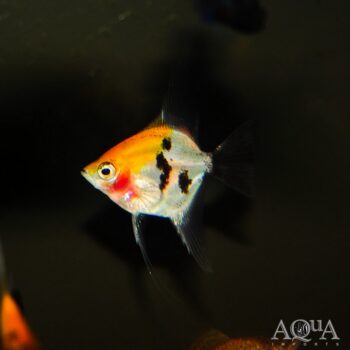
$12.99 – $22.99Price range: $12.99 through $22.99
A distinctive line bred form of the common Angel (Pterophyllum scalare), the Koi Angel is a popular variant due to their striking white, yellow, and black coloration. Like all angels, they do best in a large, tall, planted aquarium with plenty of cover. As a cichlid, they can be moderately aggressive towards one another (especially as adults) but generally do well in a large enough group, usually 5 or more. Most other non-cichlid tankmates will be left alone but they will hunt and eat very small fish or invertebrates. Angels are somewhat sensitive to water quality so care should be taken to avoid large fluctuations in water conditions and partial water changes should be performed regularly.
-
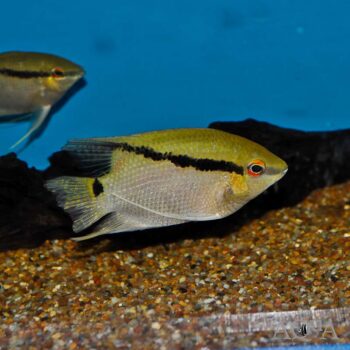
$14.99 – $19.99Price range: $14.99 through $19.99
An attractive, relatively peaceful medium-growing cichlid, the Insignis Festivum or Flag Cichlid is one of several similar looking species found throughout the Orinoco drainage in Colombia and Venezuela. Like most of its relatives in the genus Mesonauta, they tend to be found close to the water’s surface in slower-moving areas with lots of overhanging vegetation and often live alongside Angels. In the wild, a large amount of their diet is made up of fruit and nuts that fall into the water from overhanging trees but will accept almost any prepared or frozen foods in the aquarium.
-

$24.99
A rarely seen member of the genus Cichlasoma, the Amazon Cichlid is widespread but uncommon throughout the Amazon basin in Brazil, Peru, and Colombia. With its relatively small adult size and attractive green markings, it is a great smaller cichlid for a community aquarium or species tank. Like most of their close relatives, they are hardy and undemanding fish and will readily form pairs and breed in the aquarium if conditions are right.
-
$19.99 – $74.99Price range: $19.99 through $74.99
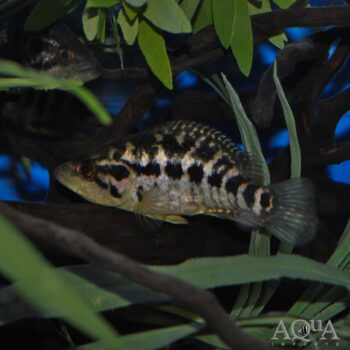
A large predatory cichlid found throughout much of Central America, the Jaguar or Aztec Cichlid has been popular in the aquarium hobby for decades due to its impressive size, elaborate pattern, and outgoing personality. Aggressive and territorial even from a small size, they should only be kept with similarly sized tankmates or large dither fish like silver dollar species, large characins, or larger barbs. In the aquarium, they are extremely hardy and will thrive in a wide variety of water conditions but due to their large size require a very large aquarium as adults.
-
$5.99
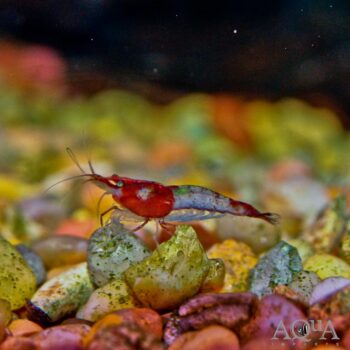
The Red Rili Shrimp is a selectively bred form of Neocaridina shrimp. It is a very popular form of shrimp in the hobby. They are remarkably hardy and adaptable, excellent shrimp for beginners. Red Rili Shrimp have a translucent body with red markings.
-
$3.99
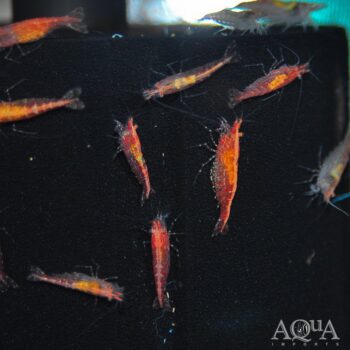
The Red Cherry Shrimp is a selectively bred form of Neocaridina shrimp and among the most popular freshwater dwarf shrimp in the aquarium hobby. Hardy, colorful, and peaceful towards tankmates, these shrimp will do well in most small to medium community aquariums and under good conditions will breed regularly. Red Cherry shrimp are ideal for beginning hobbyists and will tolerate a fairly wide variety of temperatures and water conditions. An omnivore and scavenger, they will accept most sinking foods but should be offered a varied diet high in algae and vegetable matter to ensure proper development and optimal coloration. Our Red Cherry Shrimp are high grade specimens showing uniform red from carefully selected suppliers in Thailand and Taiwan.
-
$19.99
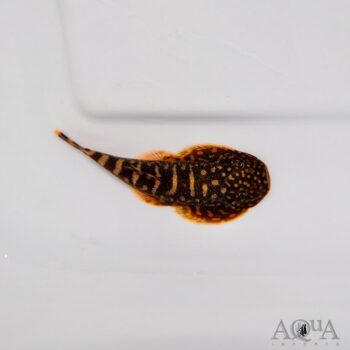
A unique, smaller growing hillstream loach found in fast-moving streams in Western Borneo, the Striped Borneo Sucker is typically found among rocks in well-oxygenated waters. In the aquarium, they are hardy fish as long as their wild habitat is replicated as closely as possible, with clean, well-aerated water and moderate to fast flow being essential to keep this species thriving long term. This species prefers slightly cooler water temperatures and soft, slightly acidic water. A grazer and opportunistic feeder, they should be given a varied diet high in algae or vegetable content like Fluval Bug Bites Pleco Formula or Repashy Gel Diet. A social fish like most loaches, they should be kept in groups of at least 3 and will typically get along well with other hillstream loach species.
End of content
End of content