Showing 1501–1525 of 1981 resultsSorted by latest
-
$449.99
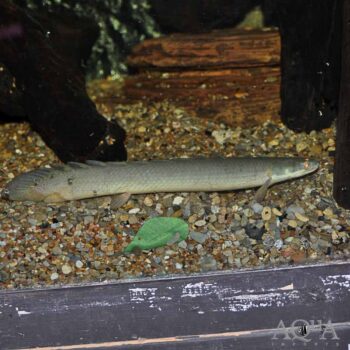
The Senegal, or Common Bichir is the most widespread species of Polypterus in Africa, inhabiting shallow waters across a huge geographic area. This species is also the most common in the aquarium hobby and has been commercially bred in Asia for years. Wild specimens from the remote Lake Turkana in Kenya are incredibly rare and sought after in the hobby, and are known for reaching a much larger adult size than any other population of P. senegalus. Specimens exceeding 20-22″ have been documented from the lake.
-
$24.99
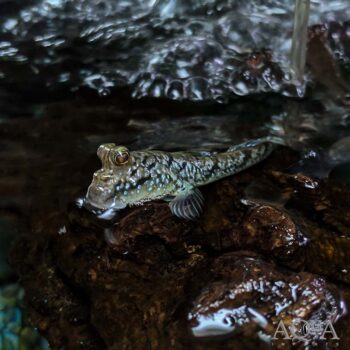
On the coasts of West Africa, the charming Atlantic Mudskipper (Periophthalmus barbarus) can be found from Senegal to Angola. These facultative oxygen-breathing creatures inhabit brackish waters close to mangrove swamps and lagoons, where they dwell on muddy substrates. These fish will eat a variety of meals in captivity, including feeder fish, frozen food, small insects, and flake food. The males’ brilliant coloring develops during the spawning season. The sexes are virtually identical outside of this season, however, males can be distinguished by their notably more territorial and aggressive behavior. The fish’s highset eyes, which give them a captivating froglike expression and 360-degree vision, are one of their most distinctive characteristics.
-
$7.99
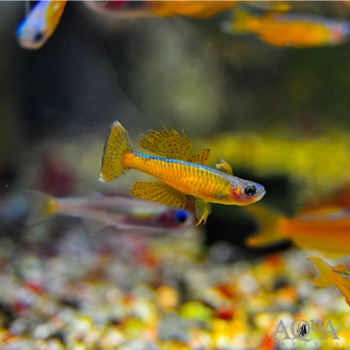
A colorful and active member of the genus Pseudomugil, commonly referred to as “blue eyed rainbows” in the hobby, Ivantsoff’s Blue Eyed Rainbowfish originates from the Timika region of West Papua, Indonesia. In the wild, they tend to be found in warm, slow-moving and often tannin stained waters. In the aquarium, they are best kept in groups and will do well in a well planted tank with plenty of cover and will get along well with most similarly sized peaceful tankmates.
-
$39.99
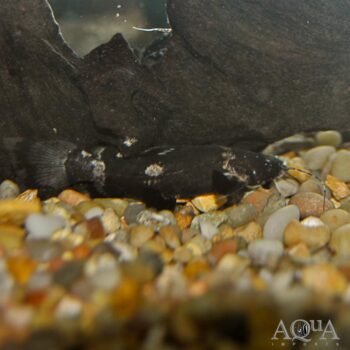
One of many similar looking species of South American Bumblebee Catfish, the Bumblebee Jelly Cat is a medium growing species with a flattened body and very wide mouth. In the wild, they are a cryptic ambush predator, relying on their camouflage pattern to blend into areas of leaf litter or submerged driftwood. In the aquarium, they are a hardy species that will rarely bother tankmates as long as they are too big to fit into their large mouths.
-
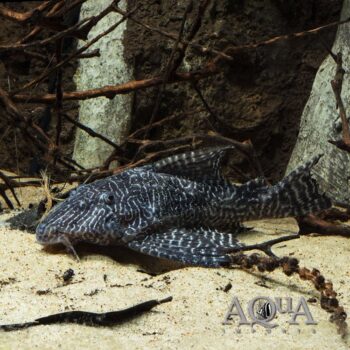
$64.99 – $249.99Price range: $64.99 through $249.99
With intricate black and white markings and its impressive lyre tail, the King Arabesque or Moa Pleco remains a sought after rarity in the aquarium hobby much less common than the unrelated L260 or Queen Arabesque. Originating in remote stretches of the Peru/Brazil border, this medium growing pleco is a wood eater like the rest of its genus but should be given a varied diet including algae- and protein-based foods. In the aquarium, they appreciate some current and plenty of driftwood for cover and for grazing.
-
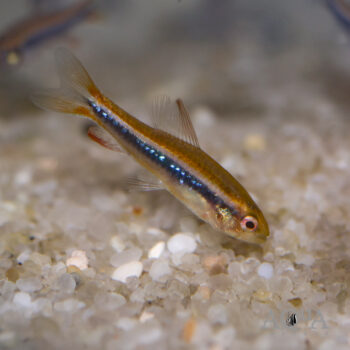
$7.99 – $9.99Price range: $7.99 through $9.99
A spectacularly colored and uncommon Tetra found throughout the black waters of the Rio Orinoco and Rio Negro basins in South America, the Black Morpho or Black Darter Tetra typically inhabits warm, shallow water habitat with lots of cover in the form of fallen branches and leaf litter. They are often found alongside more well known tetras such as Cardinals and Rummynose, especially as juvenile fish. Adult males in particular display an impressive sail-like dorsal fin and iridescent black and purple scales. Similar to the more commonly seen Sailfin Tetras, they can be a bit aggressive with one another for a tetra and are best kept in larger groups in aquariums with ample space for them to stake out territories.
-
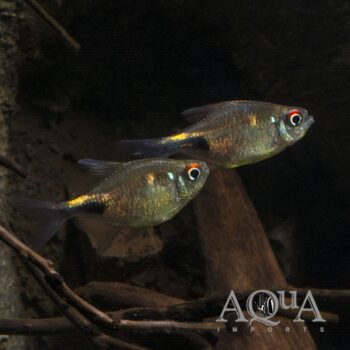
$6.99
An uncommon but nicely marked tetra, the Garnet, Pretty, or Black Wedge Tetra is an ideal community fish for a medium to large aquarium and makes an excellent schooling fish when kept in an appropriate sized group. Extremely hardy, colorful, and always active, they tend to inhabit the upper levels of the water column in the aquarium and make an impressive addition to an aquascaped or planted tank. Garnet Tetras are a hardy and undemanding species and will generally do well under a range of water conditions.
-
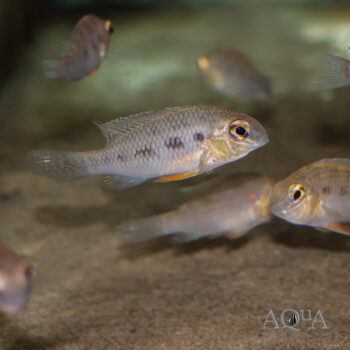
$19.99
A rarely imported dwarf cichlid found throughout parts of the Amazon and Essequibo River basins in South America, the Giant Checkerboard or Hercules Cichlid is a colorful and entertaining species ideal for a small to medium planted or mixed species community aquarium. Like the more common Checkerboard Cichlid (D. filamentosus), these are a social dwarf cichlid, often found in large groups in the wild. They tend to stay close to the bottom level of the aquarium and will do best with sand substrate and plenty of cover in the form of driftwood, live plants, rockwork or caves.
-
$7.99
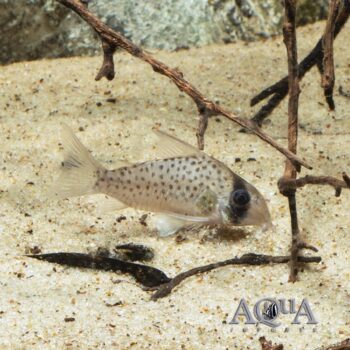
The Fairy Spotted or Atropersonatus Cory is an attractive and less commonly seen species found in certain middle Amazon tributaries in Peru. In the wild, it inhabits shallow stretches of open sand, usually in clear or slightly tannin-stained waters. Like most Corys, they are peaceful, hardy, and best kept in groups due to their schooling nature. This species is a medium-growing Corydoras and will do well with nearly any non-aggressive tankmates.
-
$9.99 – $14.99Price range: $9.99 through $14.99
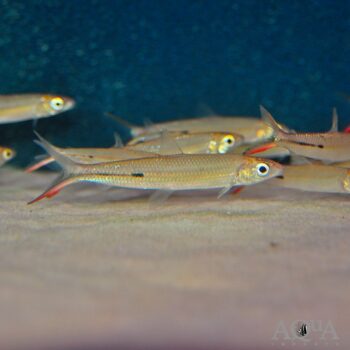
A medium-sized schooling tetra relative, the Red Tail, Red Line, or Slender Hemiodus (Hemiodus gracilis) is widespread throughout the Amazon and Orinoco basins, where it is usually found in large mixed species shoals alongside other schooling tetras. A fast and somewhat skittish fish at first, they make for an impressive display in a larger mixed species aquarium and make excellent tankmates for most other peaceful fish. This species prefers warm, slightly acidic water and will do best when given plenty of cover in the form of driftwood or tall plants.
-
$14.99
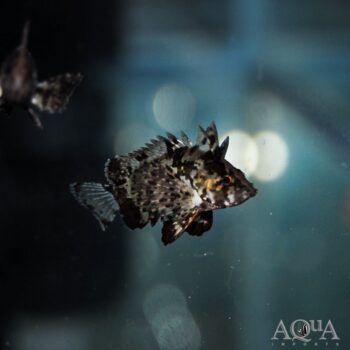
A fascinating dwarf waspfish found in slightly brackish to marine waters in the Indo-Pacific, the Leaf Goblinfish (also known as Indian Butterfly Goby) only grows to an adult size of about 4″. In the wild, they are a cryptic species typically found in shallow water among vegetation or other cover. They are an ambush predator, waiting for insect larvae, small crustaceans, and tiny fish. In the aquarium, they can be challenging to wean off live foods at first but will usually accept frozen foods like brine, mysis, and bloodworms over time. An adaptable fish usually found in intertidal zones, they can handle a wide range of salinity up to full strength marine but will do well at the lower range of brackish water salinities as well.
-
$39.99 – $59.99Price range: $39.99 through $59.99
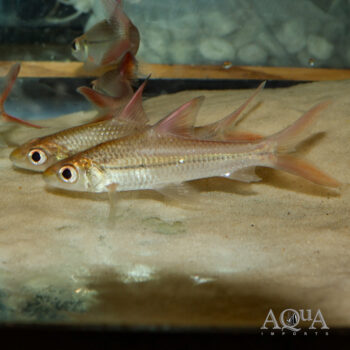
An uncommon, medium-growing “shark” (actually a member of the barb family), the Borneo Red Fin Silver Shark (Cyclocheilichthys janthochir) is typically found in acidic, black water streams, rivers, and pools throughout Borneo. A hardy and peaceful species, they will do well in a wide range of water conditions but will show their best coloration in warm, soft water. In the aquarium, they are best kept in groups of 3 or more and will generally do well with other similar schooling fish.
-
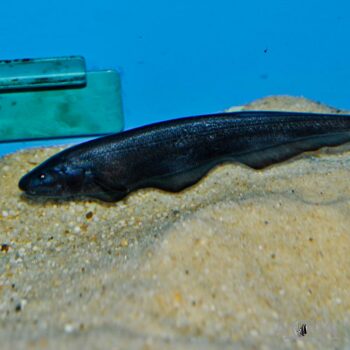
$69.99
A little known and rarely imported knifefish found in parts of the middle and Western Amazon and its tributaries, the Duck Head or Duckbill Knifefish is a medium, heavy-bodied species that displays strong sexual dimorphism. Adult males have an elongated snout with large jaws that give the species its common name while females retain a more typical knifefish head shape. This species is more territorial than some other knifefish, and males especially will fight if kept together in anything but the largest aquariums. Relatively hardy, they are not overly particular about water conditions and will readily accept most frozen foods.
-
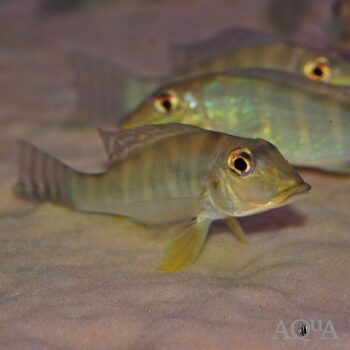
$49.99 – $129.99Price range: $49.99 through $129.99
The swift-moving, crystal-clear waterways of northern Brazil are home to the Retroculus xinguensis. Its natural habitat consists of a mixture of sand and gravel, as well as rocks of different sizes. It is advised to use a specific setup for this fish that mimics a swift-moving river with high levels of dissolved oxygen. Ideally, a group of 5-8 individuals should be housed together where they will form a noticeable dominance hierarchy. Although the fish’s natural food is aquatic invertebrate larvae, frozen and pellet foods will be accepted in the aquarium by sifting mouthfuls of the substrate through their gills, extracting edible items.
-
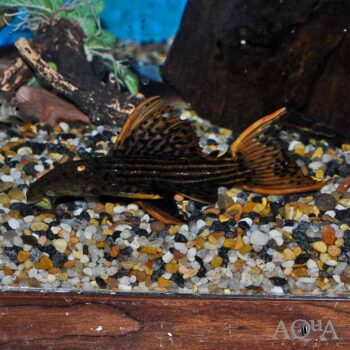
$399.99 – $574.99Price range: $399.99 through $574.99
With their high contrast pattern of jet black spotting on a dark brown body and deep red-orange fins, he Scarlet Cactus or L025 pleco is one of the most sought after species in its genus. This heavily armored pleco is found in the fast-flowing rocky waters of Brazil’s Rio Xingu where they inhabit warm, clear, soft waters typically close to rapids. Like most species in the genus Pseudacanthicus, they are almost prehistoric in appearance with prominent spines along the pectoral, dorsal, and caudal fins. The variant known as “7 pointer” is typically found in the upper Rio Xingu near Sao Felix and are so named for showing vivid red coloration on all of their fins. With an adult size of up to 18″, this species requires a large aquarium with excellent water quality and moderate to strong current.
-
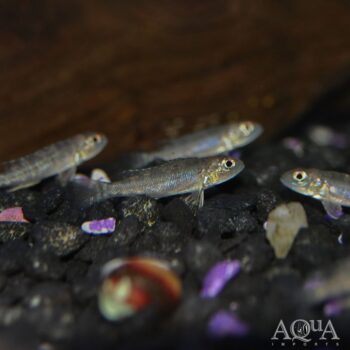
$14.99
A medium sized and robust shell-dwelling species of cichlids found in Africa’s Lake Tanganyika, N. hecqui or Hecq’s Lamprologus makes for a unique display fish due to their vivid pattern and bold, fascinating behavior. In the wild, these cichlids inhabit dense fields of empty snail shells at the bottom of the lake, where each fish will stake a territory in an individual shell and defend it from others. In the aquarium, they are hardy and adaptable but prefer alkaline water and should be provided with shells or similar structure for them to establish territories in. One of the more territorial species of shell dwelling cichlids, they should be given ample space and may bully smaller tankmates.
-
$9.99
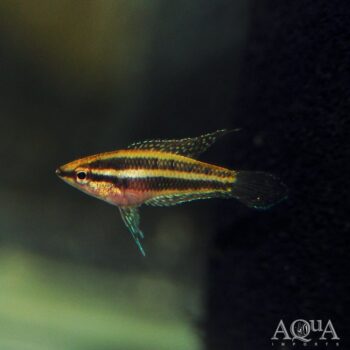
Product description coming soon.
-
$79.99 – $89.99Price range: $79.99 through $89.99
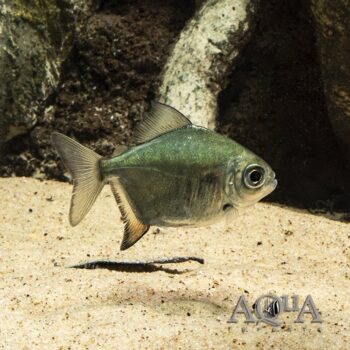
A rarely seen species of Myleus (commonly referred to as Silver Dollars in the trade), the Zebra Silver Dollar or Myleus sp. ”zebra” originates in the rivers and streams of Guyana and Suriname but are now bred in captivity on a small scale. Juveniles display irregular barring with black trim along their fins, and adult fish develop a greenish color with mottled horizontal stripes which gives them their common name. Like most of their relatives, this fish is a large growing loosely schooling fish which will do well with larger South American Cichlids or predatory species.
-
$12.99
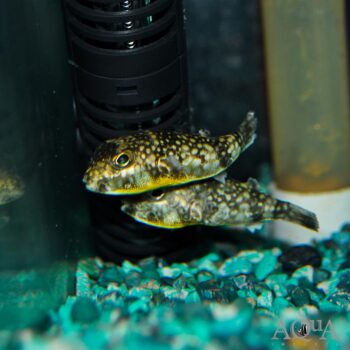
A widespread, medium growing species of puffer, the Milk Spotted Pufferfish can be found in brackish to marine coastal environments across most of the Indo-Pacific. An active swimmer, it is typically found in estuarine areas and mangrove swamps as juveniles while adults may migrate out to reefs or shallow seagrass flats. A predatory species, it uses its sharp beak to feed on crustaceans and bivalves in the wild. In the aquarium, they will accept a wide range of frozen protein-rich foods and the occasional live feeder shrimp.
-
$9.99
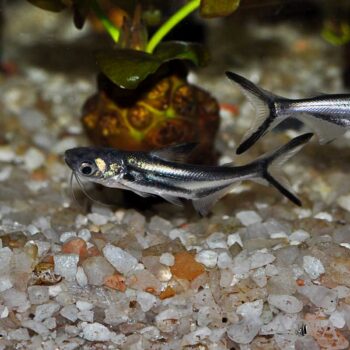
Black Ear Pangasius (Pangasius larnaudii) Origin: Aquaculture Asia Diet: Omnivore, will accept most of frozen and prepared foods Adult Size: 48″ Recommended Tank Size: 300 gal Compatibility: Peaceful and timid, easily startled causing them to jump or crash into tank sides Preferred Water Parameters pH: 6.5 – 7.5 Temp: 78-82F Ammonia: 0ppm Nitrite: 0ppm Nitrate: <30ppm
-
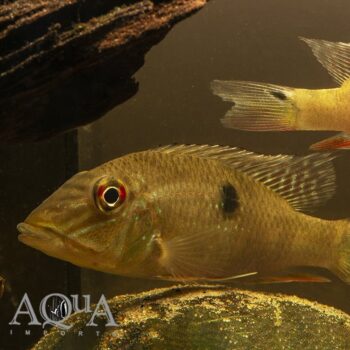
$44.99 – $99.99Price range: $44.99 through $99.99
A large, peaceful cichlid found throughout middle Amazon tributaries including the Rio Negro and lower Tapajos, the One Spotted or Lilith Eartheater is among the more rarely seen members of its genus. In the wild, they inhabit, warm, shallow, acidic waters over areas of sandy substrate. Like all eartheaters, they are adapted to ingest mouthfuls of fine sand substrate and sift out small food items like insect larvae and crustaceans. In the aquarium, they tend to do best in groups and will coexist with a variety of similarly peaceful cichlids or other fish species, and they are generally safe even with much smaller fish.
-
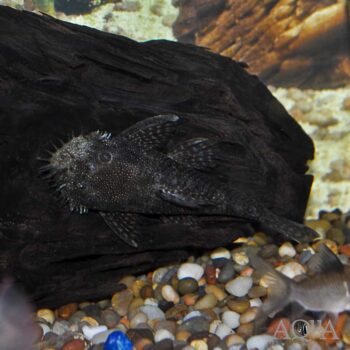
$44.99
An attractively marked species of Ancistrus found in the Tocantins and Araguaia Rivers in Southeastern Brazil, A. aguaboensis inhabits rocky, relatively fast moving waters in the wild and is distinguished from other fish in the genus by its uniform, attractive pattern of white spots. most other bristlenose plecos, they are hardy and easy to care for. This species is easy to sex and will reproduce in the aquarium, with males displaying much larger and more pronounced bristles along the nose and face.
-
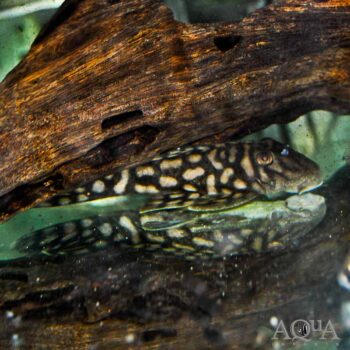
$89.99
A rare and distinctively marked pleco from Brazil’s fast-flowing Rio Xingu, the L354 or Big Spot Polka Dot Pleco inhabits rocky shallows in the wild. Like most plecos from this river, they prefer warm, soft, well-oxygenated water. In the aquarium, they should be given plenty of shelter in the form of rocks, caves, or driftwood. A peaceful species, they will typically get along well in groups.
-
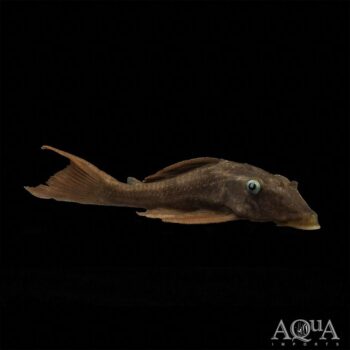
$39.99 – $229.99Price range: $39.99 through $229.99
A colorful, medium growing Hypostomus species found in the clear waters of Brazil’s Rio Tapajos, the L137 or Blue Eyed Red Fin Pleco makes an excellent aquarium fish for a large community or predator aquarium. Like most of their close relatives, they will graze on nuisance algae and should be given a varied diet including fresh vegetables and prepared foods.
-
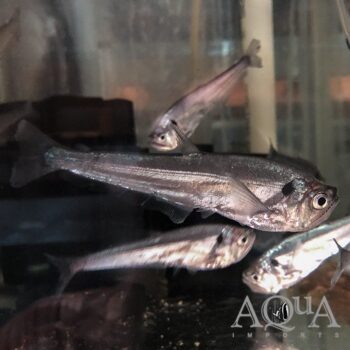
$29.99 – $69.99Price range: $29.99 through $69.99
A smaller growing relative of the Payara or Sabertooth Barracudas found throughout much of South America, the Snub Nosed Payara is a highly adapted predator typically found in waters with moderate to strong current. With their unique, flattened body shape, they spend most of their time hanging motionless against the direction of the water flow, waiting for prey to drift by. They use lightning-fast reflexes and their namesake saber-like teeth to grab hold of their prey, which can be fish up to half their own size. In the aquarium, payara often require live foods – at least at first – and do best in well-oxygenated water with plenty of water movement.
End of content
End of content