Showing 1451–1475 of 1981 resultsSorted by latest
-
$5.49 – $7.49Price range: $5.49 through $7.49
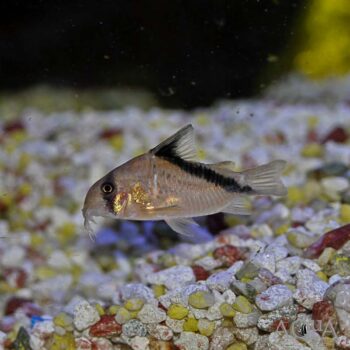
A strikingly marked medium-growing species of Cory, the Melini or False Bandit Cory is widespread throughout the Rio Negro, Orinoco, and Meta in Brazil and Colombia where it is found in large shoals in a variety of shallow water habitats. This species is one of several very similar looking Corydoras and is sometimes confused with H. metae, but the Melini Cory’s stripe extends down into the tail. Like most Corys, they are peaceful, hardy, and best kept in groups due to their schooling nature. An excellent community aquarium fish, they will do well with nearly any non-aggressive tankmates.
-
$49.99 – $74.99Price range: $49.99 through $74.99
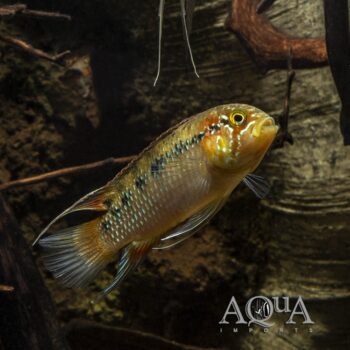
The Zebra Acara or Starry Dwarf Cichlid is a medium sized, spectacularly marked cichlid found in blackwater habitat in the upper Rio Negro and Rio Uapes in Brazil and Colombia. In the wild, this species inhabits warm, acidic, heavily tannin-stained pools and creeks where breeding pairs defend territories from other fish. In the aquarium, they prefer soft water with temperatures in the low 80s and will display their best coloration with the addition of some tannins in the water from the addition of Indian Almond leaves or other botanicals. As these fish mature, they tend to be territorial and aggressive among themselves and with other cichlids, but other non-cichlid tankmates too big to be eaten will usually be ignored.
-
$5.99 – $6.99Price range: $5.99 through $6.99
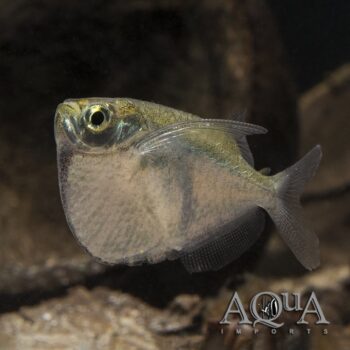
An iconic aquarium fish popular in the hobby for decades, the Spotfin Silver Hatchet is the most widespread of all its relatives in the wild, found through all of Northern South America and some of the southern Amazon tributaries as well. In the aquarium, they are hardy and peaceful schooling fish that will do best in groups of 8 or more. This species is shy by nature and fast moving, large, or aggressive tankmates should be avoided. Their tank should be kept tightly covered as they are easily spooked and likely to jump out if given the opportunity. As a surface feeder, they primarily eat tiny insects in the wild but will accept flake and other small floating foods like freeze dried bloodworms in the aquarium. The Spotfin Silver Hatchet can be distinguished from the common silver hatchet and other similar species by their large, light silver scales and lack of any black pigment except for the spot on the dorsal fin.
-
$5.99 – $9.99Price range: $5.99 through $9.99
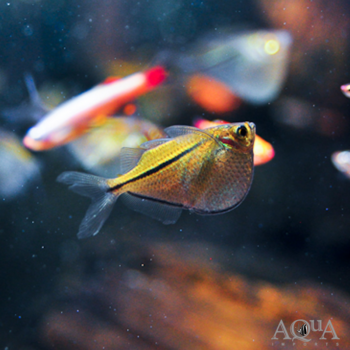
Probably the most commonly kept species of the popular surface dwelling Hatchetfish, the Silver Hatchet has a wide distribution in South America, ranging from the middle Amazon and Orinoco in Colombia and Peru, as well as the coastal waters of Brazil, Suriname and the Guyanas. In the aquarium, they are hardy and peaceful schooling fish that will do best in groups of 8 or more. This species is shy by nature and fast moving, large, or aggressive tankmates should be avoided. Their tank should be kept tightly covered as they are easily spooked and likely to jump out if given the opportunity. As a surface feeder, they primarily eat tiny insects in the wild but will accept flake and other small floating foods like freeze dried bloodworms in the aquarium.
-
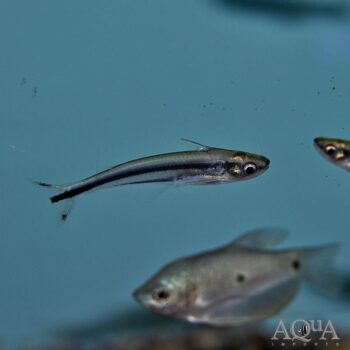
$12.99
Product description coming soon
-
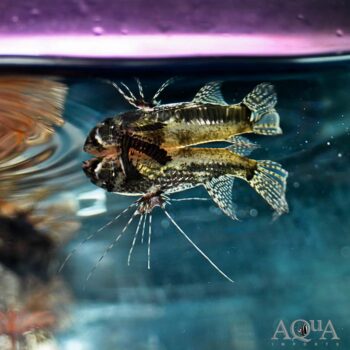
$22.99
The African Butterfly Fish is a unique, surface-dwelling fish found throughout much of West and Central Africa. In the wild, it typically inhabits shallow, slow moving waters close to aquatic vegetation or among the roots of floating plants. Their distinctive upward hinged mouths allows them to quickly ambush small fish and insects at the waters surface. In the aquarium, they are hardy and undemanding but will do best with plenty of cover close to the surface and should not be kept with any tankmates small enough to become a meal.
-
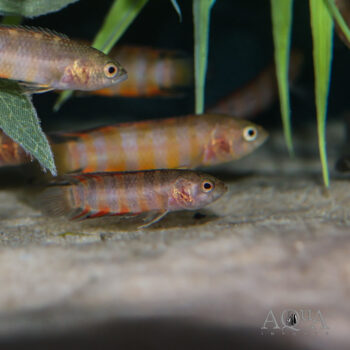
$15.99
A beautifully marked, small growing fish found in warm blackwater pools within the Congo River basin, the Ornate Bushfish or Ornate Ctenopoma is a unique, social species which spends most of its life hunting tiny invertebrates among leaf litter and aquatic vegetation. In the aquarium, they require warm temperatures, soft, acidic water, and will benefit from the addition of tannins from driftwood or other botanicals. Best kept in a species tank or with other small, peaceful fish, Ornate Bushfish will do best in a group and should be provided plenty of small protein-rich frozen foods like small bloodworms, enriched brine, or mysis.
-
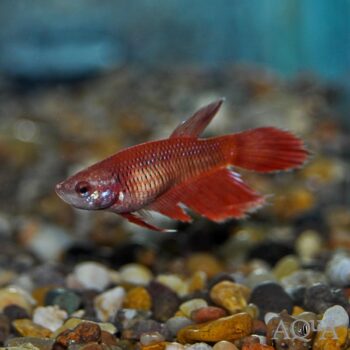
$4.99
Probably the single most popular fish kept around the world, the Betta or Siamese Fighting fish has been popular in its native Thailand for centuries, and has been bred into dozens of color forms and strains. The longfin strain originated in the early 20th century and is now the “standard” pet B. splendens. Incredibly hardy, and with the ability to breathe air from the surface, these fish are popular “bowl fish” but really will do best in a small aquarium with a heater and some form of filtration. As their name implies, males of this species will fight and must be kept singly but females can be kept in groups.
Assortment note: Our assortment includes a variety of colors including blue, red, green, purple, and others. If you have a specific color you’d like you can request it in the order notes and we will make our best effort to select that color if possible.
-

$4.99
Probably the single most popular fish kept around the world, the Betta or Siamese Fighting fish has been popular in its native Thailand for centuries, and has been bred into dozens of color forms and strains. The longfin strain originated in the early 20th century and is now the “standard” pet B. splendens. Incredibly hardy, and with the ability to breathe air from the surface, these fish are popular “bowl fish” but really will do best in a small aquarium with a heater and some form of filtration. As their name implies, males of this species will fight and must be kept singly but females can be kept in groups.
Assortment note: Our assortment includes a variety of colors including blue, red, green, purple, and others. If you have a specific color you’d like you can request it in the order notes and we will make our best effort to select that color if possible.
-
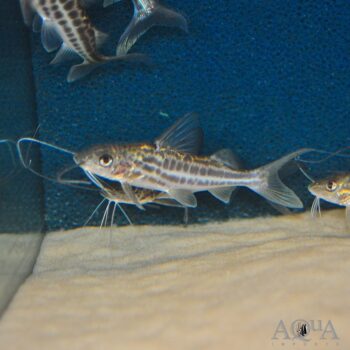
$13.99 – $19.99Price range: $13.99 through $19.99
A medium-growing, active schooling fish, the Four Line Pictus Catfish is found throughout much of the Amazon, Orinoco, and Guyana Shield in South America. In the wild, they usually inhabit shallow water with medium to fast-moving current and typically shoal in large groups. A hardy aquarium fish, they should be given plenty of open space for swimming and are best kept in groups of 6 or more. They make an excellent addition to larger aquariums with peaceful South or Central American Cichlids.
-
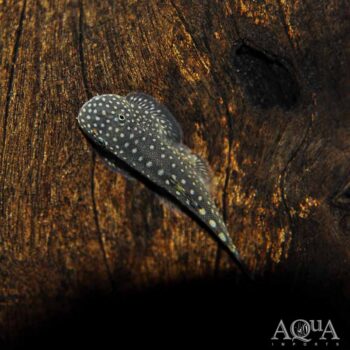
$15.99
A distinctive, attractively marked hillstream loach found in fast-moving streams in Western Borneo, the Borneo Spotted Sucker Loach is found among rocks in well-oxygenated waters. In the aquarium, they are hardy fish as long as their wild habitat is replicated as closely as possible, with clean, aerated water and moderate to fast flow being essential to keep this species thriving long term. A grazer and opportunistic feeder, they should be given a varied diet high in algae or vegetable content like Fluval Bug Bites Pleco Formula or Repashy Gel Diet. A social fish, they should be kept in groups of at least 3.
-
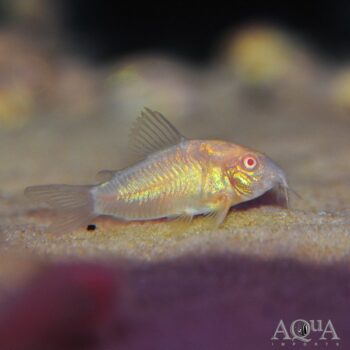
$4.99 – $5.99Price range: $4.99 through $5.99
One of the most commonly kept species of Cory in the hobby, the Bronze or Aeneus Cory originates from Trinidad but has been captive bred on a huge scale for decades. The albino form is equally popular. Like most Corys, they are peaceful, hardy, and best kept in groups due to their schooling nature. This species is an excellent community aquarium fish and will do well with nearly any non-aggressive tankmates.
-
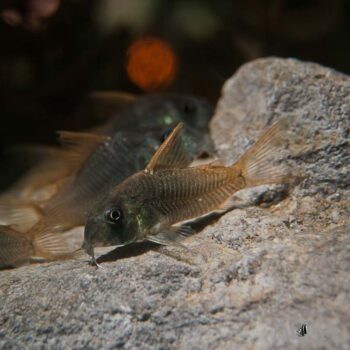
$4.49 – $7.99Price range: $4.49 through $7.99
One of the most commonly kept species of Corydoras in the hobby, the Bronze or Aeneus Cory originates from Trinidad but has been captive bred on a huge scale for decades. Like most Corys, they are peaceful, hardy, and best kept in groups due to their schooling nature. This species is an excellent community aquarium fish and will do well with nearly any non-aggressive tankmates.
-
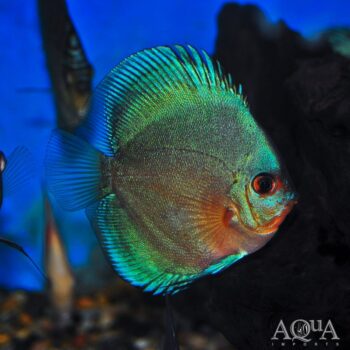
$69.99 – $79.99Price range: $69.99 through $79.99
Long considered the most beautiful of all freshwater aquarium fish, the discus remains a popular fish for serious hobbyists. Discus originate from the warm, acidic waters of Amazon tributaries in Brazil and Peru and are typically found in large groups. The many wild forms of discus have been selectively bred to create dozens of colorful strains, including the Blue Diamond, which is known for its vivid, uniform powder blue coloration. In the aquarium, regular large water changes, a protein-rich varied diet, and warm water temperatures (78-84) will create ideal conditions for these fish to thrive. Like all discus, they will do best in soft, slightly acidic water but will reward patient aquarists with spectacular coloration.
-
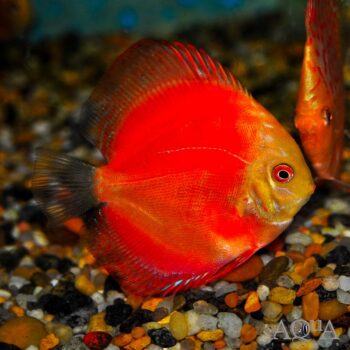
$79.99 – $89.99Price range: $79.99 through $89.99
Long considered the most beautiful of all freshwater aquarium fish, the discus remains a popular fish for serious hobbyists. Discus originate from the warm, acidic waters of Amazon tributaries in Brazil and Peru and are typically found in large groups. The many wild forms of discus have been selectively bred to create dozens of colorful strains, including the Red Marlboro, which is known for its deep red body and red or yellow face. In the aquarium, regular large water changes, a protein-rich varied diet, and warm water temperatures (78-84) will create ideal conditions for these fish to thrive. Like all discus, they will do best in soft, slightly acidic water but will reward patient aquarists with spectacular coloration.
-
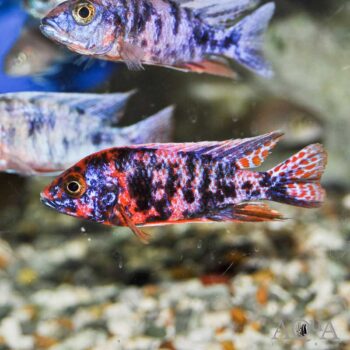
$19.99 – $49.99Price range: $19.99 through $49.99
One of the most popular groups of all African Rift Lake Cichlids, the Peacocks of the genus Aulonocara are large, bold, and vividly colored fish that inhabit the rocky shoreline areas of Lake Malawi. In the wild, these fish are found in loose aggregations, with males taking up and defending territories among the rocks. In the aquarium, they are aggressive and territorial, and ideally should only be kept with other Rift Lake Cichlids or larger Synodontis catfish species. Their aggression can be tempered by keeping them in large groups with lots of caves or rockwork for cover. Peacock Cichlids are largely herbivores and should be fed a diet high in algae or vegetable matter. Although hardy and very adaptable, they will display their best coloration in hard, alkaline water. This premium assortment consists of both wild type and line bred strains including Sulphur Head, Lemon “Jakes” (A. jacobfreibergi), O.B., Dragon Blood, and others.
-
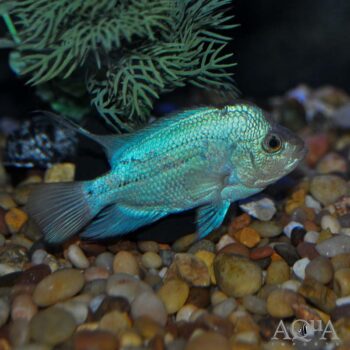
$59.99 – $159.99Price range: $59.99 through $159.99
An active, medium-growing and beautifully colored cichlid, the Thai Silk or Titanium Flowerhorn is a man-made hybrid cichlid developed over years of line breeding. With their uniform, vivid powder blue coloration and distinctive hump that males develop as they reach maturity, this strain of Flowerhorn is deservedly popular in the hobby. Unlike some flowehorn strains, the Thai Silk are not overly aggressive and can usually be kept with other cichlids or one another in an appropriately large aquarium (with caution). In the aquarium, they are hardy and undemanding but will display their best coloration when good water quality is maintained and when fed a varied, high quality diet.
-
$29.99
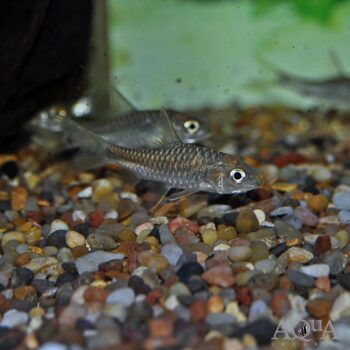
The Blue Mahseer is one of several large cyprinids from Southeast Asia collectively known as ‘Mahseer’ – most of which are prized food fish in their native habitats. The species is one of the more medium-sized Mahseer, reaching a maximum size of around 20″ in theaquarium. Their large, iridescent scales and peaceful behavior in the aquarium have led some to compare them to tropical versions of koi. Although hardy and adaptable, they will do best in clean, well-oxygenated water with moderate current. Mahseer make excellent dither fish for large predatory species and rarely bother tankmates.
-
$99.99
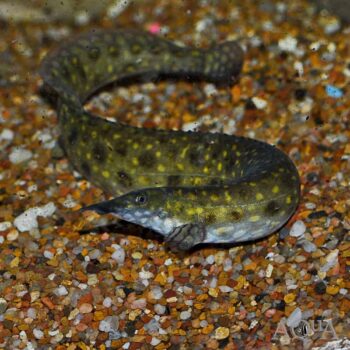
Product description coming soon.
-

$39.99
The Burmese or Asian Upside Down Catfish is a unique, medium-growing species of Bagrid found in the rivers of Myanmar in Southeast Asia. As the name implies, this unusual fish spends most of its life swimming upside down, with its mouth and ventral surface facing up towards the water’s surface, where it actively seeks out insects, crustaceans, and smaller fish as prey. In the aquarium, they are active, constant swimmers and tend to school in large groups as juveniles while adults are more solitary. With their unique swimming behavior and deep black coloration interspersed with blueish speckles, they make a fascinating addition to a community of similarly-sized fish but aggressive tankmates should be avoided.
-

$7.99 – $8.99Price range: $7.99 through $8.99
One of the most popular dwarf cichlids in the hobby, Apistgramma agassizi (also known as Agassiz’s Dwarf Cichlid) is an attractive and interesting addition to smaller community aquarium. They have been bred in the hobby for decades, resulting in a number of color morphs and strains. A widespread fish in the Amazon Basin, they have a number of wild color forms as well corresponding to different catch locations. A hardy and relatively peaceful species, they are ideal for smaller aquariums and do best with ample cover in the form of plants, driftwood, and small caves.
A note on Apistogramma: Unless otherwise specified, Apistogramma are sold as unsexed individuals. We will make our best efforts to send pairs or a requested ratio of male to female but we do not guarantee sex on these fish. We recommend buying in groups to ensure adequate males and females for breeding.
-
$29.99
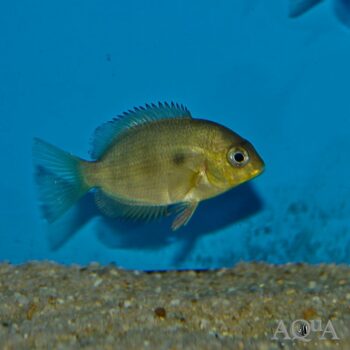
A rare species of Madagascan Cichlid, the Spotted Damba or Damba Mipentina is a large growing, bold and active species found in slow-moving rivers and lakes in Northwestern Madagascar. In the wild, they are critically endangered due to habitat destruction and competition from introduced species like Tilapia, but tank-bred specimens are available from time to time in the hobby. Like some of the other members of its genus, P. maculatus is often found in shoals in the wild, and will do best in a group of 5 or more. Aggressive and often extremely territorial, they are best kept in a species tank or with other robust, large tankmates that are not at risk of being picked on. Spotted Damba are voracious eaters, and should be fed a varied diet including some algae or vegetable based foods.
-
$16.99 – $24.99Price range: $16.99 through $24.99
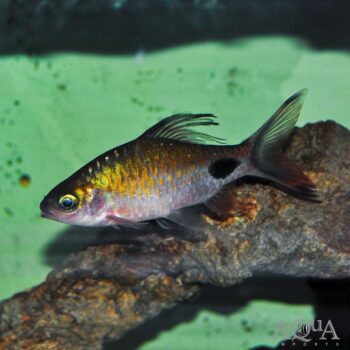
The Filamentosa or Filament Barb is a larger-growing and colorful species ideal for a large community aquarium. These generally peaceful barbs are endemic to Southwestern India and Sri Lanka, and will do best with other semi-aggressive and similarly sized fish. As they mature, the male Filamentosa Barbs will more vivid coloration and the distinctive elongated filaments on the dorsal fin.
-
$4.99 – $5.99Price range: $4.99 through $5.99
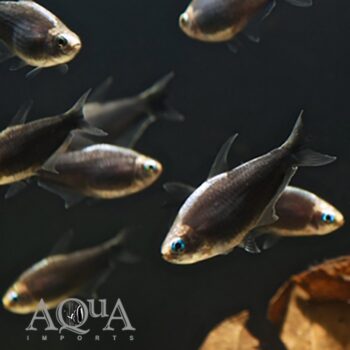
The Black Emperor Tetra is a line bred color variant of the popular Emperor Tetra selected over generations for its unique, deep blue-black body coloration and striking blue eyes. In the aquarium, they are hardy and adaptable, perfect for most medium community aquariums or planted/aquascaped tanks. Like most tetras they should be kept in groups of at least 5.
-
$89.99 – $219.99Price range: $89.99 through $219.99
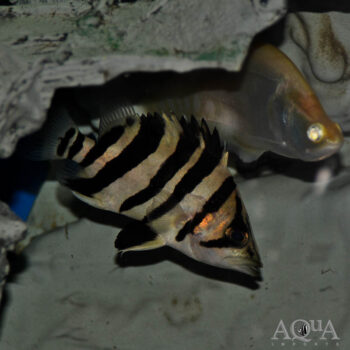
The Indo Datnoid or Indo Tigerfish (IT) is found throughout Peninsular Malaysia and the Indonesian islands of Sumatra, Borneo, and likely parts of East Java as well. In the wild, they inhabit a variety of habitat types but are typically found in warm, slow moving stretches of rivers or lakes in areas close to overhanging vegetation. An ambush predator, they tend to hang motionless in the water awaiting smaller fish or invertebrates to swim by, using quick reflexes and a huge protrusible jaw to literally inhale prey items. Specimens from Sumatra are especially colorful and well-marked, with the 4 bar variant found in the region among the more sought after varieties of Indo Datnoid in the trade. In the aquarium, they require well-oxygenated water and are sensitive to water quality, so regular water changes are important to keep them thriving. Tankmates should be chosen carefully as they can eat surprisingly large fish and other more aggressive or very active fish will likely stress them out and potentially cause their distinct pattern of bars to fade.
End of content
End of content