Showing 1126–1150 of 1981 resultsSorted by latest
-

$24.99
The Pale Spotted or Gossei Cory is a medium growing, uncommonly imported species of Corydoras found in the middle Amazon tributaries Rio Mamore and Rio Madeira. In the wild, they tend to inhabit white or clear water areas over fine sand substrate. Like all Corydoras, this species is a loosely schooling fish that should be kept in a group of at least 5.
-
$39.99
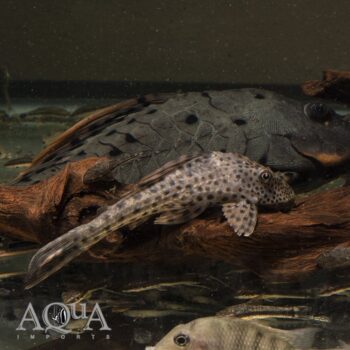
A beautifully patterned small growing Hypostomus found throughout the Essequibo, Negro, and middle Amazon drainages, the L303 or Spotted Dwarf Hypostomus typically inhabits warm, acidic blackwater areas in the wild. In the aquarium, they are hardy and adaptable, but will do best in relatively soft water and when given plenty of driftwood or other hides. They should be offered a varied diet including fresh veggies, sinking prepared foods, and gel diets like Repahy’s Soylent Green or Bottom Scratcher.
-
$274.99 – $774.99Price range: $274.99 through $774.99
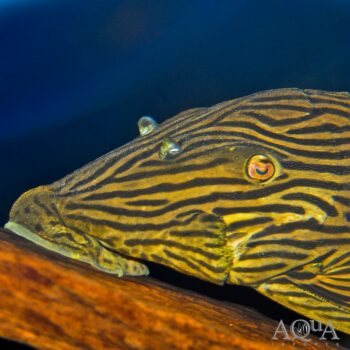
One of the most beautifully marked variants of Royal Pleco, the Platinum or Long Nose Royal Pleco is found in Brazil’s Rio Xingu and its tributaries. The Rio Fresco locale is collected in that river, a blackwater tributary that joins the Xingu near Sao Felix. This variant is characterized by a more elongated body than other Royal Plecos and a base coloration of whitish silver (as opposed to brown or green) which becomes more pronounced as they grow. Like all Royal Plecos they are wood eaters by nature, and should be offered plenty of driftwood in the aquarium. Conditions in the aquarium should be as close to their wild habitat as possible, with moderate to strong current, warm temperatures, and excellent water quality. Due to their specialized diet, we recommend providing driftwood for grazing and feeding a specialty diet like Repashy Morning Wood.
-
$79.99 – $99.99Price range: $79.99 through $99.99
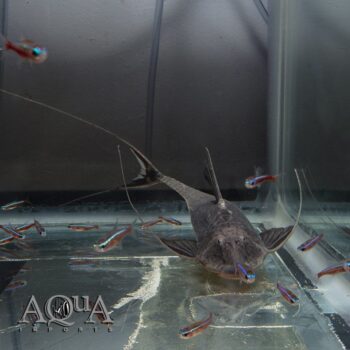
Product Description Coming Soon
-
$59.99 – $89.99Price range: $59.99 through $89.99
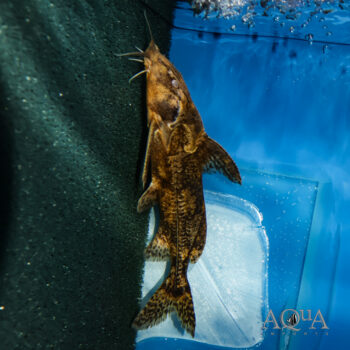
A unique doradid catfish found in the Orinoco Basin in Colombia and Venezuela, Gallagher’s Thorny Catfish is a peaceful, substrate feeding fish found in areas of moderate to fast water flow. In the wild, it feeds heavily on invertebrates including snails, but will accept most frozen or prepared sinking foods in the aquarium. This species is largely sedentary but is a fast and agile swimmer when necessary so will benefit from a spacious aquarium with plenty of open swimming space.
-
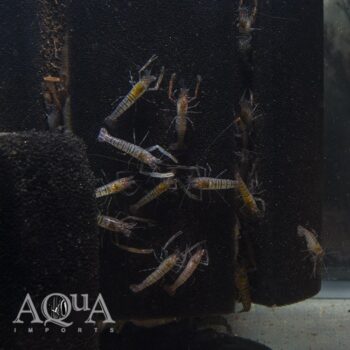
$9.99
A uniquely patterned freshwater dwarf shrimp found throughout much of the Amazon Basin, the Amazon Tiger Shrimp inhabits shallow, warm water habitat typically associated with driftwood and aquatic vegetation and often in large groups. A hardy and peaceful invertebrate in the aquarium, their care requirements are similar to other dwarf shrimp although they will do best in softer, slightly acidic water.
-
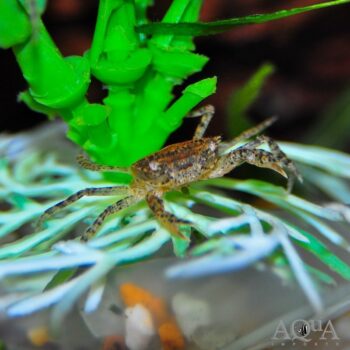
$8.99
Product description coming soon.
-
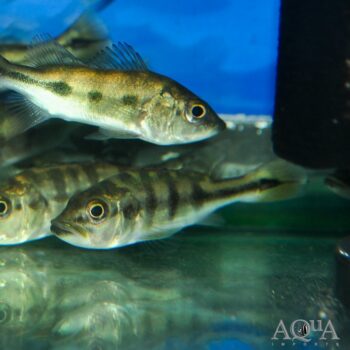
$44.99
One of the larger growing and distinctive species of Peacock Bass, Cichla monoculus is found throughout parts of the Amazon basin in Brazil, Guyana, and Peru, although wild specimens are rarely exported. Due to their popularity as a food and sport fish, they are farmed extensively throughout parts of South America and Asia and have been introduced intentionally or accidentally in many tropical and subtropical waters. Most of these aquacultured fish available in the hobby have been hybridized at some point in their lineage, typically between C. ocellaris and C. monoculus. Like all Cichla, they are large growing, powerful, predatory fish and should be kept by experienced aquarists with suitably large aquariums or ideally indoor ponds to house these fish as adults.
-
$12.99
A unique and purely freshwater representative of the largely marine family of tonguefish or tongue sole, the Asian Freshwater Tonguefish is found throughout Thailand, Laos, and parts of Vietnam. In the wild it inhabits shallow, sandy habitat where it spends most of its time buried under fine sand, nearly invisible, waiting to ambush small prey. In the aquarium, they require a fine sand substrate and will do best with few, peaceful tankmates as they are easily outcompeted for food. Most will feed on frozen foods like bloodworms or mysis shrimp although some may require live foods at first.
-
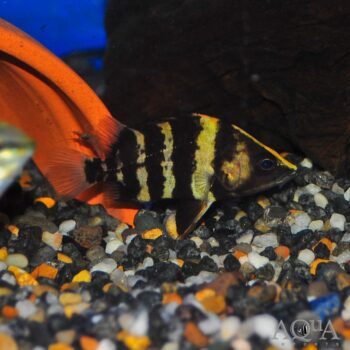
$129.99 – $349.99Price range: $129.99 through $349.99
The New Guinea Datnoid or New Guinea Tigerfish (NGT) is a large growing predatory perch found in brackish and fresh waters in Indonesia’s West Papua Province and Papua New Guinea, specifically the Fly River and its tributaries. In the wild, they inhabit a variety of habitat types but are typically found in warm, slow moving stretches of rivers or lakes in areas close to overhanging vegetation. An ambush predator, they tend to hang motionless in the water awaiting smaller fish or invertebrates to swim by, using quick reflexes and a huge protrusible jaw to literally inhale prey items. In the aquarium, they require well-oxygenated water and are sensitive to water quality, so regular water changes are important to keep them thriving. They will tolerate brackish conditions but do not require them to thrive. Tankmates should be chosen carefully as they can eat surprisingly large fish and other more aggressive or very active fish will likely stress them out and potentially cause their distinct pattern of bars to fade.
-
$14.99 – $39.99Price range: $14.99 through $39.99
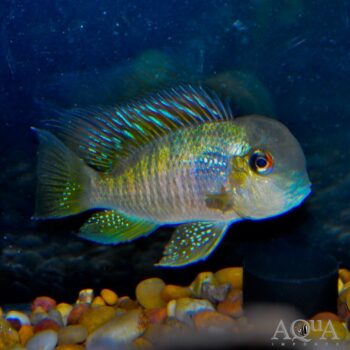
The Balzani Eartheater (Gymnogeophagus balzanii) is unique to the Rio Parana basin in Brazil and is typically found in slow-moving water. For housing this fish, a sandy substrate is recommended as it encourages their natural earth eating habits. Aquatic plants are not necessary because they are not a part of the species’ normal habitat, and the fish’s sand-sifting behavior is likely to uproot them. These fish are simple to feed and will take most frozen foods as well as granular or pellet foods. When housing multiple of these fish it is advised to only have one male per 2 to 6 females.
-
$39.99 – $79.99Price range: $39.99 through $79.99
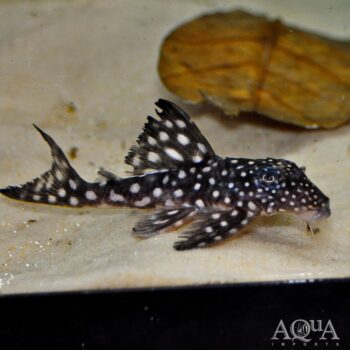
The L102 True Inspector or Snowball Pleco is one of several medium sized spotted species of Hypancistrus found in the middle and upper Rio Negro basin in Brazil, Colombia, and Venezuela. This species grows somewhat larger than some of its close relatives, reaching an adult size of over 6″ and can be distinguished from other similar Hypancistrus by the dark black trim on its dorsal and caudal fins. Like its relatives, they prefer warm, slightly soft water and are sensitive to poor water quality so regular water changes are a must. They should be fed a varied diet high in proteins, including frozen bloodworms, sinking prepared foods, and Repashy gel diet.
-
$49.99 – $69.99Price range: $49.99 through $69.99
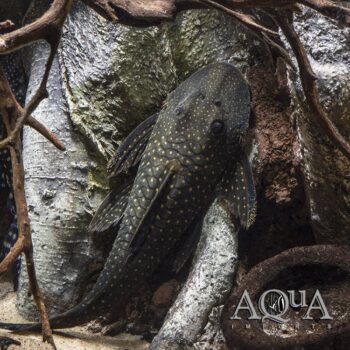
The L476 Black Phantom Pleco is a rarely imported species of Hemiancistrus known from the Rio Uapes and upper Negro in Colombia and Venezuela, where it tends to inhabit fast-moving, warm, acidic waters. With their high contrast pattern of dark body coloration and distinctive yellowish spots, this pleco is a large, attractive species for a suitably large aquarium. An omnivore, they will graze on algae but will also require a varied diet of sinking prepared foods, gel foods, and fresh vegetables like zucchini and squash. In the aquarium, they will do best in moderately soft, warm, well-oxygenated water with plenty of hiding places and moderate to strong current. This species requires excellent water quality to thrive so large frequent water changes should be considered necessary.
-
$8.99
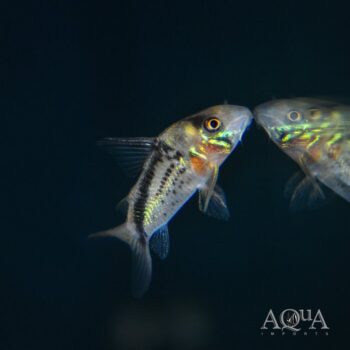
The Loxozonus Cory is a medium growing species of Cory widespread throughout the Meta and Orinoco drainages within Colombia and Venezuela. In the wild, they are typically found in large aggregations in shallow waters with moderate current and sandy substrate. Like all Corydoras, this species is a loosely schooling fish that should be kept in a group of at least 5.
-
$19.99
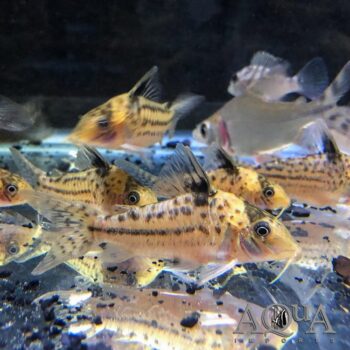
The Icana or Incolicana Cory is a medium growing, rarely imported species of Brochis, known only from the upper Rio Negro in Brazil and along the Colombia/Venezuela Border. In the wild, they inhabit soft, acidic water and will do best when those conditions are matched in the aquarium. Like all Corydoras, this species is a loosely schooling fish that should be kept in a group of at least 5.
-
Sale!
$699.99 – $849.99Price range: $699.99 through $849.99
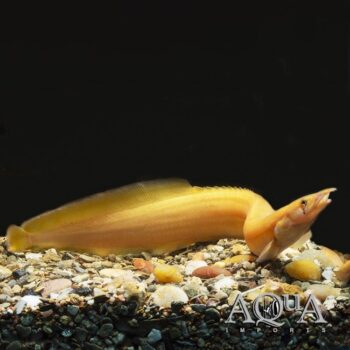
An exceptionally rare color morph of freshwater spiny eel long assumed to be a Xanthic form of the Fire Eel (M. erythrotaenia), what is known as the Gold or Xanthic Fire Eel in the hobby may actually be the much more uncommon Mastacembelus unicolor, a variably patterned more elongated species which is found alongside Fire Eels in parts of their range. Due to their scarcity and high demand in the hobby, little is known about their wild habitat or where they are found but most specimens originate from Sumatra. With their striking, uniform yellow-gold coloration and outgoing nature these rare oddballs make for a one-of-a-kind centerpiece fish for true collectors.
-
$49.99 – $64.99Price range: $49.99 through $64.99
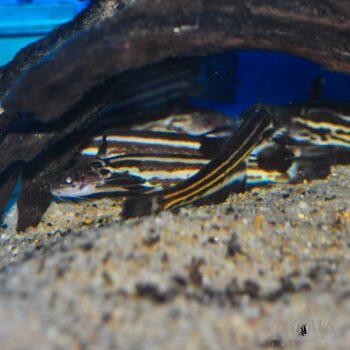
An odd, medium-growing wood catfish found in the Amazon and Orinoco basins, the Eel Tail Wood Catfish gets its name from its extremely elongated, eel-like body. Like most of its relatives it is a hardy, but shy aquarium resident. Like most woodcats, they are primarily nocturnal, spending most of the day hidden within driftwood or other shelter but this species does tend to spend more time out swimming in the open than other close relatives. Although they may eat smaller fish, they are peaceful towards most tankmates too large to be a meal.
-
$224.99 – $349.99Price range: $224.99 through $349.99
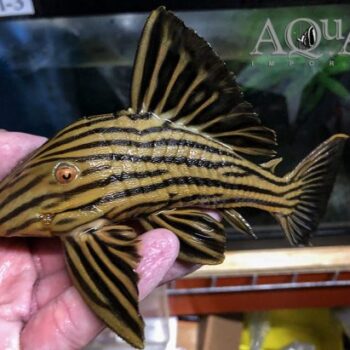
A distinctly marked locality based color form of Royal Pleco or L027, this impressive pleco is collected from the Rio Mae Maria, a tributary of the lower Tocantins in Eastern Brazil and features a high contrast pattern of jet black stripes against a light body color, similar in some ways to the Rio Araguaia variant of L027. Like all species of Panaque, they have specialized teeth and are adapted to eat and even digest wood, although the Woodgrain Royal Pleco also feeds on submerged vegetation and invertebrates. Conditions in the aquarium should be as close to their wild habitat as possible, with moderate to strong current, warm temperatures, and excellent water quality. Due to their specialized diet, we recommend providing driftwood for grazing and feeding a specialty diet like Repashy Morning Wood.
-
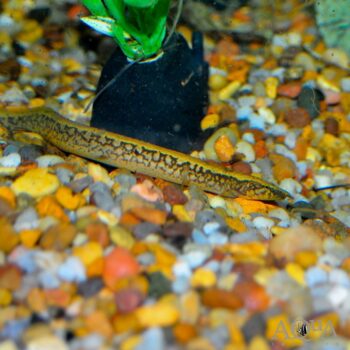
$19.99 – $44.99Price range: $19.99 through $44.99
A medium sized, beautifully marked species of spiny eel, the African Starry Night or Longtail Spiny Eel is found in Central Africa, where it ranges from the Congo River Basin to several of the Rift Lakes as well as lake and riverine habitat in the surrounding areas. Hardy and more outgoing than many of their relatives, these fish make a unique addition to medium to large aquariums and will generally do well with any fish too large to become a meal. Like most spiny eels, they can be a bit slow to feed at first, so care should be taken to ensure they are getting enough food. Frozen bloodworms are usually accepted readily.
-

$59.99 – $179.99Price range: $59.99 through $179.99
A large predatory characin found throughout much of the Amazon basin, the Tatauaia or blackfin Payara tends to inhabit waters with moderate to strong current in the wild. With their unique, flattened body shape, they spend most of their time hanging motionless against the direction of the water flow, waiting for prey to drift by. They use lightning-fast reflexes and their namesake saber-like teeth to grab hold of their prey, which can be fish up to half their own size. In the aquarium, payara often require live foods – at least at first – and do best in well-oxygenated water with plenty of water movement.
-
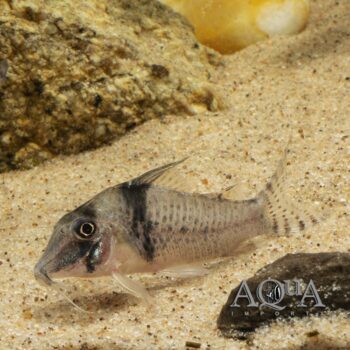
$18.99
A larger growing and uncommonly imported species of Corydoras, the Pastaza Cory is found in shallow, sandy and rocky stretches of the Rio Pastaza and Maranon in Peru and Ecuador. In the aquarium, they will do best with plenty of open space and moderate current. This species seems to prefer slightly cooler water temperatures and should not be kept long term at temperatures much above 78F.
-
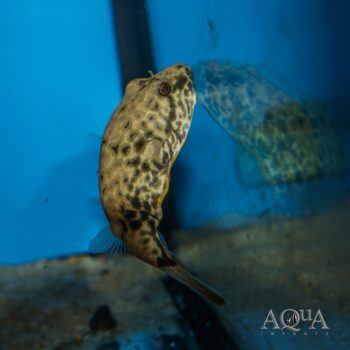
$699.99 – $999.99Price range: $699.99 through $999.99
One of the rarest freshwater pufferfish seen in the aquarium hobby, the Duboisi or Malebo Puffer is known only from the lower Congo River basin around Stanley or Malebo Pool, along the border of the Republic of the Congo and the Democratic Republic of the Congo. This border region remains an extremely dangerous area for collecting and transporting fish which has contributed to their rarity in the trade. In the wild, they inhabit similar habitat to the Mbu Puffer, although with a much smaller adult size of only around 4″ this puffer makes a much more manageable aquarium fish in the long term. In the aquarium, they will do best as a solitary fish or with smaller, fast moving tankmates (which may still be at risk of predation). This species requires excellent water quality and prefers at least moderate current and well-oxygenated water.
-
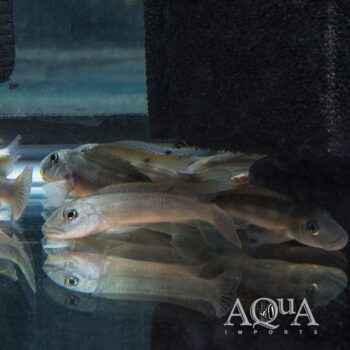
$17.99
A medium-sized, stream dwelling cichlid originating in the Congo River basin in Central Africa, the Slender or Blue Buffalo Head Cichlid is much less well known than its more common relative and remains an infrequent import in the trade. Mature fish, especially males, tend to show a vivid blueish coloration and as their name suggests, they are more elongated in shape than Steatocranus cassuarius. In the wild, these fish are adapted for life in fast-flowing waters, and are powerful swimmers with reduced swim bladders which spend most of their time on the bottom of the aquarium. An active and interesting aquarium resident, they prefer fine substrate and plenty of structure in the form of rocks or driftwood. Males will pick out and actively defend a territory from rivals but are generally peaceful towards other tankmates. Although hardy and adaptable, they will do best in conditions similar to their wild habitat, especially well-oxygenated water with moderate to strong current.
-
$34.99
A strikingly marked fish found throughout parts of Central Africa, the Six Banded or Sixbar Distichodus has been popular in the aquarium hobby for many years although it has become increasingly less common as imports from the region are now infrequent. A large growing, active fish with intense red fins and black bars across the body, this characiform tends to be found in lakes or larger streams, typically in areas of moderate to strong current. In the aquarium, they require plenty of open swimming space and will do best with robust, fast-moving tankmates. When young, the Six Banded Distichodus will cohabitate peacefully but as they grow they are often territorial towards one another and are also likely to nip fins of slower moving or long-finned tankmates.
-
$12.99 – $29.99Price range: $12.99 through $29.99
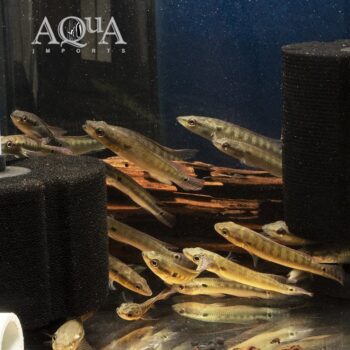
A uncommon, medium-growing Pike Cichlid from the Rio Inirida and its tributaries along the Colombia-Venezuela border, this species is a member of the so-called “saxatilis group” of pikes. Like most cichlids in this group, they display attractive gold spotting which intensifies as they grow. With their relatively moderate adult size and less aggressive nature than some of their close relatives, this species is one of the better Crenicichla for a mixed species community aquarium (of similarly sized fish).
End of content
End of content