Showing 1051–1075 of 1981 resultsSorted by latest
-
$12.99
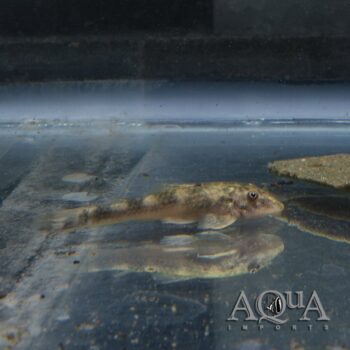
Once common in the aquarium hobby, the LDA025 Pitbull Pleco or Goby Pleco is a unique dwarf species of Loricariid found in rivers and streams in Eastern Brazil. In the wild it is similar to the more well-known Otocinclus, living in large groups and grazing on algae and biofilm which makes it an ideal algae control fish for most aquariums. Peaceful, hardy, and active, the Pitbull Pleco is deservedly popular if much less common in the hobby as it once was. This species should be kept in groups of at least three and will do best in an aquarium with plenty of cover in the form of live plants, rockwork, and driftwood.
-

$14.99
A smaller growing and attractively marked species of knifefish known from Colombia and Venezuela, the Blunt Nose Marbled Knifefish is similar in care to its more well-known relative, the Black Ghost Knife. Unlike many other knifefish, this species is social and will do well in groups. In the wild, they typically inhabit shallow, soft water in ares with plenty of cover in the form of driftwood, leaf litter, and aquatic vegetation and should be provided with plenty of hiding places in the aquarium. A somewhat shy eater that requires small food items (frozen bloodworms and mysis work well in the aquarium), tankmates should be chosen carefully so they don’t bully or outcompete these knifefish for food.
-
$4.49 – $4.99Price range: $4.49 through $4.99
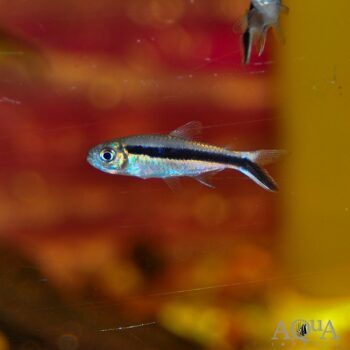
The Penguin Tetra or Hockeystick Tetra is one of several similarly marked species found throughout parts of the Amazon and its tributaries that display a distinctive horizontal black stripe which extends down into the lower caudal fin. With their distinctive pattern and peaceful, schooling nature, the Penguin Tetra is deservedly popular in the aquarium hobby and has been commercially bred for years to the point where wild collected specimens are almost never exported. In the wild, they inhabit slow moving, warm, acidic streams but will adapt to a wide range of conditions in the aquarium. Like most of their close relatives, they are a loosely schooling species that will do best in groups of 5 or more and will get along well with most similarly sized, peaceful tankmates. Subdued lighting, plenty of cover in the form of driftwood or plants, and slightly soft water will help promote vibrant coloration.
-
$24.99
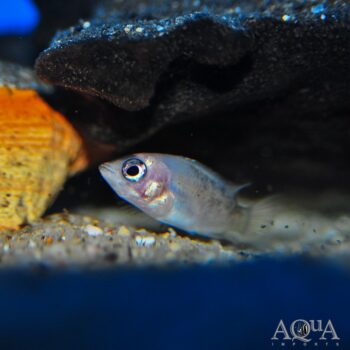
One of the largest growing Cichlids found in the Americas, the Dovii or Wolf Cichlid originates from coastal fresh waters of Central America, with their range extending from Honduras South to the Panama/Costa Rica border. In the wild, they are known locally as Guapote and are an important food and sport fish due to their massive adult size and fierce, powerfully aggressive nature. The Red Dovii or Gold Dovii appears to be a xanthic mutation that displays reduced pigment, a base yellow or gold coloration, and iridescent red or orange spotting instead of the characteristic blue spots normally exhibited by wild Dovii Cichlids. This red morph has been encountered only very rarely in wild fish but is now bred for the aquarium hobby. In the aquarium, this fish is best kept singly in a very large display aquarium as larger fish will rarely allow tankmates long term. Due to its large adult size and aggression, the Dovii Cichlid is best suited for experienced Cichlid hobbyists prepared to dedicate a suitably large aquarium for one display fish long term.
-
$18.99 – $49.99Price range: $18.99 through $49.99
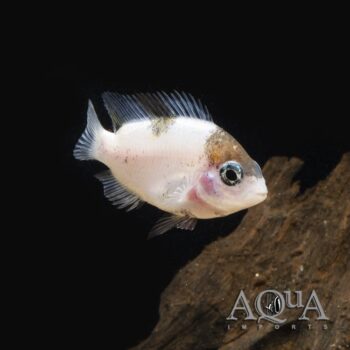
A large growing Cichlid native to freshwater rivers and lakes of Southern Mexico, the Fenestratus Cichlid is a morphologically variable species that is known to occur in several different color or pattern forms in the wild. The Marble, Black and White, or Calico form is a relatively recent addition to the hobby and is highly sought after due to its spectacular pattern of black, iridescent blue and reddish-orange patches on a base pure white body color. This pattern will change significantly as fish mature and makes for a truly unique and impressive show fish as an adult. In the aquarium, they are an aggressive, boisterous fish that requires plenty of open swimming space as well as lots of cover. They are sensitive to water quality so frequent large water changes should be considered essential to long term success with this species.
-

$12.99 – $19.99Price range: $12.99 through $19.99
Taiwan Moss (Taxiphyllum sp. ‘Taiwan Moss’) Care Level: Beginner Preferred Light Level: Low to moderate Placement/Size: A lush carpeting moss that will readily grow onto driftwood and other surfaces Shipping Note: All our foods and aquatic plants ship FREE with any live fish order; OR food/plant only orders ship for a flat rate of…
-
$3.99
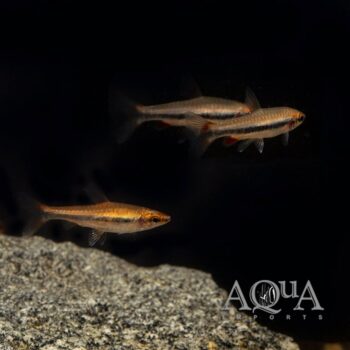
The Beckford’s or Golden Pencilfish is a colorful, peaceful schooling fish found throughout much of the Amazon basin and which is also bred on a large scale for the aquarium hobby. One of the hardiest pencilfish, they are well-suited for a peaceful community aquarium and are popular with aquascapers and planted tank hobbyists due to their color and interesting behavior. With their small adult size, they also make a great fish for nano aquariums as well. In the aquarium, they are relatively easy to care for, but care should be taken to ensure larger or faster moving tankmates don’t outcompete them for food.
-
$29.99 – $279.99Price range: $29.99 through $279.99
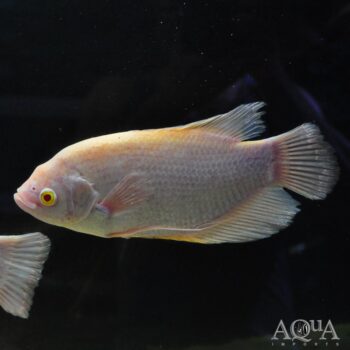
The largest of the labyrinth fish species commonly known as Gourami, the true Giant Gourami lives up to its name, reaching an adult size of over 20″ in many cases. Despite their large size, they are typically gentle giants, and are extremely personable “pet” fish that will beg for food and often learn to recognize their owners. The gold or white form of this fish is similar to the albino form but lacks the distinctive red eyes. In the aquarium, they are hardy and undemanding but will need a suitably large tank to be kept successfully.
-
Sale!

$8.99 Original price was: $8.99.$5.99Current price is: $5.99.
The Javanese Ricefish (Oryzias javanicus) is widely distributed throughout Asia inhabiting freshwater and brackish coastal environments. The will do best with some salt in the water and a pH range of 7.5-8.4. Otherwise, they are undemanding and will reproduce readily in the aquarium. Be sure to keep a tight lid on your tank, as these fish are known to jump!
-
$24.99 – $174.99Price range: $24.99 through $174.99
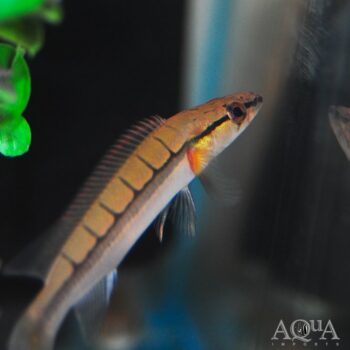
Rio Negro Red Pike Cichlid (Lugubria cf. lugubris)
-
$8.99
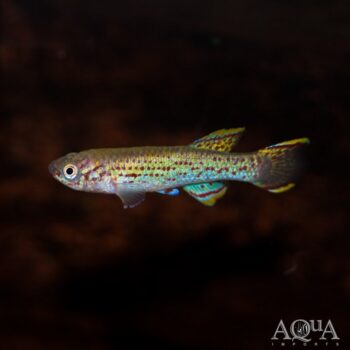
Product description coming soon.
-
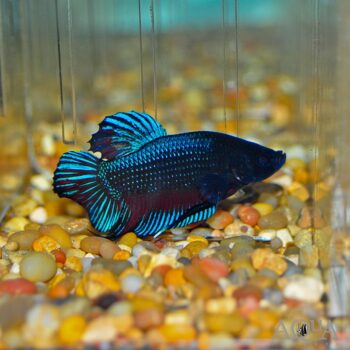
$19.99
Probably the single most popular fish kept around the world, the Betta or Siamese Fighting fish has been popular in its native Thailand for centuries, and has been bred into dozens of color forms and strains. The Giant Plakat is a shortfin or roundtail variant line bred to grow much larger than typical Betta varieties. Incredibly hardy, and with the ability to breathe air from the surface, these fish are popular “bowl fish” but really will do best in a small aquarium with a heater and some form of filtration. As their name implies, males of this species will fight and must be kept singly but females can be kept in groups.
-
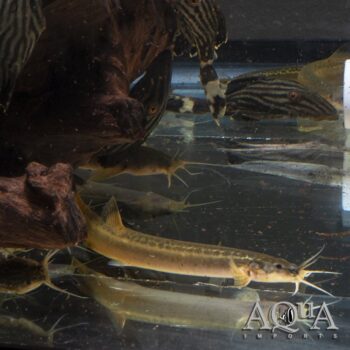
$13.99
An unusual and rarely imported eel-like catfish, the ″Capitan″ Pencil Catfish originates from the waters of the Rio San Juan in the Choco region of Colombia. Part of a fairly diverse family of similar-looking catfish (Trichomycteridae) found throughout most of South America, this particular species is peaceful and active, and appears to prefer living in loose schools. A voracious omnivore, they will accept any frozen or prepared foods offered. Their name comes from the local name for this group of fish ″Capitan″ (captain), and what they called by the supplier upon import.
-
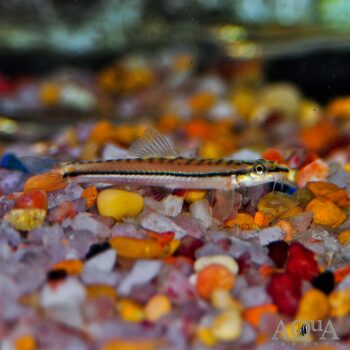
$9.99
An attractively patterned loach found found in the middle Mekong in Thailand and Laos, the Blackline Torpedo Loach is typically found in shallow, clear water streams in medium to large groups, often close to waterfalls or rapids. An active, social species, they tend to form group hierarchies and should be kept in groups of at least 5 fish. In the aquarium, they require well-oxygenated water and appreciate moderate to strong current but are otherwise undemanding and very hardy.
-
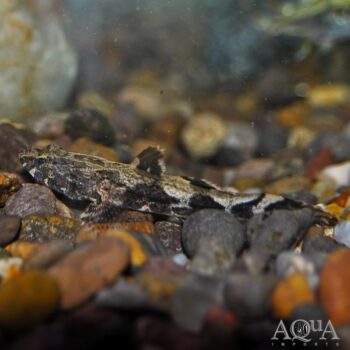
$9.99
One of the largest gobies, the Marble Sleeper Goby (Oxyeleotris marmorata) or the Marble Goby, is found in Southeast Asian freshwater and brackish environments. This nocturnal species prefers little water movement, plenty of hiding spaces, and a fully carnivorous diet.
-
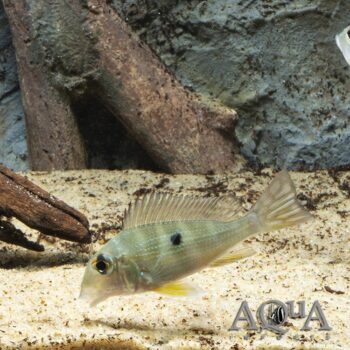
$39.99
An attractively marked and colorful eartheater relatively new to the hobby, the Gurupi Eartheater is an undescribed species known from the Rio Gurupi in Northeastern Brazil. It is typically found in clear, warm, acidic waters in small aggregations or breeding pairs, and will display their best coloration when kept in similar conditions. A relatively peaceful cichlid, the Gurupi Eartheater will do well with most similar sized tankmates but very small fish may be in danger of being eaten. Like all eartheaters, a substrate of fine sand is essential for their well-being in the aquarium and they will spend most of their time sifting it through their specialized gills to pick out small food particles.
-
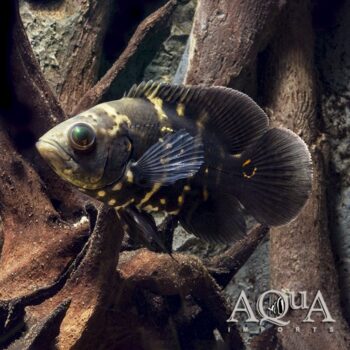
$64.99 – $74.99Price range: $64.99 through $74.99
A much more rarely seen relative of the well-known Common Oscar (Astronotus ocellatus), the Bumblebee Oscar is known primarily from certain river systems in Southern Brazil, Bolivia, and possibly Paraguay. It can be distinguished from the wild form of its close cousin by the distinct yellow-black patterning as well as lacking the characteristic eye spots or ocellae found on the dorsal fin of all wild forms of Common Oscar. Like its close relative, the Bumblebee Oscar is a large growing and predatory fish that requires a large aquariums, but it will typically reach a slightly smaller adult size at only 9-10”. Although Oscars have earned a reputation for aggression in the hobby, they are fairly peaceful for a large cichlid and if given ample tank space will do well in a mixed community of similarly sized fish. Feeding a varied diet of high quality prepared and frozen foods will help ensure their best colors as they grow.
-
$199.99
A rare and spectacularly patterned catfish known only from certain river systems in Southeastern Brazil, the Jewel Spotted Doradid or Snoring Catfish is a rarity in the aquarium hobby that has only recently been imported into the US. Found in a variety of riverine habitats in Minas Gerais state in Brazil, this species is now captive bred in its native Brazil on a small scale. Hardy and relatively undemanding, juvenile fish tend to be uniformly black in color but will develop large white or pale yellow spots or blotches with an iridescent hue, making for an impressive display fish in the aquarium. Like most medium growing Doradid Cats, they are peaceful towards any tankmates too large to be a meal and should be offered plenty of hiding places.
-
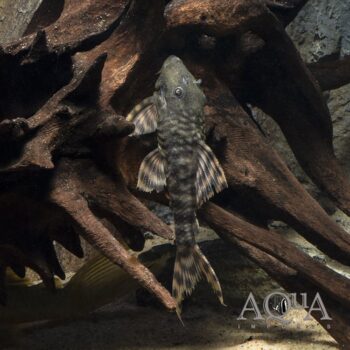
$27.99
An uncommonly imported relative to the more well-known Clown Pleco, the L206 or Spotted Tail Clown Pleco is known from several upper Amazon tributaries like the Ucayali and Marañon in Peru. These somewhat cryptic plecos are usually found in and around sunken trees and large patches of driftwood in the wild. Like its close relatives, it is a wood eater (xylivore) and in the aquarium should be provided with ample driftwood as well as other nutritious sinking foods like Repashy’s xylivore formula gel diet.
-
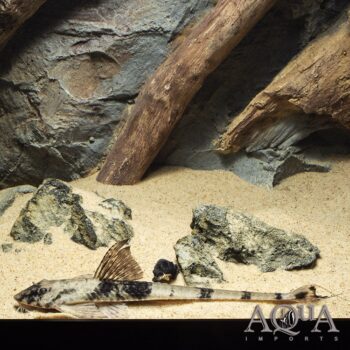
$59.99
The Royal Marbled Whiptail Catfish is a widely distributed species of larger growing Loricariid known from rivers throughout Peru, Colombia, and possibly Brazil. In the wild, they are found on fine sand substrate in areas of open, shallow water and are capable of a good deal of color change to camouflage themselves to their surroundings. Like most similar Loricariids, this species is an omnivore which feeds on invertebrates, biofilm, algae and vegetation and should be fed a varied diet of sinking specialty formulas including gel diets and occasionally fresh veggies. A hardy and unique aquarium fish, they will do best when provided with plenty of open space, warm, soft water and some current.
-
$79.99
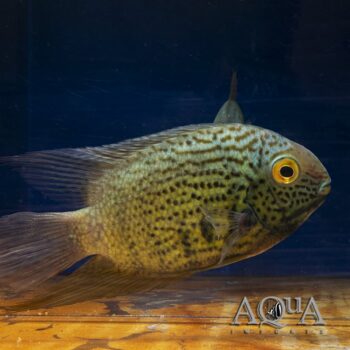
A beautifully marked species of Severum known from the Rio Negro and its tributaries in Brazil, the Spotted Severum (Heros notatus) displays a distinct spotted pattern throughout the body on a vivid green or orange-green base. Mature specimens also display larger black blotches along the ventral surface and sometimes vivid reds depending on mood, water conditions, and stress. As wild fish from warm, acidic waters, they will display their best colors in a similar setup with soft, low-pH water and will benefit from the addition of tannins from Indian Almond leaves or other botanicals. Generally peaceful towards similar sized tankmates, they can be aggressive towards each other and should be kept singly or in a larger group of 5 or more fish (they will get along with most other Heros species as long as the group is large enough).
-
$14.99
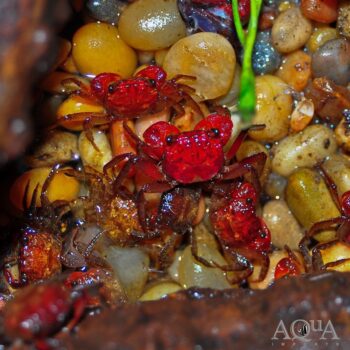
The Borneo Blood Red Crab is a uniformly deep red species of Geosesarma (popularly known as Vampire Crabs) found in tropical streamside habitat in Kalimantan Borneo. Like all vampire crabs, they are largely terrestrial crustaceans found throughout several Indonesian islands and will do well in a semi-aquatic habitat. In the wild, they inhabit tropical stream banks and hillsides and are usually found in large groups. In captivity, they require a warm, humid environment with clean moving water. They make ideal and fascinating residents of naturalistic terrariums or paludariums.
-

$4.99
A small but colorful barb known from Southern Sri Lanka and Southwestern India, the Red Sided or Two Spot Barb remains an uncommon species in the aquarium hobby despite its vivid red adult color and peaceful nature. A shoaling fish, they are found in large aggregations in the wild and should be kept in groups of at least 5 fish in the aquarium. A fast-moving and aggressive feeder, they should be kept with equally large and active tankmates in the aquarium.
-
$29.99
A colorful, medium-growing Loricariid known from the Rio Negro, Branco and Solimoes (Amazon) in Brazil, the Leopard or Fine Spot Whiptail remains an elusive and uncommon import in the hobby. In the wild, they are found on fine sand substrate in areas of open, shallow water and are capable of a good deal of color change to camouflage themselves to their surroundings. Like most similar Loricariids, this species is an omnivore which feeds on invertebrates, biofilm, algae and vegetation and should be fed a varied diet of sinking specialty formulas including gel diets and occasionally fresh veggies. A hardy and unique aquarium fish, they will do best when provided with plenty of open space, warm, soft water and some current.
-
$3.99
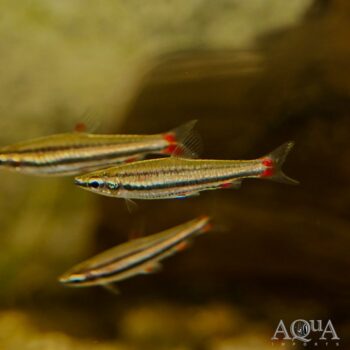
The Trifasciatus or Three Lined Pencilfish is a colorful, small-growing characin found throughout much of the Amazon basin and Guyana shield. In the wild, these fish inhabit areas of warm, acidic, slow-moving water, typically in large groups alongside tetras or other small schooling fish. They are well-suited for a peaceful community aquarium and are popular with aquascapers and planted tank hobbyists due to their color and interesting behavior. With their small adult size, they also make a great fish for nano aquariums as well. This species is hardy and will thrive in a variety of setups, but care should be taken to ensure larger or faster moving tankmates don’t outcompete them for food.
End of content
End of content