Showing 1201–1225 of 1981 resultsSorted by latest
-
$24.99 – $34.99Price range: $24.99 through $34.99
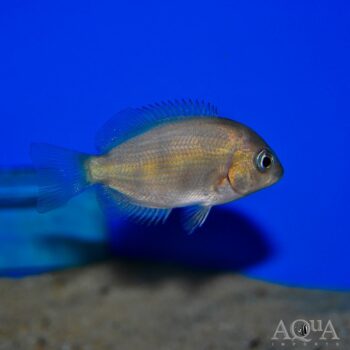
A rarely seen species of Madagascan Cichlid, the Pinstripe Damba or Menarambo Cichlid is a large growing, bold and active species found in a few rivers and lakes in Northwestern Madagascar. In the wild, they are critically endangered due to habitat destruction and competition from introduced species like Tilapia, but tank-bred specimens are available from time to time in the hobby. It was considered extinct in the wild for some time until a small wild population was recently discovered. Like some of the other members of its genus, P. menarambo is often found in shoals in the wild, and will do best in a group of 5 or more. Aggressive and often extremely territorial, they are best kept in a species tank or with other robust, large tankmates that are not at risk of being picked on. Pinstripe Damba are voracious eaters, and should be fed a varied diet including some algae or vegetable based foods.
-

$9.99
A uniquely patterned freshwater dwarf goby found in Indonesia and surrounding islands, the Micro Dragon Goby is an ideal fish for nano aquariums. In the wild, it is typically found in sandy shallow streams and creeks where their cryptic pattern helps them blend in closely with their surroundings to avoid predators. An active, social species, they are best kept in groups and prefer fine sand substrate with some cover in the form of live plants or driftwood. A micropredator in nature, they will readily feed on most protein rich frozen or sinking prepared foods.
-
$11.99
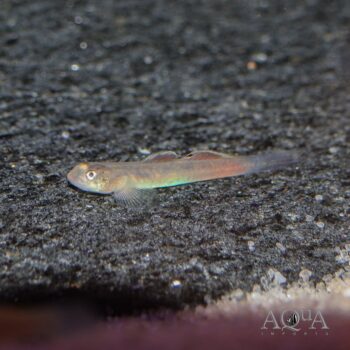
One of several colorful gobies in the genus Lentipes, the Red Papuan Goby is found in fast moving rocky streams in West Papua, Indonesia. In the wild, it lives in small groups where individual fish stake out their own territories among the rocks. They feed on algae growth and biofilms in the wild and in the aquarium should be fed algae or vegetable based sinking foods (gel diets are ideal). They require clean, well-oxygenated water with some current and will do best at slightly cooler temperatures than most tropical fish (74-76F).
-
$4.99
One of a number of so-called freshwater “sharks” in the Cyprinid family (no actual relation to marine sharks), the colorful Rainbow Shark has been popular in the aquarium hobby for decades. Originating in well-oxygenated shallow streams in the Mekong basin in Southeast Asia, this fish is a medium growing hardy omnivore and grazer that makes a colorful addition to a medium or large community aquarium. Although smaller fish do well in groups, they tend to become more solitary as they grow and can become territorial towards one another or other similar looking fish as adults. Ideal tankmates include medium peaceful cichlids, barbs, or larger rainbowfish.
-
$4.99
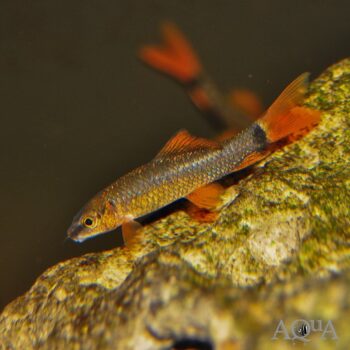
One of a number of so-called freshwater “sharks” in the Cyprinid family (no actual relation to marine sharks), the colorful Rainbow Shark has been popular in the aquarium hobby for decades. Originating in well-oxygenated shallow streams in the Mekong basin in Southeast Asia, this fish is a medium growing hardy omnivore and grazer that makes a colorful addition to a medium or large community aquarium. Although smaller fish do well in groups, they tend to become more solitary as they grow and can become territorial towards one another or other similar looking fish as adults. Ideal tankmates include medium peaceful cichlids, barbs, or larger rainbowfish.
-
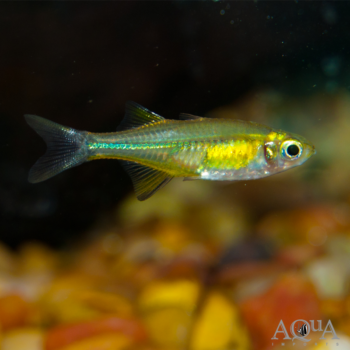
$5.99 – $8.99Price range: $5.99 through $8.99
An attractive and smaller growing rainbowfish, the Celebes Rainbowfish is one of the more popular species in the hobby due to its hardiness and active schooling nature. Originally found in fresh and slightly brackish waters throughout the island of Sulawesi (formerly known as Celebes), it has been bred on a commercial scale for years to supply the aquarium hobby and tank raised fish are hardy and adaptable. In the aquarium, they are best kept in groups and will do well in a well planted tank with plenty of cover and will get along well with most similarly sized peaceful tankmates.
-
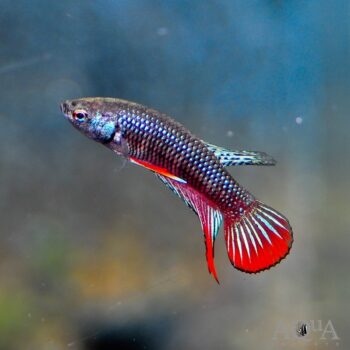
$19.99 – $89.99Price range: $19.99 through $89.99
Known as the “peaceful” or Cresecent Betta in the hobby, Betta imbellis is a close relative of the hobby classic Siamese Fighting Fish and is found in shallow swamps and rice paddies throughout Southern Thailand and Malaysia. Unlike Betta splendens, which has been selectively bred for long and extravagant fins for the pet trade, this species is still considered a wild type with shorter fins and slightly more subdued colors. As their name suggests, the Peaceful Betta is not nearly as territorial as some other species in the genus and can be maintained in groups as long as they are provided with plenty of space and cover for individual males or pairs to establish territories. Ideal for a heavily planted display, they are hardy, colorful, and unique fish that will do well in a variety of conditions.
-
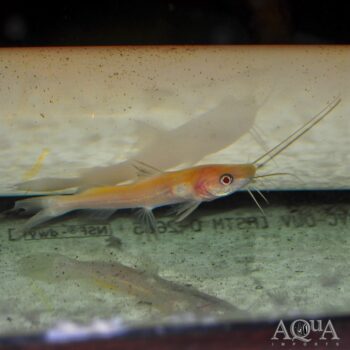
$25.99
A large and aggressive river-dwelling catfish found throughout much of Southeast Asia, the Asian Redtail Cat (or ARTC as they are sometimes abbreviated in the hobby) is a powerful predatory species only suitable for very specialized hobbyists. In the wild, they are found in a wide variety of habitats but typically in areas of moderate to fast flow. In the aquarium, they are generally hardy but will do best with some current and plenty of oxygenation. With a maximum size of over 30″ in the wild, these fish require the largest of aquariums or indoor ponds as adults. They are also extremely aggressive towards most other fish, so should only be kept with large, robust, fast-moving tankmates. Albino specimens are uncommon and make striking display fish as they grow.
-
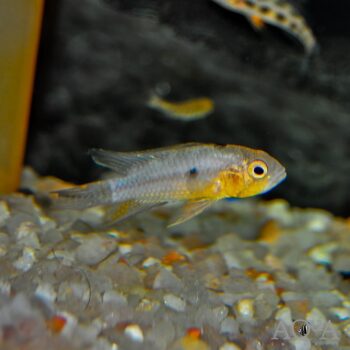
$23.99
An uncommonly seen dwarf cichlid in the ‘bitaeniata’ group of Apistogramma, A. eremnopyge is found in several blackwater tributaries of the middle Amazon in Peru. This species is a colorful, medium growing Apisto with males featuring vivid red coloration on the face and blue along the dorsal surface. This species prefers soft, acidic water and will do best with the addition of some tannins to the water and ample cover in the form of plants, driftwood, and small caves.
Note on wild-collected Apistogramma sp.:
While we will make our best efforts to select male/female pairs for customer orders, sexing small- and medium-sized wild Apistogramma is not always exact and we do not guarantee a particular sex ratio. We recommend buying these fish in larger groups if a particular ratio of males to females is desired.
-
$11.99
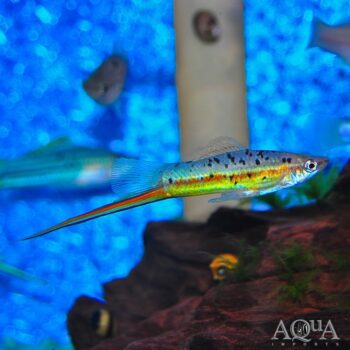
Among the most impressive of the wild-type Swordtail species, the Green Swordtail was once popular in the hobby but hybridization and line breeding have made finding pure specimens with wild genetics relatively rare. Growing to an impressive 5″+ body size with a sword that can approach a little more than their total length, male hellerii swords make for a spectacular display fish with their pattern of green, reddish striping and intermittent black spots throughout the body. Our fish are locally bred from wild parents collected in Otapa, Mexico and are typically sold in a 1 to 1 or 1 to 2 ratio of males to females.
-
$34.99 – $49.99Price range: $34.99 through $49.99
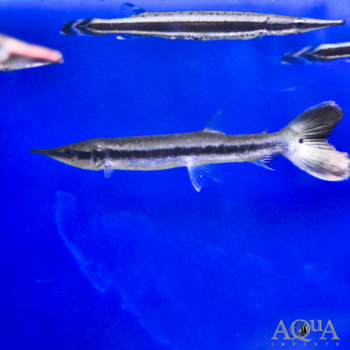
A unique predatory characin found throughout most of the Amazon basin, the Giant Pike Characin or Bicuda is the largest member of the genus, growing to over 30″ in the wild. A loosely schooling fish, they can be skittish at first, and will do best with some cover in the form of floating plants or driftwood close to the surface. They are best kept in groups of 3 or more, and will school with other larger characins. Primarily a live fish eater, they will usually require live food at first but can be weaned onto frozen or prepared diets over time.
-
$14.99 – $64.99Price range: $14.99 through $64.99
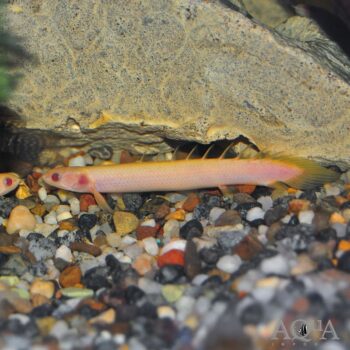
The Senegal, or Common Bichir (also known as Dinosaur Eel) is the most widespread species of Polypterus in Africa, inhabiting shallow waters across a huge geographic area. This species is also the most common in the aquarium hobby and has been commercially bred in Asia for years. The albino variant is typically solid white white or gold with pink eyes and is a prized showpiece specimen in the aquarium.
-
$18.99 – $24.99Price range: $18.99 through $24.99
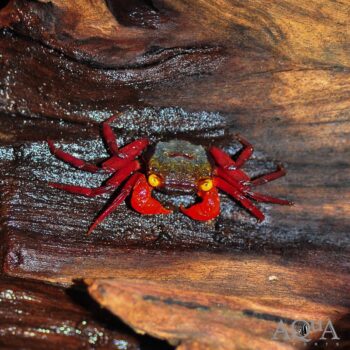
The Rainbow Vampire Crab is one of the more colorful members of its genus, with red legs, yellow eyes, and a yellow-orange carapace. Like all vampire crabs of the genus Geosesarma, they are largely terrestrial crustaceans found throughout several Indonesian islands and will do well in a semi-aquatic habitat. In the wild, they inhabit tropical stream banks and hillsides and are usually found in large groups. In captivity, they require a warm, humid environment with clean moving water. They make ideal and fascinating residents of naturalistic terrariums or paludariums. Geosesarma crabs have a unique breeding strategy with eggs developing directly into fully formed tiny crabs, which the female will carry on her back for some time after hatching.
-
$16.99
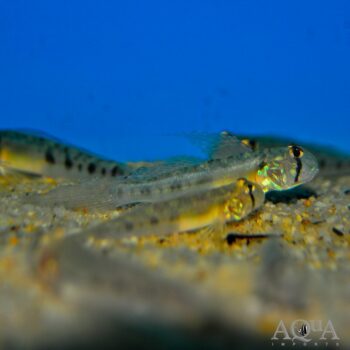
The Sharptail goby is found in fresh, brackish, and marine waters throughout much of the Indo-Pacific but is rarely seen in the hobby. A medium sized, active fish with attractive markings and elaborate fins, this fish inhabits a wide variety of estuarine and mangrove swamp habitat, but are more often found in fresh or slightly brackish water than full marine conditions. In the aquarium, they adapt to a variety of conditions but if kept in full fresh will do best in moderately hard water. They are peaceful towards most similar-sized tankmates and with each other, although adult males may spar over territory. Our Sharptail Gobies are kept in full freshwater with the addition of a small amount of aquarium salt.
-
$34.99
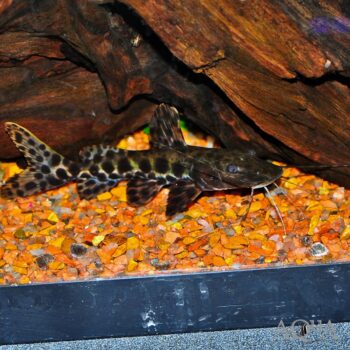
A manmade hybrid of two large growing catfish species of the Amazon Basin, the Marble Sailfin or Achara x Tiger Shovelnose is a somewhat recent addition to the aquarium hobby originally developed by breeders in Asia but now in production as a food fish in South Ameria as well. Like both of their parent species, these fish will reach a large size in a relatively short time. In the aquarium, they are fairly easy to care for but keep in mind they will attempt to eat anything they can fit in their surprisingly large mouths. Juvenile fish grow extremely quickly so to realistically keep these fish long term a massive aquarium or ideally an indoor pond is necessary.
-
$34.99
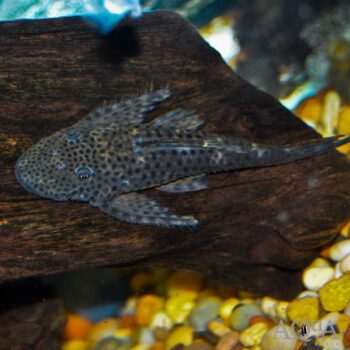
An attractive, medium-sized pleco found in the warm, fast-moving waters of the Orinoco and its tributaries in Colombia and Veneuela, the Black Spotted Flyer or Dumus Pleco is not commonly seen in the hobby. In nature, the species is largely herbivorous, feeding on algae mats, terrestrial and aquatic plants, and biofilms, but as with most herbivorous plecos they take in plenty of insect larvae, crustaceans, and other protein sources. In the aquarium, they are best kept in conditions similar to their wild habitat, with warm, well-oxygenated water with plenty of current and cover in the form of rocks and caves. A varied diet including plenty of vegetable matter will ensure this species thrives long-term.
-
$49.99
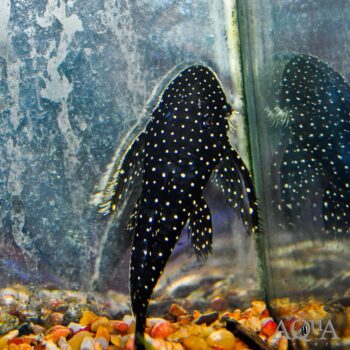
An attractive, medium-sized pleco found in the warm, fast-moving waters of the Orinoco and its tributaries in Colombia and Veneuela, the Flyer Pleco is well adapted for life in the rapids. In nature, the species is largely herbivorous, feeding on algae mats, terrestrial and aquatic plants, and biofilms, but as with most herbivorous plecos they take in plenty of insect larvae, crustaceans, and other protein sources. In the aquarium, they are best kept in conditions similar to their wild habitat, with warm, well-oxygenated water with plenty of current and cover in the form of rocks and caves. A varied diet including plenty of vegetable matter will ensure this species thrives long-term.
-

$124.99 – $189.99Price range: $124.99 through $189.99
The L097, known as the Polka Dot or Spotted Cactus Pleco is an attractively marked, medium growing species of Pseudacanthicus (commonly known as cactus plecos). This pleco originates in the rocky, clear waters of the middle and upper Rio Tapajos in Brazil. Territorial and largely carnivorous by nature, this species grows to about 7″ length and requires a fairly large aquarium with lots of cover, especially if they are to be kept with other plecos. They prefer warmer water temperatures (80F ) and will do best with moderate to strong current.
-

$179.99 – $339.99Price range: $179.99 through $339.99
The Yellow Titanic Pleco is a color variant of L273 known for striking, almost metallic yellow markings. This large, robust, and aggressive species of Pseudacanthicus (commonly known as cactus plecos), originates in the rocky, clear waters of the Rio Tapajos in Brazil. Territorial and largely carnivorous by nature, this species grows to over a foot in length and requires a fairly large aquarium with lots of cover. They prefer warmer water temperatures (80F ) and will do best with moderate to strong current.
-
$44.99 – $169.99Price range: $44.99 through $169.99
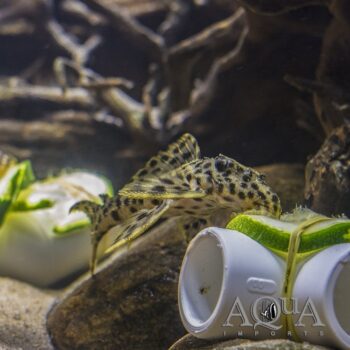
A colorful and uniquely patterned member of the genus Leporicanthicus, the Golden Vampire Pleco is found in the warm, clear, fast-moving waters of Brazil’s Rio Xingu where it inhabits rocky shallow and even rapids. In the aquarium, it should be provided with plenty of cover and regular feedings of protein rich feeds such as Repashy gel diet or other prepared feeds. Like most plecos from this region, they will do best at high temperatures (82 – 86F), lots of water movement and a variety of rocks and caves in which to establish territories. This species is generally less aggressive than others in its genus and grows to a more manageable adult size (about 8″), but like most of its close relatives it should be provided a protein rich diet.
-
$11.99
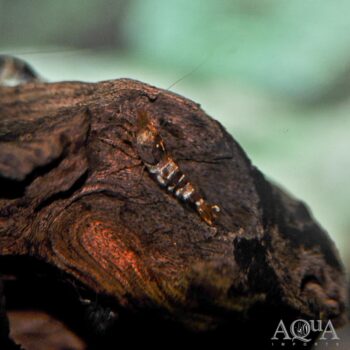
The Black Tiger Bee Shrimp is a selectively bred form of Caridina which have been developed from wild specimens showing subtle black and white coloration. They are enormously popular due to their striking, high contrast coloration and can be a bit more delicate than some of the more common Neocaridina species, so are best kept by hobbyists with some experience keeping shrimp already. Like most Caridina species, Black Tiger Bee Shrimp prefer soft, lower pH water and do best at slightly lower temperatures. These shrimp are sensitive to water quality so regular water changes and adequate filtration are important to keep them healthy and thriving.
-
$5.99
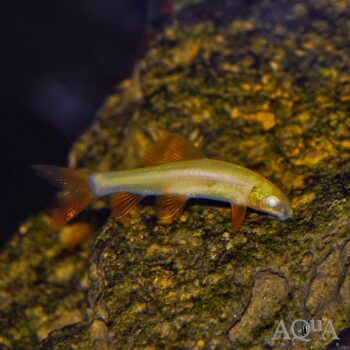
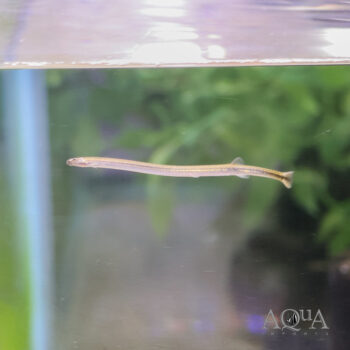
A unique and unusual looking loach in the family Cobitidae, the Neon or Golden Kuhlii Loach is one of several similar elongated species found throughout parts of Southeast Asia. With its vibrant, almost iridescent pink coloration and active nature, they make a fascinating addition to an appropriately set up aquarium. In the wild these fish are found in large aggregations, and like most loaches are a social fish that should be kept in groups of at least 5. Their wild habitat is characterized by warm, slightly acidic, slow moving waters with fine sand substrate in which they will actively burrow to find food. In the aquarium, the Neon Kuhlii Loach will do best in similar conditions, with a fine sand or at least smooth substrate which will allow them to burrow as they would in nature.
-

$59.99
The Clouded Ghost Knifefish is an attractive, relatively outgoing species that is relatively rare in the hobby. A medium growing fish with a maximum size of only about 8 inches, this knifefish is generally peaceful towards conspecifics and nearly all tankmates. In the aquarium, this is a relatively hardy knifefish but like most of their relatives will do best in somewhat soft water and require plenty of hiding places in the form of driftwood, plants or caves. The Clouded Ghost Knife will readily accept small frozen foods and do not seem to be predatory even towards very tiny fish.
-
$289.99 – $399.99Price range: $289.99 through $399.99
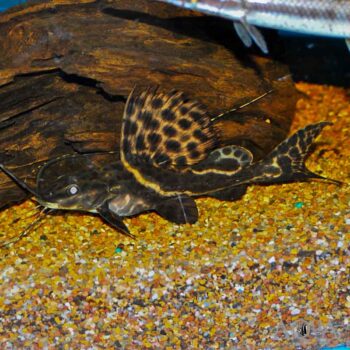
A large-growing, active, and beautifully marked catfish, The Sailfin Pim or Sailfin Marbled Catfish originates in parts of the Orinoco and the Peruvian Amazon. With their distinctive pattern, huge dorsal fin, and extremely long barbels, they are a beautiful and active fish in the aquarium. With an adult size of around 24″, however, they require a large aquarium or pond as an adult. Tankmates should be chosen with care as they will eat any fish small enough to fit in their huge mouths.
-
$16.99
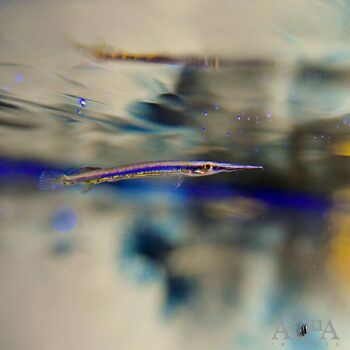
A rarely seen and beautifully marked species of halfbeak originating in Borneo, the Redline or Tengah Halfbeak is unlike most of its relatives as it is found not in brackish water or estuarine areas but in soft, acidic peat swamps far inland. In the aquarium, this unique surface dwelling species makes an excellent tankmate for similar Southeast Asian blackwater fish like microrasboras, dwarf or chocolate gourami, and other species found in similar warm, acidic, shallow water habitat. This species does best in small groups and in an aquarium approximating their wild habitat with tannin-rich water, minimal current, and plenty of surface cover in the form of floating vegetation or branching driftwood close to the water’s surface.
End of content
End of content