Showing 826–850 of 1981 resultsSorted by latest
-
Sale!
$9.99 Original price was: $9.99.$8.99Current price is: $8.99.
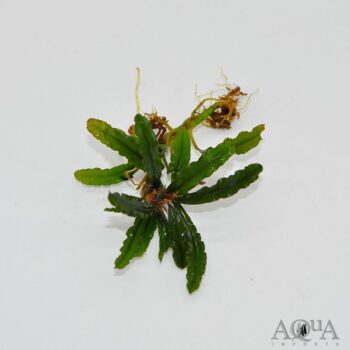
Bucephalandra ‘Biblis’ Care Level: Beginner Preferred Light Level: Low to moderate Placement/Size: A small to medium plant usually used for fore to midground planting Shipping Note: All our foods and aquatic plants ship FREE with any live fish order; OR food/plant only orders ship for a flat rate of $10.99
-
$9.99
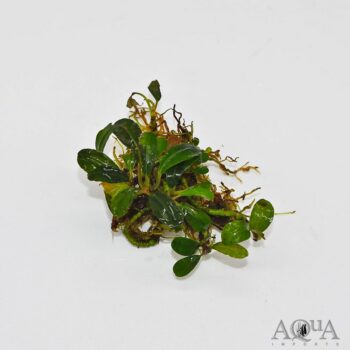
Bucephalandra ‘Mini Venus’ Care Level: Beginner Preferred Light Level: Low to moderate Placement/Size: A small to medium plant usually used for fore to midground planting Shipping Note: All our foods and aquatic plants ship FREE with any live fish order; OR food/plant only orders ship for a flat rate of $10.99
-
Sale!
$14.99 Original price was: $14.99.$12.99Current price is: $12.99.
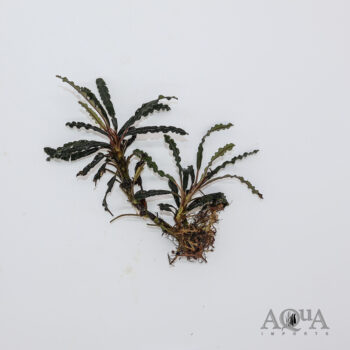
Bucephalandra ‘Velvet’ Care Level: Beginner Preferred Light Level: Low to moderate Placement/Size: A small to medium plant usually used for fore to midground planting Shipping Note: All our foods and aquatic plants ship FREE with any live fish order; OR food/plant only orders ship for a flat rate of $10.99
-
$9.99
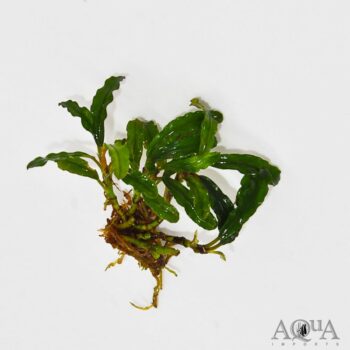
Bucephalandra ‘Silver Aurora’ Care Level: Beginner Preferred Light Level: Low to moderate Placement/Size: A small to medium plant usually used for fore to midground planting Shipping Note: All our foods and aquatic plants ship FREE with any live fish order; OR food/plant only orders ship for a flat rate of $10.99
-
$11.99
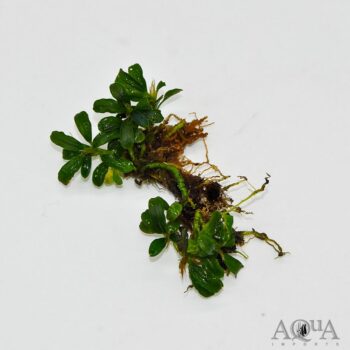
Bucephalandra ‘Brownie Blue’ Care Level: Beginner Preferred Light Level: Low to moderate Placement/Size: A small to medium plant usually used for fore to midground planting Shipping Note: All our foods and aquatic plants ship FREE with any live fish order; OR food/plant only orders ship for a flat rate of $10.99
-
$8.99
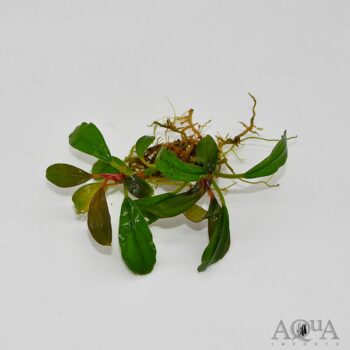
Bucephalandra ‘Venus’ Care Level: Beginner Preferred Light Level: Low to moderate Placement/Size: A small to medium plant usually used for fore to midground planting Shipping Note: All our foods and aquatic plants ship FREE with any live fish order; OR food/plant only orders ship for a flat rate of $10.99
-
$19.99
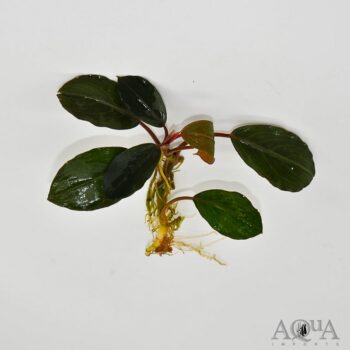
Bucephalandra ‘Black Swan’ Care Level: Beginner Preferred Light Level: Low to moderate Placement/Size: A small to medium plant usually used for fore to midground planting Shipping Note: All our foods and aquatic plants ship FREE with any live fish order; OR food/plant only orders ship for a flat rate of $10.99
-
$3.99
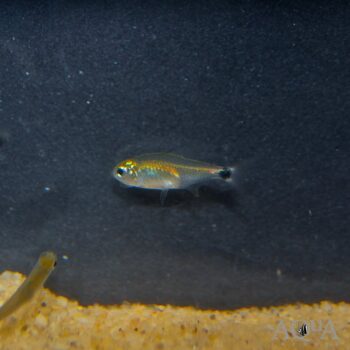
Native to the Xingu drainage in Mato Grasso, Kitty Tetra (Hyphessobrycon cf. loweae) is one of the rarer tetras in the aquarium hobby. Kitty Tetra bodies develop from an iridescent silver to a bright yellow as they grow into adults. These schooling fish grow up to 1.5 inches long, making them a versatile fish for a variety of freshwater setups. Like all tetras, they do best in groups of 10 or more.
-
$69.99
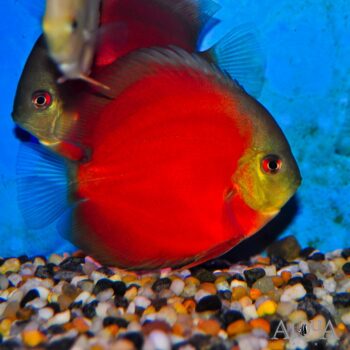
Long considered the most beautiful of all freshwater aquarium fish, the discus remains a popular fish for serious hobbyists. Discus originate from the warm, acidic waters of Amazon tributaries in Brazil and Peru and are typically found in large groups. The many wild forms of discus have been selectively bred to create dozens of colorful strains, including the San Merah or Red Rose, which is known for its vivid, red coloration with minimal patterning. In the aquarium, regular large water changes, a protein-rich varied diet, and warm water temperatures (78-84) will create ideal conditions for these fish to thrive. Like all discus, they will do best in soft, slightly acidic water but will reward patient aquarists with spectacular coloration.
-
$19.99
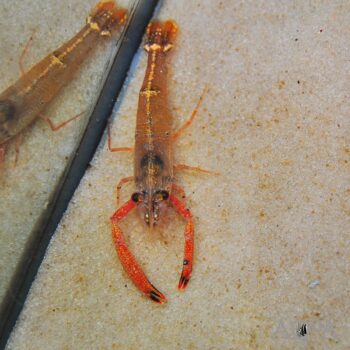
The Red Claw River Shrimp (Macrobrachium assamense ‘Red Claw’) are a unique and relatively rare species in the aquarium trade. Growing up to 6 inches long, they are significantly larger than many of the dwarf shrimp species popular in the hobby! They are recognizable by their transparent, brown, or blue-tinted bodies with impressive large red claws. Please keep in mind that they are a semi-aggressive species and may feed or fight with smaller invertebrates and fish.
-
$10.99
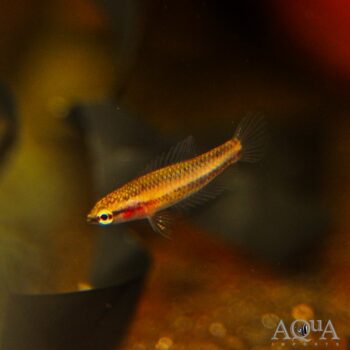
The Cherry Spotted Pygmy Licorice Gourami (Parosphromenus parvulus) is a smaller anabantiform fish, growing up to 1.25″. These gouramis have spectacular coloration, especially as adults. Adult Cherry Spotted Pygmy Licorice Gouramis have spots and stripes of red, blue, iridescent silver, black, and more! These fish will do best in soft water, as they are native to blackwater in Indonesia.
-
Sale!
$12.99 Original price was: $12.99.$9.99Current price is: $9.99.
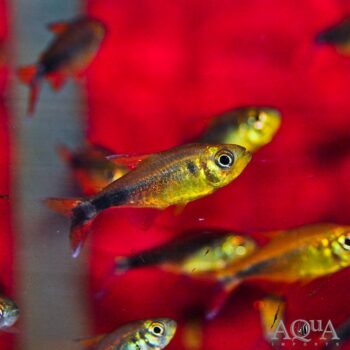
Product description coming soon.
-
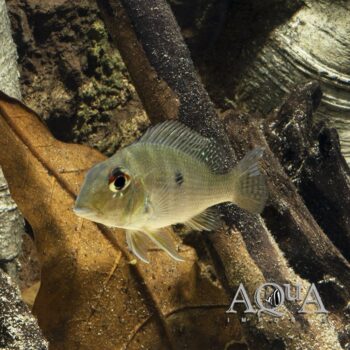
$37.99 – $64.99Price range: $37.99 through $64.99
One of several similarly marked colorful eartheaters in the so-called “surinamensis complex”, the Altifrons Eartheater is a widespread species found throughout several middle Amazon tributaries. Typically found in clear, warm, acidic waters in small aggregations or breeding pairs, they will display their best coloration when kept in similar conditions. A relatively peaceful cichlid, the Altifrons Eartheater will do well with most similar sized tankmates but very small fish may be in danger of being eaten. Like all eartheaters, a substrate of fine sand is essential for their well-being in the aquarium and they will spend most of their time sifting it through their specialized gills to pick out small food particles.
-
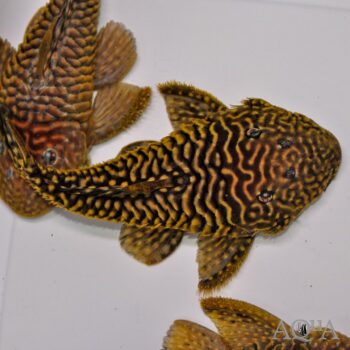
$49.99 – $299.99Price range: $49.99 through $299.99
A unique, heavily armored pleco from the Tocantins river basin in Eastern Brazil, the Rubber or Chubby Pleco gets its name from its unusually wide, flattened body shape. In the wild, they are found in areas of moderate to fast water movement and typically live in rocky areas. The species is normally a grey color in nature but certain rare and very sought after specimens show a striking all yellow or partially yellow and black coloration. They are a hardy and undemanding pleco in the aquarium but should be offered plenty of cover and excellent water quality should be maintained through frequent large water changes. An omnivore, they will accept most sinking foods and fresh veggies but be sure to offer some protein rich options like Repashy gel diet or Fluval Bug Bites Pleco Formula regularly.
-

$9.99
The Black Tiger Bee Shrimp is a selectively bred form of Caridina which have been developed from wild specimens showing subtle black and white coloration. They are enormously popular due to their striking, high contrast coloration and can be a bit more delicate than some of the more common Neocaridina species, so are best kept by hobbyists with some experience keeping shrimp already. Like most Caridina species, Black Tiger Bee Shrimp prefer soft, lower pH water and do best at slightly lower temperatures. These shrimp are sensitive to water quality so regular water changes and adequate filtration are important to keep them healthy and thriving.
-
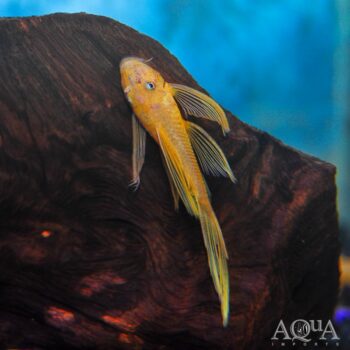
$24.99 – $59.99Price range: $24.99 through $59.99
The Blue Eye Lemon Bristlenose Pleco is a line bred variant of the Common Bristlenose or Bushynose Pleco (Ancistrus sp.) developed from the more common albino strain which features vivid blue eyes and deep yellow coloration throughout the body and fins. With their vibrant coloration they make a striking addition to a medium or large community or planted aquarium and are one of the most popular of the many color forms of Ancistrus available in the hobby. As with all Common Bristlenose Plecos, these fish are ideal aquarium inhabitants, grazing on diatom algae while still being safe with live plants and peaceful towards all tankmates. While these plecos will do an excellent job controlling nuisance algae in the aquarium, they should be fed regularly with a high quality diet like Fluval Bug Bites Pleco formula or herbivore formula Repashy gel diet.
-
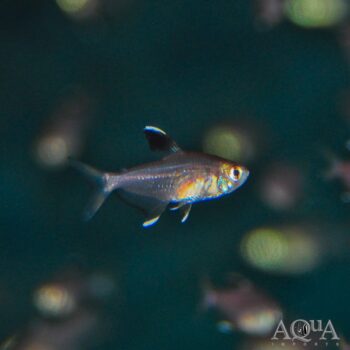
$3.99 – $4.99Price range: $3.99 through $4.99
Native to the Rio Pastaza Basin in Peru, the Robertsi Tetra (Hyphessobrycon jackrobertsi) is a relatively peaceful schooling characin. They are also known as Hyphessobrycon robertsi and are closely related to Hyphessobrycon bentosi. These fish have generally rosy, shimmering bodies and white-fringed black fins. The Robertsi Tetra is a wonderful addition to many freshwater community tanks and is sure to add a splash of color and personality. Like all tetras they are best kept in groups of 5 or more fish.
-
$12.99 – $16.99Price range: $12.99 through $16.99
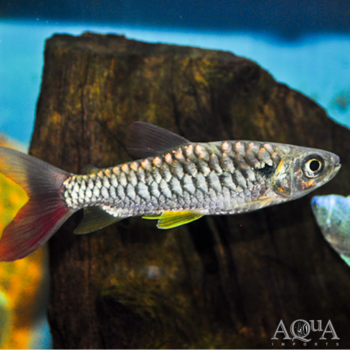
A larger growing and colorful characin, the Yellowfin Chalceus is found throughout much of the Amazon and Orinoco basins and is the most colorful member of its genus, with vivid pink dorsal and caudal fins and bright yellow ventral fins. In the aquarium, they are hardy and long lived, but tend to be skittish and shy if not kept in a group of 3 or more fish. With their size and bold demeanor, these tetras make an ideal dither fish for medium sized South American Cichlids. Their tank should be kept tightly covered as they are easily spooked and likely to jump out if given the opportunity.
-
$119.99
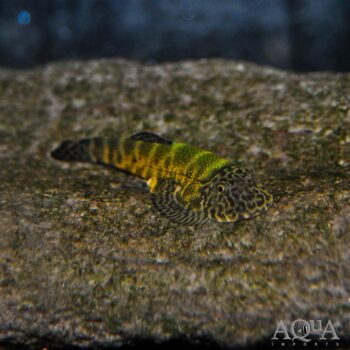
The Neon Borneo Sucker (Gastromyzon lepidogaster) may be the most stunning loach from the “Borneo Sucker” complex. G. lepidogaster are unique in the fact that as they age, they change color. Young begin life as a small, nondescript, black hillstream loach. In sub-adulthood, they go through a dramatic color transformation, changing from black to bright-orange. When sexually mature, they change their color again, this time to a bright, reflective-green. Mature, older, adults can switch between their three color phases at will; or, choose an intermediate color between the two. Specimens that choose to wear a combination of the orange and green are sight to behold. The entire body of the fish has what almost appears as a “dusting” of iridophores: structural pigments that make them appear to “sparkle.” This is a truly “holographic” fish. As with all rheophillyne loaches, G. lepidogaster needs very clean (minimal TDS, no organic waste), slightly-acidic, highly-oxygenated, cool water (50F-80F; room temperature is fine).
-
Sale!
$69.99 – $89.99Price range: $69.99 through $89.99
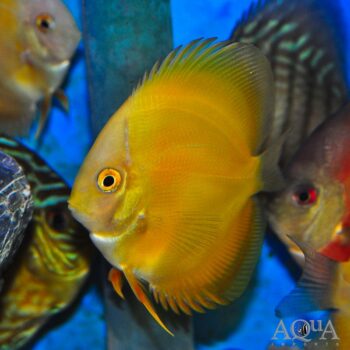
Long considered the most beautiful of all freshwater aquarium fish, the discus remains a popular fish for serious hobbyists. Discus originate from the warm, acidic waters of Amazon tributaries in Brazil and Peru and are typically found in large groups. The many wild forms of discus have been selectively bred to create dozens of colorful strains, including the Golden Crystal, which is known for its vivid, solid yellow coloration with minimal patterning. In the aquarium, regular large water changes, a protein-rich varied diet, and warm water temperatures (78-84) will create ideal conditions for these fish to thrive. Like all discus, they will do best in soft, slightly acidic water but will reward patient aquarists with spectacular coloration.
-
$79.99 – $89.99Price range: $79.99 through $89.99
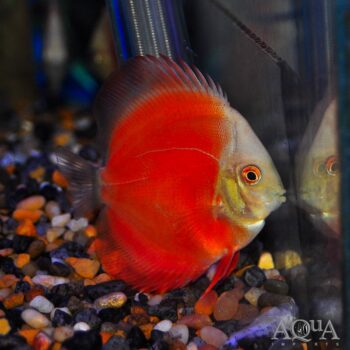
Long considered the most beautiful of all freshwater aquarium fish, the discus remains a popular fish for serious hobbyists. Discus originate from the warm, acidic waters of Amazon tributaries in Brazil and Peru and are typically found in large groups. The many wild forms of discus have been selectively bred to create dozens of colorful strains, including the Red Melon, which is known for its vivid, red coloration with minimal patterning and white face. In the aquarium, regular large water changes, a protein-rich varied diet, and warm water temperatures (78-84) will create ideal conditions for these fish to thrive. Like all discus, they will do best in soft, slightly acidic water but will reward patient aquarists with spectacular coloration.
-
Sale!
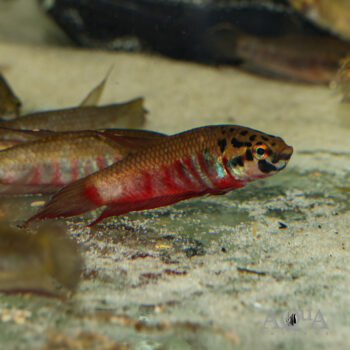
$29.99 Original price was: $29.99.$24.99Current price is: $24.99.
A beautiful wild-type betta from Sumatra, Indonesia, the Betta rubra is also known as the ruby betta, scarlet betta, or toba betta. Betta rubra are set apart from other bettas by their striking black and red striping. Breeding males will often display iridescent blue stripes as well. They have similar care requirements to the more common bettas in the hobby, making them a hardy but unique fish.
-
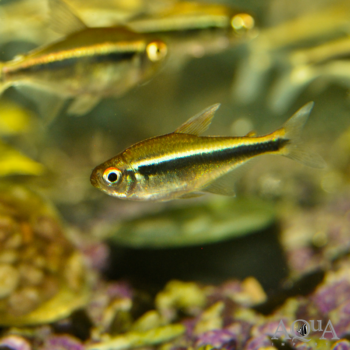
$2.99 – $3.49Price range: $2.99 through $3.49
Found in a variety of freshwater river tributaries of Brazil, the Black Neon Tetra (Hyphessobrycon herbertaxelrodi) is a uniquely colored characin to find in the freshwater trade. These fish have a striking silvery-blue stripe above a dark black stripe going down their body. With a generally peaceful and schooling temperament, the Black Neon Tetra is a perfect addition to a variety of freshwater community tanks. Black Neon Tetras do not require but will appreciate a heavily planted aquarium and/or plenty of decor.
-
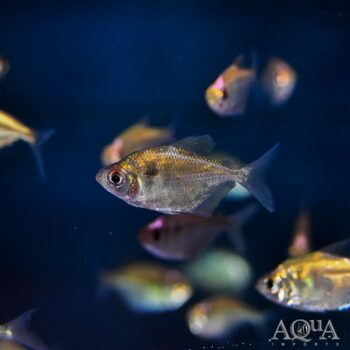
$7.99
Native to the Orinoco River Basin, the False Black Tetra (Gymnocorymbus thayeri) is a species of generally peaceful, schooling fish. They are also known as the silver widow tetra and are close relatives to the popular black skirt or black widow tetra. These fish have silvery, iridescent bodies and grow up to 2.5 inches long, making them a dynamic addition to a freshwater community tank. Like all tetras they are best kept in groups of 5 or more.
-
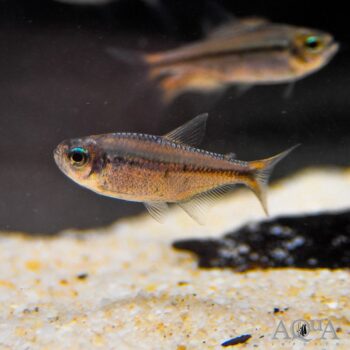
$19.99
The Rubra Tetra (Moenkhausia rubra), also known as the Blue Sapphire Tetra, is a relatively rare characin species native to Rio Juína, Rio Juruena, and the upper Rio Tapajós of Brazil. This species was only recently described in 2014. The name “rubra” comes from the Latin word for red and refers to the reddish tones of the body, especially on the back of breeding males. Their other name, the Blue Sapphire Tetra, refers to the shimmery blue/green iridescence they also have. As with many tetras, the Rubra Tetra will do best in groups and is peaceful towards similarly sized and temperament tankmates.
End of content
End of content