
Neon Borneo Sucker (Gastromyzon lepidogaster)
$119.99
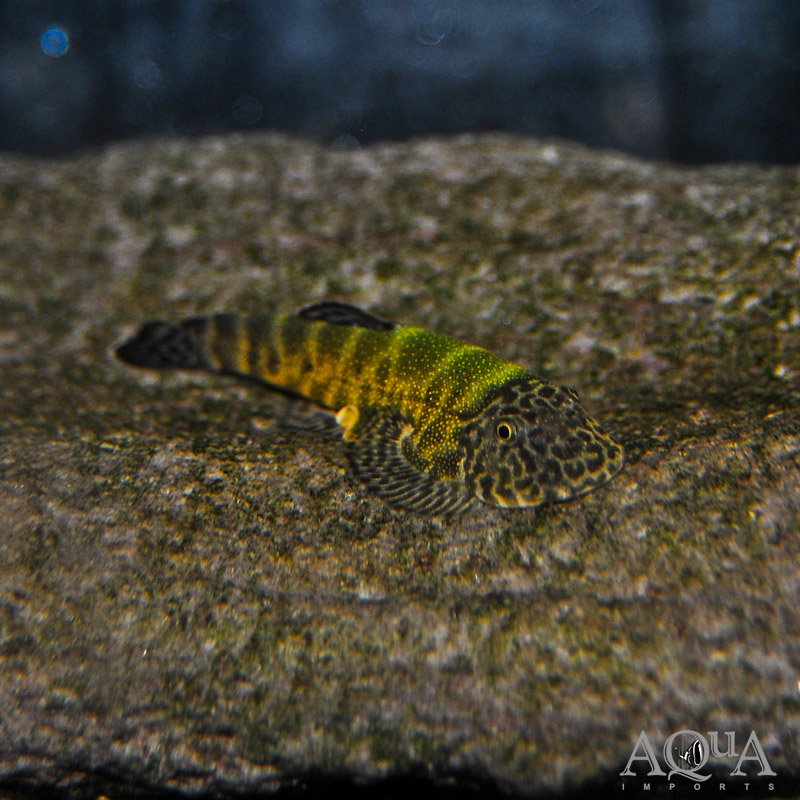
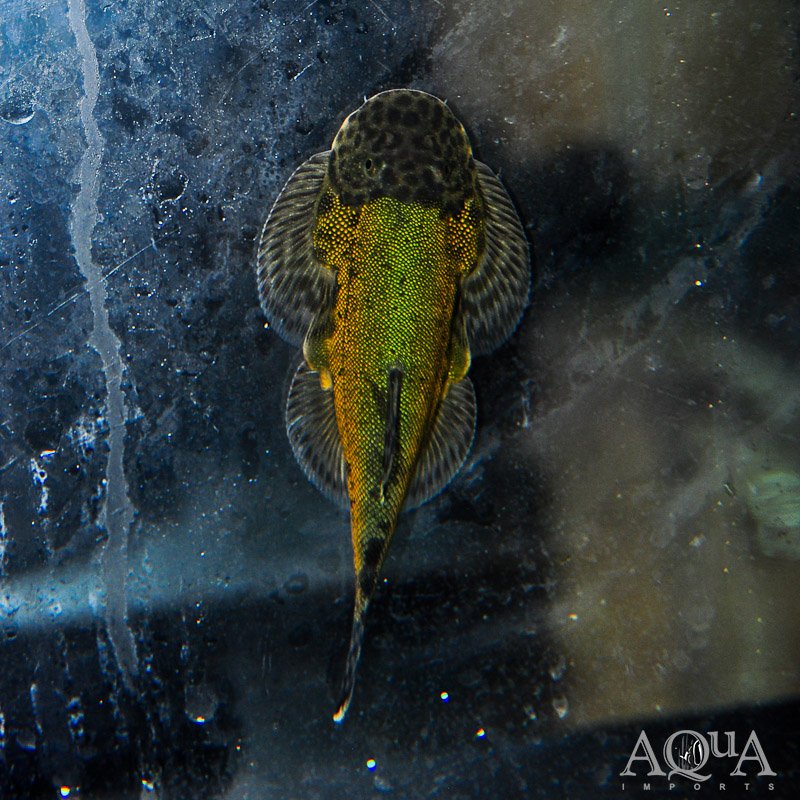
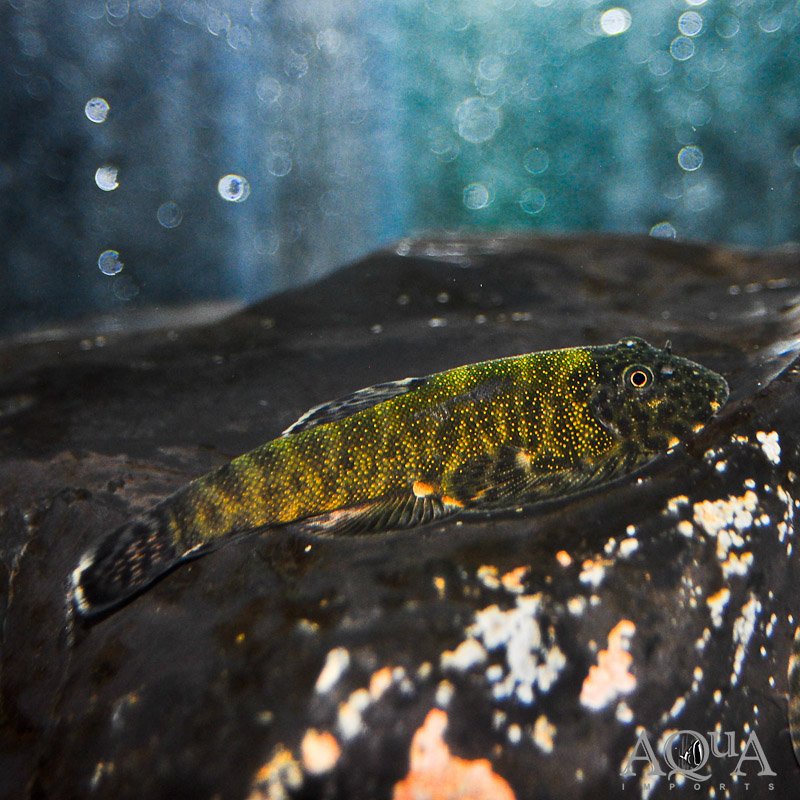
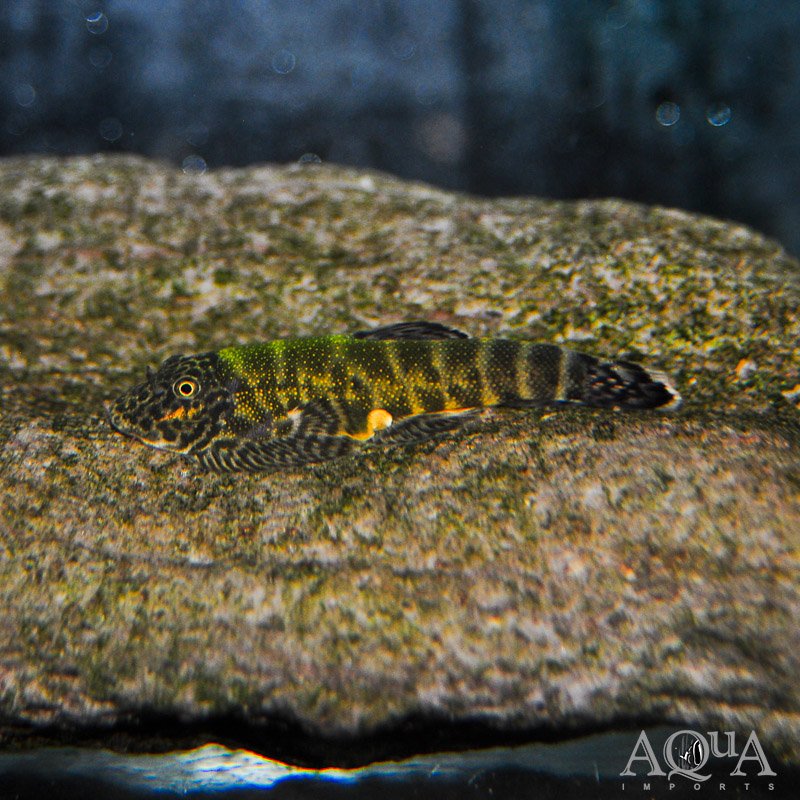
The Neon Borneo Sucker (Gastromyzon lepidogaster) may be the most stunning loach from the “Borneo Sucker” complex. G. lepidogaster are unique in the fact that as they age, they change color. Young begin life as a small, nondescript, black hillstream loach. In sub-adulthood, they go through a dramatic color transformation, changing from black to bright-orange. When sexually mature, they change their color again, this time to a bright, reflective-green. Mature, older, adults can switch between their three color phases at will; or, choose an intermediate color between the two. Specimens that choose to wear a combination of the orange and green are sight to behold. The entire body of the fish has what almost appears as a “dusting” of iridophores: structural pigments that make them appear to “sparkle.” This is a truly “holographic” fish. As with all rheophillyne loaches, G. lepidogaster needs very clean (minimal TDS, no organic waste), slightly-acidic, highly-oxygenated, cool water (50F-80F; room temperature is fine).
Out of stock
Receive email notification when stock becomes available
Description
Neon Borneo Sucker (Gastromyzon lepidogaster)
Origin: Wild Indonesia
Locale: Northern Borneo
Diet: Scavenger and grazer, feeds on algae, biofilm and detritus in the wild
Adult Size: 3.75″+
Recommended Tank Size: 30 gallons+
Preferred Water Parameters
pH: 6.5 – 7.5
Temp: 60 – 75F
Ammonia: 0ppm
Nitrite: 0ppm
Nitrate: <20ppm
Breeding loaches from the Gastromyzon complex are a little more involved than the more common Sewellia sp.’s. In order to have success, you will need to construct a “river manifold,” also called a “double-bottom aquarium” (sometimes called a “false bottom aquarium”). The “Borneo Suckers” employ a “burry and forget” breeding strategy: males will use their tails to clear a small cave at the foot of a smooth stone. Courtship will be obvious, the pair will perform an evident mating “dance,” and will stay very close together until spawning occurs. The purpose of a river manifold is to aerate the eggs from below, as well as above. Because the eggs are buried in the substrate, they pose a higher risk of fungusing, dying from lack of oxygen, or not developing correctly. Manifold plans are quite easy to find online, and there are many videos on YouTube with step-by-step instructions on how to create your own. With a river manifold, Gastromyzon complex loaches can be kept, and reproduced, in something as small as a 10 gallon standard aquarium. This is quite popular in the Asian hobby, and this type of breeding-setup is just beginning to catch on in America and Europe. If you figure out how to breed one Gastromyzon sp., you will be able to breed them all.
Ideal water turnover for maximum fry survival (and proper development; some fry will be born small and withered without proper aeration, then slowly disappear over the coming weeks) should be 25x an hour. Most river manifold systems allow you to comfortably increase your turnover to something as turbid as 150x an hour, which the loaches can comfortably handle.
These are not cheap fish, it is incredibly dangerous for the local tribesmen to collect them. They are rare, even in their natural ecosystem. They are a secretive species in the wild. If you buy our G. lepidogaster, you have our full support in trying to breed these gorgeous fish. If you are considering buying high-end, very rare hillstream loaches, please, read about a river manifold/false-bottom/double-
– Samuel Fernald
You may also like…
-
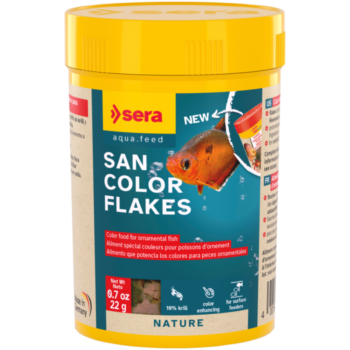
Sera San Color Flakes
Price range: $16.19 through $44.99Select options This product has multiple variants. The options may be chosen on the product page -
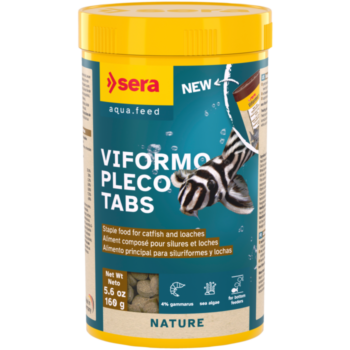
Sera Viformo Pleco Tabs
Price range: $8.49 through $12.79Select options This product has multiple variants. The options may be chosen on the product page -
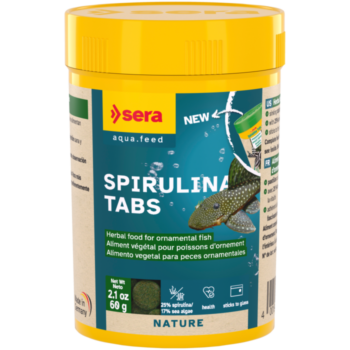
Sera Spirulina Tabs
Price range: $6.39 through $22.19Select options This product has multiple variants. The options may be chosen on the product page -

Sera Immune Probiotic Granules XS
Price range: $9.39 through $20.69Select options This product has multiple variants. The options may be chosen on the product page -
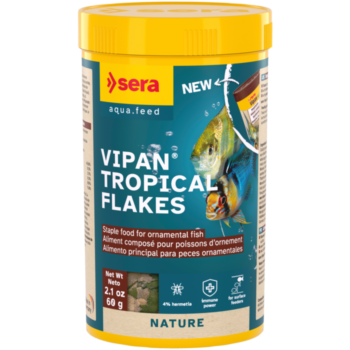
Sera Vipan Tropical Flakes
Price range: $10.59 through $23.69Select options This product has multiple variants. The options may be chosen on the product page -
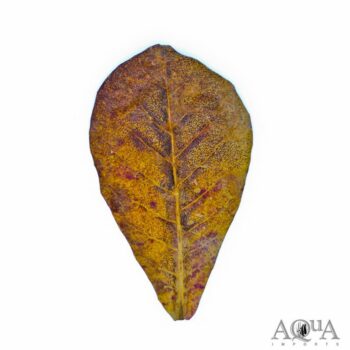
Indian Almond/Catappa Leaf
$9.99Select options This product has multiple variants. The options may be chosen on the product page
Related products
-
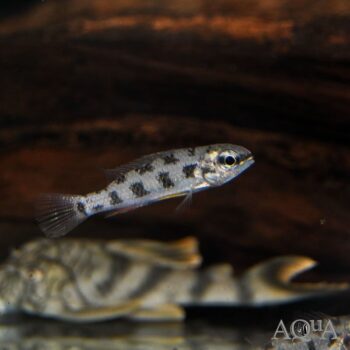
Spadetail Checkerboard Cichlid (Dicrossus maculatus)
Price range: $23.99 through $29.99Select options This product has multiple variants. The options may be chosen on the product page -
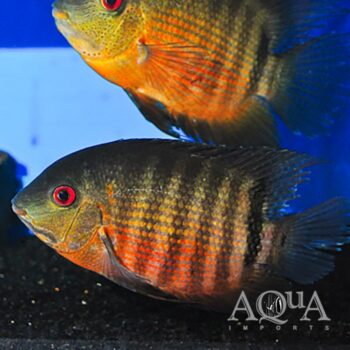
Red Mouthbrooder Severum (Heros liberifer)
Price range: $39.99 through $59.99Select options This product has multiple variants. The options may be chosen on the product page -
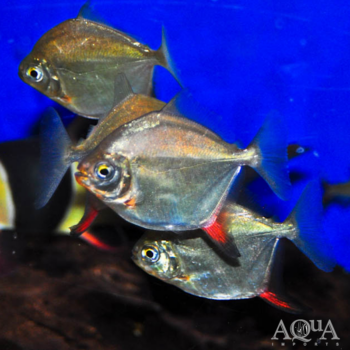
Red Hook Silver Dollar (Myloplus rubripinnis)
Price range: $12.99 through $44.99Select options This product has multiple variants. The options may be chosen on the product page -
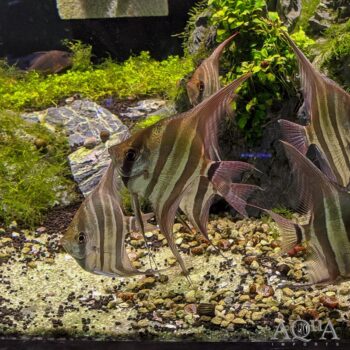
Altum Angel (Pterophyllum altum)
Price range: $44.99 through $159.99Select options This product has multiple variants. The options may be chosen on the product page