Dragon Goby (Gobioides brousonnetti)
$14.99Product description coming soon.

Showing 851–875 of 1981 resultsSorted by latest
Product description coming soon.
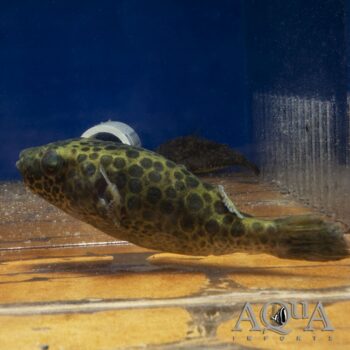
An attractive and uncommonly imported freshwater puffer from the Greater Mekong Basin in Thailand and Cambodia, the Mekong River Puffer is typically found in shallow water habitat with significant plant coverage. Like most puffers, they use their sharp, powerful beaks to hunt and eat insects, molluscs, and crustaceans. In the aquarium, they are a relatively hardy species and can usually be kept in a group but as with most puffer species any other tankmates can be risky. In the wild, they feed on snails, clams, and other crustaceans and will require regular feedings with hard-shelled prey items in the aquarium to keep their teeth from overgrowing.
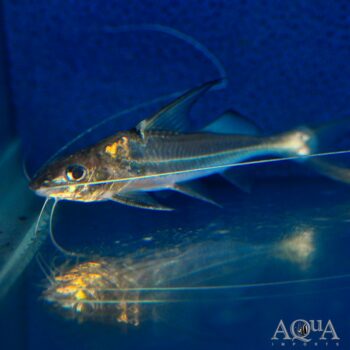
Product description coming soon.
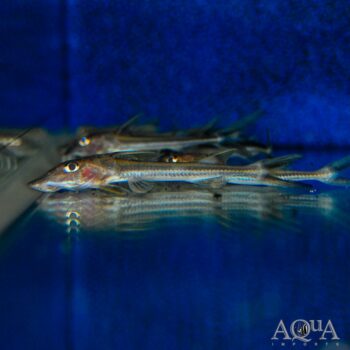
The Peruvian Sturgeon Catfish (Leptodoras acipenserinus) is a type of thorny catfish, native to the freshwater basins of South America. This unique Rio Amazonas locale grows up to 8 inches long with a generally peaceful temperament, making it a desirable tankmate for many community tanks.
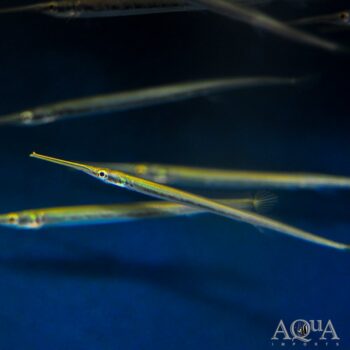
An unusual freshwater species of a primarily marine family of fish, the Green South American Needlefish (Potamorrhaphis guianensis) is an unusual variant of the South American Needlefish found in Peru, where it inhabits shallow stretches of slower-moving waters, usually in areas with lots of overhanging vegetation and cover. A surface dwelling predator, they are highly adapted to feeding on small fish and insects. In the aquarium, they should be given plenty of open swimming space but will do best with some areas of surface oriented drifwood/branches or floating aquarium plants as they are easily spooked if not provided with some cover. Although at first they can be difficult to wean off live foods, over time they can be trained to accept freeze dried foods like bloodworms or krill and even floating pellets.
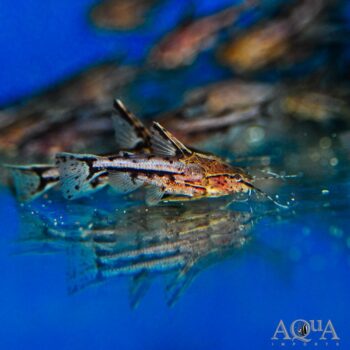
Marbled Talking Catfish (Amblydoras nauticus), also known as the Marbled Raphael Catfish, is a smaller and peaceful Doradid catfish, reaching only 3 inches in size. These fish are native to the Rio Nanay tributary of the Amazon in Peru. Famous for the sounds they make when threatened, Talking Catfish make noises by vibrating their pectoral fin spines in their sockets!
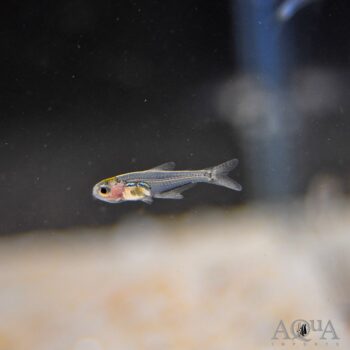
The Dwarf Glass Tetra (Cyanogaster cf. noctivaga), also known as the Bluebelly Night Wanderer or Glass Darter Tetra, is a tiny and attractive Characin. The name Bluebelly Night Wanderer comes from iridescent blue patches that both males and females have near their stomachs and at the base of their tail. These fish reach less than an inch long as adults, making them a perfect choice for those looking for a freshwater nano fish!
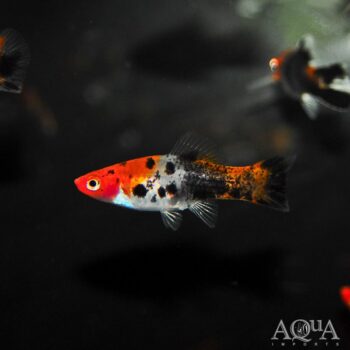
An aquarium hobby classic, the swordtail is a livebearing species found through parts of Central America but it has been bred worldwide for the aquarium hobby for decades. In that time, the wild form has been developed in to dozens of varieties and color forms, including the popular red brick, tuxedo, pineapple, and many more. The Sanke Koi Swordtail or Showa Koi Swordtail is distinguished by its vivid red and white coloration with black spots. A peaceful, hardy, and active fish, they are often recommended for beginners due to their ease of care. Male swordtails display the prominent lower tail fin extension that the species is named for, and females tend to be larger and more heavy bodied.
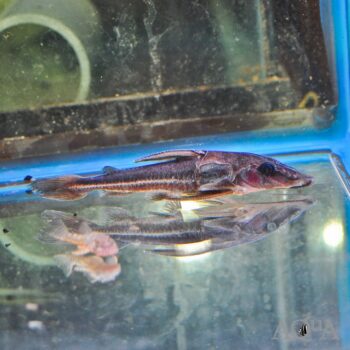
A rare thorny Doradid catfish, the Nemadoras elongatus is native to Rio Juruá in Brazil. These fish grow up to 5 inches long and are generally peaceful with tankmates. Their unique scalation and rarity in the trade make them a desirable choice for many freshwater aquarists.
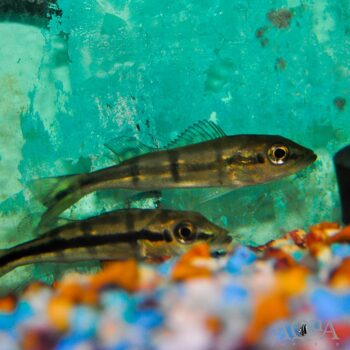
Product description coming soon.
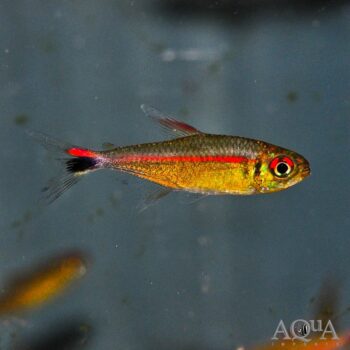
Red Eye Red Line Tetra (Hemigrammus rubrostriatus), also known as the red stripe tetra, is a rare fish in the aquarium hobby, known only from Colombia. They were only recently discovered and described, in 2015. Their iridescent gold and red coloration make them a striking fish for almost any freshwater tank. As with many tetras, Red Eye Red Line Tetras are relatively easy to care for and will do best in groups of 5 or more.

Product description coming soon.
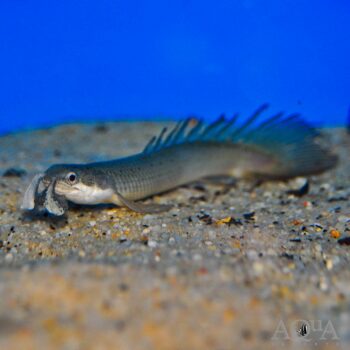
The Senegal, or Common Bichir (also known as Dinosaur Eel) is the most widespread species of Polypterus in Africa, inhabiting shallow waters across a huge geographic area. This species is also the most common in the aquarium hobby and has been commercially bred in Asia for years. The albino longfin variant has impressive long flowing fins and is a prized showpiece specimen in the aquarium.
Product description coming soon.

A large predatory shoaling fish, the Golden Brycon (Brycon moorei), is found in river basins throughout Colombia. Hardy, fast growing and easily farmed, made them popular food fish in parts of South America. Typically inhabiting clear, fast-moving, well-oxygenated water, these fish are powerful, active swimmers and require a large tank to maintain adult fish. A fast and aggressive fish by nature, tankmates should be chosen carefully.
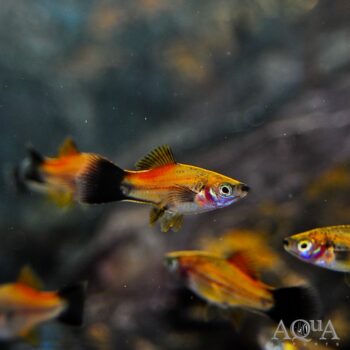
An aquarium hobby classic, the swordtail is a livebearing species found through parts of Central America but it has been bred worldwide for the aquarium hobby for decades. In that time, the wild form has been developed in to dozens of varieties and color forms, including the popular red brick, tuxedo, pineapple, and many more. A peaceful, hardy, and active fish, the Pineapple Swordtail, are often recommended for beginners due to their ease of care. Male swordtails display the prominent lower tail fin extension that the species is named for, and females tend to be larger and more heavy bodied.
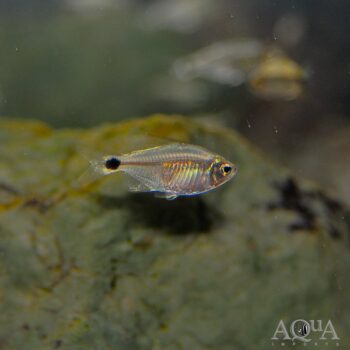
The Raccoon Tetra (Hyphessobrycon procyon) is a rare fish in the hobby, native only to the Brazilian Rio Aripuanã, a tributary of the Rio Madeira. This small characin was relatively recently discovered and described in 2016. Reaching a maximum size of 2 inches, these fish are best kept in groups and are a great addition to many freshwater community tanks.
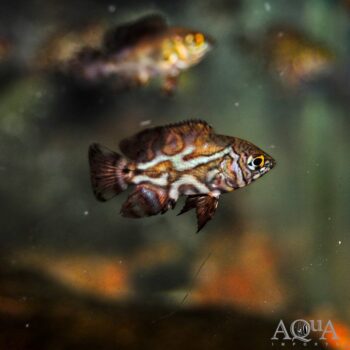
A wild form of the aquarium hobby classic, the Oscar from Colombia’s Orinoco River represents a fantastic locality of the species with distinctive gold banded color pattern. As with all Oscars, these are a large growing and predatory fish that require large aquariums as adults. Although Oscars have earned a reputation for aggression in the hobby, they are fairly peaceful for a large cichlid and if given ample tank space will do well in a mixed community of similarly sized fish. Feeding a varied diet of high quality prepared and frozen foods will help ensure their best colors as they grow.

An aquarium hobby classic, the common Angel (Pterophyllum scalare) has been selectively bred into many different color forms and variants over the years. As a vertically-oriented species, they do best in a large, tall, planted aquarium with plenty of cover. Although peaceful when young, they can be moderately aggressive towards one another as adults but generally do well in a large enough group, usually 5 or more. Most other non-cichlid tankmates will be left alone but they will hunt and eat very small fish or invertebrates. Angels are somewhat sensitive to water quality so care should be taken to avoid large fluctuations in water conditions and partial water changes should be performed regularly. Our assortment includes a variety of popular strains, such as marble, silver, zebra, platinum, koi, blushing, and others.
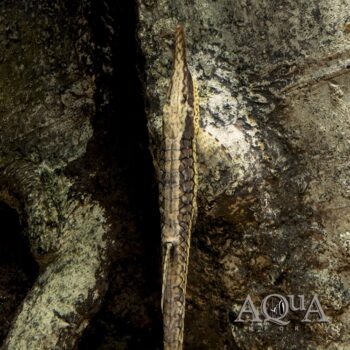
A unique suckermouth catfish that truly lives up to its common name, the Stick Catfish or Common Farlowella is an algae and biofilm grazing species found throughout much of the Amazon and Orinoco basins. In the wild, their twig-like appearance is effective camouflage against predators and allows them to graze on sunken tree branches and driftwood. In the aquarium, they are usually active and outgoing algae grazers that do a great job with diatoms and hair algae both on the glass and on decor. Safe for planted aquaria, they are compatible with nearly any tankmates. When kept in optimal conditions, this species will spawn readily in the aquarium, often on the glass or other vertical flat surfaces.
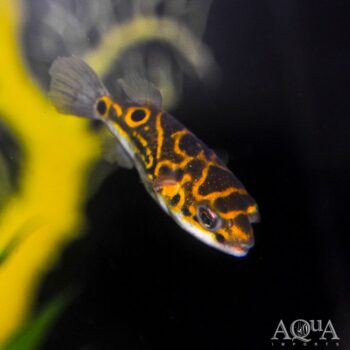
The Figure Eight Puffer (Tetraodon biocellatus) is a colorful brackish water species found throughout much of the Indo-Pacific, where it typically inhabits rivers, estuaries and lagoons. They should be kept in a brackish tank ranging in salinity from 5 – 15ppt. An active and outgoing species, this small pufferfish species can be placed in a community tank with ample room to swim and cover to break up sight lines. Like most pufferfish, they can be prone to nip at tankmates so they should be monitored carefully, especially when first introduced.
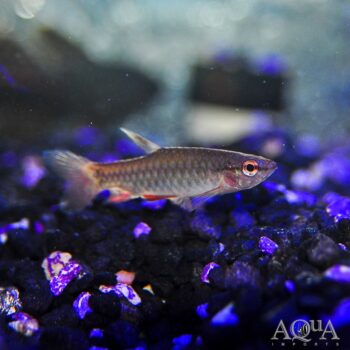
A colorful species of the unusual tetra relatives collectively known as Copeinas and Pyrrhulinas (family Lebiasinidae), the Red Fin Pyrrhulina or Short Lined Pyrrhulina (Pyrrhulina cf. brevis) is a medium sized characin that can be distinguished from its relatives by its orange fins and short line/eye mask. Like most of its close relatives, this is a loosely schooling species that will do best in groups of 5 or more and will get along well with most similarly sized, peaceful tankmates. Subdued lighting, plenty of cover in the form of driftwood or floating plants, and slightly soft water will help promote optimal coloration.
End of content
End of content
No products in the cart.