Showing 926–950 of 1981 resultsSorted by latest
-
$49.99
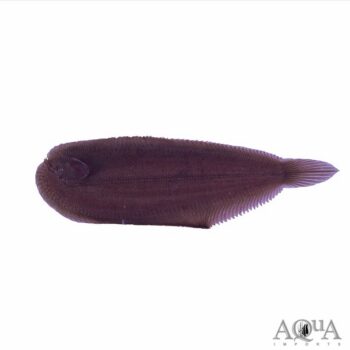
A unique medium sized species of the primarily marine-dwelling sole, the Amazon Freshwater Sole is found throughout the majority of the Amazon basin. It inhabits shallow streams and swamps with fine sand substrate, where they spend most of their time burrowed, waiting to ambush prey. In the aquarium, they are a relatively hardy species but typically require live small prey items, at least at first until they can be weaned onto frozen foods like bloodworms or mysis shrimp. They should be provided with fine sand substrate and any tankmates should be peaceful fish too large to be eaten.
-

$19.99
The Mega Fairy Spotted or Sychri Cory is an attractive and less commonly seen species found in the middle and upper Rio Nanay in Peru. It is superficially similar to the more well-known Fairy Spotted Cory (C. atropersonatus) but can be distinguished by its larger adult size and long snout. In the wild, it inhabits shallow stretches of open sand, usually in clear or slightly tannin-stained waters. Like most Corys, they are peaceful, hardy, and best kept in groups due to their schooling nature. This species is a medium-growing Brochis and will do well with nearly any non-aggressive tankmates.
-

$4.99
A colorful, medium growing tetra species found in rivers throughout Orinoco River drainage, the Red Phantom Tetra is deservedly popular in the aquarium hobby and has been commercially bred for decades to the point where wild collected specimens are almost never exported. In the wild, they inhabit slow moving, warm, acidic streams but will adapt to a wide range of conditions in the aquarium. The Super Red Phantom variant is new to the hobby and originates Like most of their close relatives, they are a loosely schooling species that will do best in groups of 5 or more and will get along well with most similarly sized, peaceful tankmates. Subdued lighting, plenty of cover in the form of driftwood or plants, and slightly soft water will help promote vibrant coloration.
-
$7.99
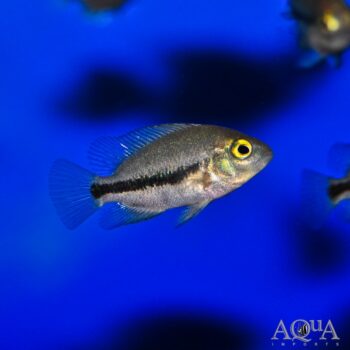
A large growing Cichlid native to freshwater rivers and lakes of Southern Mexico, the Fenestratus Cichlid is a morphologically variable species that is known to occur in several different color or pattern forms in the wild. Mature Fenestratus obtain a pink head and marbled body making for an impressive show fish. In the aquarium, they are an aggressive, boisterous fish that requires plenty of open swimming space as well as lots of cover. They are sensitive to water quality so frequent large water changes should be considered essential to long term success with this species.
-
$6.99 – $9.99Price range: $6.99 through $9.99
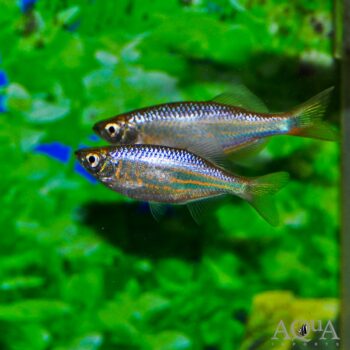
Also known as the Malabar Danio, the Giant Danio (Devario malabaricus) is native to various freshwaters across Southeast Asia. The hardy Giant Danio grows up to 4 inches long with an peaceful and active personality. Between these traits and their iridescent blue, green, and silver coloration, they are sure to add splash of excitement to your community tank. They are great as dither fish, meaning that their confident and fast-moving nature can help to reduce aggression and timidity in a community tank.
-
$15.99
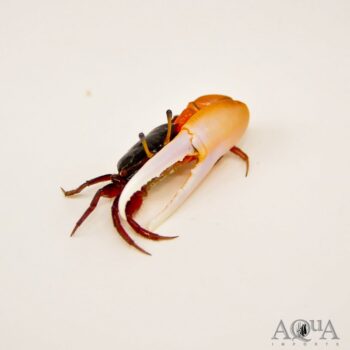
A uniquely patterned Fiddler Crab species found throughout coastal regions of Java and Borneo, the Indonesian Batik Fiddler Crab inhabits tidal flats and estuarine areas, where they inhabit burrows in sand or mud substrate. They typically experience a wide range of salinity and water depth throughout the day, influenced by the tide. In the aquarium, they require a specialized setup with sand and a shallow water area with light to moderate strength brackish water provided.
-
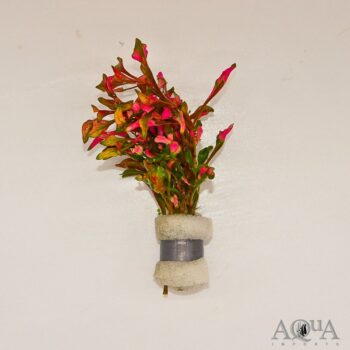
$8.99 – $9.49Price range: $8.99 through $9.49
Alternanthera bettzickiana Red is a bunched stem plant that is relatively easy to grow in a freshwater aquarium. In order to maintain its bright red coloration, it will likely require CO2 supplementation and plenty of micronutrients. Even without a high-tech setup, this Alternathera will often still display pinks and oranges in its leaves. With plentiful small leaves, it is a versatile plant, perfect for providing cover to sensitive species and often used for mid- to background planting.
-
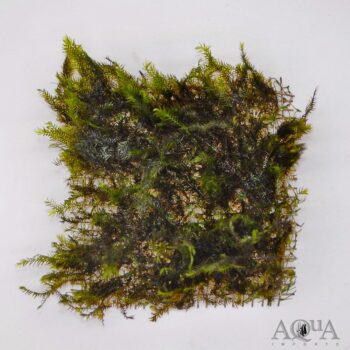
$29.99
Fissidens fontanus Moss Care Level: Beginner Preferred Light Level: Low to moderate Placement/Size: A lush carpeting moss that will readily grow onto driftwood and other surfaces Shipping Note: All our foods and aquatic plants ship FREE with any live fish order; OR food/plant only orders ship for a flat rate of $10.99
-
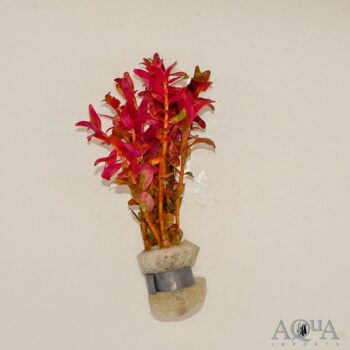
$7.99
A popular choice among experienced aquarists, Rotala macrandra is a beautiful stem plant originating from Asia. It is notable for its coloration, ranging anywhere from bright reds to greens. Rotala macrandra will do best with stable CO2 levels and high light.
-
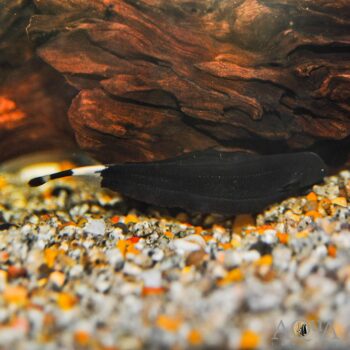
$34.99
An uncommon line bred variation of the well known Black Ghost Knifefish, the Double Fin Black Ghost Knife has an extended dorsal fin running parallel to their distinctive elongated anal fin. A nocturnal and generally shy fish, like all knifefish they use a weak electrical discharge to sense their surroundings and find food. Although slow growing, they can reach the impressive size of 14″ or more and tend to prey on smaller fish as they grow. Black Ghost Knifefish are intelligent, often learning to eat from their owner’s hands or even to allow themselves to be “pet” once adapted to aquarium life.
-
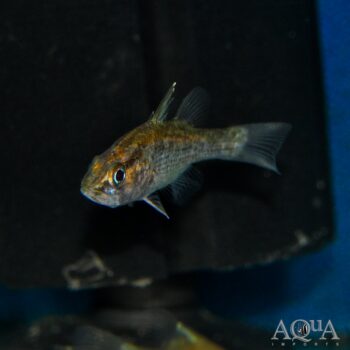
$44.99 – $49.99Price range: $44.99 through $49.99
A unique species of the primarily marine Cardinalfishes (Apogonidae), the Papuan Freshwater Cardinalfish or Mouth Almighty Fish is native to the coastal waters of New Guinea and Northeastern Australia. It is found primarily in freshwater lakes and swamps with in areas with heavy aquatic vegetation or other cover waiting to ambush prey. In the aquarium, they are relatively hardy but may take some time to wean off live feeders.
-
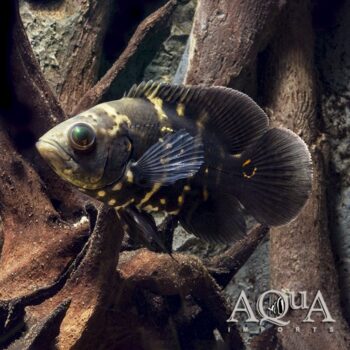
$39.99
A much more rarely seen relative of the well-known Common Oscar (Astronotus ocellatus), the Bumblebee Oscar is known primarily from certain river systems in Southern Brazil, Bolivia, and possibly Paraguay. It can be distinguished from the wild form of its close cousin by the distinct yellow-black patterning as well as lacking the characteristic eye spots or ocellae found on the dorsal fin of all wild forms of Common Oscar. Like its close relative, the Bumblebee Oscar is a large growing and predatory fish that requires a large aquariums, but it will typically reach a slightly smaller adult size at only 9-10”. Although Oscars have earned a reputation for aggression in the hobby, they are fairly peaceful for a large cichlid and if given ample tank space will do well in a mixed community of similarly sized fish. Feeding a varied diet of high quality prepared and frozen foods will help ensure their best colors as they grow.
-
Sale!

$19.99 Original price was: $19.99.$14.99Current price is: $14.99.
The Bahia Black Diamond Tetra or Negodagua Tetra is a relatively rare fish in the hobby, known only from tributaries of the Rio Paraguacu in Northeastern Brazil. Adults of this species display brilliant white on their elongated dorsal and anal fins contrasted against jet black along the back half of the body. Males in breeding coloration are often almost entirely black with vivid white fin tips. In the aquarium, the Bahia Black Diamond Tetra is a hardy and robust species that will do well with a variety of tankmates. For optimal display they should be kept in groups of at least 5, but larger groups tend to bring out the best coloration and behavior in both males and females.
-
Sale!
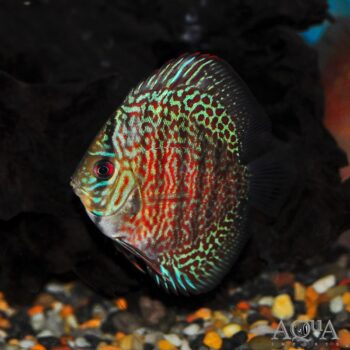
$69.99 – $89.99Price range: $69.99 through $89.99
Long considered the most beautiful of all freshwater aquarium fish, the discus remains a popular fish for serious hobbyists. Discus originate from the warm, acidic waters of Amazon tributaries in Brazil and Peru and are typically found in large groups. The many wild forms of discus have been selectively bred to create dozens of colorful strains, including the Blue Leopard Discus, which is known for its ornate pattern of red spots on a blue body. In the aquarium, regular large water changes, a protein-rich varied diet, and warm water temperatures (78-84) will create ideal conditions for these fish to thrive. Like all discus, they will do best in soft, slightly acidic water but will reward patient aquarists with spectacular coloration.
-
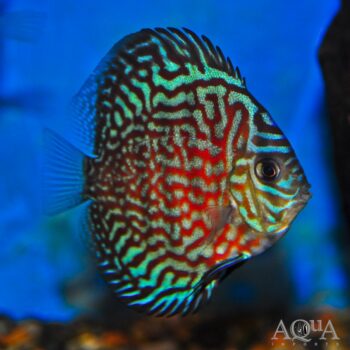
$79.99 – $99.99Price range: $79.99 through $99.99
Long considered the most beautiful of all freshwater aquarium fish, the discus remains a popular fish for serious hobbyists. Discus originate from the warm, acidic waters of Amazon tributaries in Brazil and Peru and are typically found in large groups. The many wild forms of discus have been selectively bred to create dozens of colorful strains, including the Turquoise, which is known for its ornate pattern of red reticulation on a blue body. In the aquarium, regular large water changes, a protein-rich varied diet, and warm water temperatures (78-84) will create ideal conditions for these fish to thrive. Like all discus, they will do best in soft, slightly acidic water but will reward patient aquarists with spectacular coloration.
-
$99.99
Product description coming soon.
-
$79.99
Product description coming soon.
-
$49.99 – $59.99Price range: $49.99 through $59.99
The L081 Sao Felix Stradust Pleco is a unique naturally occurring color variation of the popular Gold Nugget Pleco found in the upper Rio Xingu near the town of Sao Felix do Xingu. Like its close relatives, it is found in rocky shallow areas in warm, well-oxygenated water. In the aquarium, it should be provided with plenty of cover and regular feedings of protein rich feeds such as Repashy gel diet or other prepared feeds. They will do best at high temperatures (82 – 86F), lots of water movement and a variety of rocks and caves in which to establish territories. This species can be a challenge to maintain long term and is best suited for experienced hobbyists who can ensure optimal water quality similar to what they would find in nature and a varied diet.
-
$24.99
One of several species of similarly patterned, medium-growing Cory Cat from the Rio Negro basin in Brazil and Colombia, the Cryptic Cory (Brochis cryptica) is a peaceful shoaling fish often found in large groups in the wild. This species typically inhabits soft, acidic, tannin-stained waters in the wild and will display their best coloration under similar conditions in the aquarium. Hardy and undemanding, this species an excellent and active bottom-dweller for most community tanks. Like most Corydoras they should be kept in groups of at least five fish.
-
$59.99 – $74.99Price range: $59.99 through $74.99
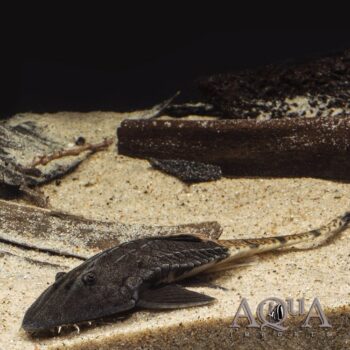
This rare, large-growing Loricariid originates from the Caqueta basin in Colombia and its trubtaries in Northern Ecuador, although a similar looking species is imported from Peru and often misidentified as P. apithanos. The Chameleon Loricaria is typically found in shallow, fast-moving stretches of river, often in groups. In the aquarium, they prefer moderate to high water movement and large open areas of sand substrate. In the wild, they graze on biofilm, algae, small crustaceans and insect larvae and should be fed a varied diet with plenty of proteins such as Repashy Bottom Scratcher or Igapo Explorer gel diet or Fluval Bug Bites pleco formula. They can be territorial with each other so provide plenty of space for each individual fish.
-
$18.99 – $20.99Price range: $18.99 through $20.99
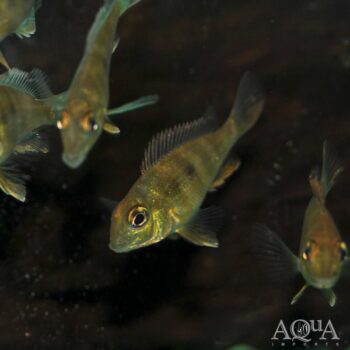
A medium growing and spectacularly colored eartheater from the extensive ‘Surinamensis’ complex of similar-looking species of Geophagus, the Red Head Tapajos Eartheater gets its name from the vivid reddish-orange coloration adult fish display on the front surface of their face. Originally found in the clear, warm waters of the lower Rio Tapajos in Brazil, the species has become widely popular in the hobby and now is regularly aquacultured for the aquarium trade. Wild collected specimens like these are relatively rare. A fairly peaceful cichlid, they do best in groups of 5 or more and will coexist peacefully with most fish too large to be eaten. Like all eartheaters, this species requires fine sand substrate so they can exhibit their characteristic sand-sifting behavior as they search for food.
-
$29.99 – $39.99Price range: $29.99 through $39.99
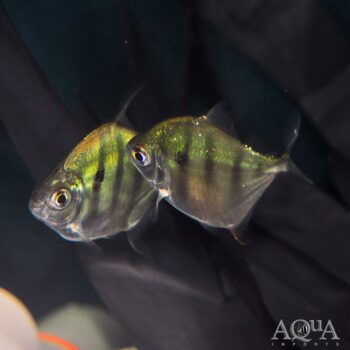
One of the more distinctively marked species of Silver Dollar, the Tiger or Barred Silver Dollar originates from the waters of the Rio Tocantins and other nearby rivers in Eastern Brazil. With their intricate “tiger striped” or barred pattern and iridescent coloration, this relatively new to the hobby species is deservedly popular and is now being commercially bred for the trade. Wild collected specimens like these are only rarely available. Like most Silver Dollars, they are a schooling species and should be kept in groups of 3 or more in the aquarium. Due to their large adult size and active nature, they require a fairly large aquarium. This species is a popular dither fish for larger predatory species or medium to large South American Cichlids.
-
$9.99
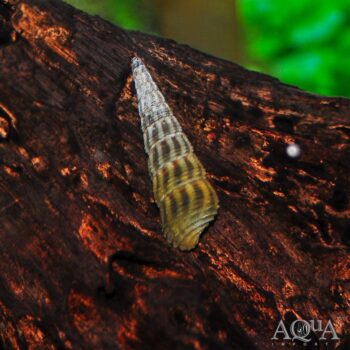
A unique species of the so-called Rabbit Snails native to Sulawesi, the Sponge Rabbit Snail is found in the rivers and creeks surrounding lake Poso. An omnivore that primarily grazes on algae and biofilm in the wild, they will readily accept a variety of prepared foods in the aquarium. Their native habitat is characterized by warm, clear, slightly hard water and they will do best when kept in similar conditions. Like all members of the genus Tylomelania, these snails reproduce slowly, producing only a few eggs at a time which hatch quickly into fully-formed baby snails.
-
$19.99 – $39.99Price range: $19.99 through $39.99
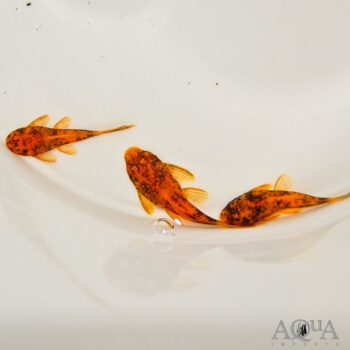
A uniquely colored variant of the bushynose or bristlenose pleco, the Calico Bristlenose Pleco (Ancistrus sp.) is one of the smaller plecos in the aquarium hobby. Bristlenose Plecos grows up to 6 inches and males will develop characteristic tentacles on their faces as they mature. These herbivorous fish are native to South America, spending much of their time grazing on wood and algae. The bristlenose’s generally peaceful temperament makes it an excellent choice for a freshwater community tank.
-

$24.99 – $44.99Price range: $24.99 through $44.99
The Endlicheri Bichir or Saddled Bichir (Polypterus endlicheri) is a widespread species of Polypterus which inhabits various slow-moving shallow water habitats throughout much of West and Central Africa. It is a large growing and very heavy bodied Bichir, reaching sizes of over 30″ in the wild, and requires an appropriately large aquarium to house long term. Polypterus endlicheri is one of several so-called “lower jaw” group of Polypterus, so named for their distinctive heavy lower jaw that protrude over the upper lip. In the aquarium, they are hardy and undemanding like most bichir species, but should be kept with a tight-fitting and possibly weighted lid as they will attempt to jump if spooked or at night.
End of content
End of content