Showing 1751–1775 of 1981 resultsSorted by latest
-
$12.99 – $17.99Price range: $12.99 through $17.99
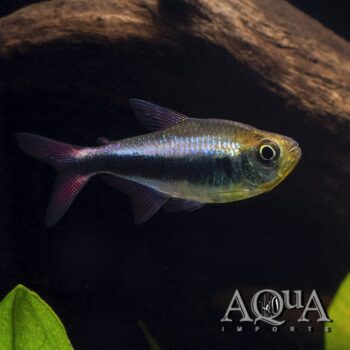
The Bleeding Blue or Peru Red-Blue Tetra is a spectacularly colored medium sized schooling fish found in quiet blackwater streams and flooded forest in the upper Rio Nanay in Peru. Relatively new to the hobby and only recently scientifically described, this tetra is deservedly very sought after in the hobby and remains an uncommon import. Like most medium sized Hyphessobrycon, they’re a peaceful, loosely schooling fish best kept in groups of 8 or more. Subdued lighting, warm temperatures (80F ) and soft, slightly acidic water will help these fish display their best coloration in the aquarium.
-
Sale!
$7.49 – $14.99Price range: $7.49 through $14.99
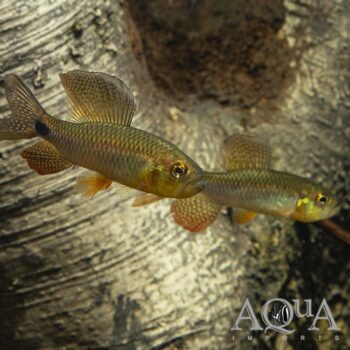
A beautiful tetra originating in the acidic blackwaters of the Amazon and Orinoco basins, the Sailfin Tetra is a medium-sized species that makes for an impressive display fish as an adult. Both sexes have the namesake large dorsal fin, but mature males will have an extremely elongated, brightly colored fin. In the wild, they tend to be found in small groups in shallow waters, usually in areas with substantial cover in the form of leaf litter, fallen branches, or other vegetation. In the aquarium, they can be shy at first but will quickly become more bold if given plenty of cover. A great and showy fish for densely planted or hardscape tanks.
-
$10.99 – $14.99Price range: $10.99 through $14.99
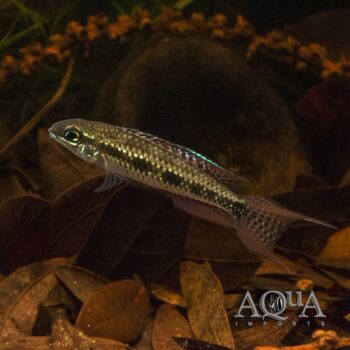
An attractive and peaceful dwarf cichlid, the Checkerboard Cichlid is found in acidic, blackwater streams in the Orinoco and Negro river basins in Colombia and Brazil. Typically found in extreme shallow water in and around dense piles of fallen leaves, they are social fish and do best in groups of 5 or more (or as male/female pairs). A good community fish in most cases, they appreciate plenty of cover and are ideal fish for planted or botanical style aquariums.
-
$29.99
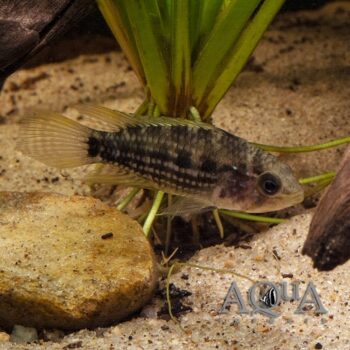
One of the more colorful dwarf cichlids and a relatively new fish to the hobby, this Apistogramma originates in the streams and small creeks of Southern Peru in the Madre de Dios river basin, and a separate population is known from neighboring Bolivia. When it was first collected and imported, it was known as “Apistogramma sp. “Manu”. A larger growing and hardy dwarf cichlid. they make for an impressive display fish in any small to medium-sized aquarium.
A note on wild Apistogramma: Unless otherwise specified, wild Apistogramma are sold as unsexed individuals. We will make our best efforts to send pairs or a requested ratio of male to female but we do not guarantee sex on these fish. We recommend buying in groups to ensure adequate males and females for breeding.
-
$349.99
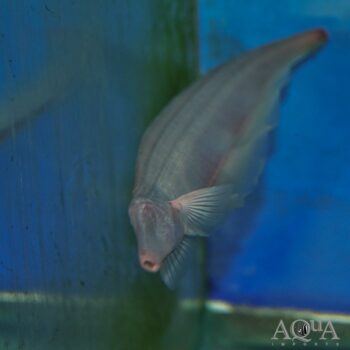
The bizarre White Tamandua Knifefish is widespread throughout the Amazon and its tributaries but is rarely encountered due to the depths it inhabits (18 – 30 feet). Its deep water habitat in the main river channels is almost entirely dark in most cases, and the fish exhibits a cave fish-like appearance because of this. Like most knifefish, it relies on its ability to sense electrical discharges to navigate and find food. In the aquarium, they are best kept in a specialized tank with few if any tankmates. They are slow to feed at first and may require live foods but will generally learn to take frozen over time. As a large growing, open water swimmer, they will require a very large aquarium built around meeting their unique care requirements.
-
$36.99 – $44.99Price range: $36.99 through $44.99
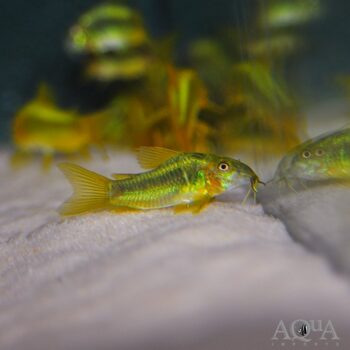
The Green Laser or Green Stripe Cory is one of the most vividly colored fish in its genus, with an unmistakable fluorescent green stripe arching across its back. Known only from the Ucayali and Maranon rivers in Peru, two headwaters of the Amazon, it is unknown what purpose this unusually bright streak of color serves in the wild but in the aquarium it makes for a remarkable display. Like most Corydoras they are active, peaceful schooling fish that will display their best colors and behaviors in a larger group.
-
$22.99
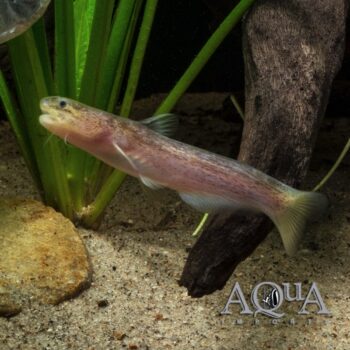
This smaller growing relative of the more well-known Blue Dolphin or Blue Cetopsis Catfish is found in the rivers and small creeks surrounding Iquitos, Peru, where it spends most of the day hiding among fallen logs and driftwood. At night, or when they smell food in the water, they are incredibly fast and active swimmers, engaging in a shark-like “feeding frenzy” behavior. Unlike their larger relatives which are known for taking substantial bites out of much larger fish, these catfish seem to be much more peaceful and will coexist with most similarly-sized fish. A somewhat social fish, they are best kept in groups of 5 or more.
-
$59.99 – $69.99Price range: $59.99 through $69.99
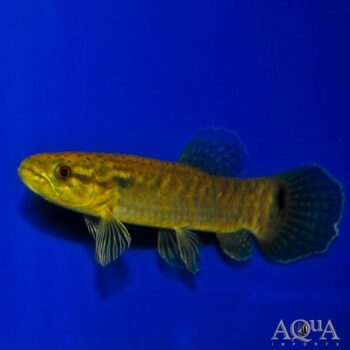
The Purple Wolf (known as ‘shuyo morado’ in its native range) is a smaller species of wolf fish found throughout the middle Amazon Basin in Peru. A fast moving and aggressive predatory fish, they are likely to attack even larger tankmates and are best kept alone or with large, fast moving fish or heavily armored catfish. Smaller specimens can be shy at first and appreciate plenty of cover, and be sure to keep their tanks tightly covered as they are prone to jump if spooked.
-
$49.99 – $119.99Price range: $49.99 through $119.99
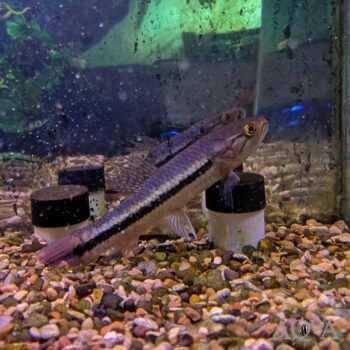
The Gold or One Lined Wolf Fish is a medium sized predatory species found throughout the Amazon Basin in South America. A fast moving and aggressive fish, they are likely to attack even larger tankmates and are best kept alone or with large, fast moving fish or heavily armored catfish. Smaller specimens can be shy at first and appreciate plenty of cover, and be sure to keep their tanks tightly covered as they are prone to jump if spooked.
-
$24.99
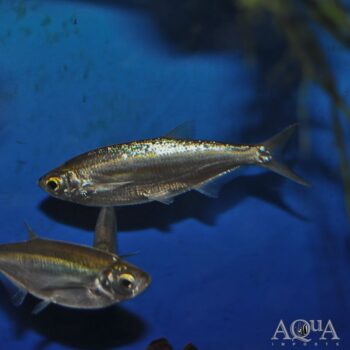
A unique and rarely seen Cyprinid found throughout much of Southeast Asia’s freshwater rivers and lakes, Paralaubuca harmandi is so poorly known in the aquarium hobby that it does not yet have a common name. A loosely schooling fish usually found in shallow water areas, they are fast swimmers and extremely active in the aquarium – like most schooling species best kept in a group of 3-5 or more. With their size and active nature, they make excellent dither fish for aquariums with larger cichlids or other predatory species.
-
$24.99 – $54.99Price range: $24.99 through $54.99
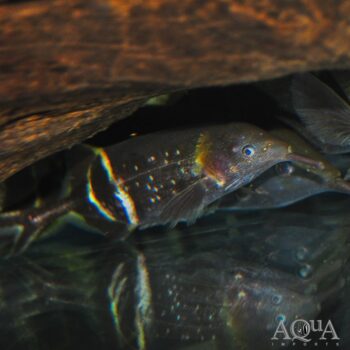
One of the most unusual of the Mormyrids (a family of weakly electric fish found primarily in Africa), Peter’s Elephant Nose is found throughout much of Western and Central Africa, where it inhabits slow moving, shallow waters usually over muddy or sandy substrate. Their namesake snout is used to root through substrate to find small prey items. In the aquarium, they can be a somewhat finicky eater at first, but will usually accept frozen bloodworms, mysis, and other similar foods. Ideally, these fish should be kept singly as more than one Elephant Nose in the same tank are likely to fight. They should also be kept with peaceful tankmates to avoid bullying or the fish being outcompeted for food.
-
$7.99 – $29.99Price range: $7.99 through $29.99
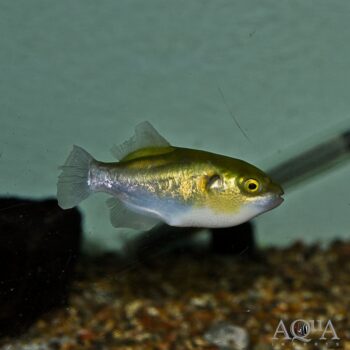
A true freshwater puffer found in parts of Southeast Asia, the Greenbottle Puffer is a unique, fast-moving species which is often found in groups in the wild. Like most puffers, they are prone to nipping the fins of other fish, so should be kept with hardy, fast-moving tankmates (if any). This species can be kept in a group of 5 or more fish, although they should be fed heavily and given plenty of cover to avoid aggression. They are known to inhabit fast flowing waters, so the addition of a powerhead for some current may be beneficial.
-
$5.99
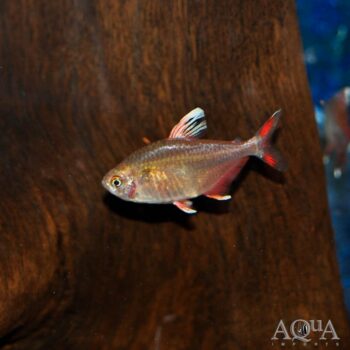
The HY511 Candy Cane Tetra is one of several similar-looking species of Hyphessobrycon that display vivid reddish-pink coloration with distinctive white fins. Still undescribed but supposedly originating from the Amazon basin in Peru near Iquitos, this species is now commercially bred on a large scale and is deservedly popular in the hobby. A medium growing, peaceful, and loosely schooling fish, they make an excellent display fish for a medium community aquarium and look especially impressive in a planted or aquascaped tank. Like most medium growing tetras, they are best kept in groups of 5 or more and will do well with most tankmates although they may nip at very small fish or invertebrates.
-
Sale!
$44.99 – $99.99Price range: $44.99 through $99.99
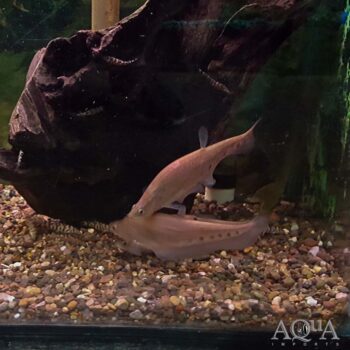
One of the larger species of knifefish, the Clown Knife is found throughout much of Southeast Asia, where it is an important food fish. It is now extensively farm raised for food and for the aquarium trade. The Gold color form is a colorful line bred variety of the fish similar to an albino. A predatory species with a surprisingly large mouth, Clown Knives can easily eat fish up to 1/3rd their size in many cases. Despite their predatory nature, they are peaceful towards nearly all tankmates too big to be eaten.
-
$5.99
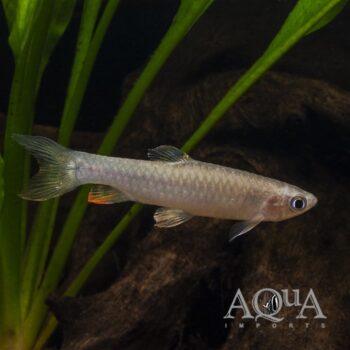
A unique and rarely seen characin, the Red Spotted or Pink Copeina is found throughout much of the Amazon Basin where it inhabits shallow riverbanks and swamps. A larger growing relative of the more well-known Splash Tetra, these fish are active and outgoing fish that may bully smaller or more shy tankmates. They are best kept with larger fish and will do well with dwarf cichlids or larger characins. In the aquarium, they are hardy and undemanding, but likely to jump if given the chance so keep tanks tightly covered.
-
$19.99 – $79.99Price range: $19.99 through $79.99
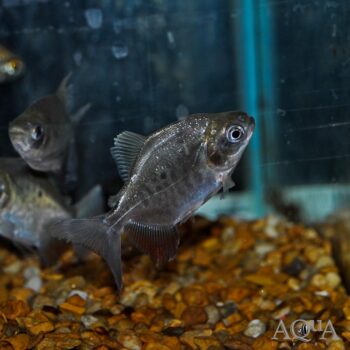
One of the larger fish in the Amazon Basin, and an important food fish throughout most of its range, the Black Pacu is a beautifully marked “gentle giant” suitable for only the largest private aquariums, indoor ponds, or public displays. In the wild, this fish is an opportunistic grazer, which feeds primarily on fallen fruit and nuts from trees overhanging the rivers edge habitat where they are usually found. They are a hardy species, tolerant of a wide range of water conditions – but given their huge size and equally large appetite they will require significant filtration and regular water changes. The Black Pacu will accept almost any frozen or prepared food in the aquarium but should be offered a varied diet heavy in vegetable matter.
-
$69.99 – $299.99Price range: $69.99 through $299.99
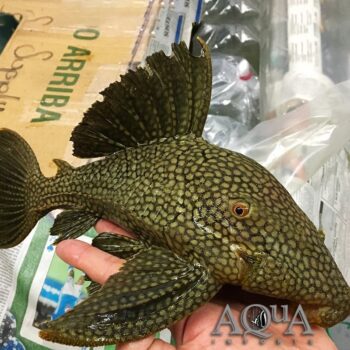
One of the most beautifully marked of all Royal Plecos, the L330 “Watermelon” Pleco is found throughout the soft, acidic waters of the middle and upper Orinoco and its tributaries in Colombia and Venezuela. Like all Panaque species, it is a specialized wood eater and requires driftwood in its diet. They should also be offered a variety of other foods, including fresh veggies and specialty diets like Repashy’s xylivore formula gel diet. The L330’s pattern varies significantly, from fully spotted to primarily striped, with the fully spotted variant being the most sought after.
-
$69.99 – $259.99Price range: $69.99 through $259.99
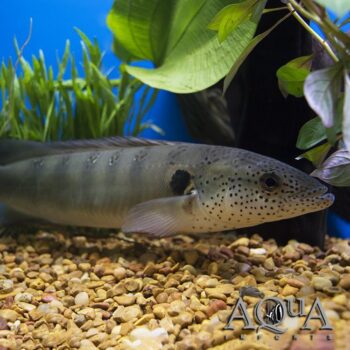
One of the most striking of all the Pike Cichlids of the genus Crenicichla, the Lenticulata or Spotted Pike is a large growing species found in Brazil, Colombia and Venezuela, where it tends to inhabit soft, acidic waters. Like many large Pike Cichlids, they are territorial and can be extremely aggressive towards tankmates so any other fish in the aquarium should be chosen with care. With their large adult size and outgoing nature, they make excellent subjects for a species tank or in a suitably large display with other South American species.
-
$4.99
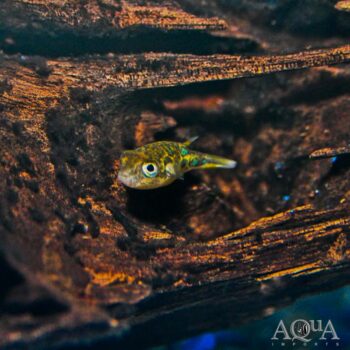
The smallest known species of pufferfish and a true freshwater species, the Pea or Indian Dwarf Puffer is found in shallow, warm, slow-moving waters in Central and Southwestern India. With their small adult size, inquisitive nature, and interesting group dynamics, they are deservedly popular among nano aquarium keepers and they will do well in an aquascaped or planted tank. A social fish best kept in groups of 5 or more, like all puffers they may nip at the fins of other fish (especially slow moving or long finned species) so tankmates should be chosen with caution. With a preference for relatively soft, slightly acidic water they are a hardy and adaptable species that will generally do well in most aquariums. This species has been successfully bred in the aquarium.
-

$52.49 – $219.99Price range: $52.49 through $219.99
One of the most unique fish in the ancient family of fish known as “bonytongues”, the African Arowana is widespread across freshwater habitats throughout the continent, where they tend to inhabit shallow river or stream banks close to reeds or other vegetation. They are the only fish in their family known to filter feed, sifting through sand and murky water for food items like tiny crustaceans and worms. In the aquarium, juvenile fish will require a steady supply of small food items like live brine or microworms fed several times per day. Larger fish, starting at 2-3″ in size, are usually much easier to feed and will take to prepared foods quickly. They are fairly peaceful fish in the aquarium, and will usually not harass tankmates. Like all Arowana, they are accomplished jumpers so must be kept tightly covered at all times.
-
$149.99
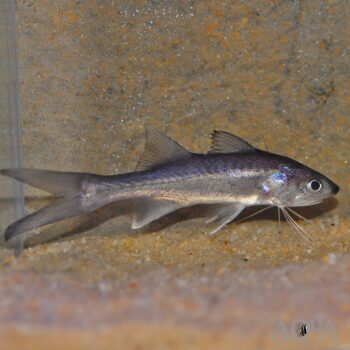
Product description coming soon.
-
$34.99 – $39.99Price range: $34.99 through $39.99
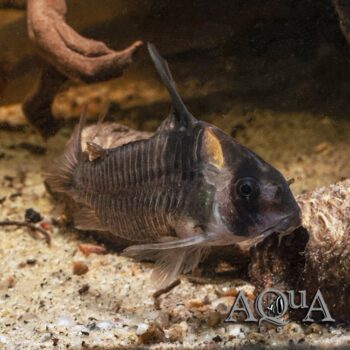
The CW045 “False Armatus” or Colossus Cory has been in the hobby for some time, but has recently been scientifically described as Hoplisoma colossus. It is an attractively marked and large growing species of Cory with a distinctive tall body shape and somewhat variable coloration. It is sometimes sold as H. armatus although that species is found only in Peru and is easy to tell apart from CW045. Like all Corydoras, they are an active schooling species and will do best in groups of 5 or more in the aquarium. Due to their large adult size, this species makes a great bottom feeder and dither fish for some medium to large Central and South American Cichlids.
-
$6.99 – $29.99Price range: $6.99 through $29.99
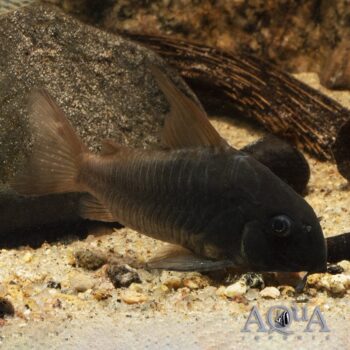
A large growing species of Cory, the Concolor or Slate Cory is found in softwater streams throughout the Orinoco and its tributaries in Colombia and Venezuela. Adult fish are dark black in color with highlights of bronze and green and a tall dorsal fin. Like most Cory catfish, they are peaceful, hardy, and best kept in groups due to their schooling nature. Because of their larger adult size, Concolor Corys make for great bottom feeders or dithers in aquariums with medium South or Central American Cichlids or other predatory fish which aren’t large enough to try to make a meal of them.
-
$79.99
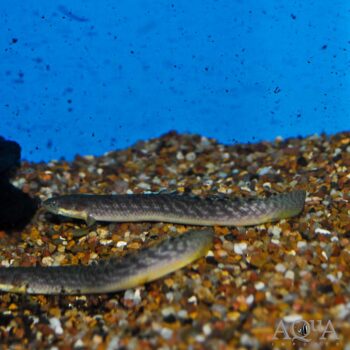
The Gold Dust or Buettikofer’s Bichir is considered to be a color variant of the Palmas Bichir (P. palmas) easily distinguished from the latter by its unique pattern of gold spots and spangles. Found in relatively quiet blackwater habitat throughout West Africa, they are hardy and undemanding but relatively shy for a Bichir and can easily be stressed our outcompeted for food by larger or more active tankmates. Like all bichir species they should be kept with a tight-fitting and possibly weighted lid as they will attempt to jump if spooked or at night.
-
$59.99 – $74.99Price range: $59.99 through $74.99
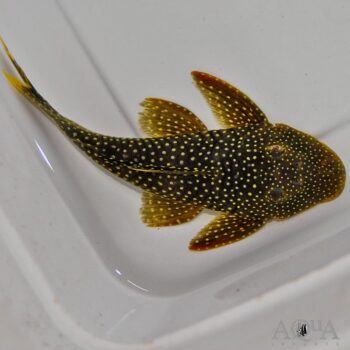
An attractive, medium-sized pleco found in the warm, fast-moving waters of Brazil’s Rio Xingu, the Yellow Seam or L067 Pleco is a recently described species not common in the aquarium hobby. In nature, the species is largely herbivorous, feeding on algae mats, terrestrial and aquatic plants, and biofilms, but as with most herbivorous plecos they take in plenty of insect larvae, crustaceans, and other protein sources. In the aquarium, they are best kept in conditions similar to their wild habitat, with warm, well-oxygenated water with plenty of current and cover in the form of rocks and caves. A varied diet including plenty of vegetable matter will ensure this species thrives long-term. The genus Pseudancistrus is often known as “bearded plecos” as males will develop impressive rigid bristles around the outer rim of their snouts.
End of content
End of content