Showing 1776–1800 of 1981 resultsSorted by latest
-
$39.99 – $69.99Price range: $39.99 through $69.99
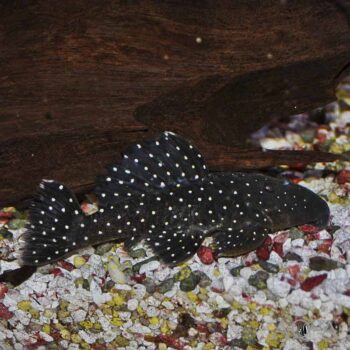
An attractive, medium-sized pleco found in the warm, fast-moving waters of Brazil’s Rio Xingu, the Peppermint Pleco or L031 is popular in the aquarium hobby due to its distinctive white spotted pattern and unique body shape. In nature, the species is largely herbivorous, feeding on algae mats, terrestrial and aquatic plants, and biofilms, but as with most herbivorous plecos they take in plenty of insect larvae, crustaceans, and other protein sources. In the aquarium, they are best kept in conditions similar to their wild habitat, with warm, well-oxygenated water with plenty of current and cover in the form of rocks and caves. A varied diet including plenty of vegetable matter will ensure this species thrives long-term.
-
$49.99 – $69.99Price range: $49.99 through $69.99
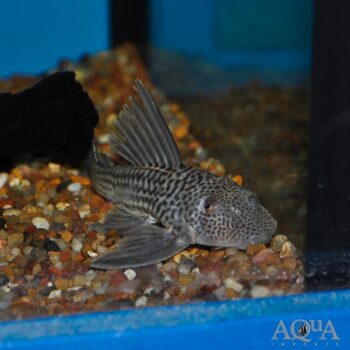
A uniquely marked species of Ancistomus, the L141, L215 or Ghost Pleco is found in rocky and sandy stretches of the middle Tapajos in Brazil, where it inhabits warm, clear, shallow waters. A bold and outgoing species, they are omnivores with a slight preference toward protein rich foods such as insect larvae or crustaceans in the wild. In the aquarium, they are a hardy species that will do best in well-oxygenated, warm water with moderate to strong current.
-
$69.99 – $89.99Price range: $69.99 through $89.99
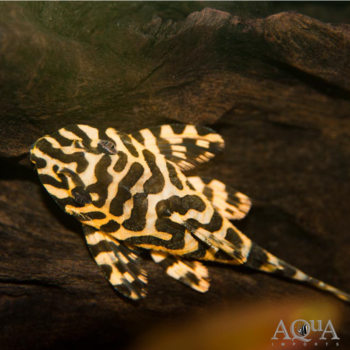
One of the most attractively patterned and sought after members of its genus, the Leopard Frog or Imperial Tiger Pleco is found in the clear waters of the Rio Tapajos (more banded patterning) and its tributary the Rio Jamanxim (more spotted pattering) in Brazil. Both of these rivers are fairly fast moving but these fish are often found in shallow, more still water areas usually in and around crevices in rocks. An omnivore and grazer, these fish do best when offered a protein rich diet like Repahsy insectivore gel diet or other high quality sinking foods. This species is a cave spawner and will breed in the aquarium if given the proper conditions.
-
$44.99
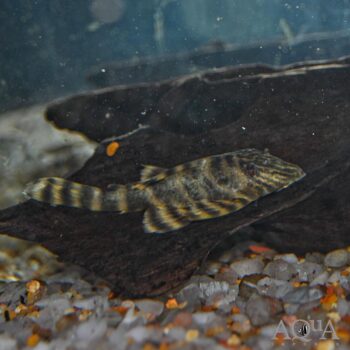
A beautifully marked “tiger” pleco of the genus Panaqolus, the L398 was only recently described scientifically as P. tankei. Originating from the clear, fast-moving waters of the lower Xingu, L398 tends to be found in and around sunken trees and large patches of driftwood in the wild. Like its close relatives, it is a wood eater (xylivore) and in the aquarium should be provided with ample driftwood as well as other nutritious sinking foods like Repashy’s xylivore formula gel diet.
-
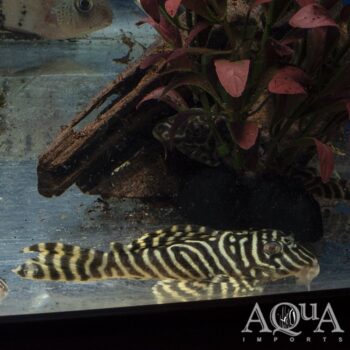
$54.99 – $89.99Price range: $54.99 through $89.99
One of several strikingly marked black and white Hypancistrusspecies from the Rio Xingu in Brazil, the L333 or Yellow King Tiger Pleco inhabits rocky areas of warm, fast-moving water. In the aquarium, they need excellent water quality and do best when provided lots of cover in the form of caves or driftwood. A carnivore, they should be fed protein rich foods like frozen bloodworms, carnivore pellets, or gel diets. Like most plecos from this region, they will do best at higher temperatures (80-85F) and plenty of water movement.
-
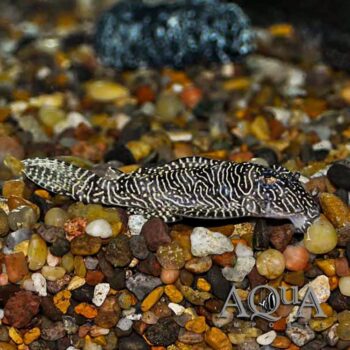
$69.99 – $79.99Price range: $69.99 through $79.99
With their intricate black and white pattern, the L260 Queen Arabesque Pleco is one of the most striking of the Hypancistrus and has been popular in the hobby for decades. These fish originate in the clear waters of the Rio Tapajos in Brazil, where they inhabit rocky, fast-moving shallows. In the aquarium, they are hardy and will feed on a variety of sinking foods but should be given plenty of protein rich foods like Repashy’s insectivore gel diets.
-
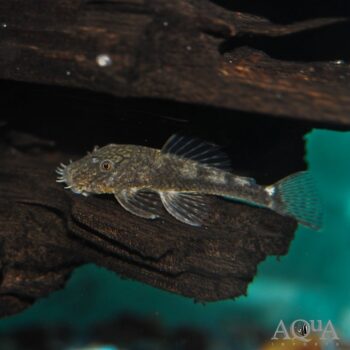
$29.99
Product description coming soon.
-
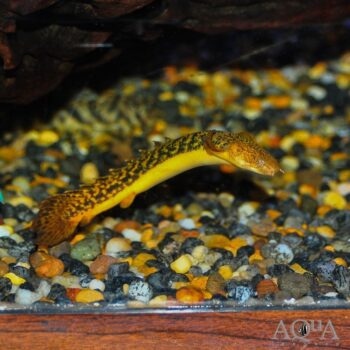
$49.99 – $549.99Price range: $49.99 through $549.99
A medium sized member of the so-called “upper jaw” complex of Polypterus, the Teugelsi Bichir is found in the Cross River and its tributaries in Cameroon and Nigeria in West Africa. More slender and with a darker, more contrasting pattern than the similar P. retropinnis, this species is now being bred commercially in Southeast Asia. Like most Bichir species, they are hardy and undemanding like but should be kept with a tight-fitting and possibly weighted lid as they will attempt to jump if spooked or at night
Note on Origin: Small and Medium sized Teugelsi Bichirs in most cases are aquacultured in Asia while larger sizes are wild collected from Cameroon.
-
$59.99 – $399.99Price range: $59.99 through $399.99
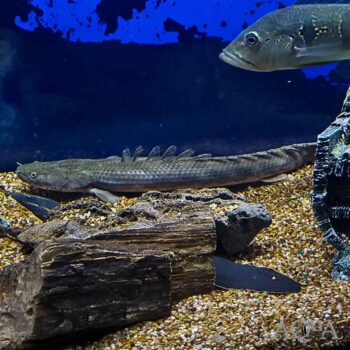
An exceptionally rare, large growing Polypterus found in the waters of Guinea and possibly Guinea-Bisseau, the Guinean Bichir is distinguished by irregular dark markings, a tall dorsal fin, and 12-15 dorsal finlets extending to the rear of the pectoral fins. In most specimens, the upper and lower jaw are of equal length, although very large adults may have a slightly protruding lower jaw. In the aquarium, they are hardy and undemanding like most bichir species, but should be kept with a tight-fitting and possibly weighted lid as they will attempt to jump if spooked or at night. Due to their very large adult size they require an enormous aquarium or indoor pond when full grown.
*Medium sized specimens offered for sale are tank raised *
-
$79.99 – $159.99Price range: $79.99 through $159.99
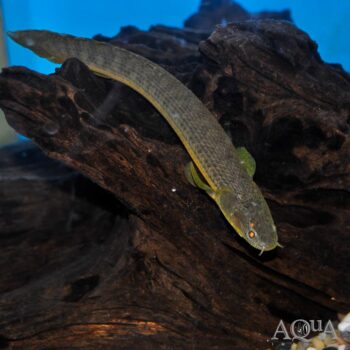
A medium sized member of the so-called “upper jaw” complex of Polypterus, the Zaire Green Bichir is a relatively new species to the trade which after examination by scientists was determined to be the true P. retropinnis (while most specimens in the trade sold as P. retropinnis before this were actually the newly described species P. mokelembebe). Originating from moderate to fast-flowing waters in the Congo River basin in Central Africa, they are hardy and undemanding like most bichir species but should be kept with a tight-fitting and possibly weighted lid as they will attempt to jump if spooked or at night.
-
$299.99
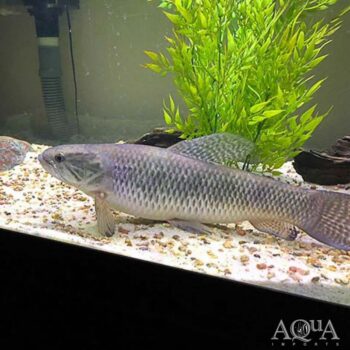
Long term captive animal in great shape and ready for a new home.
-
$319.99
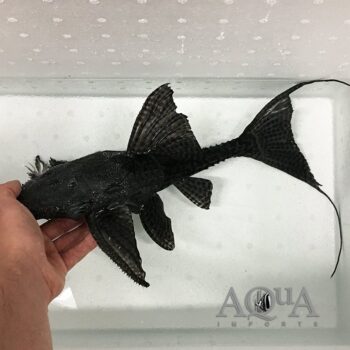
A giant growing and extremely impressive pleco, the L193 Black Devil Pleco is found in the middle Orinoco and its tributaries in Colombia and Venezuela. With their heavy armor, sharp spines, and huge adult size, this pleco is a true monster fish and adults are suitable only for the largest aquariums. Like most of the genus, they are aggressive and not at all shy, often spending time swimming in open water. They prefer fast-flowing, well-oxygenated water and will do best in a tank with ample open space along with caves and hides to provide territory.
-
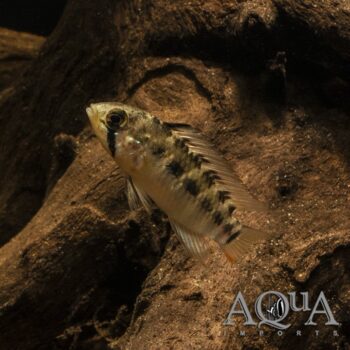
$21.99
A beautiful wild form of the popular Apistogramma macmasteri, this peaceful and active dwarf cichlid is found in blackwater creeks and extreme shallow waters around the Rio Arauca in Colombia. A hardy and undemanding species, males will develop vivid red and yellow patches on the ventral and caudal fins when mature.
A note on wild Apistogramma: Unless otherwise specified, wild Apistogramma are sold as unsexed individuals. We will make our best efforts to send pairs or a requested ratio of male to female but we do not guarantee sex on these fish. We recommend buying in groups to ensure adequate males and females for breeding.
-
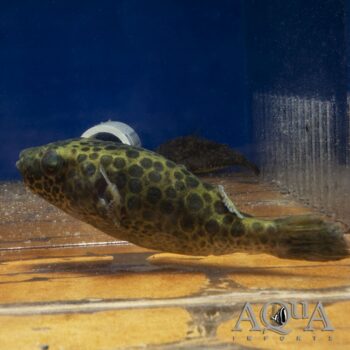
$69.99
An attractive and uncommonly imported freshwater puffer from the Greater Mekong Basin in Thailand and Cambodia, the Mekong River Puffer is typically found in shallow water habitat with significant plant coverage. Like most puffers, they use their sharp, powerful beaks to hunt and eat insects, molluscs, and crustaceans. In the aquarium, they are a relatively hardy species and can usually be kept in a group but as with most puffer species any other tankmates can be risky. In the wild, they feed on snails, clams, and other crustaceans and will require regular feedings with hard-shelled prey items in the aquarium to keep their teeth from overgrowing.
-
Sale!
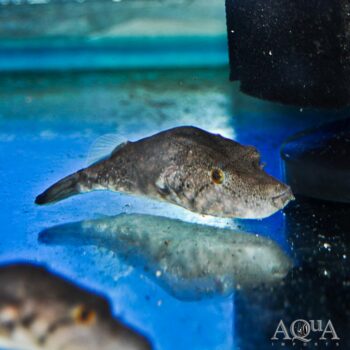
$89.99 – $129.99Price range: $89.99 through $129.99
A highly adapted ambush predator found in the fast-flowing waters of the middle Mekong, the Pignose or Arrowhead Puffer spends most of its time buried in sandy or silty substrate in the wild. Its upward facing mouth and excellent vision allow it to lie in wait for other fish or invertebrates to pass overhead, striking almost instantaneously to take a bite of the unprotected underbelly with their sharp beaks. In the aquarium they are interesting if not particularly active fish, best kept alone in a species tank. Any tankmates are generally at risk of being eaten. The addition of some rocks and hiding places along with moderate to strong current and aeration will help keep them more active and engaged in the aquarium setting. Like most freshwater puffers, hard-shelled prey items like snails, clams, crawfish and similar are important additions to their diet to ensure their beak-like teeth don’t overgrow.
-
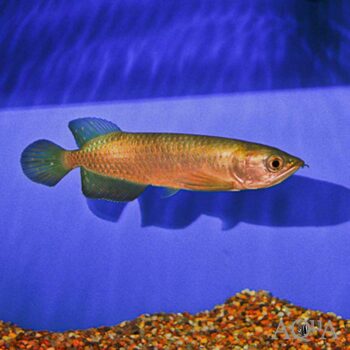
$169.99 – $349.99Price range: $169.99 through $349.99
The Australian or Jardini Arowana is a large and attractively marked species hailing from the ancient family of fishes known as ‘bonytongues’ and distantly related to the more commonly seen Silver Arowana. These fish are found throughout Australia, New Guinea, and parts of Indonesia where they tend to inhabit shallow, slow moving waters. Less of a strict surface dweller than their South American cousins, the Jardini Arowana is a powerful swimmer and can be territorial and aggressive toward tankmates. Although it is one of the smaller species of Arowana, it will still reach a substantial size and requires a very large aquarium.
-
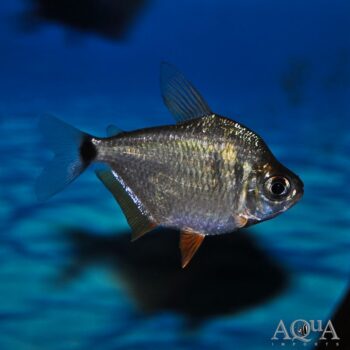
$14.99 – $22.99Price range: $14.99 through $22.99
A larger growing characin found throughout much of the Amazon and Orinoco basins, Tetragonopterus argenteus is relatively uncommon in the aquarium hobby. With their size and bold demeanor, these tetras make an ideal dither fish for medium sized South American Cichlids. Their tank should be kept tightly covered as they are easily spooked and likely to jump out if given the opportunity.
-
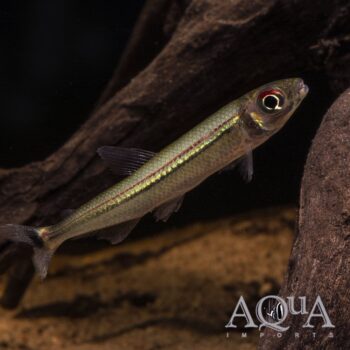
$9.99
A unique and rarely seen characin from the Orinoco and Negro rivers in South America, the Red Line Lizard Tetra is a medium sized schooling fish that inhabits shallow, warm, acidic waters. In the aquarium, they will do best when kept with other similarly peaceful blackwater dwellers like cardinal tetras, eques pencilfish, or marbled hatchets. Like most tetras, they prefer to be kept in a small group or school of at least 5 individuals.
-
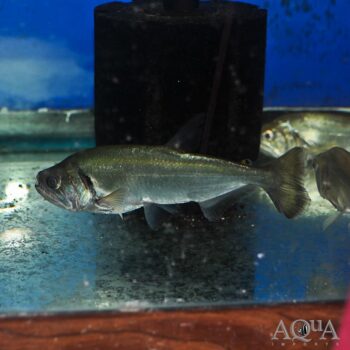
$44.99 – $249.99Price range: $44.99 through $249.99
The largest and most sought after species of Payara or Sabertooth Barracuda, the Armatus Payara is found throughout much of South America, where it tends to inhabit waters with moderate to strong current. With their unique, flattened body shape, they spend most of their time hanging motionless against the direction of the water flow, waiting for prey to drift by. They use lightning-fast reflexes and their namesake saber-like teeth to grab hold of their prey, which can be fish up to half their own size. In the aquarium, payara often require live foods – at least at first – and do best in well-oxygenated water with plenty of water movement.
-
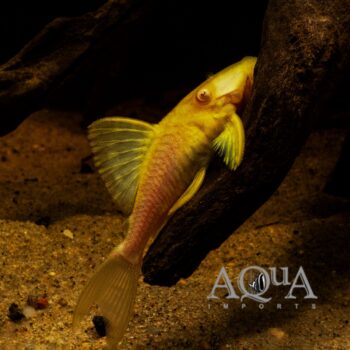
$2,499.99
A rare and one-of-a-kind albino variant of the L191 Royal Pleco, this stunning fish was collected in the Putumayo region of Colombia and is one of very few albinos of this species ever imported to the US. The fish pictured is the actual fish for sale. Like all Panaques, they appreciate driftwood in the aquarium and should be provided with a varied, primarily vegetable based diet.
-
$29.99 – $49.99Price range: $29.99 through $49.99
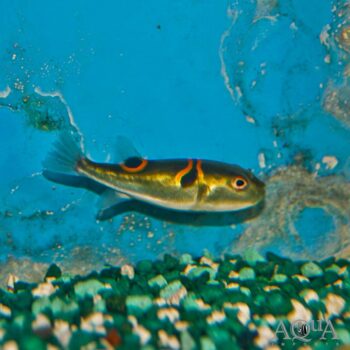
A colorful and distinctive member of the open water dwelling Takifugu puffers, the Orange Saddle or Orange Spot Fugu Puffer is found in coastal waters around China and Northern Vietnam, where it inhabits pure freshwater areas, brackish estuaries, and full strength marine waters. Generally, juvenile fish tend to be found in more freshwater habitat but the species does appear to move in and out of different salinities with ease. A fast moving and extremely active fish, they should be provided with plenty of open space in the aquarium and do best with the addition of some salt. A predator in nature, they should be given a varied diet including hard-shelled items like snails, clams, or whole shrimp to wear down their sharp beaks. As with many puffer species, they can be aggressive towards tankmates so larger, fast-moving fish are the safest option but even then should be added with caution.
-
$4.99
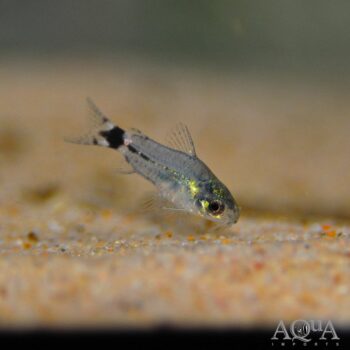
One of the most active and attractively marked of the Pygmy Cory species, the Tail Spot or Black Diamond Pygmy Cory is found only in the Rio Guapore basin in Southern Brazil, where they occur in huge shoals of hundreds or even thousands of individuals. Unlike most Corydoras, they tend to swim in the middle of the water column instead of being strict bottom dwellers, and a large school makes for an impressive display in a planted or aquascaped aquarium. A hardy and peaceful fish, they should be kept in groups of at least 10 and will do well with similarly peaceful tankmates.
-
$49.99 – $119.99Price range: $49.99 through $119.99
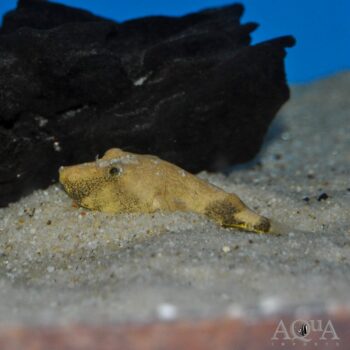
A unique true freshwater puffer found throughout much of Central Africa’s Congo River Basin, the Miurus or Congo Puffer is a uniquely adapted ambush predator best suited to a species-only aquarium. In the wild, they tend to inhabit fast-moving stretches of water with sandy substrate, where they bury themselves with only their upward-facing eyes and mouth visible. They wait in this position for potential prey items to swim overhead, and then dart upwards, using their sharp beak to tear into their prey (which can include much larger fish). In the aquarium, they will display this same behavior which is why tankmates, even larger fish, are not recommended. A relatively hardy fish, they do best in clean, neutral or slightly alkaline well-oxygenated water with some current. Most Congo Puffers are a tan or beige, but a rarer reddish-orange variant also exists and is sometimes available in the trade.
-
$79.99 – $89.99Price range: $79.99 through $89.99
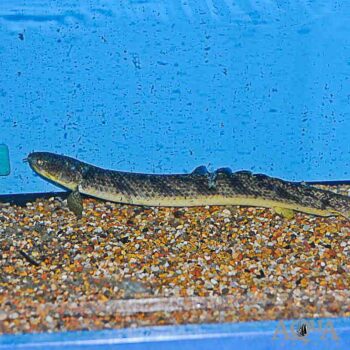
The Palmas or Shortfin Bichir was long known as a subspecies (P. palmas palmas) in the so-called “palmas complex” but recent taxonomic work has clarified the position of the 3 subspecies in that complex, with the Gold Dust Bichir (P. palmas buettikoferi) now recognized as a color form of variant of P. palmas and the Marbled Bichir (P. polli) being elevated to its own species. This species is found throughout West Africa from Senegal to Ghana with a variety of regional color forms known. It can be distinguished from the similar looking P. polli by an overall lighter pattern, spotted pectoral fins, and 7-9 dorsal fin rays. In the aquarium, they are hardy and undemanding, and with a maximum size of around 14″ they are more manageable as adults than some of their larger relatives. Like all bichir specie they should be kept with a tight-fitting and possibly weighted lid as they will attempt to jump if spooked or at night.
-
$149.99 – $199.99Price range: $149.99 through $199.99
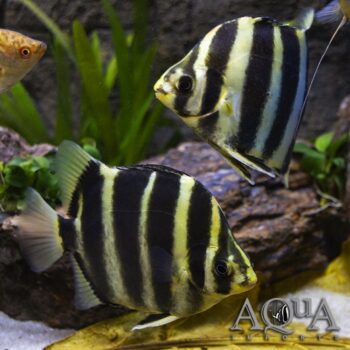
This rare relative of the more commonly seen Green and Red Scat is found only along the East Coast of Central Africa and Madagascar, where it is found in environments ranging from pure fresh to almost full strength marine waters. Unlike other species of Scatophagus, the Tiger Scat appears to thrive in pure freshwater environments even as adult fish, making them suitable for most freshwater aquariums. They will appreciate relatively hard water and the addition of some salt but are fairly adaptable. They are a schooling fish, and will do best in a group (although they will school with other similarly sized Scat species). A true rarity for collectors and serious hobbyists, these fish are only rarely imported and availability is extremely seasonal.
End of content
End of content