Showing 1726–1750 of 1981 resultsSorted by latest
-
$24.99 – $49.99Price range: $24.99 through $49.99
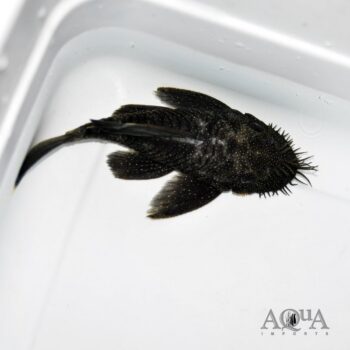
A beautiful and sought after member of the genus Ancistrus found in Brazil’s Rio Negro, the Starlight or White Seam Bristlenose Pleco inhabits warm, acidic, tannin-stained waters where it is typically found grazing on submerged driftwood or fallen branches. In the aquarium, they are hardy and adaptable but should be provided with plenty of cover and driftwood for grazing on. Like all Bristlenose or Bushynose plecos in the genus, both males and females display bristles or tentacles along the nose as adults, with mature males having much more elaborate growth.
-
$179.99 – $349.99Price range: $179.99 through $349.99
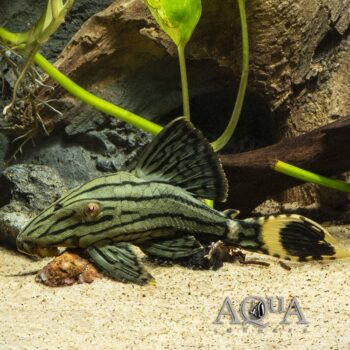
A beautifully colored and large growing variant of Royal Pleco, the L418 Green Royal Pleco or Shampupa as it is called locally originates in fast-moving, white water reaches of the upper Amazon and its tributaries in Peru and Ecuador. Like all Panaque species, it is a specialized wood eater and requires driftwood in its diet. They should also be offered a variety of other foods, including fresh veggies and specialty diets like Repashy’s xylivore formula gel diet. In the aquarium, they are hardy and adaptable but will do best when provided plenty of cover and moderate to strong water movement.
-
$19.99 – $74.99Price range: $19.99 through $74.99
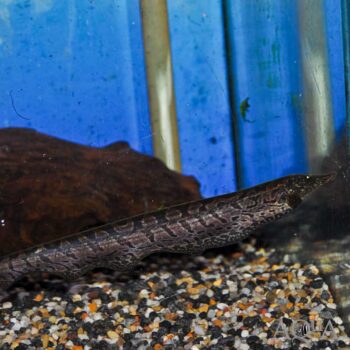
A unique and beautifully patterned knifefish, the Ossa or Trumpet Knifefish is a cryptic species often found hiding among leaf litter. Like most knifefish, they are primarily nocturnal, and use their long snouts to root for insect larvae and crustaceans to eat. In the aquarium, they are peaceful and somewhat shy, and best kept with other peaceful species. They will usually accept frozen bloodworms, brine shrimp, and other frozen foods, but are easily outcompeted for food by fast-moving or more aggressive eaters.
-
$29.99 – $54.99Price range: $29.99 through $54.99
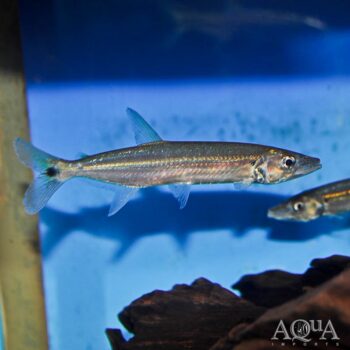
A fast-moving predatory characin, the Yellow Tail Barracuda is commonly found in small groups in open water in the wild, where they hunt for shoals of smaller fish like tetras. In the aquarium, they can be skittish fish, especially at first, and will do best with some cover in the form of floating plants or driftwood close to the surface. They are best kept in groups of 3 or more, and will school with other larger characins. Primarily a live fish eater, they will usually require live food but can be weaned onto frozen or prepared diets over time.
-
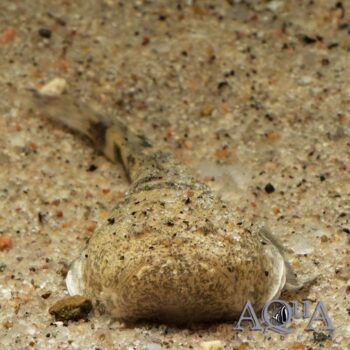
$69.99 – $79.99Price range: $69.99 through $79.99
A rarely seen and cryptic species found throughout the middle Amazon, the Prehistoric Monster Fish is actually a pure freshwater species of toadfish. Like its marine relatives, it is an ambush predator, lying in wait (often buried in sand) for prey to swim by. It is also venomous, and care should be taken when netting or otherwise handling the fish. In the aquarium, they are shy and spend most of their time hiding and camouflaged to their surroundings but can be weaned onto non-live food over time.
-
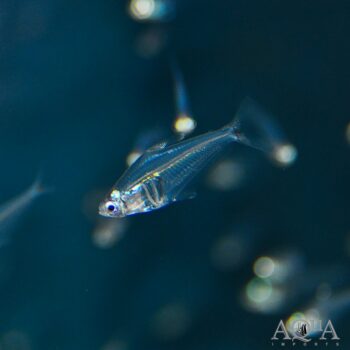
$14.99
A unique transparent characin found throughout the middle Amazon and its tributaries in Peru, the Amazon Crystal or Pi Tetra is an ideal aquarium fish, peaceful and loosely schooling. In the wild, they are usually found in groups along sandy shallows in clear or black water conditions. A hardy and undemanding fish, they add a unique flair to planted or aquascaped aquariums and are best kept in groups of 5 or more.
-
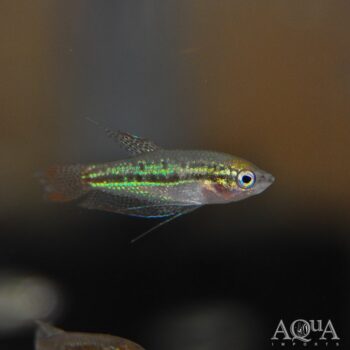
$3.99
A colorful and active species of pygmy Gourami native to much of Southeast Asia, the Sparkling Gourami is found in a wide range of shallow water habitats, from acidic blackwater swamps to quiet slow-moving clearwater creeks, usually found close to stands of aquatic plants or submerged vegetation. In the aquarium, they are an ideal resident of nano planted tanks, they are best kept in groups of 5 or more and make perfect tankmates for many of the popular species of microrasbora found throughout Southeast Asia in similar habitats.
-
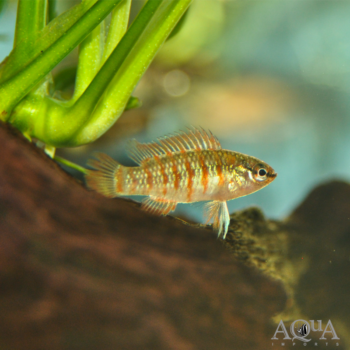
$8.49
A tiny but beautifully marked member of the Badis family, these peaceful, active fish have been popular in the aquarium hobby since their introduction decades ago. Originating in shallow, slow-moving waters in West Bengal, India, they tend to be found in dense aggregations among stands of aquatic plants, with each fish generally staking out its own territory among the vegetation. In the aquarium, they will do best in heavily planted tanks with ample cover and in groups of 5 or more. Because of their small adult size and shy nature, the Scarlet Badis or Scarlet Gem is best kept with similarly sized, extremely peaceful tankmates.
-
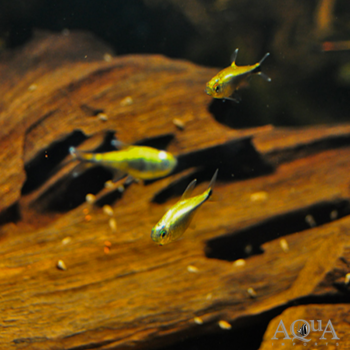
$2.99
The Gold or Brass Tetra is widespread throughout South America, and is found in a variety of habitat types in the wild, usually in large schools. In the aquarium, they are hardy and adaptable, making a great and vividly colored community fish. Their metallic gold pigmentation is actually caused by a harmless parasite that they are exposed to in the wild, which means that tank or pond raised specimens are usually dull in appearance and lack their namesake gold coloration. Like most small schooling tetras, Gold Tetras are best kept in groups of 10 or more, and will usually school with other similarly sized tetras. Our fish are wild collected, colorful, and carefully acclimated – a great addition to planted or nano aquariums.
-
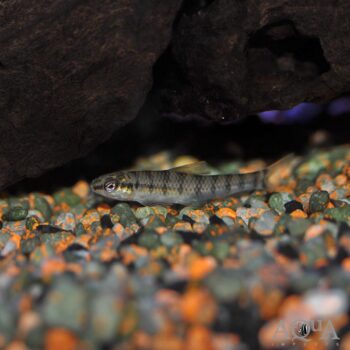
$4.99 – $6.99Price range: $4.99 through $6.99
One of many species of similar looking, tiny characins found throughout much of South America, the Banded Darter Characin (Characidium cf. fasciatum) makes a fascinating resident for nano or biotope themed aquariums. As their name suggests, these fish have a reduced swim bladder and spend most of their time perched on or just above the substrate, “darting” instead of actively swimming in most cases similar to a goby or blenny. In the wild they inhabit a variety of habitats but are usually found in areas with moderate to fast current and prefer well oxygenated water. A hardy and interesting fish, they are social and should be kept in groups.
-
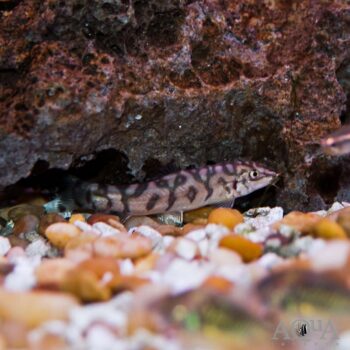
$4.99 – $6.99Price range: $4.99 through $6.99
A longtime aquarium hobby favorite, the Yo Yo Loach is so named for the intricate pattern found on juvenile fish which appears to spell out the word “yo yo” along its sides. Also known as the Lohachata Botia or the Pakistani Loach, the species originates from streams in India, Bangladesh, and possibly Nepal, although wild specimens are rarely exported. Like most loaches, it is a social fish, and requires a group of at least 5 fish to thrive in captivity. A hardy, active, and attractively patterned species, they are generally peaceful toward most tankmates and make for excellent snail control in a planted or aquascaped aquarium (so should not be kept with snails or any small invertebrates).
-
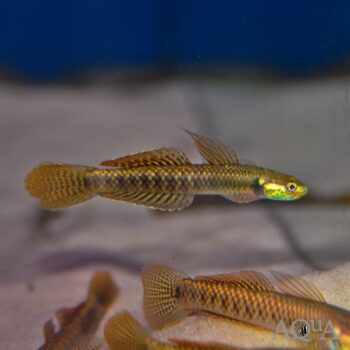
$13.99
One of the more brilliantly colored gobies in the genus Stiphodon, the Red Rainbow or Red Neon Goby originates from fast moving rocky streams throughout the island of Sumatra, Indonesia. In the wild, it lives in small groups where individual fish stake out their own territories among the rocks. They feed on algae growth and biofilms in the wild and in the aquarium should be fed algae or vegetable based sinking foods (gel diets are ideal). They require clean, well-oxygenated water with some current and will do best at slightly cooler temperatures than most tropical fish (74-76F).
-
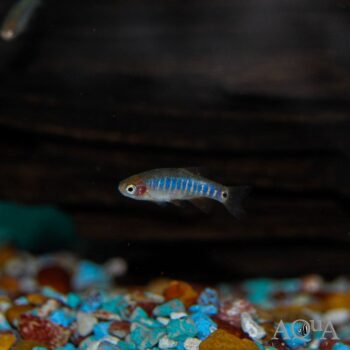
$5.49
A popular and attractively marked dwarf cyprinid, the Emerald Dwarf Rasbora is technically not a rasbora at all despite its common name and is in fact a member of the Danio family. Found in the clear, vegetation-rich waters of Inle Lake in Myanmar, the species is considered threatened in the wild although it is bred on a large scale in Indonesia and elsewhere for the aquarium trade. With their tiny adult size and attractive banded pattern, they are a popular species among nano and planted tank hobbyists and make for an impressive display when kept in a group. A schooling, social species, they should be kept in groups of at least 5 fish (10 or more is ideal) and tankmates should be chosen with caution as they may spook this small and somewhat shy fish.
-
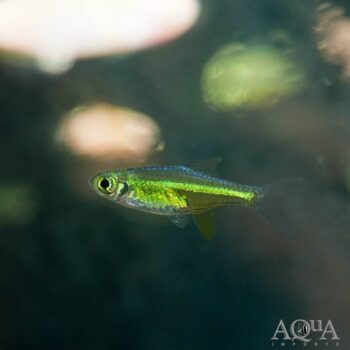
$6.99
A brilliantly colored and actively schooling “micro” rasbora found throughout parts of Indonesia, the Kubotai or Neon Green Rasbora makes an ideal addition to a small to medium sized community aquarium or planted tank. In the wild, they inhabit slow moving streams and creeks with sandy substrate and clear waters, usually among aquatic plants or fallen branches. A hardy and adaptable fish in the aquarium, they are popular with aquascapers due to their small adult size, active nature, and brilliant coloration. Like most schooling rasboras, they are best kept in groups of 10 or more and will thrive with most similarly-sized peaceful tankmates. Darker substrate, somewhat subdued lighting, and plenty of cover in the aquarium will help bring out their most vibrant green coloration.
-
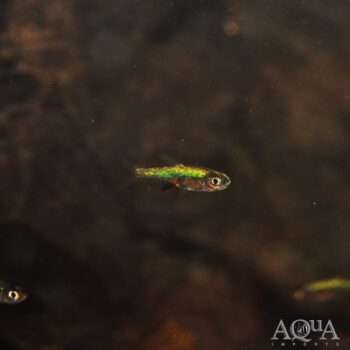
$5.49
An ideal fish for nano aquariums, the Green Axelrodi Rasbora is found in warm, acidic, shallow waters throughout the island of Borneo. With their iridescent green color and peaceful, active nature, they are extremely popular in the hobby and a favorite with planted tank hobbyists. In the aquarium, they will do best when kept in warm, slightly soft water and require excellent water quality to thrive. Like most rasboras, they will do best in a group of 10 or more fish.
-
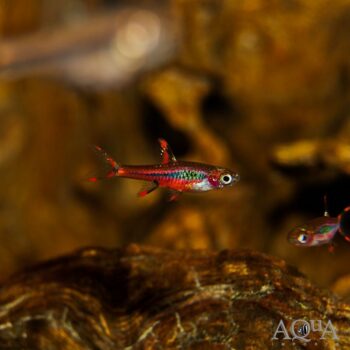
$4.99
An ideal fish for nano aquariums, the Chili, Mosquito, or Brigittae Rasbora is found in warm, acidic, shallow waters throughout the island of Borneo. With their vibrant red color and peaceful, active nature, they are extremely popular in the hobby and a favorite with planted tank hobbyists. Typically found in true blackwater swamps and creeks, this dwarf rasbora will do best and display optimal color and behavior when provided with an environment similar to their wild habitat, and will benefit from the addition of some tannins from Catappa Leaves or similar botanicals. Although records of the fish exist from Malaysia, Peninsular Thailand, and other parts of Southeast Asia it is likely these fish are close relatives such as Boraras merah and this species is often misidentified in the trade. In the aquarium, they are hardy and will generally thrive under a wide range of conditions but will exhibit their best color if kept in warm, slightly soft water and in groups of at least 10. With their small adult size, larger or fast moving tankmates should be avoided but they will thrive with most small peaceful fish and invertebrates.
-
$2.59 – $3.49Price range: $2.59 through $3.49
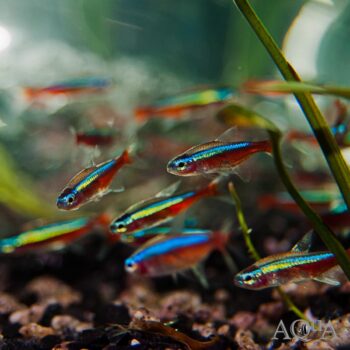
One of the most popular and instantly recognizable freshwater aquarium fish, the Cardinal Tetra originates from the dark, acidic waters of the Negro and Orinoco River basins in Brazil, Colombia, and Venezuela. In the wild, they are often found in large aggregations of hundreds to thousands of individual fish alongside other tetra species in very shallow waters, but the species is now widely bred in captivity and will adapt to a range of conditions in the aquarium. With their vivid red and blue coloration, peaceful demeanor, and schooling behavior, the Cardinal Tetra is one of the best aquarium fish species in the hobby for beginners and experienced hobbyists alike and makes for an impressive display in a large group, Best kept in groups of at least 10 or more fish, they will get along with most other peaceful tankmates and will thrive in most setups. Darker substrate, plenty of cover, and a varied high quality diet will ensure the Cardinal Tetra displays their most vivid coloration in the aquarium.
-
$39.99
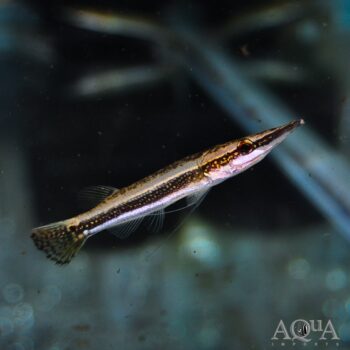
An unusual predatory species, the Peppermint Pikehead or Pikehead Crocodile Fish is a medium growing relative of the gouramis from shallow blackwater creeks and swamps throughout Borneo and Sumatra. In the wild, they tend to sit nearly motionless near the water’s surface, usually in heavily vegetated areas, where they wait for smaller fish to eat. In the aquarium, they are generally hardy but will do best in warm, slightly soft water with plenty of cover, especially near the surface. Although they will rarely bother tankmates, any fish or invertebrate small enough to be prey will quickly be eaten.
-
$399.99
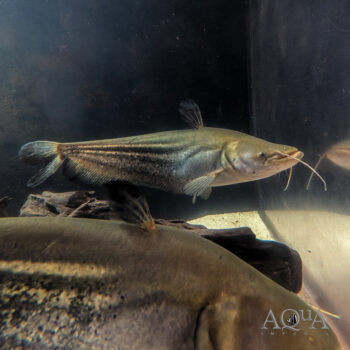
An enormous predatory catfish from the rivers of Southeast Asia, the Striped Wallago Catfish (Wallagonia leerii) is a true monster fish and an important food fish species throughout its native habitat. Relatively hardy and undemanding, their main requirement in the aquarium is ample space for a fish that can grow to over 6 feet in size. Realistically only a heated pond or enormous custom aquarium can house this species for life. Although generally not aggressive with comparably-sized tankmates, they will attempt to swallow fish nearly their own size.
-
$29.99 – $79.99Price range: $29.99 through $79.99
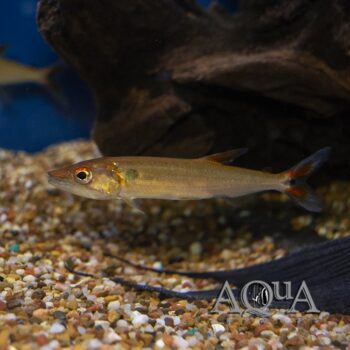
A fast-moving predatory characin, the Redtail Barracuda is commonly found in small groups in shallow water in the wild, where they hunt for shoals of smaller fish like tetras. In the aquarium, they can be skittish fish, especially at first, and will do best with some cover in the form of floating plants or driftwood close to the surface. They are best kept in groups of 3 or more, and will school with other larger characins. Primarily a live fish eater, they will usually require live food but can be weaned onto frozen or prepared diets over time.
-
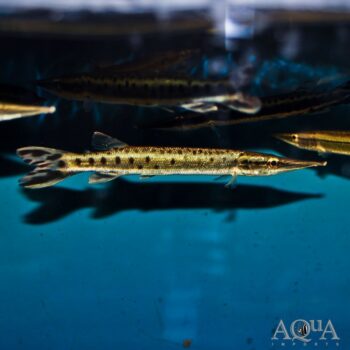
$22.99 – $49.99Price range: $22.99 through $49.99
A unique predatory characin found throughout much of the Amazon Basin, the Marble Gar is commonly found in small groups at the surface of shallow water in the wild, where they hunt for shoals of smaller fish and insects. In the aquarium, they can be skittish fish, especially at first, and will do best with some cover in the form of floating plants or driftwood close to the surface. They are best kept in groups of 3 or more, and will school with other larger characins. Primarily a live fish eater, they will usually require live food but can be weaned onto frozen or prepared diets over time.
-
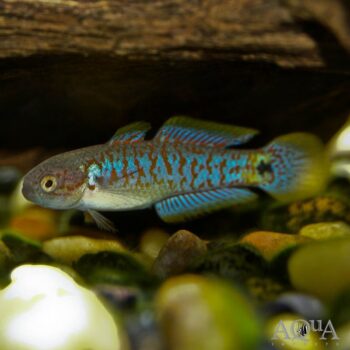
$11.99 – $15.99Price range: $11.99 through $15.99
One of the most beautifully marked of all freshwater gobies, the Peacock Gudgeon originates from rainforest streams in Papua New Guinea but is now commercially bred for the aquarium trade all over the world. In the wild, they are found in loose aggregations or pairs in warm, clear water areas of low to moderate current. With their small adult size and peaceful nature, they are a popular species for nano and planted aquariums and will do well under a range of conditions. Juveniles typically do well in groups but adults can become aggressive with one another and do best in pairs. This species can be relatively shy at first and prefers ample cover in the form of plants, driftwood, and other hardscape materials.
Approximate purchase size: 0.75 – 1″
-

$29.99 – $99.99Price range: $29.99 through $99.99
An attractive, medium-sized South American Cichlid, the Inca Stone Fish is found in somewhat remote areas of the middle and upper Rio Ucayali in Peru. Superficially similar to the well-known Gold Saum and Green Terrors in the genus Andinoacara, these cichlids are unique enough to have been placed in their own genus, named for the Quechuan language word for the vast Inca empire, “Tahuanitsuyo” or “Tahuanitsuyu”. In the wild, they inhabit rocky, fast moving waters and are a hardy and adaptable species in the aquarium. With a maximum size of just under 6″, they are much smaller than some of their close relatives and a pair will generally be comfortable in a medium sized aquarium. Although they will breed in the aquarium, they can be challenging to spawn and remain an uncommon species in the aquarium hobby.
-
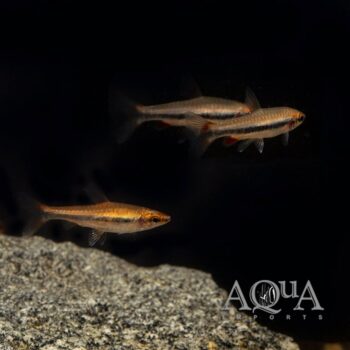
$4.49
The Red form of the popular Beckford’s or Golden Pencilfish is a selectively bred strain which has been developed by breeders over generations to give the fish a vibrant red coloration. One of the hardiest pencilfish, they are well-suited for a peaceful community aquarium and are popular with aquascapers and planted tank hobbyists due to their color and interesting behavior. With their small adult size, they also make a great fish for nano aquariums as well. In the aquarium, they are relatively easy to care for, but care should be taken to ensure larger or faster moving tankmates don’t outcompete them for food. Like most small schooling fish they are best kept in groups of 10 or more.
-
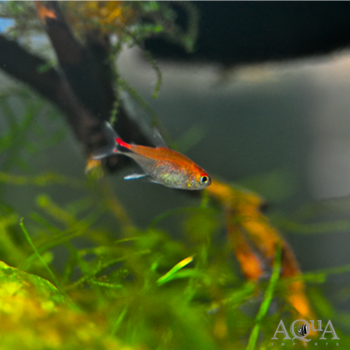
$2.99
A stunning dwarf tetra found in Colombia’s Rio Meta drainage, the Ruby Tetra lives up to its name, exhibiting a deep red coloration throughout its entire body. With an adult size of only 1″, they are an ideal nano aquarium fish and are deservedly popular with planted aquarium hobbyists as well. Best kept in schools of 5 or more, the Ruby Tetra is an active and hardy fish which will display their best color in a large group an when kept in ideal water conditions.
End of content
End of content