Blue Croaking Tetra (Mimiagoniates microlepis)
Price range: $9.99 through $84.99Product description coming soon.
Select options
This product has multiple variants. The options may be chosen on the product page

Showing 1676–1700 of 1981 resultsSorted by latest

Product description coming soon.
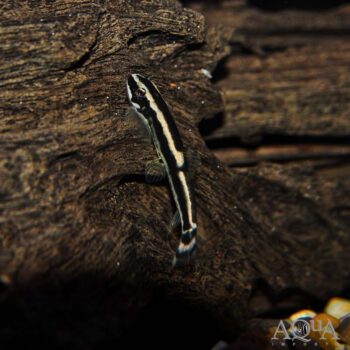
The Gold Line Panda Loach is variant of the popular Panda Loach, exhibiting a unique striped pattern. This small species originating from cool, fast flowing streams in Southern China is an algae grazer and scavenger. They will do best in an aquarium with some current and ample rocks or driftwood for cover and grazing surfaces. Although they will adapt to warmer temperatures for a time they will do best at cooler temperatures (68-75) long term.
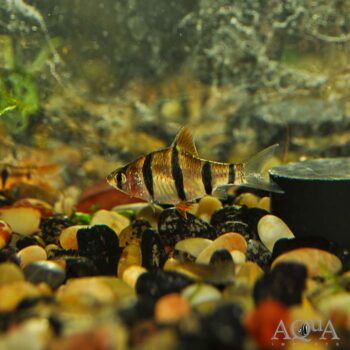
A peaceful, small schooling barb originating in the acidic, blackwater streams and swamps of Borneo, the Five Banded Barb makes an attractive display fish for a medium sized community or aquascaped tank. Active and hardy, they are found in large groups in the wild and should be kept in groups of at least 5 in the aquarium. Unlike their similar relative the Tiger Barb, this species is peaceful and not prone to nip fins, and should be kept with similarly peaceful fish.
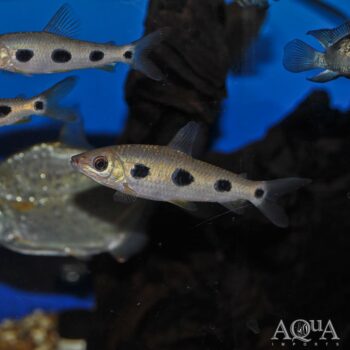
Product description coming soon.
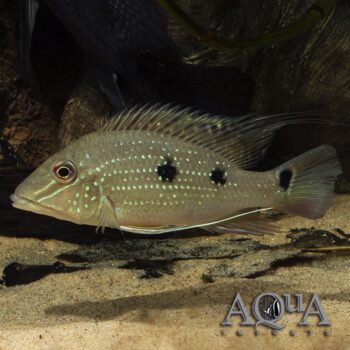
A stunning large growing and peaceful cichlid found throughout many of the blackwater tributaries of the Rio Orinoco and Rio Negro in Colombia and Brazil, the Three Spot or Demon Eartheater is among the most striking fish in its family. Like all eartheaters, they are adapted to ingest mouthfuls of fine sand substrate and sift out small food items like insect larvae and crustaceans. In the aquarium, they tend to do best in groups and will coexist with a variety of similarly peaceful cichlids or other fish species, and they are generally safe even with much smaller fish. These fish are exclusively found in acidic waters in the wild and generally do best in soft, warm water (pH 6.5 or below, temperatures of 80 ) and appreciate the addition of tannins to their water by way of botanicals like Indian Almond Leaves or similar.
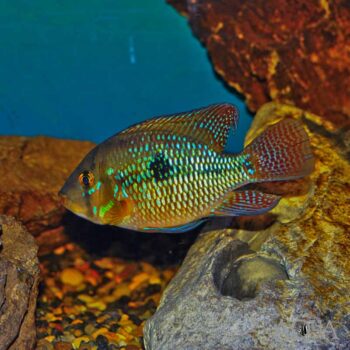
One of the larger growing South American Eartheaters, the Pearl Eartheater or Pearl Cichlid originates from waters all along coastal Brazil where it is found in a wide variety of habitat types. With adults displaying spectacular blue spotting, it has been a favorite in the hobby for many years and is now bred commercially on a large scale. Unlike many of the other eartheaters, it is a fairly aggressive and territorial fish and will do best with equally aggressive or non-cichlid tankmates. Less of a substrate-sifter than most species of Geophagus, it will thrive in most aquariums provided the tank is large enough.
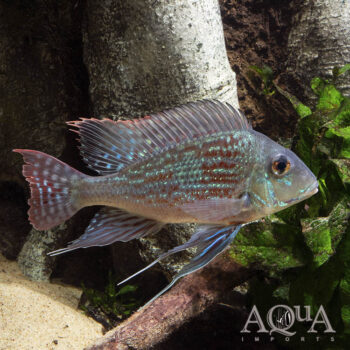
A spectacularly colored eartheater found only in a few river systems in Southern Brazil, the Sveni Eartheater is considered part of the ‘Surinamensis’ complex of closely-related species which are found throughout most of South America. With intense blue, red, and green coloration and long, flowing ventral fin streamers, the variant of Geophagus sveni from Brazil’s Rio Parana is one of, if not the most beautiful and sought after of all eartheaters in the hobby. This species was once an extremely rare import as a wild fish but are now bred on a fairly large scale to supply the hobby worldwide. A relatively peaceful cichlid, the Sveni Eartheater is best kept in groups in an aquarium with fine sand substrate so they can exhibit their natural sand sifting behavior. A varied diet rich in quality proteins and high in red color enhancers like astaxanthin will ensure they develop their most vibrant coloration in the aquarium.
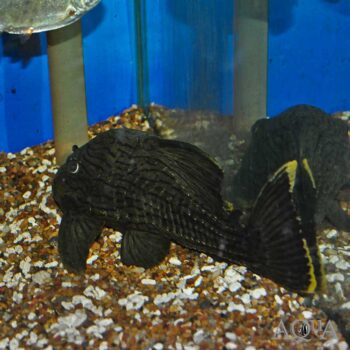
A rarely seen and, as the name implies, a huge growing species of Panaque, the Titan Pleco or Titan Panaque is found in upper tributaries of the Eastern Amazon in Ecuador and Colombia (possibly Peru). A robust and relatively hardy fish, they primarily inhabit fast-moving whitewater stretches of river and prefer well-oxygenated water with some current in the aquarium. Like all Panaque species, it is a specialized wood eater and requires driftwood in its diet. They should also be offered a variety of other foods, including fresh veggies and specialty diets like Repashy’s xylivore formula gel diet.
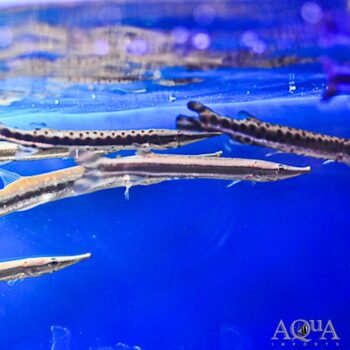
A unique predatory characin found throughout the Rio Negro and Orinoco, the Striped Pike Characin or Striped “Gar” is commonly found in small groups at the surface of shallow water in the wild, where they hunt for shoals of smaller fish and insects. In the aquarium, they can be skittish fish, especially at first, and will do best with some cover in the form of floating plants or driftwood close to the surface. They are best kept in groups of 3 or more, and will school with other larger characins. Primarily a live fish eater, they will usually require live food at first but can be weaned onto frozen or prepared diets over time.
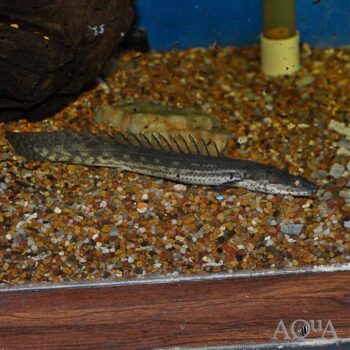
The Lapradei Bichir is a widespread species, found in various slow-moving shallow water habitats in much of lowland tropical West Africa. A large growing and robust species, this Bichir is capable of reaching sizes of over 30″ in the wild. Polypterus lapradei is one of several so-called “lower jaw” group of Polypterus, so named for their distinctive heavy lower jaw that protrude over the upper lip. In the aquarium, they are hardy and undemanding like most bichir species, but should be kept with a tight-fitting and possibly weighted lid as they will attempt to jump if spooked or at night.
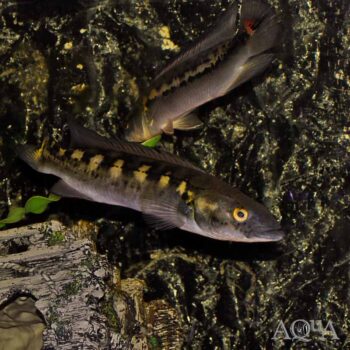
A large, heavy-bodied Pike Cichlid found throughout parts of the middle Amazon and its tributaries in Brazil, the Marbled Pike Cichlid is a powerful, aggressive and predatory species. In the wild, they tend to be found in shallow, clear water defending territories around fallen logs or areas of aquatic vegetation. Care in the aquarium is similar to other large Pike Cichlids, with soft, clean, well-oxygenated water and moderate to strong current required for the fish to remain in optimal condition. As one of the most aggressive members of the genus Crenicichla, tankmates should be chosen with extreme care, and other cichlids (including conspecifics) are usually not tolerated. Populations from different regions tend to show some variation in pattern and color, and those from the Tapajos and Trombetas are generally considered the most colorful and sought after.
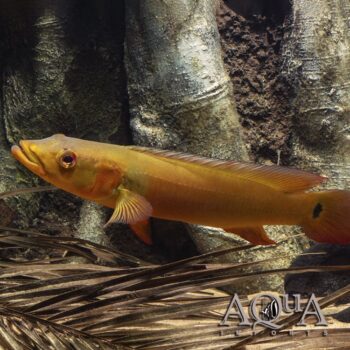
A rare and spectacularly colored Pike Cichlid known only from Brazil’s Rio Tapajos, this large growing cichlid inhabits warm, clear waters with moderate current in the wild. A member of the so-called ‘lugubris’ group of Pikes, the Tapajos Red or Tapajos I pike display vivid red coloration as adults. Like most of their relatives, they are predatory and extremely aggressive, especially towards other cichlids. In the aquarium, they require plenty of space and clean, well-oxygenated water with some current. Although some hobbyists have successfully kept them in groups or pairs in extremely large tanks, maintaining these fish (even a male/female pair) together long term is challenging and requires careful observation.
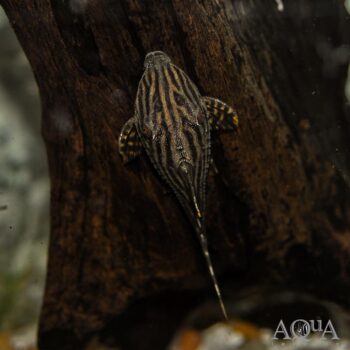
The L190 or Orinoco Royal Pleco (Panaque nigrolineatus) is a large growing species of Panaque and probably the most commonly seen of the several species and variants known as Royal Plecos in the trade. Found in the Orinoco basin in Colombia and Venezuela, this distinctively marked pleco inhabits acidic water with moderate to fast flow. Like all species in the genus Panaque they are wood eaters by nature, and should be offered plenty of driftwood in the aquarium. Specialized diets like Repashy’s xylivore formula gel premix or Sera Catfish Chips are ideal for this species.
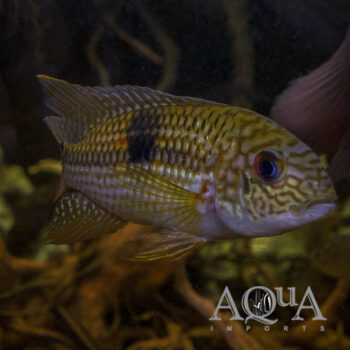
The Peru Diadema Cichlid, or Royal Acara, is a colorful, medium-sized cichlid found in the Peruvian Amazon in a wide variety of habitat types. A hardy and colorful fish, they are fairly aggressive for their small adult size and are best kept with larger cichlids or dither species like silver dollars or other large characins. They make a great addition to a large cichlid community aquarium.
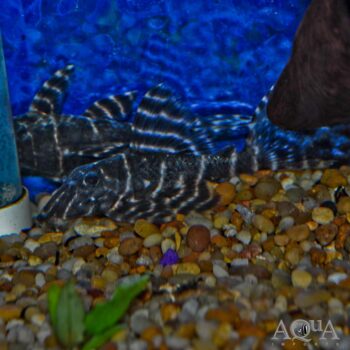
A beautiful pleco found in the Ucayali and Maranon river drainages in Peru, the Flash or Emperor is a relatively small species with a maximum adult size of 5″. Hardy and undemanding, the L204 is not an algae eater by nature but more than makes up for it with their striking striped pattern and distinctive lyretail. They should be fed a varied diet high in protein.
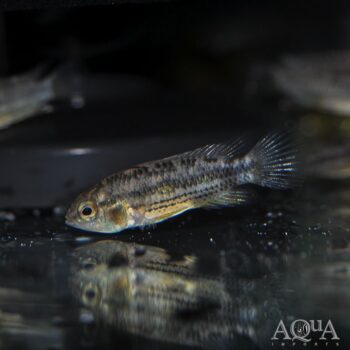
One of the most popular dwarf cichlids in the hobby, Apistgramma cacatuoides (also known as the Cockatoo Dwarf Cichlid) is an attractive and interesting addition to smaller community aquarium. They have been bred in the hobby for decades, resulting in a number of color morphs and strains. A widespread fish in the Amazon Basin, they have a number of wild color forms as well corresponding to different catch locations. These fish originate from the Rio Nanay in Peru. A hardy and relatively peaceful species, they are ideal for smaller aquariums and do best with ample cover in the form of plants, driftwood, and small caves.
Note on wild-collected Apistogramma sp.:
While we will make our best efforts to select male/female pairs for customer orders, sexing small- and medium-sized wild Apistogramma is not always exact and we do not guarantee a particular sex ratio. We recommend buying these fish in larger groups if a particular ratio of males to females is desired.
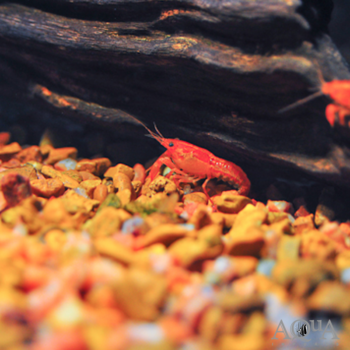
The Mexican Dwarf Orange Crayfish (or CPO as they are sometimes abbreviated in the hobby) is a selectively bred form of a tiny, naturally-occurring dwarf species originating from crater lakes in Central Mexico. While the wild form of this crustacean is normally an unremarkable grey or brown, this form has become extremely popular in the hobby due to its vibrant orange coloration. Ideal for planted or nano aquariums, they are plant and fish safe, and unlikely to harm any tankmates including other invertebrates although individuals may spar over territories. As a scavenger, they will feed readily on most frozen or prepared sinking diets.
Prohibited in some areas – check local and state regulations before purchasing
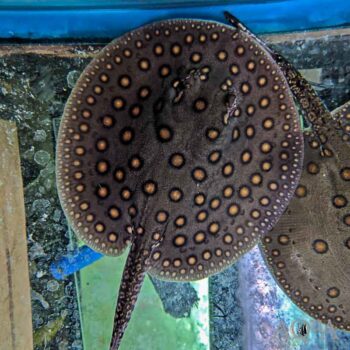
One of the most widespread species of freshwater ray in the world, the Motoro or Ocellated River Ray can be found in almost every major river basin in South America, and rays from different geographical regions often show variations in color and pattern. The Peru “Orange Spot” Motoro is found in the Rio Ucayali in Peru and display a distinctly colorful and high-contrast pattern of bright orange spots surrounded by deep black rings. Although they grow to a fairly large size, Motoro Stingrays are generally considered to be the best “starter ray” for hobbyists looking to keep freshwater stingrays (although they are by no means a fish for beginners). Like all freshwater rays, they require perfect water quality, large, frequent water changes, and a very large aquarium. Recently imported rays may take some time to wean off live foods but will readily accept chopped earthworms or nightcrawlers right away.
Illegal in: AZ, AR, CA, FL, GA, HI, MS, NV, OK, TX and UT
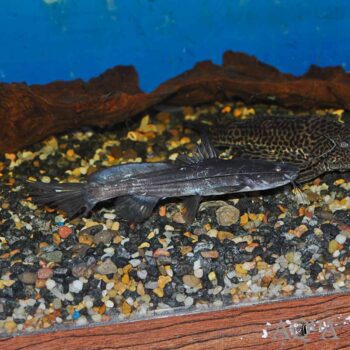
A rarely seen catfish found in parts of Borneo, Indonesia, very little is known about the Dragon or Rooster Catfish in the wild. In the aquarium, it appears to be hardy and undemanding, and with a maximum size of about 8″ it is very suitable for medium to large tanks. With their unmistakable long, flowing tail and active nature they make for a unique and showy addition to any medium/large fish community.
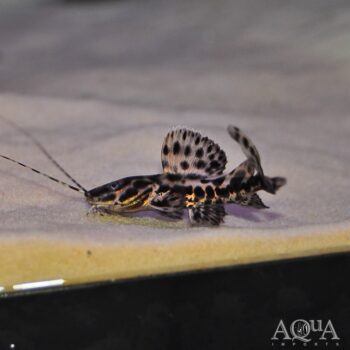
A large-growing, active, and beautifully marked catfish, The Marble Sailfin Cat originates in the Peruvian Amazon. With their distinctive spotted pattern, impressive dorsal fin, and extremely long barbels, they are a beautiful and active fish in the aquarium. With an adult size of around 24-28″ and need for plenty of open swimming space however, this species will require an enormous aquarium or pond as an adult. Tankmates should be chosen with care as they will eat any fish small enough to fit in their huge mouths.
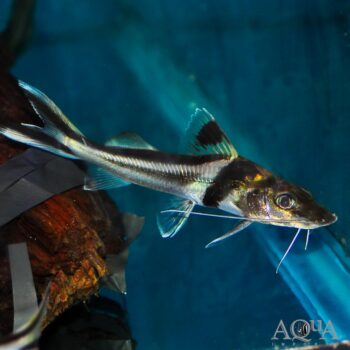
A larger-growing cousin of the popular, well-known Spotted Pictus, the Ornate Pim Catfish is found throughout much of the Amazon and its tributaries but is uncommon in the hobby. With its distinctive black and white banding, silver base, and striped pattern, they are a beautiful and extremely active fish in the aquarium. With a maximum size of around 12″, they are much more manageable as adult fish than many other large growing catfish seen in the trade. Although they are generally peaceful, tankmates should be chosen with care as they will eat any fish small enough to fit in their mouths.
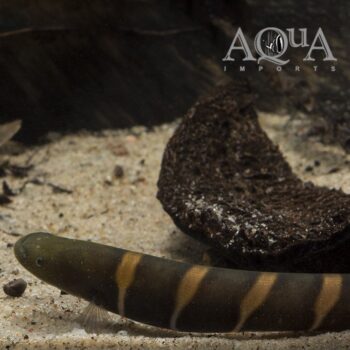
A beautifully marked slender knifefish found throughout much of the Western Amazon and its tributaries, the False Tiger Knifefish or Javari Knifefish is a relatively peaceful species found in acidic, slow-moving shallows. Like most species in the genus Gymnotus, they are secretive, cryptic fish which prefer plenty of cover in the form of driftwood, caves, and leaf litter in the aquarium. They are nocturnal but will learn to come out when fed.
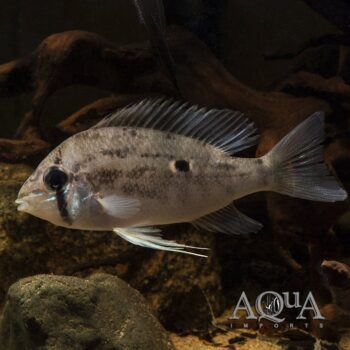
A peaceful medium sized cichlid found throughout the Rio Orinoco and Rio Negro drainages , the Orinoco Dwarf Eartheater (Biotodoma wavrini) is both beautifully marked and uncommonly seen in the hobby. A social species, they tend to do best in groups and will coexist with a variety of similarly peaceful cichlids or other fish species. In the wild, this species inhabits shallow, warm, acidic waters and will do best when kept in similar conditions in the aquarium. A close relative of the more well known species in the genus Geophagus, they will sift through sand looking for food particles and are generally planted tank safe.
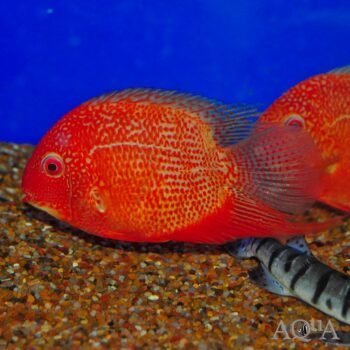
A selectively bred form of the popular Green or Turquoise Severum, the Red Spot Gold or Super Red Severum displays a base orange color with intense red spotting throughout the body and face. They are hardy, large growing and relatively peaceful cichlids but can be aggressive towards others of the same or similar species. Like all severums, they typically do well with most similarly-sized non-cichlid tankmates and in a large enough tank can be kept in groups of 5 or more.
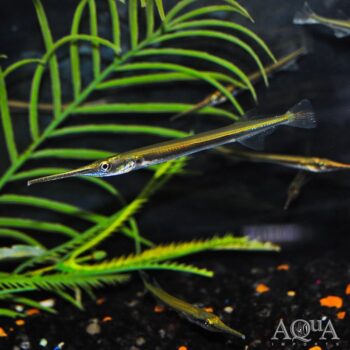
A unique predatory needlefish found throughout fresh and brackish waters across Southeast Asia, The Needle Nose Gar inhabits shallow, quiet streams and smaller rivers, usually in areas with overhanging vegetation. As a highly adapted surface-dwelling predator, they use their long jaws and lightning fast reflexes to capture small fish and insects at the water’s surface. In the aquarium, they require plenty of open space for swimming, floating plants or similar surface cover, and are best kept in groups. Although they can easily adapt to brackish and almost full strength marine conditions, most collected for the trade originate in areas of pure freshwater.
End of content
End of content
No products in the cart.