Showing 1951–1975 of 2362 resultsSorted by latest
-
$99.99 – $129.99Price range: $99.99 through $129.99
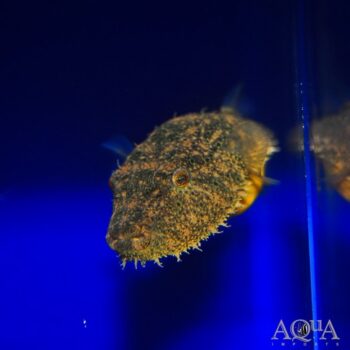
A unique ambush predator found in the Middle Mekong drainage in Thailand, Laos, and possibly Cambodia, the Hairy Puffer gets its name from the ring of small fleshy tassels that surrounds its head. In the wild, they tend to inhabit extremely fast-moving waters, including powerful rapids, but spend most of their time partially buried in substrate where they wait for prey to swim above them. In the aquarium, they are best kept in a species tank as they are likely to attack most tankmates. This species has been successfully kept in pairs and bred in an aquarium setting.
-
$69.99
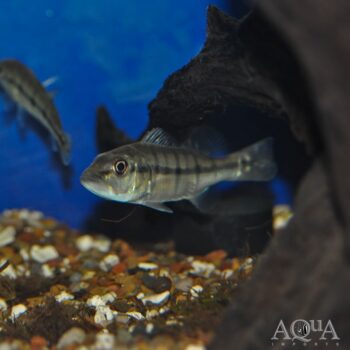
Once rare in the hobby, the Xingu Peacock Bass, as the name implies, originates from fast-flowing waters of the lower Rio Xingu in Brazil, where they are popular food and sport fish. They are now being bred commercially in both Asia and their native Brazil for the trade. Adult C. melaniae are a powerful, heavy-bodied fish which display a vivid, almost uniform yellow coloration with a small horizontal broken bar of black spotting. Like all peacock bass, Xingus require very large aquariums and should only be kept by experienced hobbyists. Xingu Peacock Bass are powerful predators, and will eat any fish that can fit in their large mouths. They are best kept in small groups with similarly sized cichlids although aggression and territoriality can become an issue as they reach maturity.
-
$29.99 – $44.99Price range: $29.99 through $44.99
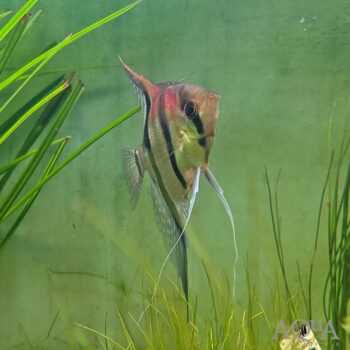
A beautiful and sought after wild type freshwater angel, the Manacapuru Red Head or Red Back Angel is found in the slow moving acidic waters close to where the Rio Negro meets the Amazon in Brazil. The Angels found in this specific locality display vivid red coloration in their face and extending up towards the dorsal fin. This coloration develops more intensely with age and will show best when kept under ideal water parameters, especially in terms of temperature (80F+) and soft, acidic water (pH 6 – 6.5). Like all other freshwater angels, they are best kept in groups when young but will form pairs as adults.
-

$14.99 – $16.99Price range: $14.99 through $16.99
A distinctive line bred form of the common Angel (Pterophyllum scalare), the Panda Angel is a popular variant due to their striking black and white pattern. Like all angels, they do best in a large, tall, planted aquarium with plenty of cover. As a cichlid, they can be moderately aggressive towards one another (especially as adults) but generally do well in a large enough group, usually 5 or more. Most other non-cichlid tankmates will be left alone but they will hunt and eat very small fish or invertebrates. Angels are somewhat sensitive to water quality so care should be taken to avoid large fluctuations in water conditions and partial water changes should be performed regularly.
-
$12.99
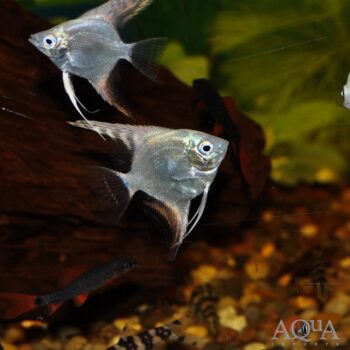
A distinctive line bred form of the common Angel (Pterophyllum scalare), the Platinum Angel is a popular variant due to their uniform bright white coloration. Like all angels, they do best in a large, tall, planted aquarium with plenty of cover. As a cichlid, they can be moderately aggressive towards one another (especially as adults) but generally do well in a large enough group, usually 5 or more. Most other non-cichlid tankmates will be left alone but they will hunt and eat very small fish or invertebrates. Angels are somewhat sensitive to water quality so care should be taken to avoid large fluctuations in water conditions and partial water changes should be performed regularly.
-
$29.99 – $39.99Price range: $29.99 through $39.99
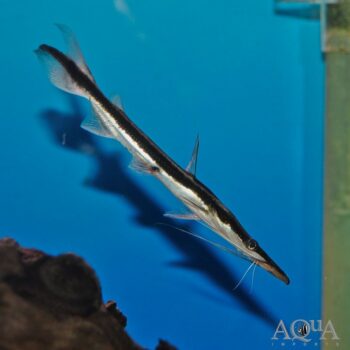
The Lima Shovelnose Catfish (Sorubim lima), also known as the Duckbill Catfish or the Shovelnose Catfish, is native to Peru and other areas of the South American Amazon. A prized oddball predator in the aquarium hobby, the Lima Shovelnose Catfish can grow up to 16″ as an adult and will generally coexist well with other fish large enough to not be considered a meal! They tend to happily accept a varied, protein-rich diet and will appreciate a variety of hiding spaces to inhabit when they aren’t actively swimming in your aquarium.
-
$149.99
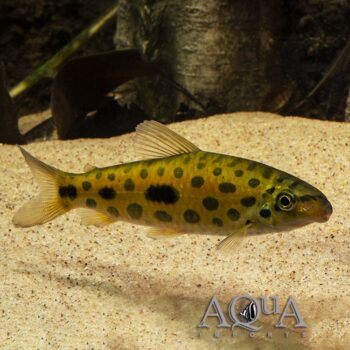
A stunning and extremely rare Anostomid found throughout Guyana, Suriname and possibly Northeastern Brazil, the Jewel Spotted Anostomid or Hypomasticus megalepis is a medium sized, peaceful characin. Like most of their relatives, they are a loosely schooling fish but show little aggression towards conspecifics and unlike many of the more well-known species of Leporinus or Anostomus, they do not have a tendency to nip fins. This species has a relatively small, somewhat delicate mouth for their size and prefers smaller food items like sinking granules or frozen bloodworms.
-
$199.99 – $289.99Price range: $199.99 through $289.99
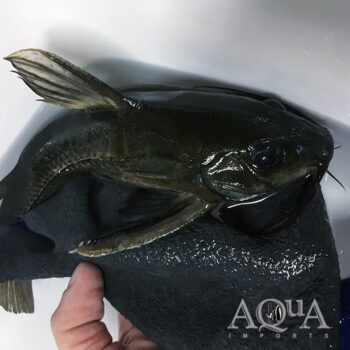
A rare Doradid catfish found in the lower Marowijne River in Suriname, the Small Scute or Shalllow Scute Doradid Catfish is typically found on sandy substrate in moderate to slow moving waters. With their heavily armored bodies and sharp pectoral spines, they have few natural predators and are a relatively bold species. Like most of their close relatives, they are a peaceful catfish and feed primarily on small insects, mollusks, and crustaceans in the wild. In the aquarium they are peaceful toward nearly all tankmates and will typically not be bothered by larger, aggressive fish.
-
$74.99
A medium – growing cichlid found throughout much of the Guiana Shield drainages, Krobia guianensis is attractively marked and fairly peaceful, making them ideal for a mixed species South American Cichlid community. A hardy and undemanding fish, they prefer soft, acidic water but are adaptable in the aquarium.
-
$89.99 – $229.99Price range: $89.99 through $229.99
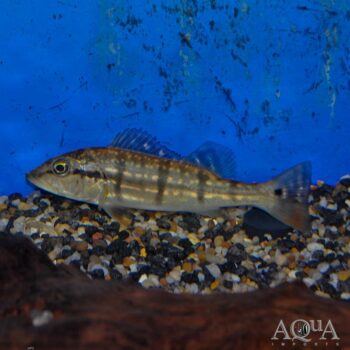
A large, beautifully marked, and sought after species of Peacock Bass, Cichla temensis is found in warm blackwater rivers throughout the Orinoco, Amazon, and Guiana Shield regions. In its native range, it is an important food fish, and its huge adult size and predatory nature make them suitable for only huge aquariums. These fish are powerful swimmers and need ample open space in the aquarium (which should also be tightly covered, as they can easily jump). An impressive show fish for the experienced hobbyist. The rarely imported fish found in Suriname are known for their vivid spotting and deep red coloration around the gills.
-
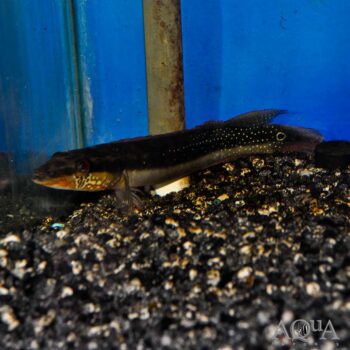
$169.99
The most attractively marked of all the Pike Cichlids found in Suriname and Guyana waters, the Multipsinosa or Suriname Flame Pike is a medium growing species in the Lugubria group of pike cichlids. An elongated and current-loving pike, they display noticeable sexual dimorphism with males exhibiting intense spangling. Females develop deep red coloration along the gill plates and ventral surface. In the aquarium, they are a moderately aggressive pike and can be kept in groups successfully in a sufficiently large tank with plenty of cover.
-
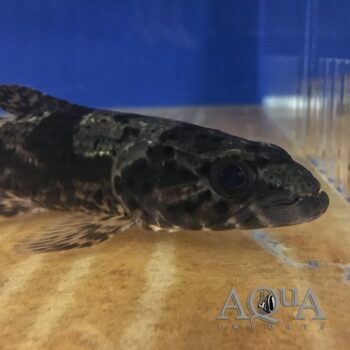
$299.99 – $359.99Price range: $299.99 through $359.99
The largest species of Wolf Fish and one of the most impressive predatory fish available in the aquarium hobby, the Aimara or Giant Wolf Fish is a fierce predator suitable only for the largest aquariums – perhaps more appropriately indoor ponds. Found throughout much of the Orinoco Basin, and Guiana Shield, these fish are powerful fish eaters which use their prominent sharp teeth to grab hold of prey. Despite their bulky appearance, Aimara Wolf Fish are fast swimmers and should be given ample swimming room (and a strong, tight-fitting cover). They are adaptable and generally hardy in the aquarium so long as good water quality is maintained. Due to their enormous adult size and predatory nature, these fish are only recommended for experienced hobbyists with the means to adequately house this species long term. Specimens from Suriname tend to be darker overall and have a reputation for extreme aggression.
-
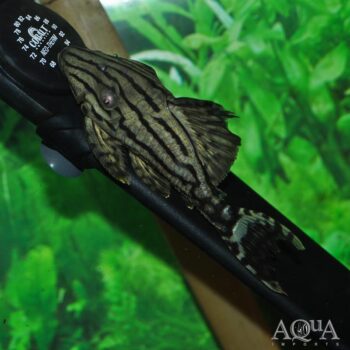
$27.99 – $674.99Price range: $27.99 through $674.99
The L191 or Dull Eyed Royal Pleco is a large growing Panaque and one of the more common varieties of what are collectively known as Royal Plecos in the trade. Widespread in Colombia and Venezuela, these plecos are typically collected in the Rio Meta and Caqueta basins in areas with acidic water with moderate to fast flow. Like all species in the genus Panaque they are wood eaters by nature, and should be offered plenty of driftwood in the aquarium. Specialized diets like Repashy’s xylivore formula gel premix or Sera Catfish Chips are ideal for this species.
-
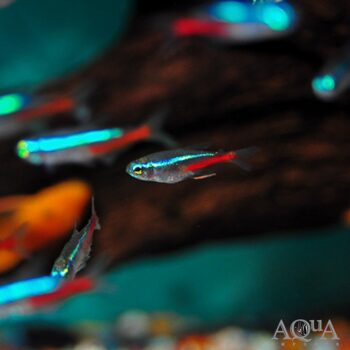
$2.59 – $2.99Price range: $2.59 through $2.99
One of the most popular and instantly recognizable freshwater aquarium fish, the Neon Tetra originates from the waters of the Rio Ucayali in Peru, where they tend to inhabit shallow clear or white water streams in large shoals. Given their worldwide popularity, this species has been farmed on a massive scale in Asia, Europe, and the US for decades now and wild fish are relatively rare in the hobby. With their vivid red and blue coloration, peaceful demeanor, and schooling behavior they are one of the best aquarium fish species in the hobby for beginners and experienced hobbyists alike. Best kept in groups of 10 or more fish, they will get along with most other peaceful tankmates and will thrive in most setups.
-
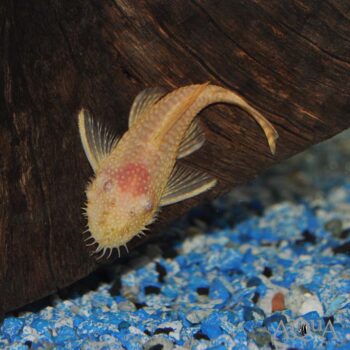
$6.49 – $29.99Price range: $6.49 through $29.99
The albino form of the Common Bristlenose or Bushynose Pleco (Ancistrus sp.) is a popular aquarium species due to its vivid white/gold coloration, relatively small adult size, and usefulness in keeping nuisance algae under control. Hardy, adaptable, and peaceful towards most tankmates, these fish are ideal aquarium inhabitants, grazing on diatom algae while still being safe with live plants. While this species will readily graze on algae in the aquarium, their diet should be supplemented with fresh veggies and high quality foods like Repashy gel diet or Fluval Bug Bites Pleco formula.
-
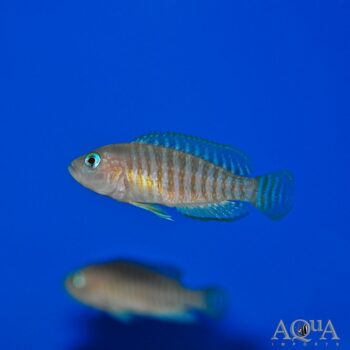
$10.99 – $14.99Price range: $10.99 through $14.99
One of the most popular of the shell-dwelling species of small cichlids found in Africa’s Lake Tanganyika, the Multi Shell Dweller makes for a unique display fish due to their vivid pattern and bold, fascinating behavior. In the wild, these dwarf cichlids inhabit dense fields of empty snail shells at the bottom of the lake, where each fish will stake a territory in an individual shell and defend it from others. In the aquarium, they are hardy and adaptable but prefer alkaline water and should be provided with shells or similar structure for them to establish territories in.
-
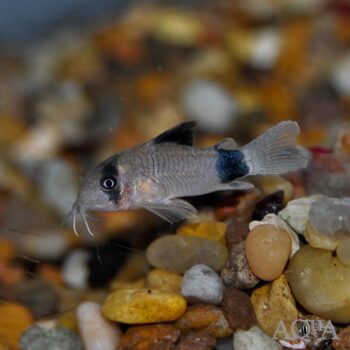
$6.99 – $7.49Price range: $6.99 through $7.49
One of the most popular of all the species of Cory Cats in the hobby, the Panda Cory originates from the waters of the Rio Ucayali in Peru but is now bred on a large scale for the aquarium trade so wild specimens are rare. Small, active, and with an unmistakable pattern, Panda Corys are ideal for nearly any small to medium peaceful community aquarium. Like most Corydoras, they are an active schooling species that will do best in a group of at least 5 fish. Peaceful and hardy, they prefer a fine sand substrate, well-oxygenated water and temperatures in the 75-80F range.
-
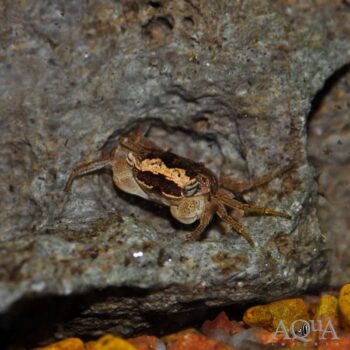
$14.99
Product description coming soon
-
$8.99
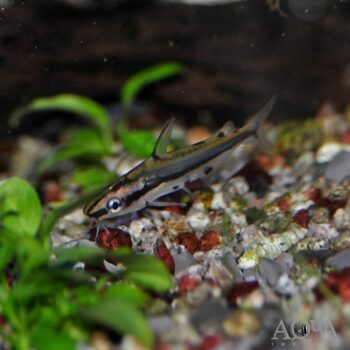
A unique schooling catfish found in the acidic blackwater streams of Borneo and Sumatra in Indonesia, the Shadow Catfish is a small-growing and peaceful species well suited for aquarium life. They prefer slightly soft water but are otherwise hardy and undemanding in the aquarium. Best kept in groups of 6 or more, these catfish will readily accept most prepared foods and are peaceful towards all tankmates.
-
$5.99
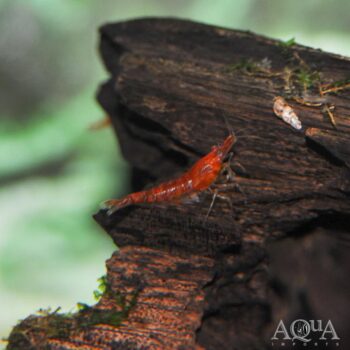
The Red Fire Shrimp is a selectively bred form of Neocaridina shrimp very similar to the popular and common Red Cherry Shrimp. Like the Red Cherries, they are remarkably hardy and adaptable, excellent shrimp for beginners. Red Fire Shrimp have a uniform deep red body coloration.
-
Sale!
$79.99 – $119.99Price range: $79.99 through $119.99
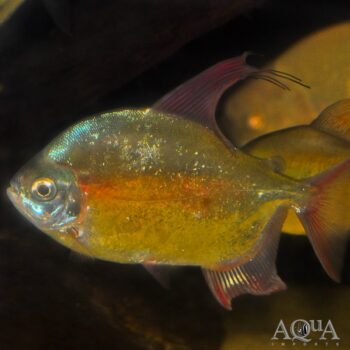
A rarely seen species of Myleus (commonly referred to as Silver Dollars in the trade), the Sailfin Red Hook or Myleus setiger originates in the rivers and streams of Guyana and Suriname. It has only rarely been seen in the aquarium hobby, but adults develop extremely elongated, deep red dorsal and anal fins as well as a reticulated or blotchy pattern on the body. These tank-bred specimens from Asia are a new and rare offering.
-
$14.99 – $22.99Price range: $14.99 through $22.99
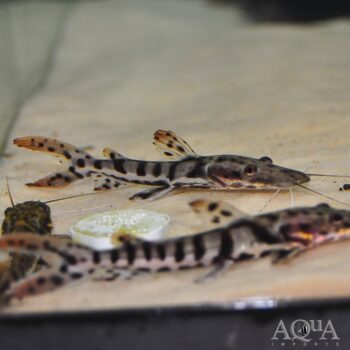
One of the largest growing catfish species of the Amazon Basin, the Tiger Shovelnose is an important food fish throughout its range and has been a favorite in the aquarium hobby for decades despite its huge adult size. In the aquarium, they are fairly easy to care for but keep in mind they will attempt to eat anything they can fit in their surprisingly large mouths. Juvenile fish grow extremely quickly so to realistically keep these fish long term a massive aquarium or ideally an indoor pond is necessary.
-
$4.49
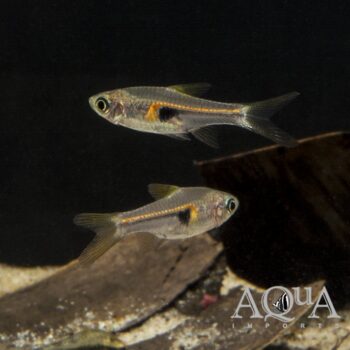
A colorful and actively schooling Rasbora found throughout parts of Indonesia, the Hengeli or Glowlight Rasbora makes an ideal addition to a small to medium sized community aquarium or planted tank. In the wild, they inhabit slow moving streams and creeks with sandy substrate and soft, acidic and often tannin-stained waters, usually among aquatic plants or fallen branches. A hardy and adaptable fish in the aquarium, they are popular with aquascapers due to their small adult size, active nature, and distinctive markings. Like most schooling rasboras, they are best kept in groups of 10 or more and will thrive with most similarly-sized peaceful tankmates.
-
$3.99
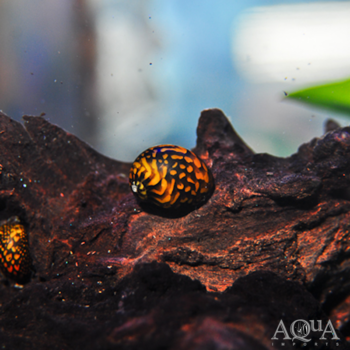
The Batik or variegated Nerite Snail is one of the more attractively patterned species in the genus Neritina and is found in a wide range of brackish to pure freshwater habitats in Indonesia and the Indo-Pacific. Like most Nerite snails, they are extremely popular in the aquarium hobby due to their voracious appetite for nuisance algae, including diatoms and filamentous algae. They are plant safe and great addition to any freshwater aquarium, paludarium, or aquascaped/planted tank. These snails can not reproduce successfully without brackish water and therefore will not overpopulate the aquarium.
-
$89.99
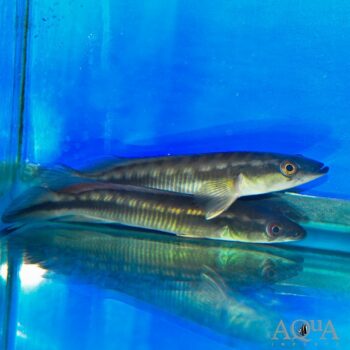
The Red Fin or Johanna Pike is a large growing species found throughout much of the Amazon basin, where it tends to inhabit soft, acidic waters. Like many large Pike Cichlids, they are territorial and can be aggressive towards tankmates so any other fish in the aquarium should be chosen with care. With their large adult size and outgoing nature, they make excellent subjects for a species tank or in a suitably large display with other South American cichlids. The Rio Negro locale is among the most vividly colored variants, exhibiting a striking pattern of red bars as adults.
End of content
End of content