Showing 1876–1900 of 2362 resultsSorted by latest
-
$44.99
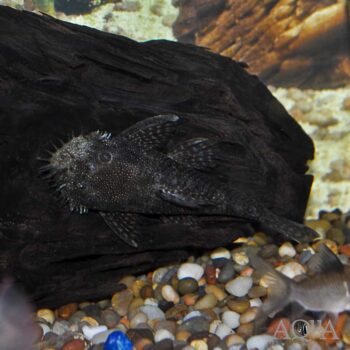
An attractively marked species of Ancistrus found in the Tocantins and Araguaia Rivers in Southeastern Brazil, A. aguaboensis inhabits rocky, relatively fast moving waters in the wild and is distinguished from other fish in the genus by its uniform, attractive pattern of white spots. most other bristlenose plecos, they are hardy and easy to care for. This species is easy to sex and will reproduce in the aquarium, with males displaying much larger and more pronounced bristles along the nose and face.
-
$89.99
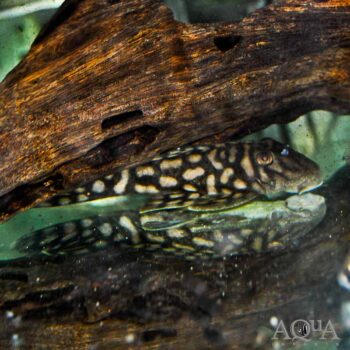
A rare and distinctively marked pleco from Brazil’s fast-flowing Rio Xingu, the L354 or Big Spot Polka Dot Pleco inhabits rocky shallows in the wild. Like most plecos from this river, they prefer warm, soft, well-oxygenated water. In the aquarium, they should be given plenty of shelter in the form of rocks, caves, or driftwood. A peaceful species, they will typically get along well in groups.
-
$39.99 – $229.99Price range: $39.99 through $229.99
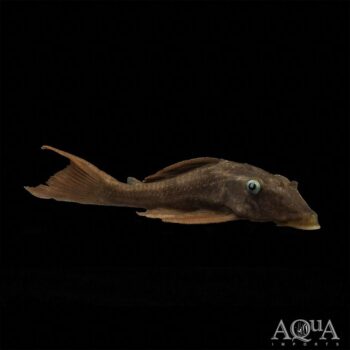
A colorful, medium growing Hypostomus species found in the clear waters of Brazil’s Rio Tapajos, the L137 or Blue Eyed Red Fin Pleco makes an excellent aquarium fish for a large community or predator aquarium. Like most of their close relatives, they will graze on nuisance algae and should be given a varied diet including fresh vegetables and prepared foods.
-
$29.99 – $69.99Price range: $29.99 through $69.99
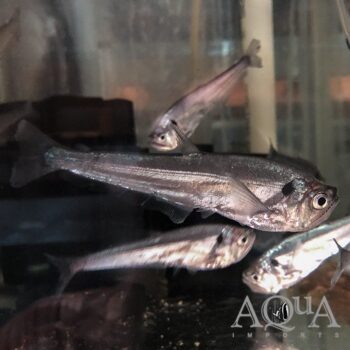
A smaller growing relative of the Payara or Sabertooth Barracudas found throughout much of South America, the Snub Nosed Payara is a highly adapted predator typically found in waters with moderate to strong current. With their unique, flattened body shape, they spend most of their time hanging motionless against the direction of the water flow, waiting for prey to drift by. They use lightning-fast reflexes and their namesake saber-like teeth to grab hold of their prey, which can be fish up to half their own size. In the aquarium, payara often require live foods – at least at first – and do best in well-oxygenated water with plenty of water movement.
-
$7.99 – $11.99Price range: $7.99 through $11.99
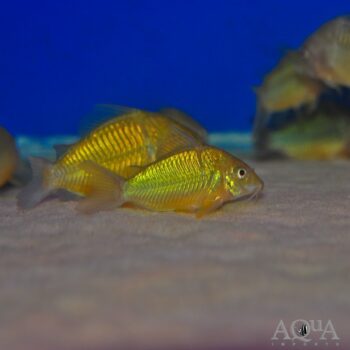
A large growing and colorful armored catfish, the Emerald Cory or Emerald Brochis has a wide range throughout much of the Amazon basin. Like most cory catfish, they are peaceful, hardy, and best kept in groups due to their schooling nature. Because of their larger adult size than most of their relatives, this species makes for great bottom feeders or dithers in aquariums with medium South or Central American Cichlids or other predatory fish which aren’t large enough to try to make a meal of them.
-
$3.99
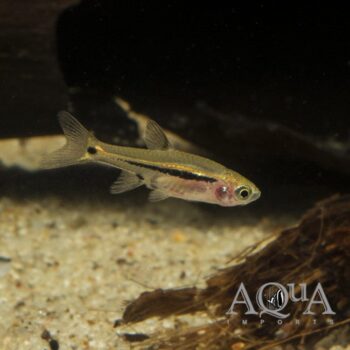
A unique and actively schooling “micro” Rasbora found throughout Southern Thailand, the Exclamation Point or Least Rasbora makes an ideal addition to a nano aquarium or planted tank. In the wild, they inhabit slow moving streams and creeks with sandy substrate and soft, acidic and often tannin-stained waters, usually among aquatic plants or fallen branches. A hardy and adaptable fish in the aquarium, they are popular with aquascapers due to their small adult size, active nature, and distinctive markings. Like most schooling rasboras, they are best kept in groups of 10 or more and will thrive with most similarly-sized peaceful tankmates.
-
$19.99
Product description coming soon
-
$34.99
Product description coming soon
-
$39.99
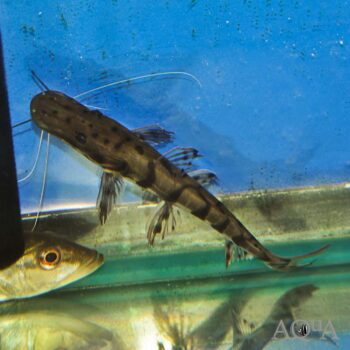
Product description coming soon
-

$5.99
A less common and strikingly patterned relative of the popular Siamese Algae Eater, C. reticulatus originates from the streams and rivers of Southeast Asia but is now bred commercially for the aquarium trade. Like their close relatives, the Reticulated Siamese Algae Eater is an active, medium-sized social fish that feeds on a variety of common nuisance algae species in the aquarium. They will graze on diatom algae films on glass and decor as well as the difficult to eradicate black hair or black beard algae. Best kept in groups of 6 or more, they are live plant safe and hardy additions to most medium to large community aquariums.
-
$4.99 – $5.99Price range: $4.99 through $5.99
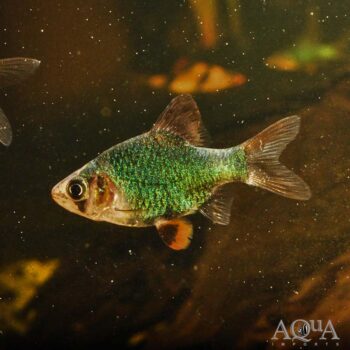
A classic aquarium fish and one of the most popular species in the hobby, the Tiger Barb is an attractive, fast-moving schooling fish best kept in groups of 5 or more. They can be considered a semi-aggressive fish but typically if kept in a large enough group they will ignore other tankmates. A hardy and adaptable fish, the Tiger Barb makes an excellent addition to most medium to large community aquariums and a great dither fish for many Central and South American Cichlids. The “Green” variant is a selectively bred strain that displays a unique green body coloration instead of the typical black stripes.
-
$3.99 – $4.99Price range: $3.99 through $4.99
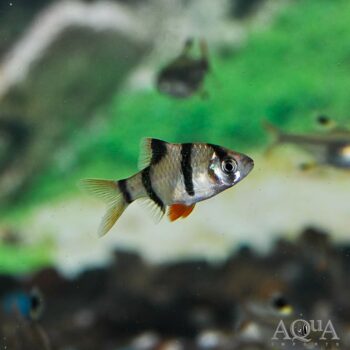
A classic aquarium fish and one of the most popular species in the hobby, the Tiger Barb is an attractive, fast-moving schooling fish best kept in groups of 5 or more. They can be considered a semi-aggressive fish but typically if kept in a large enough group they will ignore other tankmates. A hardy and adaptable fish, the Tiger Barb makes an excellent addition to most medium to large community aquariums and a great dither fish for many Central and South American Cichlids.
-
$17.49 – $19.99Price range: $17.49 through $19.99
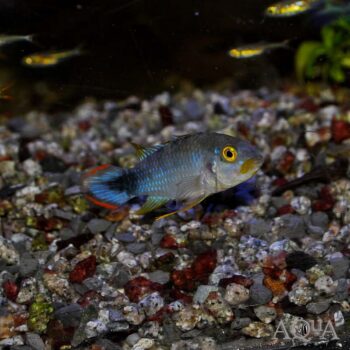
The Panduro or Pandurini Apisto is one of the more attractively colored Dwarf Cichlids in the hobby, with mature males displaying a unique sky blue coloration. A hardy and relatively peaceful species, they are ideal for smaller aquariums and do best with ample cover in the form of plants, driftwood, and small caves.
Note on wild-collected Apistogramma sp.:
While we will make our best efforts to select male/female pairs for customer orders, sexing small- and medium-sized wild Apistogramma is not always exact and we do not guarantee a particular sex ratio. We recommend buying these fish in larger groups if a particular ratio of males to females is desired.
-
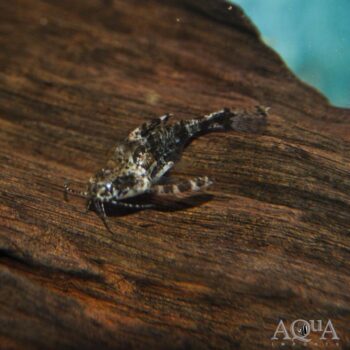
$12.99
One of the smallest species of catfish known, the Pygmy Talking Catfish is a unique and uncommonly imported Doradid found throughout the middle Amazon and Essequibo basins. In the wild, they are a cryptic species which inhabits leaf litter and driftwood piles in warm, extremely shallow water. In the aquarium, they are a hardy and unusual addition to a nano or small fish community aquarium. A scavenger and opportunistic feeder, they will accept most sinking frozen and prepared foods for very small fish.
-
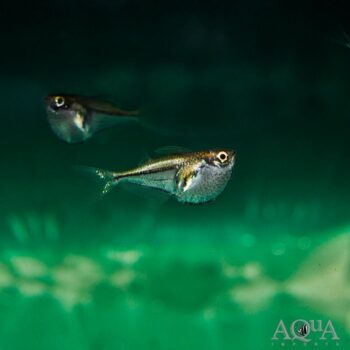
$7.49
The smallest species of Hatchet and a unique addition to a specialty community or aquascaped tank, the Myersi Pygmy Hatchet is primarily found in slow moving shallow waters in the Peruvian Amazon. In the wild, they tend to inhabit clear, warm, slightly acidic water and unlike other hatchet species spend much of their time below the surface mid water column. A social, schooling fish, they will do best in groups of 5 (ideally 8-10) or more in the aquarium and require excellent water quality and peaceful tankmates.
-

$84.99 – $89.99Price range: $84.99 through $89.99
One of the largest and most impressive plecos, Acanthicus adonis is found throughout much of the middle Amazon and Tocantins river basins in South America. With their heavy armor, sharp spines, and huge adult size, this pleco is a true monster fish and adults are suitable only for the largest aquariums. They are slow growers however, often taking years to reach a significant size. The rare Albino form of this pleco is occasionally seen in the wild but has also been captive bred in Asia. The white spots on normal colored specimens display yellow in Albinos.
-
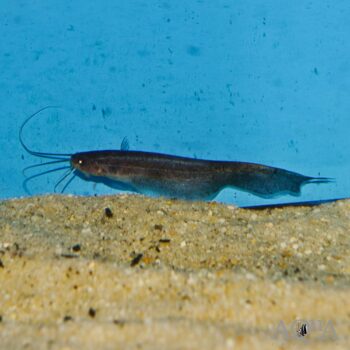
$24.99
A rare, cryptic catfish or sheathfish found throughout parts of Southeast Asia, the Haeelt’s Leaf Catfish or Asian Leaf Cat inhabits slow moving stretches of river and blackwater swamps in parts of Java, Peninsular Malaysia, and possibly Singapore. Little is known of their habits in the wild, but they mimic fallen leaves and appear to be primarily nocturnal. In the aquarium, they prefer soft, acidic water and will do best in a setup designed to mimic their wild habitat. A shy species, they will do best with other shy or slow-moving tankmates as they can easily be outcompeted for food by fast or aggressive fish.
-
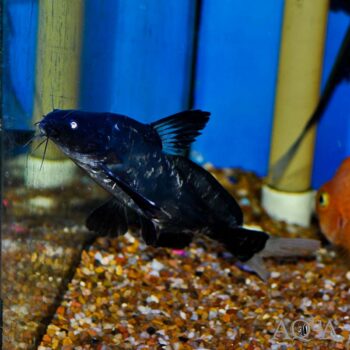
$39.99 – $119.99Price range: $39.99 through $119.99
A striking, large predatory catfish, the Black Lancer is known from moderate to slow-moving large rivers in Sumatra. In the aquarium, they can be shy at first but will become more outgoing over time and if provided with enough cover. Although they will eat smaller fish, they typically will not bother fish too big to be eaten and can be kept in groups in an appropriately large aquarium.
-
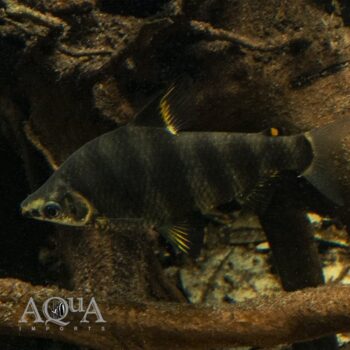
$9.99
A unique, larger growing characin found throughout much of the Amazon basin, the Marbled or Abramites Headstander is an active schooling fish that makes for an impressive display in a medium to large aquarium. These relatives to the more common Spotted Headstanders are a fast swimming fish that are usually found in areas of fast to moderate current with lots of cover in the form of driftwood or overhanging vegetation. In the aquarium, they will do best in groups of 5 or more (smaller groups will be prone to nipping at each other) and when kept with other similarly sized, fast moving fish. They make an ideal dither fish for medium to large South American Cichlids and have the added benefit of grazing on nuisance hair algae on rocks or decor.
-
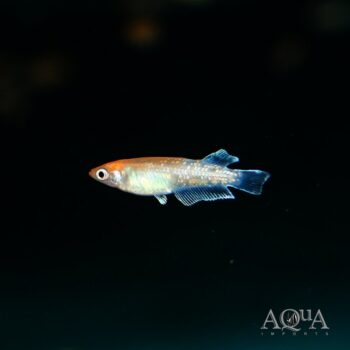
$14.99
A recently developed and vibrantly colored form of the common ricefish or medaka, the Orange Koi Medaka displays a base white coloration with orange around the head and dorsal surface. Like most ricefish, they are a very hardy fish and will do well in most aquariums. The species is an egg layer but will readily breed in the aquarium under good conditions.
-
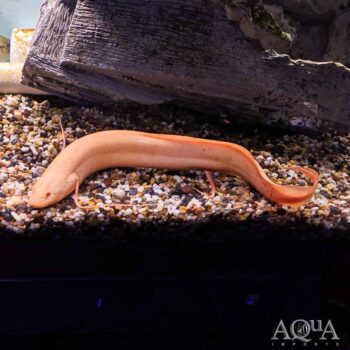
$669.99 – $699.99Price range: $669.99 through $699.99
A huge-growing and beautifully marked fish found throughout much of Sub-Saharan Africa, the Marbled or Leopard Lungfish is a member of the familiy Lepidosirenidae, an ancient lineage of fish that extends back almost 100 million years. In the wild, these fish inhabit all kinds of aquatic habitat, from shallow swamps to rivers but generally prefer calm, slow-moving waters alongside aquatic or emergent vegetation. Named for their unique, lung-like organ that allows them to breathe atmospheric air, lungfish are able to survive in water with essentially no dissolved oxygen and even long periods of drought. Juvenile lungfish feed largely on insect larvae, while adults are omnivorous, feeding on crustaceans, snails, freshwater clams, and generally anything else they can fit in their large, powerful jaws. In the aquarium, they are a hardy and adaptable species but should ideally be kept alone or with very fast-moving tankmates as they are likely to take bites out of other fish. Extremely rare albino specimens are encountered once in a great while in the wild, where apparently the lack of pigment does not interfere much with their survival as they are typically found in murky, low-visibility environments.
-
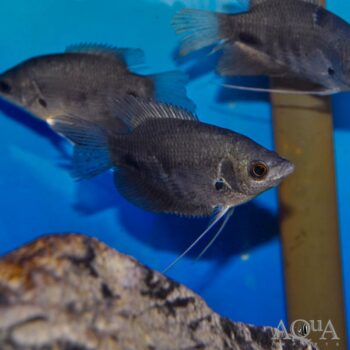
$39.99 – $129.99Price range: $39.99 through $129.99
The Red Tail Giant Gourami is a less common species of Giant Gourami which develops striking red caudal and dorsal fins as it matures. As a true giant, it lives up to its name, reaching an adult size of over 20″ in many cases. Despite their large size, they are typically gentle giants, and are extremely personable “pet” fish that will beg for food and often learn to recognize their owners. They are hardy and undemanding but will need a suitably large tank to be kept successfully. In the wild, much of their diet consists of fruit and they will happily accept treats like strawberries and grapes in the aquarium.
-
$124.99
Product description coming soon.
-
$59.99 – $69.99Price range: $59.99 through $69.99
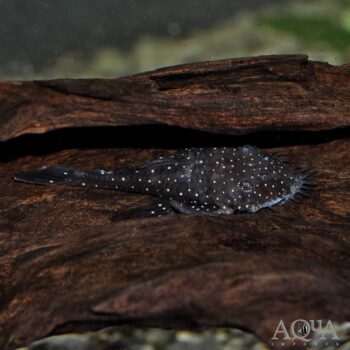
A colorful and uniquely-shaped Loricariid, the L255 Spotted Medusa Pleco is distinguished from similar species by the bright white spots covering most of the body. Like its close relative the L034, it is found in the clear, fast-moving waters of the Xingu in Brazil where it inhabits rocky shallows. In the aquarium, they prefer clean, well-oxygenated water and ample hiding places in the form of rocks, driftwood, or caves. Although both males and females have extensive bristles on the nose, mature males are easy to distinguish as the bristles grow to a huge size. An omnivore by nature, they will readily accept veggies, sinking prepared foods like Fluval Bug Bites Pleco formula, or Repashy Gel Diet.
-
$49.99
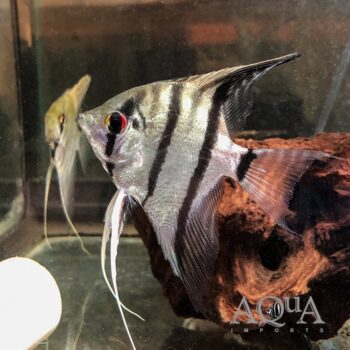
A rarely seen and distinctive regional variant of freshwater Angelfish, P. scalare from the lower Tapajos river in Brazil is also called by the trade name “Tapajos Altum” or “Santarem Altum” although it is not the true Altum Angel from the Orinoco basin of Colombia and Venezuela. This variant is known for its particularly tall fins and unusual pattern of bars. A beautiful and unique fish, they prefer warm, soft, acidic water and are relatively undemanding in the aquarium.
End of content
End of content