Showing 176–200 of 449 resultsSorted by latest
-

$44.99
An unusual, medium-growing Plotosid catfish found throughout coastal Australia and Oceania, the Shortfin Papuan Eel Catfish gets its common name from its extremely elongated, eel-like body. Like most of its relatives it is a hardy, but shy aquarium resident. Although they may eat smaller fish, they are peaceful towards most tankmates too large to be a meal.
-
$109.99 – $149.99Price range: $109.99 through $149.99
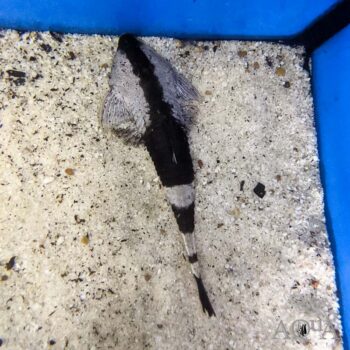
The ”False” Chameleon Loricaria originates from the upper Rio Nanay in Peru and is closely related to the similar looking Pseudohemiodon apithanos, which is found in the Caqueta basin in Colombia and Ecuador. This still undescribed species tends to be more reddish brown and their stress pattern typically includes a distinct black dorsal stripe. Like their close relatives, the False Chameleon Loricaria is typically found in shallow, sandy stretches of river with moderate to strong current, often in groups. In the aquarium, they prefer moderate to high water movement and large open areas of sand substrate. In the wild, they graze on biofilm, algae, small crustaceans and insect larvae and should be fed a varied diet with plenty of proteins such as Repashy Bottom Scratcher or Igapo Explorer gel diet or Fluval Bug Bites pleco formula. They can be territorial with each other so provide plenty of space for each individual fish.
-
$14.99
Adistinctively marked and uncommonly imported relative of the common Otocinclus, the Longnose Peppermint Oto is known from the lower Rio Negro and its tributaries in the Brazilian Amazon, where it spends most of its time grazing on submerged driftwood and vegetation. An ideal algae eater for most community or planted aquariums, they will eat filamented algae and diatoms from most surfaces, including the aquarium glass. Like most of their close relatives, they are social fish, best kept in groups.
-
Sale!
$24.99 Original price was: $24.99.$21.99Current price is: $21.99.
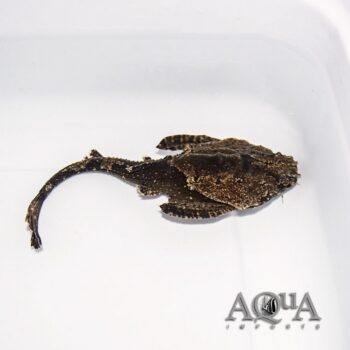
An uncommonly imported relative of the more well-known Banjo Catfish, the Humpback Banjo Catfish is a unique, high backed species found throughout parts of the middle Amazon and its tributaries. Like B. coracoideus, it makes an excellent aquarium species due to its peaceful demeanor and small adult size. The Humpback Banjo Catfish inhabits shallow, warm stretches of slow-moving waters and areas of flooded forest in the wild. Their unique body shape and coloration acts as highly effective camouflage in the submerged leaf litter where they are typically found. In the aquarium, this species is hardy and undemanding, although they can be slow to find food and may be outcompeted by fast-moving or aggressive feeding tankmates.
-
$139.99 – $299.99Price range: $139.99 through $299.99
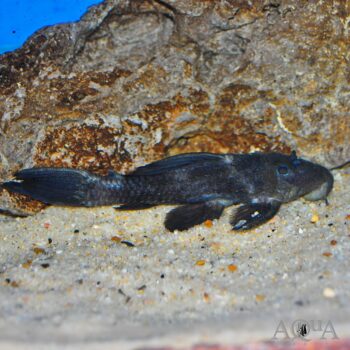
A large growing and impressive armored pleco known from Brazil’s Rio Tocantins, the L064 Ghost Cactus Pleco inhabits deeper stretches of rocky, fast-moving waters in the wild. Like most of its close relatives in the genus Pseudacanthicus , it is a somewhat territorial fish, and primarily a carnivore which prefers protein rich foods. Due to their large adult size and fairly active nature, the Ghost Cactus Pleco requires a large aquarium with cover in the form of driftwood, rock work or caves and will do best in well-oxygenated water with moderate to strong current.
-
$39.99 – $119.99Price range: $39.99 through $119.99
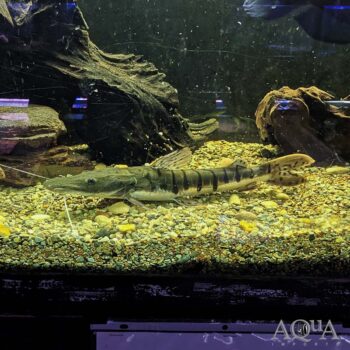
One of the largest growing catfish species of the Amazon Basin, the Tiger Shovelnose (Pseudoplatystoma fasciatum) is an important food fish throughout its range and has been a favorite in the aquarium hobby for decades despite its huge adult size. In the aquarium, they are fairly easy to care for but keep in mind they will attempt to eat anything they can fit in their surprisingly large mouths. Juvenile fish grow extremely quickly so to realistically keep these fish long term a massive aquarium or ideally an indoor pond is necessary.
-
$39.99 – $59.99Price range: $39.99 through $59.99
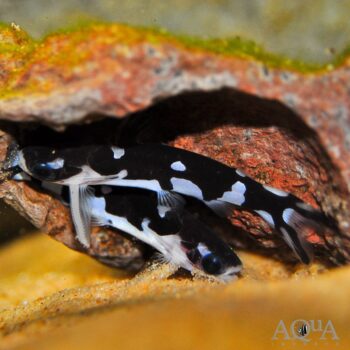
A beautifully patterned dwarf woodcat named for its distinctive black-and-white coloration, the Orca Woodcat is a cryptic species which spends most of the daylight hours hidden within driftwood, leaf litter, or submerged logs. Known from middle Amazon tributaries in Brazil, this species is similar to (and has in the past been confused with) the Ninja Woodcat (C. musaica) but can be distinguished by heavier white spotting throughout the body. In the aquarium they are a hardy species and have been bred successfully, but should be kept only with similarly small and peaceful tankmates as they can easily be outcompeted for food.
-
$159.99 – $329.99Price range: $159.99 through $329.99
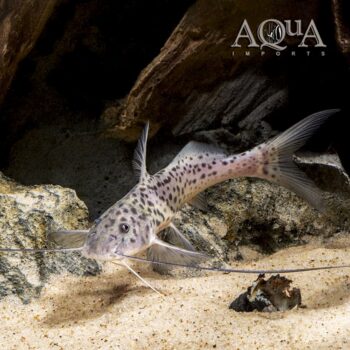
The Bolt Catfish or Jelly Band Catfish is a beautifully marked, active swimming fish known from the middle and upper Amazon and its tributaries in Peru and Ecuador. A resident of open, typically fast-moving waters in the wild, this catfish spends much of its time swimming actively and exploring its surroundings searching out prey with its long sensitive barbels. An aggressive and somewhat territorial fish, the Bolt Catfish will harass and attack conspecifics and similar-looking fish, especially catfish but will generally leave other fast tankmates too large to be eaten alone. As an adult, this fish will require a sizeable aquarium with plenty of open swimming space and moderate to strong current but makes for a unique display fish due to its active nature and attractive purple, yellow, and silver coloration.
-
$12.99
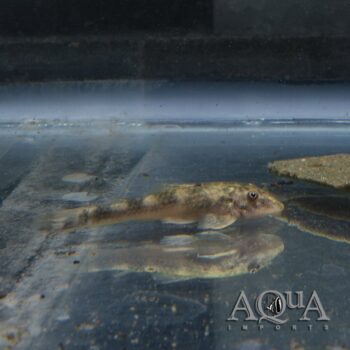
Once common in the aquarium hobby, the LDA025 Pitbull Pleco or Goby Pleco is a unique dwarf species of Loricariid found in rivers and streams in Eastern Brazil. In the wild it is similar to the more well-known Otocinclus, living in large groups and grazing on algae and biofilm which makes it an ideal algae control fish for most aquariums. Peaceful, hardy, and active, the Pitbull Pleco is deservedly popular if much less common in the hobby as it once was. This species should be kept in groups of at least three and will do best in an aquarium with plenty of cover in the form of live plants, rockwork, and driftwood.
-
$13.99
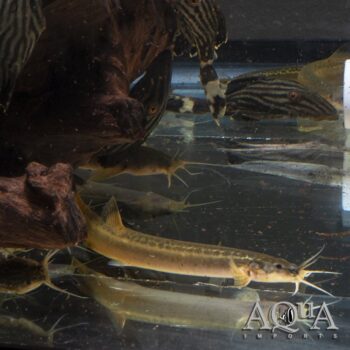
An unusual and rarely imported eel-like catfish, the ″Capitan″ Pencil Catfish originates from the waters of the Rio San Juan in the Choco region of Colombia. Part of a fairly diverse family of similar-looking catfish (Trichomycteridae) found throughout most of South America, this particular species is peaceful and active, and appears to prefer living in loose schools. A voracious omnivore, they will accept any frozen or prepared foods offered. Their name comes from the local name for this group of fish ″Capitan″ (captain), and what they called by the supplier upon import.
-
$199.99
A rare and spectacularly patterned catfish known only from certain river systems in Southeastern Brazil, the Jewel Spotted Doradid or Snoring Catfish is a rarity in the aquarium hobby that has only recently been imported into the US. Found in a variety of riverine habitats in Minas Gerais state in Brazil, this species is now captive bred in its native Brazil on a small scale. Hardy and relatively undemanding, juvenile fish tend to be uniformly black in color but will develop large white or pale yellow spots or blotches with an iridescent hue, making for an impressive display fish in the aquarium. Like most medium growing Doradid Cats, they are peaceful towards any tankmates too large to be a meal and should be offered plenty of hiding places.
-
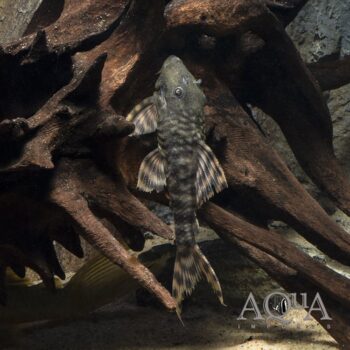
$27.99
An uncommonly imported relative to the more well-known Clown Pleco, the L206 or Spotted Tail Clown Pleco is known from several upper Amazon tributaries like the Ucayali and Marañon in Peru. These somewhat cryptic plecos are usually found in and around sunken trees and large patches of driftwood in the wild. Like its close relatives, it is a wood eater (xylivore) and in the aquarium should be provided with ample driftwood as well as other nutritious sinking foods like Repashy’s xylivore formula gel diet.
-
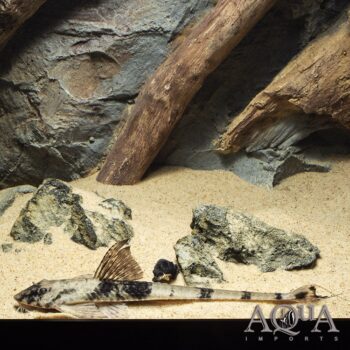
$59.99
The Royal Marbled Whiptail Catfish is a widely distributed species of larger growing Loricariid known from rivers throughout Peru, Colombia, and possibly Brazil. In the wild, they are found on fine sand substrate in areas of open, shallow water and are capable of a good deal of color change to camouflage themselves to their surroundings. Like most similar Loricariids, this species is an omnivore which feeds on invertebrates, biofilm, algae and vegetation and should be fed a varied diet of sinking specialty formulas including gel diets and occasionally fresh veggies. A hardy and unique aquarium fish, they will do best when provided with plenty of open space, warm, soft water and some current.
-
$29.99
A colorful, medium-growing Loricariid known from the Rio Negro, Branco and Solimoes (Amazon) in Brazil, the Leopard or Fine Spot Whiptail remains an elusive and uncommon import in the hobby. In the wild, they are found on fine sand substrate in areas of open, shallow water and are capable of a good deal of color change to camouflage themselves to their surroundings. Like most similar Loricariids, this species is an omnivore which feeds on invertebrates, biofilm, algae and vegetation and should be fed a varied diet of sinking specialty formulas including gel diets and occasionally fresh veggies. A hardy and unique aquarium fish, they will do best when provided with plenty of open space, warm, soft water and some current.
-
$34.99
The Tukano or Bumblebee Cory is a distinctively patterned medium-growing Corydoras from the upper Rio Negro and Uapes in Brazil and Colombia named for the Tukano Tribe, who inhabit the area where they original specimens were collected in Northwestern Brazil.
, the Adolfoi or Adolfo’s Cory is a peaceful shoaling fish often found in large groups in the wild. This species typically inhabits soft, acidic, tannin-stained waters in the wild and will display their best coloration under similar conditions in the aquarium. Hardy and undemanding, this species an excellent and active bottom-dweller for most community tanks. Like most Corydoras they should be kept in groups of at least five fish.
-
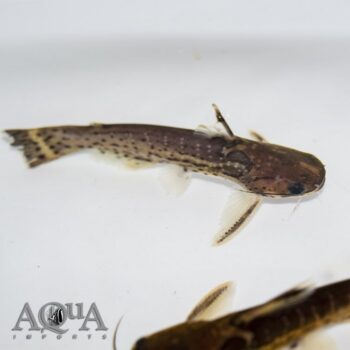
$29.99
An uncommonly imported woodcat or driftwood catfish found throughout much of the middle Amazon and parts of the Orinoco basins, the Spotted Woodcat is a cryptic species which spends most of the daylight hours hidden within driftwood, leaf litter, or submerged logs. At night however, they emerge to feed near the surface where they actively hunt for insects and insect larvae. In the aquarium they are a hardy species and have been bred successfully, but should be kept only with similarly small and peaceful tankmates as they can easily be outcompeted for food.
-
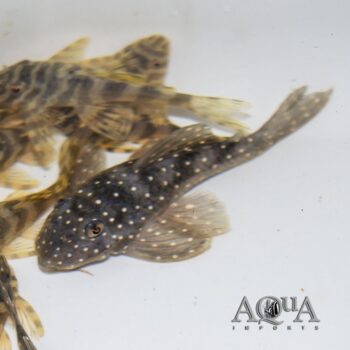
$24.99 – $27.99Price range: $24.99 through $27.99
A smaller growing spotted species of Hypancistrus known from several lower Amazon tributaries in Brazil, the L004 Angelicus Pleco is an ideal pleco for the small to medium community aquarium. Although normally shy at first, they will become more comfortable spending time out in the open over time and especially when food is added to the tank. Like most of their close relatives in the genus Hypancistrus, the L004 is not a particularly good algae eater and prefers a more protein rich diet than some plecos. Peaceful toward nearly all tankmates, they can be territorial towards other plecos but will typically coexist without problems long as plenty of cover is provided in the aquarium.
-
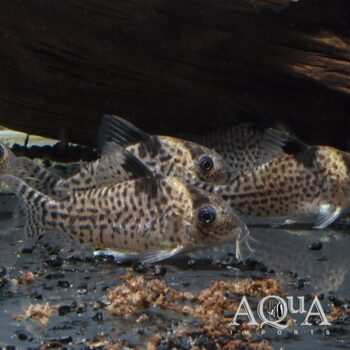
$8.99 – $9.99Price range: $8.99 through $9.99
An attractively marked and larger-growing Corydoras from the middle Amazon in Colombia, Peru, and Brazil, the Agassizii or Spotted Cory is a peaceful shoaling fish often found in large groups in the wild. In the aquarium they are hardy and undemanding, an excellent and active bottom-dweller for most community tanks. Like most Corydoras they should be kept in groups of at least five fish.
-
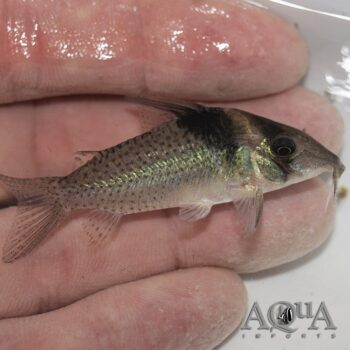
$24.99
A rarely imported, larger-growing species of Cory Cat, Brochis amandajanea or the Amanda Jane Cory is found in the upper and middle Rio Negro in Brazil. An inhabitant of soft, acidic, shallow waters on fine sand substrate, they are typically found in large aggregations as they forage for food in the substrate. Peaceful, hardy, and active, this species makes a striking addition to a community or planted aquarium. Like all Corydoras, they will do best on a fine sand substrate and should be kept in groups of 5 or more.
-
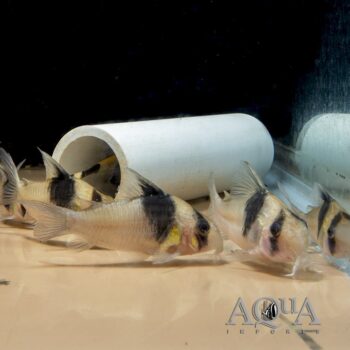
$29.99
A beautiful and larger growing species of Corydoras only recently introduced to the hobby, CW049 Black Diamond Cory is found in the upper Rio Negro and Uapes drainages along the Brazil/Colombia/Venezuela border. An inhabitant of soft, acidic, shallow waters on fine sand substrate, they are typically found in large aggregations, sometimes mixed with the very similar CW051. Peaceful, hardy, and active, this species makes a striking addition to a community or planted aquarium. Like all Corydoras, they will do best on a fine sand substrate and should be kept in groups of 5 or more.
-
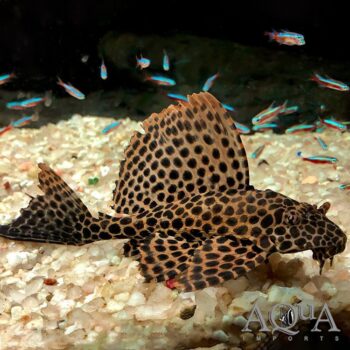
$29.99
An incredibly beautiful but huge growing pleco, the L165 Sailfin, Butterfly, or Gibbiceps Pleco has been known by many names in the trade and is now among the most widely bred plecos in the hobby despite its large adult size. As the name implies, this species is easily distinguished by its enormous, sail-like dorsal fin and intricate pattern of dark spots against a tan, light brown or reddish background. An algae grazer and opportunistic omnivore, the Sailfin Pleco is an excellent fish for algae control in a very large community aquarium but with its fast growth and adult size of over 16″ it requires a substantial amount of space to maintain successfully. Most available in the trade have been farm bred and possibly hybridized with other similar species but the wild form from the Rio Negro displays exceptional reds and a highly distinct pattern.
-
$29.99 – $89.99Price range: $29.99 through $89.99
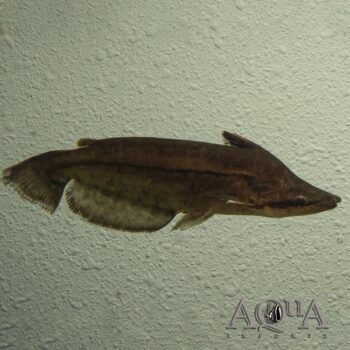
An uncommon and oddly shaped catfish found in a number of Amazon and Orinoco tributaries, Wallace’s Shoehead Cat is named for its unusually flat, broad head. A shy and primarily nocturnal fish, they spend most of the daylight hours in the wild hidden among driftwood or in leaf litter, emerging at night to feed on insects and smaller fish. In the aquarium they are fairly hardy, but will do best with plenty of plants or driftwood for cover. While they are peaceful towards similarly sized tankmates they will eat any fish that can fit in their large mouths.
-

$14.99
A popular and attractively patterned dwarf woodcat from the middle Amazon and its tributaries in Peru, Colombia and Ecuador, the Honeycomb Woodcat or Oil Catfish is a cryptic species which spends most of the daylight hours hidden within driftwood, leaf litter, or submerged logs. At night however, they emerge to feed near the surface where they actively hunt for insects and insect larvae. In the aquarium they are a hardy species and have been bred successfully, but should be kept only with similarly small and peaceful tankmates as they can easily be outcompeted for food.
-
$54.99
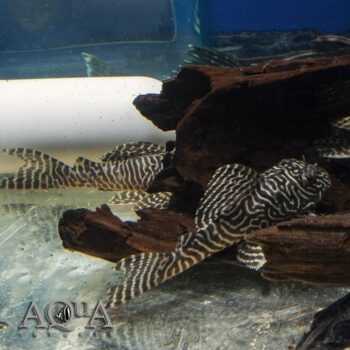
One of several strikingly marked species of Hypancistrus from the Rio Xingu in Brazil, the Yellow form of the L066 King Tiger Pleco inhabits rocky areas of warm, fast-moving water. In the aquarium, they need excellent water quality and do best when provided lots of cover in the form of caves or driftwood. A carnivore, they should be fed protein rich foods like frozen bloodworms, carnivore pellets, or gel diets. The L066 “Yellow” has the intricate pattern of the more commonly seen black and white form but with a more vibrant yellow base coloration. Like most plecos from the region, they will do best at warmer temperatures (80-85F) and plenty of current.
-
$199.99 – $329.99Price range: $199.99 through $329.99
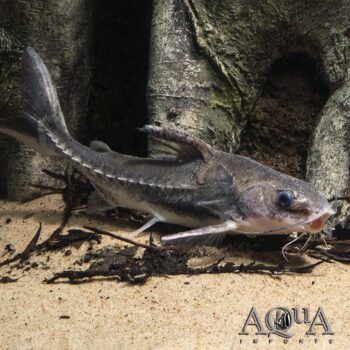
A large growing Doradid known from the Northeastern coast of South America and the lower Amazon and Essequibo Rivers, the Saw Scale Stone Catfish or Rock Bacu is rarely seen in the hobby but makes an impressive display fish for the suitably large aquarium. In the wild, it tends to inhabit open water stretches of river, often in murky ”white water” stretches where they feed on a variety of foods including snails, crustaceans, and even fruit and vegetable matter. The Saw Scale Rock Catfish is often found in the mouths of rivers, including estuarine areas in brackish areas and will adapt well to medium strength brackish water long term. A powerful and active swimmer, this catfish will generally ignore most tankmates too big to be a meal but should be given plenty of open swimming space and will do best with some current.
End of content
End of content