Showing 226–250 of 449 resultsSorted by latest
-
$11.99
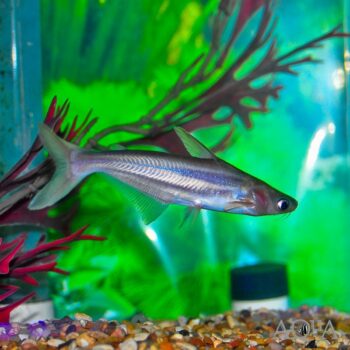
The Glass Albino Iridescent Shark is a newly developed strain of the popular aquarium catfish marketed as a freshwater “shark” due to its tall dorsal fin and shark-like swimming pattern. This color morph features a semi-transparent body with caramel colored stripes against a typical pinkish albino body coloration. Although this species remains popular in the hobby, it is a freshwater giant, able to reach over 30″ in captivity and requires the largest of aquariums or ideally an indoor/tropical pond to maintain long term. Hardy and adaptable, they get along with most tankmates but are easily spooked and should be provided with ample cover and relatively dim lighting in the aquarium.
-
$49.99 – $109.99Price range: $49.99 through $109.99
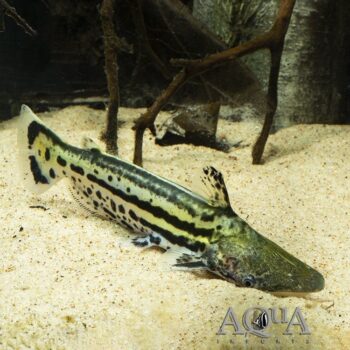
A rarely seen and attractively patterned Dolphin or Duckbill catfish of the genus Ageneiosus, the Orinoco Dolphin Cat is known only from the Orinoco and its tributaries in Colombia and Venezuela. This species can be distinguished from others in its genus by its base yellowish coloration and distinctive broken stripes that typically extend to the caudal fin. In the aquarium they are hardy and adaptable, but will do best with plenty of plants or driftwood for cover. While they are peaceful towards similarly sized tankmates they will eat any fish that can fit in their large mouths.
-
$29.99 – $34.99Price range: $29.99 through $34.99
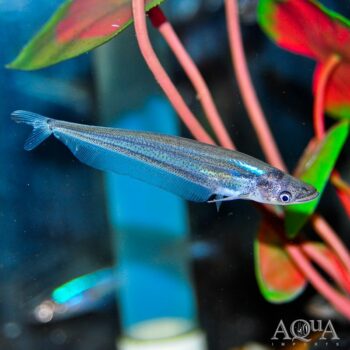
An unusual, large growing catfish found in most larger bodies of freshwater in Southeast Asia, the Blue Sheatfish or Bleeker’s Sheathfish is an important food fish throughout its native range. As an active open water species of catfish, it is typically found in rivers with moderate to strong flow and undertakes large migrations in the wild influenced by the region’s annual flooding pattern. A predator, they are something of a generalist feeder and will typically accept frozen and prepared foods. In an appropriately large aquarium, they are an impressive, showy fish which will rarely bother tankmates too large to be eaten and prefer at least moderate water movement.
-
$17.99
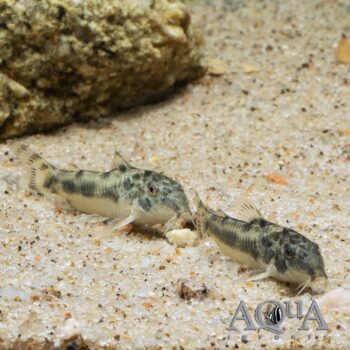
A rarely seen Corydoras relative originating along Brazil’s Atlantic coast, the C125 Aspidoras Catfish is a small growing, peaceful fish which like its close relatives is typically found in large groups. Hardy and adaptable, they are an excellent community fish that will do well with nearly any peaceful tankmates.
-
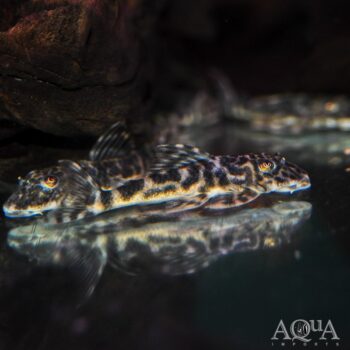
$13.99 – $14.99Price range: $13.99 through $14.99
A small growing, attractively patterned species of Peckoltia from the Orinoco and Meta rivers, the L127 Mottled False Zebra Pleco or Scribbled Pleco is an ideal pleco for the small to medium community aquarium. Although normally shy at first, they will become more comfortable spending time out in the open over time and especially when food is added to the tank. Like most of their close relatives, the L127 is not a particularly good algae eater and prefers a more protein rich diet than some plecos. Peaceful toward nearly all tankmates, they can be territorial towards other plecos but will typically coexist without problems long as plenty of cover is provided in the aquarium.
-
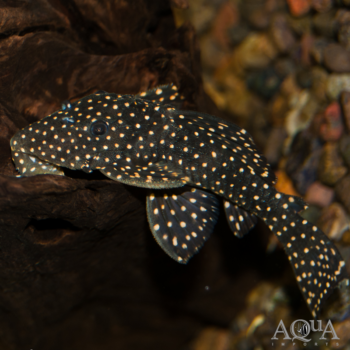
$44.99 – $54.99Price range: $44.99 through $54.99
The L007 Yellow Spot Galaxy or Vampire Pleco is a close relative of the more well known L240/L240a originating from Eastern Brazil close to the mouth of the Amazon. Like most plecos in the genus Leporacanthicus, the L240 are primarily carnivores, and prefer protein rich foods. Aggressive for a pleco, these large growing fish will do best when provided with ample hiding places and caves.
-
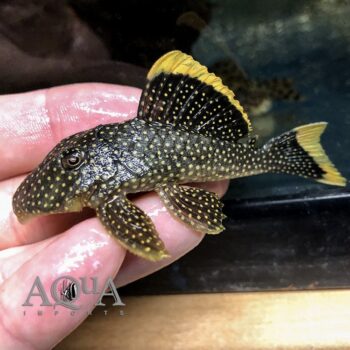
$39.99 – $59.99Price range: $39.99 through $59.99
The L081 “special” is naturally occurring color variation of the popular Gold Nugget Pleco distinguished by having many fine, brilliant yellow spots along the body along with a bright yellow seam or trim to the dorsal and caudal fins. Like its close relatives, it is found in rocky shallow areas in warm, well-oxygenated water. In the aquarium, it should be provided with plenty of cover and regular feedings of protein rich feeds such as Repashy gel diet or other prepared feeds. They will do best at high temperatures (82 – 86F), lots of water movement and a variety of rocks and caves in which to establish territories. This species can be a challenge to maintain long term and is best suited for experienced hobbyists who can ensure optimal water quality similar to what they would find in nature and a varied diet.
-

$29.99 – $59.99Price range: $29.99 through $59.99
The Fork Tail Hoplo Catfish is a widespread species of heavily armored catfish found throughout much of the Amazon, where it is found in a wide variety of habitat types. Like their more well known relative, the Spotted Hoplo (M. thoracata) and are especially hardy due to their ability to breathe atmospheric air when dissolved oxygen levels are low. In the aquarium, they will thrive in a wide variety of conditions and make excellent tankmates for most medium to large sized fish.
-
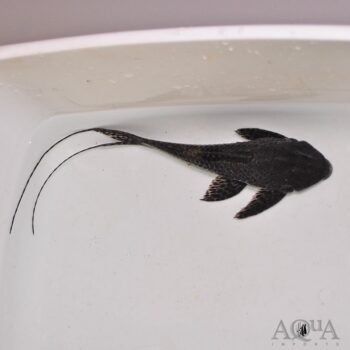
$82.99 – $359.99Price range: $82.99 through $359.99
Found in the deep channels of fast-flowing reaches of the middle Amazon in Peru, the the L350 Imperial or Coal Pleco is a large and uncommon species of Peckoltia distinguished by its jet black coloration and long caudal streamers. Some deepwater specimens lack pigment entirely. Like their relatives, they are adapted for a diet consisting primarily of driftwood in the wild and should be offered plenty of driftwood in the aquarium. They will readily accept fresh veggies and specialty prepared diets like Repashy’s Morning Wood in the aquarium.
-
$39.99 – $109.99Price range: $39.99 through $109.99
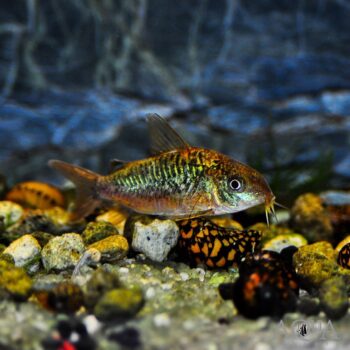
A medium growing species of Brochis, the Pantanal or C005 Cory originates in the clear water wetlands known as the Pantanal in Southern Brazil and Bolivia. Adult fish are one of the most attractive of all Corydoras, with adult males in breeding colors showing a remarkable iridescent spotted pattern. Like most Cory catfish, they are peaceful, hardy, and best kept in groups due to their schooling nature. Because of their larger adult size, Pantanal Corys make for great bottom feeders or dithers in aquariums with medium South or Central American Cichlids or other predatory fish which aren’t large enough to try to make a meal of them.
-
$149.99 – $249.99Price range: $149.99 through $249.99
The Papa Lyretail or Papa Panaque is found in the middle Amazon, where it usually inhabits relatively fast moving, sediment rich waters. As the name suggests, this species has a distinctive lyre-shaped tail which will develop elaborate streamers as they grow. Juvenile fish display an attractive pattern of spots and squiggles which will fade slightly as they approach adult size. Like its relatives, this pleco is highly adapted to feeding on submerged wood and should be offered plenty of driftwood and specialty foods for wood eaters in the aquarium.
-
$89.99
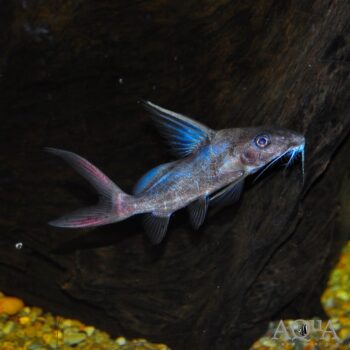
The Redtail Synodontis Catfish is a unique and colorfully marked member of the genus Synodontis, also known as Squeaker Catfish for their ability to make a distinctive squeaking noise with their pectoral fins when taken out of the water. Found in a wide variety of habitat types throughout West Africa, this uncommon import is hardy and adaptable in the aquarium and is more active and less shy than many other closely related species. Juvenile fish display a pattern of spots which fade over time, and adults display a dark brown body coloration and a vivid red tail that becomes more intense with age.
-
$25.99
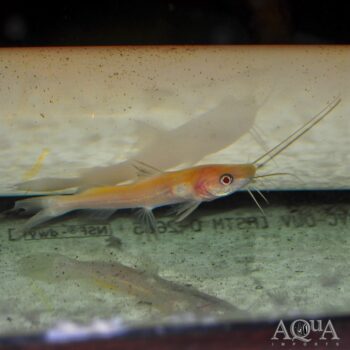
A large and aggressive river-dwelling catfish found throughout much of Southeast Asia, the Asian Redtail Cat (or ARTC as they are sometimes abbreviated in the hobby) is a powerful predatory species only suitable for very specialized hobbyists. In the wild, they are found in a wide variety of habitats but typically in areas of moderate to fast flow. In the aquarium, they are generally hardy but will do best with some current and plenty of oxygenation. With a maximum size of over 30″ in the wild, these fish require the largest of aquariums or indoor ponds as adults. They are also extremely aggressive towards most other fish, so should only be kept with large, robust, fast-moving tankmates. Albino specimens are uncommon and make striking display fish as they grow.
-
$34.99
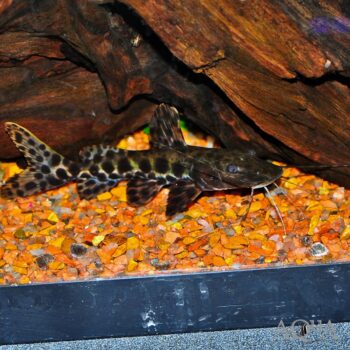
A manmade hybrid of two large growing catfish species of the Amazon Basin, the Marble Sailfin or Achara x Tiger Shovelnose is a somewhat recent addition to the aquarium hobby originally developed by breeders in Asia but now in production as a food fish in South Ameria as well. Like both of their parent species, these fish will reach a large size in a relatively short time. In the aquarium, they are fairly easy to care for but keep in mind they will attempt to eat anything they can fit in their surprisingly large mouths. Juvenile fish grow extremely quickly so to realistically keep these fish long term a massive aquarium or ideally an indoor pond is necessary.
-
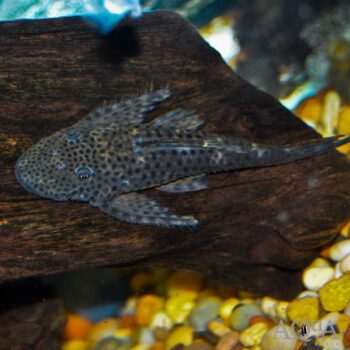
$34.99
An attractive, medium-sized pleco found in the warm, fast-moving waters of the Orinoco and its tributaries in Colombia and Veneuela, the Black Spotted Flyer or Dumus Pleco is not commonly seen in the hobby. In nature, the species is largely herbivorous, feeding on algae mats, terrestrial and aquatic plants, and biofilms, but as with most herbivorous plecos they take in plenty of insect larvae, crustaceans, and other protein sources. In the aquarium, they are best kept in conditions similar to their wild habitat, with warm, well-oxygenated water with plenty of current and cover in the form of rocks and caves. A varied diet including plenty of vegetable matter will ensure this species thrives long-term.
-
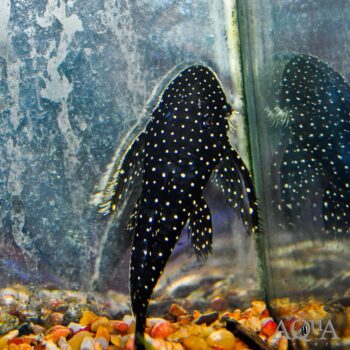
$49.99
An attractive, medium-sized pleco found in the warm, fast-moving waters of the Orinoco and its tributaries in Colombia and Veneuela, the Flyer Pleco is well adapted for life in the rapids. In nature, the species is largely herbivorous, feeding on algae mats, terrestrial and aquatic plants, and biofilms, but as with most herbivorous plecos they take in plenty of insect larvae, crustaceans, and other protein sources. In the aquarium, they are best kept in conditions similar to their wild habitat, with warm, well-oxygenated water with plenty of current and cover in the form of rocks and caves. A varied diet including plenty of vegetable matter will ensure this species thrives long-term.
-

$124.99 – $189.99Price range: $124.99 through $189.99
The L097, known as the Polka Dot or Spotted Cactus Pleco is an attractively marked, medium growing species of Pseudacanthicus (commonly known as cactus plecos). This pleco originates in the rocky, clear waters of the middle and upper Rio Tapajos in Brazil. Territorial and largely carnivorous by nature, this species grows to about 7″ length and requires a fairly large aquarium with lots of cover, especially if they are to be kept with other plecos. They prefer warmer water temperatures (80F ) and will do best with moderate to strong current.
-
$179.99 – $339.99Price range: $179.99 through $339.99
The Yellow Titanic Pleco is a color variant of L273 known for striking, almost metallic yellow markings. This large, robust, and aggressive species of Pseudacanthicus (commonly known as cactus plecos), originates in the rocky, clear waters of the Rio Tapajos in Brazil. Territorial and largely carnivorous by nature, this species grows to over a foot in length and requires a fairly large aquarium with lots of cover. They prefer warmer water temperatures (80F ) and will do best with moderate to strong current.
-
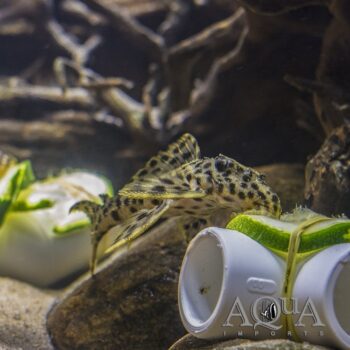
$44.99 – $169.99Price range: $44.99 through $169.99
A colorful and uniquely patterned member of the genus Leporicanthicus, the Golden Vampire Pleco is found in the warm, clear, fast-moving waters of Brazil’s Rio Xingu where it inhabits rocky shallow and even rapids. In the aquarium, it should be provided with plenty of cover and regular feedings of protein rich feeds such as Repashy gel diet or other prepared feeds. Like most plecos from this region, they will do best at high temperatures (82 – 86F), lots of water movement and a variety of rocks and caves in which to establish territories. This species is generally less aggressive than others in its genus and grows to a more manageable adult size (about 8″), but like most of its close relatives it should be provided a protein rich diet.
-
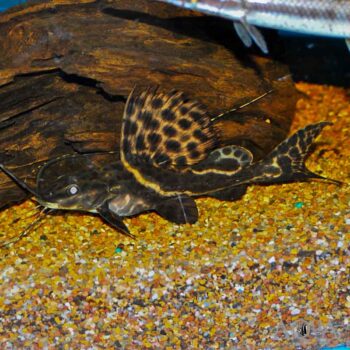
$289.99 – $399.99Price range: $289.99 through $399.99
A large-growing, active, and beautifully marked catfish, The Sailfin Pim or Sailfin Marbled Catfish originates in parts of the Orinoco and the Peruvian Amazon. With their distinctive pattern, huge dorsal fin, and extremely long barbels, they are a beautiful and active fish in the aquarium. With an adult size of around 24″, however, they require a large aquarium or pond as an adult. Tankmates should be chosen with care as they will eat any fish small enough to fit in their huge mouths.
-
$54.99
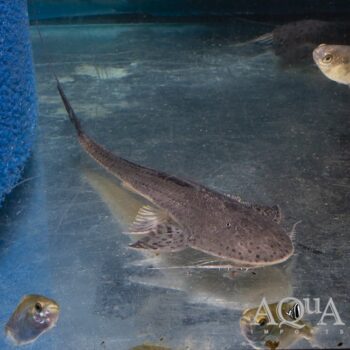
The Spot Face or Spoon Face Loricaria is an uncommon, larger-growing Loricariid found in the Ucayali and other Western Amazon Tributaries. In the wild, it inhabits broad, sandy shallows usually in areas of moderate to strong current. In the aquarium, it requires a bed of fine sand which it will spend most of its time burrowed in and plenty of open space. Like most of its relatives it is sensitive to poor water quality so large frequent water changes, plenty of current and well-oxygenated water to thrive.
-
$44.99
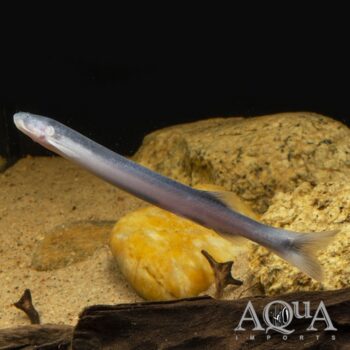
An unusual looking parasitic catfish, the Torpedo Candiru Cat or Candiru açu is found throughout much of the Amazon basin. A powerful, active swimmer that is almost always in motion, this species uses its strong sense of smell to seek out larger fish and either burrowing into gill tissue or skin with their highly specialized like mouths. They also feed on dead fish and mammals (including in some cases humans that had drowned), burrowing under skin and hollowing out the body. In the aquarium, they do best in a large tank with plenty of open swimming space and moderate to strong current.
-
$69.99
An unsual catfish found in some Western Amazon tributaries, the Sleeper Dolphin Catfish is a specialized predator/parasite adapted for feeding on larger fish and dead animals in the wild. Their common name comes from the local name for the fish, “dormilon”, which reflects their nocturnal nature. Less of a predator than some relatives, they will readily accept prepared foods in the aquarium and tend to ignore tankmates too large to be eaten.
-
$49.99 – $59.99Price range: $49.99 through $59.99
An unsual catfish found throughout most of the Amazon basin, the Blue Dolphin or Torpedo Catfish is a specialized predator/parasite adapted for feeding on larger fish and dead animals in the wild. A powerful, active swimmer, this fish feeds by seeking out large fish and taking substantial bites with their highly specialized “cookie cutter” like mouths. They also feed on dead fish and mammals, burrowing under skin and hollowing out the body. In the aquarium, they do best in a large tank with plenty of open swimming space and moderate to strong current.
-
$119.99
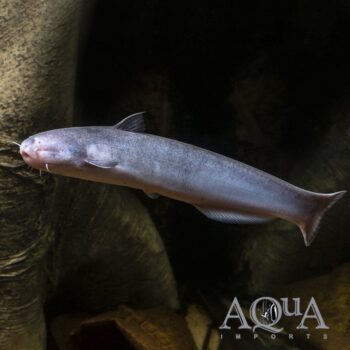
This large, bizarre looking parasitic catfish, the Candiru Dolphin Cat or Candiru açu is found throughout most of the Amazon basin, where it spends most of the day hiding among fallen logs and driftwood. At night, they are powerful, active swimmers, seeking out large fish and taking substantial bites with their highly specialized “cookie cutter” like mouths. They also feed on dead fish and mammals (including in some cases humans that had drowned), burrowing under skin and hollowing out the body. In the aquarium, they do best in a large tank with plenty of open swimming space and moderate to strong current.
End of content
End of content