Showing 51–75 of 449 resultsSorted by latest
-
$11.99 – $16.99Price range: $11.99 through $16.99
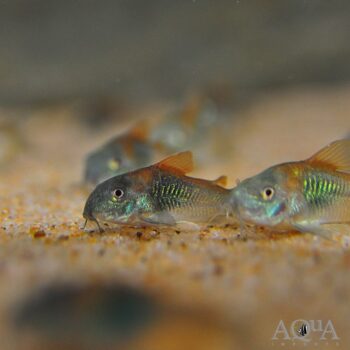
A colorful and popular species of Corydoras, the Venezuelan Cory originates from a few coastal rivers in Venezuela but is now bred on a large scale for the aquarium trade so wild specimens are almost never seen. Small, active, and with attractive orange and green coloration, Venezuelan Corys are ideal for nearly any small to medium peaceful community aquarium. Like most Corydoras, they are an active schooling species that will do best in a group of at least 5 fish. Peaceful and hardy, they prefer a fine sand substrate, well-oxygenated water and temperatures in the 75-80F range.
-
$8.99 – $14.99Price range: $8.99 through $14.99
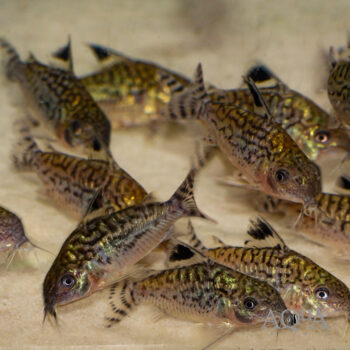
An attractively marked and uncommon Cory from the middle Amazon in Peru and Brazil, the Reticulated or Network Cory (Brochis reticulatus) is a peaceful shoaling fish often found in large groups in the wild. In the aquarium they are hardy and undemanding, an excellent and active bottom-dweller for most community tanks. Like most Corydoras they should be kept in groups of at least five fish.
-
$7.99 – $10.99Price range: $7.99 through $10.99
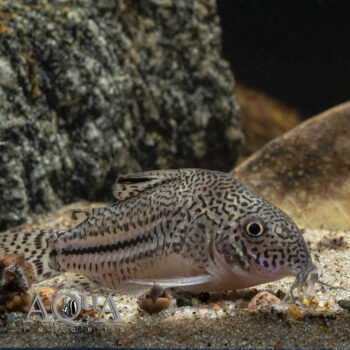
An attractively marked and longtime hobby favorite, the False or Colombian Julii Cory is a peaceful shoaling fish often found in large groups in the wild. Often misidentified in the trade as H. julii (which is only known from Brazil), this very similar species is found throughout much of the middle Amazon in Colombia and Peru. In the aquarium they are hardy and undemanding, an excellent and active bottom-dweller for most community tanks. Like most Corydoras they should be kept in groups of at least five fish.
-
$8.99
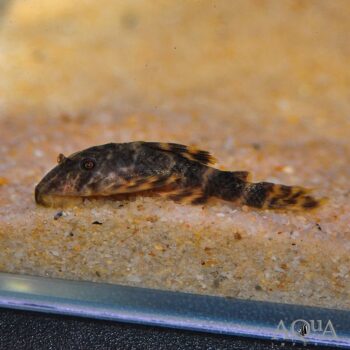
One of the most popular small plecos in the aquarium hobby, the Clown Pleco or L104 is found in the rocky waters of the Rio Meta and its tributaries in Colombia. A scavenger and algae grazer, they will feed on nuisance algae in the aquarium but prefer more protein rich foods and should be supplemented with a variety of foods including gel diet, sinking pellets or wafers, and fresh veggies. Peaceful and generally safe with live plants, they are an excellent pleco for small or medium aquariums with a maximum size of just over 3″
-
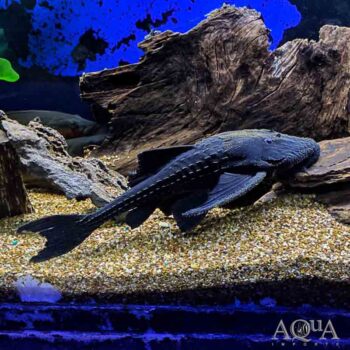
$169.99 – $399.99Price range: $169.99 through $399.99
A giant growing and extremely impressive pleco, the L155 Black Adonis or Hystrix Pleco is found in the middle Amazon and some of its tributaries. With their heavy armor, sharp spines, and huge adult size, this pleco is a true monster fish and adults are suitable only for the largest aquariums. Like most of the genus, they are aggressive and not at all shy, often spending time swimming in open water. They prefer fast-flowing, well-oxygenated water and will do best in a tank with ample open space along with caves and hides to provide territory.
-
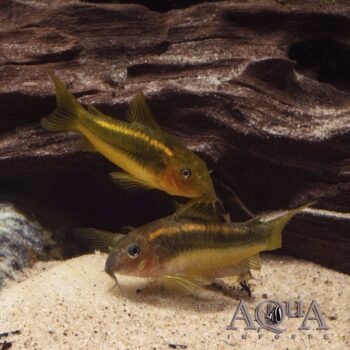
$22.99 – $26.99Price range: $22.99 through $26.99
The Orange Laser or Orange Stripe Cory is one of the most vividly colored fish in its genus, with an unmistakable fluorescent orange stripe arching across its back. Known from the Ucayali and Maranon rivers in Peru, two headwaters of the Amazon, it is unknown what purpose this unusually bright streak of color serves in the wild but in the aquarium it makes for a remarkable display. Like most Corydoras they are active, peaceful schooling fish that will display their best colors and behaviors in a larger group.
-
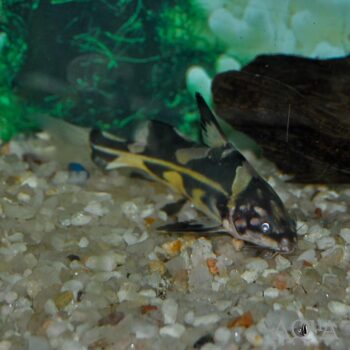
$59.99 – $119.99Price range: $59.99 through $119.99
A uniquely patterned catfish species originating in freshwater streams and rivers of Indonesia, the Harlequin Lancer is an active, aggressive fish which will do best in a large tank with ample hiding places. Tankmates should be chosen carefully as they will attack slower or more docile fish, especially at night.
-
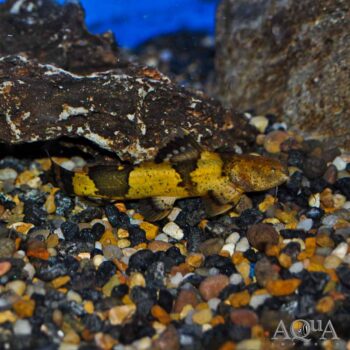
$29.99 – $64.99Price range: $29.99 through $64.99
An attractively marked, medium sized catfish, the Giant Bumblebee Catfish (Pseudopimelodus bufonius), sometimes also called Jello or Jelly Cat, is found throughout the Orinoco and Amazon basins. In the wild, it tends to be found in relatively shallow, slow moving waters – often buried in leaf litter – and is an ambush predator, feeding on small fish, insects, and crustaceans. In the aquarium, they are extremely hardy and undemanding fish, feeding on most sinking prepared foods. Like most catfish, they are nocturnal, and will spend most of the day in hiding so be sure to offer several hiding places.
-
$7.99 – $9.99Price range: $7.99 through $9.99
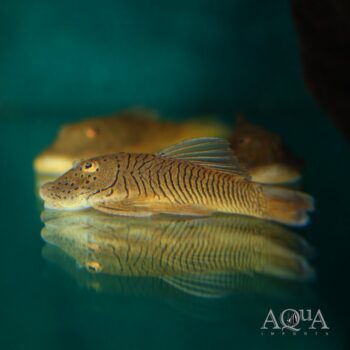
Found in the fast-flowing, clear waters of Colombia’s Rio Meta and its tributaries, the Rubber Pleco is a hardy, popular species and among the most effective plecos for diatom and other algae control in the aquarium. In the wild, they are commonly found in rocky, shallow water areas and should be provided plenty of cover in the aquarium. They are enthusiastic feeders and will readily accept fresh veggies, Repashy gel diet, and other prepared foods designed for herbivores and algae grazers.
-
$11.99 – $39.99Price range: $11.99 through $39.99
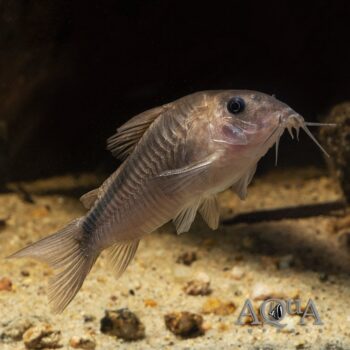
The Black Band or Zygatus Cory (Osteogaster zygatus) is found in white and clear water streams in several upper Amazon Tributaries in Peru, Colombia, and possibly Ecuador. An attractive and active species, they are a deservedly popular Cory in the hobby. Like most of their relatives, they are peaceful, hardy, and best kept in groups due to their schooling nature.
-
$3.49
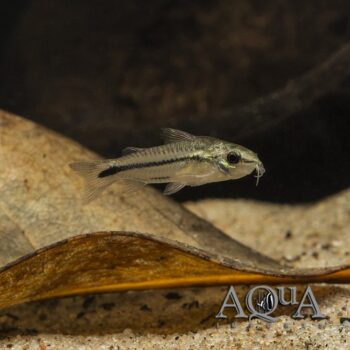
One of the smallest species of Cory and an ideal, active schooling fish for the aquarium, the true Pygmy Cory is found in the middle and upper Amazon and Napo rivers in Colombia, Brazil, and Peru. In the wild, they are usually found in shallow stretches of whitewater or clearwater creeks or seasonally flooded forest. This species is a true shoaling fish which aggregates in groups of hundreds to thousands in nature, and unlike most Corydoras will spend a substantial amount of time swimming in the water column rather than on the substrate. In the aquarium, they will exhibit this same ‘swarming’ behavior and constant activity if kept in groups of 10 or more. With their small adult size and compatibility with almost any other small fish or invertebrate, they are an extremely popular addition to planted and shrimp tanks.
-
$44.99 – $149.99Price range: $44.99 through $149.99
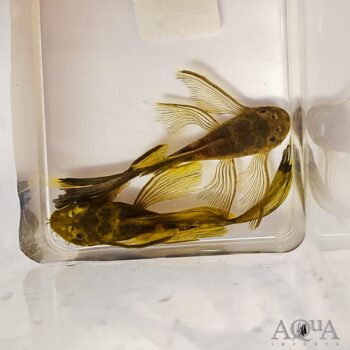
A recently developed and sought after strain of the popular Bristlenose Pleco, the Longfin Green Dragon Ancistrus displays unmistakable greenish coloration paired with extremely long, flowing fins. Like all Bristlenose Plecos, they are exceptional algae eaters, grazing on diatoms and other nuisance algae in the aquarium. They are also plant and invertebrate safe, making them a unique and colorful addition to planted or aquascaped tanks.
-
$39.99 – $359.99Price range: $39.99 through $359.99
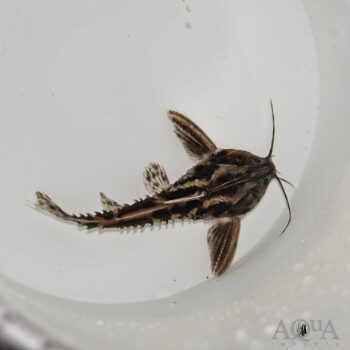
A unique and heavily armored catfish found throughout the Amazon and its tributaries, the Irwin’s Catfish or Giant Talking Catfish is typically a gentle giant in the aquarium, ignoring most fish and being well protected from even the most aggressive tankmates. In the wild, their diet largely consists of aquatic snails, crustaceans, fruit and vegetation, but they will readily accept almost any sinking food. A great scavenger to help manage leftover food in large cichlid or predatory fish displays, they do grow to a huge adult size and will require a tank of 180 gallons at the bare minimum.
-
$29.99 – $84.99Price range: $29.99 through $84.99
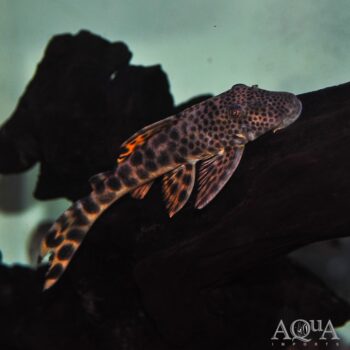
The L075 Para Pleco or Leopard Pleco is a beautifully patterned pleco found in fast-flowing, rocky waters throughout the Orinoco and Amazon basins. As a medium growing and colorful pleco, it is a good addition for a medium to large aquarium and is generally peaceful towards tankmates. The L075 will usually coexist with other plecos as long as ample hiding places and cover is provided. An omnivore, they should be fed a varied diet of both algae/vegetable based and protein-rich foods.
-
$74.99 – $99.99Price range: $74.99 through $99.99
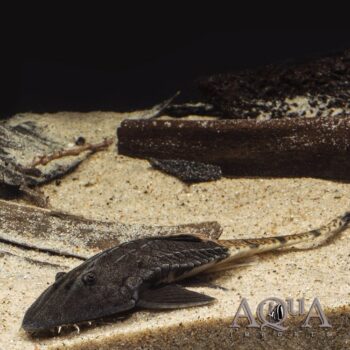
This rare, large-growing Loricariid originates from the Caqueta basin in Colombia and its trubtaries in Northern Ecuador, although a similar looking species is imported from Peru and often misidentified as P. apithanos. The Chameleon Loricaria is typically found in shallow, fast-moving stretches of river, often in groups. In the aquarium, they prefer moderate to high water movement and large open areas of sand substrate. In the wild, they graze on biofilm, algae, small crustaceans and insect larvae and should be fed a varied diet with plenty of proteins such as Repashy Bottom Scratcher or Igapo Explorer gel diet or Fluval Bug Bites pleco formula. They can be territorial with each other so provide plenty of space for each individual fish.
-
$39.99 – $74.99Price range: $39.99 through $74.99
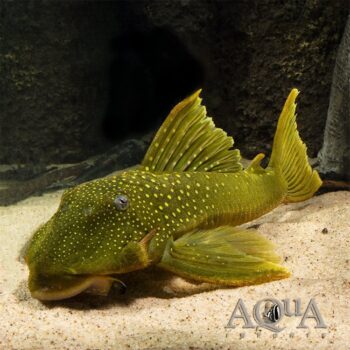
The L200 Green Phantom Pleco is a beautifully marked Loricariid found in fast-moving, rocky areas of the Orinoco and Ventuari Rivers in Colombia and Venezuela. With their light green body coloration and distinctive yellow spots, this pleco makes a colorful and unique addition to most medium to large aquariums. An omnivore, they will graze on algae but will also require a varied diet of sinking prepared foods, gel foods, and fresh vegetables like zucchini and squash. In the aquarium, they will do best in moderately soft, warm, well-oxygenated water with plenty of hiding places and moderate to strong current. This species requires excellent water quality to thrive so large frequent water changes should be considered necessary.
-
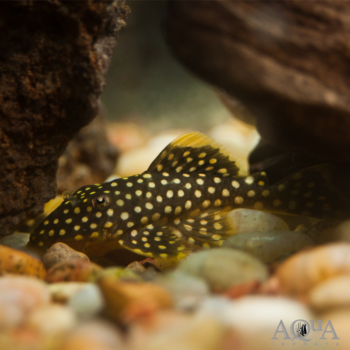
$49.99 – $74.99Price range: $49.99 through $74.99
The L018 is the most well known form of the popular Gold Nugget Plecos, distinguished by its large distinct gold spots. Like its close relatives, it is found in rocky shallow areas in the warm, well-oxygenated waters of Brazil’s Rio Xingu. In the aquarium, it should be provided with plenty of cover and regular feedings of protein-rich feeds such as Repashy gel diet or other prepared feeds. This species will do best at high temperatures (82 – 86F), lots of water movement and a variety of rocks and caves in which to establish territories. This species can be a challenge to maintain long term and is best suited for experienced hobbyists who can ensure optimal water quality similar to what they would find in nature and a varied diet.
-
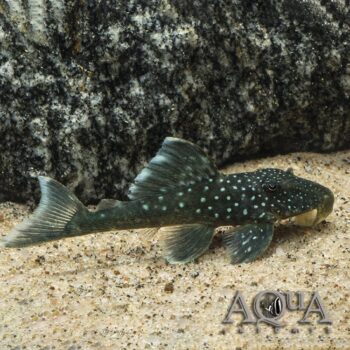
$26.99 – $74.99Price range: $26.99 through $74.99
The L128 Blue Phantom Pleco is a beautifully marked medium growing species of Pleco found in the warm, fast-flowing, rocky waters of the Orinoco River in Colombia and Venezuela. With their light blue overall body coloration and stunning iridescent blue spots, this pleco is deservedly popular in the aquarium hobby and will do well in most medium to large community aquariums provided their needs are met. An omnivore in the wild, they will graze on algae and biofilm but should be provided a varied diet including protein-rich sinking pellets and Repashy Gel Diet. Like most of their relatives in the genus Hemiancistrus, the Blue Phantom Pleco is sensitive to poor water quality so be sure to perform frequent large water changes. They will do best when provided with plenty of hiding places, warm, slightly acidic water, and moderate to strong current.
-
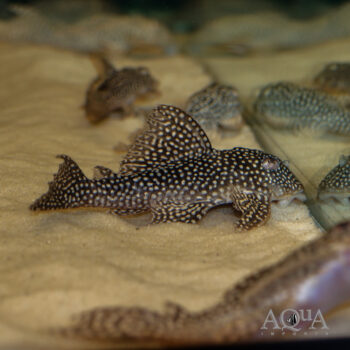
$69.99
A smaller growing spotted species of Hypancistrus known from the Rio Negro and its tributaries, the L136 Demini Angelicus Pleco (Hypancistrus sp. L136) is an ideal pleco for the small to medium community aquarium. Although normally shy at first, they will become more comfortable spending time out in the open over time and especially when food is added to the tank. Like most of their close relatives in the genus Hypancistrus, the L136 is not a particularly good algae eater and prefers a more protein rich diet than some plecos. Peaceful toward nearly all tankmates, they can be territorial towards other plecos but will typically coexist without problems long as plenty of cover is provided in the aquarium.
-
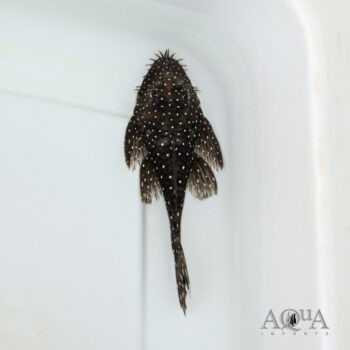
$44.99
A beautiful and sought after member of the genus Ancistrus found in Brazil’s Rio Negro, the L182 Starlight or L182 Starry Night Bristlenose Pleco (Ancistrus punctatus) inhabits warm, acidic, tannin-stained waters where it is typically found grazing on submerged driftwood or fallen branches. In the aquarium, they are hardy and adaptable but should be provided with plenty of cover and driftwood for grazing on. Like all Bristlenose or Bushynose plecos in the genus, both males and females display bristles or tentacles along the nose as adults, with mature males having much more elaborate growth.
-
$44.99
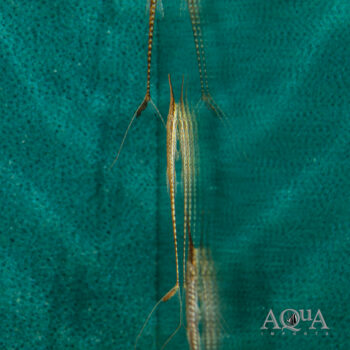
A unique suckermouth catfish that truly lives up to its common name, the Stick Catfish or Common Farlowella is an algae and biofilm grazing species found throughout much of South America. In the wild, their twig-like appearance is effective camouflage against predators and allows them to graze on sunken tree branches and driftwood. In the aquarium, they are usually active and outgoing algae grazers that do a great job with diatoms and hair algae both on the glass and on decor. Safe for planted aquaria, they are compatible with nearly any tankmates. When kept in optimal conditions, this species will spawn readily in the aquarium, often on the glass or other vertical flat surfaces.
-
$99.99
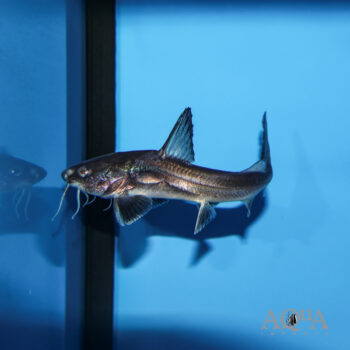
The Armored Sea Catfish (Hemiarius stormii) also known as the Stormii Cat is a gentle giant in the aquarium. They obtain a fully grown size around 19″ and can be kept in brackish to full fresh water. In the wild they can be found in large river systems and estuaries. These cats are relatively peaceful for their size however, they swim and look just like a true shark in the aquarium.
-
$39.99
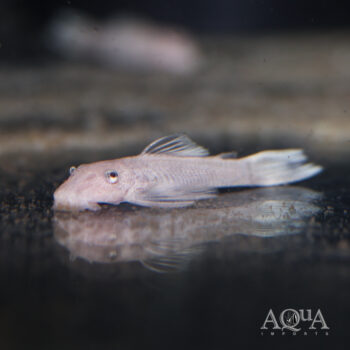
The Snow White Bristlenose Pleco is a line bred variant of the Common Bristlenose or Bushynose Pleco (Ancistrus sp.) developed from the more common albino strain which features vivid blue eyes and solid white body. With their bright white coloration, they make a striking addition to a medium or large community or planted aquarium and are one of the most popular of the many color forms of Ancistrus available in the hobby. As with all Common Bristlenose Plecos, these fish are ideal aquarium inhabitants, grazing on diatom algae while still being safe with live plants and peaceful towards all tankmates. While these plecos will do an excellent job controlling nuisance algae in the aquarium, they should be fed regularly with a high quality diet like Repashy gel formulas.
-
$39.99
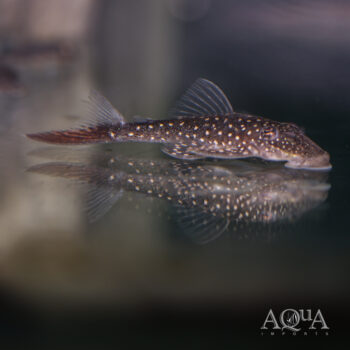
An unusual pleco found in parts of the upper Amazon river in Peru, the L228 Whitespotted Half Fin Pleco (Lasiancistrus sp. L228) tends to be found in fast moving water but little else is known about its habits in the wild. In the aquarium, they are hardy and outgoing for a pleco, and will accept a wide range of foods from Repashy gel diet to sinking wafers.
-
$12.99
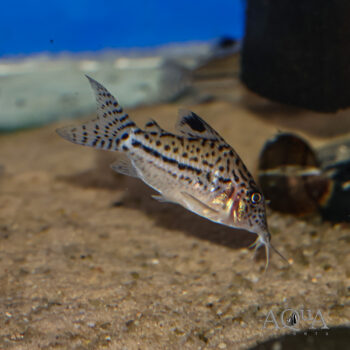
A large growing and intricately patterned catfish, the Gomez Cory (Brochis gomezi) is found in the Amazon basin around the region where Brazil, Colombia and Peru come together. Like most cory catfish, they are peaceful, hardy, and best kept in groups due to their schooling nature. Because of their larger adult size than most of their relatives, this species makes for great bottom feeders or dithers in aquariums with medium South or Central American Cichlids or other predatory fish which aren’t large enough to try to make a meal of them.
End of content
End of content