Tandanus Catfish (Tandanus tandanus)
Original price was: $99.99.$79.99Current price is: $79.99.Product description coming soon.
Select options
This product has multiple variants. The options may be chosen on the product page

Showing 101–125 of 449 resultsSorted by latest
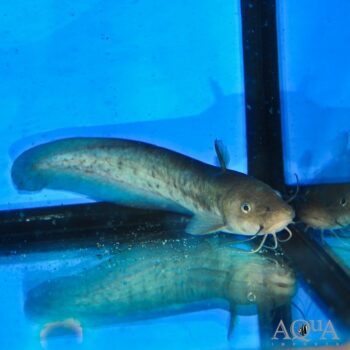
Product description coming soon.

Product description coming soon.
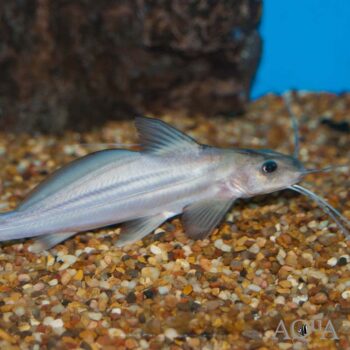
Product description coming soon.
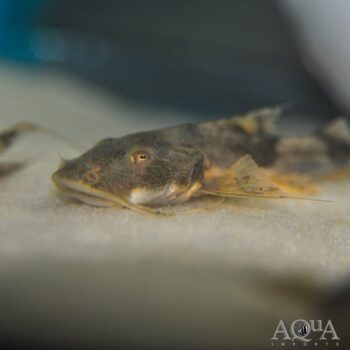
The Giant Devil Catfish (Bagarius bagarius) originating from northern India is one of the true “monster fish”. With their elongated body and broad sensory barbels, these catfish are highly adapted to life in the rocky, fast-moving waters they inhabit in the wild. The Giant Devil Catfish or Goonch Catfish is the largest member of its genus approaching 8 feet or more as adults in the wild. In the aquarium, they are likely to stay much smaller however should be kept in similar conditions to the wild, with clean, well-oxygenated water, strong current and a pond or extremely large aquarium. Rocks and other hides should be provided and they will generally do best with low or subdued lighting.
There is much uncertainty on the actual identity of species within the genus Bagarius. Until there is further scientific revision it is impossible to be 100% sure whether these are true giants or dwarf species (both referred to as Bagarius bagarius in the most recent literature) collected from northern India. Please email [email protected] if you’d like photos of specific fish before purchase.
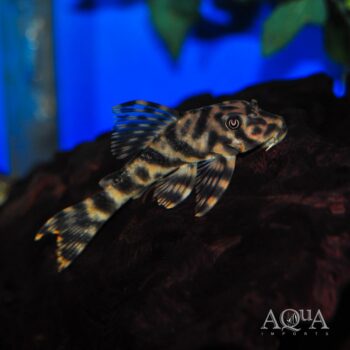
Product description coming soon.
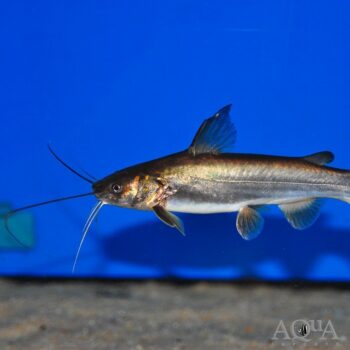
Product description coming soon.
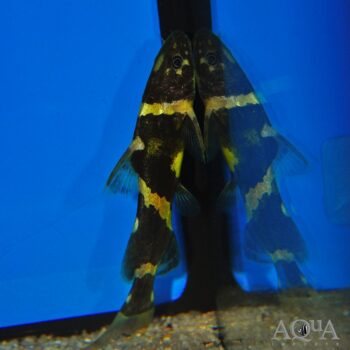
Product description coming soon.
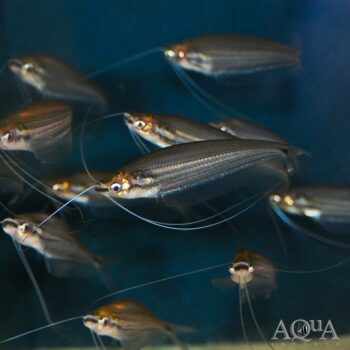
Product description coming soon.
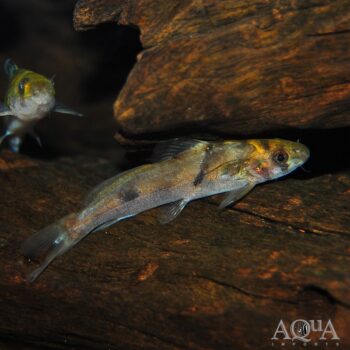
Product description coming soon.
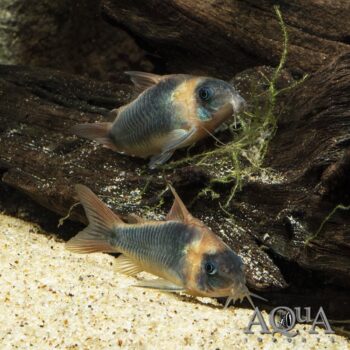
With its combination of deep green body coloration and a distinctive orange stripe, the Eques Cory is a sought after species in the aquarium hobby. Although similar species have occasionally been sold (incorrectly) as C. eques, the True Eques Cory is found only in Amazonas State, Brazil, and is uncommonly imported. Similar to most species of Cory Catfish, the Eques Cory should be kept in groups (ideally 5 or more) and prefers a substrate of fine sand. Due to their larger adult size they make an attractive showpiece fish for a medium to large community aquarium and will do well with nearly any peaceful tankmates.
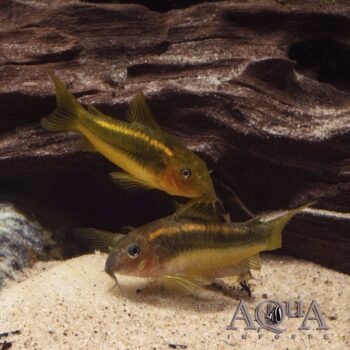
The Orange Laser or Orange Stripe Cory is one of the most vividly colored fish in its genus, with an unmistakable fluorescent orange stripe arching across its back. Known from the Ucayali and Maranon rivers in Peru, two headwaters of the Amazon, it is unknown what purpose this unusually bright streak of color serves in the wild but in the aquarium it makes for a remarkable display. Like most Corydoras they are active, peaceful schooling fish that will display their best colors and behaviors in a larger group.
Product description coming soon.
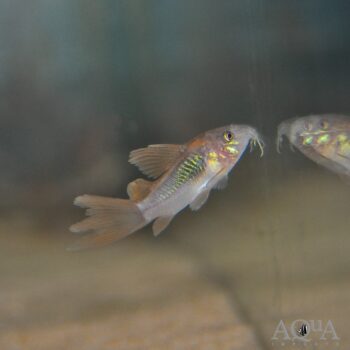
One of the most commonly kept species of Corydoras in the hobby, the Bronze or Aeneus Cory originates from Trinidad but has been captive bred on a huge scale for decades. The longfin form is equally popular. Like most Corys, they are peaceful, hardy, and best kept in groups of 5 or more due to their schooling nature. This species is an excellent community aquarium fish and will do well with nearly any non-aggressive tankmates.
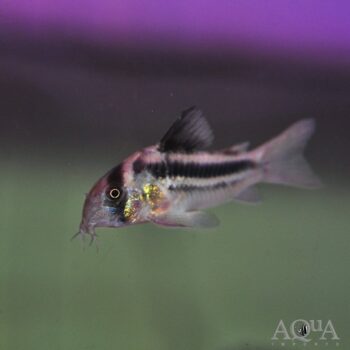
Product description coming soon.
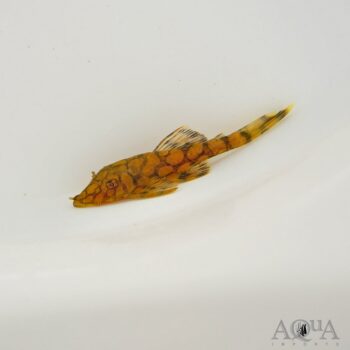
The L519 Honeycomb Bristlenose Pleco or L519 Rio Itenez Bristlenose Pleco, recently discovered in 2019, is considered a rare species of Ancistrus in the hobby. Native to the Río Iténez of Bolivia, they like slightly acidic/soft water and feed on vegetable matter. Their small size (maxing out around 3.5″) along with ornate honeycomb pattern has resulted in them being extremely sought after by aquarists.
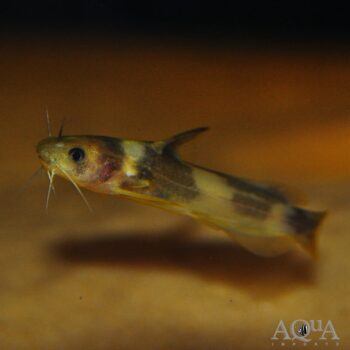
Tachysurus intermedius is native to freshwater habitats in China, specifically found in rivers and streams. Known for its vibrant coloring and appealing demeanor, it makes for a great “mid-size” presence in the aquarium. It has proven hardy and readily accepts prepared foods.
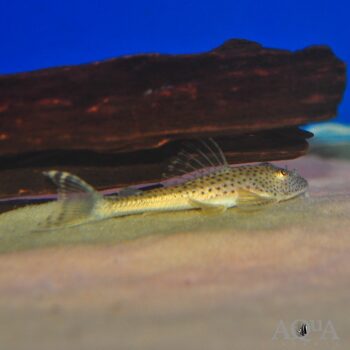
Product description coming soon.
Product description coming soon.
Product description coming soon.

Product description coming soon.
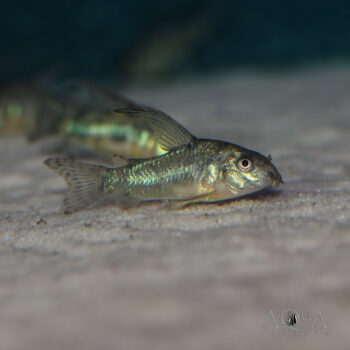
One of the most commonly kept species of Corydoras in the hobby, the Peppered or Paleatus Cory originates from watersheds in Southern South America but has been captive bred on a huge scale for decades and wild specimens are almost never imported. Like most Corys, they are peaceful, hardy, and best kept in groups of 5 or more due to their schooling nature. This species is an excellent community aquarium fish and will do well with nearly any non-aggressive tankmates.
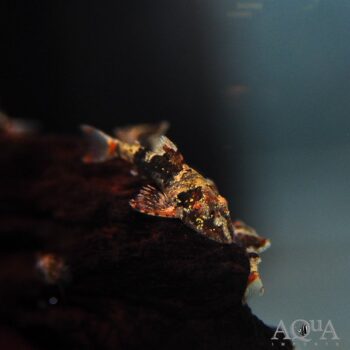
The Bumble Bee Oto (Rhinotocinclus isabelae) is found in the Rio Nanay near Iquitos, Peru. These fish prefer mild flow and cover in the form of plants and driftwood. As a herbivore, this fish will consume biofilms and filamentous algae in your tank, benefiting the overall ecosystem. When there is a scarcity of algae in your tank, you can supplement the oto’s diet with algae wafers. This small peaceful species that will mingle well in a community or planted tank. They are best kept in groups of 5 or more.
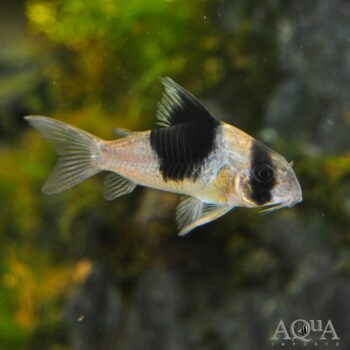
A beautiful and larger growing species of Corydoras only recently introduced to the hobby, CW051 New Panda Cory is found in the upper Rio Negro and Uapes drainages along the Brazil/Colombia/Venezuela border. An inhabitant of soft, acidic, shallow waters on fine sand substrate, they are typically found in large aggregations, sometimes mixed with the very similar CW049. Peaceful, hardy, and active, this species makes a striking addition to a community or planted aquarium. Like all Corydoras, they will do best on a fine sand substrate and should be kept in groups of 5 or more.
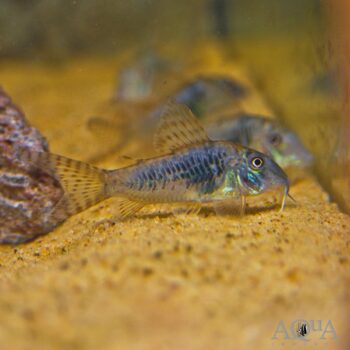
A member of the highly popular corydoras catfish group, the Northern Longnose Cory (Corydoras septentionalis) is a species of fish native to the Orinoco River Basin. With a peaceful temperament, iridescent bodies, and active behavior, the Northern Longnose Cory is sure to be a dynamic addition to a freshwater community tank. Corydoras will spend most of their time scavenging on the substrate of your tank, acting as a valuable cleanup crew!
End of content
End of content
No products in the cart.